The best waterfall hikes and walks in the Cascade Range
4.7
(3451)
64,227
hikers
323
hikes
Waterfall hiking trails in the Cascade Range traverse a diverse landscape extending over 700 miles from British Columbia to Northern California. This region is characterized by volcanic peaks, extensive glaciers, and dense coniferous forests. The terrain includes lush old-growth forests, high alpine environments, and deep river gorges, providing varied ecological zones. Notable features include numerous waterfalls, alpine lakes, and dramatic elevation changes.
Best waterfall hiking trails in the Cascade Range
- The most popular waterfall hiking route is Skyline Trail Loop…
Last updated: October 4, 2026
4.9
(137)
1,734
hikers
10.2km
03:27
510m
510m
Embark on the Skyline Trail Loop for a classic Mount Rainier hiking experience, covering 6.3 miles (10.2 km) with a moderate difficulty. You'll ascend 1684 feet (513 metres) over an…
4.9
(137)
1,716
hikers
9.49km
03:18
520m
520m
Moderate hike. Good fitness required. Mostly accessible paths. Sure-footedness required.

4.6
(10)
155
hikers
18.7km
06:38
1,250m
740m
Prepare for a challenging hike on the Angel's Rest and Devil's Rest Loop Trail, a difficult route covering 11.6 miles (18.7 km) with a significant 4103 feet (1251 metres) of…
4.9
(7)
99
hikers
18.9km
05:54
610m
940m
Embark on the Cape Horn Loop Trail for a challenging hike through the Columbia River Gorge. This difficult route spans 11.7 miles (18.9 km) and involves a significant elevation gain…
4.9
(8)
82
hikers
6.71km
02:18
300m
340m
Embark on the Skyline and Golden Gate Loop, a moderate hiking route that offers continuous, expansive views of Mount Rainier and the surrounding Paradise region. This 4.2-mile (6.7 km) loop…
Get access to more routes and recommendations from other explorers.
Already have an account?
Our route recommendations are based on thousands of hikes, rides, and runs completed by other people on komoot.
Start today with a free account
Your next adventure awaits.
Popular around Cascade Range
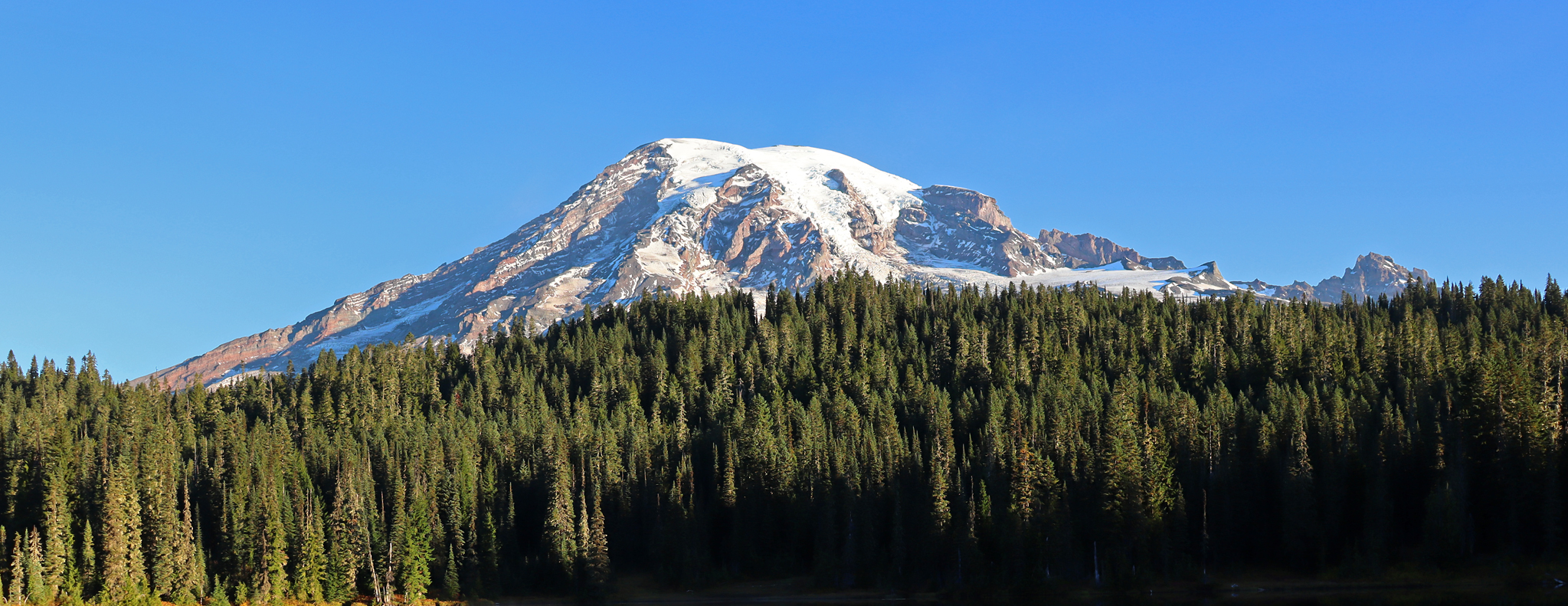
Wonderland Trail — 93 iconic miles around Mount Rainier
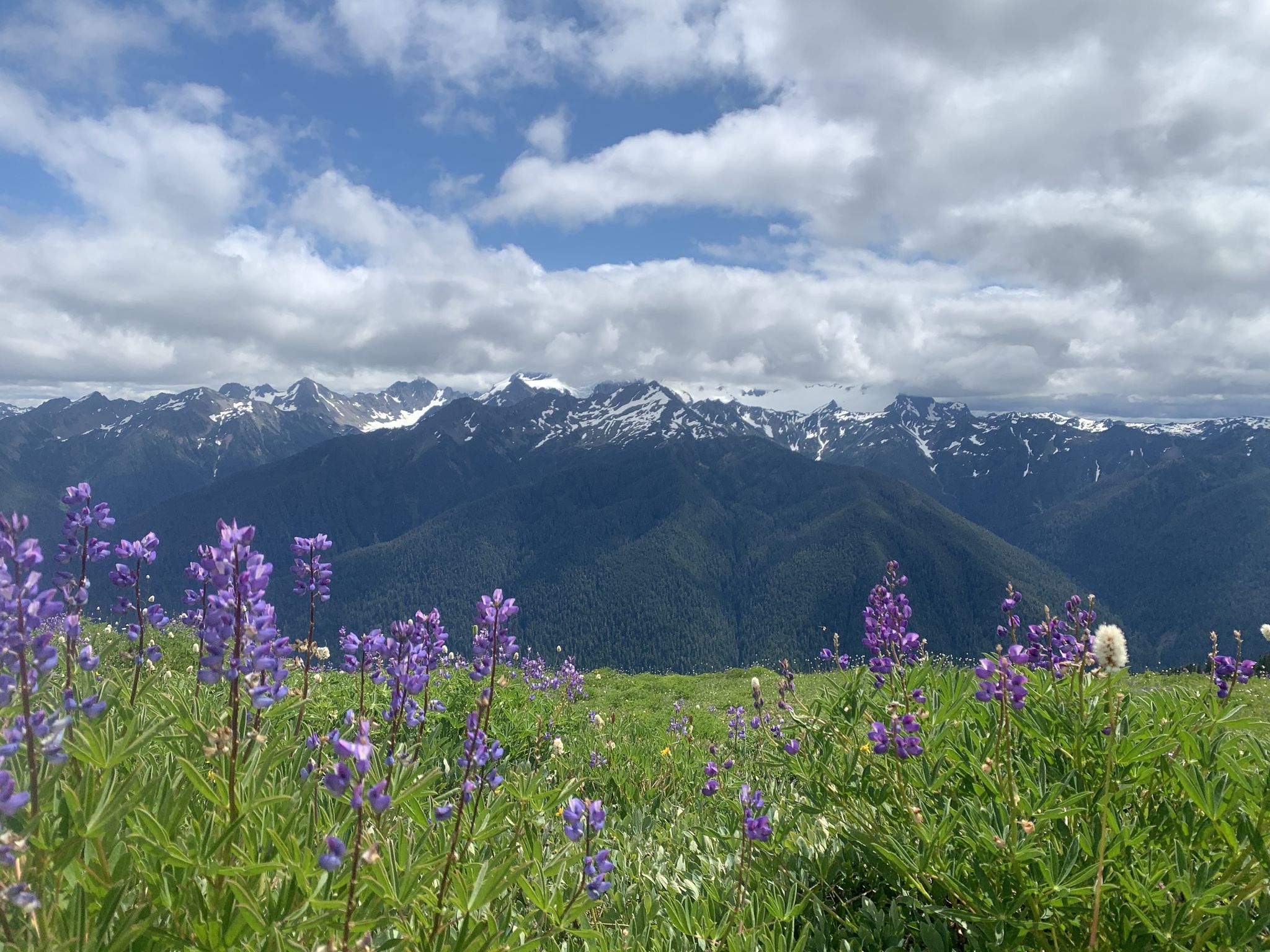
Pacific Northwest National Scenic Trail — From Alpine to Alava through the untamed Northwest

Pacific Crest Trail from Mexico to Canada – 4,200 kilometres of wilderness
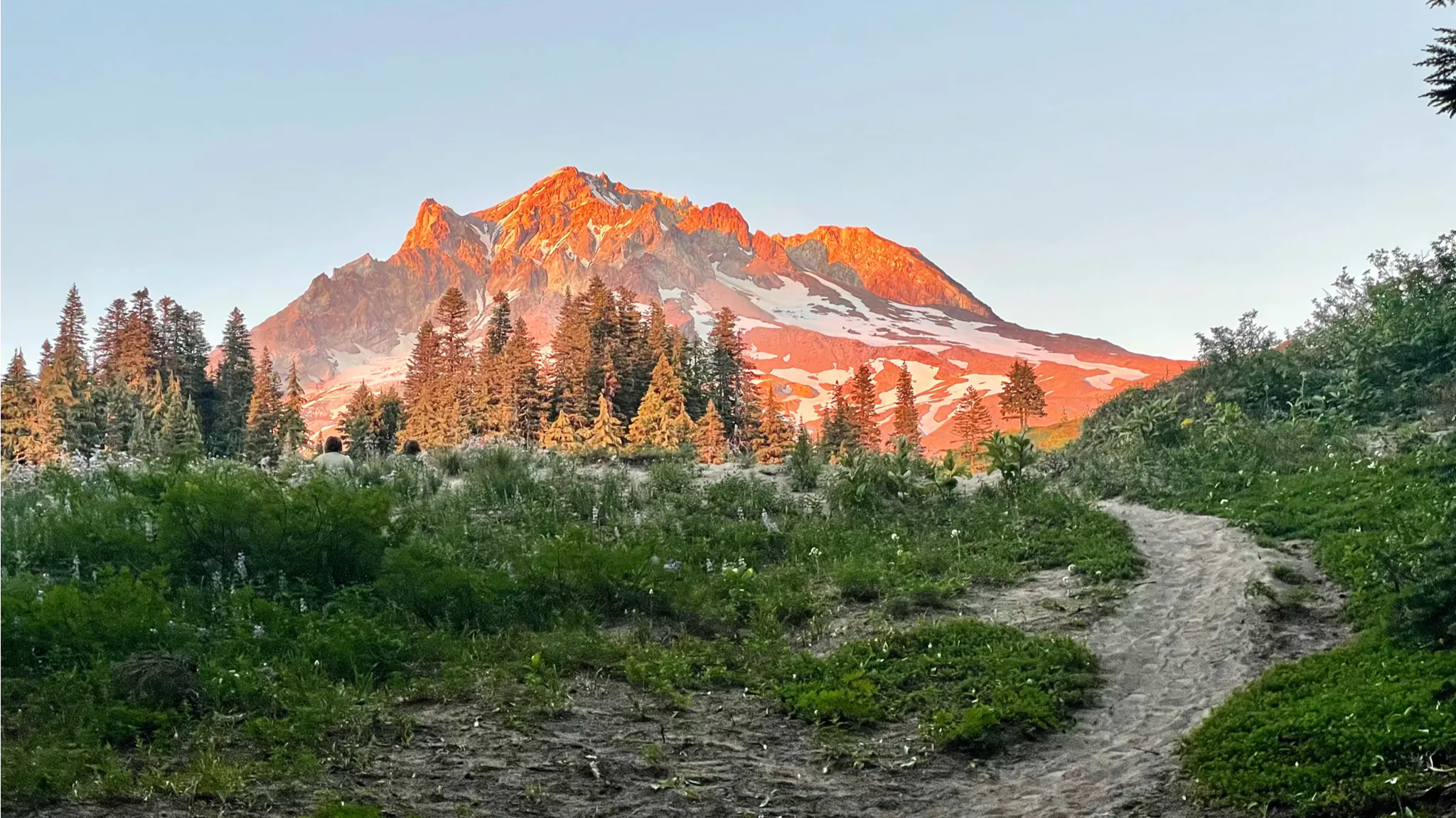
Timberline Trail — A Scenic Mount Hood Adventure
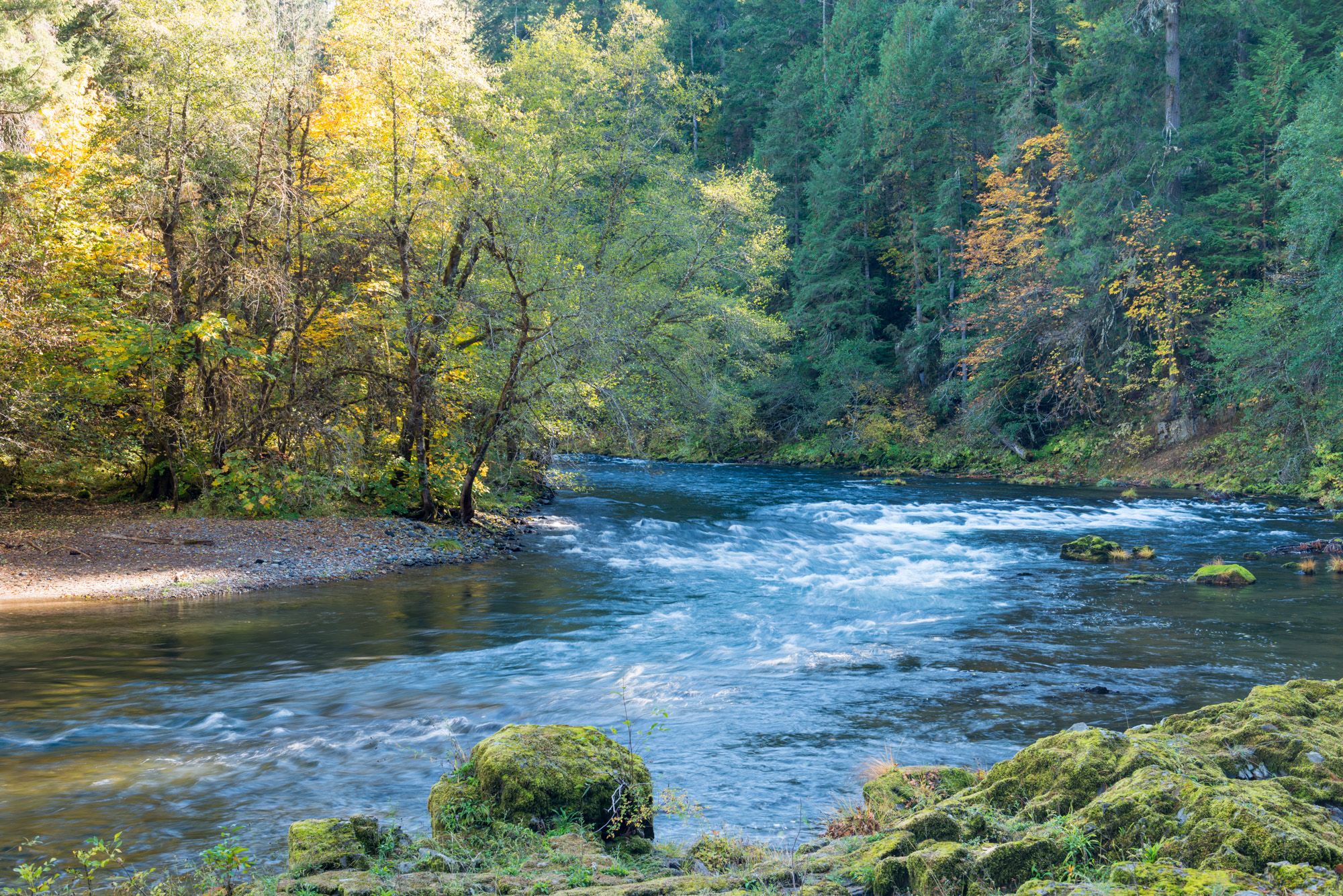
North Umpqua Trail — Waterfalls, Lakes & Lava
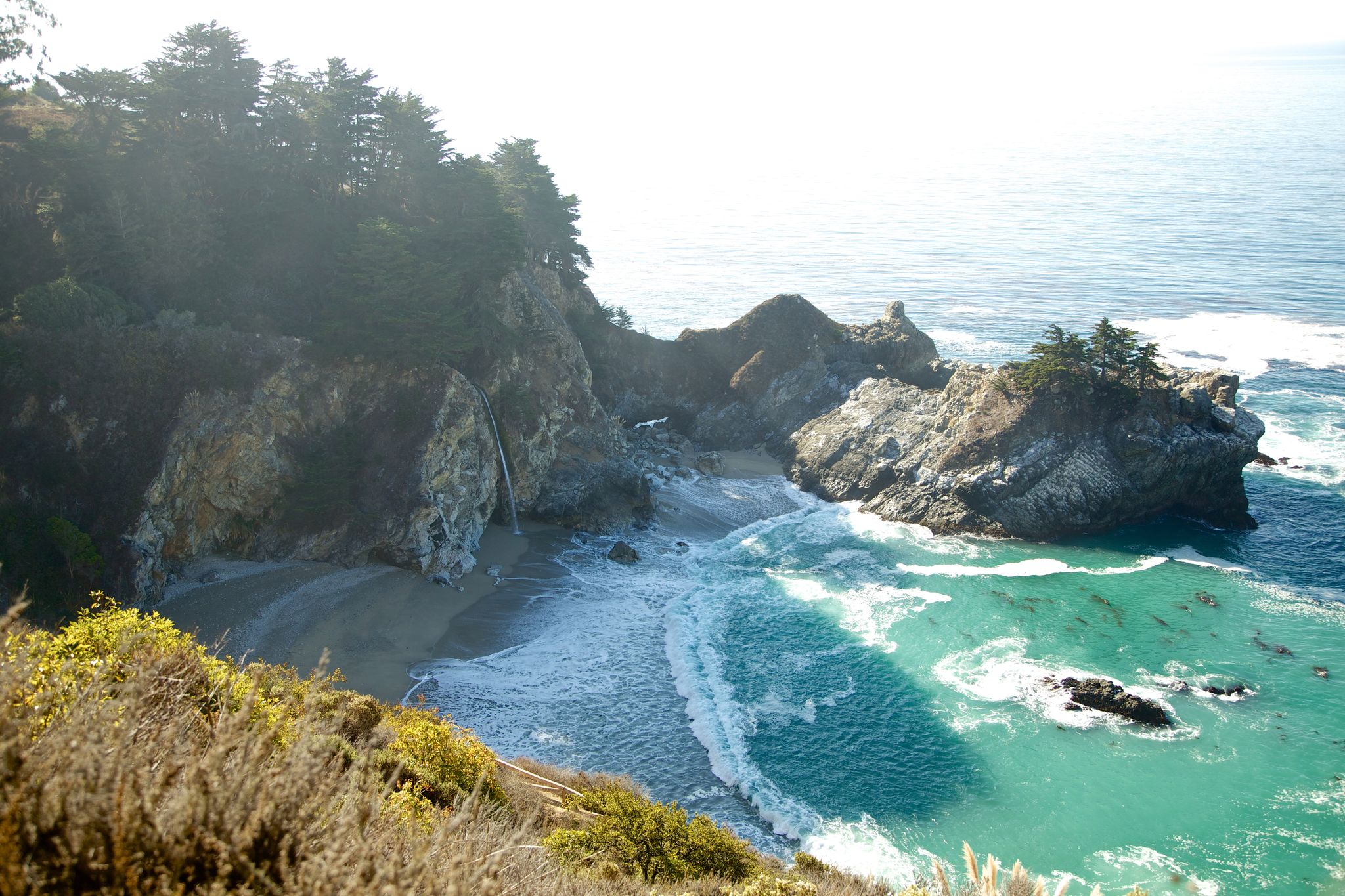
The tour of your life – music trails on the Pacific coast
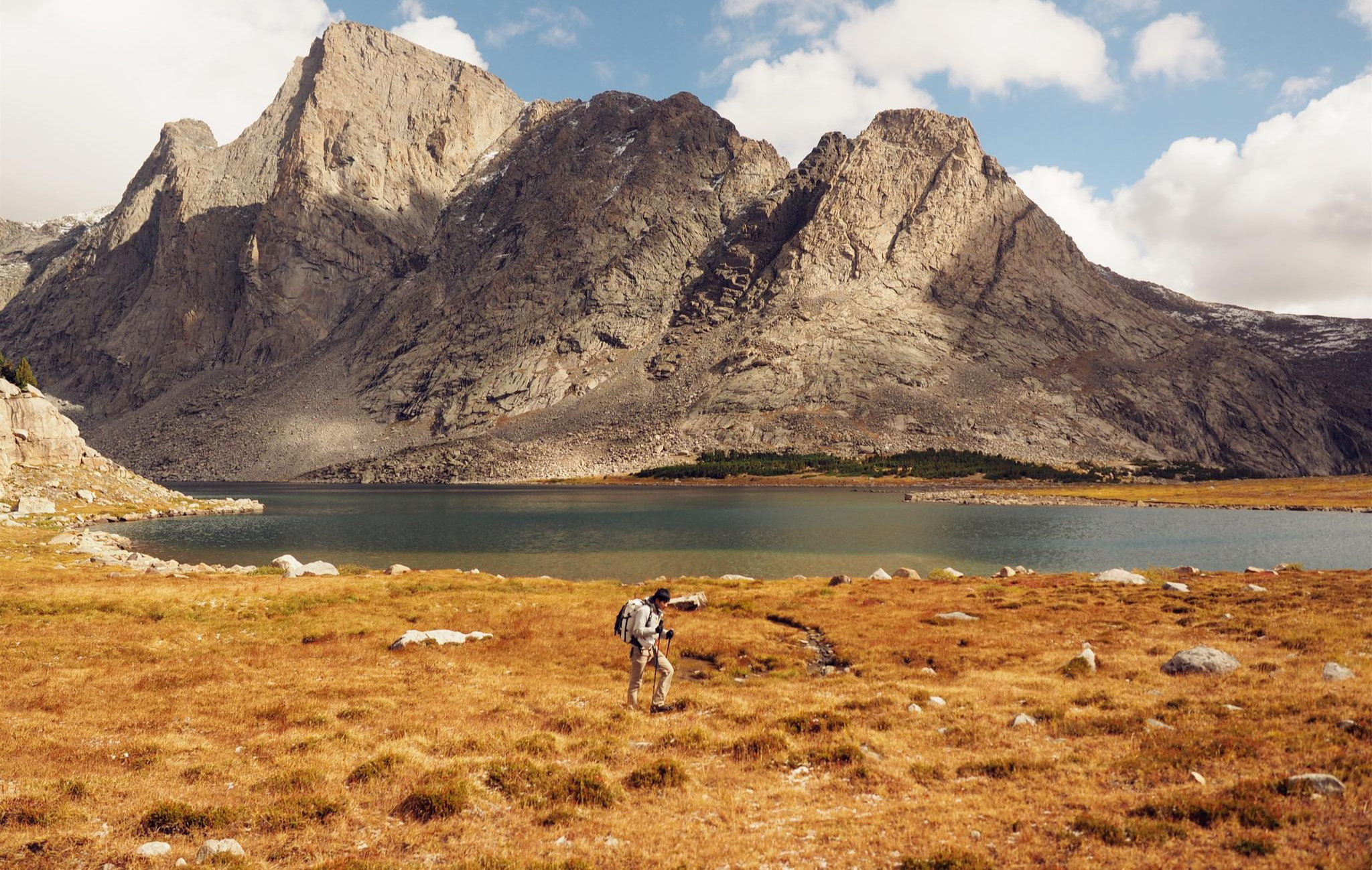
Like in the Wild West – hiking on the Oregon Trail
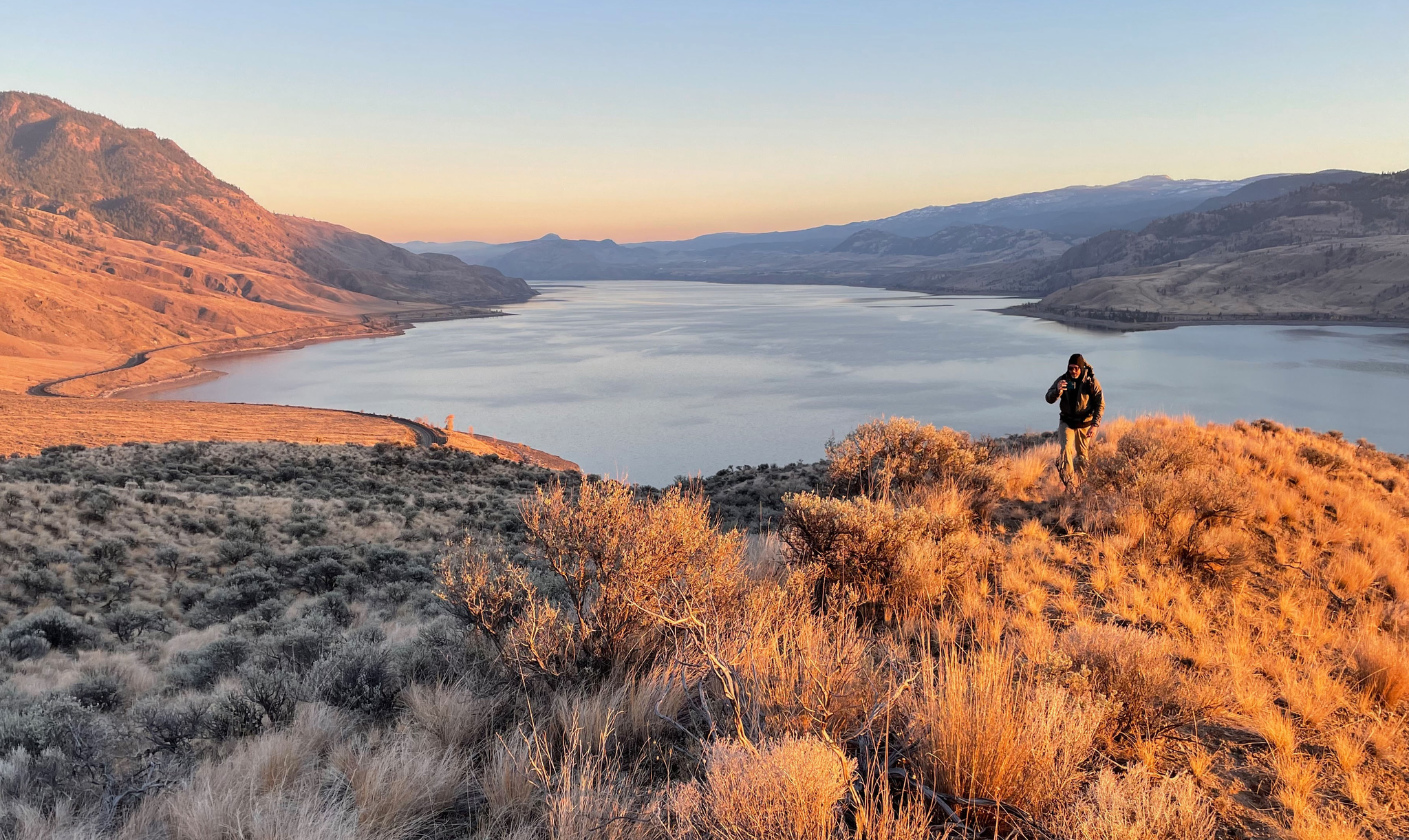
Forests, desert, wilderness - day tours in British Columbia
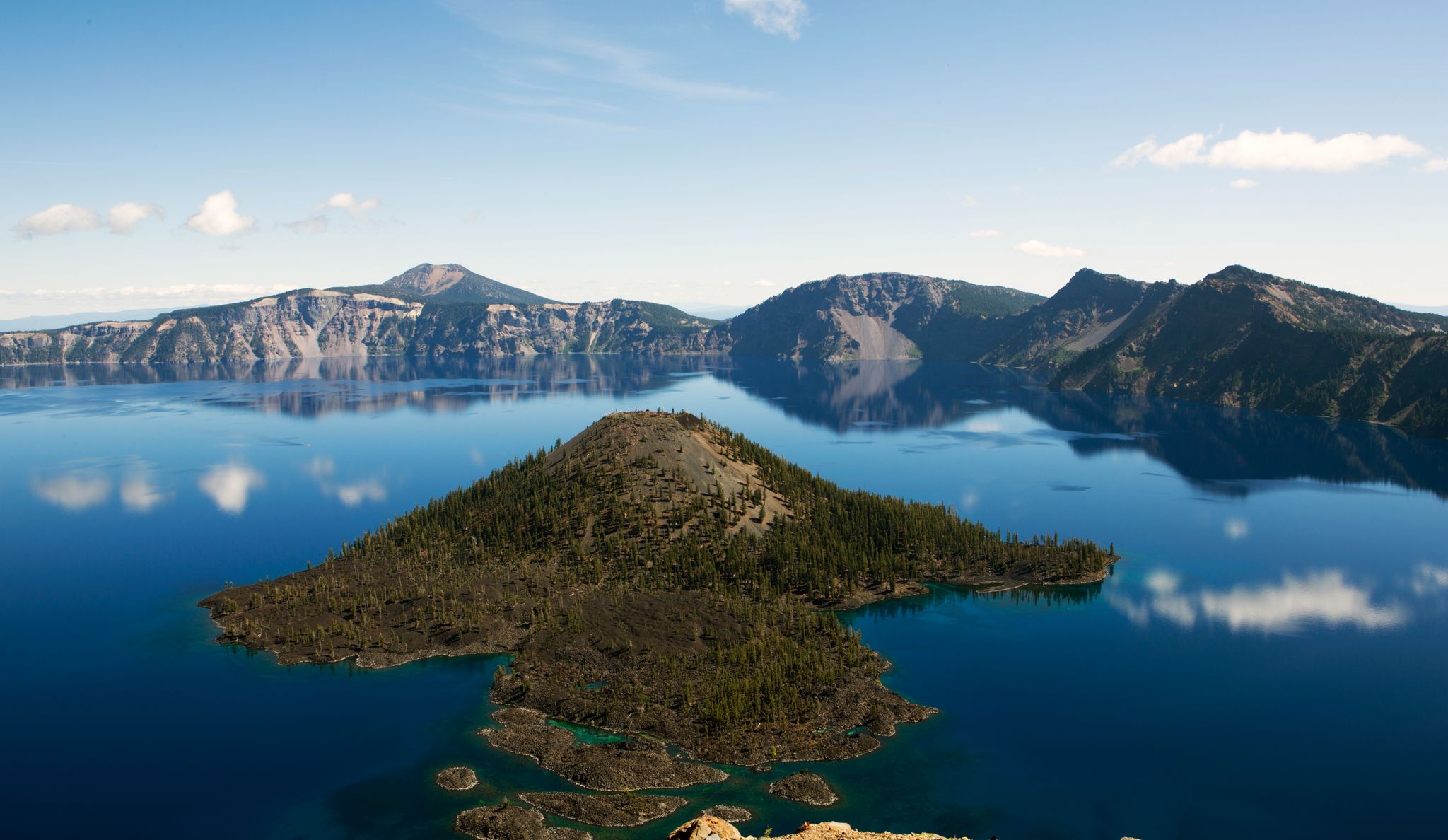
Volcanic peaks and glistening shores – discover Oregon and Washington
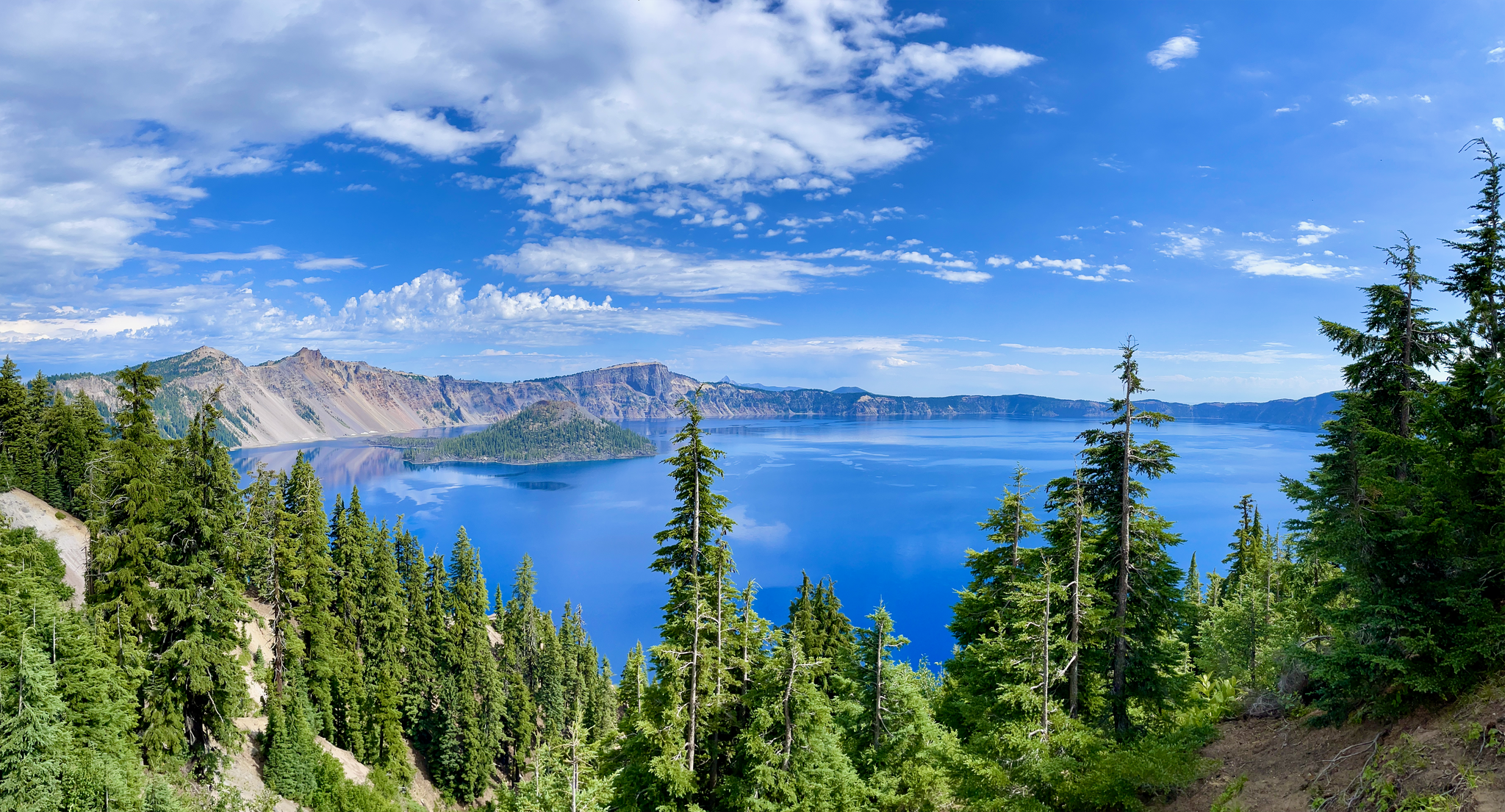
The pristine beauty of the US National Parks
Other adventures in the Cascade Range


Tips from the Community

A great way to get up close and personal with the glaciers and high alpine environment of Mt Rainier.
0
0

I was recently looking for traditional Viennese restaurants and came across Restaurant Marienhof https://restaurant-marienhof.de/ . I particularly liked the combination of classic Viennese cuisine, cozy atmosphere, and the quiet courtyard garden. Such places show that traditional gastronomy still retains its special charm today. Those who want to enjoy authentic Austrian dishes and spend a relaxing evening in Vienna will find an interesting address there.
0
0

Beautiful hike. Crowded. Make sure you bring water as there is no where to fill up. Not even visitor center. No restrooms. Just overstuff porta potties. Come early. Parking difficult. We got here at 310 pm and found some. But there’s a lot of people. We waiting in line to get into park 1 hour! They need a better system!
0
0

Great trail with amazing views of the surrounding mountains and Mt. Rainier.
0
0
A fantastic vantage point. You can see Mt. Rainier and other surrounding highlights such as Mt. Adams and Mt. Hood. Highly recommended!
0
0
Great visitor center. The parking lot has just been renovated. The restrooms are currently being renovated.
0
0
Frequently Asked Questions
How many waterfall hiking trails are available in the Cascade Range?
The Cascade Range offers a vast network of trails, with over 260 dedicated waterfall hiking routes. These range from easy strolls to challenging treks, ensuring options for all skill levels.
What is the best time of year to visit the Cascade Range for waterfall hikes?
The best time to visit for waterfall hikes is typically from late spring through early autumn (May to October). During this period, snowmelt feeds the waterfalls, making them particularly impressive, and trail conditions are generally more favorable. However, some lower elevation trails may be accessible year-round.
Are there family-friendly waterfall trails in the Cascade Range?
Yes, the Cascade Range has numerous family-friendly options. Many trails offer relatively gentle gradients and shorter distances suitable for children. For example, some sections of the Columbia River Gorge trails, like those leading to Multnomah Falls, can be enjoyed by families. Always check specific trail details for elevation and distance to ensure it suits your family's abilities.
Can I bring my dog on waterfall hikes in the Cascade Range?
Dog policies vary significantly across the Cascade Range, especially within National Parks where dogs are often restricted to paved areas or specific trails. Always check the regulations for the specific park or forest you plan to visit. In many National Forests, leashed dogs are generally welcome on trails.
Are there any circular waterfall routes for hikers?
Yes, several circular routes allow you to experience multiple waterfalls or return to your starting point without retracing your steps. A popular option is the Wahkeena Falls Trail to Fairy Falls and Multnomah Falls loop in the Columbia River Gorge, which connects several stunning waterfalls on a moderate 5.1-mile path.
What kind of terrain can I expect on waterfall trails in the Cascade Range?
The terrain is incredibly diverse, reflecting the Cascade Range's varied landscape. You can expect lush old-growth forests, deep river gorges, and sometimes rocky or root-filled paths. Trails often feature significant elevation changes as they climb alongside or above waterfalls, offering dramatic viewpoints. Some higher elevation trails may involve alpine meadows and even views of glaciers.
What are some notable landmarks or viewpoints along waterfall trails?
Beyond the waterfalls themselves, the Cascade Range offers spectacular landmarks. In Mount Rainier National Park, trails often provide views of the majestic Mount Rainier and its glaciers. The Columbia River Gorge is famous for its dramatic basalt cliffs. You might also encounter mountain passes like Cascade Pass or Chinook Pass, offering panoramic views of the surrounding volcanic peaks and forests.
Do I need permits for waterfall hikes in certain areas of the Cascade Range?
Permit requirements vary by location. National Parks like Mount Rainier and North Cascades often require entrance fees or passes, and some popular trails may require wilderness permits for overnight stays or even timed entry for day use during peak season. Always check the specific park or forest service website for the latest permit information before your visit.
What are the parking options like for popular waterfall trails?
Parking at popular waterfall trailheads can be limited, especially during peak season and on weekends. Arrive early to secure a spot. Some areas, particularly in the Columbia River Gorge, may have designated parking lots that fill up quickly, or require a parking pass. Always check for specific parking instructions or shuttle services if available for your chosen trail.
Are there less crowded waterfall trails for a more peaceful experience?
While popular spots can get busy, the vastness of the Cascade Range means there are many less-trafficked trails. To find quieter experiences, consider visiting during weekdays, outside of peak season, or exploring trails that require a bit more effort or are further off main roads. Researching trails in less-known areas of National Forests can also lead to peaceful discoveries.
What should I pack for a waterfall hike in the Cascades?
For waterfall hikes in the Cascades, it's wise to pack layers of clothing, as weather can change rapidly. Bring waterproof outerwear, sturdy hiking boots with good grip, plenty of water, snacks, and a map or GPS device. A camera is a must for capturing the stunning scenery. Depending on the trail, trekking poles can also be beneficial for stability on uneven or steep terrain.
What do other hikers say about waterfall trails in the Cascade Range?
The waterfall trails in the Cascade Range are highly rated by the komoot community, with an average score of 4.7 stars from over 2700 reviews. Hikers frequently praise the stunning natural beauty, the variety of trail difficulties, and the rewarding views of powerful waterfalls and lush forests. Many appreciate the well-maintained paths and the immersive experience in nature.
Are there any challenging waterfall treks for experienced hikers?
Absolutely. The Cascade Range offers numerous challenging treks for experienced hikers, often involving significant elevation gain and longer distances. Trails leading into the high alpine environments of the North Cascades or those that circumnavigate peaks like the Wonderland Trail in Mount Rainier National Park, while not solely focused on waterfalls, often pass by impressive cascades and require advanced planning and fitness.
Most popular routes in the Cascade Range
Most popular attractions in the Cascade Range

Get inspired with the komoot mobile app


Explore more
Browse the best Hikes in other regions.
