The best road cycling routes in Lewis And Clark National Wildlife Refuge
57
riders
11
rides
Road cycling routes in Lewis And Clark National Wildlife Refuge traverse a landscape characterized by the Columbia River estuary, numerous islands, and low-lying wetlands. The region features roads that often follow the riverbanks or connect small communities, offering views of the waterways and surrounding natural areas. While generally flat, some routes include gentle ascents, providing varied terrain for road cyclists.
Best road cycling routes in Lewis And Clark National Wildlife Refuge
- The most popular road cycling route is Brownsmead loop…
Last updated: May 28, 2026
38.6km
02:09
410m
410m
Moderate road ride. Good fitness required. Mostly well-paved surfaces and easy to ride.
7
riders
85.5km
03:54
990m
990m
Hard road ride. Very good fitness required. Mostly well-paved surfaces and easy to ride.

Sign up for free
6
riders
66.7km
02:46
450m
450m
Moderate road ride. Good fitness required. Mostly well-paved surfaces and easy to ride.
6
riders
93.7km
04:43
1,150m
1,140m
Hard road ride. Very good fitness required. Mostly well-paved surfaces and easy to ride.
4
riders
34.8km
01:34
290m
290m
Easy road ride. Great for any fitness level. Mostly well-paved surfaces and easy to ride.
Get access to more routes and recommendations from other explorers.
Sign up for free
Already have an account?
Our route recommendations are based on thousands of hikes, rides, and runs completed by other people on komoot.
Start today with a free account
Your next adventure awaits.
Login or Signup
Popular around Lewis And Clark National Wildlife Refuge

Tips from the Community

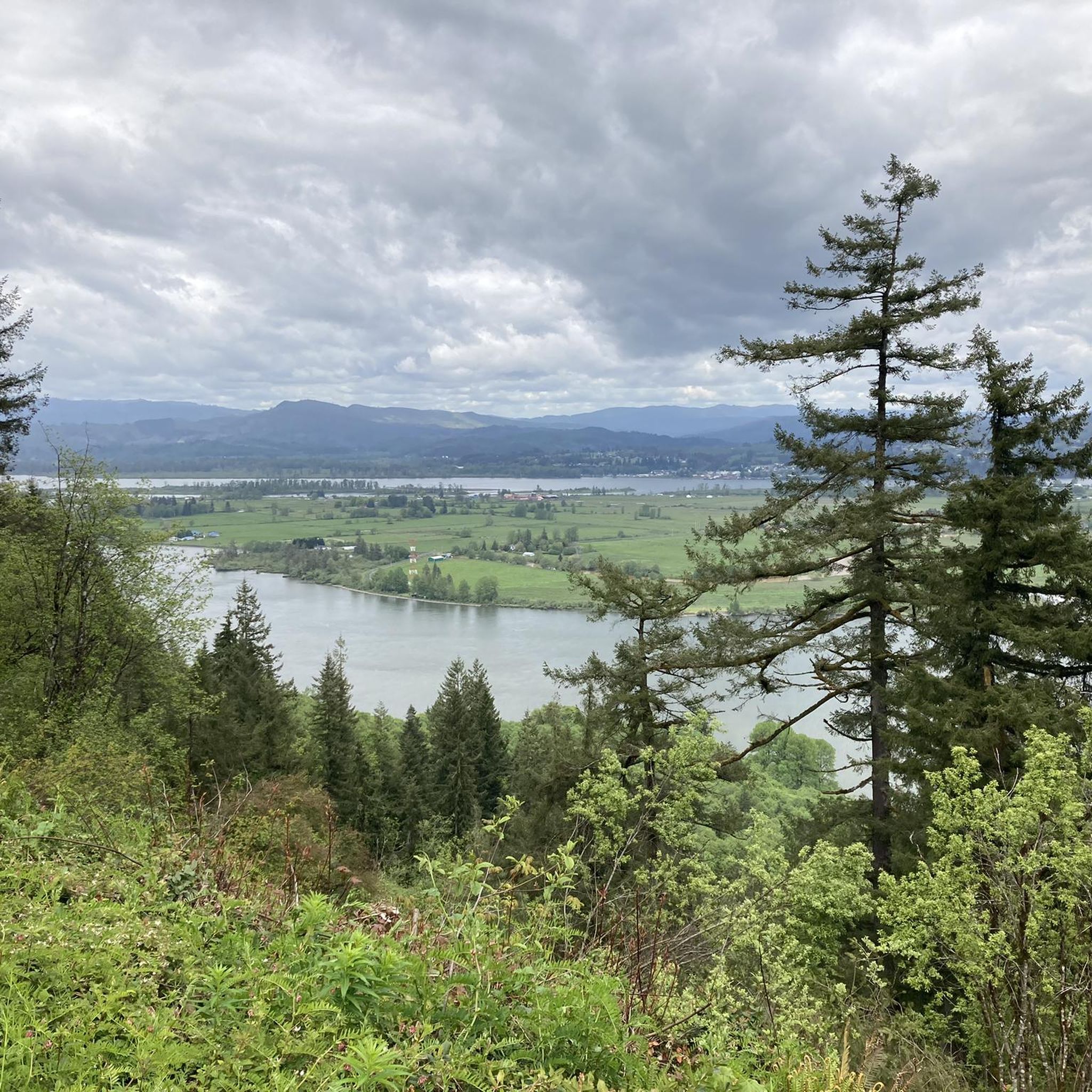
Bradley State Scenic Viewpoint, also known as Bradley State Wayside, is a beautiful and historic park on Nicolai Ridge in Oregon's Clatsop Crest. This park holds a special place in Oregon's history as it was one of the first parcels of land to be donated as a park to the Oregon Highway Commission way back in 1922. The park boasts a variety of amenities, including restrooms, picnic tables, a monument, and breathtaking views of the Columbia River, Puget Island, and Wauna, Oregon. It's the perfect spot for a picnic or a chance to get some fantastic photos, especially on a sunny day.
0
0
The lower Columbia River separating the states of Washington and Oregon is crossed by the Wahkiakum County ferry, the last regularly scheduled ferry connecting the two states, offering an excellent opportunity to reach the islands and explore the various cycling routes. The ferry runs hourly from 5 a.m. to 10:15 p.m. every day of the year, and when traveling with a bike, you will be charged the standard walk-on passenger fare plus a stowage surcharge of $1-4, depending on your route.
0
0
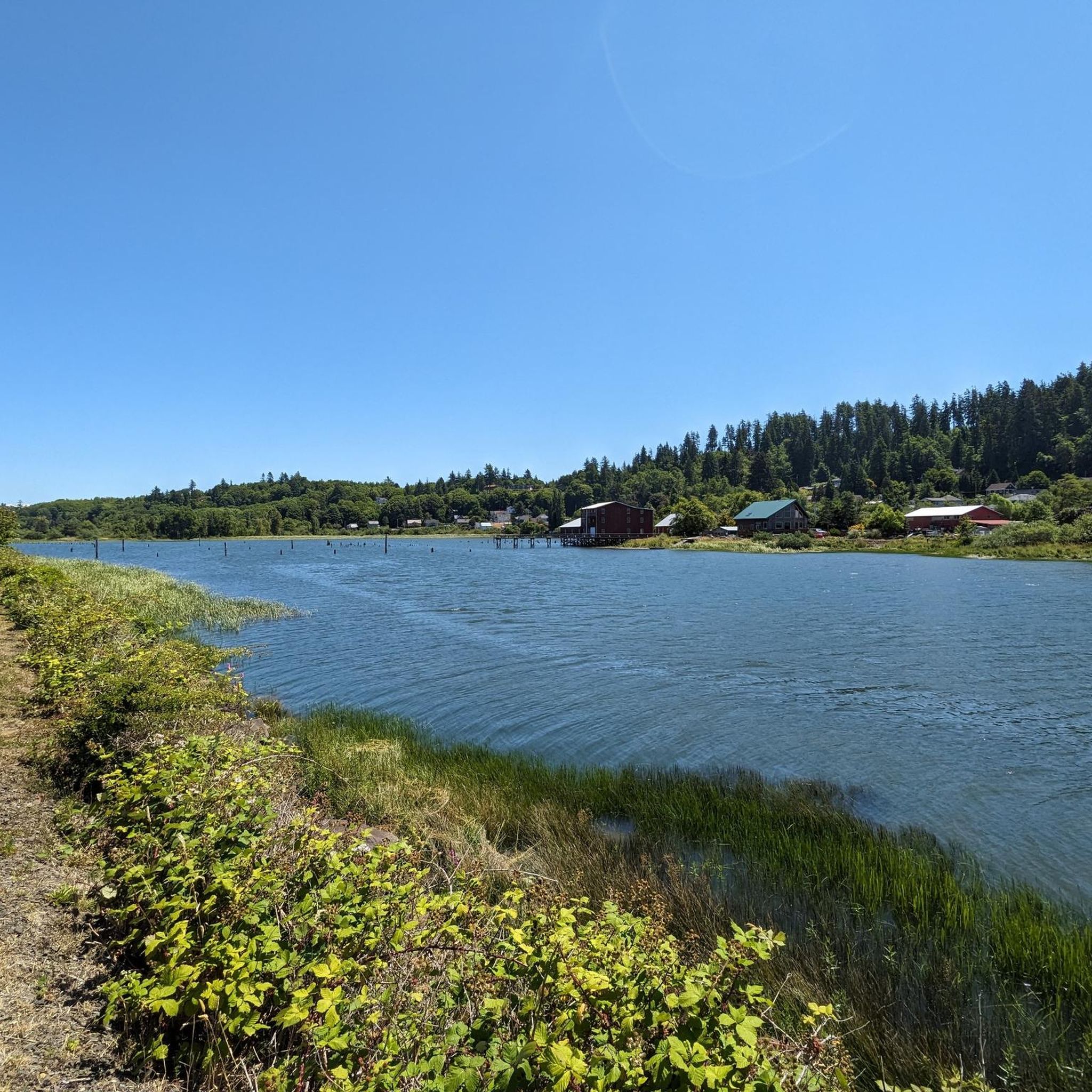
Brownsmead is a quiet town east of Astoria, so small that some call it a ghost town. Here, you can ride by the Blind Slough, the old rail station and the Brownsmead Grange, which still hosts community events. If you're looking for a peaceful and serene ride, Brownsmead is the perfect place to explore.
0
0
Jewell Meadows is a 3,000-acre wildlife area in Fishhook, Beneke, and Humbug Creek valleys, home to various animals, including black-tailed deer, red-tailed hawks, coyotes, and a wide range of bird species. It is best known for its herd of 200 Roosevelt elk, which can be seen here year-round, especially in winter. It is a great place to stop and take some unforgettable photos of these magnificent animals.
0
0
This road is a fantastic route through beautiful valleys and untouched and heavily forested areas, all part of the natural beauty that makes up the Pacific Northwest. Far less busy than the coastal route, you'll have a much more peaceful ride here, with several places along the way to stop and enjoy the scenery. However, due to the narrowness of the shoulder, when traveling through the winding stretches of road, you'll need to be aware when you encounter car traffic.
1
0
The Astoria Victory Memorial, also known as The Soldier's Monument or Doughboy Monument, is a landmark dedicated in 1926 to honor the brave Clatsop County WWI veterans. A magnificent ten-foot bronze statue stands at the top of the monument, a smaller replica of the one titled “Over the Top at Cantigny” created by John Paulding. It is a cherished part of American history and has been listed on the U.S. National Register of Historic Places.
0
0
The Skipanon River, a tributary of the Columbia River, is a serene and picturesque waterway that flows through the charming town of Warrenton, with a nice trail following both sides of the river. It is home to a diverse array of waterfowl, including graceful herons, egrets, geese, and several species of ducks. If you're lucky, you might catch a glimpse of a red-tailed hawk perched high above the river or witness a group of majestic elk grazing on the levees during the quiet hours of dusk and dawn.
0
0
Youngs River Road is a must ride for a peaceful escape with breathtaking views of Saddle Mountain, lush forests, and the soothing sounds of the Youngs River along the way. As you journey down this road, you'll pass by charming houses, old hay silos, and a Christmas tree farm that adds to the nostalgic charm of the area. Keep your eyes peeled for the local wildlife, including cows, deer, horses, and a variety of birds.
0
0
Frequently Asked Questions
How many road cycling routes are available in Lewis And Clark National Wildlife Refuge?
There are over 10 road cycling routes documented in Lewis And Clark National Wildlife Refuge, offering a variety of experiences for different skill levels.
What is the general difficulty level of road cycling routes in Lewis And Clark National Wildlife Refuge?
The routes in Lewis And Clark National Wildlife Refuge range from moderate to difficult. You'll find 3 easy routes, 4 moderate routes, and 3 difficult routes, catering to various fitness levels.
Are there any easy road cycling routes suitable for beginners or casual rides?
Yes, there are 3 easy road cycling routes available. These routes typically feature flatter terrain and shorter distances, ideal for a relaxed ride.
Which routes offer a more challenging road cycling experience?
For those seeking a challenge, routes like the Jewell Meadows Viewpoint loop from Astoria, which covers 53.1 miles with significant elevation gain, or the Astoria to Puget Island Ferry route, are considered difficult and provide a demanding ride.
Are there any loop road cycling routes in the refuge?
Yes, many routes in the refuge are loops. For example, the popular Brownsmead loop and the Mill Pond – Columbia River Maritime Museum loop from Astoria are excellent circular options.
What kind of scenery can I expect while road cycling in Lewis And Clark National Wildlife Refuge?
Road cycling in Lewis And Clark National Wildlife Refuge offers scenic views of the Columbia River estuary, numerous islands, and low-lying wetlands. Routes often follow riverbanks, providing picturesque waterside vistas and glimpses of the surrounding natural areas.
What is the best time of year for road cycling in Lewis And Clark National Wildlife Refuge?
The best time for road cycling generally aligns with drier, milder weather. Spring and fall often provide comfortable temperatures and beautiful scenery. Summers can be warm, while winters may bring rain and cooler conditions, typical of the Pacific Northwest.
Are there any routes that pass by historical sites or points of interest?
Yes, the Mill Pond – Columbia River Maritime Museum loop from Astoria offers views of the Columbia River and passes by historical maritime sites, providing a cultural element to your ride.
What do other road cyclists enjoy most about road cycling in Lewis And Clark National Wildlife Refuge?
Road cyclists frequently praise the diverse landscape, including river views, wetland scenery, and rural roads. The region's network offers options for various ability levels, from moderate loops to more challenging long-distance routes, making it appealing to a wide range of riders.
Are there any routes that offer views of wildlife?
Given the refuge's nature as a wildlife sanctuary, many routes that traverse the wetlands and riverbanks, such as the Brownsmead loop, offer opportunities for wildlife spotting, particularly various bird species.
How long do road cycling routes typically take to complete?
Route durations vary significantly based on distance and difficulty. For instance, the Brownsmead loop takes about 2 hours 9 minutes, while the more challenging Jewell Meadows Viewpoint loop from Astoria can take around 3 hours 54 minutes.
Most popular routes in Lewis And Clark National Wildlife Refuge

Get inspired with the komoot mobile app


Explore more
Browse the best Road cycling routes in other regions.
