Top 11 Castles around Königslutter
Castles around Königslutter offer a glimpse into Germany's medieval past within the scenic Elm region. This area features a mix of well-preserved castles, ruins, and former fortifications, showcasing centuries of architectural evolution and historical events. Königslutter itself had a high medieval water castle, first mentioned in 1279, securing trade routes. Exploring these sites provides insight into the town's defensive history and regional heritage.
Best castles around Königslutter
- The most popular castles is Warberg Castle, a castle that was originally…
Last updated: June 22, 2026
Elmsburg Church Ruins
Highlight • Historical Site
Beautiful cultural monument
Translated by Google •
Tip by

Warberg Castle
Highlight • Castle
Translated by Google •
Tip by

Sign up now to discover places like this
Get recommendations on the best single tracks, peaks, & plenty of other exciting outdoor places.
Sign up for free
Veltheim Manor
Highlight • Historical Site
Translated by Google •
Tip by

Langeleben Castle Ruins
Highlight • Castle
Translated by Google •
Tip by

Plan of Warberg in Elm
Highlight • Historical Site
Translated by Google •
Tip by

Sign up for free to discover even more castles around Königslutter.
Sign up for free
Already have an account?
Start today with a free account
Your next adventure awaits.
Login or Signup
Tips from the Community

Warberg Castle is situated in a very attractive landscape on the northern slope of the Elmes River. After the destruction of the first motte-and-bailey castle in 1199, the complex was probably replaced in the 13th century by a fortified moated castle on an artificially created hill in the valley. In a war waged by Duke Magnus the Elder of Brunswick in 1347 against Archbishop Otto of Magdeburg, the noblemen Gebhard and Burchard von Warberg fought as leaders of the duke, who was defeated that same year. As a result of these military events, Warberg Castle was severely damaged in 1356 but was subsequently restored. In 1552, Christoph von Warberg converted the castle into an impressive Renaissance palace, which is documented in a Merian engraving from 1654. The very beautiful and well-preserved niche portal on the side facing the courtyard dates from this period. The addition of a storey to the old upper castle building resulted in such an increase in load that the foundations could not adequately withstand the pressure, and the two upper floors had to be demolished. At the beginning of the 16th century, during the Thirty Years' War, the noble von Warberg family began to decline. The castle was gradually demolished except for the ground floor walls. A temporary roof, probably dating from the 19th century, made it possible to preserve the remaining structure, which from then on served to manage the domain. The present castle complex is divided into a renovated lower castle, used by the Bundeslehranstalt Burg Warberg e.V. as a seminar hotel, and the now also renovated upper castle, which was reopened to the public on April 25, 2004. The German Foundation for Monument Protection was involved in the renovation of Warberg Castle in 2000 and 2001.
0
2


After the von Honrodt family died out, Wilhelm von Veltheim bought back the Veltheim an der Ohe family estate for the family in 1832. It has been in her possession ever since. The farmer Alexander von Veltheim is currently the mayor of Veltheim (Ohe). (Source: Wikipedia)
1
0

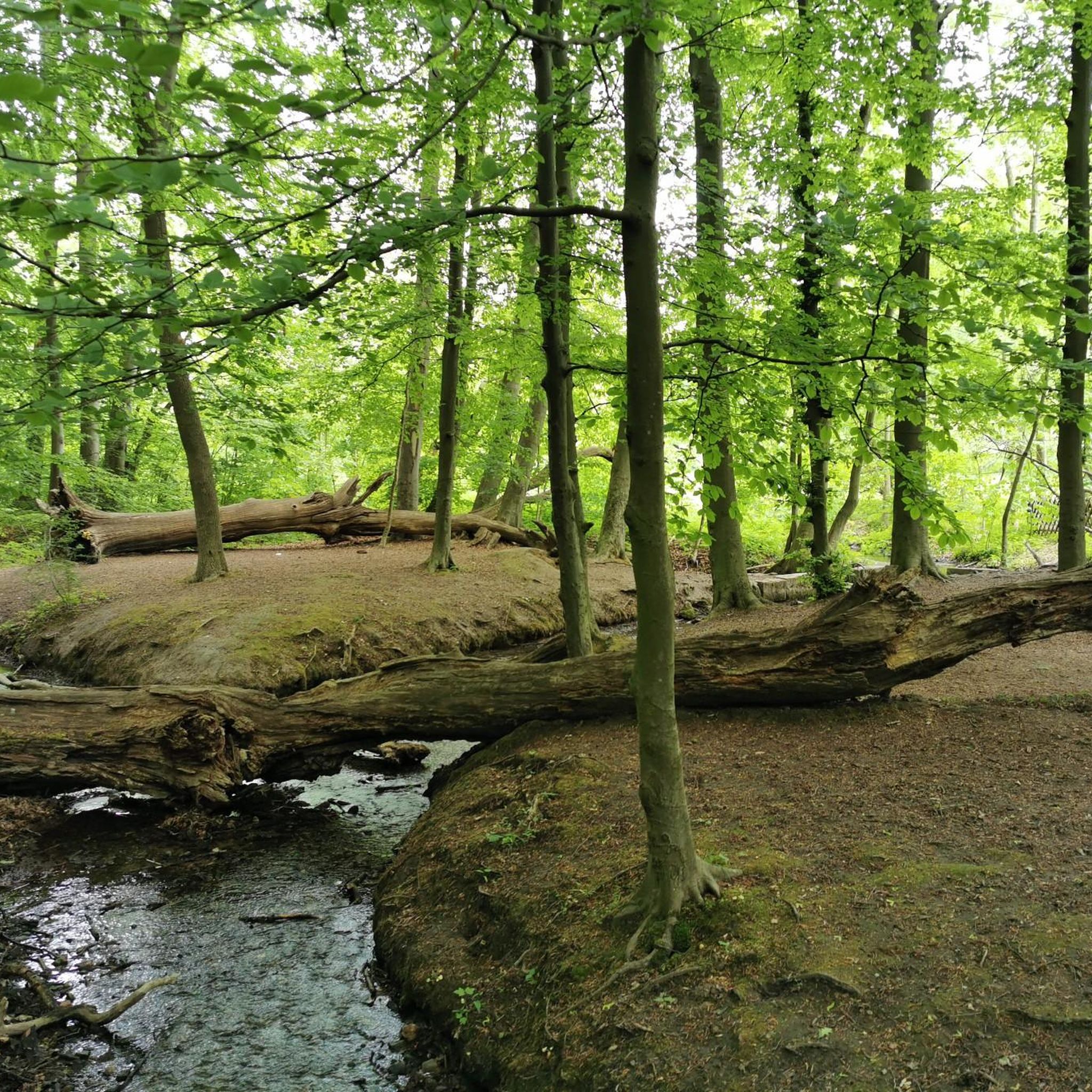
It's worth it in any season. In the leafless 🍁 state you have a nice view of the ruins.
7
0

Piece of history to touch, up close
8
0

Easily accessible from the forest car park. Foundation stone plan of the old Warberg Castle
0
1
A look into the inner courtyard is also worthwhile.
8
1
A rooty trail leads around it.
11
0
Frequently Asked Questions
What are some of the most historically significant castles or ruins to visit near Königslutter?
The region around Königslutter offers several sites with deep historical roots. You can explore the remnants of Old Castle Warberg, a high medieval hill castle violently destroyed in 1200 during a throne dispute. The Elmsburg Church Ruins showcase a well-restored castle depicted in its foundations, originally a chapel, offering insights into the region's early history. Additionally, Burg Neuhaus is a well-preserved medieval moated castle with a museum detailing life during the age of chivalry. Even the town of Königslutter itself had a high medieval water castle, with minor remnants like a ditch and gatehouse still visible.
Are there any family-friendly castles or historical sites around Königslutter?
Yes, several sites are suitable for families. Old Castle Warberg and Elmsburg Church Ruins are both marked as family-friendly and offer interesting historical exploration. Langeleben Castle Ruins are also recommended for families, with visitors noting there's a lot to discover and even hidden elves along the trails. Burg Neuhaus, with its museum and picturesque pond, can also be an engaging visit for children interested in medieval life.
What kind of outdoor activities can I combine with a castle visit in the Königslutter area?
The castles are often nestled within scenic landscapes, making them ideal starting points for outdoor activities. You can find numerous hiking trails, especially around sites like Old Castle Warberg and Elmsburg Church Ruins. The Elm-Lappwald Nature Park, which surrounds many of these sites, offers diverse hiking and cycling opportunities. For specific routes, you can explore guides like Hiking around Königslutter or Cycling around Königslutter.
Are there hiking trails directly accessible from the castles?
Yes, many castles and ruins are integrated into the local trail network. For instance, a rooty trail leads around Langeleben Castle Ruins, offering an adventurous walk. The area around Old Castle Warberg is also known for its trails. You can find various routes, including circular walks, that incorporate these historical sites. Check the Hiking around Königslutter guide for detailed trail information.
What natural features can I expect to see near the castles?
The castles around Königslutter are often set within the beautiful Elm region, which is part of the Elm-Lappwald Nature Park. You'll encounter dense forests, scenic ridges, and picturesque valleys. For example, Veltheim Manor is located at the entrance to the Elm, and Burg Neuhaus features a picturesque pond. Many sites, like Elmsburg Church Ruins and Old Castle Warberg, are situated within forested areas, offering a blend of history and nature.
What do visitors enjoy most about the castles around Königslutter?
Visitors appreciate the deep historical insights and the scenic settings. Many enjoy the opportunity to delve into the early history of the region, as highlighted by those visiting Elmsburg Church Ruins. The well-restored nature of sites like Old Castle Warberg and the detailed historical descriptions are also highly valued. The combination of cultural monuments with beautiful natural surroundings, often featuring forests and viewpoints, makes for a rewarding experience.
Is there a castle with a museum or exhibits about medieval life?
Yes, Burg Neuhaus is a notable example. This well-preserved moated castle houses a small museum within its round tower. The museum offers engaging insights into the castle's history, featuring original exhibits, models, medieval weapons, and documents that illustrate life during the age of chivalry.
Are there any castles that are particularly good for viewpoints?
Several castle sites offer good viewpoints due to their elevated positions or surrounding landscapes. Langeleben Castle Ruins and Plan of Warberg in Elm are both listed as having viewpoints. The historical hill castle sites often provide elevated perspectives over the Elm region.
What is Fallersleben Castle and is it worth visiting?
Fallersleben Castle, located slightly further afield but still within the broader region, is a 16th-century moated castle and one of Wolfsburg's important historic buildings. It has a reconstructed bridge and moat. The ground floor hosts the Hoffmann-von-Fallersleben-Museum, dedicated to the poet and children's songwriter Hoffmann von Fallersleben and the history of German poetry. It offers a different historical and cultural experience compared to the more medieval ruins closer to Königslutter.
Can I arrange guided tours for any of the castles?
Yes, for some locations, guided tours can be arranged. For example, guided tours of Veltheim Manor (Schloss Veltheim) are possible by appointment. Contact information is often available locally or through regional tourism offices.
What is the best time of year to visit the castles around Königslutter?
The castles and their surrounding natural areas are enjoyable throughout much of the year. Spring and autumn offer pleasant temperatures for exploring the outdoor ruins and hiking trails, with beautiful foliage in autumn. Summer provides longer daylight hours, ideal for extended visits. Even winter can offer unique, atmospheric walks, especially if you enjoy crisp air and quieter trails.
Are the castle sites generally accessible by public transport or do I need a car?
While Königslutter itself has public transport connections, many of the specific castle ruins and historical sites are nestled in more rural or forested areas. A car often provides the most flexibility for reaching these sites. However, some locations might be accessible via local bus routes or can be reached by combining public transport with a hike. It's advisable to check specific routes and schedules for each destination.
Most popular routes around Königslutter
Most popular attractions around Königslutter

Get inspired with the komoot mobile app


Explore more
Looking for the best castles somewhere else? Discover other guides around Königslutter:
