John Hay National Wildlife Refuge
John Hay National Wildlife Refuge
The best road cycling routes in John Hay National Wildlife Refuge
5.0
(3)
96
riders
22
rides
Road cycling routes in John Hay National Wildlife Refuge and the surrounding Lake Sunapee region feature a blend of natural beauty and varied terrain. The area is characterized by the undeveloped shoreline of Lake Sunapee, mature forests, and scenic country roads. Cyclists encounter a landscape that includes gentle paths, moderate ascents, and diverse climbs, catering to various fitness levels. The region offers both paved and gravel roads, providing a range of cycling experiences.
Best road cycling routes in John Hay…
Last updated: July 11, 2026
2
riders
59.6km
02:53
740m
740m
Moderate road ride. Good fitness required. Mostly well-paved surfaces and easy to ride.
3
riders
71.0km
03:21
810m
810m
Moderate road ride. Good fitness required. Mostly well-paved surfaces and easy to ride.

Sign up for free
5.0
(2)
6
riders
69.8km
03:31
720m
720m
Moderate road ride. Good fitness required. Some segments of this route may be unpaved and difficult to ride.
6
riders
62.0km
02:49
670m
670m
Moderate road ride. Good fitness required. Mostly well-paved surfaces and easy to ride.
6
riders
41.6km
01:56
490m
490m
Moderate road ride. Good fitness required. Mostly well-paved surfaces and easy to ride.
Get access to more routes and recommendations from other explorers.
Sign up for free
Already have an account?
Our route recommendations are based on thousands of hikes, rides, and runs completed by other people on komoot.
Start today with a free account
Your next adventure awaits.
Login or Signup
Popular around John Hay National Wildlife Refuge


Tips from the Community

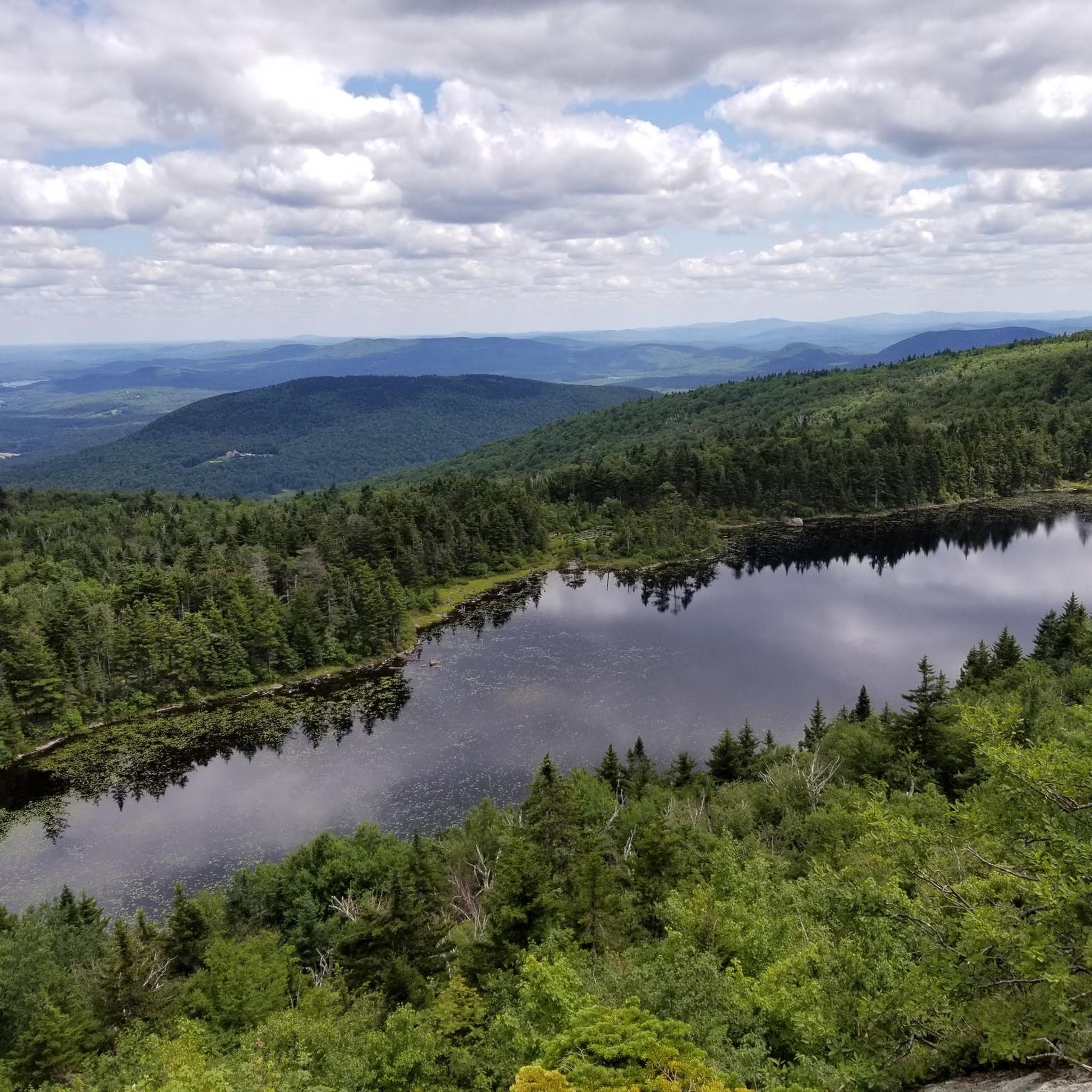
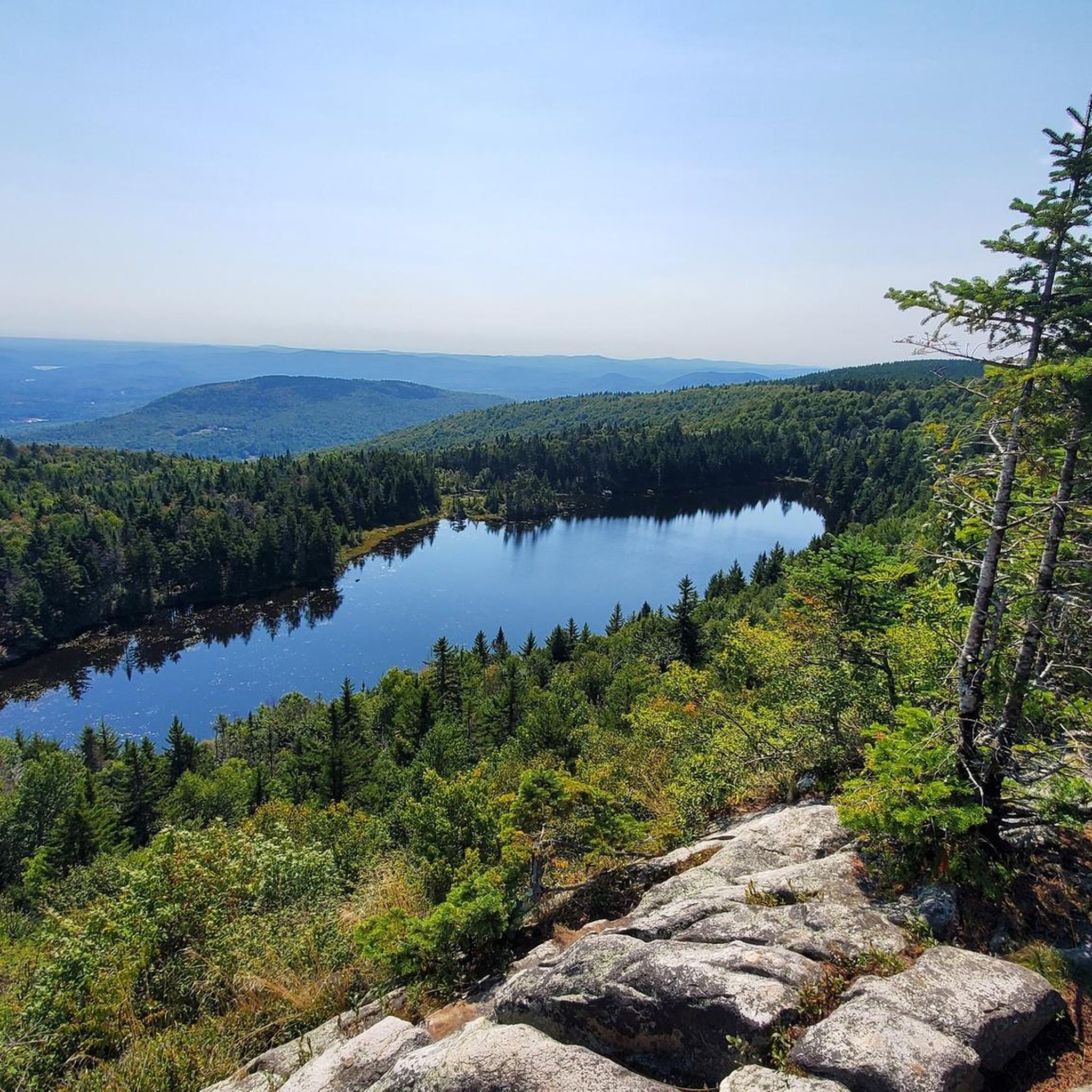
Mount Sunapee Resort is a popular ski destination in winter, but in the off-season, it transforms into a scenic hub for hiking and exploration. Located at the northern end of the 48-mile Monadnock-Sunapee Greenway (MSG), it’s an excellent place to start or end a thru-hike—or visit for a rewarding day hike. Trails like the Summit and Lake Solitude Trails offer panoramic views, peaceful woods, and a chance to experience the mountain beyond the slopes. Overnight parking is available for MSG hikers, but you must call ahead to arrange it.
0
0

Fox State Forest covers an area of 1,445 acres and includes the Henry I. Baldwin Forestry Education Center and a farmhouse that serves as its headquarters. The forest boasts a well-established trail system that spans approximately 22 miles (35.41 km), popular year-round by outdoor enthusiasts, including hikers, cross-country skiers, snowshoers, and mountain bikers. The tall trees that line this stretch of road are fantastic and are a great addition to the scenery in this beautiful area.
0
0
Dewey Beach is located in Sunapee, New Hampshire. This small, scenic beach is located just off of Garnet Street enabling great views of Lake Sunapee right from the saddle.
0
0

Georges Mills General Store offers groceries at fair prices and serves freshly brewed coffee. It's an excellent stop for homemade sandwiches, fresh chicken fingers, burgers, and fries, all prepared fresh.
0
0
The Ausbon Sargent Land Preservation has protected a total of 13,546 acres, 166 properties, and over 8.70 miles of shorefront, including over 4,700 feet of frontage on Lake Sunapee. The organization was founded in 1987 and today has over 1000 members dedicated to the cause. Ride by and enjoy the forests put aside for future generations.
0
0
Wendell Marsh Wildlife Management area is in Sunapee, New Hampshire. From the road, however, the marsh is mostly obscured by thick trees and brush. Regardless, this is a nice forested area to ride through near Lake Sunapee.
0
0
Goose Pond is a small freshwater pond in New London, New Hampshire. It is just east of the larger Otter Pond and of the Phillips Memorial Preserve, a small nature preserve with some lovely hiking trails. This is a nice place to be on the lookout for ducks, geese, and other animals as you ride.
0
0
Little Sunapee Lake is a pretty lake along Little Sunapee Road, a mostly flat road in a quiet residential area. This is a scenic spot in this otherwise urban area.
0
0
Frequently Asked Questions
How many road cycling routes are available in the John Hay National Wildlife Refuge area?
There are over 25 road cycling routes available in the John Hay National Wildlife Refuge and surrounding Lake Sunapee region. These routes cater to various skill levels, with 6 easy, 17 moderate, and 2 difficult options.
What kind of scenery can I expect while road cycling in the Lake Sunapee region?
Road cycling in the Lake Sunapee region offers diverse and picturesque scenery. You'll experience rides along the undeveloped shoreline of Lake Sunapee, through mature forests with ancient hemlocks, and past historic stone walls and brooks. Many routes feature scenic country roads and offer views of the lake and surrounding mountains.
Are there family-friendly road cycling options in the area?
Yes, the region offers routes with varied terrain, including gentle paths that are suitable for families. While specific family-designated routes aren't listed, the presence of easy and moderate routes suggests options for different fitness levels, making it possible to find suitable rides for families.
Can I find routes with scenic viewpoints?
Absolutely. The Lake Sunapee region is known for its scenic vistas. Ascents to areas like Sunset Hill offer sweeping views of Lake Sunapee, Mount Sunapee, and even distant peaks of the White Mountains. Routes like the Lake Sunapee Lighthouse – Sunapee Harbor loop from Blodgett Landing provide continuous scenic lake views.
Are there loop routes available for road cycling?
Yes, many of the road cycling routes in the John Hay National Wildlife Refuge area are designed as loops, allowing you to start and end at the same point. Examples include the Lake Sunapee Lighthouse – Sunapee Harbor loop from Blodgett Landing and the Lake Sunapee (north end) – Lake Sunapee Lighthouse loop from Lot 3.
What are some notable landmarks or attractions along the road cycling routes?
While cycling, you might encounter historic stone walls and brooks. Adjacent to the refuge is The Fells Historic Estate and Gardens, the former summer estate of John Hay, offering historic buildings and gardens. You can also spot Minute Island, with its impressive glacial erratic, from some lake-side routes.
What is the best time of year for road cycling in the Lake Sunapee area?
The Lake Sunapee region is beautiful throughout the warmer months. Spring offers fresh greenery, summer provides lush landscapes, and fall showcases vibrant foliage. Each season offers a unique cycling experience, though spring and fall might offer more comfortable temperatures for longer rides.
Are there specific regulations or permits needed for cycling in the John Hay National Wildlife Refuge?
The John Hay National Wildlife Refuge primarily focuses on hiking trails within its immediate boundaries. For specific regulations regarding road cycling on paved roads within or immediately adjacent to the refuge, it's advisable to check the official refuge website: fws.gov/refuge/john-hay.
Where can I park when planning a road cycling trip in the Lake Sunapee area?
Parking availability varies by route starting point. Many routes, such as those starting from 'Lot 3' or 'Blodgett Landing', indicate common parking areas. It's recommended to check the specific route details on komoot for designated parking information.
What do other cyclists say about the routes in this area?
The road cycling routes in the John Hay National Wildlife Refuge area are highly rated by the komoot community, with an average score of 5.0 stars. Cyclists often praise the scenic country roads, beautiful lake shorelines, and the varied terrain that offers options for different ability levels.
Are there any cafes or amenities near the cycling routes?
The broader Lake Sunapee region, including towns like Newbury and Sunapee Harbor, offers various amenities such as cafes, pubs, and accommodation. Routes passing through Sunapee Harbor, like the Lake Sunapee Lighthouse – Sunapee Harbor loop from Blodgett Landing, would provide opportunities for stops.
Are there routes that offer a mix of paved and gravel roads?
Yes, the Lake Sunapee region's terrain includes both paved and gravel roads, catering to different cycling preferences. While the routes listed here are primarily for road bikes, the area's general cycling appeal includes options for those looking for mixed-surface rides.
Can I spot wildlife while cycling?
The John Hay National Wildlife Refuge and its surrounding mature forests, meadows, and wetlands are home to diverse wildlife. While cycling, you might have the opportunity to spot various bird species, deer, and other local fauna, especially during quieter times of day.
Most popular routes in John Hay National Wildlife Refuge

Get inspired with the komoot mobile app


Explore more
Browse the best Road cycling routes in other regions.
