The best running trails in Edwin B. Forsythe National Wildlife Refuge
3.8
(5)
544
runners
60
runs
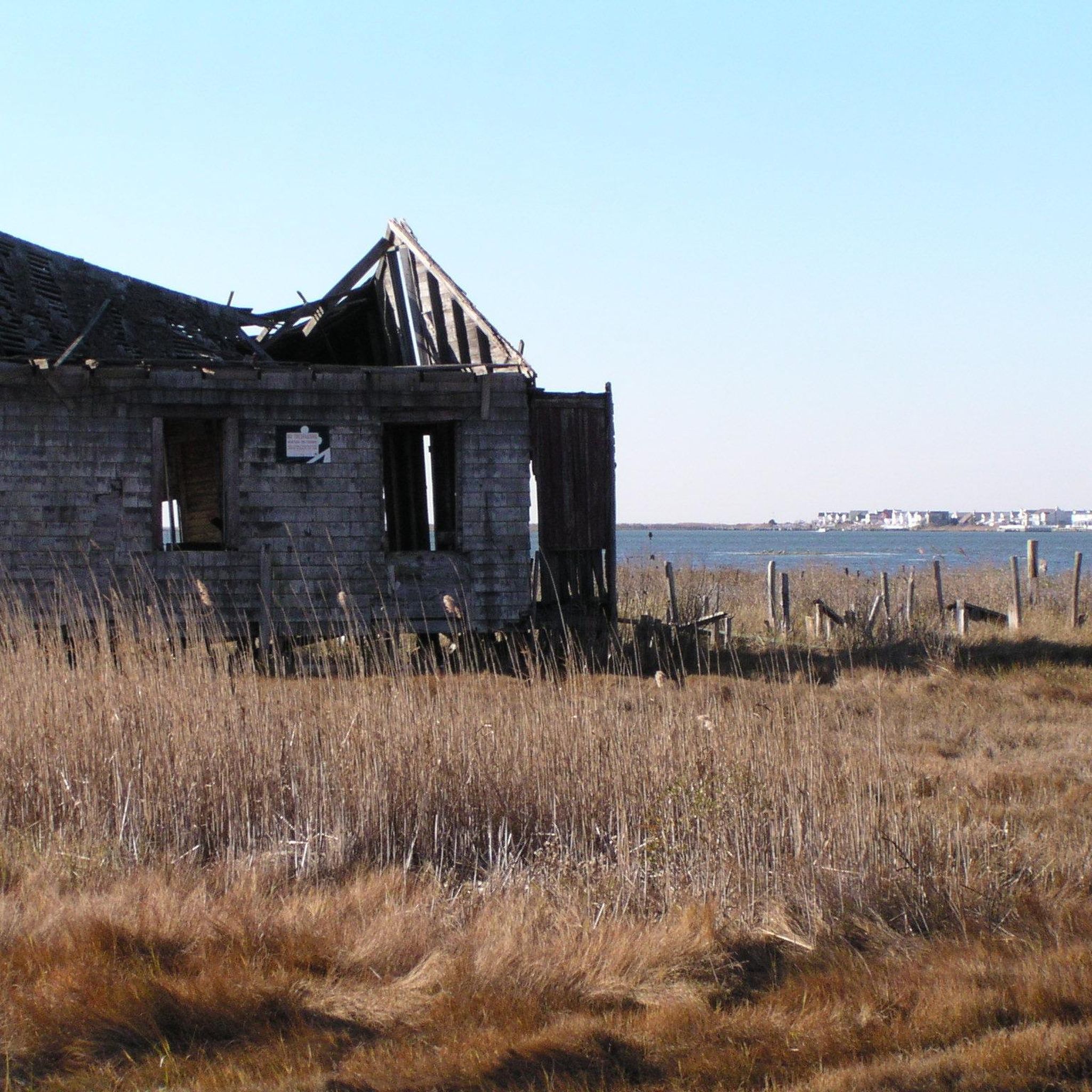
Jogging in Edwin B. Forsythe National Wildlife Refuge offers routes through a diverse 46,000-acre landscape, primarily composed of tidal salt marsh. The region features freshwater impoundments, grasslands, white cedar swamps, and pine/oak uplands, providing varied terrain for runners. Shallow coves and bays are also characteristic, contributing to the refuge's natural features. This environment supports a rich array of wildlife, making it a destination for outdoor activities.
Best jogging routes in Edwin B. Forsythe National Wildlife Refuge
- The most popular jogging…
Last updated: May 27, 2026
4
runners
5.52km
00:36
0m
0m
Jog the deCamp Wildlife Trail, a moderate 3.4-mile route through woods and wetlands to Barnegat Bay, featuring a footbridge and secluded cov
15
runners
Moderate run. Good fitness required. Mostly paved surfaces. Suitable for all skill levels.

Sign up for free
8
runners
7.96km
00:49
10m
10m
Moderate run. Good fitness required. Mostly paved surfaces. Suitable for all skill levels.
5.0
(1)
6
runners
14.1km
01:27
20m
20m
Moderate run. Good fitness required. Mostly paved surfaces. Suitable for all skill levels.
8
runners
13.1km
01:21
10m
10m
Moderate run. Good fitness required. Mostly paved surfaces. Suitable for all skill levels.
Get access to more routes and recommendations from other explorers.
Sign up for free
Already have an account?
Our route recommendations are based on thousands of hikes, rides, and runs completed by other people on komoot.
Start today with a free account
Your next adventure awaits.
Login or Signup
Popular around Edwin B. Forsythe National Wildlife Refuge


Tips from the Community

The Barnegat Lighthouse Boardwalk offers a scenic stroll alongside a rugged terrain of boulders, a sandy beach, and tidal pools. This diverse landscape provides stunning views and a unique coastal experience, perfect for observing both natural beauty and marine life. Enjoy the contrasting environments as you explore this picturesque boardwalk.
0
0
Barnegat Lighthouse, a key highlight for hikers, offers breathtaking views of Island Beach, Barnegat Bay, and Long Beach Island. Visit daily from 10 am to 4:30 pm during the summer season (weather permitting) to experience its stunning vistas. Marking its 150th anniversary in 2009, the lighthouse now boasts a new U.S. Coast Guard-approved lens, which projects a beam visible up to 22 nautical miles. The original lens, replaced in 1927, is on display at the Barnegat Light Historical Society’s Schoolhouse Museum.
0
0

Nice, small cove at the end of the deCamp Wildlife Trail. It is a great place for a break in the run to enjoy the beautiful, tranquil spot.
1
0
Nice bridge that takes you over the wetland and creek. It is a nice place to take a quick stop and enjoy the view.
0
0
The deCamp Wildlife Trail is a well-groomed path that passes through oak and pine woods to takes you to Barnaget Bay. As you get further along the trail, the traffic noise disappears and you are in the middle of nature.
1
0

Barnegat Lighthouse has been sitting on the northern tip of Long Island since 1951. This lighthouse can be seen from the parking area, but to get up close, bikers must walk their bikes or lock them at the entrance and travel 315 yards on foot to the base of the lighthouse. Standing at 163 feet tall and surrounded by a pristine shoreline, it is worth the extra few steps on foot.
0
0
Frequently Asked Questions
How many running routes are available in Edwin B. Forsythe National Wildlife Refuge?
The Edwin B. Forsythe National Wildlife Refuge offers nearly 50 jogging routes, catering to various preferences. These include 8 easy routes, 33 moderate routes, and 8 more challenging options, ensuring there's a path for every runner.
What kind of terrain will I encounter on the jogging trails?
You'll experience a diverse range of terrains within the refuge. Many routes, like the Wildlife Drive, feature packed-sand surfaces. Other trails wind through wetlands, woodlands, grasslands, and pine/oak uplands, offering a varied natural running experience.
Are there any easy or beginner-friendly jogging trails in the refuge?
Yes, the refuge has several easy trails perfect for beginners or a relaxed run. The deCamp Wildlife Trail, at 2.6 miles, is an easy option winding through wetlands and woodlands. The 1.5-mile Cedar Bonnet Island Trail is also suitable for all skill levels, offering scenic views.
What natural features or wildlife can I expect to see while running?
The refuge is a haven for wildlife. You can expect to see a rich array of birds, including waterfowl, shorebirds, and raptors like Bald Eagles and Peregrine Falcons, especially since it's a major stopover for migratory birds. Other sightings may include deer, fiddler crabs, painted turtles, and osprey. The diverse landscapes include vast tidal salt marshes, freshwater impoundments, and white cedar swamps.
Are there any loop trails for jogging in the refuge?
Yes, the refuge features several excellent loop trails. The Wildlife Drive is an 8-mile self-guided loop that's popular for running. Another option is the 1.5-mile Cedar Bonnet Island Trail, which is also a loop. For a longer moderate option, consider the Experimental Pool Overlook loop from Oceanville.
Is the Edwin B. Forsythe National Wildlife Refuge suitable for family jogging?
Absolutely. Many trails within the refuge are easy and well-maintained, making them suitable for families. The Cedar Bonnet Island Trail and the deCamp Wildlife Trail are great choices for a family outing, offering scenic views and opportunities for wildlife spotting.
What do other runners enjoy most about jogging in Edwin B. Forsythe National Wildlife Refuge?
The area is highly rated by the komoot community, with an average score of 3.0 stars. Reviewers often praise the refuge's diverse natural landscapes, the abundance of wildlife viewing opportunities, and the well-maintained trails that provide an immersive outdoor experience.
Are dogs allowed on the jogging trails in the refuge?
While the refuge is a fantastic place for outdoor activities, specific regulations regarding pets apply to protect the wildlife. Generally, dogs are permitted on leash in designated areas, but it's always best to check the official refuge guidelines for the most current information on pet policies for trails. You can find more details on the official FWS website: fws.gov.
Are there any specific points of interest or viewpoints along the running routes?
Yes, the refuge offers several points of interest. Along many trails, you'll find observation towers and platforms, some equipped with fixed scopes, providing elevated views of the vast salt marshes and wildlife. Distant views of the Atlantic City skyline can also be enjoyed from certain vantage points within the refuge.
What is the best time of year to go jogging in the Edwin B. Forsythe National Wildlife Refuge?
The refuge offers a great experience year-round, but spring and fall are particularly popular due to milder temperatures and peak migratory bird activity. These seasons provide excellent opportunities for birdwatching while you run. Summer can be warm and humid, while winter offers a quieter, often starkly beautiful landscape.
Is there parking available at the trailheads?
Yes, the Edwin B. Forsythe National Wildlife Refuge provides parking facilities for visitors. Specific parking areas are available near the main trailheads and the Visitor's Center, making access to the jogging routes convenient.
Are there any entrance fees or permits required to jog in the refuge?
The Edwin B. Forsythe National Wildlife Refuge typically has an entrance fee per vehicle, which grants access to the refuge and its trails. It's advisable to check the official FWS website for the most current fee schedule and any specific permit requirements: fws.gov.
Most popular routes in Edwin B. Forsythe National Wildlife Refuge

Get inspired with the komoot mobile app


Explore more
Browse the best Running Trails & Routes in other regions.
