Elizabeth A. Morton National Wildlife Refuge
Elizabeth A. Morton National Wildlife Refuge
The best road cycling routes in Elizabeth A. Morton National Wildlife Refuge
4.6
(15)
586
riders
49
rides
Road cycling in Elizabeth A. Morton National Wildlife Refuge is primarily experienced on roads surrounding the refuge, as internal trails are largely unpaved. The refuge is situated on the Jessup's Neck peninsula, bordered by Noyack and Little Peconic Bays, offering varied coastal and woodland landscapes. The terrain features sandy and rocky beaches, brackish and freshwater ponds, tidal flats, and maritime oak and red cedar forests. While dedicated paved cycling paths are limited within the refuge itself, the surrounding area provides…
Last updated: July 12, 2026
12
riders
11.2km
00:26
30m
30m
Easy road ride. Great for any fitness level. Mostly well-paved surfaces and easy to ride.
6
riders
17.2km
00:42
60m
60m
Easy road ride. Great for any fitness level. Mostly well-paved surfaces and easy to ride.

Sign up for free
3
riders
25.3km
01:04
150m
150m
Easy road ride. Great for any fitness level. Mostly well-paved surfaces and easy to ride.
4.8
(4)
82
riders
47.5km
02:17
350m
350m
Moderate road ride. Good fitness required. Some segments of this route may be unpaved and difficult to ride.
5.0
(2)
12
riders
50.3km
02:00
200m
200m
Easy road ride. Great for any fitness level. Mostly well-paved surfaces and easy to ride.
Get access to more routes and recommendations from other explorers.
Sign up for free
Already have an account?
Our route recommendations are based on thousands of hikes, rides, and runs completed by other people on komoot.
Start today with a free account
Your next adventure awaits.
Login or Signup
Popular around Elizabeth A. Morton National Wildlife Refuge


Tips from the Community

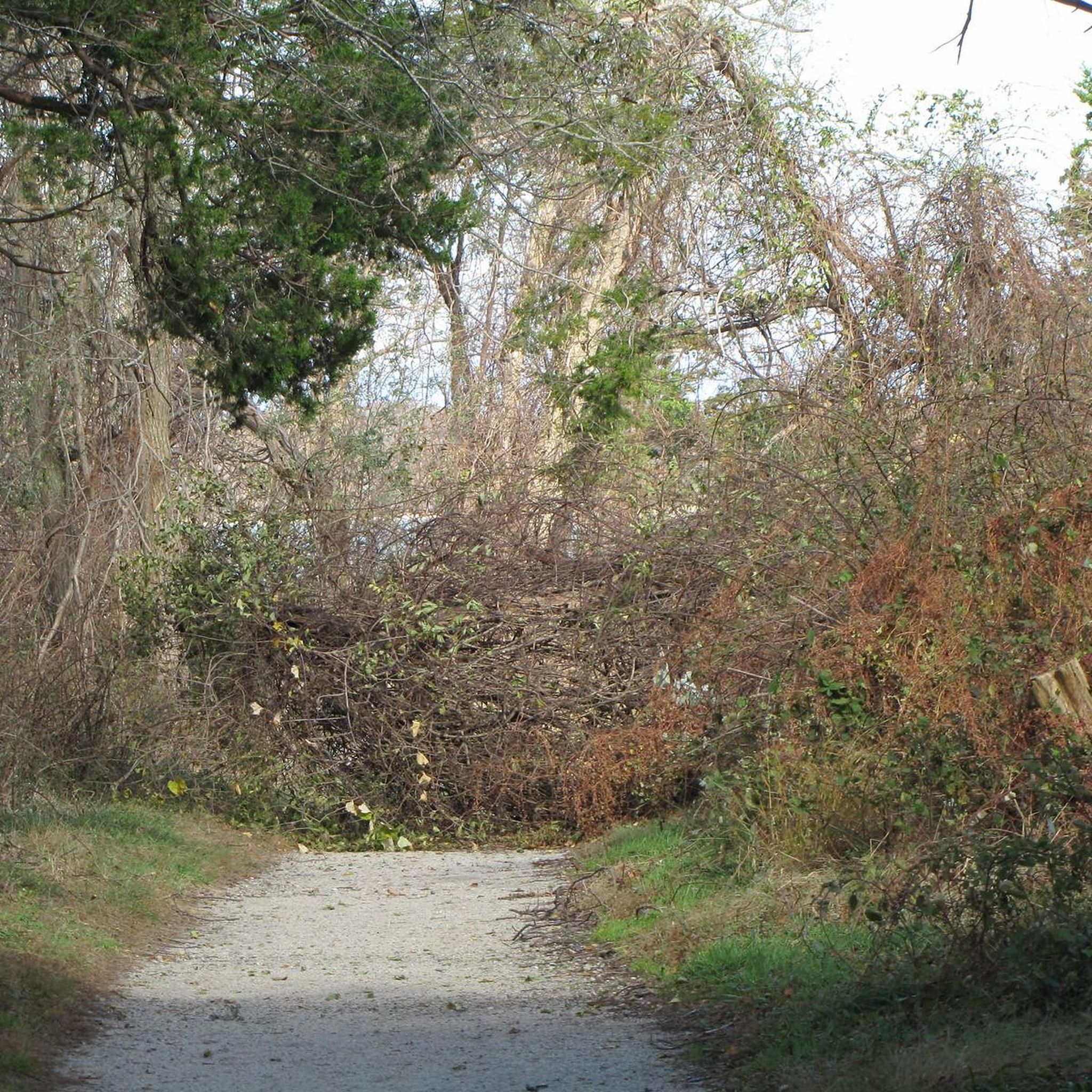
You will find a medium-sized paved parking lot off of Deerfield Road, with access to the Paumanok Path and the Noyac Hills County Park trail system.
0
0

A save beach, and one of a lot one Long Island
0
0

Otter Pond is part of the Long Pond Greenbelt, known as the "string of pearls" due to its chain of 13 rare coastal plain ponds. These fragile ecosystems are crucial habitats for diverse plant and animal life, making them a significant conservation area.
0
0

Custer Institute and Observatory, established in 1927, opens exclusively on Saturdays from 7 p.m. to 12 a.m. for Saturday Night Observing. Long Island's oldest public observatory offers tours led by knowledgeable volunteer staff members. Visitors can tour the facilities and view the night sky through powerful telescopes, as well as explore the library, exhibit room, and gift shop. Custer Institute and Observatory also hosts lectures, classes, concerts, art exhibits, and other special events.
0
0

Southampton is a beautiful quaint town with some fantastic architecture. With spots to have a refreshing drink, ice cream or coffee, it makes a great spot for a mid ride refuel.
1
0
The Water Mill Windmill at 695 Montauk Highway in Water Mill, New York, holds historical significance as a tangible link to the area's past. Erected in the 18th century, it stands as an iconic reminder of early milling practices, showcasing traditional craftsmanship and serving as a testament to the region's agricultural and industrial history.
0
0

Sag Harbor is a picturesque village on the East End of Long Island, New York. It boasts a rich maritime history dating back to the 18th and 19th centuries and served as a vital port for whaling and shipping industries. With historic landmarks like the Old Whaler's Church and the Sag Harbor Whaling and Historical Museum, the village preserves its seafaring heritage. The scenic waterfront is dotted with boats and surrounded by historic architecture, adding to the village's charm. Sag Harbor also has theaters, galleries, local shops, and great restaurants and coffee shops making it an awesome place to relax after a long ride.
0
0

Ram Island County Park is a beautiful little headland park and it makes for a good bike ride. Whilst you will not be able to have coastal views all the way, the ones you will have will be super good and the rest will be along tranquil tree lined roads. It's nice too as once you are down on the headland, you can do a small loop to come back a slightly different way.
1
0
Frequently Asked Questions
What kind of terrain can I expect when road cycling in Elizabeth A. Morton National Wildlife Refuge?
Road cycling in the Elizabeth A. Morton National Wildlife Refuge area primarily involves roads surrounding the refuge. While the refuge itself features diverse habitats like sandy beaches, ponds, and forests, its internal trails are largely unpaved dirt paths, making them less suitable for traditional road bikes. The surrounding routes offer coastal views and passages through wooded areas, with mostly paved surfaces.
Are there any easy road cycling routes suitable for beginners in the area?
Yes, the area offers several easy road cycling routes. For instance, the Roadbike loop from Reese Preserve is an easy 7.0-mile (11.2 km) route that takes about 26 minutes to complete. Another popular easy option is the Sag Harbor – Foster Memorial Bathing Beach loop from Noyack, which spans 18.8 miles (30.2 km) and offers scenic views of the bays.
What are some notable natural features or viewpoints I can experience while cycling near the refuge?
The region around the Elizabeth A. Morton National Wildlife Refuge is rich in natural beauty. You can enjoy stunning views of Noyack and Little Peconic Bays, as well as glimpses of the North Fork, Shelter Island, North Haven, and Robin's Island from coastal sections. The area features diverse landscapes including sandy and rocky beaches, brackish ponds, and maritime oak and red cedar forests.
Is the Elizabeth A. Morton National Wildlife Refuge suitable for family road cycling trips?
While the internal trails of the refuge are mostly unpaved and better suited for hiking or mountain/hybrid bikes, the surrounding roads offer many easy routes that can be suitable for families. These routes provide a pleasant way to explore the scenic periphery of the refuge and the local area. Always check the specific route details for elevation and traffic conditions to ensure it meets your family's needs.
What do other road cyclists say about the routes in Elizabeth A. Morton National Wildlife Refuge?
The road cycling routes in the Elizabeth A. Morton National Wildlife Refuge area are highly rated by the komoot community, with an average score of 4.4 stars from over 11 reviews. Cyclists often praise the coastal roads, the scenic views of the bays, and the variety of routes available for different ability levels.
Are there any longer or more challenging road cycling routes available?
Yes, for those seeking a longer ride, the Shelter Island Heights loop from Silver Beach is a moderate 28.4-mile (45.7 km) route with more elevation gain, typically taking over 2 hours. Another option is the Laurel Valley County Park loop from Noyack, a 15.7-mile (25.3 km) easy trail that leads through varied landscapes.
What is the best time of year to go road cycling in this region?
The region offers pleasant cycling conditions during much of the year. Spring and fall provide comfortable temperatures and beautiful scenery, especially with migratory birds in spring and vibrant foliage in autumn. Summer can be warm, but coastal breezes can make for enjoyable rides. Winter cycling is possible, but be mindful of colder temperatures and potential icy patches.
Are there any specific permits or fees required for cycling in or around the refuge?
Cycling is generally permitted in the Elizabeth A. Morton National Wildlife Refuge, and there is a daily fee for bicyclists. Bike racks are available at the entrance. For the most current information on fees and any specific regulations, it's always best to check the official refuge website: fws.gov/refuge/elizabeth-alexandra-morton.
Can I bring my dog on road cycling routes near the refuge?
While the Elizabeth A. Morton National Wildlife Refuge has specific rules regarding pets (often restricting them to certain areas or requiring them to be leashed), many public roads surrounding the refuge are generally dog-friendly. However, it's crucial to ensure your dog is safe and comfortable with cycling, and always check local regulations for any specific route you plan to take.
Where can I find parking when planning a road cycling trip to the Elizabeth A. Morton National Wildlife Refuge area?
The Elizabeth A. Morton National Wildlife Refuge itself has parking facilities available for visitors. When planning your road cycling trip, you can often find parking at trailheads or public access points for the various routes in the surrounding area. It's advisable to check the starting points of specific routes on komoot for detailed parking information.
Are there any circular road cycling routes in the Elizabeth A. Morton National Wildlife Refuge vicinity?
Yes, many of the road cycling routes in the area are designed as loops, allowing you to start and end at the same point. Examples include the Roadbike loop from Reese Preserve and the Sag Harbor – Foster Memorial Bathing Beach loop from Noyack, both offering convenient circular journeys.
What kind of wildlife might I spot while road cycling near the refuge?
The Elizabeth A. Morton National Wildlife Refuge is a haven for wildlife. While cycling on surrounding roads, you might spot white-tailed deer, wild turkeys, and various songbirds in wooded areas. Near coastal sections, keep an eye out for waterfowl, especially from late October to early April. The refuge is also known for chickadees, which can sometimes be seen eating from visitors' hands.
Most popular routes in Elizabeth A. Morton National Wildlife Refuge

Get inspired with the komoot mobile app


Explore more
Browse the best Road cycling routes in other regions.
