The best cycling routes in Quogue Wildlife Refuge
3.7
(3)
51
riders
6
rides
Touring cycling routes in Quogue Wildlife Refuge's surrounding area offer flat terrain and coastal views. While bicycles are generally not permitted on the refuge's internal trails, the broader region provides diverse landscapes for cycling. These routes often traverse areas near the refuge, featuring open roads and views of local waterways. The terrain is typically low in elevation, making it suitable for various fitness levels.
Best touring cycling routes in Quogue Wildlife Refuge
- The most popular touring cycling route is Ponquogue Bridge View – Dune Road loop from Westhampton, a 27.2 miles (43.8 km) trail that takes 2 hours 30 minutes to complete. This route offers views of the Ponquogue Bridge and coastal scenery.
- Another top favourite among local touring cyclists is Dune Road – Dune Road loop from Westhampton, a moderate 32.8 miles (52.7 km) path. This route follows Dune Road, providing extensive coastal views.
- Local touring cyclists also love the Bike loop from Village of Westhampton Beach, a 9.0 miles (14.5 km) trail leading through the Village of Westhampton Beach, often completed in about 49 minutes.
- Touring cycling in Quogue Wildlife Refuge's vicinity is defined by coastal roads, flat terrain, and views of the Atlantic coastline. The network offers options for different ability levels, from easy loops to moderate distances.
- The routes in Quogue Wildlife Refuge are highly rated by the komoot community with an average score of 3.7 stars from 3 reviews. 44 touring cyclists have used komoot to explore Quogue Wildlife Refuge's varied terrain.
Last updated: May 16, 2026
3.0
(1)
17
riders
43.8km
02:29
80m
80m
Moderate bike ride. Good fitness required. Mostly paved surfaces. Suitable for all skill levels.
5.0
(1)
7
riders
52.7km
03:04
190m
190m
Moderate bike ride. Good fitness required. Mostly paved surfaces. Suitable for all skill levels.

Sign up for free
6
riders
28.8km
01:37
30m
30m
Easy bike ride. Great for any fitness level. Mostly paved surfaces. Suitable for all skill levels.
3.0
(1)
10
riders
35.2km
02:00
70m
70m
Easy bike ride. Great for any fitness level. Mostly paved surfaces. Suitable for all skill levels.
9
riders
27.1km
01:33
60m
60m
Easy bike ride. Great for any fitness level. Mostly paved surfaces. Suitable for all skill levels.
Our route recommendations are based on thousands of hikes, rides, and runs completed by other people on komoot.
Start today with a free account
Your next adventure awaits.
Login or Signup
Popular around Quogue Wildlife Refuge


Tips from the Community

Canoe Place is a luxury resort town on the Shinnecock Canal with upscale hotels, restaurants, and water access. The Paumanok Path passes through the center of town, and on some maps detours down Gate Street to the canal, where there is often a porta potty, and where you can get excellent views of the canal bridge.
0
0

An unbelievable view. Please take use that way and see yourself
0
0
Dune Road spans over 14 miles, drawing a straight line down the island from Cupsogue Beach to Ponquogue State Park. Your views of the scenic shoreline and Hampton beach homes are uninterrupted the entire way. There isn't much shoulder, but you generally won't find too much traffic and this makes for a great way to explore the island.
0
0
These are the famous beaches in the Haptons just before the huge ostentatious villas begin. It is simply a dream, every time I am here my heart beats faster
0
0

From this spot on Dune Road you get a fantastic view of the bay and marshes on one side and the vast Atlantic on the other. This is a great bit of riding in the Hampton Bays.
0
0

The Shinnecock Canal was the first saltwater canal in New York State, built between 1884 and 1892. Once a site used by Native Americans to carry canoes over land, the Canal today connects two of the most stunning bays on Long Island's eastern side, Shinnecock Bay and Great Peconic Bay, which had become landlocked over time. Though the Hamptons officially begin 10 miles (16.09 km) west of the Canal, it is known as the starting point of this exclusive summer resort, as every modern bridge leading to the Hamptons crosses the Canal.
0
0

The Ponquogue Bridge view presents a picturesque scene in Hampton Bays, New York. Overlooking Shinnecock Bay, the bridge offers stunning vistas of the water, marshes, and distant shores. The blend of architectural lines and natural beauty creates a captivating panorama, attracting locals and visitors alike to savor the serene coastal ambiance.
0
0
Frequently Asked Questions
Can I cycle directly within the Quogue Wildlife Refuge?
No, bicycles are generally not permitted on the internal trails of the Quogue Wildlife Refuge. The refuge is primarily designed for walking, hiking, cross-country skiing, and snowshoeing, allowing visitors to explore its diverse habitats and observe wildlife on foot.
Where can I find touring cycling routes near the Quogue Wildlife Refuge?
The surrounding area of the Quogue Wildlife Refuge offers several excellent touring cycling routes. These routes often feature flat terrain, coastal roads, and views of local waterways. You can explore options like the Ponquogue Bridge View – Dune Road loop from Westhampton or the Dune Road – Dune Road loop from Westhampton.
What kind of terrain can I expect on touring cycling routes in the Quogue Wildlife Refuge vicinity?
The touring cycling routes in the vicinity of Quogue Wildlife Refuge are characterized by flat terrain and coastal roads. They offer a smooth riding experience with low elevation changes, making them suitable for various fitness levels. You'll often find yourself cycling with views of the Atlantic coastline and local waterways.
Are there easy touring cycling routes available for beginners or families?
Yes, there are several easy touring cycling routes in the area. For instance, the Bike loop from Village of Westhampton Beach is a shorter, easy option. Many routes are designed with minimal elevation gain, making them accessible for beginners and families looking for a relaxed ride.
What are some notable natural features or attractions near the cycling routes?
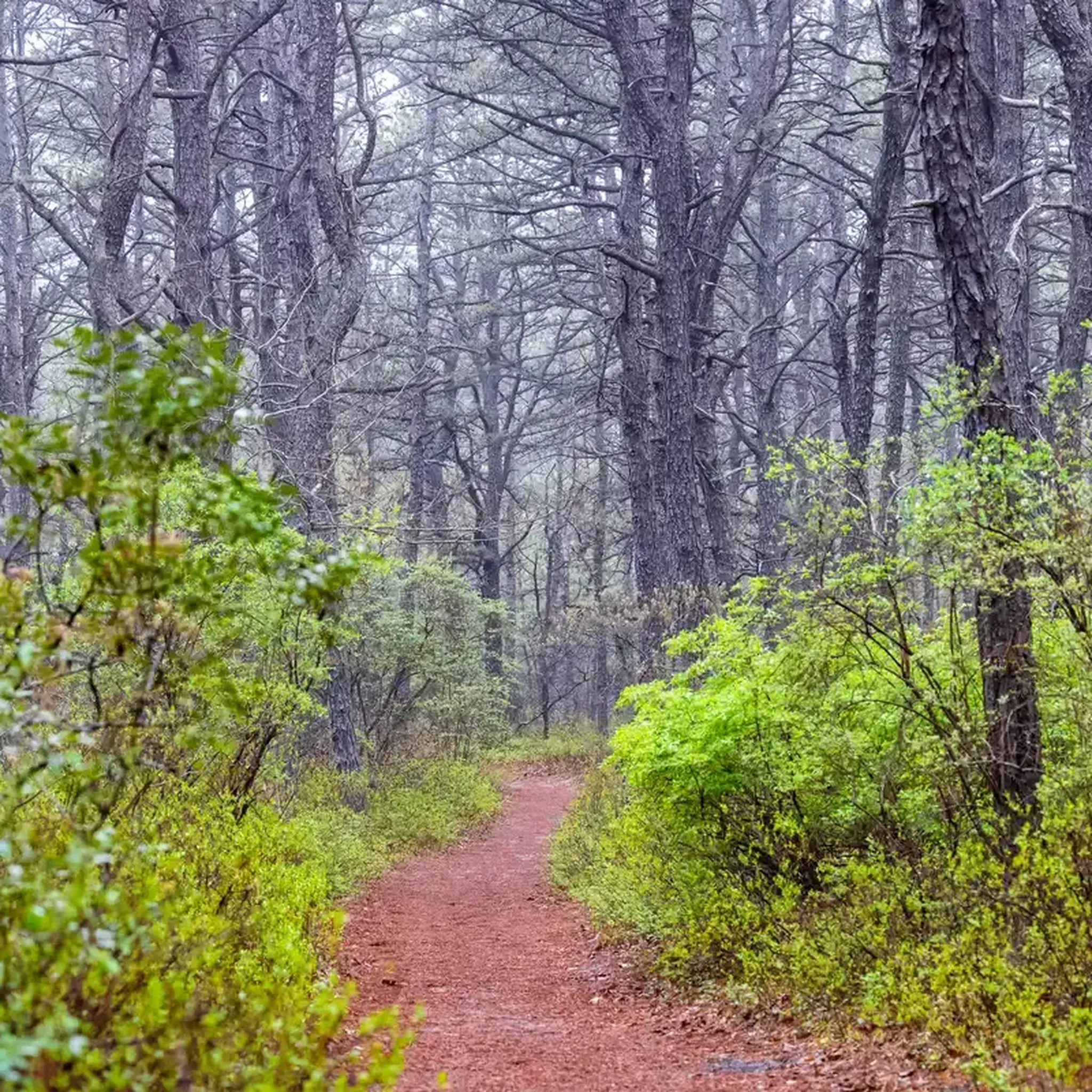
While cycling is restricted within the refuge itself, the Quogue Wildlife Refuge, adjacent to the cycling routes, boasts diverse habitats including Pine Barrens with ecologically rare Dwarf Pines, bogs, wetlands, and a tidal estuary. Visitors on foot can also enjoy views of the Old Ice Pond and the Fairy Dell Boardwalk along Quantuck Creek. The refuge also has an Outdoor Wildlife Complex with permanently injured native New York animals.
How long do the touring cycling routes typically take to complete?
The duration of the routes varies. Shorter, easy loops like the Bike loop from Village of Westhampton Beach can be completed in under an hour. Longer, moderate routes such as the Dune Road – Dune Road loop from Westhampton might take around 3 hours or more, depending on your pace.
Are there any circular touring cycling routes in the area?
Yes, many of the touring cycling routes in the Quogue Wildlife Refuge vicinity are circular loops. Examples include the Ponquogue Bridge View – Dune Road loop from Westhampton and the Ponquogue Bridge View – Dune Road loop from Hampton Bays, allowing you to start and end at the same point without retracing your path.
What do other touring cyclists say about the routes in this region?
The touring cycling routes in the Quogue Wildlife Refuge area are highly rated by the komoot community, with an average score of 3.7 stars. Cyclists often praise the scenic coastal views and the generally flat, accessible terrain that makes for an enjoyable ride.
Is public transport available to access the cycling routes?
While specific public transport connections directly to the start points of all routes are not detailed, the towns surrounding the Quogue Wildlife Refuge, such as Westhampton and Hampton Bays, typically offer public transport options that can help you get closer to the cycling areas.
Are there places to park near the touring cycling routes?
Yes, parking is generally available in the towns and public access points near the start of many touring cycling routes in the broader Quogue Wildlife Refuge area. It's advisable to check local parking regulations and availability for your chosen starting point.
What is the best time of year for touring cycling near Quogue Wildlife Refuge?
The spring, summer, and fall months generally offer the most pleasant conditions for touring cycling in the area, with milder temperatures and less chance of harsh weather. Summer provides warm weather for coastal rides, while spring and fall offer comfortable temperatures and beautiful scenery.
Can I spot wildlife while cycling in the region?
While cycling routes are outside the refuge, the coastal and natural surroundings mean you might encounter various bird species and other local wildlife. For a dedicated wildlife observation experience, consider visiting the Quogue Wildlife Refuge on foot, where you can explore diverse ecosystems and see native New York animals in their Outdoor Wildlife Complex.

Get inspired with the komoot mobile app


Explore more
Browse the best Cycling routes in other regions.
