Parsonage Down National Nature Reserve
Parsonage Down National Nature Reserve
The best MTB trails in Parsonage Down National Nature Reserve
4.2
(34)
109
riders
19
rides
Mountain bike trails in Parsonage Down National Nature Reserve traverse chalk downland and extensive calcareous grassland. The terrain features gently undulating hills and valleys, offering long-distance vistas across the Wiltshire landscape. While dedicated mountain biking facilities are limited, existing tracks and bridleways provide opportunities for exploration. The highest point of the reserve reaches 500 feet, providing expansive views.
Best mountain bike trails in Parsonage Down National Nature Reserve
- The most popular mountain bike trail is Stonehenge – Gravel Track Near…
Last updated: August 20, 2026
4.8
(8)
17
riders
31.6km
02:37
300m
300m
Moderate mountain bike ride. Good fitness required. Advanced riding skills necessary.
1
riders
Moderate mountain bike ride. Good fitness required. Suitable for all skill levels.

Sign up for free
4.8
(4)
10
riders
29.2km
02:21
330m
330m
Moderate mountain bike ride. Good fitness required. Suitable for all skill levels.
3
riders
26.5km
02:06
210m
220m
Moderate mountain bike ride. Good fitness required. Suitable for all skill levels.
19.1km
01:29
190m
180m
Moderate mountain bike ride. Great for any fitness level. Advanced riding skills necessary.
Get access to more routes and recommendations from other explorers.
Sign up for free
Already have an account?
Our route recommendations are based on thousands of hikes, rides, and runs completed by other people on komoot.
Start today with a free account
Your next adventure awaits.
Login or Signup
Popular around Parsonage Down National Nature Reserve
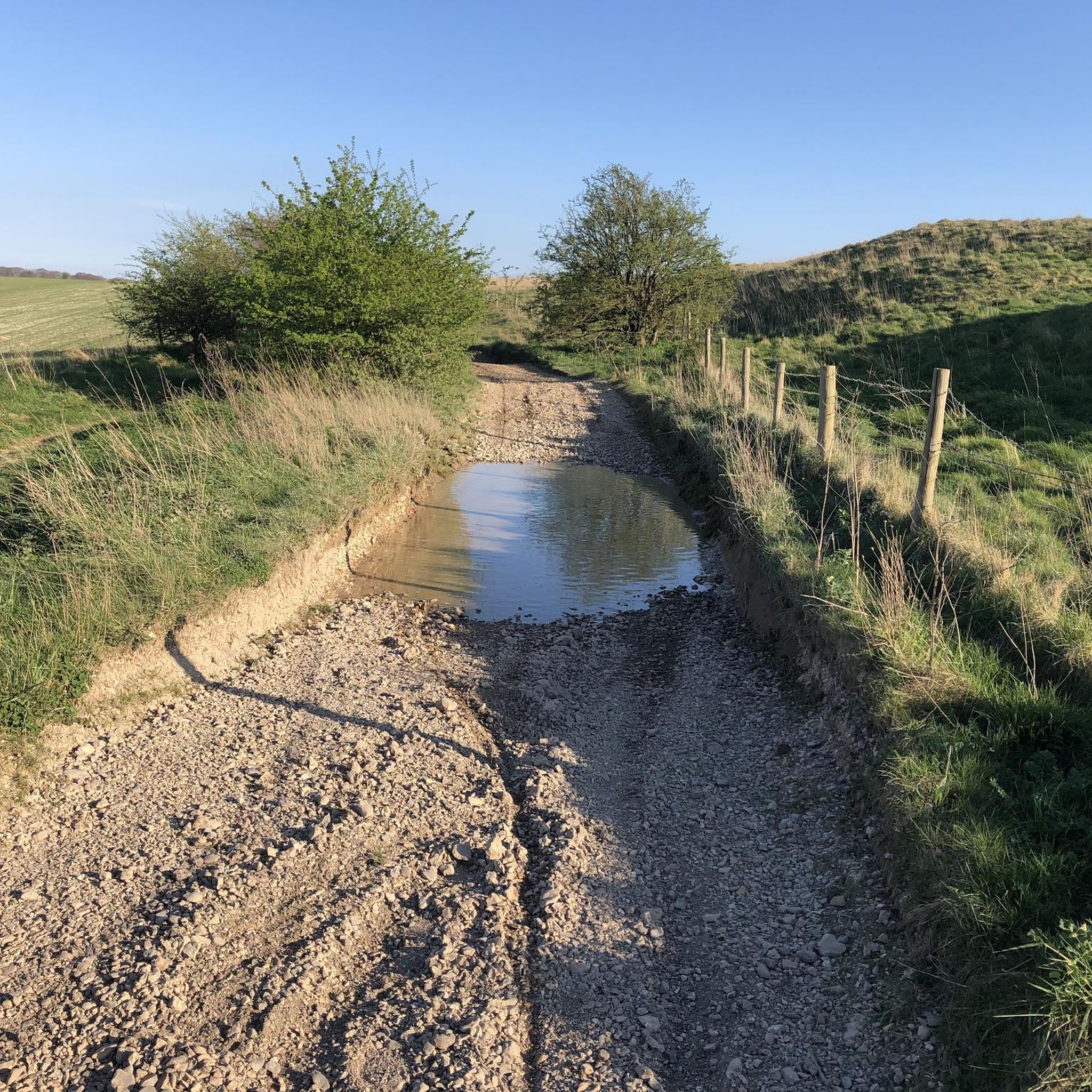
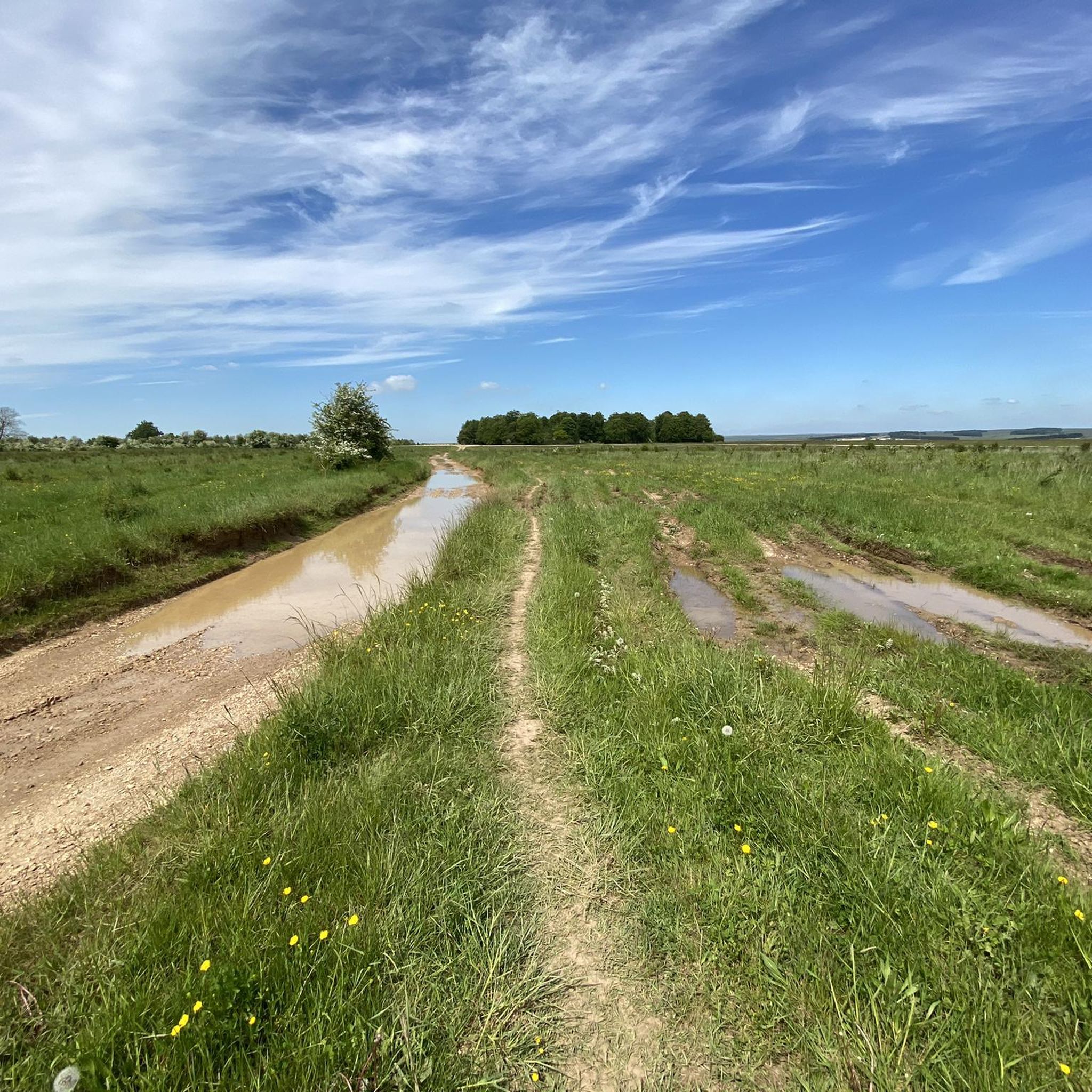

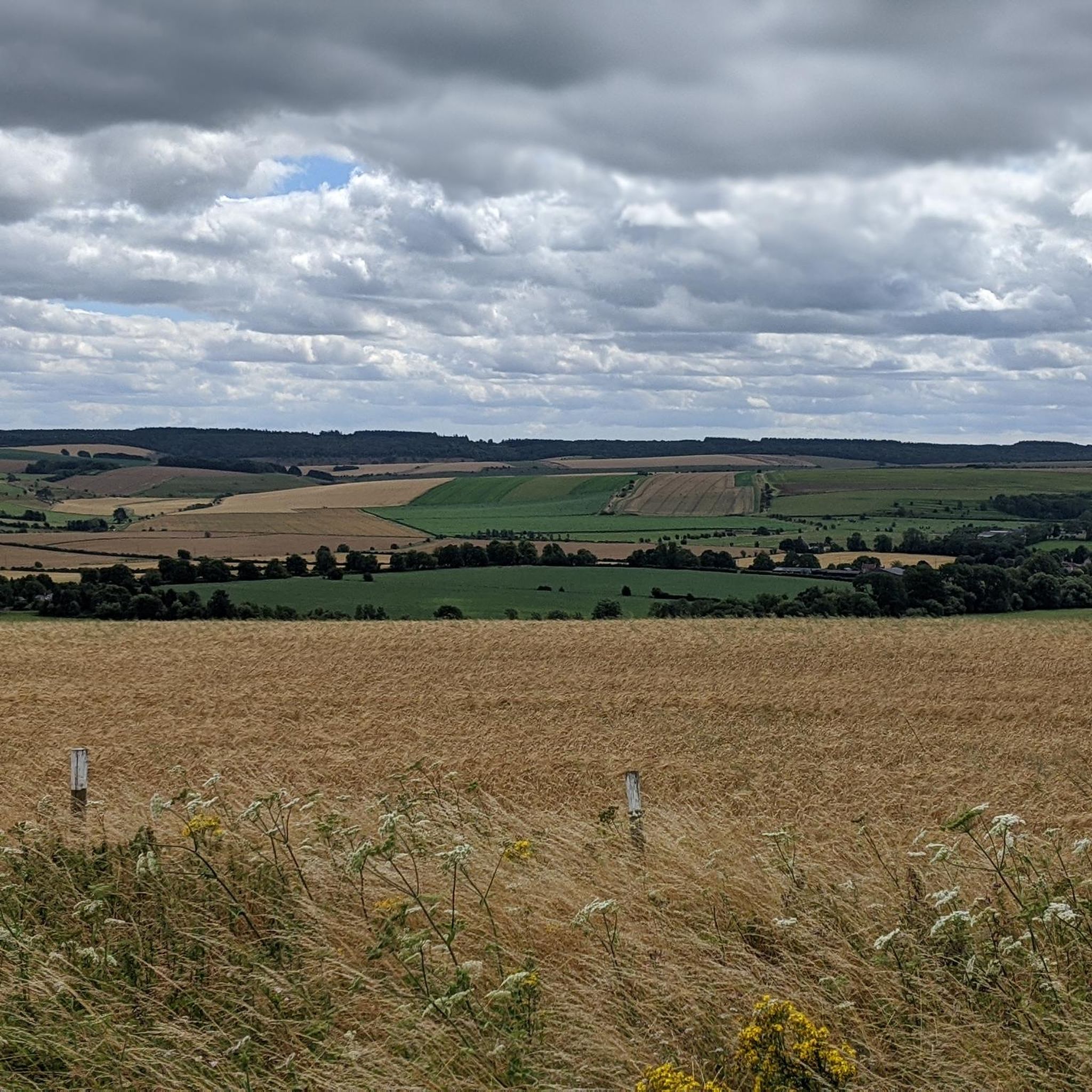
Tips from the Community

Location signage, that is, how to locate the cuckoo stone, is non-existent! Once you pass through the gate next to Woodhenge you’ll see the National Trust sign. The stone lies way off to your right at about 3 o’clock direction from the sign. If the grass is long it won’t be visible!
2
0

Take the small path just over the entrance road to Stonehenge, on the right This leads you right oast the stones and some lovely picture opportunities. It then goes over grass to a double gate beside the A303. You need to cross over the A303 to be able to ride safely up the hill on the pathway and then cross back over at the top to rejoin the gravel. Or simply cycle uo the grass verge as I did but this is a lot more sketchy. A fantastic ride and you are only 10 mins from the end.
0
0
Just a fabulous summer gravel ride, very highly recommended. Deep ruts in places and lots of gnarly, sharp, flint gravel. So strong tyres recommended. This is a ride where bike handling skills are important on some narrow/ rutted descents. Very steep hill 16% after Berwick St James Cannot recommended this ride highly enough, simply stunning.
0
0
Be aware that after Stonhenge the route takes you down hill on a grass path and you terminate at a double gate beside the A303. The route then indicates to go up the hill to the left apparently on the A303. However, I believe that if you cross over the A303 again ( traffic is pretty slow here usually but do exercise great caution). I think there is a foot path the other side of the A303 that you can ride on in safety up the hill before crossing back over to follow the track again I missed this foot path and rode on the verge, not as nice.
0
0
Fantastic summer ride. Highly recommended, just so beautiful on a warm sunny day. Navigation can be a little tricky but just use common sense. Such great views and such remote places. Really special. Also do stop at the lovely cafe at Berwick St James, a total surprise and a refreshment delight! This really is a great ride and one of the best that will stand out all summer. I used a hard tail mtb and would recommend this and quite tough tyres. As this is over a lot of pretty gnarly loose flint gravel which can give tyres a very hard time. Definitely carry spares and a pump. Great views of Stonehenge, couldn't believe the crowds and you want the little path just past the entrance road to the Stones not the entrance road. There is someone there usually to assist you. Cannot recommend this ride highly enough!. There is a steep hill just after Duck lane at Berwick St. James which tops out at 16% " Whitehill". Although the left hand fork on the approach leads to the same place.
0
0

Larkhill Camp – Eerie Order on the Edge of the Plain Larkhill Camp feels like riding through a live blueprint of military precision. This historic garrison town, perched on the northern edge of Salisbury Plain, isn’t your typical village stop — it’s a place where wide tarmac roads stretch between regimented rows of near-identical housing blocks, all arranged with deliberate symmetry. Founded in the late 19th century as an artillery training base, Larkhill is still an active military camp, home to the Royal Artillery. You’ll feel that presence in the design — everything is clean, uniform, and spaced out. There’s a peculiar quiet, even when the camp is busy, and it lends a kind of surreal calm to your ride through. While not a classic beauty spot, it’s fascinating in its own right — a moment of stark contrast between the ancient wildness of the Plain and the tightly ordered world of the MOD. It’s not uncommon to hear distant explosions or spot helicopters overhead. And just beyond, the landscape opens up again into chalk trails and flint-edged bridleways. 🚴♂️ Bikepacker Tip: Water and supplies are limited here — the camp isn’t set up for tourists — so fill up in nearby Durrington or Amesbury if you’re heading across the Plain. Watch for MOD signs, especially if venturing off-route. 📍 Highlight Type: Urban/Military Landmark 🌄 Surroundings: Military roads, open grassland, access to training areas 📷 Vibe: Surreal, stark, historically charged
2
0

A television series that I wholeheartedly recommend introduces culture-loving viewers to remarkable testimonies to human activity from many countries around the world. What they all have in common is that they have been granted "World Heritage" status by UNESCO. One of the episodes documents the ancient and still mysterious stone circle of Stonehenge. The accompanying documentary states: "The Salisbury Plateau in southern England is a harsh and uninviting area, often subject to cold and biting winds. About 5,000 years ago, during the Neolithic period, people lived here, about whom we know very little. But what they and subsequent generations left behind is impressive beyond measure: the stone circles and burial mounds of the Megalithic culture." This film (in German) can be found in the ARD media library under the following link => https://www.ardmediathek.de/video/schaetze-der-welt/stonehenge-grossbritannien-folge-16/swr/Y3JpZDovL3N3ci5kZS83MjQ1ODkw
0
1

A really fun series of humps, some of the puddles are deep.
0
0
Frequently Asked Questions
How many mountain bike trails are available in Parsonage Down National Nature Reserve?
There are 19 mountain bike trails available in Parsonage Down National Nature Reserve on komoot, catering to various skill levels. Most of these, 16 routes, are rated as moderate.
What is the general terrain like for mountain biking in Parsonage Down National Nature Reserve?
The terrain in Parsonage Down National Nature Reserve primarily consists of chalk downland and extensive calcareous grassland. You'll encounter gently undulating hills and valleys, offering long-distance vistas across the Wiltshire landscape. The highest point of the reserve reaches 500 feet, providing expansive views.
Are there specific restrictions or policies for mountain biking within Parsonage Down National Nature Reserve?
While general public access is permitted, dedicated mountain biking facilities are limited. The reserve is a sensitive ecological area (SSSI, NNR), so off-trail biking is typically restricted to protect the natural environment. Mountain biking is generally permitted on existing tracks and bridleways, but visitors should adhere to general trail etiquette and avoid disturbing the habitat.
Are there any family-friendly mountain bike routes in the area?
Yes, there are a few easier routes suitable for families. For example, the View of Landford Vale – Stapleford Castle loop from Stapleford is a moderate 19.4 km route that offers a good introduction to the area's terrain without being overly challenging.
What kind of landmarks or points of interest can I expect to see while mountain biking?
The reserve itself features a small Iron Age camp at its highest point, offering historical intrigue and expansive views. While cycling, you'll also experience the unique landscape of ancient anthills and the working farm aspect of the reserve, home to the oldest registered herd of English Longhorn cattle.
Is Parsonage Down National Nature Reserve suitable for dog-friendly mountain biking?
Yes, dogs are generally welcome in the reserve, but it's crucial to keep them under close control, especially due to the presence of grazing cattle (English Longhorns) and diverse wildlife. Always follow the Countryside Code and ensure your dog doesn't disturb livestock or ground-nesting birds.
What do other mountain bikers enjoy most about the trails in Parsonage Down National Nature Reserve?
The trails in Parsonage Down National Nature Reserve are highly rated by the komoot community, with an average score of 4.3 stars from over 30 reviews. Reviewers often praise the open scenery, the sense of remoteness, and the opportunity to explore the unique chalk downland landscape.
Are there any circular mountain bike routes available?
Yes, many of the routes in the area are circular. For instance, the Stonehenge – Gravel Track Near Stonehenge loop from Appleford School is a popular 31.8 km loop, and the Gravel Track Near Stonehenge – Gravel Road to Stonehenge loop from Appleford School is another moderate 27.2 km option.
What is the best time of year to go mountain biking in Parsonage Down National Nature Reserve?
Spring and summer are generally ideal for mountain biking, offering pleasant weather and the chance to see the reserve's diverse wildflowers, including over 150 species and various orchids. Autumn can also be beautiful with changing colours. Winter rides are possible but be prepared for potentially muddy and rutted tracks, especially after rain.
Is there parking available for mountain bikers at Parsonage Down National Nature Reserve?
While there isn't dedicated mountain biking parking, public access to the reserve involves a bumpy, rutted track. Visitors typically park along access roads or in designated informal areas. It's advisable to check local signage and respect private land.
Can I reach Parsonage Down National Nature Reserve by public transport for mountain biking?
Public transport options directly to the reserve are limited. Access is generally easier by car or by cycling from nearby towns. If using public transport, you would likely need to combine it with a significant cycle ride to reach the reserve's access points.
Are there any cafes or pubs near the mountain bike trails for refreshments?
The reserve itself is quite rural, so there are no facilities directly within it. However, you can find cafes and pubs in nearby villages and towns such as Stapleford or Shrewton, which are often starting points for rides in the wider area.
What kind of wildlife might I encounter while mountain biking?
Parsonage Down is rich in wildlife. You might spot various birds like green woodpeckers, yellowhammers, and turtle doves, as well as mammals such as badgers, deer, and foxes. The reserve is also known for its rare calcareous grassland and the largest population of burnt orchids in northwest Europe.
Most popular routes in Parsonage Down National Nature Reserve

Get inspired with the komoot mobile app


Explore more
Browse the best MTB trails in other regions.
