Attractions and Places To See in Mauna Kea Forest Reserve - Top 8
Best attractions and places to see in Mauna Kea Forest Reserve, the largest forest reserve in Hawaiʻi, spans approximately 72,491 acres. This region offers a range of outdoor recreation, natural features, and culturally significant sites. Visitors can explore diverse landscapes, from rainforests to lava fields, and engage in activities such as hiking and wildlife watching. The reserve is known for its unique geological formations and its importance in Hawaiian tradition.
Best attractions and places to see in Mauna Kea Forest…
Last updated: August 29, 2026
Mauna Kea
Highlight • Summit
Translated by Google •
Tip by

Mauna Kea Visitor Information Station
Highlight • Rest Area
Translated by Google •
Tip by

Sign up now to discover places like this
Get recommendations on the best single tracks, peaks, & plenty of other exciting outdoor places.
Sign up for free
Pu‘ukalepeamoa Lookout
Highlight • Viewpoint
Tip by

Maunakea Visitor Information Station
Highlight • Rest Area
Tip by

Mauna Kea Climb
Highlight (Segment) • Climb
Leaving …
Tip by

Sign up for free to discover even more attractions in Mauna Kea Forest Reserve.
Sign up for free
Already have an account?
Start today with a free account
Your next adventure awaits.
Login or Signup
Popular around Mauna Kea Forest Reserve
Tips from the Community

Undoubtedly one of the most beautiful and challenging experiences one can have on a bicycle and in the middle of the ocean! Setting off early in the morning from the quiet beach to reach the 4,207-meter summit of Mauna Kea is an immense satisfaction. The first part, from the city of Hilo up to a few kilometers before the Visitor Center at 2,700 meters, is relatively easy but also a bit monotonous. However, about a kilometer after taking the Mauna Kea Access Road, the gradient starts to rise steeply, often reaching double digits. Once you arrive at the Mauna Kea Visitor Information Station, after the mandatory stop at the Ranger Checkpoint, you can enjoy a well-deserved break and stock up on water before facing the toughest section of the entire climb. Immediately after the VIS begins a long stretch of unpaved road with sharp gradients and a surface that often offers little grip, putting even the strongest legs to the test. After this grueling segment, the ascent continues on asphalt again, but the slopes remain steep and the altitude begins to take its toll, making the final conquest of the summit truly a feat within a feat. Once you reach the long-awaited summit sign, you can finally take a deep breath of relief and admire—with a huge smile—the breathtaking view that awaits you. I traveled 31 hours to conquer this gem, and every bit of effort was more than worth it!
0
0

Visitor center and checkpoint for car travelers. From here, further travel is only permitted with four-wheel drive.
2
0
easily accessible viewpoint with super panoramic views
2
0

This legendary climb begins in the city of Hilo and ascends to the summit of Mauna Kea. It's a breathtaking 13,800-foot climb into the clouds, a challenging 42-mile undertaking. Leaving Hilo's streets, you transition onto Kumana Drive, which merges into Saddle Road, or Hawaii Route 200. This scenic highway, a twisting two-lane road connecting the east to the west, takes you through a stunning array of landscapes: verdant rainforests, lava fields, desert-like plains, rolling grasslands, and ocean views. The saddle marks the point where you rise into the clouds. The last ten miles are a moon-like terrain where you'll find telescope and viewpoints. The summit's thin air and the road's steepness create a brutal final push, demanding every last bit of your energy!
0
0


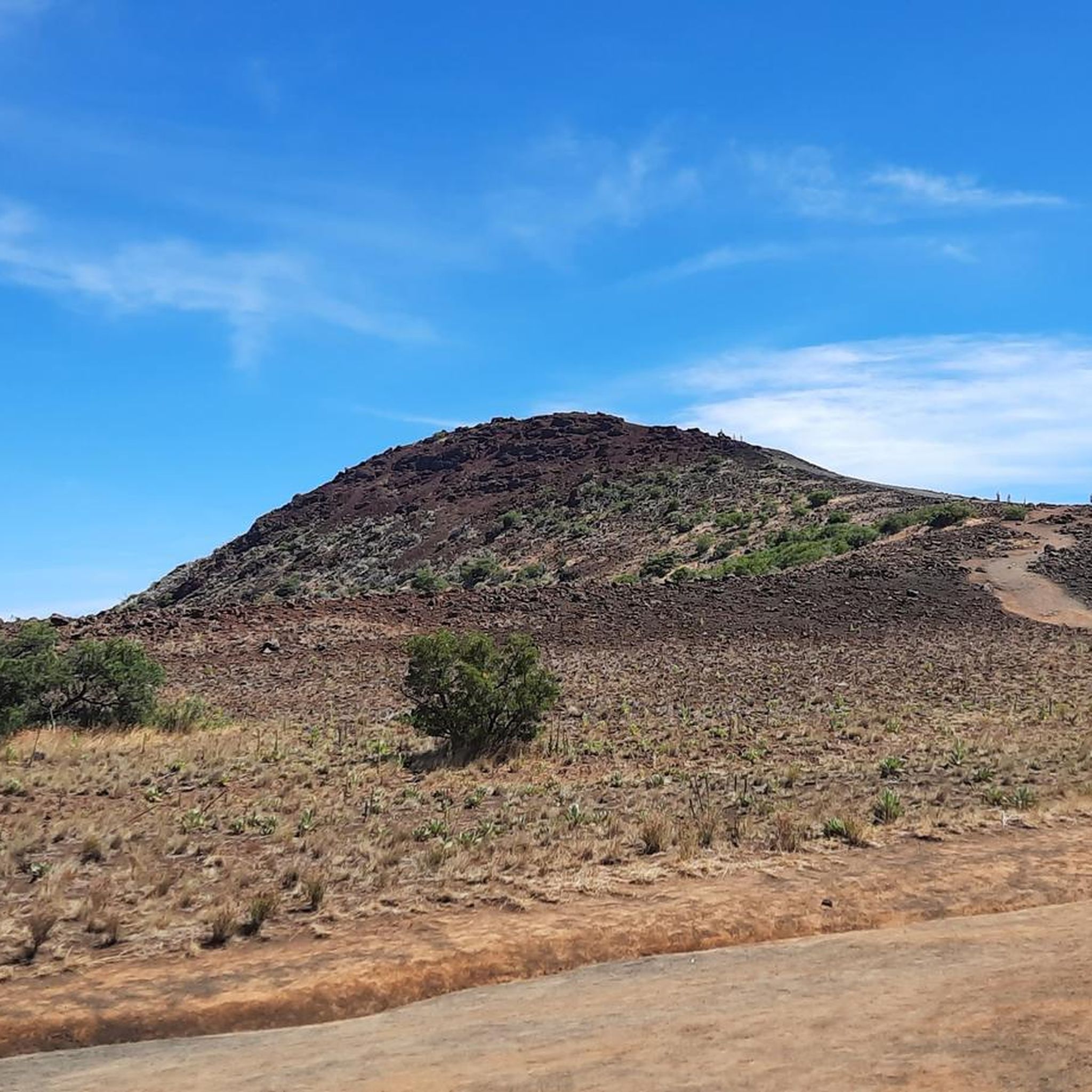
This is a phenomenal place to watch the sunrise, sunset, or to stargaze. The hike is only about a quarter mile from the visitor center, but it does get steep and good shoes are recommended for the volcanic terrain. In the daytime you can see all across the island, from Hilo to Mauna Loa and beyond. Regardless of when you go, perching on the indomitable slopes of Mauna Kea is always an awesome experience.
0
0
The visitor center has restrooms, water, trail information, and a gift shop. There are plenty of short walks just out the door of the center that grant panoramic views south across the island to Mauna Loa. If you are hiking up to the summit of Mauna Kea, this is the perfect to start your adventure.
0
0
Frequently Asked Questions
What are the best viewpoints in Mauna Kea Forest Reserve?
For stunning panoramic views, visit Pu‘ukalepeamoa Lookout, which is easily accessible from the visitor center. The Mauna Kea Visitor Information Station also offers excellent views, particularly south across the island to Mauna Loa. While technically just outside the reserve, the Mauna Kea summit itself is renowned for breathtaking sunrises and sunsets.
Are there family-friendly activities or attractions in Mauna Kea Forest Reserve?
Yes, the Mauna Kea Visitor Information Station is a great starting point for families, offering restrooms, educational exhibits, and short walks with panoramic views. Additionally, the Mauna Kea State Recreation Area, located within the forest reserve, provides cooler temperatures, camping, picnicking, and hiking opportunities suitable for families.
What kind of hiking trails can I find in Mauna Kea Forest Reserve?
The reserve offers a variety of hiking experiences. You can find easy trails like those around Pu‘ukalepeamoa Lookout. For more challenging adventures, consider routes that lead to Lake Waiau or the Mauna Kea Adz Quarry. The Mauna Kea Access Road (R-1) also serves as a trail within the reserve. You can explore more options in our guide to Hiking in Mauna Kea Forest Reserve.
What cultural or historical sites can I visit in the Mauna Kea Forest Reserve area?
Mauna Kea holds deep cultural significance as Mauna O Wakea, or Mountain of the Sky Father, in Hawaiian tradition. Within the Mauna Kea Ice Age Natural Area Reserve, you can explore the Mauna Kea Adz Quarry (Keanakākoʻi), recognized as the largest primitive quarry in the world. This archaeological complex features religious shrines, trails, rock shelters, and petroglyphs, offering a glimpse into ancient Hawaiian life.
Can I camp in Mauna Kea Forest Reserve?
Yes, the Mauna Kea State Recreation Area, situated at 6,500 feet elevation within the forest reserve, offers camping facilities. Cabins are also available for lodging, and the park provides picnic tables and a recreational dining hall. For more details on camping, you can check the Hawaii County website: Hawaii County Camping.
What is the Mauna Kea Visitor Information Station and what does it offer?
The Mauna Kea Visitor Information Station is a crucial hub located at 9,200 feet. It provides restrooms, water, educational exhibits, a gift shop, and ranger-led programs. It's an important place for visitors to acclimate to the high altitude and learn about the mountain's significance. It also serves as a checkpoint for car travelers, with four-wheel drive required for further ascent.
Are there any challenging climbs or routes for experienced adventurers?
Absolutely. The Mauna Kea Climb is a legendary and challenging 42-mile ascent from Hilo to the summit, traversing diverse ecosystems. This demanding route features steep inclines and can be brutal due to thin air at higher altitudes. Another significant challenge is the Mauna Loa Climb, which ascends nearly 11,000 feet to the Mauna Loa Observatory, offering a surreal, moon-like landscape.
What kind of wildlife can I expect to see in Mauna Kea Forest Reserve?
The Mauna Kea Forest Reserve provides opportunities for wildlife watching, particularly birds. The reserve is home to various native and introduced species. It's also a designated hunting area, indicating a healthy population of game animals. While specific species sightings can vary, keep an eye out for native forest birds and other wildlife adapted to the diverse ecosystems.
Do I need permits or special access for certain areas within the reserve?
Yes, visitors engaging in activities like hunting are required to check in and out at designated stations such as Kilohana, Old Saddle Road Junction, Puʻu Huluhulu, and Puʻu Mali, or via a mobile app. Access to certain areas, like Puʻu Mali via Mana Road, may require a combination lock code obtainable from DOFAW offices. For detailed information on hunting regulations and permits, refer to the Hawaii Department of Land and Natural Resources website: DLNR Hawaii Hunting.
What is Lake Waiau and how can I visit it?
Lake Waiau is one of the highest alpine lakes in the United States, located within the Mauna Kea Ice Age Natural Area Reserve on the southern slope of Mauna Kea. It's situated further up the trail from the Mauna Kea Adz Quarry. You can find hiking routes that include Lake Waiau in our guide to Hiking in Mauna Kea Forest Reserve, such as the Lake Waiʻau loop from Mauna Kea Observatories.
What is the best time of year to visit Mauna Kea Forest Reserve?
The Mauna Kea Forest Reserve offers attractions year-round, but conditions can vary significantly with elevation. The lower elevations are generally warmer, while higher areas, especially near the summit, can experience cold temperatures and even snow, particularly in winter. For hiking and outdoor activities, spring and fall often provide more moderate weather. Always check current weather conditions before heading out, especially for higher altitudes.
What should I bring when hiking or visiting higher elevations in the reserve?
When visiting higher elevations like the Mauna Kea Visitor Information Station or attempting a climb, be prepared for rapidly changing weather conditions and cold temperatures. Essential items include layers of warm clothing, sturdy hiking boots, adequate water, food, sun protection (hat, sunglasses, sunscreen), and a first-aid kit. Altitude sickness is a risk, so allow time for acclimatization and be aware of symptoms.
Most popular routes in Mauna Kea Forest Reserve

Get inspired with the komoot mobile app


Explore more
Still not found the Highlight you’re looking for? See guides of the top attractions in other regions:
