The best MTB trails in Wildlife Corridor
4.4
(14)
610
riders
30
rides
Mountain biking in Wildlife Corridor offers diverse terrain within a preserved natural landscape. The region is characterized by extensive woodlands, varied elevations, and mountain views, providing a range of experiences for mountain bikers. Trails often traverse through natural habitats, connecting different areas and showcasing the region's ecological significance. This environment supports a network of mountain bike trails suitable for various skill levels, from challenging climbs to scenic, winding paths.
Best mountain bike trails in Wildlife Corridor
- The most popular mountain…
Last updated: August 20, 2026
11
riders
12.0km
01:14
310m
310m
Moderate mountain bike ride. Good fitness required. Suitable for all skill levels.
4.5
(4)
68
riders
54.2km
04:06
720m
720m
Moderate mountain bike ride. Good fitness required. Suitable for all skill levels.

Sign up for free
10
riders
17.3km
01:29
370m
370m
Moderate mountain bike ride. Good fitness required. Suitable for all skill levels.
13
riders
11.1km
01:03
250m
250m
Hard mountain bike ride. Great for any fitness level. Advanced riding skills necessary. Some portions of the route may require you to push your bike.
12
riders
22.1km
01:51
330m
330m
Moderate mountain bike ride. Good fitness required. Advanced riding skills necessary.
Get access to more routes and recommendations from other explorers.
Sign up for free
Already have an account?
Our route recommendations are based on thousands of hikes, rides, and runs completed by other people on komoot.
Start today with a free account
Your next adventure awaits.
Login or Signup

Tips from the Community

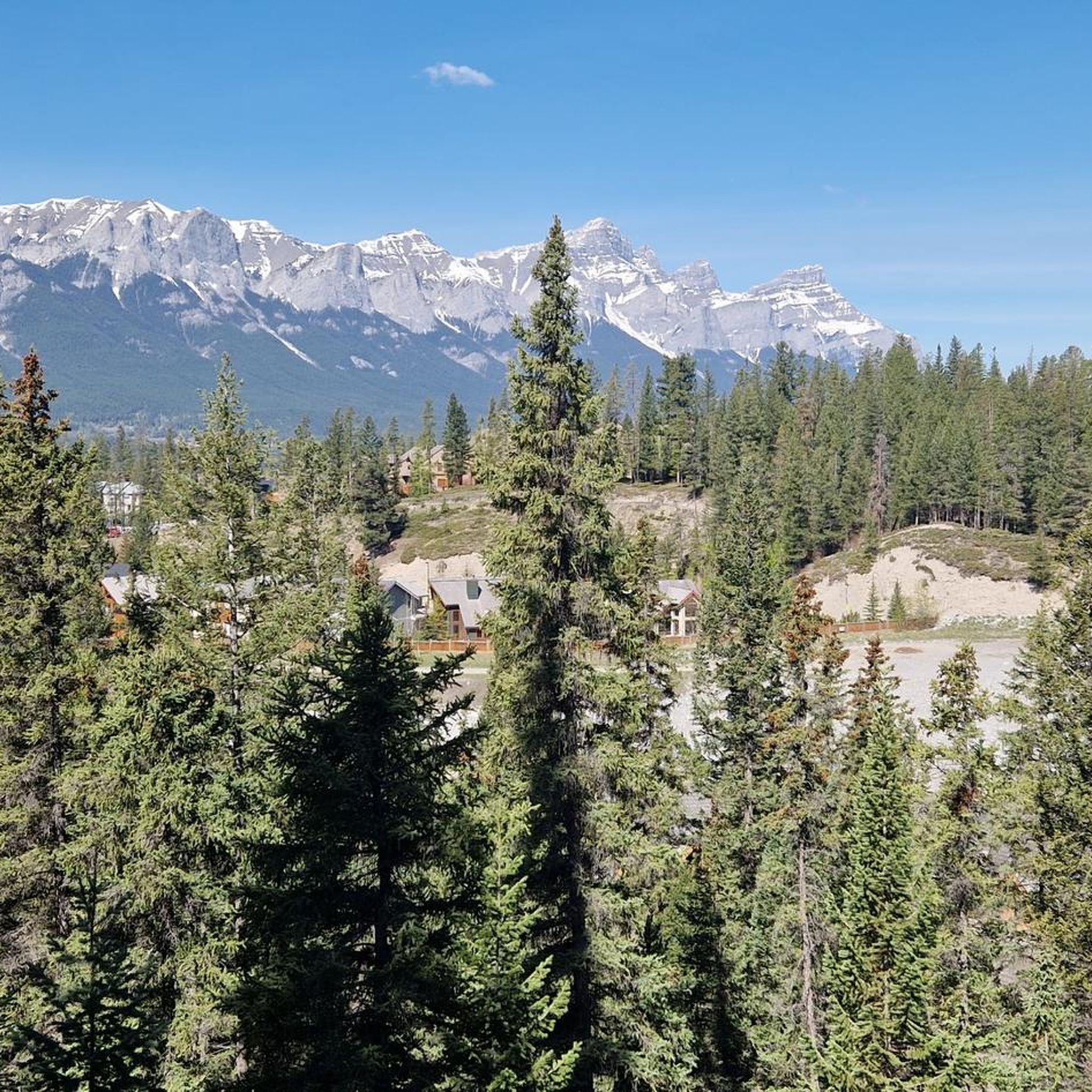
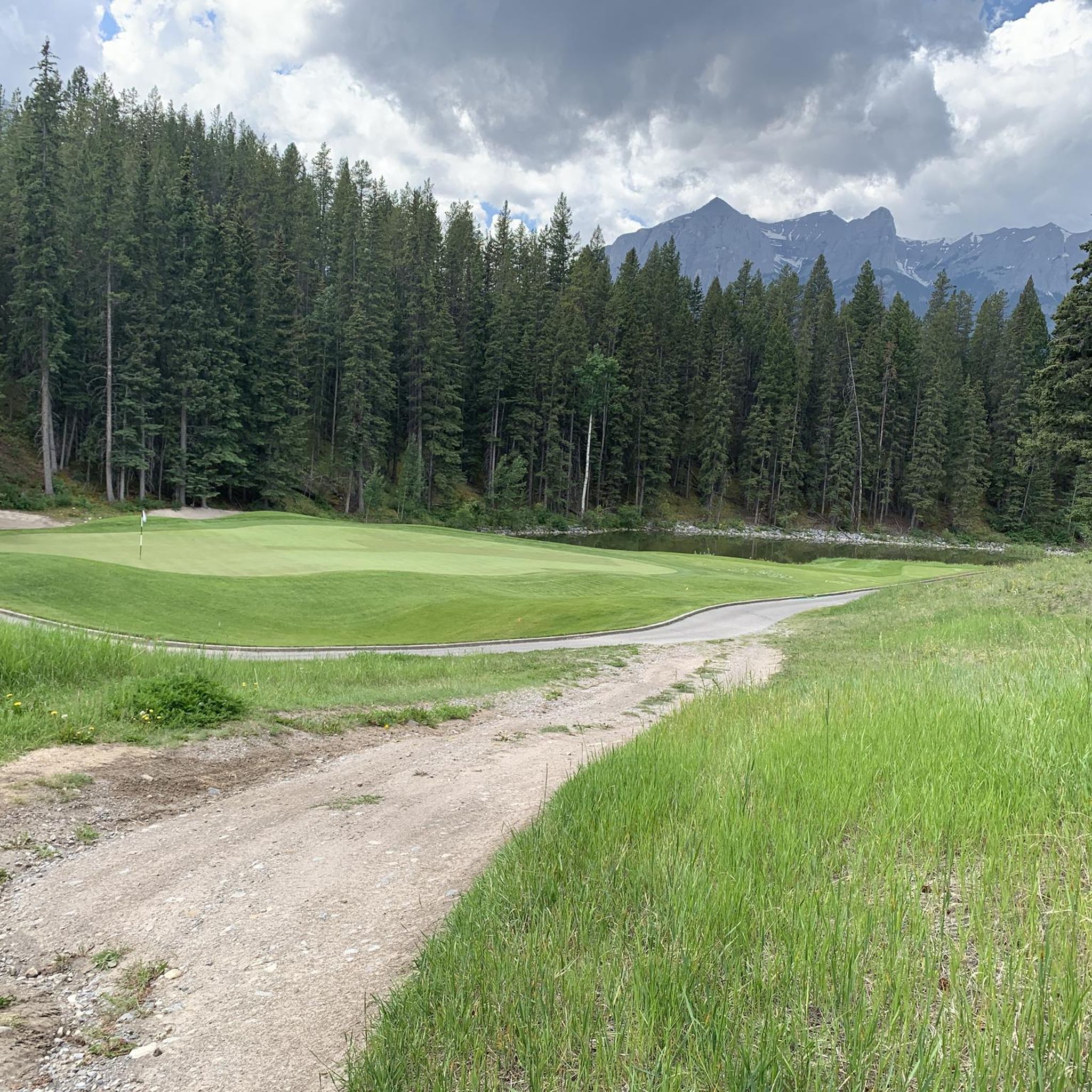
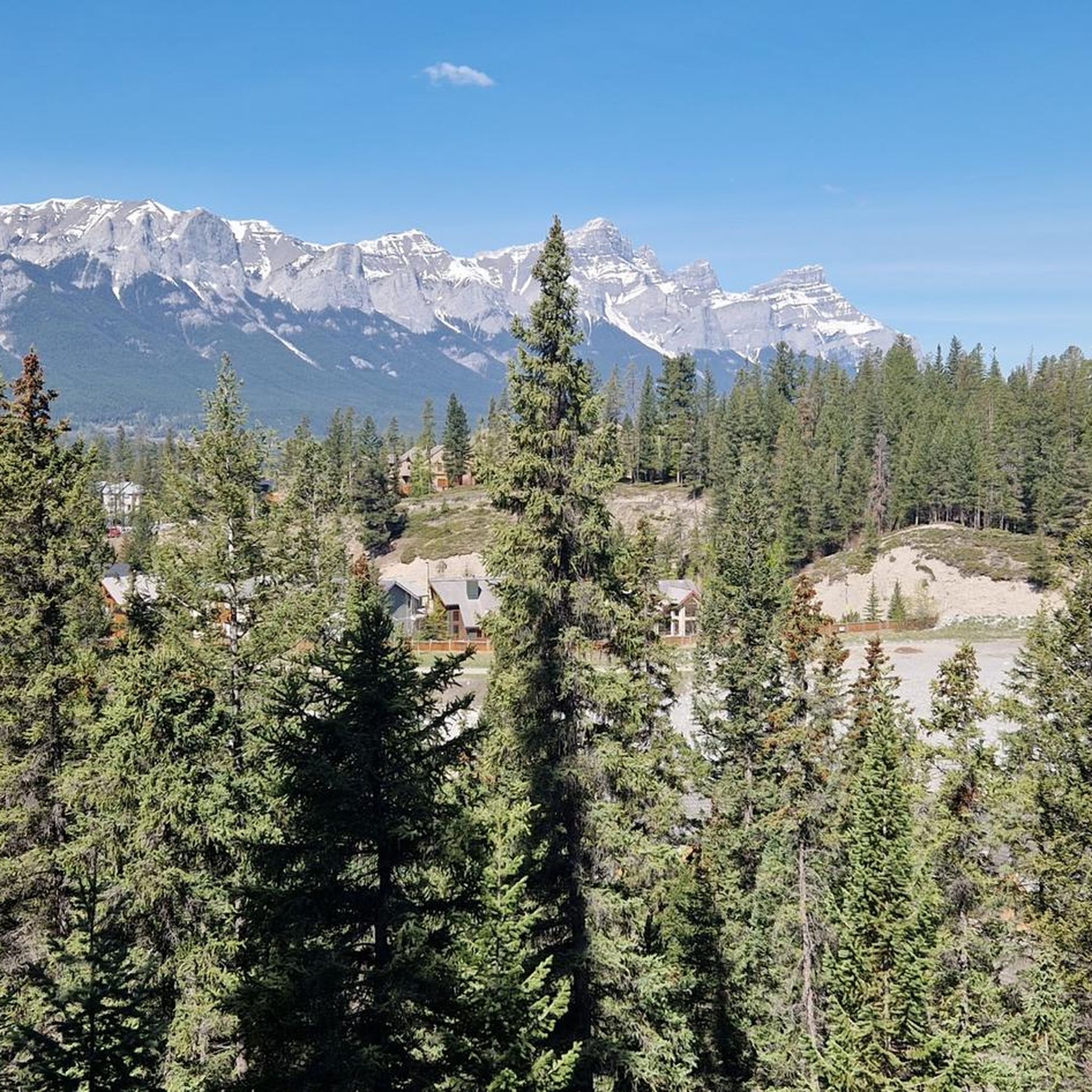
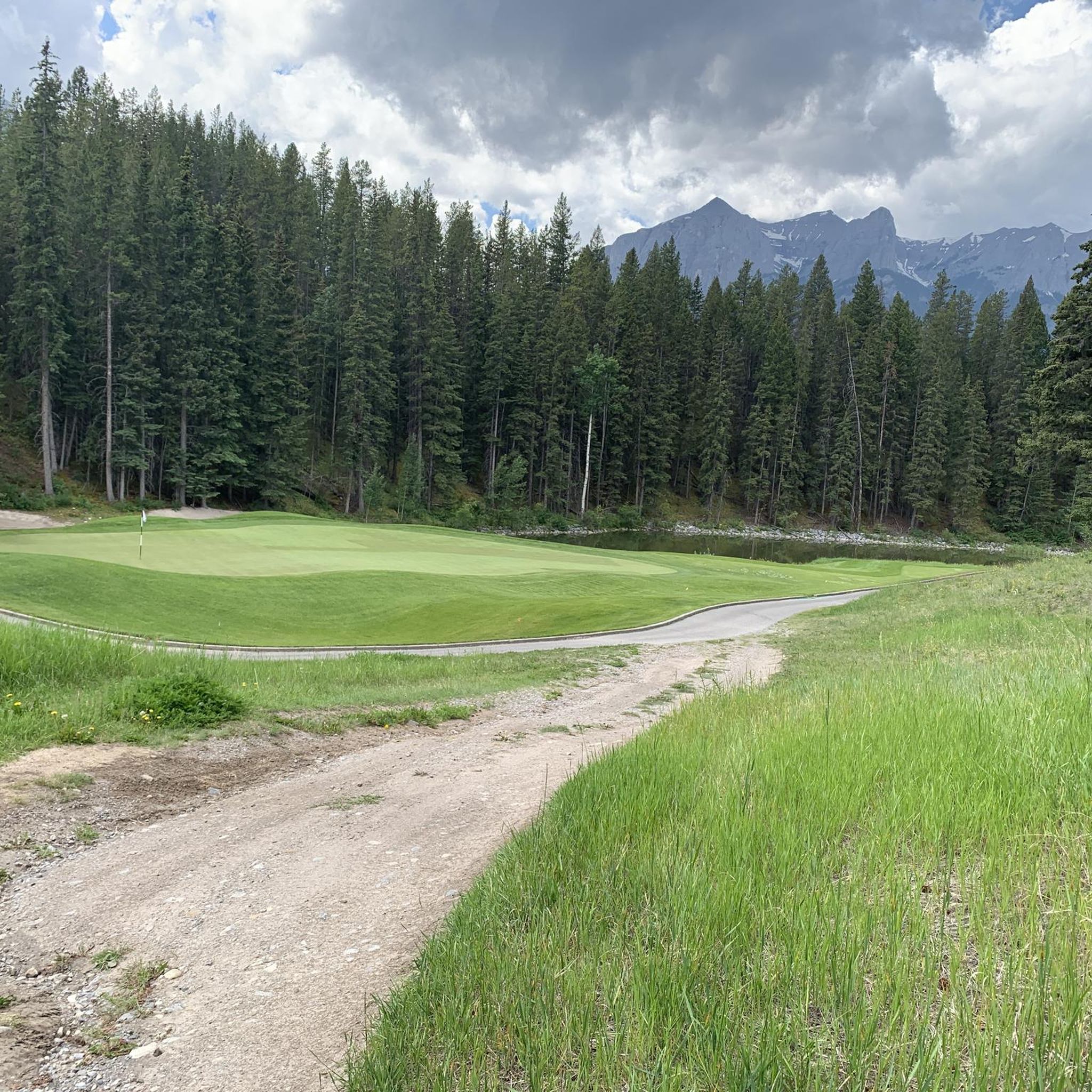
Montane Traverse feels surprisingly wild for a trail so close to town, rolling above the Silvertip golf course with big backcountry energy. Expect technical singletrack with roots, twists, rocky creek beds and sweeping views toward the Three Sisters, Mount Lawrence Grassi and Rundle Mountain. It's popular with hikers, runners and mountain bikers, so share the trail with care.
0
0

The Canmore Engine Bridge spans the Bow River just east of downtown Canmore. Originally built for railway traffic during the region’s mining era, the steel bridge has been repurposed as a pedestrian and cycling crossing along the Trans Canada Trail. Today it offers wide views of the Bow River and the surrounding Rocky Mountain peaks, making it a memorable point along the trail into Canmore.
0
0

About an hour up and 45 mins down. Beautiful views!
0
0
The Trans Canada Trail Information Kiosk is a quick stop where you can check maps, local route details, and nearby trail connections before heading out. It sits right along the pathway, making it an easy spot to orient yourself, plan your next section, or take a short break. A simple but useful waypoint on this stretch of the Trans Canada Trail.
0
0
This lookout offers a wide, uninterrupted view of the Bow River with the Three Sisters rising sharply behind it. The mix of turquoise water, forested banks, and dramatic peaks makes it one of the most scenic pauses on the route. It’s an easy stop right off the pathway and a great spot for photos before continuing along the Bow Valley trail network.
0
0

From here, you’ll get a panoramic view of Canmore and the surrounding peaks. A small pond adds to the scene, making it a perfect spot to sit, enjoy a picnic, or simply take in the beauty of the valley below.
0
0
Just a short hike from town, the Canmore Hoodoos offer one of the best quick escapes in the Bow Valley. The trail climbs gently before reaching a ridge lined with tall limestone spires, shaped by centuries of wind and rain. From the top, you’ll get wide views of the Bow River winding below and the peaks of the Three Sisters rising beyond town. This is a perfect spot for sunset or a quiet break above the valley.
0
0
Just a short walk from Spray Lakes Road, you’ll reach a rocky shoreline with open views toward Canmore Nordic Centre Provincial Park, where ski and biking trails wind across the lower slopes. From here, you can clearly see how the park sits beneath the rugged front ranges of the Rockies.
0
0
Frequently Asked Questions
How many mountain bike trails are available in Wildlife Corridor?
Wildlife Corridor offers a diverse network of over 30 mountain bike trails. These routes cater to various skill levels, from easy rides to more challenging ascents, all set within a preserved natural landscape.
What kind of terrain can I expect when mountain biking in Wildlife Corridor?
The terrain in Wildlife Corridor is quite varied, featuring extensive woodlands, mountain backdrops, and valley paths. You'll encounter trails through oak woodlands, some draped in lichen, and routes that offer scenic views of the surrounding ranges. The region is known for its preserved natural landscapes and extensive trail networks.
Are there mountain bike trails suitable for beginners or families in Wildlife Corridor?
Yes, Wildlife Corridor has options for less experienced riders and families. While specific 'easy' routes are fewer, the region's trail network includes paths suitable for leisurely rides. For example, the Canmore Engine Bridge – Spur Line Trail loop from Lions Park is a moderate route that offers a good experience without extreme difficulty, covering 10.6 km through varied terrain.
What are the difficulty levels of mountain bike trails in Wildlife Corridor?
The trails in Wildlife Corridor range from easy to difficult. Out of the 30 available routes, 2 are considered easy, 24 are moderate, and 4 are difficult. This variety ensures that riders of all skill levels can find a suitable challenge.
Can I expect to see wildlife while mountain biking in Wildlife Corridor?
Wildlife Corridor is specifically designed to allow safe passage for animals, making wildlife sightings a distinct possibility. The region is part of a vital corridor for animals like mountain lions, deer, badgers, and bobcats. Riding through these preserved natural landscapes offers unique opportunities to observe diverse wildlife in their natural habitat.
Are there any circular mountain bike routes in Wildlife Corridor?
Yes, many of the trails in Wildlife Corridor are designed as loops, offering convenient circular routes. For instance, the Upper Grassi Lake – Rundle Forebay loop from Railway is a challenging 26.1 km route that provides a full circular experience with significant elevation changes.
What do other mountain bikers enjoy most about the trails in Wildlife Corridor?
The mountain bike trails in Wildlife Corridor are highly rated by the komoot community, with an average score of 4.4 stars from over 15 reviews. Riders often praise the diverse terrain, the scenic views of mountains and woodlands, and the opportunity to ride within a preserved natural environment. The well-maintained network offers a rewarding experience for many.
Are there any notable landmarks or natural features along the mountain bike trails?
While specific highlights are not detailed, the trails often wind through extensive woodlands and offer occasional views of the Sonoma Valley and the Mayacamas Range. The region's focus on ecological restoration means you'll be immersed in natural beauty, including oak woodlands and potentially old-growth redwood forests in some sections, depending on the specific trail.
What is the typical length of mountain bike trails in Wildlife Corridor?
Trail lengths vary significantly. You can find shorter routes like the View of Canmore – Canmore Hoodoos loop from Canmore, which is 12.2 km, or much longer options such as the Banff Avenue – Goat Creek Trail loop from Canmore, spanning 53.3 km. This range allows riders to choose routes that fit their desired duration and fitness level.
Is there parking available for mountain bikers in Wildlife Corridor?
Yes, many areas within Wildlife Corridor, especially those designed for public access, provide facilities such as parking. For example, Sonoma Valley Regional Park, a key part of the corridor, offers parking for visitors. It's always advisable to check specific trailheads or park websites for detailed parking information before your visit.
What is the best time of year to go mountain biking in Wildlife Corridor?
While specific seasonal recommendations are not provided, regions like Sonoma Valley, which is part of a wildlife corridor, generally offer pleasant riding conditions during spring and fall when temperatures are milder. Summer can be warm, and winter might bring rain, affecting trail conditions. Always check local weather and trail reports before heading out.
Most popular routes in Wildlife Corridor

Get inspired with the komoot mobile app


Explore more
Browse the best MTB trails in other regions.
