Attractions and Places To See in Larrako Erreserba Naturala/Reserva Natural De Larra - Top 8
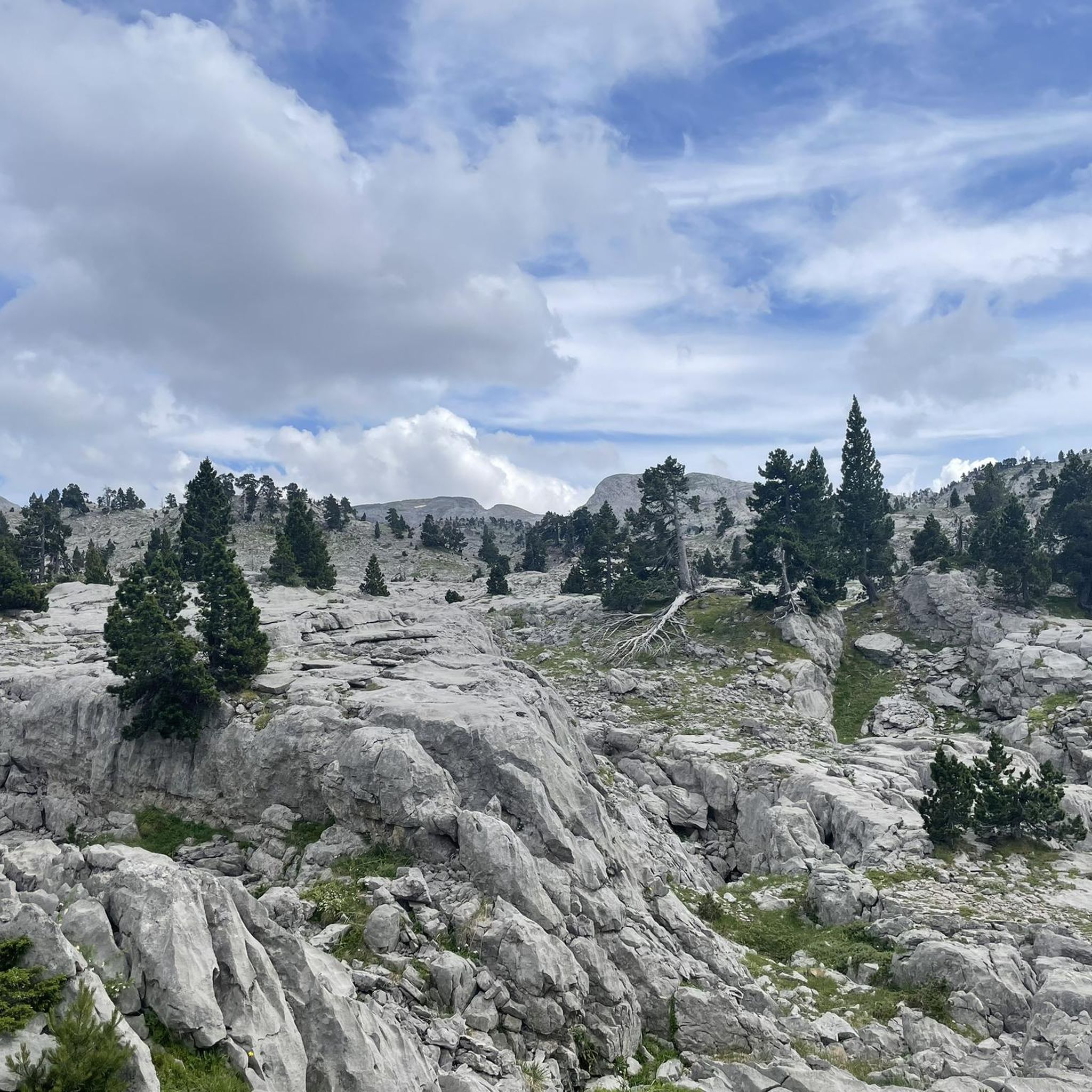
Best attractions and places to see in Larrako Erreserba Naturala/Reserva Natural De Larra is a significant natural reserve located in the Pyrenees. This region is known for its extensive karstic landscape, featuring distinctive grey-blue limestone formations, black pine forests, and expansive mountain pastures. It offers a diverse natural environment for exploration.
Best attractions and places to see in Larrako Erreserba Naturala/Reserva Natural De Larra
- The most popular attractions is Pierre Saint-Martin Pass, a mountain pass that combines high mountain…
Last updated: May 25, 2026
Pierre Saint-Martin Pass
Highlight • Mountain Pass
Translated by Google •
Tip by

Table of the Three Kings (Hiru Erregen Mahaia)
Highlight • Summit
Translated by Google •
Tip by

Sign up now to discover places like this
Get recommendations on the best single tracks, peaks, & plenty of other exciting outdoor places.
Sign up for free
Pic d'Arlas
Highlight • Summit
The …
Translated by Google •
Tip by

Ascent of the Col de la Pierre Saint-Martin from Arette
Highlight (Segment) • Mountain Pass
Translated by Google •
Tip by

Larreria Pass
Highlight • Mountain Pass
Translated by Google •
Tip by

Sign up for free to discover even more attractions in Larrako Erreserba Naturala/Reserva Natural De Larra.
Sign up for free
Already have an account?
Start today with a free account
Your next adventure awaits.
Login or Signup
Popular around Larrako Erreserba Naturala/Reserva Natural De Larra
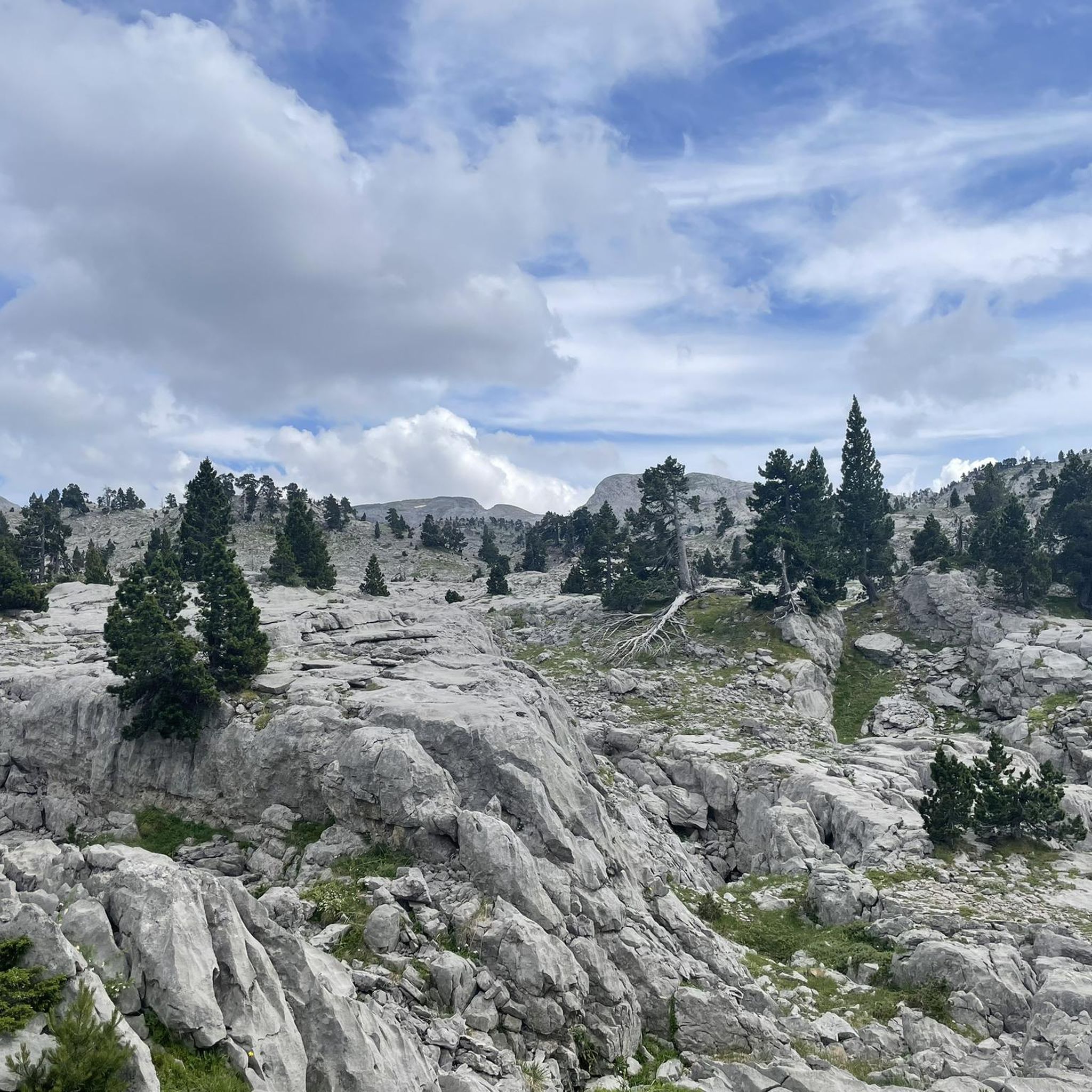
Hiking in Larrako Erreserba Naturala/Reserva Natural De Larra
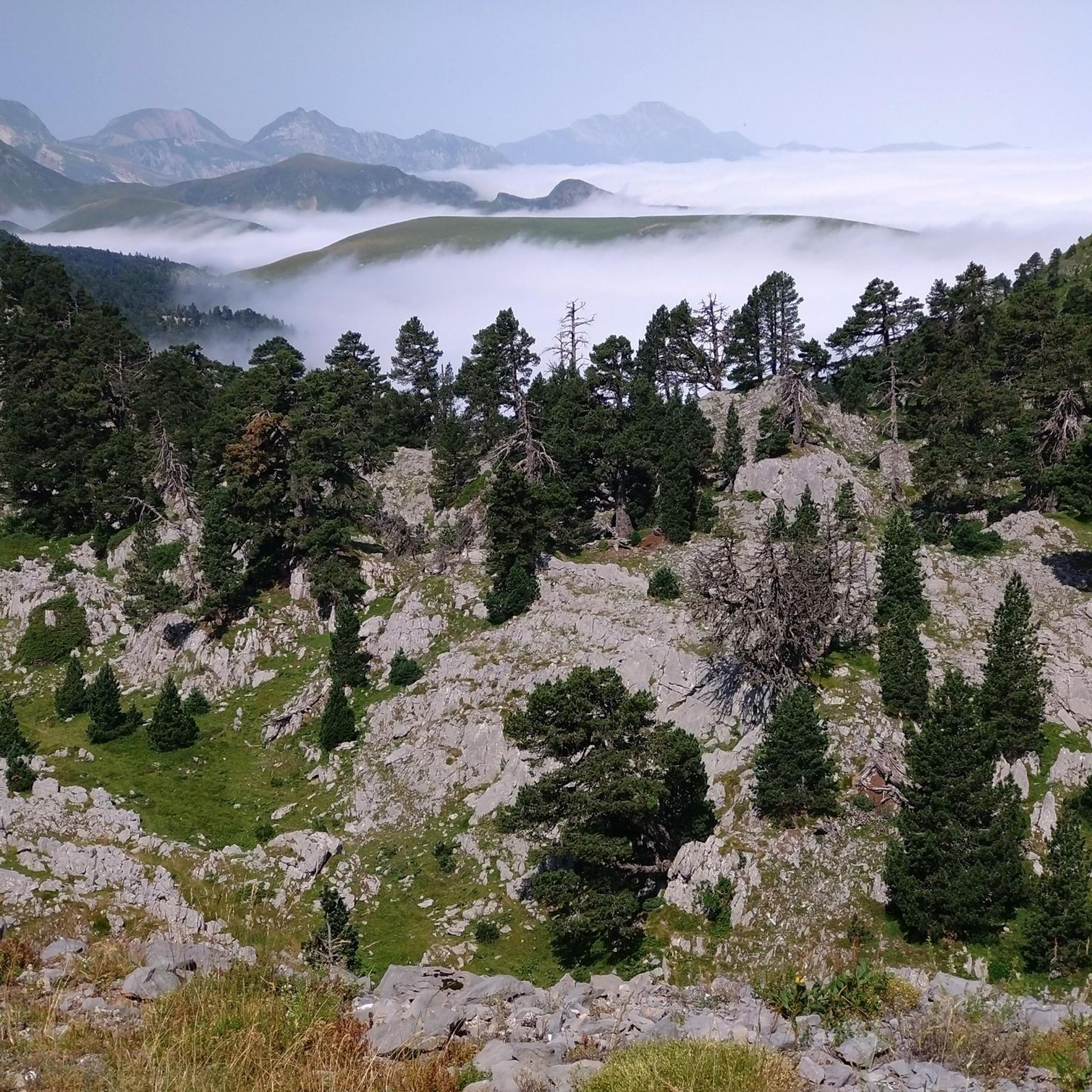
Road Cycling Routes in Larrako Erreserba Naturala/Reserva Natural De Larra
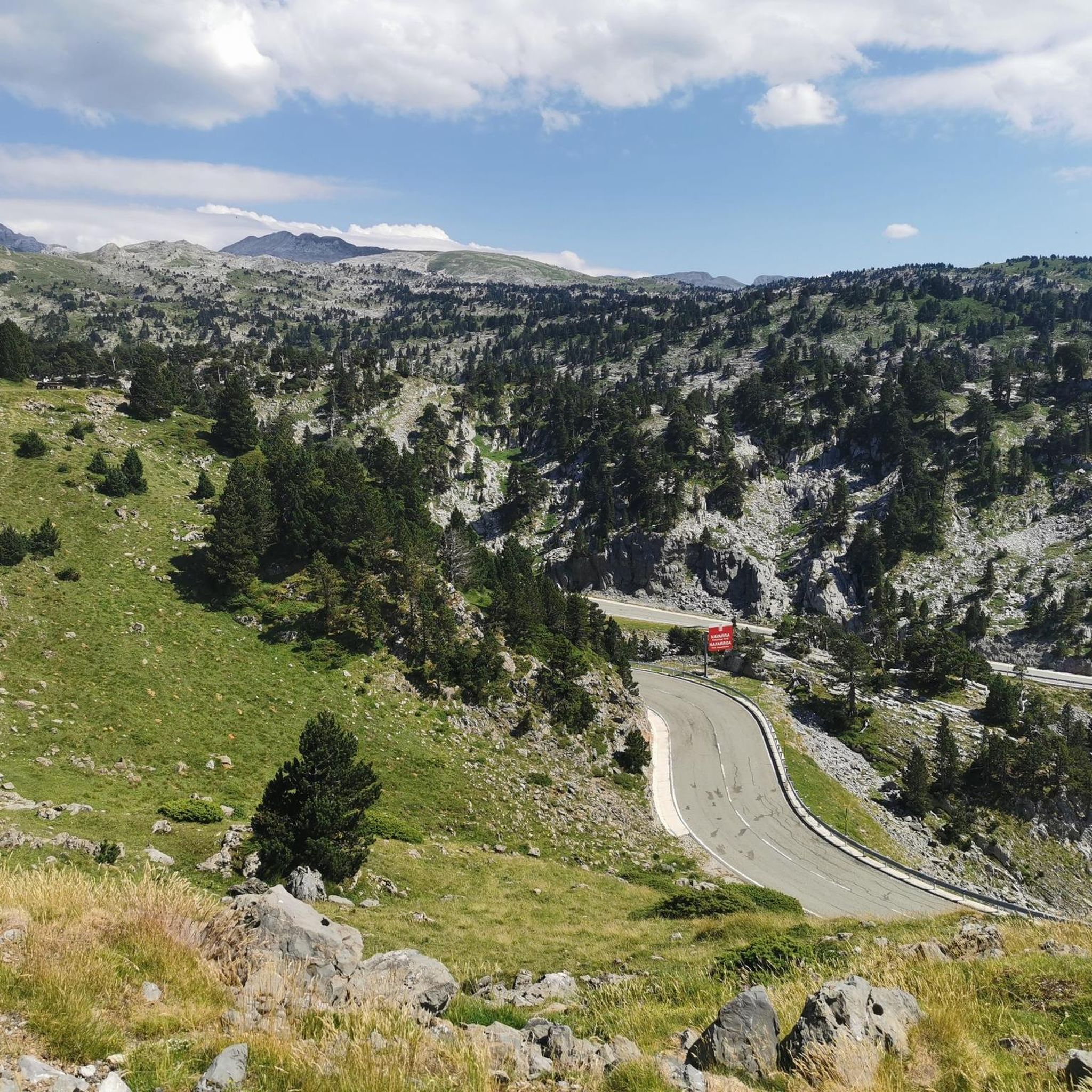
Running Trails in Larrako Erreserba Naturala/Reserva Natural De Larra
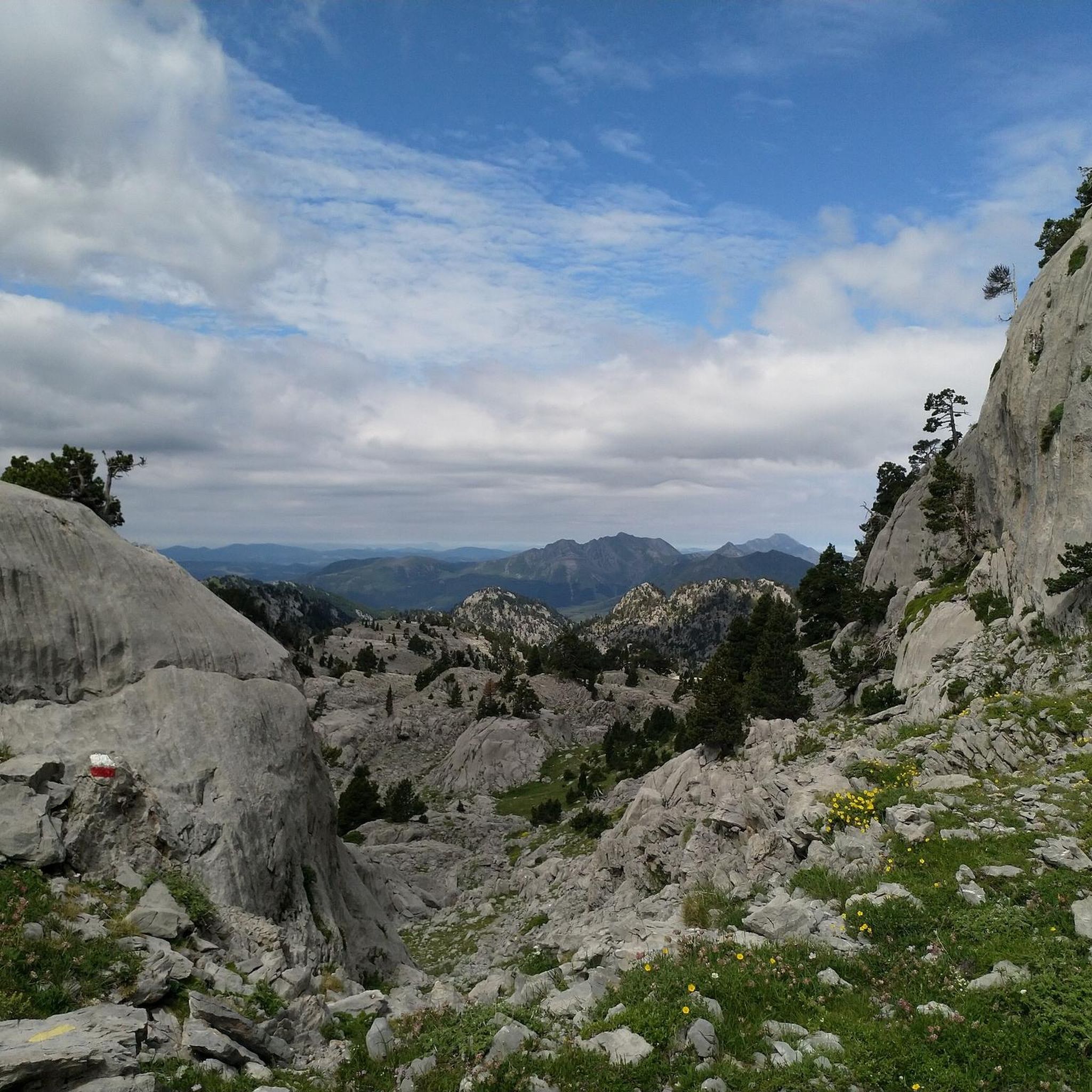
Cycling in Larrako Erreserba Naturala/Reserva Natural De Larra
MTB Trails in Larrako Erreserba Naturala/Reserva Natural De Larra

Mountain Hikes in Larrako Erreserba Naturala/Reserva Natural De Larra
Tips from the Community

On the French-Spanish border, the Col de la Pierre Saint-Martin is a more challenging climb on the French side. From Arette, this hors catégorie climb is 25 kilometers long and averages 5.8%. The steepest section is between the 8th and 18th kilometers.
1
0

Without a doubt, the Col de la Piedra de Saint Martin or Pierre Saint-Martin is one of the Top 10 in the whole of the Pyrenees. Without exceeding 2000 metres of altitude, it is a very long pass, with a lot of accumulated gradient (due to the innumerable French slopes, the gradient is 1,450 metres), with very hard slopes and several kilometres above 10%, with wonderful landscapes and panoramic views and with little traffic, except for the slopes crossed by the main road (D132 in France, the NA 137 in Spain). It is a pass with many slopes; in Europe there are few other passes that have as many slopes as this one (col de Turini, Passo delle Erbe, would be comparable in number of slopes approximately). I have only climbed it by 2 slopes: (i) my first time was from Lourdios Ichère, crossing the col de Labays and the col de Soudet. Simply spectacular; (ii) I have subsequently climbed the Spanish side on several occasions, which is unique, and which starts from Belagua and crosses the Belagua cross-country ski resort to reach the mountain pass. It is also very beautiful, with a landscape and views different from the north-east side. If I had to choose one of the two, I liked the north-west side better because it is more remote, harder and in my opinion more authentic. It is also a culturally special mountain pass because the Tribute of the 3 cows takes place on its summit every 13th of July, which is considered the oldest treaty in force in Europe. So... you know... you cannot miss the opportunity to come here and enjoy this wonderful jewel of the Pyrenees!!!!
1
0


The Mesa de los Tres Reyes is the highest peak in Navarra with 2444 meters. It starts from the Linza refuge, being a hard and demanding climb due to the distance (17 km round trip) and the difference in altitude (1309 meters); and the last climb to reach the top in which you inevitably have to put your hands down on a steep slope with loose stones, although it is even more impressive on the way down. But the effort is rewarded by the areas that are crossed and the views throughout the journey.
1
0

It is best to put the bag down before climbing to the table.
0
0

The peak of Arlas forms a beautiful, incisive tooth, which stands out particularly well in the surrounding panoramas. On this point, you are ideally placed to admire his profile. The peak rises to an altitude of 2,044 meters and is located between Navarre in Spain and the Pyrénées-Atlantiques in France.
0
0

One of the "must do" summits if you live "not so far" from it.
5
0

The trail goes down through lapiaz land towards the Puerta de Larra “Larrako Ateak”, a tricky spot due to the textures of the mountains and the contrasts of colours. On the way there are poles of the variants that go down to the Linza Refuge, Zuriza and other areas of the karst kingdom of Larra. The GR-12 markings continue through the Hoya de la Solana valley and down to the channel that enters the Ukerdi Integral Reserve, a unique space with a special declaration of conservation within the Larra massif due to the values geological and forestry, where there is an important grove of black pine quite scattered over the lapiaz floor, the sinkholes and the labyrinth of closed valleys that make up the highest and most complicated sector of Larra. The trunks of dead trees put striking touches of authenticity in the desolate karst desert. The route reaches the hardest and most technical section of the itinerary, where choosing the right footwear and experience walking on rough terrain is essential.
1
0
Frequently Asked Questions
What kind of natural features can I explore in Larrako Erreserba Naturala?
Larrako Erreserba Naturala is renowned for its extensive karstic landscape, featuring distinctive grey-blue limestone formations, black pine forests, and expansive mountain pastures. You can explore unique geological formations like sinkholes (dolinas) and lapiaz formations. Notable natural landmarks include the Pierre Saint-Martin Pass, which offers high mountain green meadows and stony areas, and various mountain peaks providing panoramic views.
Are there challenging mountain peaks to climb in the reserve?
Yes, the reserve offers several challenging peaks. The Table of the Three Kings (Hiru Erregen Mahaia) is the highest peak in Navarra, offering panoramic views but requiring good physical condition due to its demanding 17 km round trip and 1309 meters of elevation gain. Another significant summit is Pic d'Arlas, which stands at 2,044 meters and provides striking views.
What kind of hiking trails are available in Larrako Erreserba Naturala?
The reserve offers a variety of hiking trails, from easy walks to challenging ascents. For easier options, you can find routes like the 'Ibonet de la Contienda loop' or the 'Larra-Belagua Ski Center loop'. More challenging hikes include the 'Pic d'Arlas – Anie Peak loop' and routes around the Pierre Saint-Martin Pass. You can find more details on specific routes in the Hiking in Larrako Erreserba Naturala/Reserva Natural De Larra guide.
What is the best time of year to visit Larrako Erreserba Naturala?
The best time to visit largely depends on your desired activities. For hiking and exploring the karstic landscapes, late spring to early autumn (May to October) generally offers the most favorable weather conditions. During winter months, the area transforms into a snowy landscape, ideal for cross-country skiing at the Larra-Belagua Nordic Ski Center.
Are there any unique cultural or historical aspects associated with the region?
While the reserve is primarily known for its natural beauty, the Pierre Saint-Martin Pass is culturally significant as the site of the 'Tribute of the 3 cows'. This is considered the oldest treaty in force in Europe, taking place every 13th of July, highlighting a long-standing tradition in the Pyrenees.
Can I spot wildlife in Larrako Erreserba Naturala?
Yes, the varied ecosystems of the reserve support a rich array of wildlife. You might spot chamois, capercaillie, and ptarmigan, especially in areas like the Reserva Integral de Ukerdi. The reserve is also classified as a Special Protection Area for Birds (ZEPA), making it a good spot for birdwatching, with eagles and bearded vultures among the species present. The Reserva Integral de Aztaparreta is home to black and white-backed woodpeckers, and even bears.
Are there any family-friendly activities or trails in the reserve?
While many trails can be challenging, there are easier options suitable for families. For instance, the 'Larra-Belagua Ski Center loop' is an easy 5 km route. When planning, look for trails with lower difficulty grades. Always check specific route details for suitability for children and ensure appropriate footwear and preparation.
What are the most scenic viewpoints in Larrako Erreserba Naturala?
Many points within the reserve offer breathtaking views. The summits of Table of the Three Kings (Hiru Erregen Mahaia) and Pic d'Arlas provide extensive panoramic vistas. The Pierre Saint-Martin Pass also offers wonderful landscapes and 360-degree views of the high mountains.
What is the significance of the karstic landscape in Larra?
The karstic landscape is the primary attraction of Larrako Erreserba Naturala. It's considered one of the most extensive in Europe, covering approximately 120 square kilometers. This unique geological formation, characterized by grey-blue limestone, has been shaped by water over millions of years, creating a complex underground world of sinkholes, lapiaz formations, and deep chasms like the Piedra de San Martín Chasm, which includes the enormous Sala de la Verna.
Are there any specific protected areas within Larrako Erreserba Naturala?
Yes, the reserve contains several protected areas. The Valle de Belagua encompasses parts of the reserve. Additionally, there's the Reserva Integral de Ukerdi, known for its vast limestone rock expanses and black pine trees, and the Reserva Integral de Aztaparreta, a virgin beech and fir forest declared a World Heritage Site in 2017, located at a lower elevation in the Rincón de Belagua.
What should I wear when hiking in Larrako Erreserba Naturala?
Given the varied terrain, which includes stony areas, loose stones, and potentially wet conditions, choosing the right footwear is essential. Sturdy hiking boots with good ankle support are highly recommended. Layered clothing is advisable to adapt to changing mountain weather, and waterproof outerwear is wise, especially outside of peak summer months.
Are there opportunities for winter sports in the area?
Yes, during the winter months, the Larra-Belagua Nordic Ski Center offers excellent opportunities for cross-country skiing. The area transforms into a snowy wonderland, providing a different way to experience the reserve's natural beauty.
Most popular routes in Larrako Erreserba Naturala/Reserva Natural De Larra
Most popular attractions in Larrako Erreserba Naturala/Reserva Natural De Larra

Get inspired with the komoot mobile app


Explore more
Still not found the Highlight you’re looking for? See guides of the top attractions in other regions:
