The best road cycling routes in Castro De Las Labradas
5.0
(2)
71
riders
7
rides
Road cycling in Castro De Las Labradas offers varied terrain across the Sierra de Carpurias, providing routes with ascents and descents. The region features expansive views over the Eria river plain and the valley of Vidriales, characterized by rural scenery. Cyclists can expect well-paved surfaces suitable for road biking, with elevation changes that provide a physical challenge. The area's elevated position ensures panoramic vistas throughout the rides.
Best road cycling routes in Castro De Las Labradas
- The most popular road…
Last updated: May 21, 2026
2
riders
53.9km
02:10
220m
220m
Moderate road ride. Good fitness required. Mostly well-paved surfaces and easy to ride.
13
riders
Moderate road ride. Good fitness required. Mostly well-paved surfaces and easy to ride.

Sign up for free
8
riders
54.2km
02:13
290m
290m
Moderate road ride. Good fitness required. Mostly well-paved surfaces and easy to ride.
2
riders
89.1km
03:29
350m
350m
Moderate road ride. Good fitness required. Mostly well-paved surfaces and easy to ride.
5
riders
43.0km
01:55
290m
290m
Easy road ride. Great for any fitness level. Mostly well-paved surfaces and easy to ride.
Get access to more routes and recommendations from other explorers.
Sign up for free
Already have an account?
Our route recommendations are based on thousands of hikes, rides, and runs completed by other people on komoot.
Start today with a free account
Your next adventure awaits.
Login or Signup
Popular around Castro De Las Labradas

Tips from the Community

Castrocalbón is a place with a rich history and several points of interest that you can visit. Castrocalbón Castle: Although in ruins, it is a fascinating testimony to the medieval architecture and history of the region. San Pedro Church: A church with Romanesque and Gothic elements, which houses interesting altarpieces and sculptures. Hermitage of the Virgin of the Rosary: A place of local devotion, with simple architecture and a peaceful setting.
0
0

Monastery of Santa Marta de Tera, the oldest Romanesque church in Zamora and also one of the oldest in Spain. On the left side, hangs the oldest sculptural representation of St. James the Apostle in a pilgrim pose.
0
0

Another iconographic reference of Castrocalbón is this iron bridge over the Eria River built in the 1920s and which, despite the inconveniences it causes at this time, being quite narrow, already changes its image has become a symbol of Castrocalbón. A new bridge is currently in use a short distance from the old one, which is (for the time being) maintained due to its historical value.
1
0

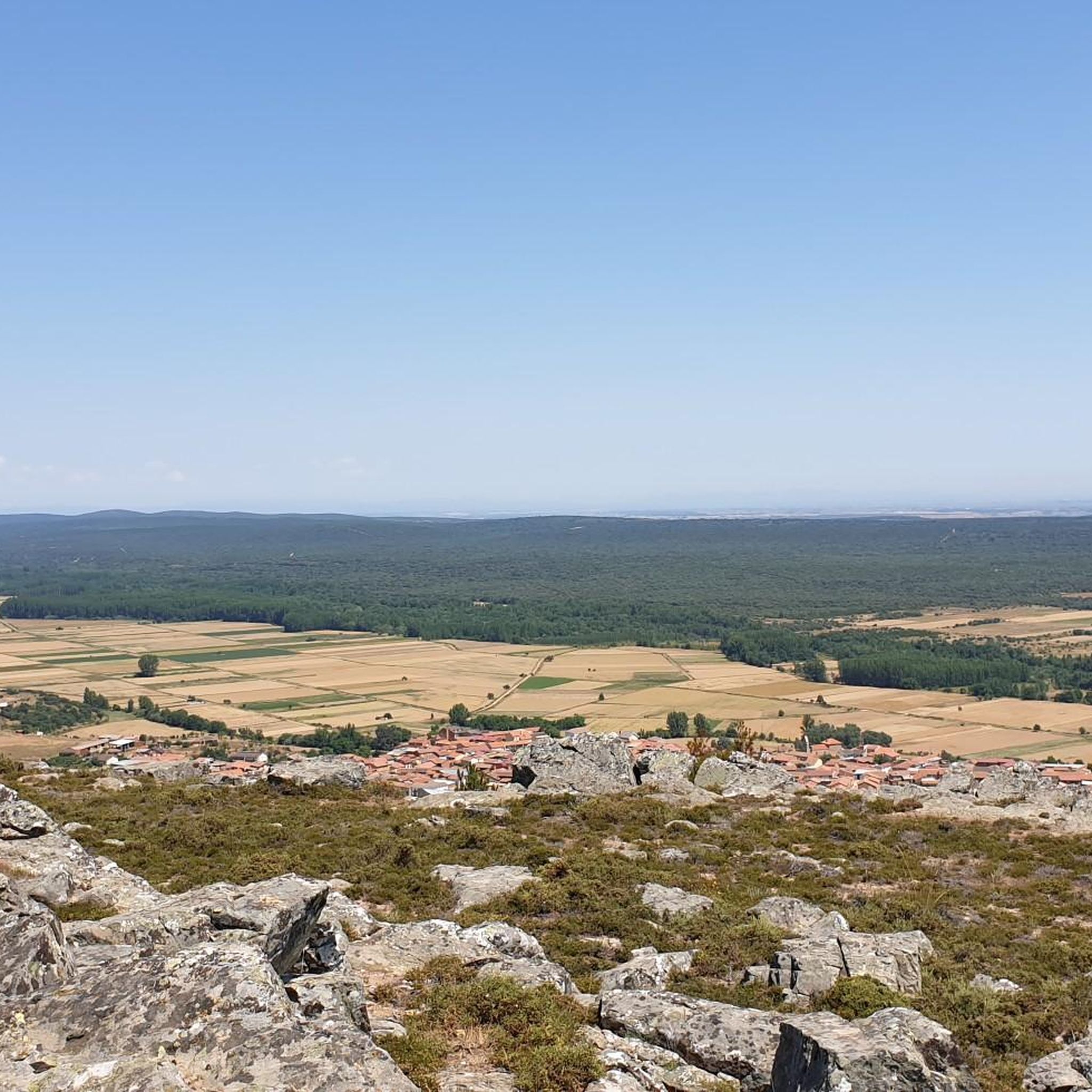
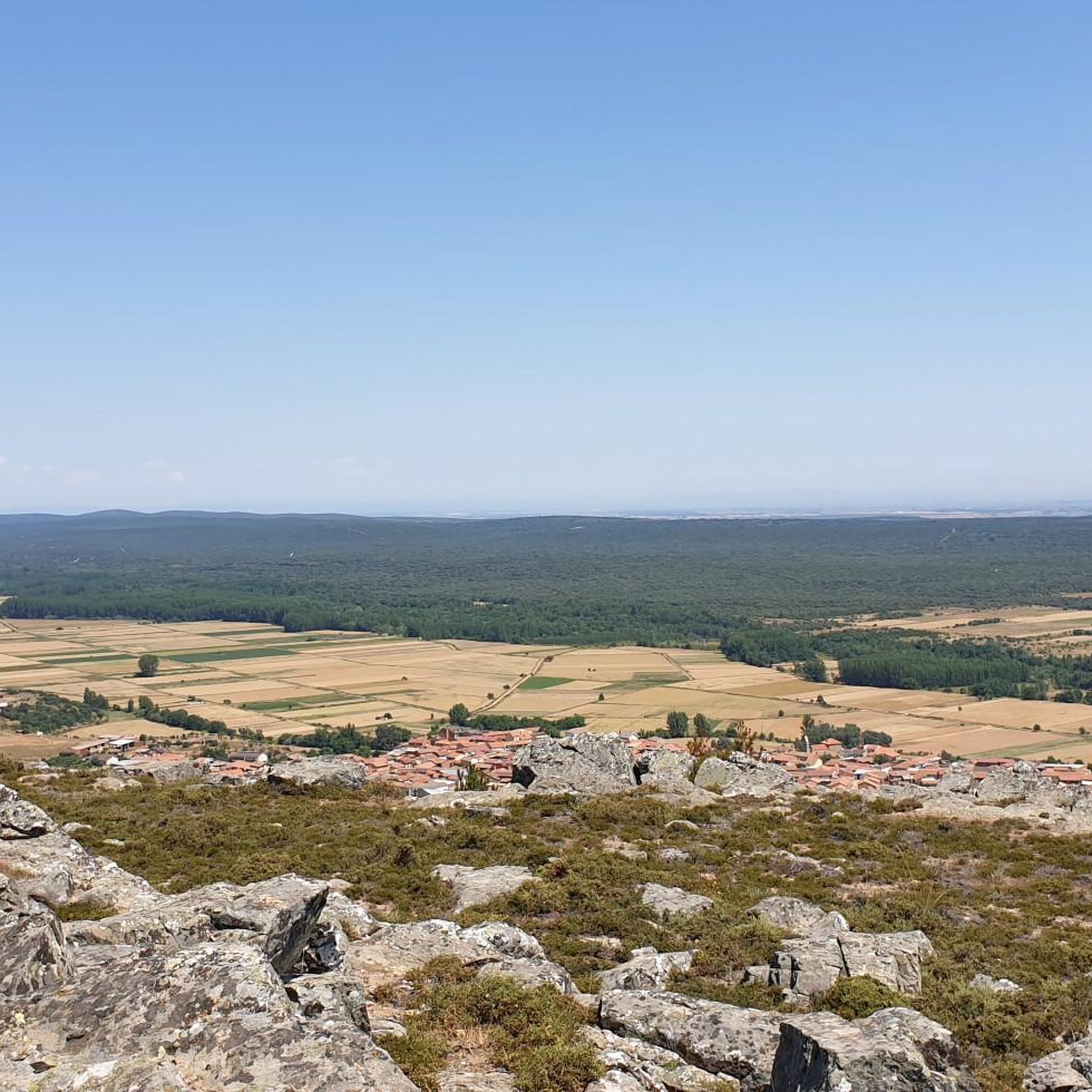
The Sierra de Casas Viejas separates, to the south of the Municipality of Santa Elena, the Jamúz basin from that of the Eria. And if you want, you can go up to the antennas..... and have better views.
0
0

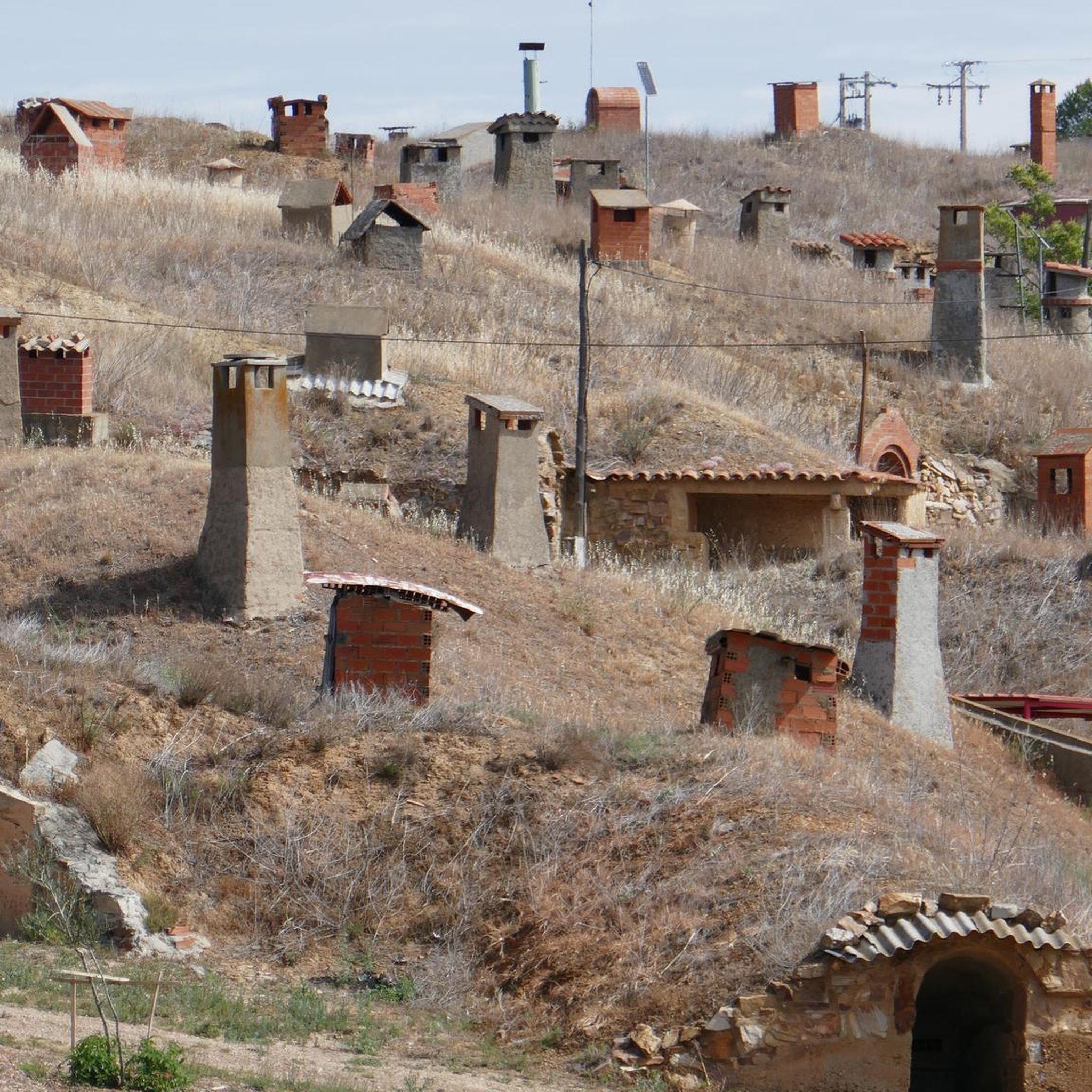
Brime de Urz is a small town at the foot of the Sierra de Carpurias. Walk to the small chapel at the top of the hill where you can take in beautiful views of the valley and mountains.
1
0
Rectangular wall that surrounds the ruins of the Castle-palace of the counts of Benavente built in the 15th century.
1
0
Arrabalde is a small town located between the Eria River and the Sierra de Carpurias that rises above it at 1000 meters above sea level. Head to the main square to admire the local church.
1
0
The small town of San Esteban De Nogales sits on the banks of the Eria River. The town church is a good place to start your adventures in this area.
2
0
Frequently Asked Questions
What kind of terrain can I expect when road cycling in Castro De Las Labradas?
Road cycling in Castro De Las Labradas offers varied terrain across the Sierra de Carpurias. You can expect routes with both ascents and descents, providing a physical challenge. The area is characterized by rural scenery and well-paved surfaces suitable for road biking, with elevation changes ensuring panoramic vistas throughout your rides.
Are there routes suitable for beginners or those looking for an easier ride?
Yes, Castro De Las Labradas offers routes suitable for easier ability levels. For example, the Granucillo Castle – Arrabalde Church loop from Pozuelo de Vidriales is rated as easy, covering 43 km with around 295 meters of elevation gain.
What are the typical distances and elevation gains for road cycling routes in this region?
Routes in Castro De Las Labradas vary in distance and elevation. You can find moderate routes like the Granucillo Castle – Church of Santa Marta de Tera loop from Granucillo, which is about 54 km with 223 meters of elevation gain. Longer routes, such as the Eria Bridge in Castrocalbón – Church of Castrocontrigo loop from San Esteban de Nogales, extend to nearly 80 km with around 668 meters of elevation gain, offering more extensive challenges.
What historical landmarks or points of interest can I see along the cycling routes?
The region is rich in history. Many routes traverse historical landscapes. You can explore the significant archaeological site of Castro de las Labradas itself, a fortified settlement of the Astur people. Other routes, like the Vidriales Valley Roman Sites Loop, lead through areas with Roman historical significance. The archaeological classroom in Arrabalde also offers insights into early Asturian life.
Are there any good viewpoints along the road cycling routes?
Absolutely. The elevated position of Castro de las Labradas atop the Sierra de Carpurias ensures expansive views. Cyclists can enjoy panoramic vistas over the Eria river plain and the surrounding territory, including the valley of Vidriales to the south, throughout their rides.
What is the best time of year for road cycling in Castro De Las Labradas?
While specific seasonal conditions are not detailed, the region's rural scenery and varied terrain suggest that spring and autumn would likely offer the most pleasant cycling conditions, with milder temperatures and vibrant landscapes. Summer might be warm, and winter could bring colder weather, though specific conditions would depend on the year.
Are there any family-friendly road cycling options in the area?
While the guide focuses on road cycling, which often involves longer distances and elevation changes, routes rated as 'easy' could be considered for families with older, experienced children. The rural scenery and historical sites offer engaging points of interest for a family outing. Always check the specific route details for distance and elevation to ensure it matches your family's capabilities.
Can I bring my dog on these road cycling routes?
Road cycling routes are typically on paved roads and are generally suitable for cyclists only. While dogs are often welcome in outdoor areas, bringing them along on a road bike can be challenging and potentially unsafe for both the dog and the rider. It's best to consider dedicated hiking or walking trails if you wish to bring your dog.
Where can I find parking for road cycling routes in Castro De Las Labradas?
Specific parking locations are not detailed in the route descriptions, but many routes start from villages or towns such as Granucillo, San Esteban de Nogales, or Pozuelo de Vidriales. It is generally advisable to look for public parking areas within these starting points. Always check local signage for parking regulations.
Is public transport available to reach the starting points of these routes?
The region around Castro de las Labradas is rural. While some villages may have limited bus services, comprehensive public transport options directly to all route starting points for cyclists might be scarce. It is recommended to check local bus schedules for the specific villages you plan to start from, or consider driving to your chosen trailhead.
What do other road cyclists enjoy most about road cycling in Castro De Las Labradas?
The komoot community highly rates road cycling in Castro De Las Labradas, with an average score of 5.0 stars. Cyclists often praise the varied terrain, the expansive views over the Eria river plain and Vidriales valley, and the opportunity to explore historical landscapes while enjoying a physical challenge.
Are there any circular road cycling routes available?
Yes, many of the road cycling routes in Castro De Las Labradas are designed as loops. Examples include the Tera and Vidriales Valleys Loop, which covers nearly 90 km, and the Vidriales Valley Roman Sites Loop, offering a 54 km ride through historical landscapes.
Most popular routes in Castro De Las Labradas

Get inspired with the komoot mobile app


Explore more
Browse the best Road cycling routes in other regions.
