The best walks and hikes in Castro De Las Labradas
12
hikers
7
hikes
Hiking in Castro De Las Labradas offers trails through the Sierra de Carpurias, characterized by rugged terrain and elevated positions. The region provides panoramic views over the Eria river plain. Central to the area is the ancient fortified settlement of Castro de las Labradas, an Astur-era site featuring extensive defensive structures and historical ruins. These natural and historical landmarks define the hiking experience in this part of Zamora, Spain.
Best hiking trails in Castro De Las Labradas
- The most popular…
Last updated: May 16, 2026
8.46km
02:29
230m
230m
Moderate hike. Good fitness required. Mostly accessible paths. Sure-footedness required.
3
hikers
6.52km
01:58
200m
200m
Easy hike. Great for any fitness level. Easily-accessible paths. Suitable for all skill levels.

Sign up for free
14.0km
03:57
270m
270m
Hike the Castro de las Labradas Loop, a moderate 8.7-mile trail exploring ancient Astur settlements and offering panoramic views in Zamora.
15.3km
04:02
130m
130m
Moderate hike. Good fitness required. Easily-accessible paths. Suitable for all skill levels.
12.3km
03:14
110m
100m
Hike a moderate 7.6-mile circular trail from San Esteban de Nogales, following the Río Ería and passing historical ruins.
Get access to more routes and recommendations from other explorers.
Sign up for free
Already have an account?
Our route recommendations are based on thousands of hikes, rides, and runs completed by other people on komoot.
Start today with a free account
Your next adventure awaits.
Login or Signup

Tips from the Community

On December 20, 1164, the widow of the Noble Vela Gutiérrez, Doña Sancha Ponce, transferred to the Cistercian Order of Santa María de Moreruela all the possessions and belongings of the territory of Nogales in hereditary right so that they could build another monastery that would be called Santa María from Nogales. From this moment and until the monks abandoned the monastery, in the mid-19th century, the Eria Region was governed according to the guidelines of the Order. This settlement established the model of repopulation and new management at all levels; social, cultural, agricultural and economic. At the same time it marked the appearance of the Villa de Nogales, which was initially made up of the servants and servants of the Monks. Without a sumptuous construction, Santa María de Nogales is located according to the criteria of the Cistercian order: a valley of fertile lands, abundance of water, and impressive solitude. For more than seven centuries it stood out for being the cradle of great men, an emporium of letters and science, where royal advisors and professors for the University of Alcalá emerged. Currently, only the ruins and remains of its greatness remain: scattered walls, the belfry of the Church and the main entrance arch with its heraldic shield. However, the surrounding area, fertile orchard, abundant vegetation, fruit trees and the waters of the Eria River, invite you to relax, contemplate and enjoy nature.
1
0

Ruined bridge over the Ería River, on the outskirts of the town of Villaferrueña. The river scenery is a beautiful backdrop for your adventure.
1
1
One of dozens of prehistoric stone structures found in this area.
2
0
A prehistoric stone circle. The structure was usually built from locally quarried granite or slate. They were used for various ceremonies throughout the seasons.
2
0
Surrounded by fields is a small and charming chapel on the outskirts of the town of Granucillo. You can rest under the shade of the trees during your walk.
1
0
A prehistoric rock formation on the outskirts of the town of Arrabalde in the foothills of the Sierra de las Labradas.
2
0
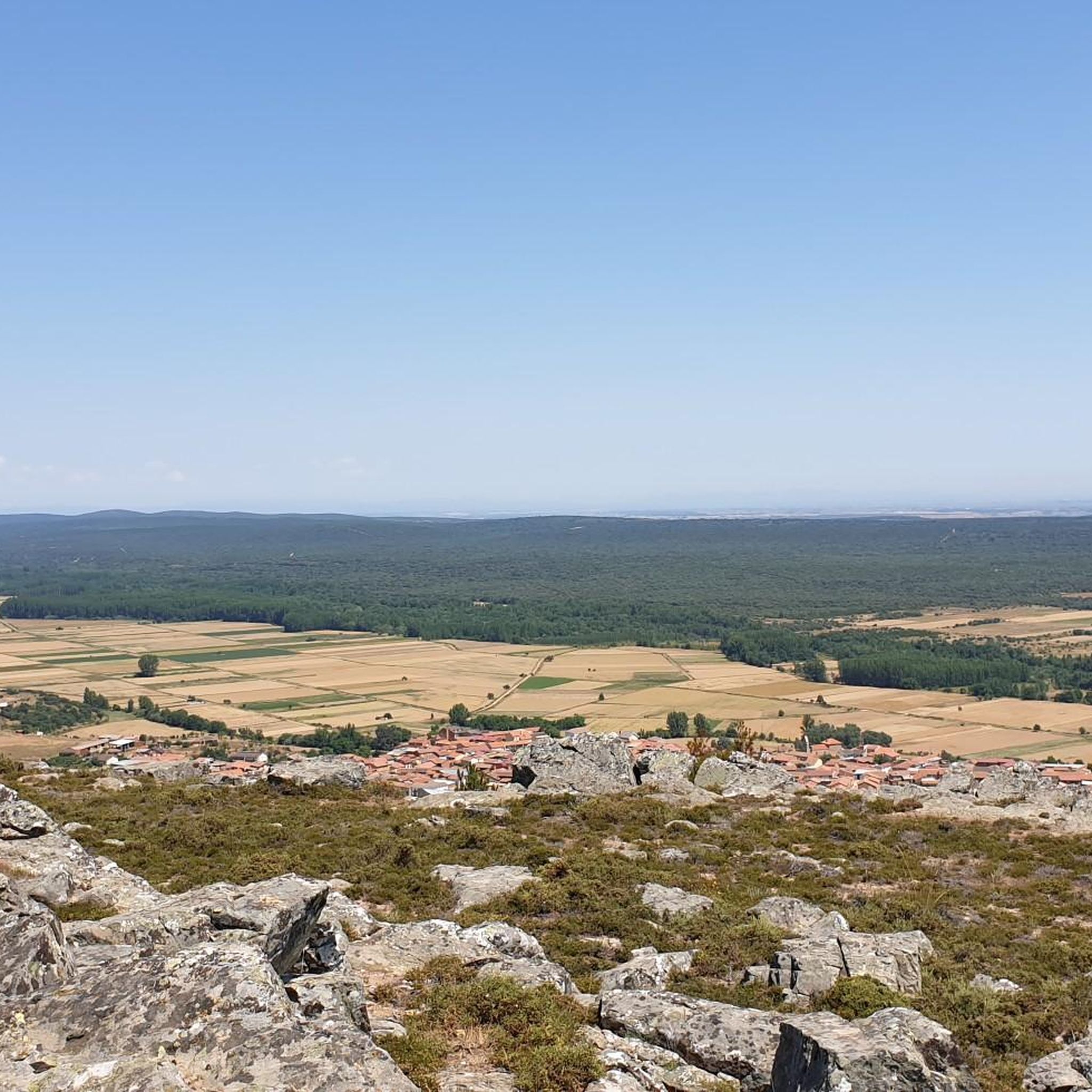
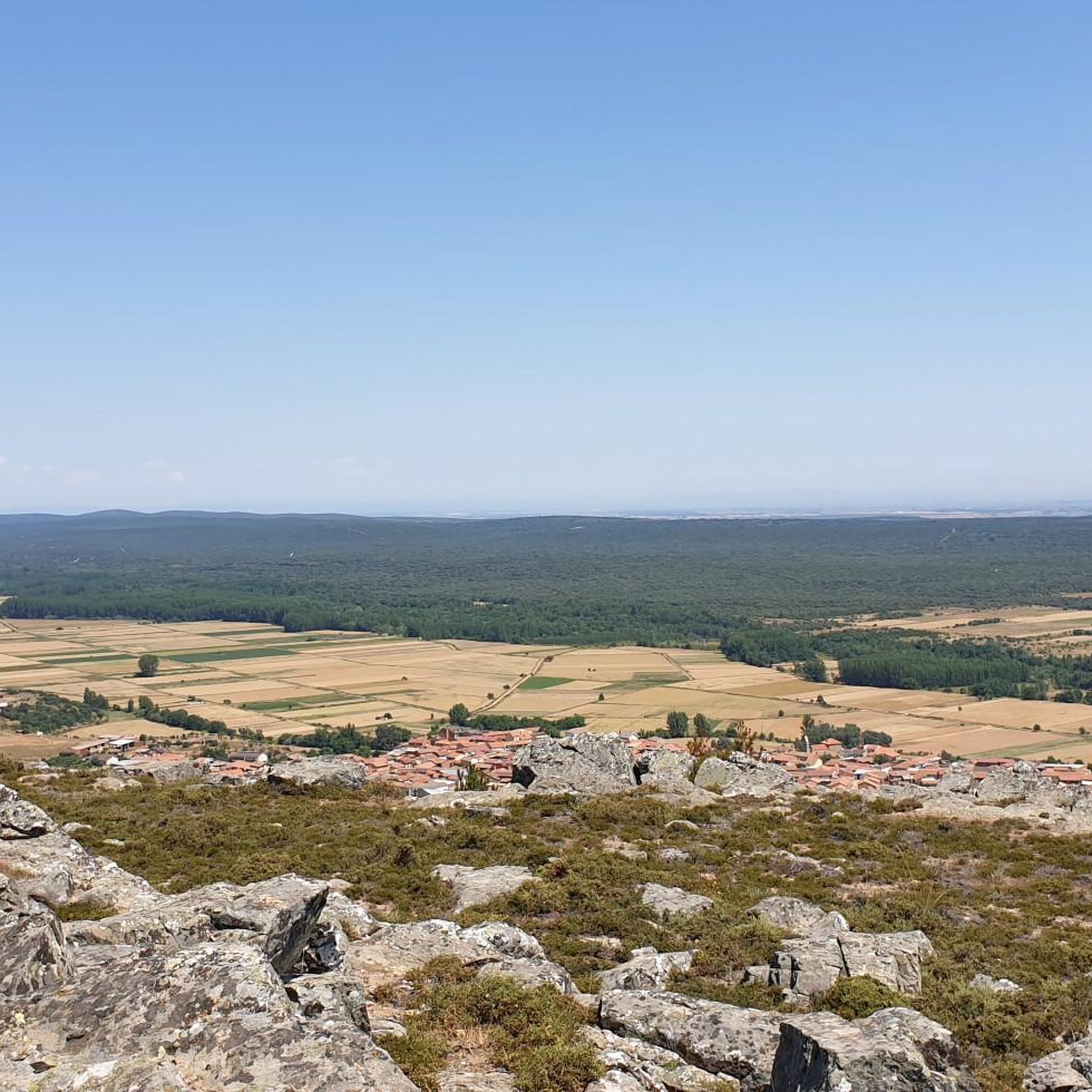
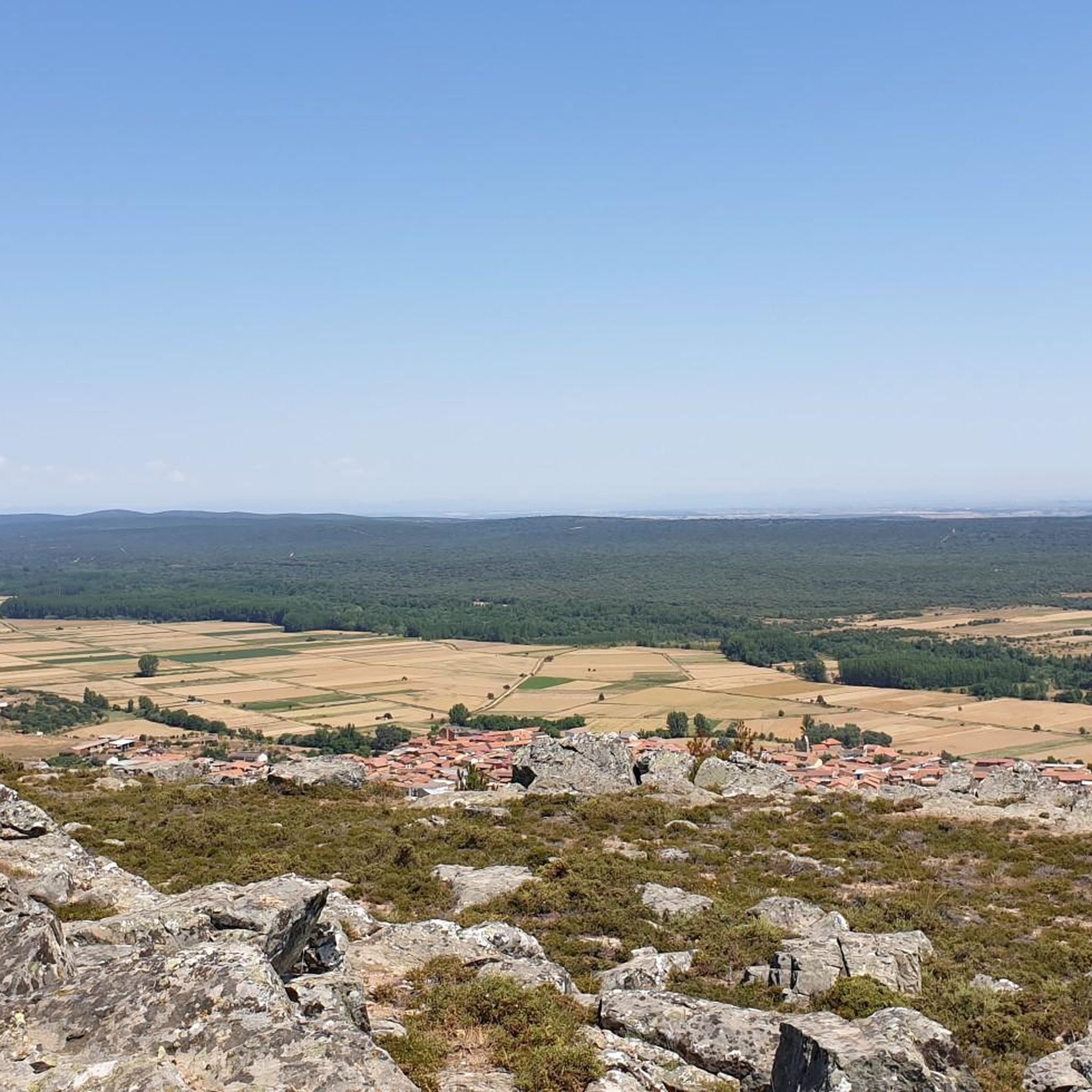
Arrabalde is a small town located between the Eria River and the Sierra de Carpurias that rises above it at 1000 meters above sea level. Head to the main square to admire the local church.
1
0
At an altitude of 1000 meters above sea level, there is a rocky outcrop, used to house animals and smugglers. Spectacular views of Arrabalde below.
1
1
Frequently Asked Questions
How many hiking trails are available in Castro De Las Labradas?
There are 7 hiking trails in Castro De Las Labradas, offering a variety of experiences. You'll find 2 easy routes and 5 moderate routes, suitable for different fitness levels.
Are there any circular hiking routes in Castro De Las Labradas?
Yes, Castro De Las Labradas offers several circular hiking routes. You can explore the Arrabalde — circular through the Sierra de las Labradas, a moderate 8.5 km trail with continuous panoramic views. Another option is the Castro de las Labradas Loop, which is 14 km long and leads through the historical fortified settlement.
What kind of historical landmarks can I see while hiking in Castro De Las Labradas?
The primary historical landmark is the ancient fortified settlement of Castro de las Labradas itself, the largest Astur-era fortified town in Zamora. Hiking routes allow you to explore its impressive defensive structures, including multiple lines of walls, traces of domestic constructions, artificial cisterns, and the ruins of a medieval hermitage. The Arrabalde Church – Castro de las Labradas loop from Arrabalde specifically explores the ancient Castro, including its reconstructed gate and watchtower.
What are the best viewpoints in Castro De Las Labradas?
The elevated position of Castro de las Labradas atop the Sierra de Carpurias provides expansive and beautiful panoramic views over the Eria river plain. Many trails, such as the Arrabalde — circular through the Sierra de las Labradas, offer continuous panoramic vistas across the Sierra.
What is the terrain like for hiking in Castro De Las Labradas?
The terrain in Castro De Las Labradas is characterized by the rugged Sierra de Carpurias. Hikers can expect varied natural landscapes, including elevated positions that provide extensive views. The trails combine natural beauty with historical exploration of the ancient settlement.
Are there any easy hiking trails suitable for beginners in Castro De Las Labradas?
Yes, there are 2 easy routes available. An excellent option for beginners is the Arrabalde Church – Castro de las Labradas loop from Arrabalde, an easy 6.5 km path that directly explores the ancient Castro de las Labradas.
What is the best season for hiking in Castro De Las Labradas?
While specific seasonal data isn't provided, the region's rugged terrain and historical sites suggest that spring and autumn would be ideal for hiking, offering milder temperatures and pleasant conditions for exploring both the natural landscapes and the ancient ruins. Summers might be warm, and winters could be cooler, but generally, the trails are accessible.
Can I find longer, more challenging hikes in the area?
Yes, if you're looking for longer, moderate hikes, consider the Granucillo — circular by the Roman Military Road, which is over 15 km long, or the Nogales Monastery Ruins Loop, covering about 12.3 km. These routes offer extended exploration of the surrounding areas.
What do other hikers enjoy most about hiking in Castro De Las Labradas?
Hikers frequently praise the unique combination of natural beauty and rich history. The continuous panoramic views over the Eria river plain and the opportunity to explore the extensive remains of the ancient Castro de las Labradas are often highlighted as key attractions.
Are there any specific natural features to look out for on the trails?
Beyond the panoramic views, the Sierra de Carpurias itself offers a rugged and stimulating natural environment. The elevated positions provide a sense of immersion in the natural landscape, complementing the historical exploration of the Castro.
Is there parking available for the hiking trails?
While specific parking locations are not detailed, trails often start from or pass through villages like Arrabalde. It is generally advisable to look for designated parking areas within these villages when planning your hike to Castro De Las Labradas.
Most popular routes in Castro De Las Labradas

Get inspired with the komoot mobile app


Explore more
Browse the best Hikes in other regions.
