The best cycling routes around Frauenau
4.5
(358)
2,109
riders
42
rides
Touring cycling routes around Frauenau are situated within the Bavarian Forest National Park, offering a diverse landscape for cyclists. The region features dense forests, rolling scenery, and crystal-clear streams, with paths often leading through picturesque valleys. Cyclists can explore various terrains, including paved and unpaved sections, amidst impressive mountain views.
Best touring cycling routes around Frauenau
- The most popular touring cycling route is Cycling to the shafts, a 18.1 miles (29.1 km) trail that takes 2 hours 21 minutes…
Last updated: October 3, 2026
4.8
(92)
413
riders
29.1km
02:22
660m
660m
Hard bike ride. Very good fitness required. Some segments of this route may be unpaved and difficult to ride.
4.5
(48)
269
riders
Moderate bike ride. Good fitness required. Mostly paved surfaces. Suitable for all skill levels.

4.6
(19)
168
riders
17.2km
01:03
130m
130m
Easy bike ride. Great for any fitness level. Mostly paved surfaces. Suitable for all skill levels.
4.6
(28)
138
riders
Moderate bike ride. Good fitness required. Mostly paved surfaces. Suitable for all skill levels.
4.9
(54)
186
riders
48.8km
04:13
660m
660m
Hard bike ride. Very good fitness required. Mostly paved surfaces. Suitable for all skill levels.
Get access to more routes and recommendations from other explorers.
Already have an account?
Our route recommendations are based on thousands of hikes, rides, and runs completed by other people on komoot.
Start today with a free account
Your next adventure awaits.
Popular around Frauenau
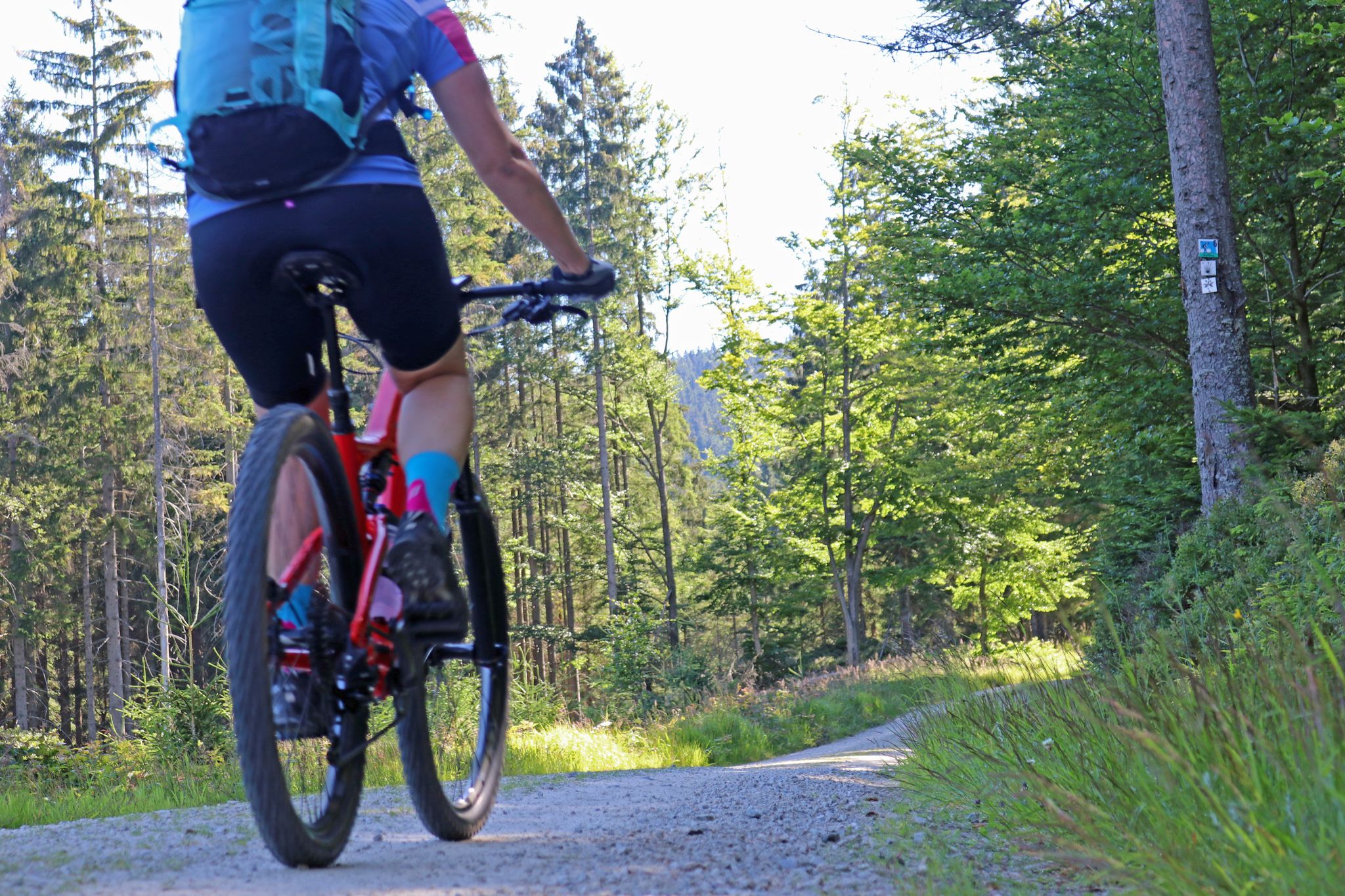
The most beautiful bike tours in the Bavarian Forest National Park
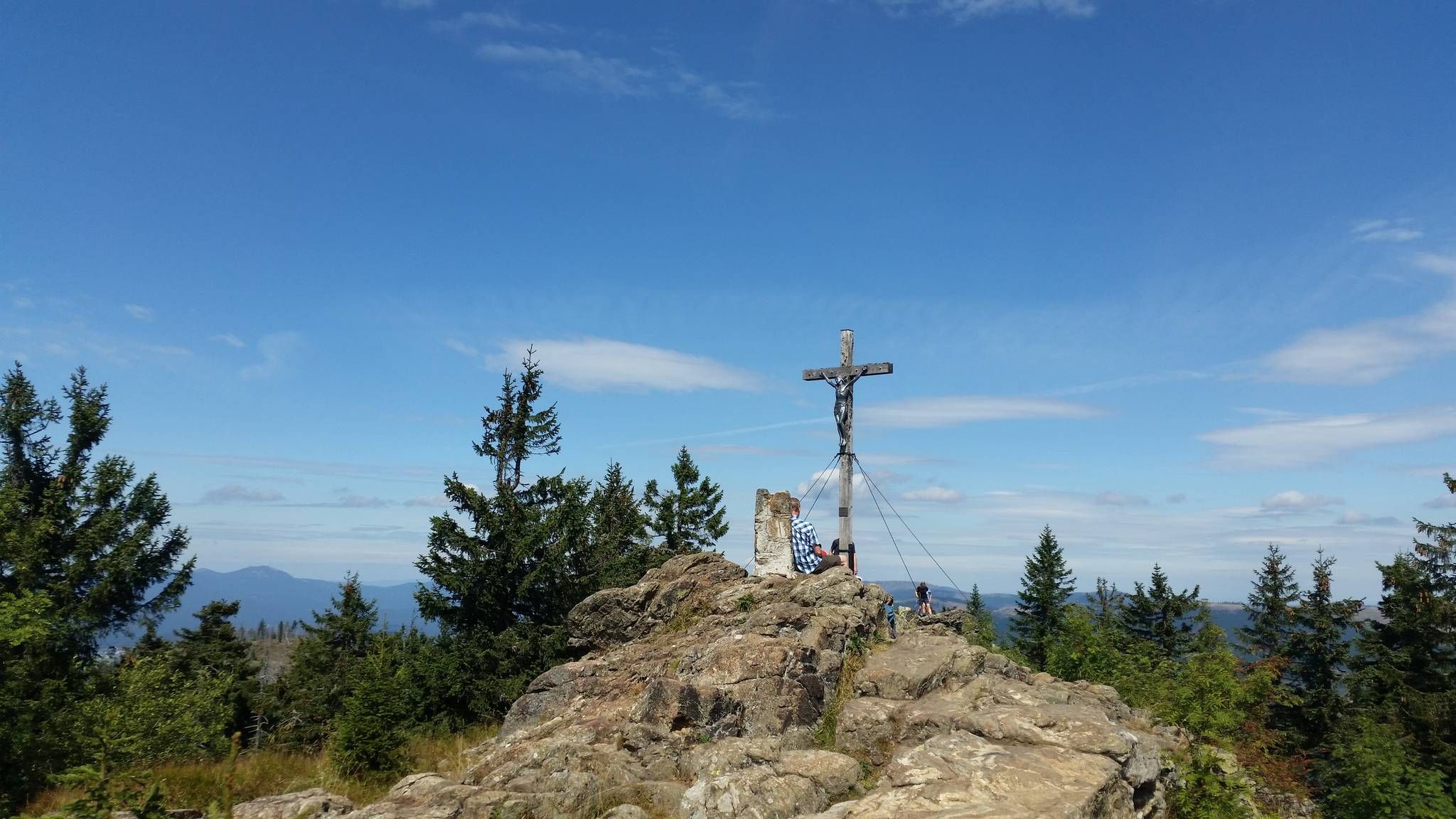
Eight thousand meter high mountains in the Bavarian Forest
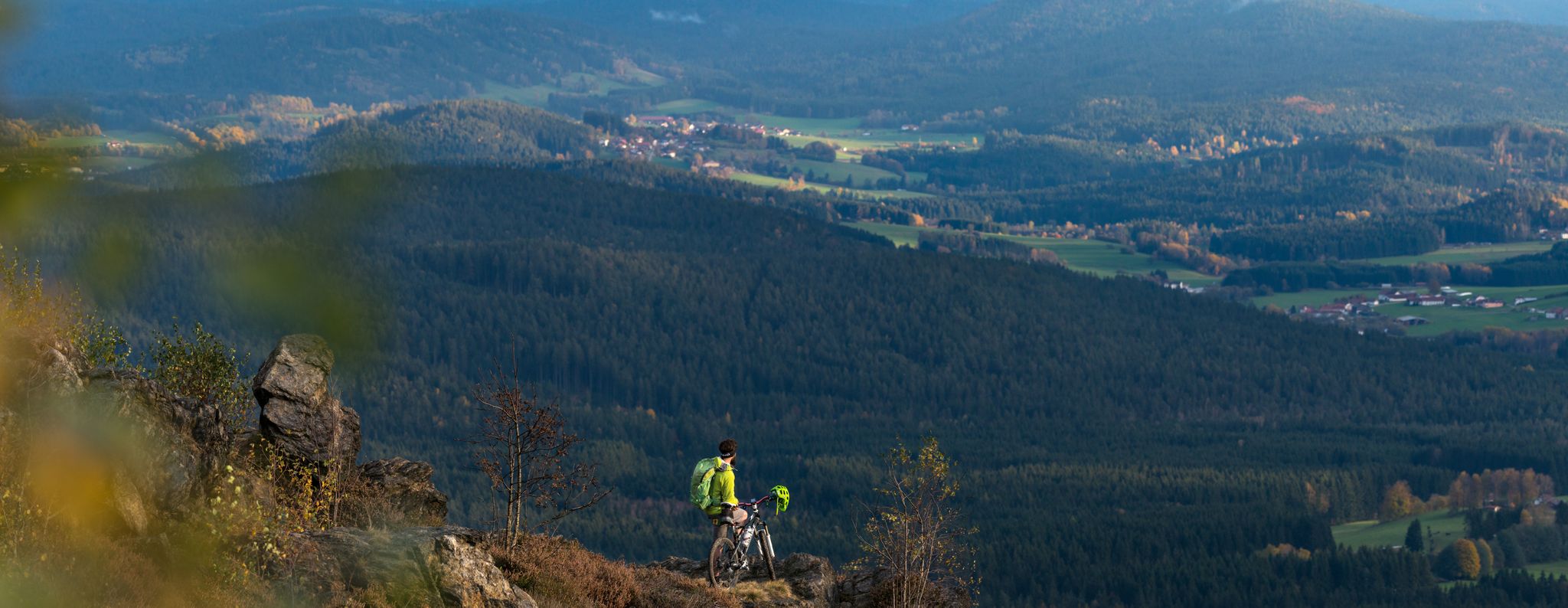
Auf der ARBERLAND-Runde vier Tage den Bayerischen Wald genießen
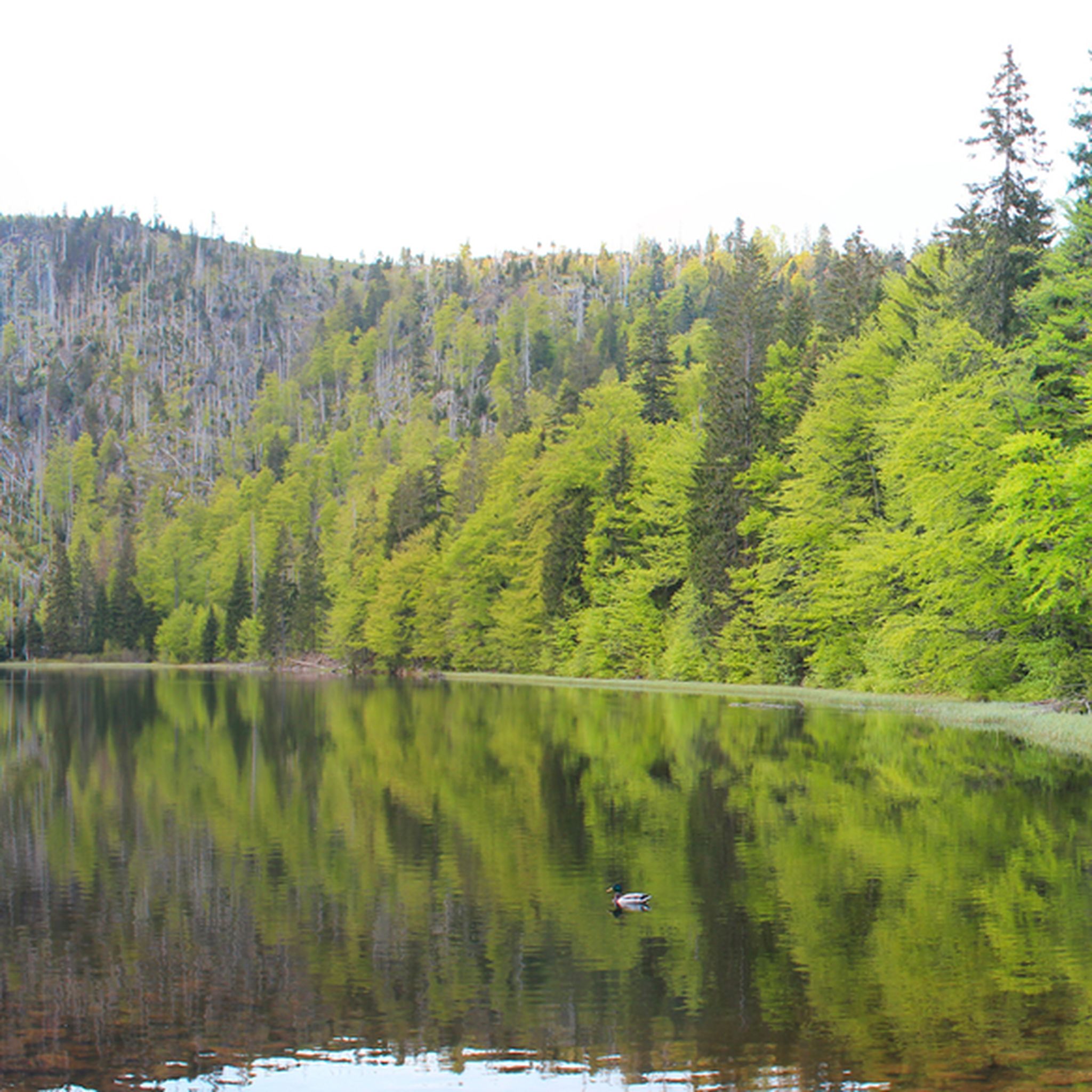
Hiking around Frauenau
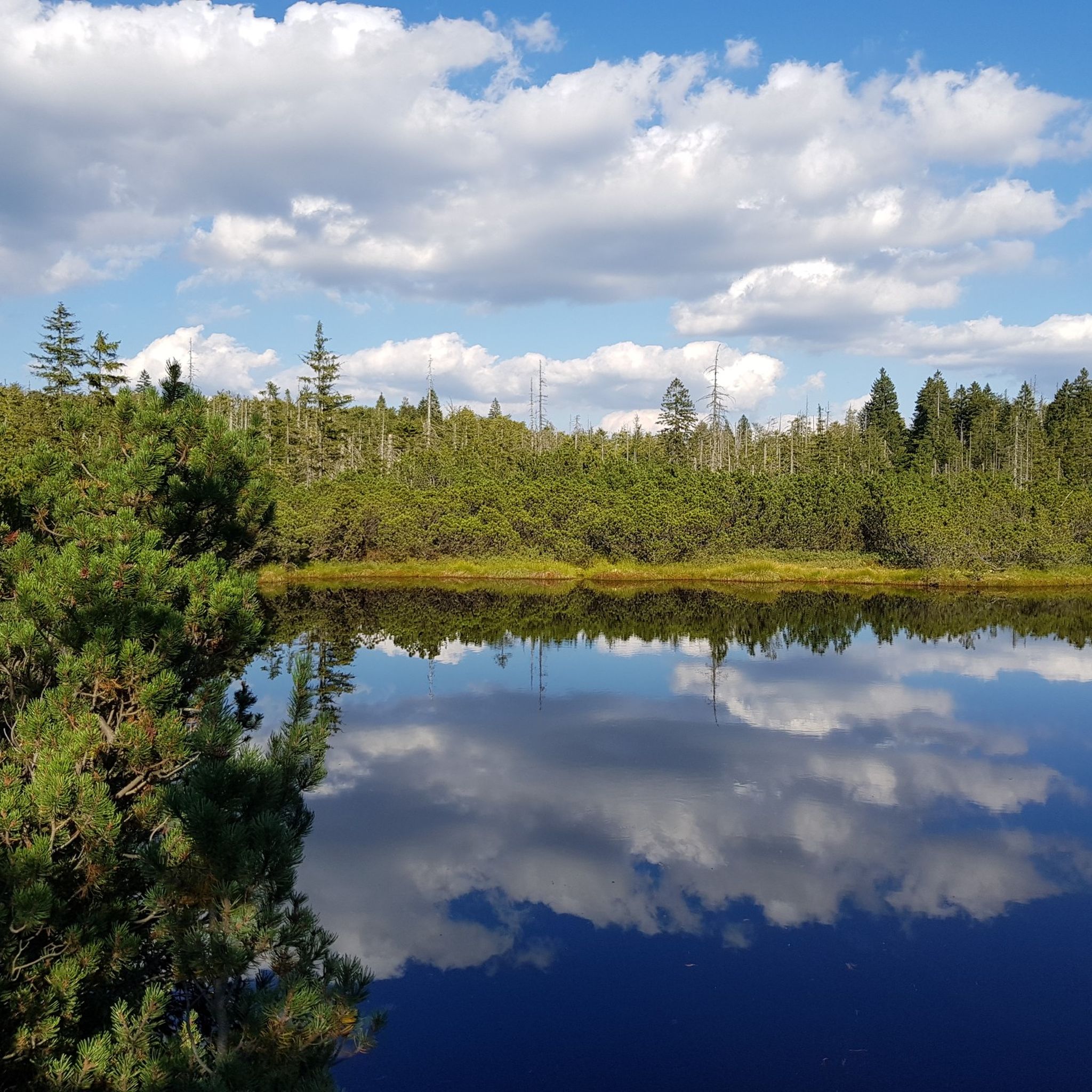
MTB Trails around Frauenau
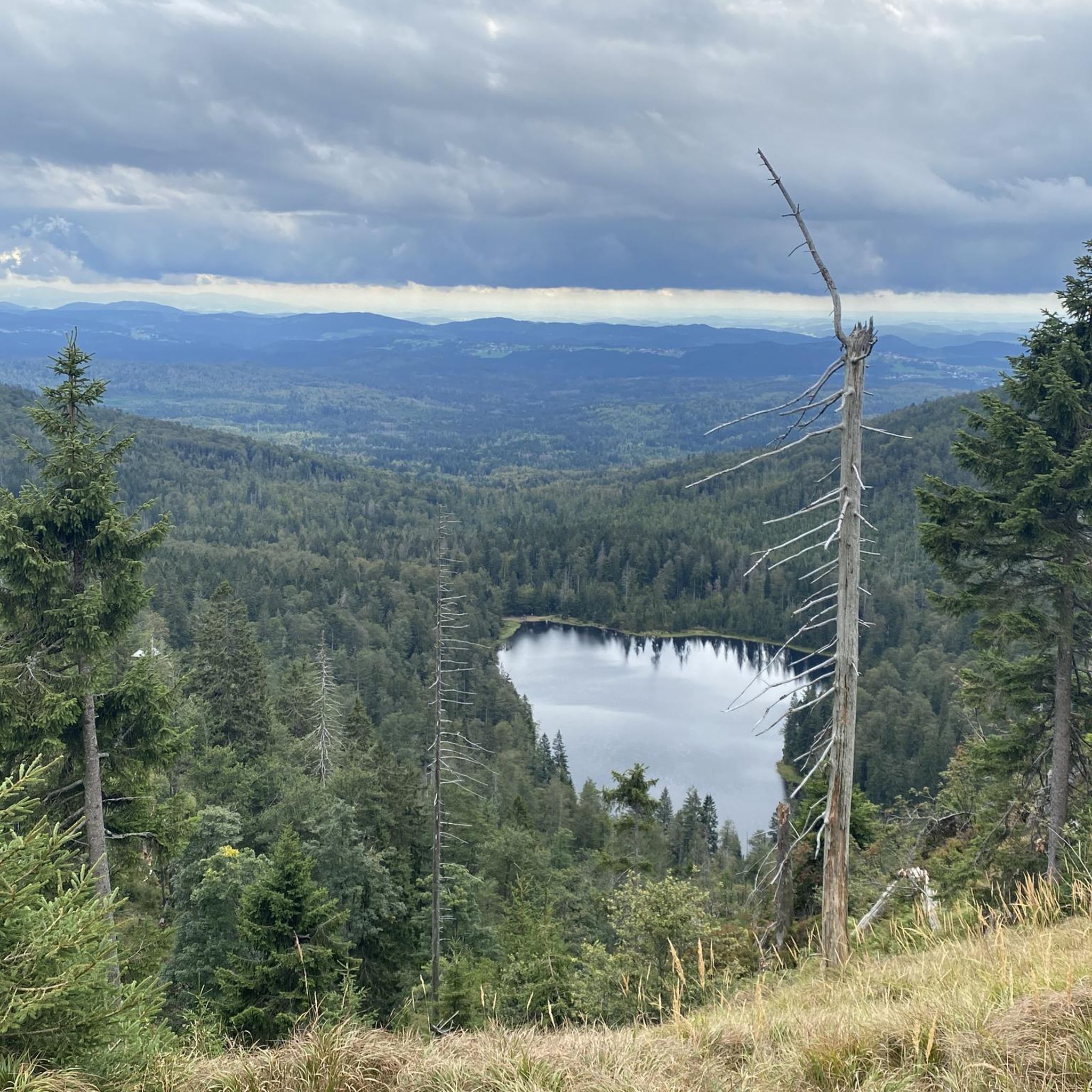
Running Trails around Frauenau
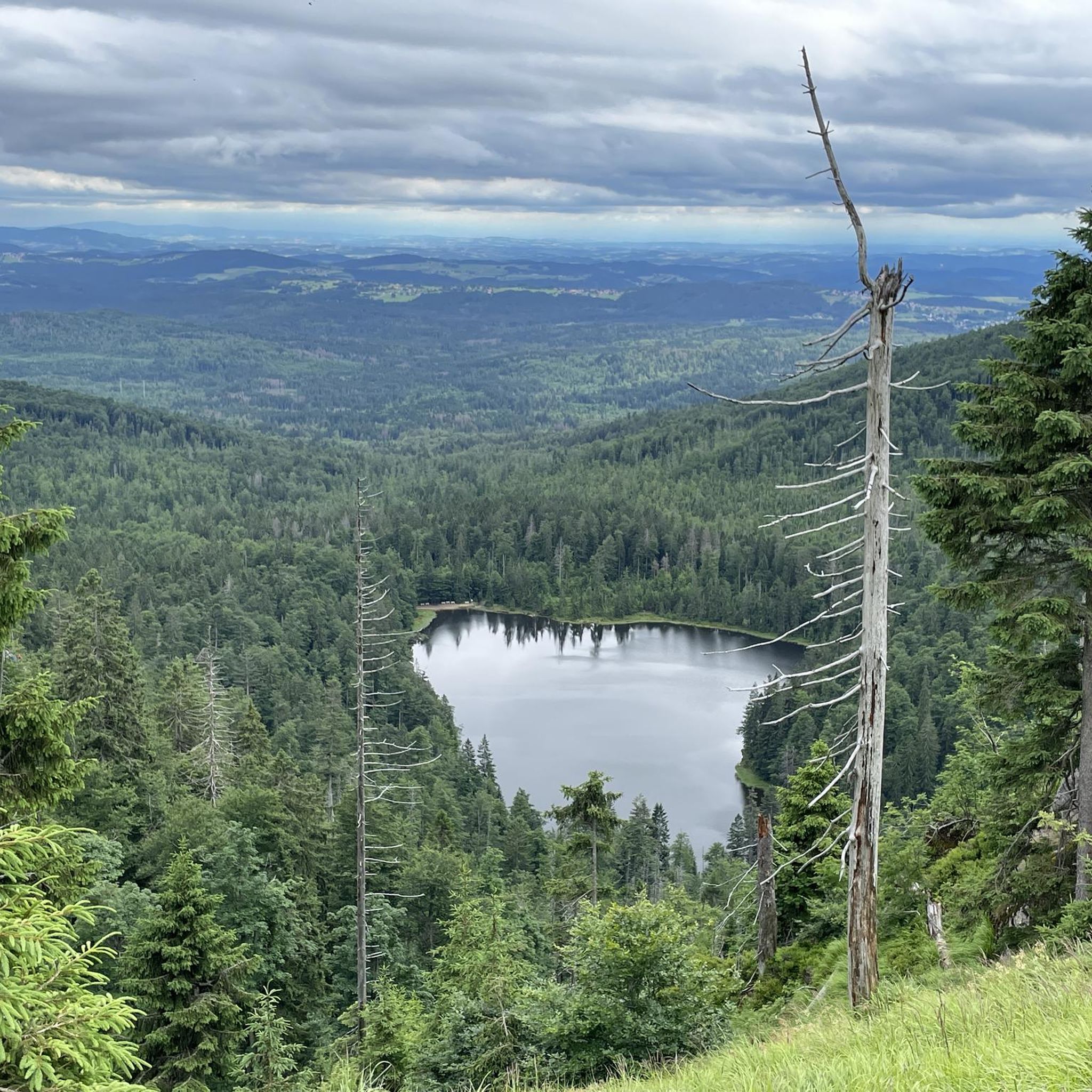
Road Cycling Routes around Frauenau
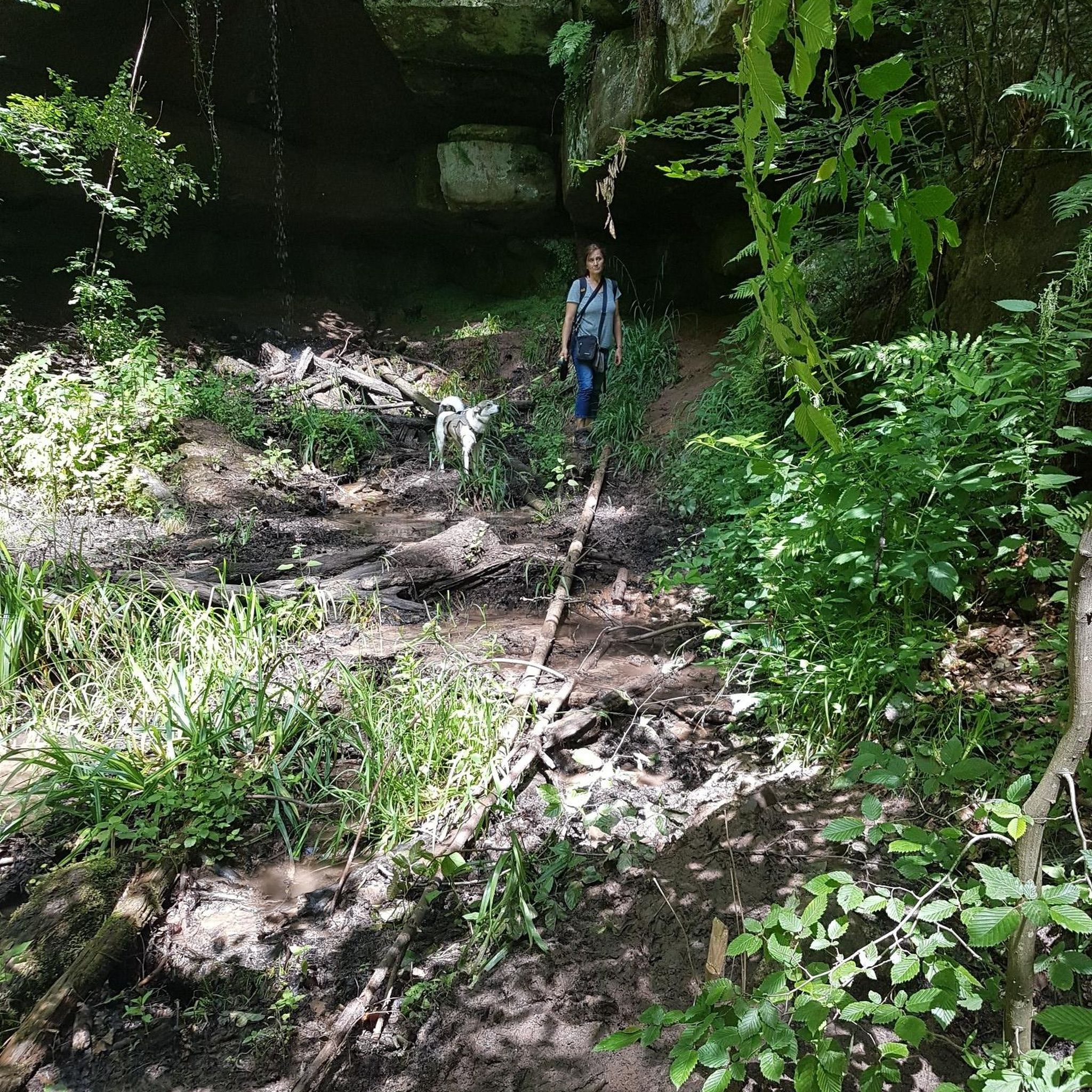
Mountain Hikes around Frauenau

Gravel biking around Frauenau
Other adventures around Frauenau


Tips from the Community


Erich Schott on the lower town square in Zwiesel is a popular meeting point in the town.
0
0

In 1975, Dr. h.c. Erich Schott, of the Jena glassworks, Schott & Associates, Mainz, donated this fountain to the people of Zwiesel. The large 'Erich Schott Fountain' is located in Zwiesel's town square. Granite steps, arranged in a circle around the fountain, compensate for the uneven terrain where necessary. They are paved with cobblestones. The majority of the round fountain is also made of gray granite. The low basin walls are lined with rectangular granite tiles, both on the inside and outside. Wooden plank seating is attached to the polished stone slabs that define the wide, overhanging edge of the basin. Within the basin, surrounded by shallow water, lie two natural boulders. They encircle the central element, which consists of a steel pedestal and a large stone sphere resting upon it. Square glass stones line the equator of the sphere, from whose tops water emerges in a focused jet. https://www.kunst-niederbayern.de/walter-mauder-und-siegfried-schriml-erich-schott-brunnen.html
2
0
The impressive town hall in Zwiesel has a turbulent history. A town hall in use since at least 1535 was burned down by the Swedes in 1633, along with the market square. It was rebuilt in 1635 but burned down again in 1707, resulting in the loss of many important records. The subsequent town hall was also destroyed in the market fire of 1832. In 1838, construction began on the current town hall on the site of the previous building. It wasn't until 1844 that the building, which until then had only a temporary roof, was properly re-roofed. In 1876, the town council decided to crown the town hall with a small tower. The work was awarded to master carpenter Georg Stolka for 1100 marks. He began erecting the turret on December 18, 1876. The tower's cupola was added on December 30, 1876, by journeyman carpenter Johann Kagerbauer. In the first days of the following year, the clock and bell were opened. The bell came from the old town hall, where it had been used for many decades to signal the start of council meetings. On January 16, 1877, the tower bell of the new town hall tower was rung for the first time. The town hall clock was also set in motion that day. The town hall has three stories with five window bays each. The windows of the lower floors are round-arched, as are the three portals, which are arranged side by side and are of the same size. A stepped landing lies in front of these portals. The upper floor has rectangular windows. The windows and portals have rusticated frames, and the corner pilasters are also rusticated. The stories are separated by cornices that run below the window sills. The ground floor features ashlar masonry. In front of the central window of the first upper floor, which extends into a doorway, is a balcony supported by a volute corbel and a balustrade. The flat roof, which slopes towards the tower, rests on a corbel frieze. The tower features wooden ornaments encased in sheet metal. The slate shingles of its roof are laid in a pattern, the spire is decorated with floral ornaments, and the weathervane at the very top consists of tin flower cups. The bell, cast in Straubing in 1707, weighs approximately twenty kilograms. https://www.niederbayern-wiki.de/wiki/Rathaus_(Zwiesel)
2
0
Historic blue mailboxes, often adorned with elaborate Art Nouveau decorations, are rare but prized photographic subjects in Germany. Particularly well-known are examples in the old town of Lauenburg and in Würzburg, which are still regularly emptied and preserve a piece of postal history. While the German Federal Post Office introduced yellow mailboxes in the 1980s, these blue ones are reminiscent of the Prussian era or their special airmail functions, with the "Brilliant Blue" shade (RAL 5007) being used for airmail. This charming, historic mailbox at the Zwiesel town hall immediately reminds me of the "twins" in Lauenburg's old town. Here is a link to them: https://www.lauenburg-tourismus.de/poi/historische-briefkaesten
2
0

always beautiful here, whether on foot or by bike
0
0
The world's tallest crystal glass pyramid is made of 93,665 Tritan® crystal glasses. The four-sided pyramid, weighing 11.5 tons, was created by 25 employees and apprentices of Zwiesel Krisallglas AG. Glasses on 65 levels and a total height of 8.06 m are also records. In Zwiesel, on May 25, 2007, the world's tallest crystal glass pyramid (height: 8.06 m) was ceremoniously inaugurated. For two weeks, a team from Zwiesel Krisallglas AG had been stacking glasses for the record-breaking project. Exactly 93,665 "Neckar" series white wine glasses were placed one by one, millimeter by millimeter, on top of each other, completely without glue or any other aids. The employees worked from scaffolding, partly secured like mountaineers. Due to a lack of technical control options, the construction was done almost entirely by eye. Only once did the pyramid threaten to go slightly out of shape, so that around 2,500 glasses had to be removed and restacked. Then the last wine glass was placed at the top, after which a crane installed the specially made protective glazing. The glass panels, weighing almost 5 tons, are supported by a delicate steel structure, which is an absolute technical challenge, as architect Uwe Fickenscher states. However, the pyramid requires more than just static knowledge from the planner. To prevent the stacked glasses from getting dirty or fogging up, a permanent dehumidification and dust removal system was installed. It has resulted in a glass world record and thus a new landmark for Zwiesel Kristallglas AG and also for the glass city of Zwiesel. https://www.bayerischer-wald.de/attraktion/glaspyramide-351dc60ba7
2
0

Small waterfall with a bench for resting.
1
0
Frequently Asked Questions
How many touring cycling routes are available around Frauenau?
There are over 40 touring cycling routes around Frauenau, offering a wide range of options for cyclists. These routes are highly rated by the komoot community, with an average score of 4.4 stars from over 300 reviews.
Are there easy touring cycling routes suitable for beginners in Frauenau?
Yes, Frauenau offers several easy touring cycling routes perfect for beginners or those looking for a relaxed ride. One such route is the Glass Museum Frauenau – Kleiner Regen loop from Frauenau, which is 10.7 miles (17.2 km) long and leads through picturesque valleys and along the Kleiner Regen river.
What kind of terrain can I expect on touring cycling routes in Frauenau?
The touring cycling routes in Frauenau feature diverse terrain, including both paved surfaces and some unpaved sections. You'll cycle through dense forests, along rushing streams, and experience rolling scenery with impressive mountain views, characteristic of the Bavarian Forest National Park.
Are there any circular touring cycling routes around Frauenau?
Yes, many routes in Frauenau are designed as loops. A popular moderate circular route is the Frauenau Drinking Water Reservoir – View of the Frauenau Reservoir loop from Frauenau, which is 10.3 miles (16.5 km) long and offers scenic views of the reservoir and surrounding forests.
What are some notable natural features or landmarks to see while cycling in Frauenau?
Frauenau is rich in natural beauty and cultural landmarks. You can cycle near the Glas Ark in Bavarian Forest National Park, explore routes around the Trinkwassertalsperre Frauenau (Drinking Water Reservoir), or visit the Buchenau Castle. The region is also at the foot of the Great Rachel mountain, offering challenging routes with stunning views.
Can I find challenging touring cycling routes with significant elevation in Frauenau?
Absolutely. Frauenau, being at the foot of the Great Rachel, offers challenging routes with substantial elevation gains. An example is the difficult route Cycling to the shafts, which covers 18.1 miles (29.1 km) with over 650 meters of elevation gain.
Are there any touring cycling routes that offer views of the Frauenau Reservoir?
Yes, the Frauenau Drinking Water Reservoir is a popular cycling destination. The View of the Frauenau Reservoir – Frauenau Drinking Water Reservoir loop from Frauenau is a moderate 19.7-mile (31.7 km) route that provides excellent views of the reservoir and its surroundings.
What is the best time of year to go touring cycling in Frauenau?
The Bavarian Forest National Park, including Frauenau, is generally best for cycling from spring through autumn. During these seasons, the weather is more favorable, and the trails are clear, allowing you to fully enjoy the dense forests, wildflower meadows, and clear streams.
Are there options for food and drink along the touring cycling routes?
While specific cafes and pubs directly on every route are not detailed, the broader Bavarian Forest National Park area offers visitor centers and facilities. You might also find places like the Trifter Inn Schwellhäusl, a hut that can provide refreshments, especially on longer routes.
Are there any cross-border cycling opportunities from Frauenau?
Yes, the well-developed cycle path network around Frauenau allows for cross-border excursions into the neighboring Czech Šumava National Park. Access points like Bayerisch Eisenstein, Finsterau, and Gsenget facilitate these international cycling adventures.
What makes Frauenau a unique destination for touring cyclists?
Frauenau's uniqueness for touring cyclists stems from its location within the Bavarian Forest National Park, offering a 'wild, unspoilt highland landscape.' Beyond its natural beauty, it's renowned for its glassblowing traditions, with attractions like the Glass Museum Frauenau enriching the cycling experience.
What do other touring cyclists enjoy most about cycling in Frauenau?
The area is highly rated by the komoot community, with an average score of 4.4 stars. Reviewers often praise the diverse landscapes, from dense forests and rolling scenery to crystal-clear streams, as well as the well-signposted cycle paths that cater to various skill levels.
Most popular routes around Frauenau
Most popular attractions around Frauenau

Get inspired with the komoot mobile app


Explore more
Browse the best Cycling routes in other regions.
