Top 18 Castles around Gräfenhainichen
Best castles around Gräfenhainichen offer a glimpse into the region's rich history and diverse architecture. Located in the Anhalt-Bitterfeld district, the area is characterized by its proximity to the Elbe River and the Düben Heath, providing varied landscapes for exploration. The castles range from medieval origins to Baroque and Neo-Renaissance designs. These historical sites are often integrated into scenic parks and natural settings, making them accessible for outdoor activities.
Best castles around Gräfenhainichen
- The most popular castles is Wörlitz Castle…
Last updated: May 9, 2026
Neogothic castle gate at Sieglitzer Berg
Highlight • Monument
Translated by Google •
Tip by

Wörlitz Castle
Highlight • Castle
In the region, it is often referred to as the "Little White House."
Translated by Google •
Tip by

Sign up now to discover places like this
Get recommendations on the best single tracks, peaks, & plenty of other exciting outdoor places.
Sign up for free
Reinharz Moated Castle
Highlight • Castle
Heinrich von Löser, Electorate of Saxony's hereditary marshal, had a representative moated castle with a baroque park, castle pond and brewery pond built between 1690 …
Translated by Google •
Tip by

Burgkemnitz Castle
Highlight • Castle
construction time
18th century, 19th century,
1869
Architectural style
Baroque, historicism, neo-renaissance
Builder
Hans Bodo Baron von Bodenhausen (1869)
Builder/architect
–
Condition
The castle in Burgkemnitz is currently …
Translated by Google •
Tip by

Düben Castle
Highlight • Castle
Showing Translation
Tip by

Sign up for free to discover even more castles around Gräfenhainichen.
Sign up for free
Already have an account?
Start today with a free account
Your next adventure awaits.
Login or Signup
Popular around Gräfenhainichen
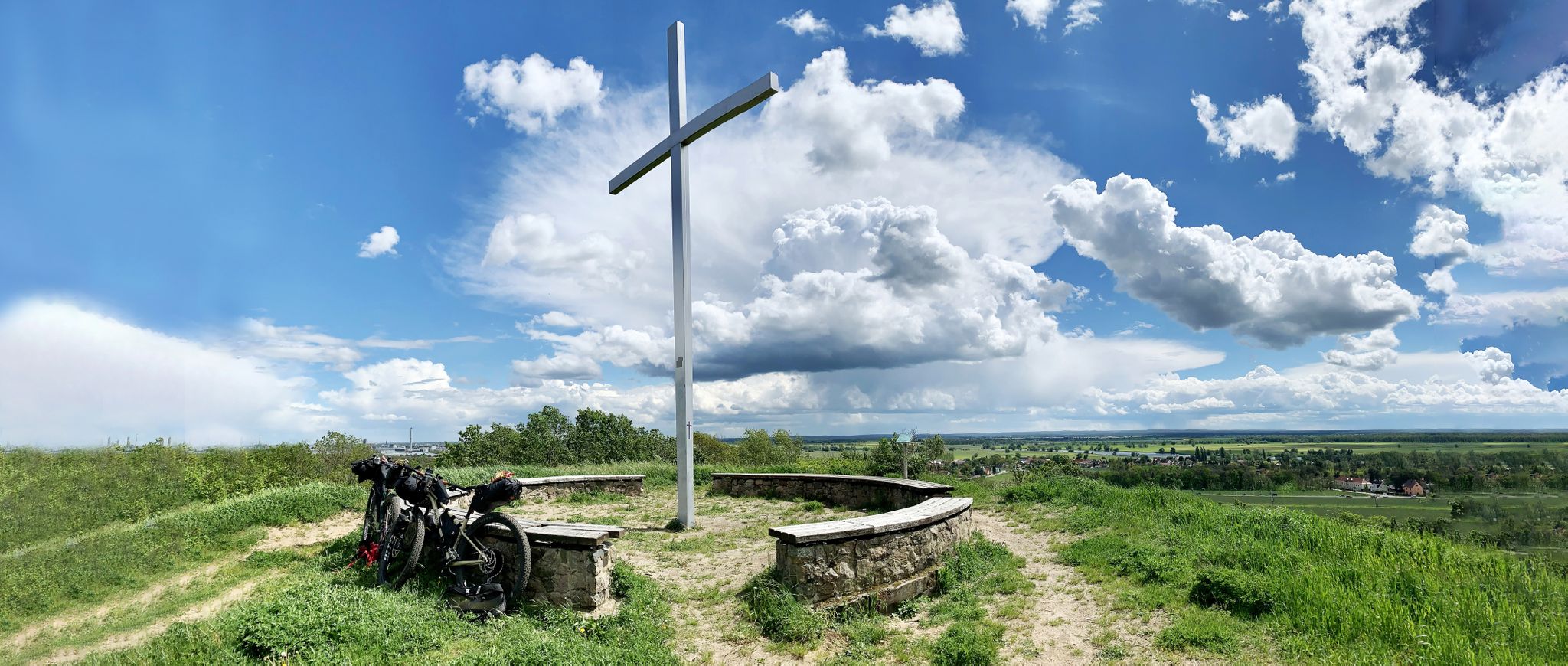
Romanticism on the Elbe River — cycling around the MDV north network
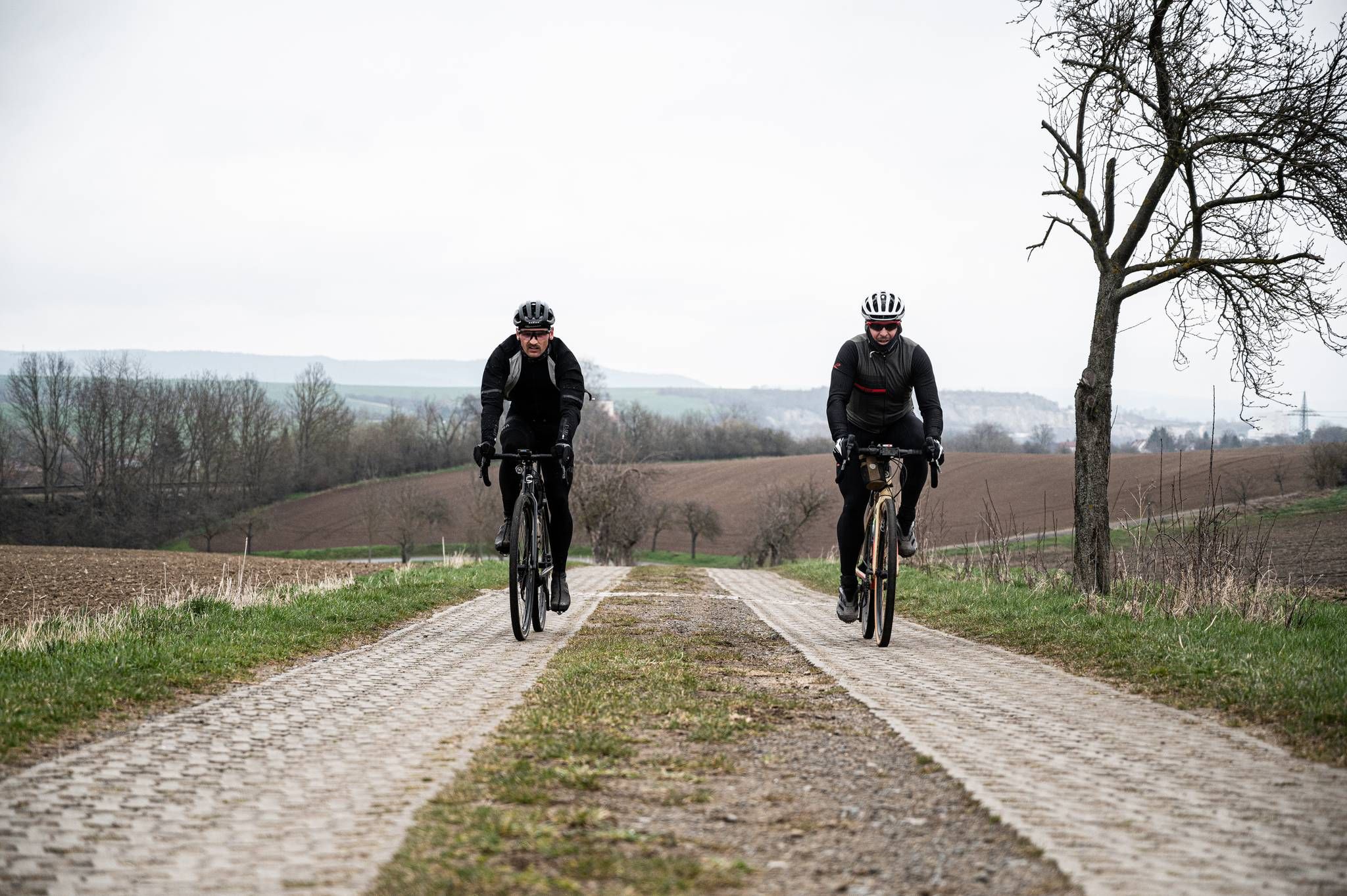
Cycling across Germany – my journey to the southernmost point of Germany
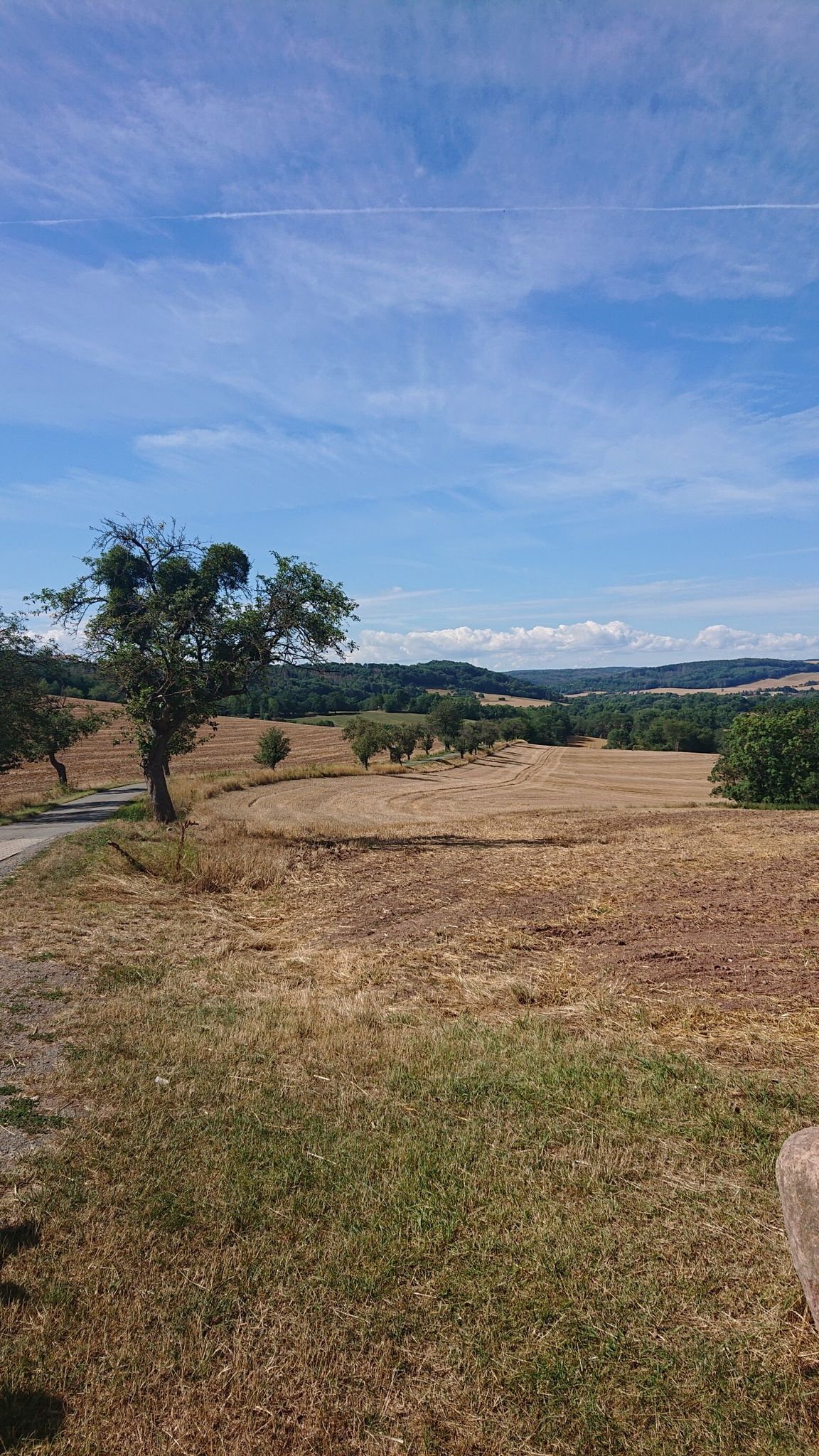
From A(ugsburg) to B(rodowin) – Cycling across Germany
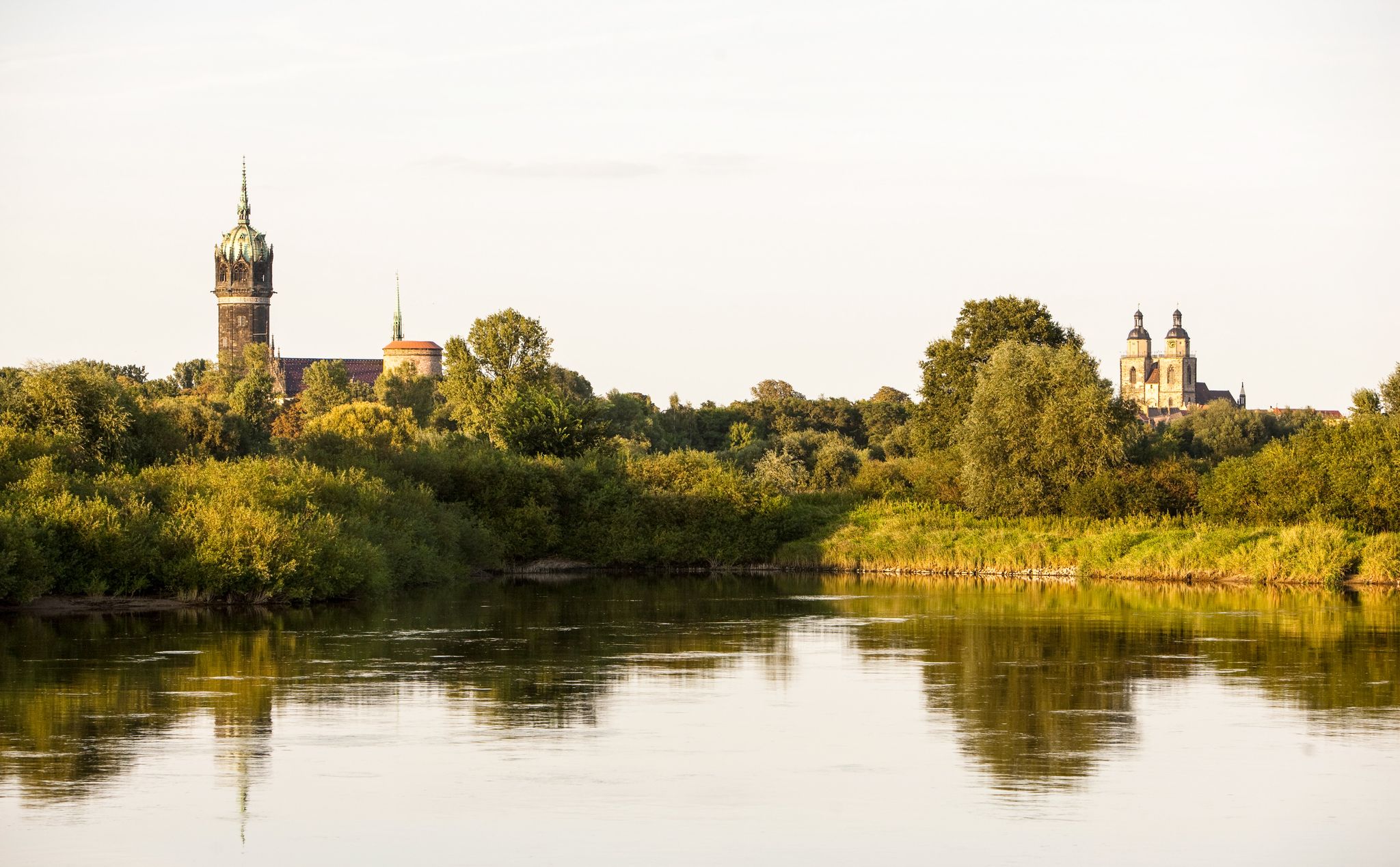
Holiday in Germany – Discover Saxony-Anhalt by bike
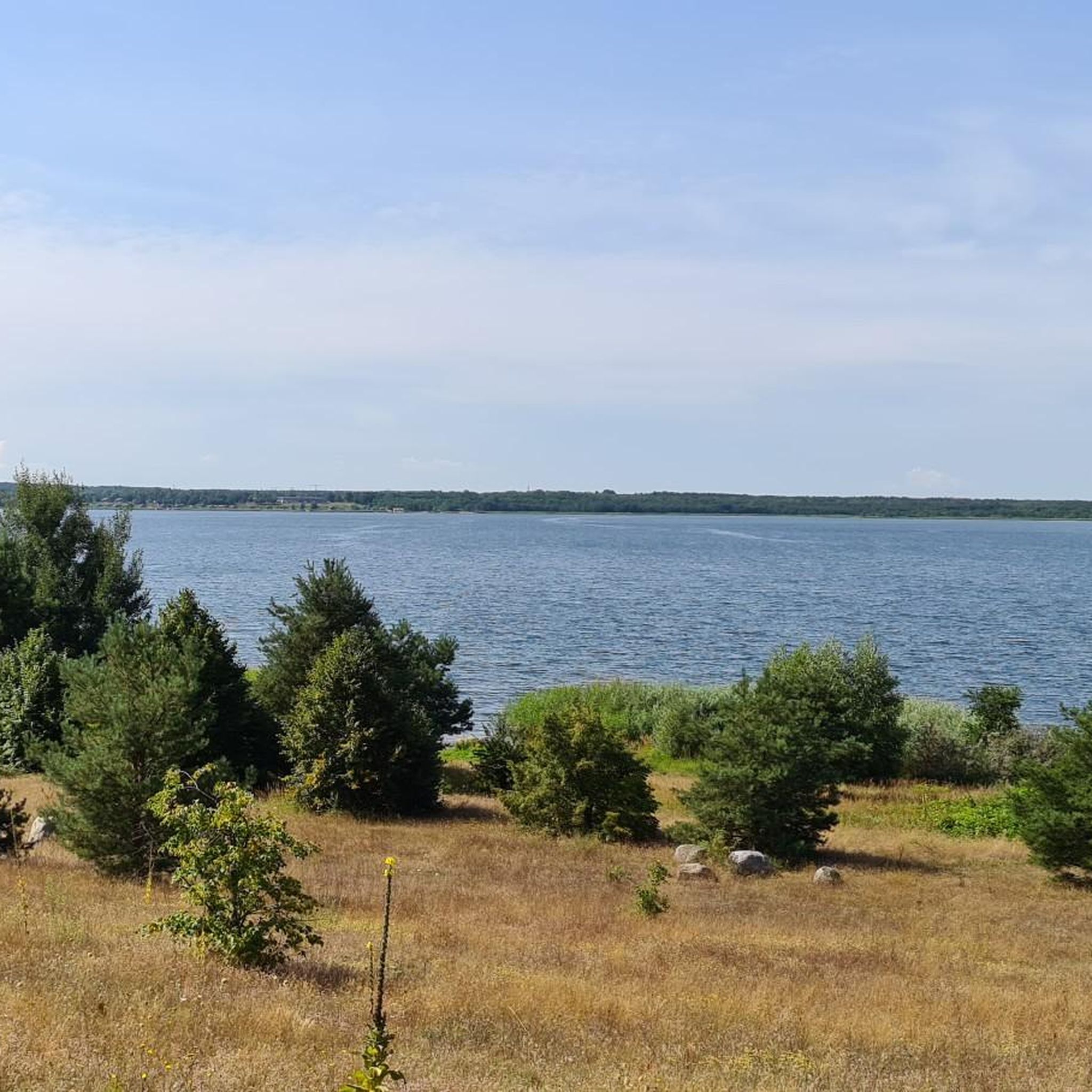
Hiking around Gräfenhainichen
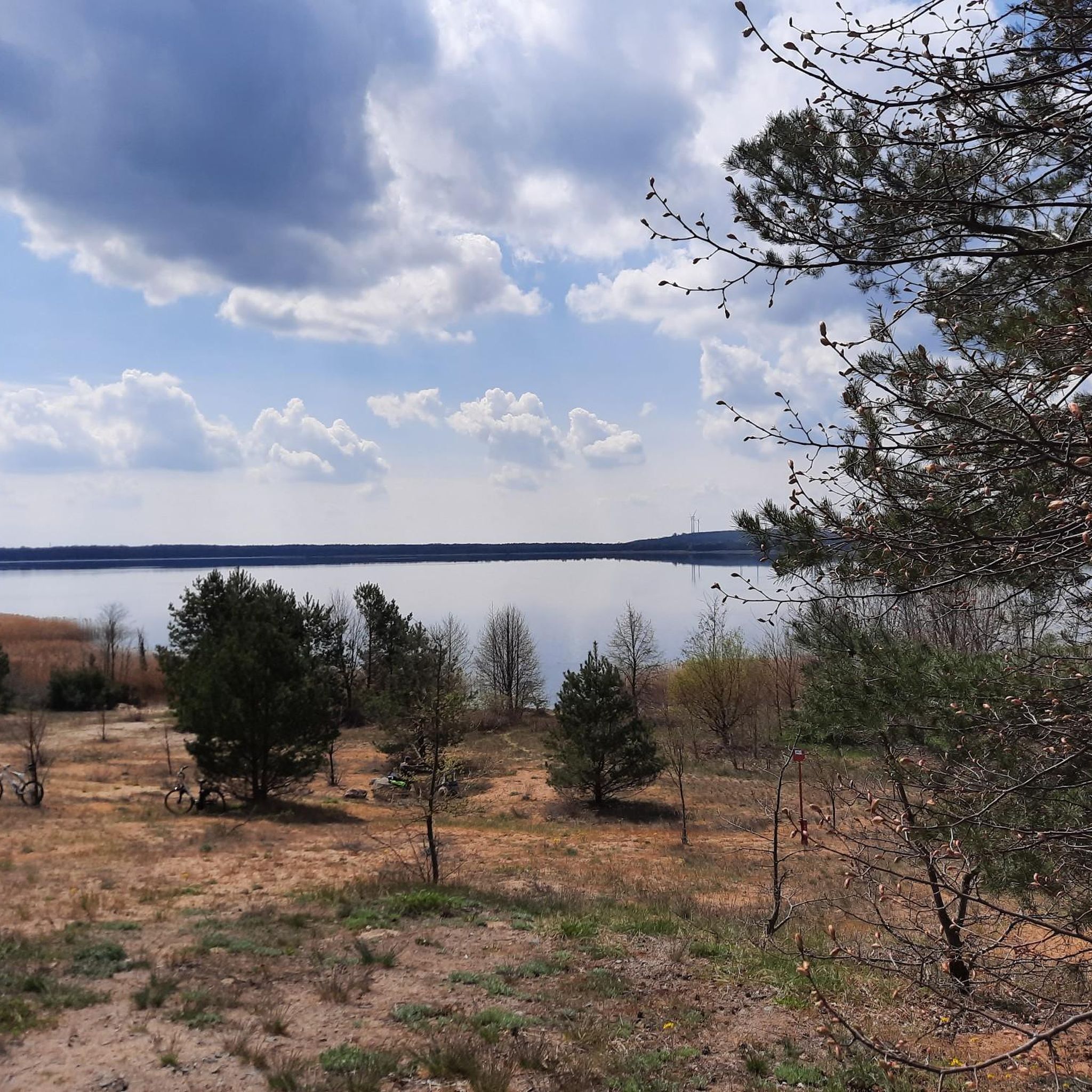
Cycling around Gräfenhainichen
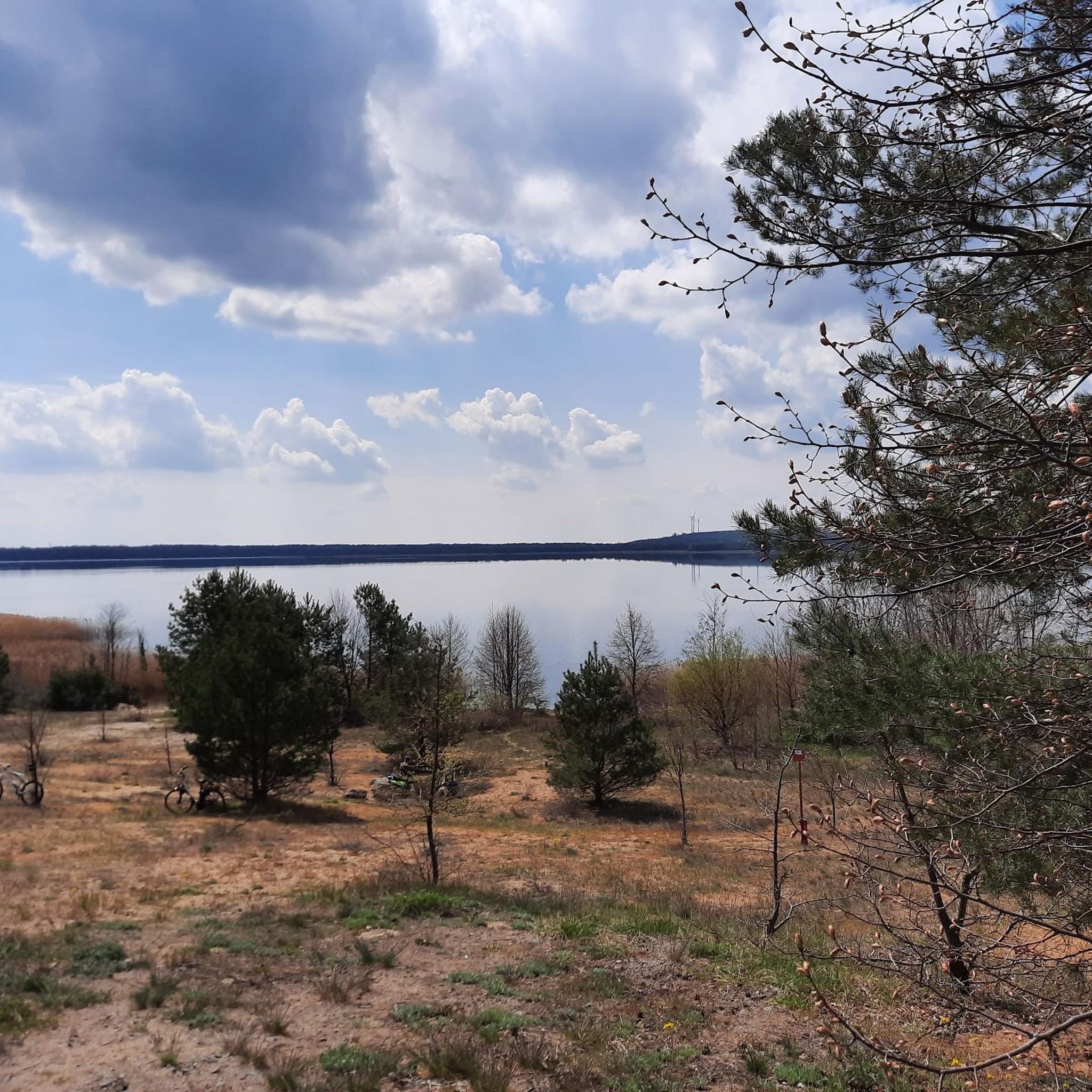
Running Trails around Gräfenhainichen
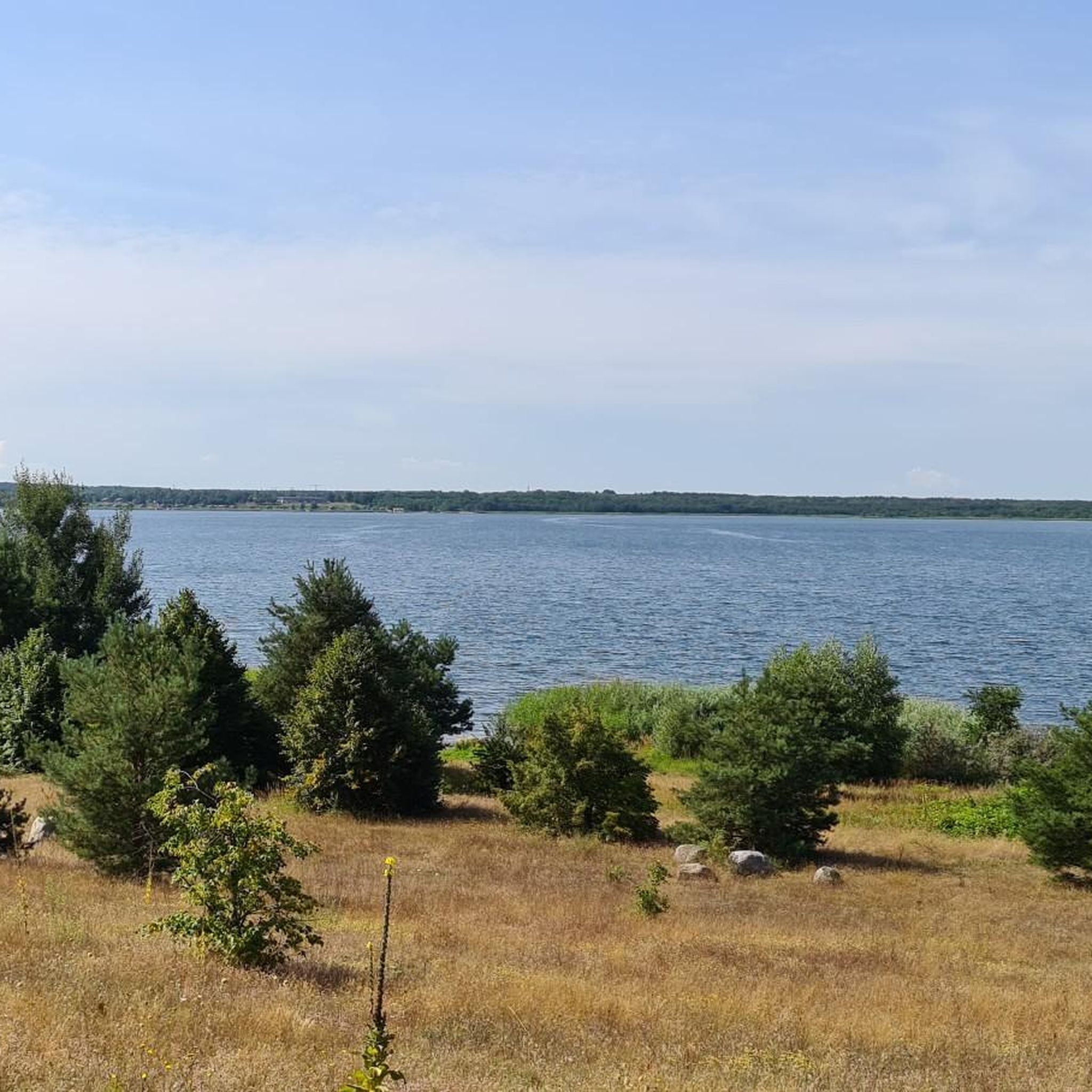
MTB Trails around Gräfenhainichen
Road Cycling Routes around Gräfenhainichen
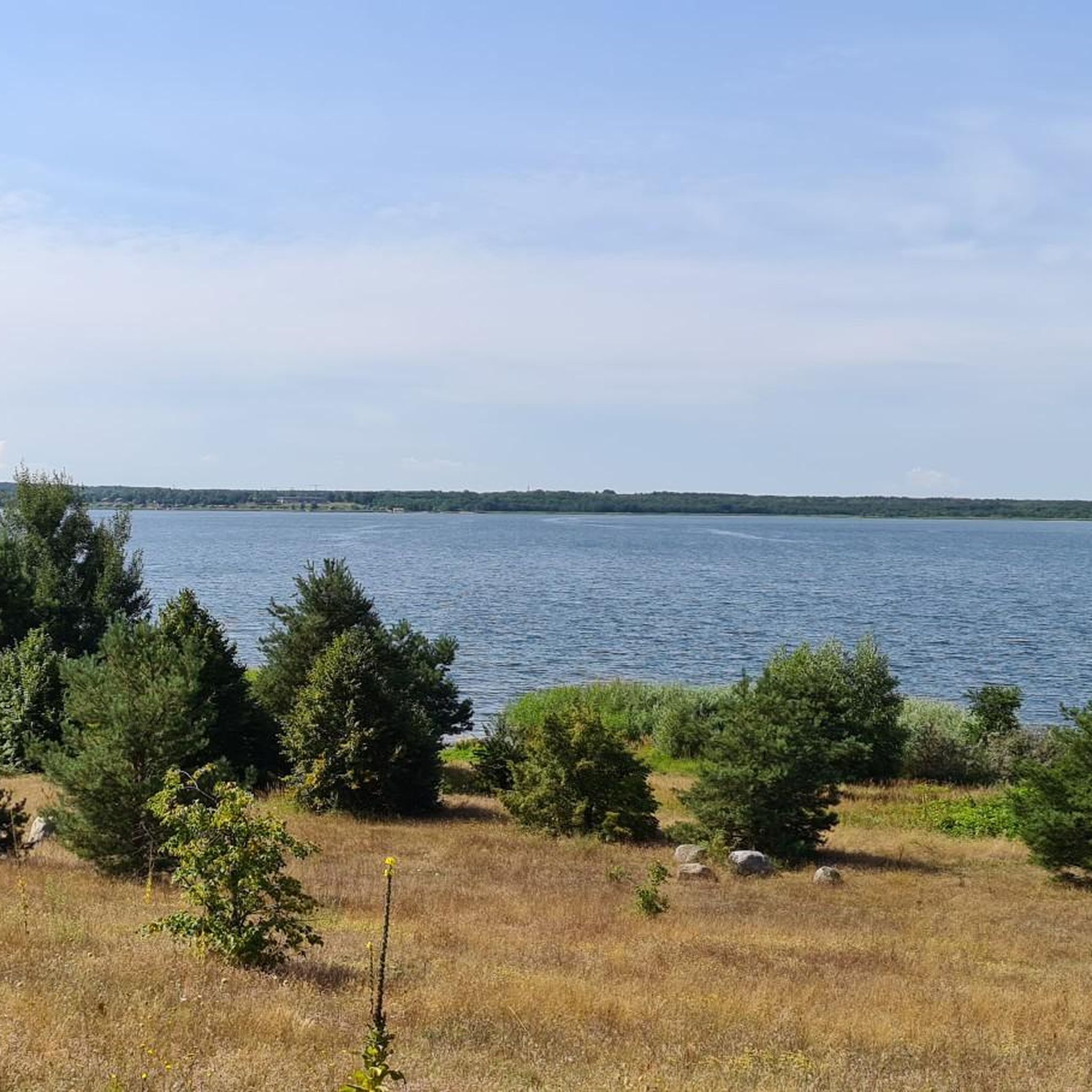
Gravel biking around Gräfenhainichen
Other adventures around Gräfenhainichen


Tips from the Community

The Wörlitzer 🏰 was built between 1769 and 1773 by Friedrich Wilhelm von Erdmannsdorff. In the region, it is often referred to as the "Little White House."
21
0

Reinharz Moated Castle, nestled in forests, resembles a legendary fairytale castle. The castle park and surrounding water features, with their rare trees, invite you to linger. Heinrich von Löser, Electoral Marshal of Saxony, had this impressive moated castle built between 1690 and 1701, featuring a baroque park, a castle pond, and a brewery pond, to provide appropriate accommodation for the nobility during their hunts in the Düben Heath. Source: https://www.anhalt-dessau-wittenberg.de/staedte-sehenswuerdigkeiten-landschaften/wasserschloss-reinharz
3
0
Burgkemnitz Castle with beautiful park
3
0
The Bergfried represents the oldest building (from 1206) in the castle area. The so-called Hexenkeller (Witches' Cellar) is also located here. Behind it stands the main building, which was built as the administrative seat of the town of Düben and now houses the Heimat- und Landschaftsmuseum (Local and Landscape Museum). Next to the main building is the so-called Burgwärterhäuschen (Castle Warden's House), which now accommodates a small café. All buildings were extensively renovated in the years 1997–1999. Quelle https://de.wikipedia.org/wiki/Burg_D%C3%BCben
7
0
During the Seven Years' War, Prussian King Frederick II stayed in the castle and established the largest supply depot of his army in Saxony here, which was guarded by 5,000 soldiers. Subsequently, on November 3, 1760, the Battle of Torgau took place, which Frederick II managed to decide in his favor despite heavy losses. During the Wars of Liberation, from October 10, 1813, to October 14, 1813, Napoleon established his headquarters in Düben Castle. Here, according to his own statements, he is said to have spent the most terrible days of his life due to the uncertainty of the military and political situation. After 1815, the castle, as well as the town of Düben, came to Prussia. The judicial and revenue office existing in the castle in 1780 was dissolved in 1942. After the Second World War, under the leadership of local historian Willy Winkler, a landscape and local history museum about the town of Bad Düben and the Dübener Heide was established by 1953. Exhibits on the history of Düben Castle and town, as well as on the economic development of the region, can be seen. During renovation work in the castle tower in October 2017, a wall frieze by Paul Haffner (born 1874; died 1965) was discovered in the interior of the timber-framed floor behind loose paint remnants. Haffner was significantly involved in the exhibition design of the landscape museum in the early 1950s. In addition to numerous murals and illustrations that served to better understand the museum's content, Haffner, who worked in the printing company of museum founder Willy Winkler, drew the inventory cards for the collection objects, created many drawings and preparatory work for the museum, and was involved in backdrop painting for the local stage.[1] Due to extensive renovation and conversion work, the landscape museum in the castle is currently closed and is expected to reopen its doors to visitors in April 2019. The area around the castle, including the watermill, remains accessible. Source https://de.wikipedia.org/wiki/Burg_D%C3%BCben
7
0
The Düben Castle is first mentioned in the year 981 in the chronicle of Thietmar von Merseburg during the dissolution of the Bishopric of Merseburg under the Slavic name "Dibni". The location for the construction of the castle was favorable due to the ford across the Mulde river on an old trade route. Thus, a Slavic settlement also emerged next to the castle. In the course of German eastward colonization, Flemish immigrants founded the municipality of Neumark around 1200 next to the castle; later, Frankish and Saxon settlers took over the old Slavic farmsteads, thereby forming the town of Düben. In the year 1017, Düben Castle was owned by Count Albi, who was shortly followed by Count Friedrich von Eilenburg. In connection with the Battle of Welfesholz, Wiprecht von Groitzsch conquered the castle in 1115 and from here captured several noble seats in the surrounding area. Margrave Otto the Rich was also temporarily imprisoned here. Through an inheritance contract, the castle came into the possession of the Thuringian Landgraves in 1291, who granted it as a fief to their followers. In the year 1450, the castle was completely destroyed during a feud between the brothers Friedrich and Wilhelm von Thüringen. Since 1530, the castle housed the Saxon administrative seat of the Düben office. The castle gained supra-regional fame during the Kohlhase affair, which began in 1532 with the nobleman von Zaschwitz and the Elector of Saxony, and lasted until 1540 (negotiation in Düben in 1533). The most famous district administrator was likely Philipp Melanchthon junior in 1554. During the Thirty Years' War, on September 15, 1631, the Swedish King Gustav II Adolf, the Brandenburg Elector Georg Wilhelm, and the Saxon Elector Johann Georg I concluded an alliance here against the Catholic Emperor Ferdinand II and subsequently defeated the imperial troops of Field Marshal Tilly at the Battle of Breitenfeld. The alliance did not help the town of Düben; it was destroyed three more times (1631, 1637, and 1641) by passing mercenary armies. One of the last witch trials in Germany also took place at Düben Castle. Tradition reports, alongside several narratives, of a witch's cellar in the castle, torture (which was prohibited for Saxony in 1783), a witch's grave, and a witch's dance ground. Source https://de.wikipedia.org/wiki/Burg_D%C3%BCben
7
0

Reinharz Castle and Castle Park Heinrich von Löser, Electorate of Saxony's hereditary marshal, had a representative moated castle with a baroque park, castle pond and brewery pond built between 1690 and 1701 in order to provide appropriate accommodation for the nobles during their hunts in the Düben Heath. Löser based the three-story, horseshoe-shaped building on the annual division: the facade is divided into 365 windows, and the castle has 52 doors and 12 rooms. The 68 m high tower was used as an observatory in the 18th century. Valuable scientific equipment was created in the mechanical-optical workshop, including telescopes, reflecting telescopes and sundials. 15 of these are on display in the Mathematical-Physical Salon of the Dresden Zwinger. The formally designed garden was probably completed in the first half of the 18th century under the direction of Hans von Löser. In 1837, the castle, including the farm buildings and park, was sold to the bourgeois Hertwig family, who had the park landscaped after 1850. The northern embroidery parterre with the strictly axial path system was removed. In addition, a connected meadow area, the "castle meadow", was created with many, sometimes rare, individual trees and groups of trees. Today, they characterize the striking old trees. In the southern section of the park, the main path system has largely been preserved. Between 1947 and 1990, the castle and park were used as a spa complex. The complex has been privately owned since 1998. Source: display board
10
1

The Bergfried is the oldest building (from 1206) in the castle complex. The so-called Hexenkeller (Witches' Cellar) is also located here. Behind it stands the main building, which was built as the administrative seat of the town of Düben and now houses the local history and landscape museum. Next to the main building is the so-called Burgwärterhäuschen (Castle Keeper's House), which now houses a small café. All buildings were extensively renovated in the years 1997–1999. At the foot of the castle is the also restored Bergschiffsmühle (mountain watermill). Quelle:https://de.wikipedia.org/wiki/Burg_D%C3%BCben
6
0
Frequently Asked Questions
What are some of the most popular castles to visit around Gräfenhainichen?
Among the most popular are Wörlitz Castle, known as Germany's first classical castle with a fully preserved interior. Another favorite is Reinharz Moated Castle, a Baroque structure with a distinctive 68-meter tower. The Neogothic castle gate at Sieglitzer Berg is also highly appreciated for its scenic location along a bike path.
Are there family-friendly castles in the Gräfenhainichen area?
Yes, several castles are great for families. Wörlitz Castle, Reinharz Moated Castle, and the Neogothic castle gate at Sieglitzer Berg are all listed as family-friendly. The Johann Building (Dessau City Palace), which houses a city history museum, also offers an engaging experience for all ages.
What kind of historical facts are associated with the castles around Gräfenhainichen?
The region boasts a rich history. Wörlitz Castle, built between 1769 and 1773, was Germany's first classical castle. Reinharz Moated Castle, constructed between 1690 and 1701, once had its tall tower used as an observatory. The Johann Building (Dessau City Palace) is a remnant of a Renaissance palace, with parts dating back to 1528, and now serves as a museum of city history.
Are there hiking or walking routes near the castles?
Absolutely! Many castles are integrated into scenic parks and natural settings. For example, the Neogothic castle gate at Sieglitzer Berg is located along a beautiful paved bike path, perfect for walks. You can find numerous hiking routes around the region, including trails like 'Heideteich – Reinharz Castle loop from Tornau' which passes by Reinharz Moated Castle. Explore more options on the Hiking around Gräfenhainichen guide.
What outdoor activities can I do near the castles in Gräfenhainichen?
Beyond exploring the castles themselves, the surrounding area offers various outdoor activities. You can enjoy hiking, running, and gravel biking. Popular routes include 'Ferropolis – City of Iron' for hiking and running, and 'View of Gröberner Lake' for gravel biking. For detailed routes, check out the Hiking around Gräfenhainichen, Running Trails around Gräfenhainichen, and Gravel biking around Gräfenhainichen guides.
Are there any castles with good viewpoints or natural features nearby?
Yes, Reinharz Moated Castle is noted for its 68-meter-high tower, which historically served as an observatory and offers potential views of the surrounding area. The castle is also set within a park with a castle pond and brewery pond, providing a picturesque natural setting. The Burgkemnitz Castle is situated in a beautiful park with several ponds.
What is the best season to visit the castles around Gräfenhainichen?
The castles and their surrounding parks are beautiful year-round. Spring and summer offer lush greenery and pleasant weather for exploring the grounds and nearby routes. Autumn provides stunning foliage, while winter can offer a unique, serene atmosphere, especially for castles like Wörlitz Castle and Reinharz Moated Castle, often with fewer crowds.
Are there parking options available at the castles?
For Reinharz Moated Castle, parking is available, making it convenient for visitors. For other castles, it's advisable to check specific visitor information or local signage upon arrival, as options can vary.
Can I find cafes or restaurants near the castles?
While specific cafes or restaurants directly at every castle are not detailed, the region around Gräfenhainichen, especially near popular sites like Wörlitz Castle, typically offers dining options in nearby towns or within the larger park complexes. For Reinharz Moated Castle, the Graf Löser Café was opened after its privatization, offering a place for refreshments.
Are there any less crowded or 'hidden gem' castles in the Gräfenhainichen region?
While Wörlitz Castle is very popular, exploring sites like the Neogothic castle gate at Sieglitzer Berg, which is part of a scenic bike path, might offer a more tranquil experience. Burgkemnitz Castle, though currently undergoing renovation and not fully accessible inside, offers a beautiful park setting that might be less frequented.
What should I pack for a visit to the castles?
Comfortable walking shoes are highly recommended, as many castles involve exploring extensive grounds or nearby walking paths. Depending on the season, layers of clothing, rain gear, and sun protection are advisable. If you plan to explore the surrounding nature, consider bringing water and snacks. A camera is also a must to capture the beautiful architecture and landscapes.
What architectural styles can I expect to see among the castles?
The castles around Gräfenhainichen showcase a diverse range of architectural styles. You'll find classical designs, such as Wörlitz Castle, Baroque elegance at Reinharz Moated Castle, and Neo-Renaissance elements at Burgkemnitz Castle. The Johann Building (Dessau City Palace) represents early Renaissance architecture.
Most popular routes around Gräfenhainichen
Most popular attractions around Gräfenhainichen

Get inspired with the komoot mobile app


Explore more
Looking for the best castles somewhere else? Discover other guides around Gräfenhainichen:
