Top 16 Castles around Bad Schmiedeberg
Best castles around Bad Schmiedeberg offer a glimpse into the regional cultural heritage. Bad Schmiedeberg is a spa town situated on the edge of the Dübener Heide Nature Park in Germany. The surrounding area features several historic castles that invite exploration. These landmarks contribute to the rich history and cultural landscape of the region.
Best castles around Bad Schmiedeberg
- The most popular castles is Klöden Castle, a castle with a museum and restaurant, including a "Hexenkeller". It features a…
Last updated: August 16, 2026
Pretzsch Castle
Highlight • Castle
Translated by Google •
Tip by

Klöden Castle
Highlight • Castle
Translated by Google •
Tip by

Sign up now to discover places like this
Get recommendations on the best single tracks, peaks, & plenty of other exciting outdoor places.
Sign up for free
Reinharz Moated Castle
Highlight • Castle
Heinrich von Löser, Electorate of Saxony's hereditary marshal, had a representative moated castle with a baroque park, castle pond and brewery pond built between 1690 …
Translated by Google •
Tip by

Wasserschloss Hemsendorf
Highlight • Castle
Translated by Google •
Tip by

Schnaditz Castle
Highlight • Castle
Construction period
13th century, mid-14th century, late 15th century,
early 17th century, 19th century,
around 1227 (keep), 1655, 1833 to 1835, around 1880
Architectural style
Gothic, Renaissance, Historicism …
Showing Translation
Tip by

Sign up for free to discover even more castles around Bad Schmiedeberg.
Sign up for free
Already have an account?
Start today with a free account
Your next adventure awaits.
Login or Signup
Popular around Bad Schmiedeberg
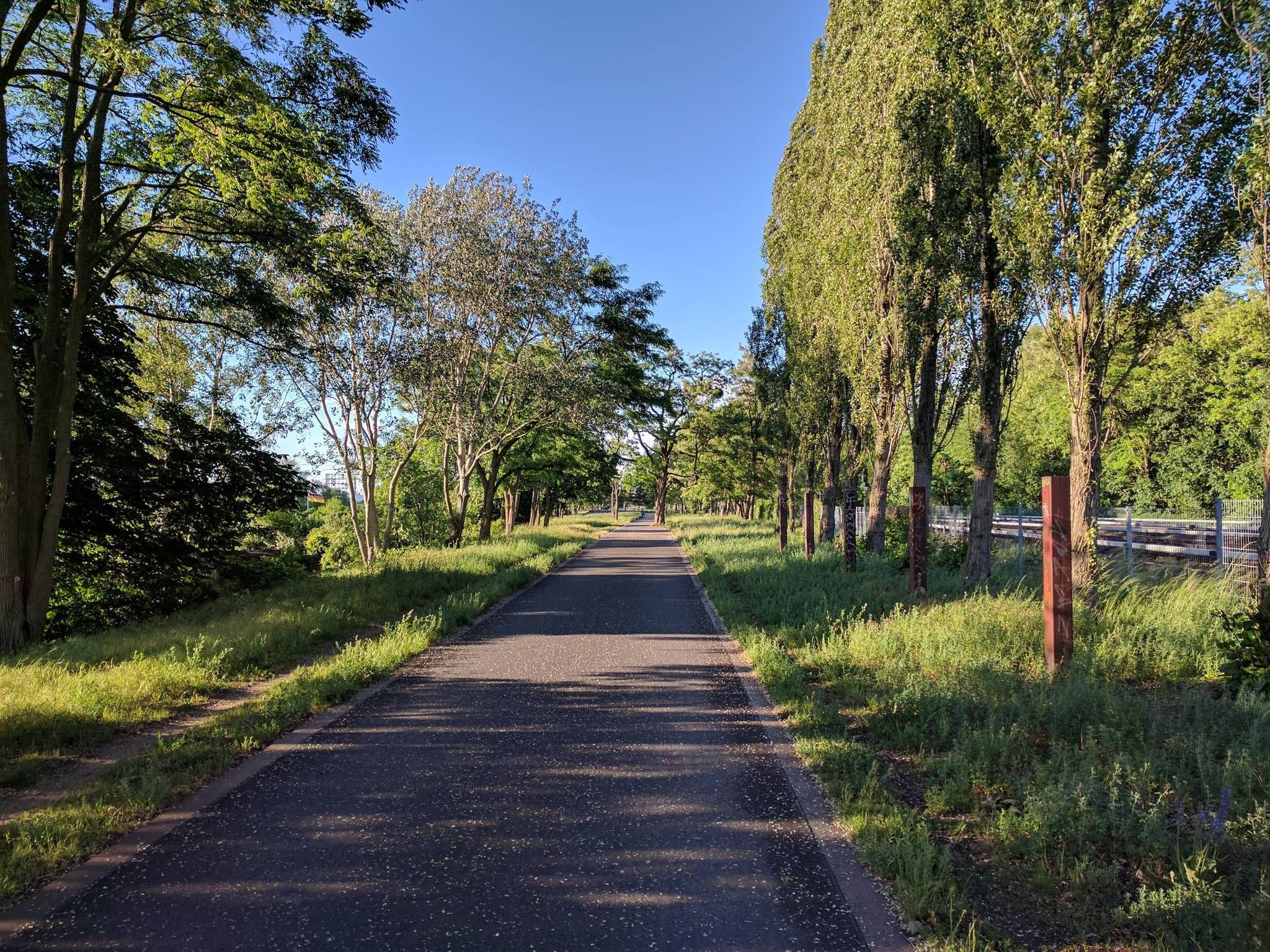
The Berlin Leipzig cycle path – Through the East in five stages
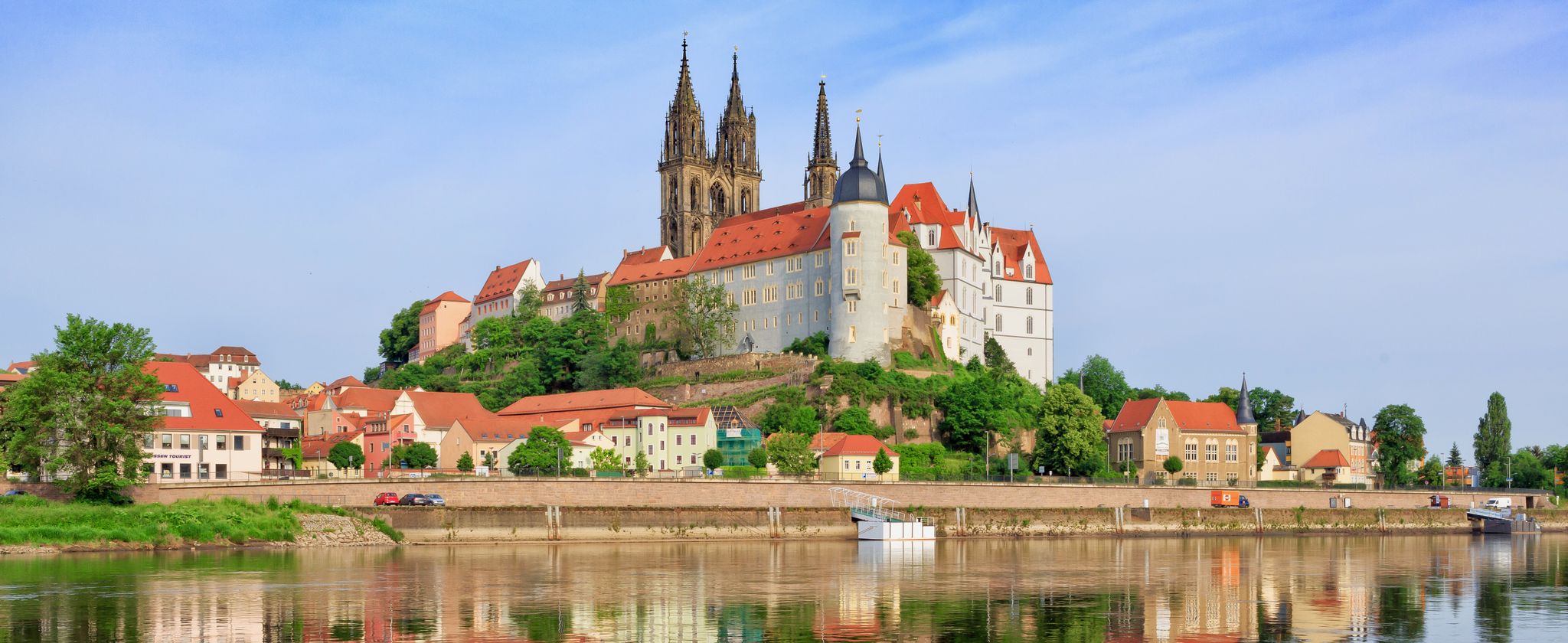
The Elbe Cycle Path — cross-border cycling pleasure
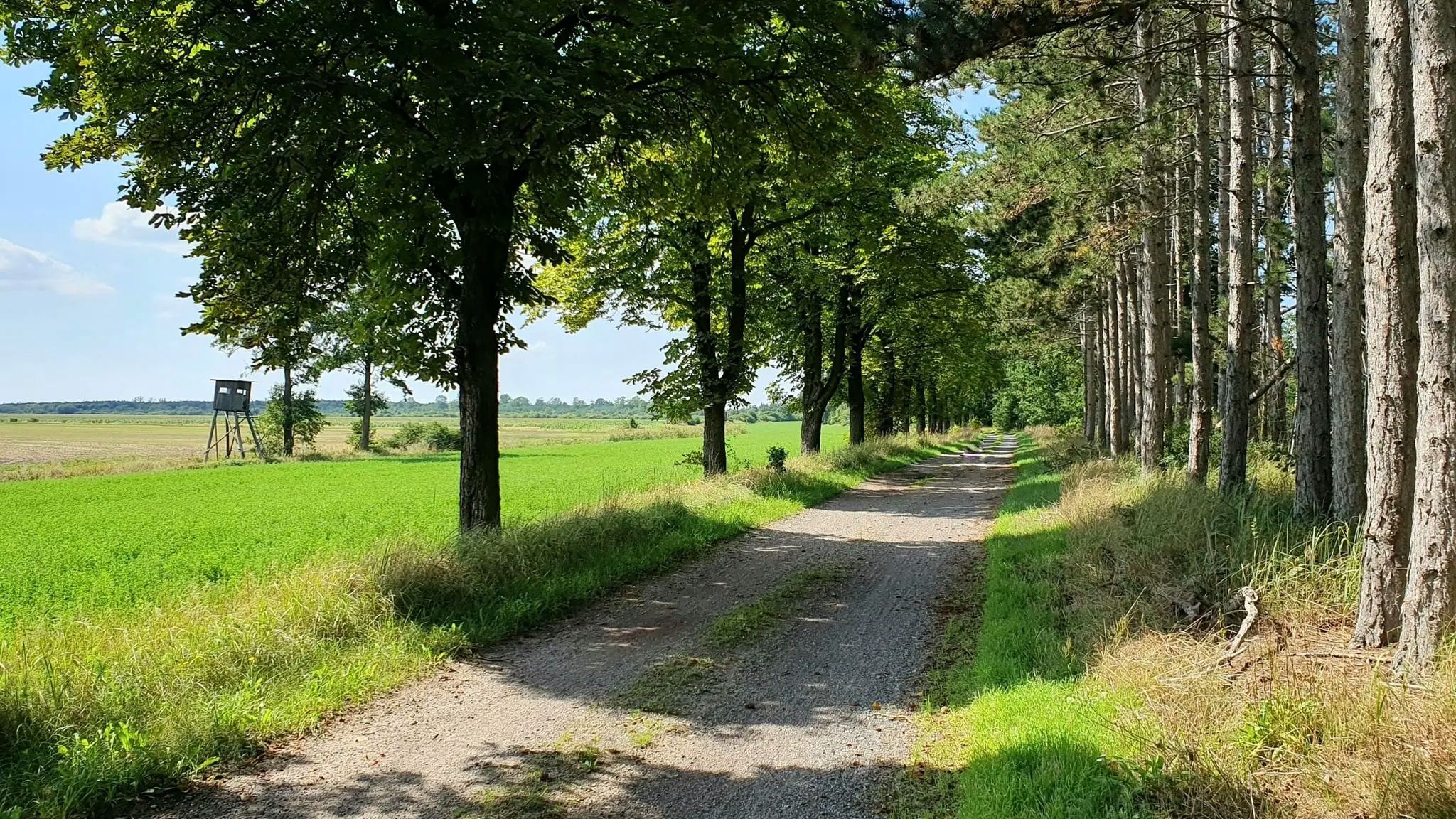
Hike through heath landscapes near Leipzig – Forester's Trail
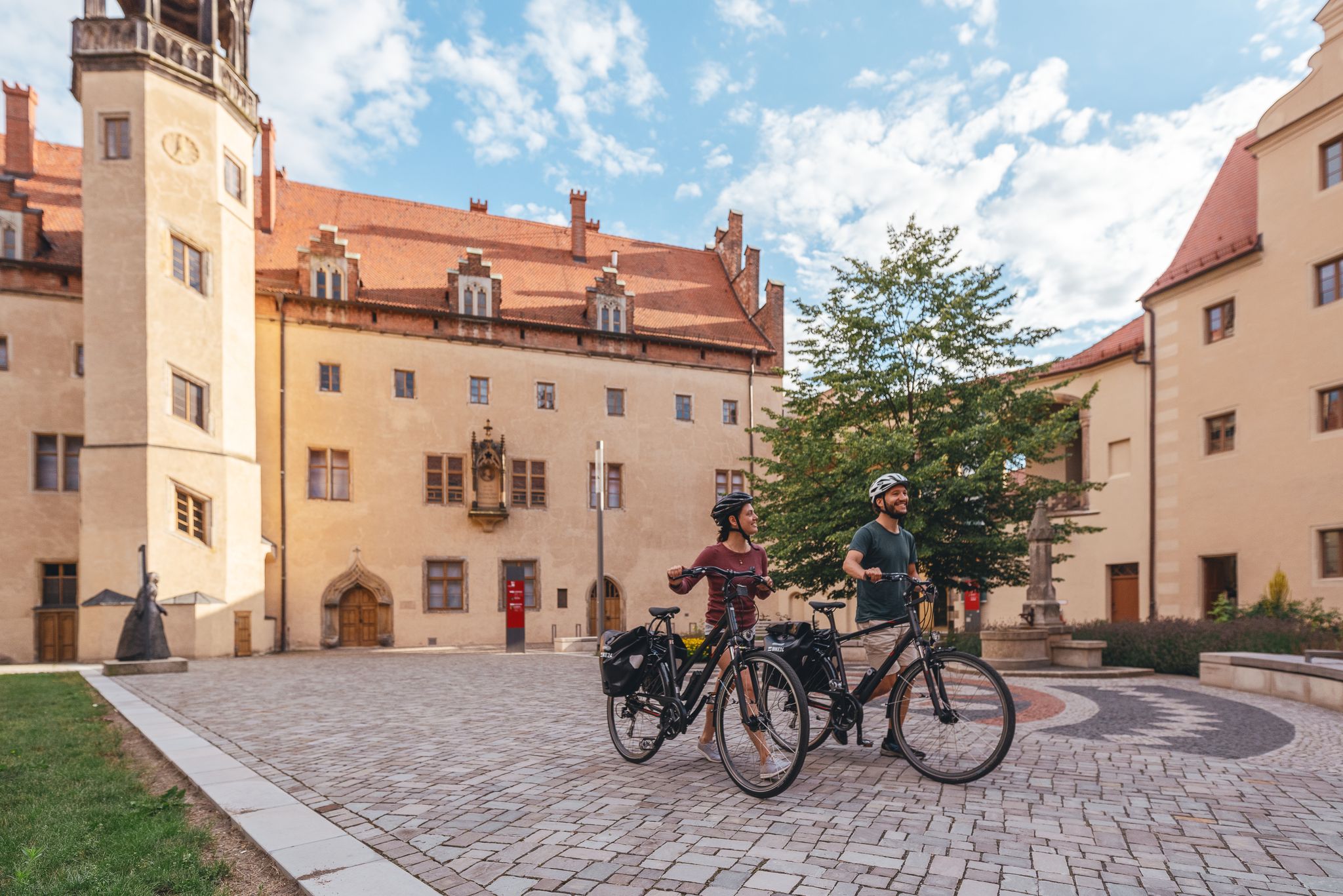
Radweg Berlin-Leipzig
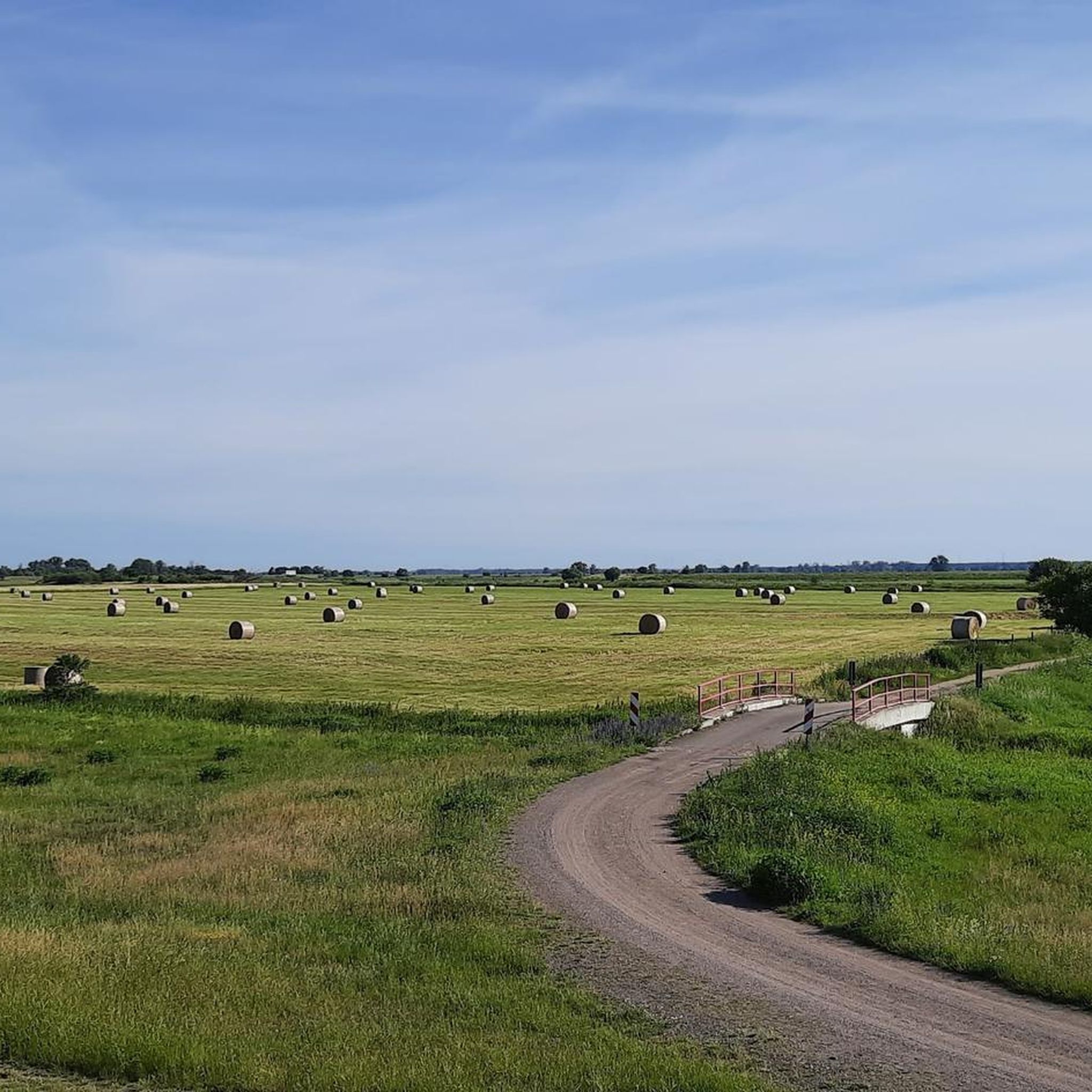
Hiking around Bad Schmiedeberg
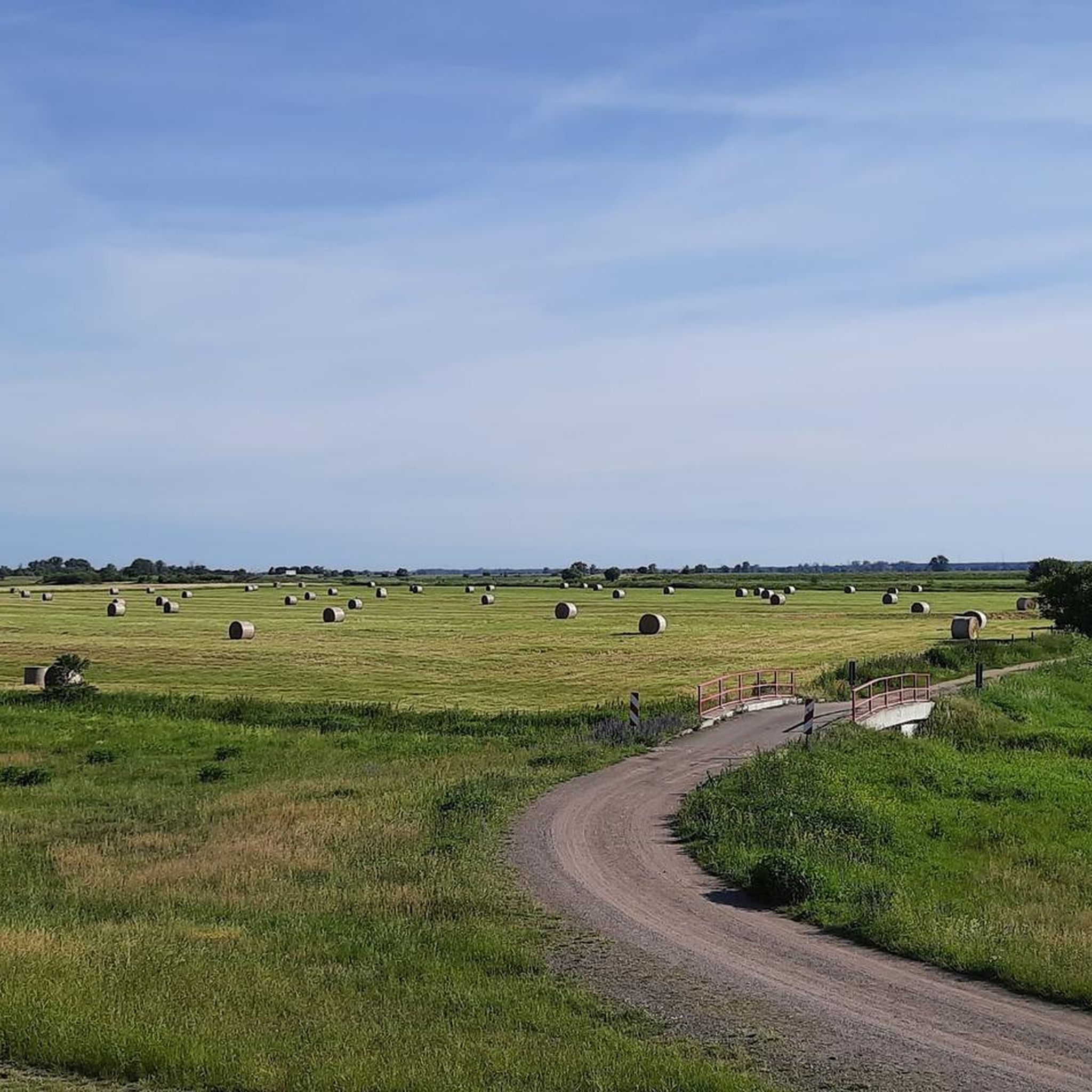
Cycling around Bad Schmiedeberg
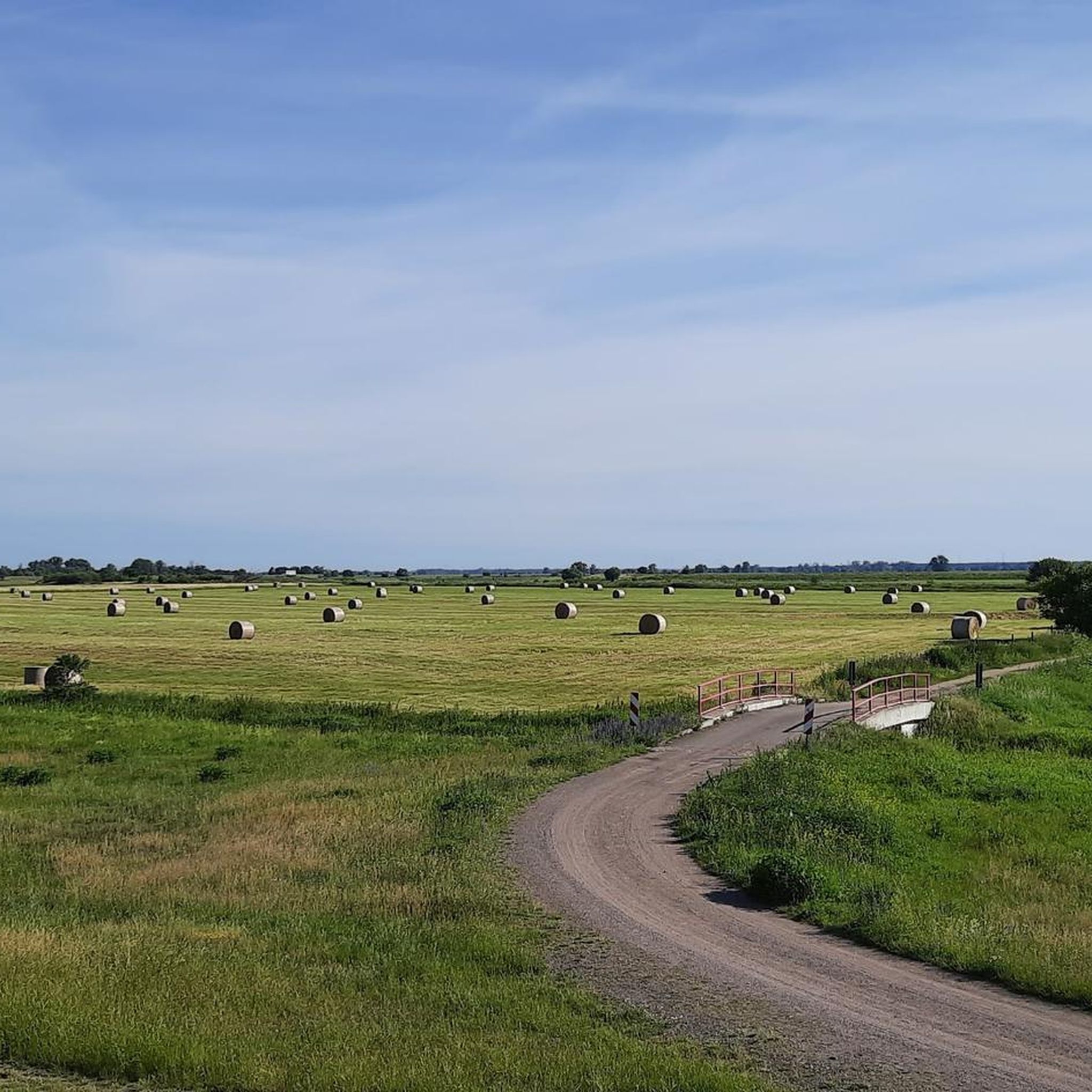
Road Cycling Routes around Bad Schmiedeberg
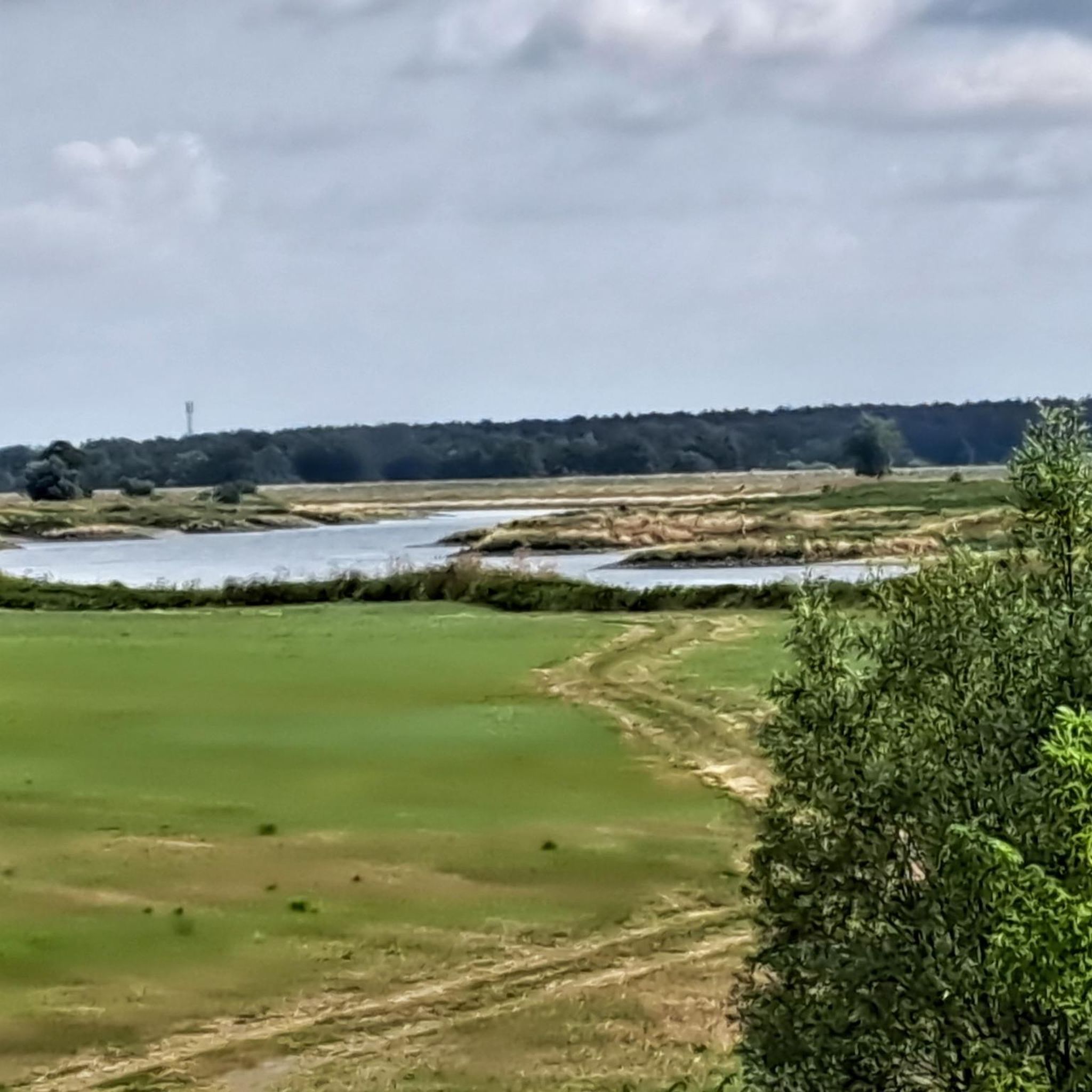
Running Trails around Bad Schmiedeberg
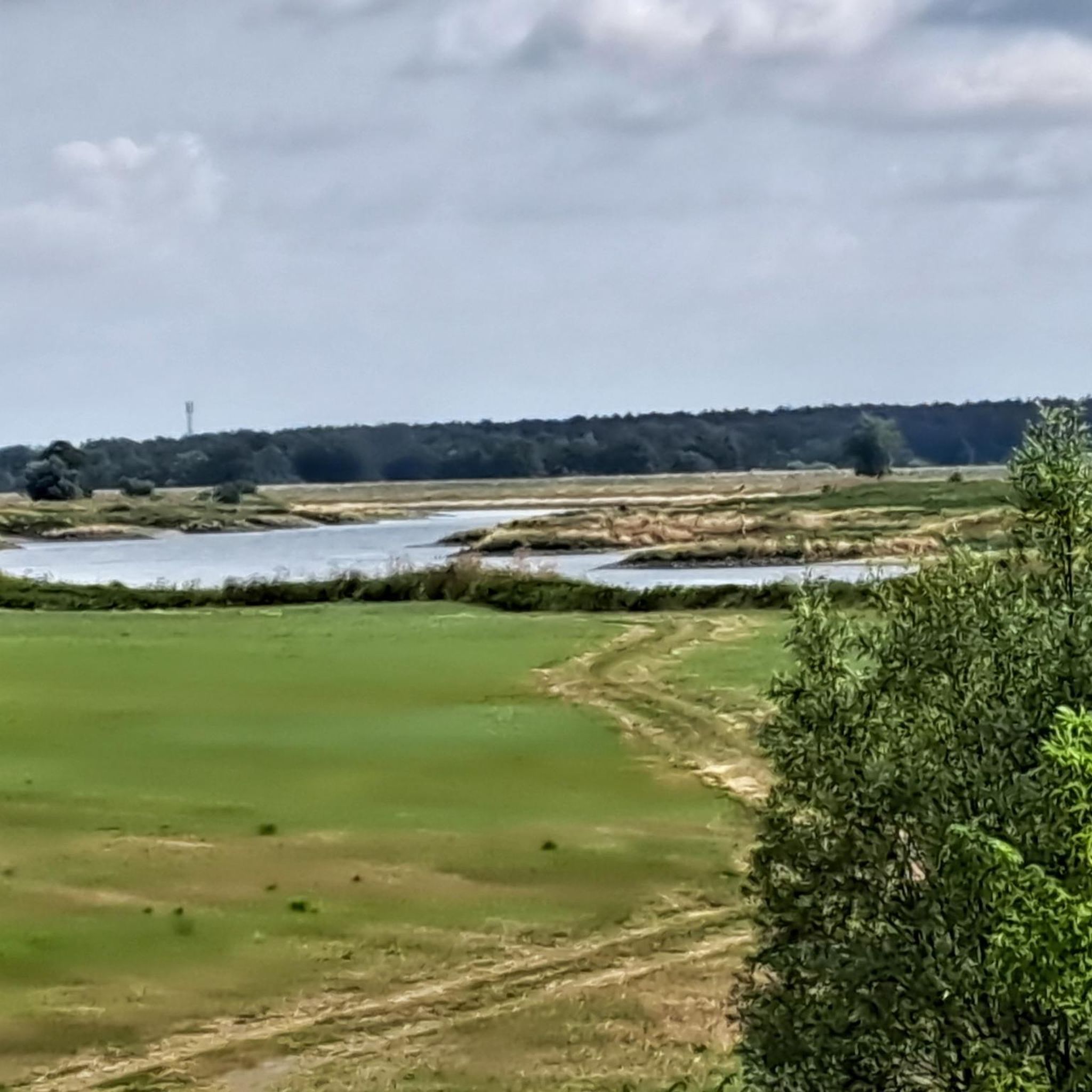
MTB Trails around Bad Schmiedeberg
Gravel biking around Bad Schmiedeberg
Other adventures around Bad Schmiedeberg


Tips from the Community

More information about the history can be found at https://de.wikipedia.org/wiki/Schloss_Schnaditz
4
0
First mentions (1115–1237) Wiprecht von Groitzsch (1115) There is no evidence of a legendary mention from the year 1115, in which Count Wiprecht von Groitzsch is said to have attempted to conquer the moated castle Castrum Sneuditz.[1] Source https://de.wikipedia.org/wiki/Schloss_Schnaditz
5
0
Schloss Schnaditz is located in the Schnaditz district of the town of Bad Düben. The castle has a 29-meter-high defensive tower. Source https://de.wikipedia.org/wiki/Schloss_Schnaditz
6
0

Construction work was also taking place at this castle
0
0
Reinharz Moated Castle, nestled in forests, resembles a legendary fairytale castle. The castle park and surrounding water features, with their rare trees, invite you to linger. Heinrich von Löser, Electoral Marshal of Saxony, had this impressive moated castle built between 1690 and 1701, featuring a baroque park, a castle pond, and a brewery pond, to provide appropriate accommodation for the nobility during their hunts in the Düben Heath. Source: https://www.anhalt-dessau-wittenberg.de/staedte-sehenswuerdigkeiten-landschaften/wasserschloss-reinharz
3
0

The three-winged castle complex was built between the 14th and 19th centuries. It was formerly the seat of the von Zaschnitz family, who were immortalized in literature by Heinrich von Kleist in the novella "Michael Kohlhaas". Quelle:https://www.bad-dueben.de/tourismus-freizeit/stadt-entdecken/besondere-orte/das-wasserschloss-schnaditz/
2
0

Nice private property, the park is accessible.
0
0
Frequently Asked Questions
Are there family-friendly castles to visit around Bad Schmiedeberg?
Yes, several castles in the area are suitable for families. Klöden Castle offers a museum, including a unique "Hexenkeller" (witch's cellar), and a restaurant. Reinharz Moated Castle features extensive grounds with a formally designed garden and a fascinating history as an 18th-century observatory. Pretzsch Castle also has an associated castle park, offering space for children to explore.
What outdoor activities can I do near the castles?
The region around Bad Schmiedeberg offers various outdoor activities, especially hiking and road cycling. You can find numerous routes, such as the "Heideteich – Reinharz Castle loop" for hiking, which passes by Reinharz Moated Castle. For more options, explore the hiking routes around Bad Schmiedeberg or the road cycling routes in the area.
Are there any castles with museums or special exhibits?
Yes, Klöden Castle hosts a museum, which includes a "Hexenkeller" (witch's cellar) that delves into the castle's history. While not a museum, Reinharz Moated Castle has a rich history, with its 68-meter-high tower once serving as an observatory, and some of its scientific instruments are now displayed in the Dresden Zwinger.
What is the best time of year to visit the castles around Bad Schmiedeberg?
The castles and their surrounding parks are enjoyable throughout the year. Spring and summer offer lush greenery and pleasant weather for exploring the grounds and nearby hiking trails. Autumn provides beautiful foliage, while winter can offer a serene, picturesque experience, especially for walks around the castles like Reinharz Moated Castle.
Can I find cafes or restaurants near the castles?
Yes, Klöden Castle has a recommended restaurant and a small beer garden in its courtyard. Near Pretzsch Castle, especially in summer, cyclists can find a cozy café with outdoor seating. Reinharz Moated Castle also has the Graf Löser Café on its grounds.
Are there any castles that are privately owned but still accessible?
Wasserschloss Hemsendorf, built at the end of the 17th century, has been privately owned and restored since 2003. While specific access details vary, many privately owned castles in the region maintain accessible grounds or offer specific visiting hours. Reinharz Moated Castle, also privately owned, operates as a resort with accessible grounds and a café.
Which castles are known for their historical significance or unique architecture?
Reinharz Moated Castle is a Baroque masterpiece, notable for its 68-meter-high tower that once served as an observatory. Pretzsch Castle is a significant Renaissance castle, later expanded in the Dresden Baroque style. Klöden Castle also features Renaissance elements, having been built from an existing castle in the mid-16th century.
Are there any castles with notable gardens or parks?
Reinharz Moated Castle boasts a formally designed Baroque garden, which was later landscaped into a park with rare individual trees. Pretzsch Castle is associated with the "Domänenpark Pretzsch," which was originally laid out as a Baroque pleasure garden and later converted into a landscape park.
Can I visit castles that are still in a damaged or unrestored condition?
Schnaditz Castle is an example where the castle itself is in a damaged condition and cannot be visited internally. However, its grounds are accessible, and some preserved farm buildings are in good condition. This offers a different perspective on the region's historical sites.
What are some easy walking trails near the castles?
For easy walks, consider routes like the "Heide Biber Tour Trail – Heideteich loop from Reinharz," which is 7.4 km long and passes near Reinharz Moated Castle. You can find more easy hiking options in the easy hikes guide for Bad Schmiedeberg, perfect for a relaxed exploration of the castle surroundings.
Are there any castles that offer viewpoints or scenic vistas?
Reinharz Moated Castle, with its prominent 68-meter-high tower, offers a striking visual landmark that can be seen from afar, and its grounds provide scenic views of the surrounding area, including the castle pond.
How long should I plan for a visit to a castle around Bad Schmiedeberg?
The duration of a visit depends on the castle and your interest. For castles like Klöden Castle with a museum and restaurant, you might spend 2-3 hours. Exploring the grounds and gardens of Reinharz Moated Castle or Pretzsch Castle could take 1-2 hours. If combining with nearby hiking, plan for a half-day or full-day excursion.
Most popular routes around Bad Schmiedeberg
Most popular attractions around Bad Schmiedeberg

Get inspired with the komoot mobile app


Explore more
Looking for the best castles somewhere else? Discover other guides around Bad Schmiedeberg:
