Attractions and Places To See in Προφήτης Ηλίας - Κυνόρτιο Όρος Δήμου Ασκληπιείου - Top 7
Best attractions and places to see in Προφήτης Ηλίας - Κυνόρτιο Όρος Δήμου Ασκληπιείου include a range of historical sites and natural features within the Municipality of Asklipieio, Argolis. This area is recognized for its extensive opportunities for hiking and connecting with nature, with the highest point, Profitis Ilias, reaching an elevation of 683 meters. The region's cultural significance is highlighted by its close proximity to the Ancient Theatre of Epidaurus and the Sanctuary of Asclepius. These landmarks near Lygourio…
Last updated: June 22, 2026
Ancient Theatre of Epidaurus
Highlight • Historical Site
Translated by Google •
Tip by

Temple of Asclepius
Highlight • Historical Site
Tip by

Sign up now to discover places like this
Get recommendations on the best single tracks, peaks, & plenty of other exciting outdoor places.
Sign up for free
Propylaia — Ancient Gateway to the Sanctuary of Asclepius
Highlight • Historical Site
Tip by
Dining Hall of the Sanctuary of Asklepios
Highlight • Historical Site
Tip by
Archaeological Museum of the Excavations at Epidaurus
Highlight • Historical Site
Tip by
Sign up for free to discover even more attractions in Προφήτης Ηλίας - Κυνόρτιο Όρος Δήμου Ασκληπιείου.
Sign up for free
Already have an account?
Start today with a free account
Your next adventure awaits.
Login or Signup
Popular around Προφήτης Ηλίας - Κυνόρτιο Όρος Δήμου Ασκληπιείου
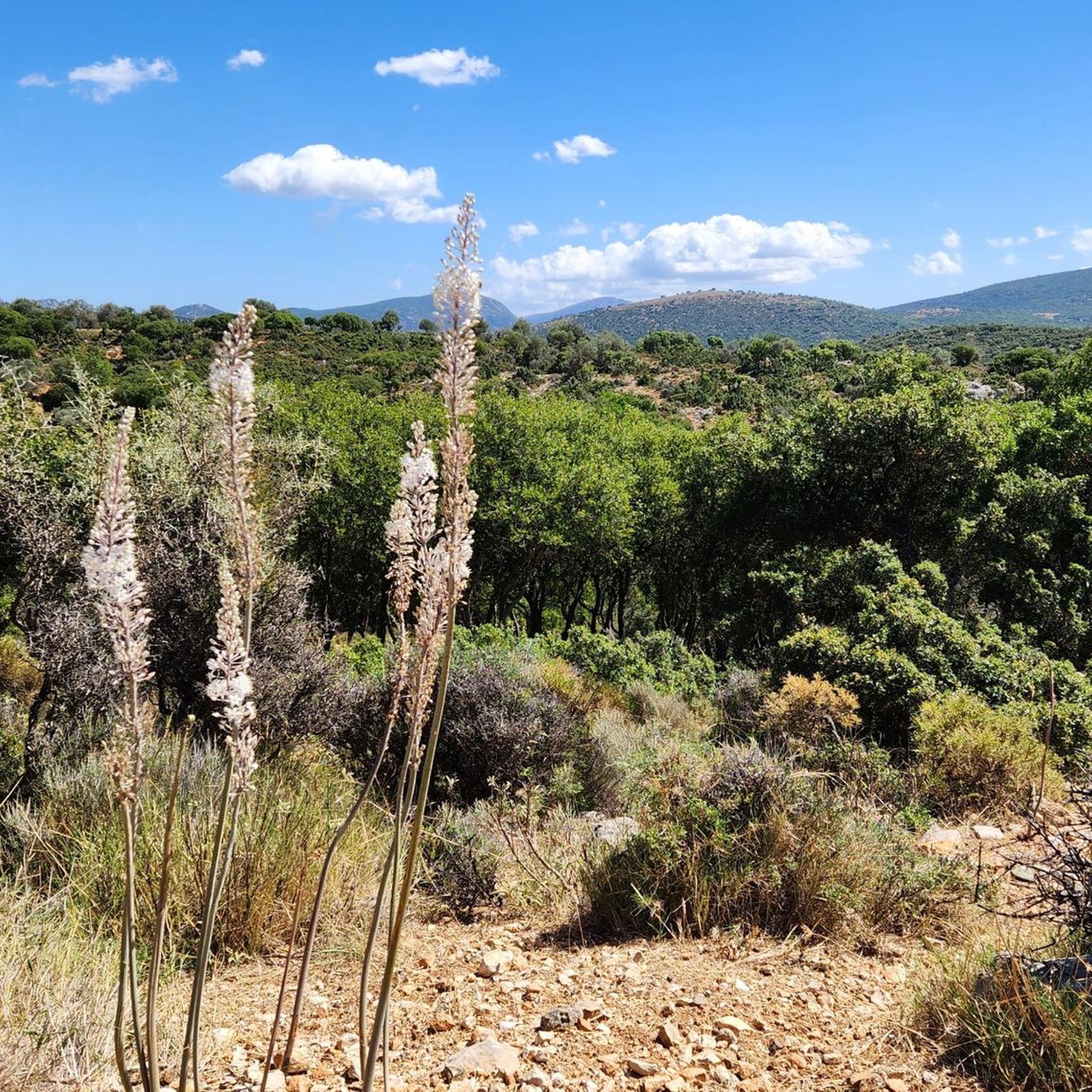
Cycling in Προφήτης Ηλίας - Κυνόρτιο Όρος Δήμου Ασκληπιείου
Road Cycling Routes in Προφήτης Ηλίας - Κυνόρτιο Όρος Δήμου Ασκληπιείου
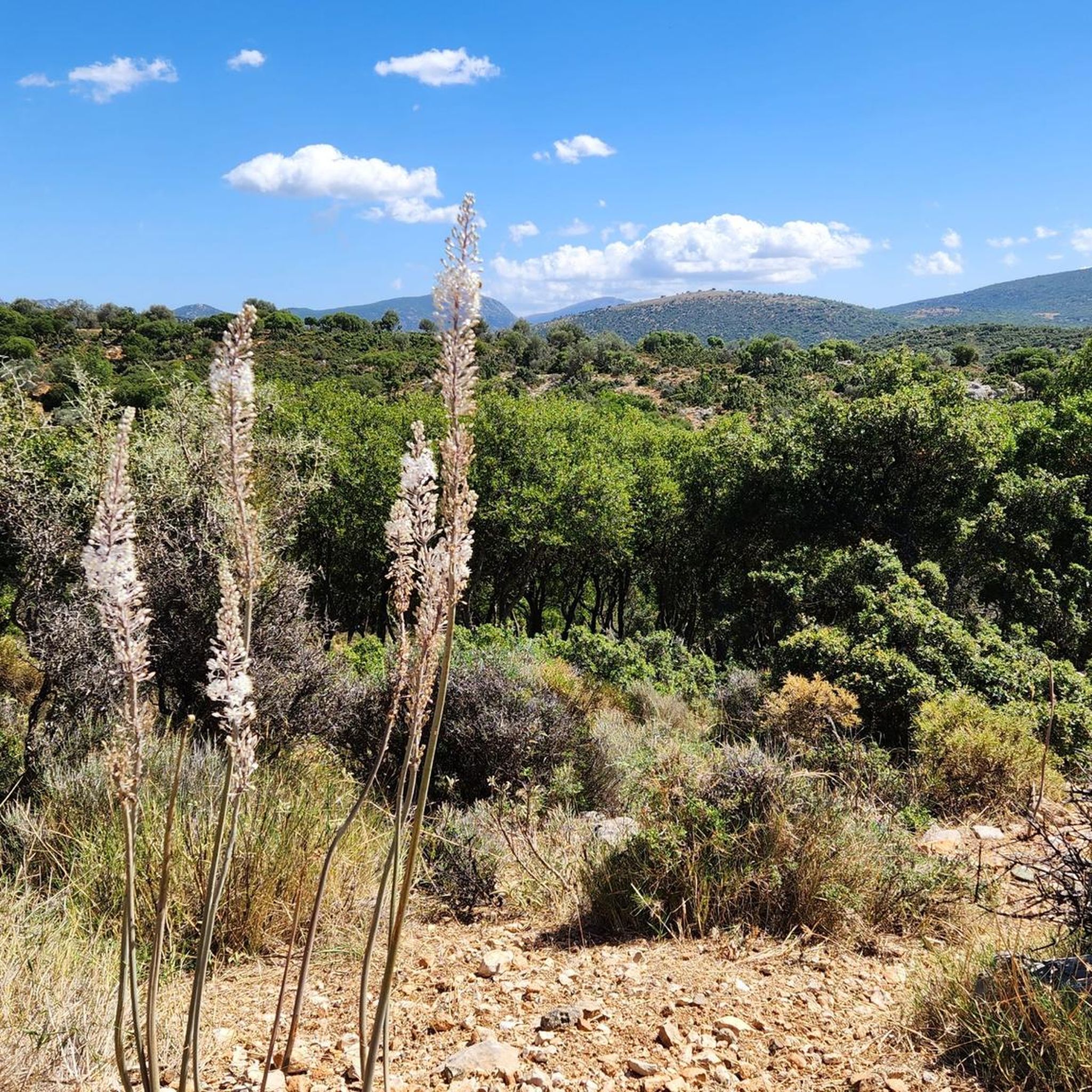
Hiking in Προφήτης Ηλίας - Κυνόρτιο Όρος Δήμου Ασκληπιείου
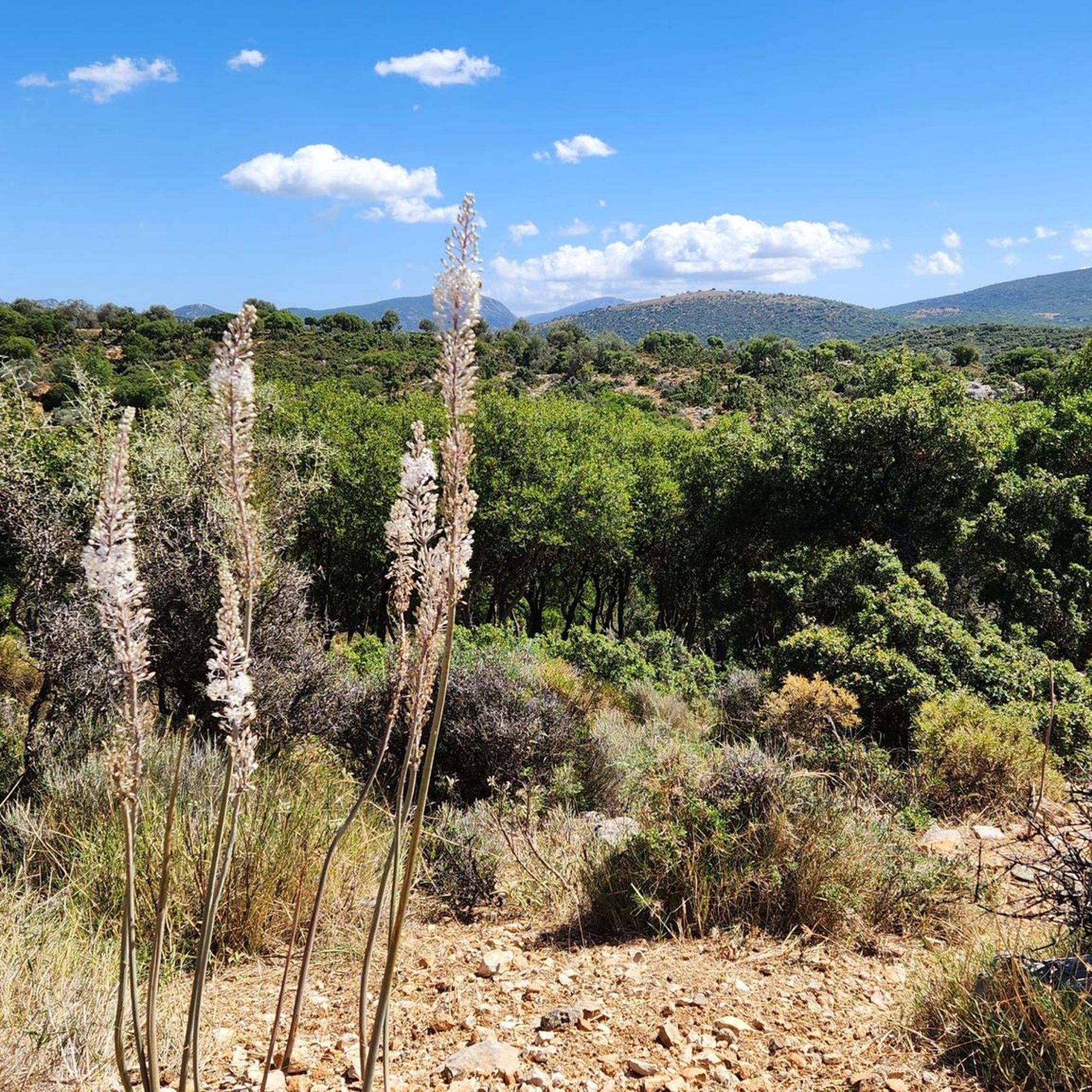
MTB Trails in Προφήτης Ηλίας - Κυνόρτιο Όρος Δήμου Ασκληπιείου
Running Trails in Προφήτης Ηλίας - Κυνόρτιο Όρος Δήμου Ασκληπιείου
Tips from the Community

The temple of the famous Asclepius stood here.
0
0

Exceptional site very well preserved with sound that you will not find elsewhere
0
0

In Epidauros itself there was first a place for the worship of Apollon, more precisely Apollon Maleatas. Since the 5th century BC BC, however, Asklepios joined his mythological father of the gods, Apollo. Although Apollo continued to be worshiped in his own temple, the healing god Asklepios increasingly lured pilgrims and those seeking healing to Epidaurus, where a specially designed pilgrimage path was uncovered. According to a Greek myth, Asklepios was born here. However, there were other sites that claimed this fame, often with older claims, such as Trikka in Thessaly. The rise of the Asklepios cult is probably mainly related to the plague epidemic in Athens and the founding of the local Asklepios sanctuary at the foot of the Acropolis. Since the Epidaurians knew how to praise their place as the birthplace of the god, this developed in the 5th, but at the latest in the 4th century BC. to the most important sanctuary of this god and became very rich. This can be seen above all in the brisk building activity taking place at this time. Due to the increased importance, Epidaurian daughter shrines arose in numerous places in the ancient world, for example in Athens, in Pergamon or in Rome.
1
0
The first traces of human settlement in the area of Epidaurus have been dated to the 3rd millennium BC. Proven on a hill about 2 km away from the later cult area, part of Mount Kynortion. In the 7th century B.C. The first place of worship arose here, the remains of which could be discovered on the basis of an ash altar (= piled up ash remains of the offerings). The god Apollon Maleatas was worshiped here, for whom a small, simple temple was built, which was later expanded to include a stoa. In Roman times, this complex was supplemented by a cistern, a well and a building with a courtyard. It is surprising that this site was in use until the 5th century AD, although the worship of Maleatas had already been adopted around a millennium earlier in the plain of nearby Epidauros by identifying Asklepios with this god.
1
3
In 1905-1907 a small museum was set up on the sanctuary site, in which statuettes, small ceramic and marble cult figures, some statues of worshiped gods, a model of tholos and other objects found during the excavations are on display were found.
1
0
The largest and best preserved structure of Epidaurus is the great theater built into a hillside overlooking the Argolis mountains. It dates from the 4th century BC. (~ 330 BC), i.e. from the late classical period and, according to Pausanias, is said to be the work of a Polycletus. Especially the large, semi-circular spectator stand (koilon), which was rebuilt around 170/160 BC. Chr. offers space for up to 14,000 people, also impresses today's visitors. The round orchestra, the venue for the choir in classical ancient drama, was closed off at the back by a mighty stage house (skene), of which only the foundations have survived today. The skene once served as a changing room, for storing important theater props and - after a change in performance practice at the beginning of the 3rd century B.C. BC – also as a performance and performance location for the actors. The stage wall was either painted with pictures or hung with panels, which made it possible to create theatrical scenery for the respective play.
2
0

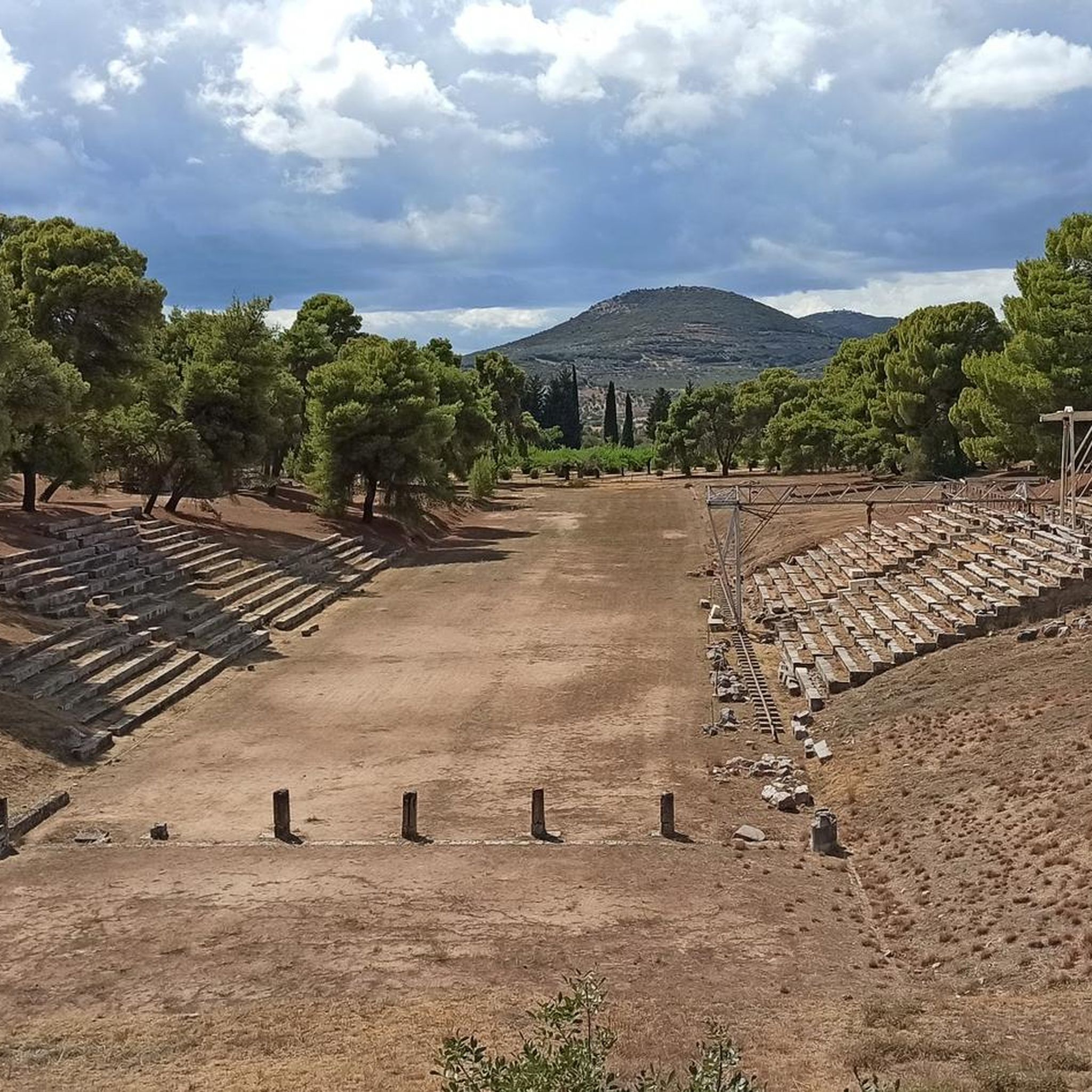
The main temple of the Asclepiean games (Asclepiea), which were conducted in Epidaurus in honor of the hero-doctor Asclepius, the son of Apollo, in the sanctuary dedicated to both father and son. The Asclepiea, already active since the beginning of the 5th century BC, took place every four years, nine days after the Isthmia and lasted from June to July. During the Roman years, the games were called Great Asclepiea in order to be distinguished from the Apolloneia, an annual celebration that took place during the same time. Naked races were performed during the games (stade, diaulos, hippios or four-stade race, hoplite race), jumping, discus-throwing, javelin, boxing, pankration and the equestrian contests, chariot races and finally music, singing and drama competitions. The first day began with a sacrifice to Asclepius and Apollo, which was followed by a banquet with the participation of the believers. The contests began the following day. Http://fhw.gr/olympics/ancient/en/otherg_asklip.html
4
0
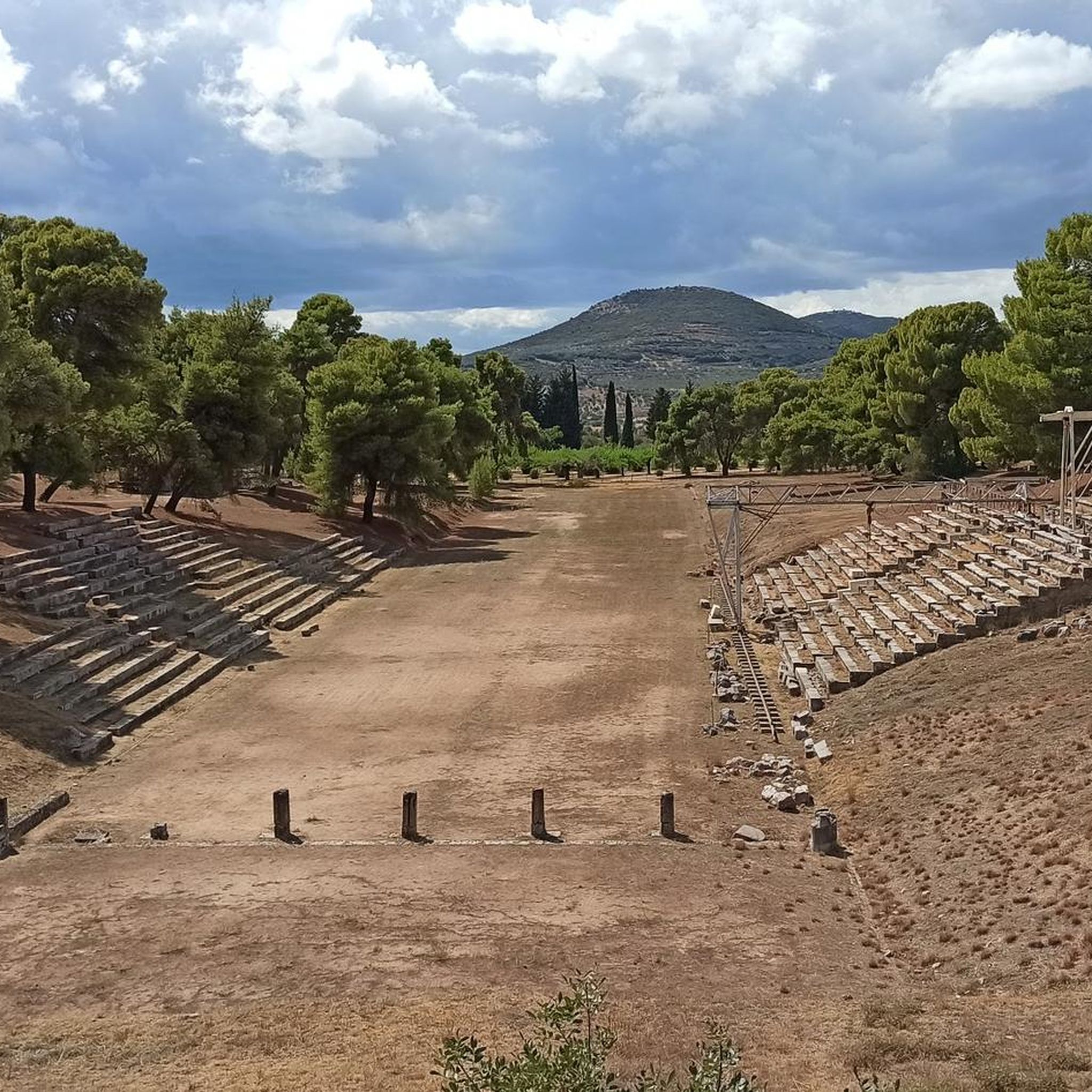
The ceremonial gymnasium of the ancient games
2
0
Frequently Asked Questions
What historical sites can I explore in Προφήτης Ηλίας - Κυνόρτιο Όρος Δήμου Ασκληπιείου?
The region is rich in historical significance, primarily centered around the ancient healing sanctuary. You can visit the renowned Ancient Theatre of Epidaurus, famous for its exceptional acoustics. Nearby, explore the ruins of the Temple of Asclepius, the main temple of the Asclepiean games, and the Propylaia — Ancient Gateway to the Sanctuary of Asclepius. The Dining Hall of the Sanctuary of Asklepios also offers insights into ancient life.
Are there hiking opportunities in Προφήτης Ηλίας - Κυνόρτιο Όρος Δήμου Ασκληπιείου?
Yes, the area is known as a natural park with extensive hiking opportunities. Mount Cynortion, with its highest point Profitis Ilias at 683 meters, offers various trails. You can find numerous routes, including easy hikes, that connect with the natural beauty of the region. For detailed routes, check out the Hiking in Προφήτης Ηλίας - Κυνόρτιο Όρος Δήμου Ασκληπιείου guide.
What natural features are prominent in the area?
The primary natural feature is Mount Cynortion (Κυνόρτιο Όρος), which forms a significant part of the landscape. The region is characterized by its natural park environment, offering scenic views and a connection to nature, particularly around the peak of Profitis Ilias.
Is the <a href="https://www.komoot.com/highlight/994459" target="_blank" rel="noopener">Ancient Theatre of Epidaurus</a> accessible for visitors?
The Ancient Theatre of Epidaurus is a well-preserved site, and while the ancient stone seating can be steep, visitors can generally access the lower tiers and the stage area. It's renowned for its exceptional acoustics, which can be experienced from almost any seat.
What can I see at the <a href="https://www.komoot.com/highlight/2860435" target="_blank" rel="noopener">Archaeological Museum of the Excavations at Epidaurus</a>?
The Archaeological Museum protects the main findings from the excavations at Epidaurus. It displays statuettes, ceramic figures, and statues, providing crucial context to the ancient sites you'll visit. It's a great place to understand the history and artifacts discovered in the sanctuary.
Are there family-friendly activities or attractions in the region?
Yes, the Archaeological Museum of the Excavations at Epidaurus is considered family-friendly, offering an educational experience for all ages. Additionally, the area features easy hiking trails suitable for family outings, allowing everyone to enjoy the natural park setting.
What cycling routes are available near these attractions?
There are several cycling routes in the vicinity, catering to different difficulty levels. For example, you can find an easy 8.6 km loop around the Ancient Theatre of Epidaurus starting from Lygourio, or more challenging routes like the 115 km loop from the Archaeological site of Sanctuary of Asclepius. Explore these and more in the Cycling in Προφήτης Ηλίας - Κυνόρτιο Όρος Δήμου Ασκληπιείου guide.
What is the significance of the <a href="https://www.komoot.com/highlight/2860448" target="_blank" rel="noopener">Temple of Asclepius</a>?
The Temple of Asclepius was the central point of the Sanctuary of Asclepius, dedicated to the god of healing. It was a celebrated healing center in the classical world, where the Asclepiean games were held every four years. Its historical importance lies in its role as a major medical and religious center in ancient Greece.
What do visitors particularly enjoy about the <a href="https://www.komoot.com/highlight/994459" target="_blank" rel="noopener">Ancient Theatre of Epidaurus</a>?
Visitors are consistently amazed by the theatre's exceptional acoustics, where even a whisper on stage can be heard in the top rows. Many also appreciate its well-preserved state and the historical atmosphere it provides, making it a truly immersive experience.
Are there easy hiking trails suitable for short excursions?
Yes, the region offers easy hiking trails perfect for shorter excursions. For instance, there's an easy 3 km loop around the Ancient Theatre of Epidaurus starting from the Archaeological site of Sanctuary of Asclepius. You can find more options in the Easy hikes in Προφήτης Ηλίας - Κυνόρτιο Όρος Δήμου Ασκληπιείου guide.
What is the highest point in the Προφήτης Ηλίας - Κυνόρτιο Όρος Δήμου Ασκληπιείου region?
The highest point in this area is also named Profitis Ilias, reaching an elevation of 683 meters. It offers panoramic views and is a popular destination for hikers seeking to experience the natural beauty of Mount Cynortion.
Most popular routes in Προφήτης Ηλίας - Κυνόρτιο Όρος Δήμου Ασκληπιείου

Get inspired with the komoot mobile app


