Top 14 Castles around Löwenberger Land
Best castles around Löwenberger Land are situated in a region of Brandenburg, Germany, characterized by its historical estates and palaces. This area offers a blend of architectural interest and rich history, set within picturesque surroundings. Visitors can explore well-preserved palaces, historical ruins, and significant cultural landmarks. The landscape provides diverse opportunities for discovering centuries of regional heritage.
Best castles around Löwenberger Land
- The most popular castles is Lindow Monastery Ruins, a historical site that was founded as a Cistercian…
Last updated: August 16, 2026
Meseberg Palace
Highlight • Castle
Translated by Google •
Tip by

Lindow Monastery Ruins
Highlight • Historical Site
Translated by Google •
Tip by
Sign up now to discover places like this
Get recommendations on the best single tracks, peaks, & plenty of other exciting outdoor places.
Sign up for free
Liebenberg Castle and Estate
Highlight • Castle
Translated by Google •
Tip by

Liebenberg Castle
Highlight • Castle
Translated by Google •
Tip by

Forsthaus at Sommerswalde Castle
Highlight • Restaurant
An oasis of silence and peace, surrounded by extensive forest.
A great and warm community, here you can …
Translated by Google •
Tip by

Sign up for free to discover even more castles around Löwenberger Land.
Sign up for free
Already have an account?
Start today with a free account
Your next adventure awaits.
Login or Signup
Popular around Löwenberger Land
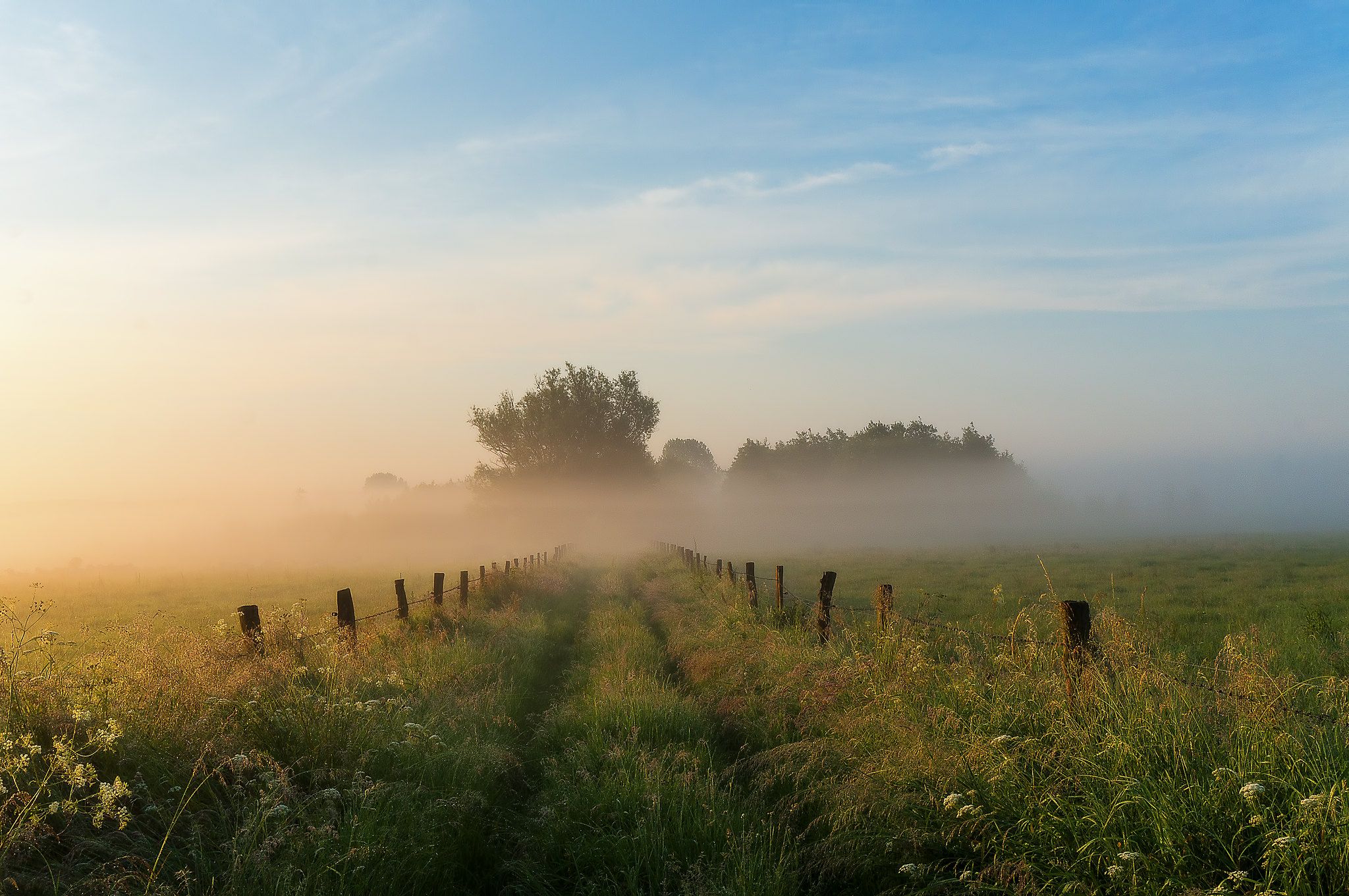
Hike Theodor Fontane’s beloved Brandenburg – S-Bahn Berlin
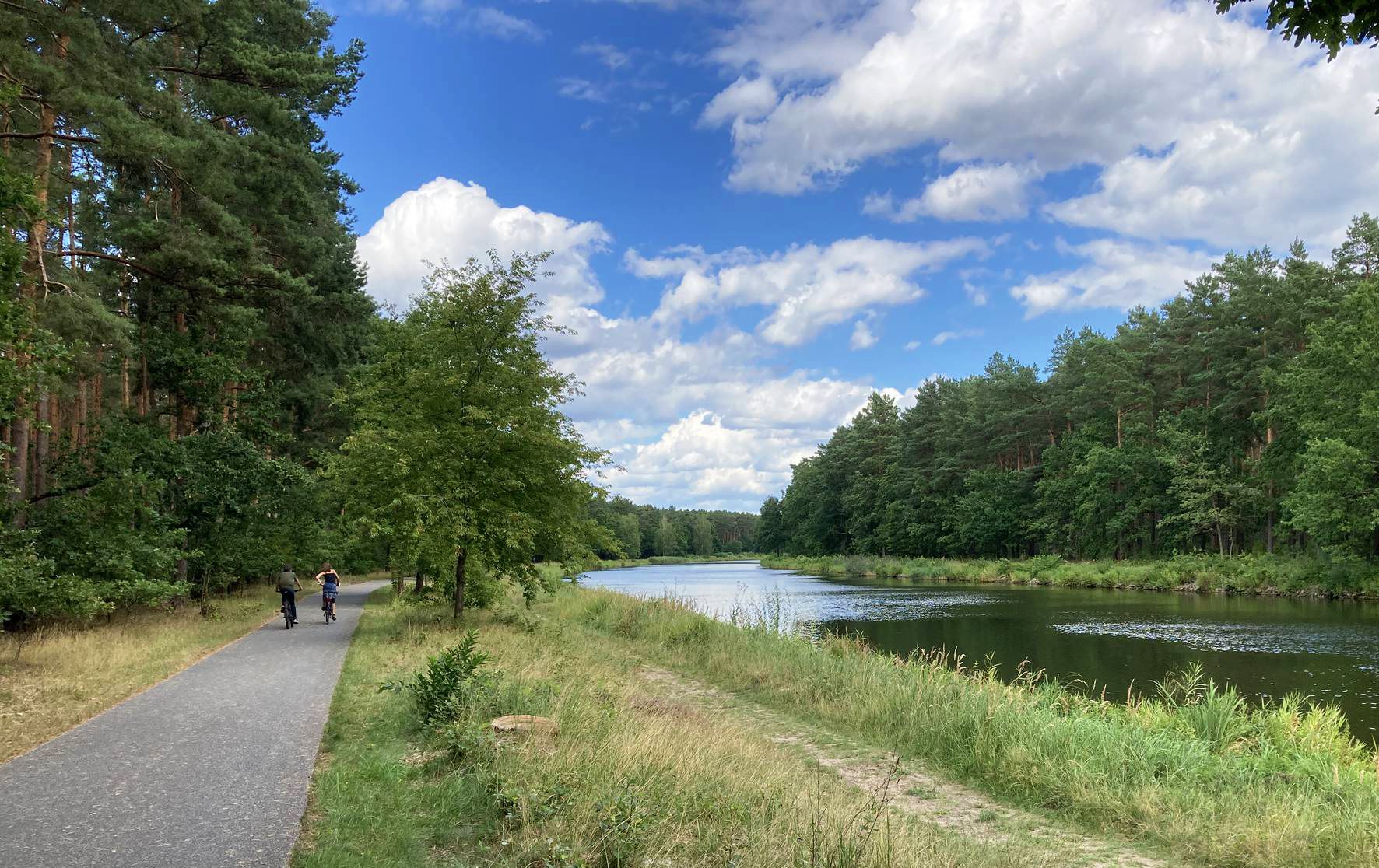
Picturesque canal paths – Oder-Havel Cycle Route
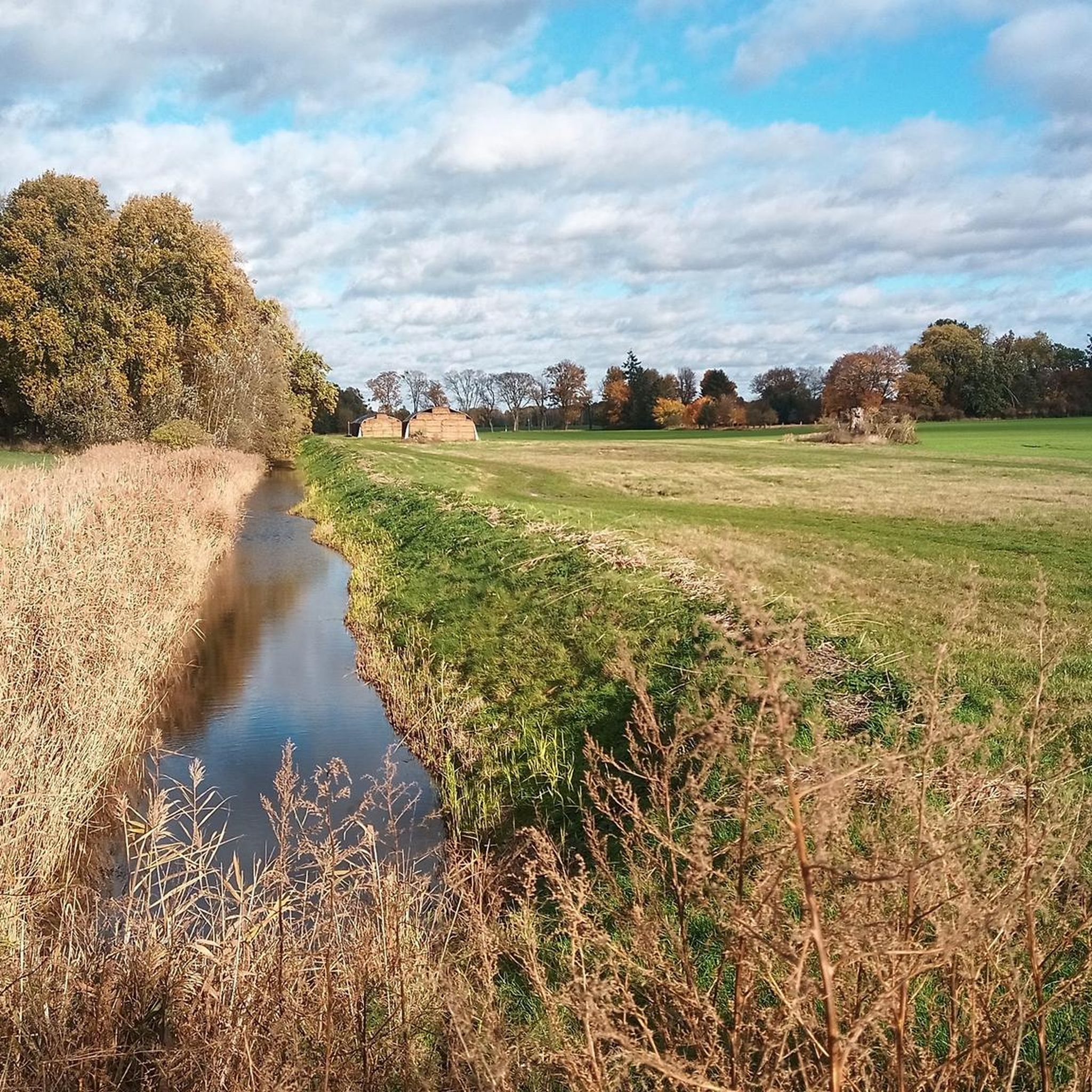
Cycling around Löwenberger Land
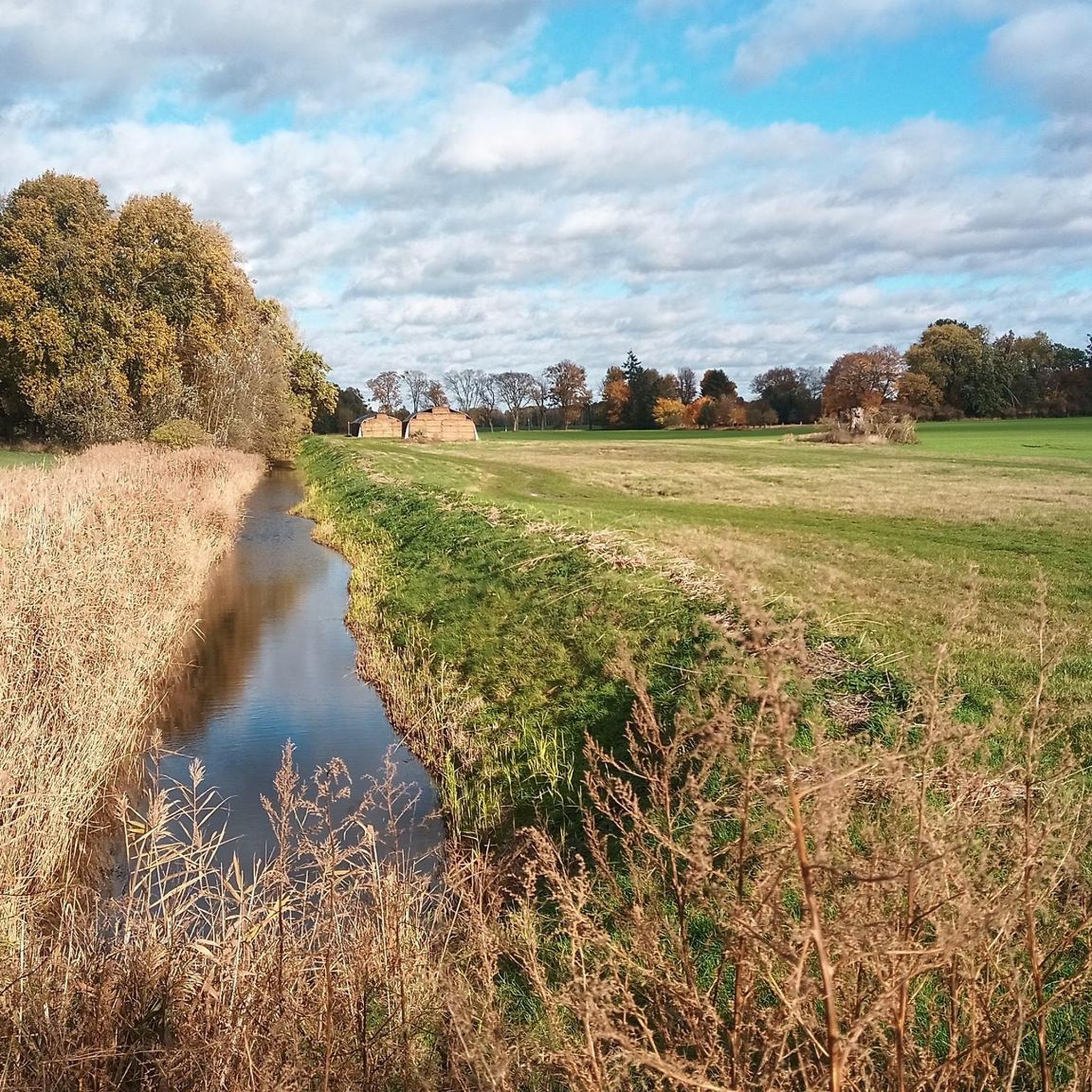
Hiking around Löwenberger Land
Road Cycling Routes around Löwenberger Land
Running Trails around Löwenberger Land
MTB Trails around Löwenberger Land

Gravel biking around Löwenberger Land


Tips from the Community

The neo-baroque garden element was built by Count Philipp Conrad zu Eulenburg (1820 –1889) in the course of the palace renovations in 1876/77 in the central axis of the palace park. During this time, the entire park received decorative elements with terraces, fountains, sculptures and elaborate plantings in accordance with the taste of the time. More information at: https://www.dkb-stiftung.de/projekt/historischer-spaziergang/
1
0
The origins of the castle building in Liebenberg probably date back more than 500 years. In 1460, the diocese of Brandenburg sold the small town of Löwenberg, including Liebenberg, to the prominent von Bredow family from Brandenburg. After the end of the Thirty Years' War, the Prussian chief hunter Jobst Gerhard von und zu Hertefeld (1594-1659), who came from Kleve, bought the Liebenberg property with two houses in 1652. The Hertefelds settled Lower Rhine and Dutch families who were skilled at building dikes and canals and reclaiming the swampy landscape. Ludwig Casimir built the first one-story manor house between 1743 and 1747. After the end of the Napoleonic Wars in 1815, Karl Adolf Freiherr von und zu Hertefeld (1794-1867) led the property to new prosperity. He built a larger manor house on the site of the first building in 1833/1834, which became the starting point of the castle. He remained childless and bequeathed the Liebenberg properties to his great-niece, who was married to the East Prussian Count Philipp Conrad zu Eulenburg (1820-1889). Around 1875, he expanded the manor house to include a hall wing with a stair tower and a terrace facing the park. This expansion gave the building complex a castle feel for the first time. His son Philipp, Prince of Eulenburg from 1900, and Hertefeld (1847-1921), close friend and advisor of Kaiser Wilhelm II, added numerous representative buildings in a historicizing style to the palace complex. Among other things, a chapel was built as an extension of the hall wing and a courtyard branching off towards the church. With the relocation of the road that was once near the castle to its current course, a park-like and representative driveway with small hunters' houses was created, and the castle courtyard gate was built, on the pillars of which two lions were enthroned. The courtyard bar was probably destroyed by arson in 1945 and was only rebuilt in 2004 as an event and conference room. The T-shaped lock bar was spared from the fire, but was looted from 1945 onwards after the royal family fled and was expropriated. In 1946 Liebenberg became an SED school property. After 1989, the castle and estate were leased several times until it was acquired by the DKB STIFTUNG in 2005 for social commitment. It is based here and maintains Schloss & Gut Liebenberg in accordance with the principles of monument protection.
3
0

This is the area around Sommerswalde Castle and not a Lost Place, even if it makes the impression at first glance. The castle itself is the Tharpaland Kadampa Meditation Center: A center for meditation and modern Buddhism.
1
0

The monastery was probably founded around 1230 by the Counts of Arnstein, who also called themselves Counts of Lindow. In 1542 the Reformation was introduced and the monastery was converted into a Protestant convent for women. It was one of the richest monasteries in the Mark until 1638, when it was destroyed by imperial troops along with its valuable library and documents.
8
0
In his novel "Der Stechlin" Fontane described the monastery of Lindow and its historic cemetery as Kloster Wutz. “Lindow is as lovely as its name. It grows between three lakes and old linden trees take it under their shade,” is how Fontane expresses his feelings about the idyllic location that he has visited several times.
7
0

Nice café and a great castle garden
1
0

Liebenberg Castle is another highlight of the region and is located near the White Lake. The castle is a historic complex from the 14th century and has been repeatedly expanded and rebuilt over the centuries. Today the castle houses a hotel and offers its guests an unforgettable ambience. The castle is surrounded by an extensive park and offers a fantastic view of the White Lake. If you want to take a break from the hike, you can visit the castle and go on a journey through time. The castle museum shows numerous exhibits from bygone times and offers an insight into the history of the region.
3
0

We included the castle in one of our hikes. We walk through the park to the back of the estate with its functional buildings and the church. We are pleasantly surprised; everything has been largely restored and there are information boards describing the history everywhere. We discover the museum in the old Inspector House, the oldest surviving half-timbered building in the region, from 1698. We didn't find much about this in our preliminary research, but we are amazed at its scope. The story begins in 1267 with the first mention of Liebenberg. We were not prepared for the wealth of information. In another building we see the lapidarium, for which you can get a key. At least two hours must be planned for the park and museum.
0
0
Frequently Asked Questions
Where is Löwenberger Land located and what kind of historical sites can I find there?
Löwenberger Land is a region in Brandenburg, Germany, known for its historical estates and palaces. You'll find a blend of architectural interest, rich history, and picturesque surroundings. The area features well-preserved palaces, historical ruins, and significant cultural landmarks, offering diverse opportunities to discover centuries of regional heritage.
Are there family-friendly castles or historical sites in Löwenberger Land?
Yes, several sites are suitable for families. For instance, Lindow Monastery Ruins is listed as family-friendly and offers a historical experience by the Wutzsee. Liebenberg Castle and Estate also welcomes families, with its expansive park and museum.
What outdoor activities can I do near the castles in Löwenberger Land?
The region offers various outdoor activities, especially cycling. You can find numerous routes for touring bicycles, mountain biking, and gravel biking. For example, there are moderate cycling routes like the 'Liebenberg Castle and Estate – Oranienburg Castle Marina loop' or MTB trails such as the 'Lake House at Liebenberg Castle – Liebenberg Church loop'. You can explore more options in the Cycling around Löwenberger Land guide or the MTB Trails around Löwenberger Land guide.
Can I visit Schloss Meseberg, the guest house of the German Federal Government?
Public access to the interior of Meseberg Palace is generally limited due to its function as the official guest house of the German Federal Government. However, it typically opens its doors for an annual 'Open Castle Day'. You can still enjoy beautiful views of the palace and its Baroque garden from the village of Meseberg and the walking paths surrounding Lake Huwenow.
What is unique about Liebenberg Castle and Estate?
Liebenberg Castle and Estate is a striking three-story stone palace set within an expansive park. It has a rich history, including being a favored retreat for Emperor Wilhelm II. Today, it functions as both a museum, detailing its history and the Eulenburg and Hertefeld family, and an event venue. The estate also features a historic fieldstone church and a castle chapel, and its landscape park was influenced by Peter Joseph Lenné.
Are there any castles in the region with literary connections?
Yes, Hoppenrade Palace has a strong literary connection. Its story is vividly documented by the renowned author Theodor Fontane in his 'Wanderungen durch die Mark Brandenburg' (Walks through the March of Brandenburg), particularly highlighting Luise Charlotte Henriette von Kraut, a notable resident. Additionally, Fontane described Lindow Monastery Ruins in his novel 'Der Stechlin' as Kloster Wutz.
Are there cafes or restaurants near the castles?
Yes, some castles offer dining options. Liebenberg Castle and Estate has a charming courtyard café. The Forsthaus at Sommerswalde Castle includes a restaurant and café, offering freshly prepared dishes with regional products. Schloss Ziethen also operates as a modern hotel and restaurant.
What is the history of Hoppenrade Palace?
Hoppenrade Palace, originally built in 1724, was expanded around 1800. It underwent restoration between 1993 and 2000, preserving its simple plaster structure and architectural details. Its history dates back to 1269, passing through various noble families. The palace's former chapel houses an exquisite Baroque pulpit altar from 1724, and the estate is now the family seat of the von Hardenberg family.
Can I find parking facilities at the castles?
Yes, facilities like parking are often available at the larger estates. For example, Liebenberg Castle and Estate provides parking for visitors.
What are the Lindow Monastery Ruins and what can I see there?
Lindow Monastery Ruins are the remains of a Cistercian convent founded in the twelfth century. The monastery complex was destroyed in the Thirty Years' War, and some of the old buildings remain in ruins today. It's a historical site located directly on the Wutzsee, offering a glimpse into the region's past and a scenic setting.
Are there any castles that also function as hotels or event venues?
Yes, Liebenberg Castle and Estate is a popular place for conferences, wedding celebrations, and offers rooms for short breaks. Schloss Ziethen operates as a modern hotel and restaurant, while the Forsthaus at Sommerswalde Castle offers holiday apartments and is a venue for events.
Most popular routes around Löwenberger Land
Most popular attractions around Löwenberger Land

Get inspired with the komoot mobile app


Explore more
Looking for the best castles somewhere else? Discover other guides around Löwenberger Land:
