The best cycling routes in Area Naturale Protetta Di Interesse Locale Monte Castellare
4.4
(2131)
14,605
riders
299
rides
Touring cycling in Area Naturale Protetta Di Interesse Locale Monte Castellare offers routes across 240 hectares of hills on the northern slope of the Monti Pisani. The area features a landscape characterized by Mediterranean shrub and extensive olive groves. Its terrain is predominantly calcareous and rocky, providing varied conditions for cycling. Elevated points offer panoramic views.
Best touring cycling routes in Area Naturale Protetta Di Interesse Locale Monte Castellare
- The most popular touring cycling route is Leaning Tower of Pisa…
Last updated: November 1, 2026
4.5
(493)
2,005
riders
48.9km
02:58
110m
110m
Moderate bike ride. Good fitness required. Mostly paved surfaces.
4.8
(9)
152
riders
61.4km
03:37
270m
270m
Moderate bike ride. Good fitness required. Mostly paved surfaces.

4.8
(12)
232
riders
Hard bike ride. Very good fitness required. Mostly paved surfaces.
5.0
(2)
96
riders
53.9km
04:12
1,360m
1,360m
Hard bike ride. Very good fitness required. Mostly paved surfaces.
4.1
(8)
70
riders
Moderate bike ride. Good fitness required. Mostly paved surfaces.
Get access to more routes and recommendations from other explorers.
Already have an account?
Our route recommendations are based on thousands of hikes, rides, and runs completed by other people on komoot.
Start today with a free account
Your next adventure awaits.
Popular around Area Naturale Protetta Di Interesse Locale Monte Castellare
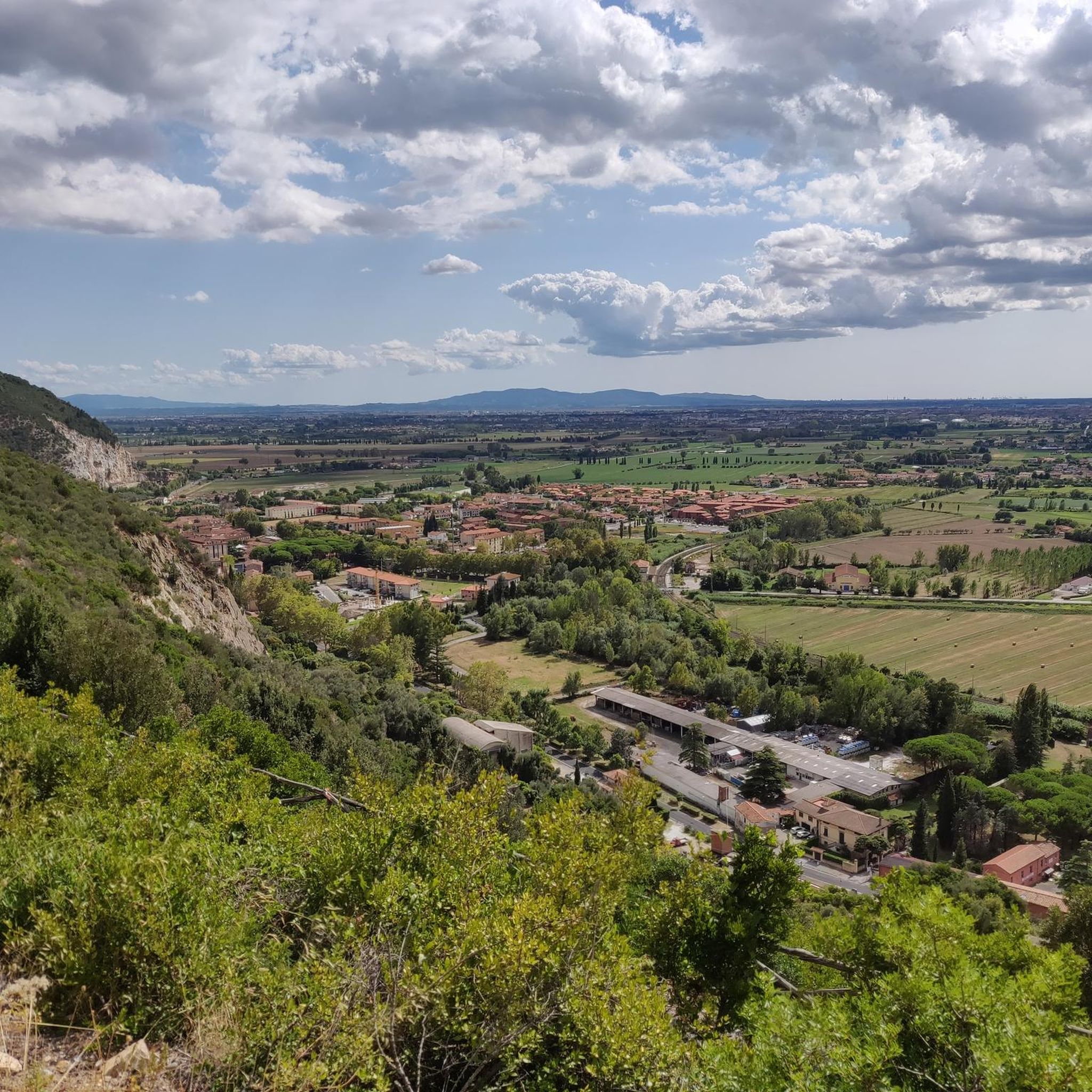
Hiking in Area Naturale Protetta Di Interesse Locale Monte Castellare
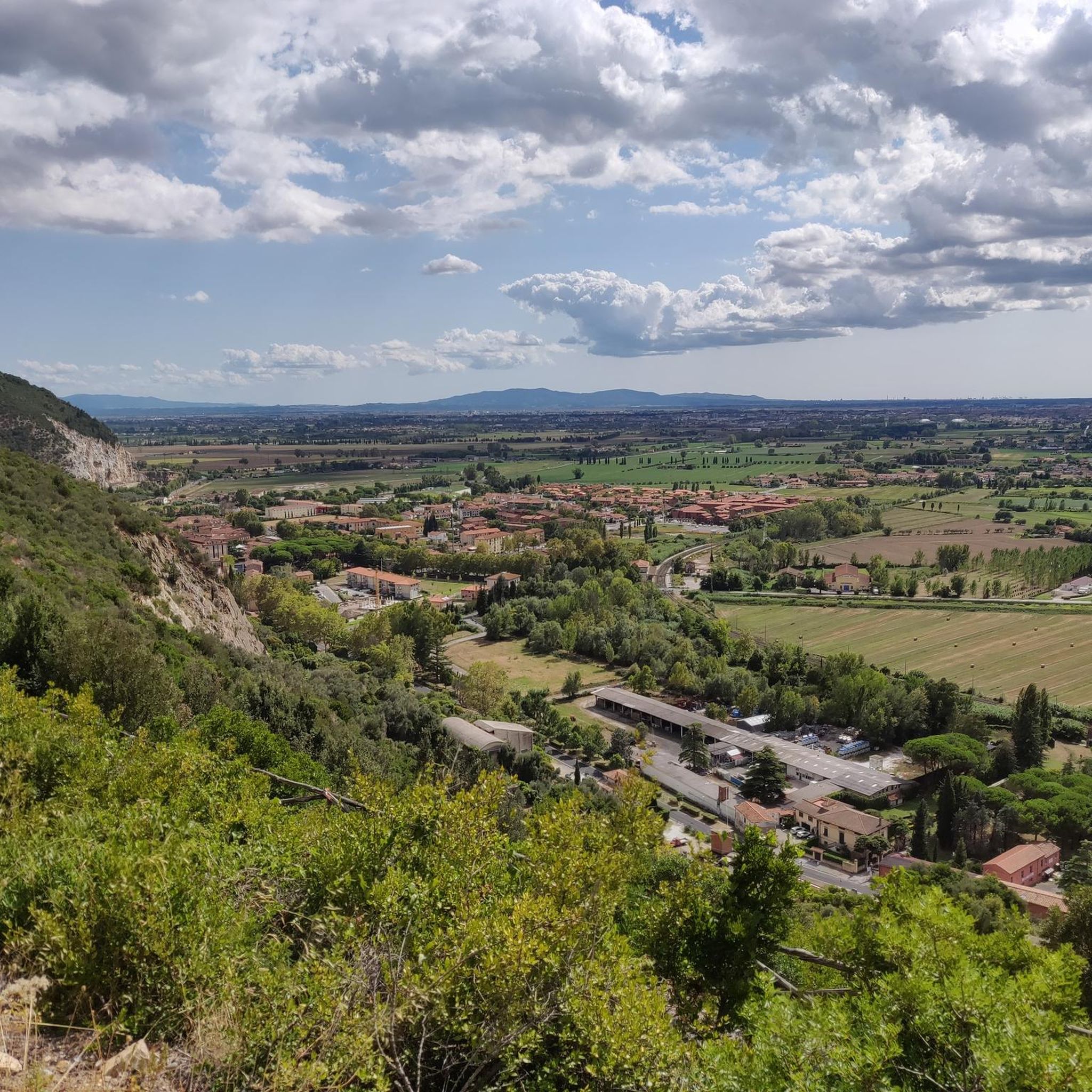
Road Cycling Routes in Area Naturale Protetta Di Interesse Locale Monte Castellare
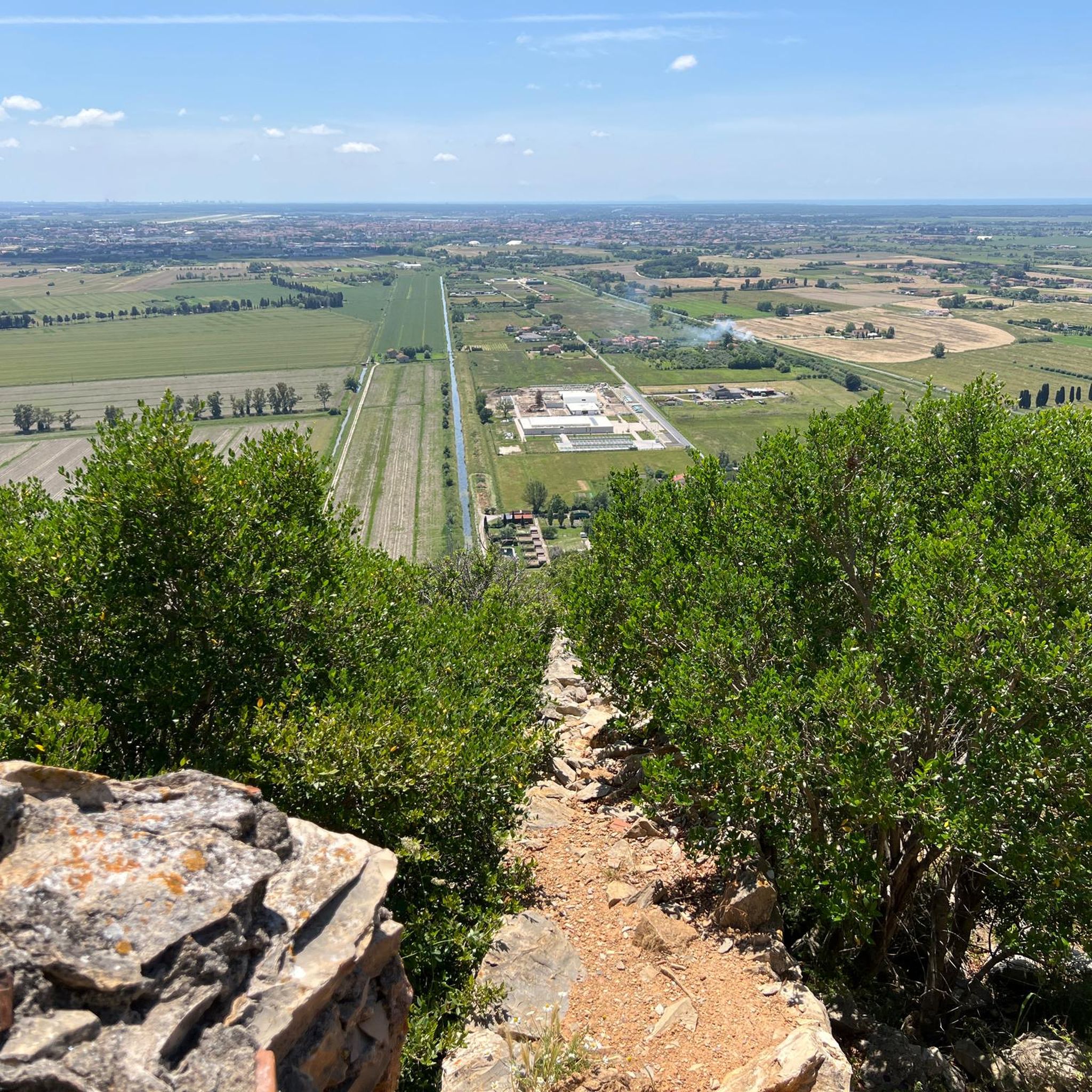
Running Trails in Area Naturale Protetta Di Interesse Locale Monte Castellare
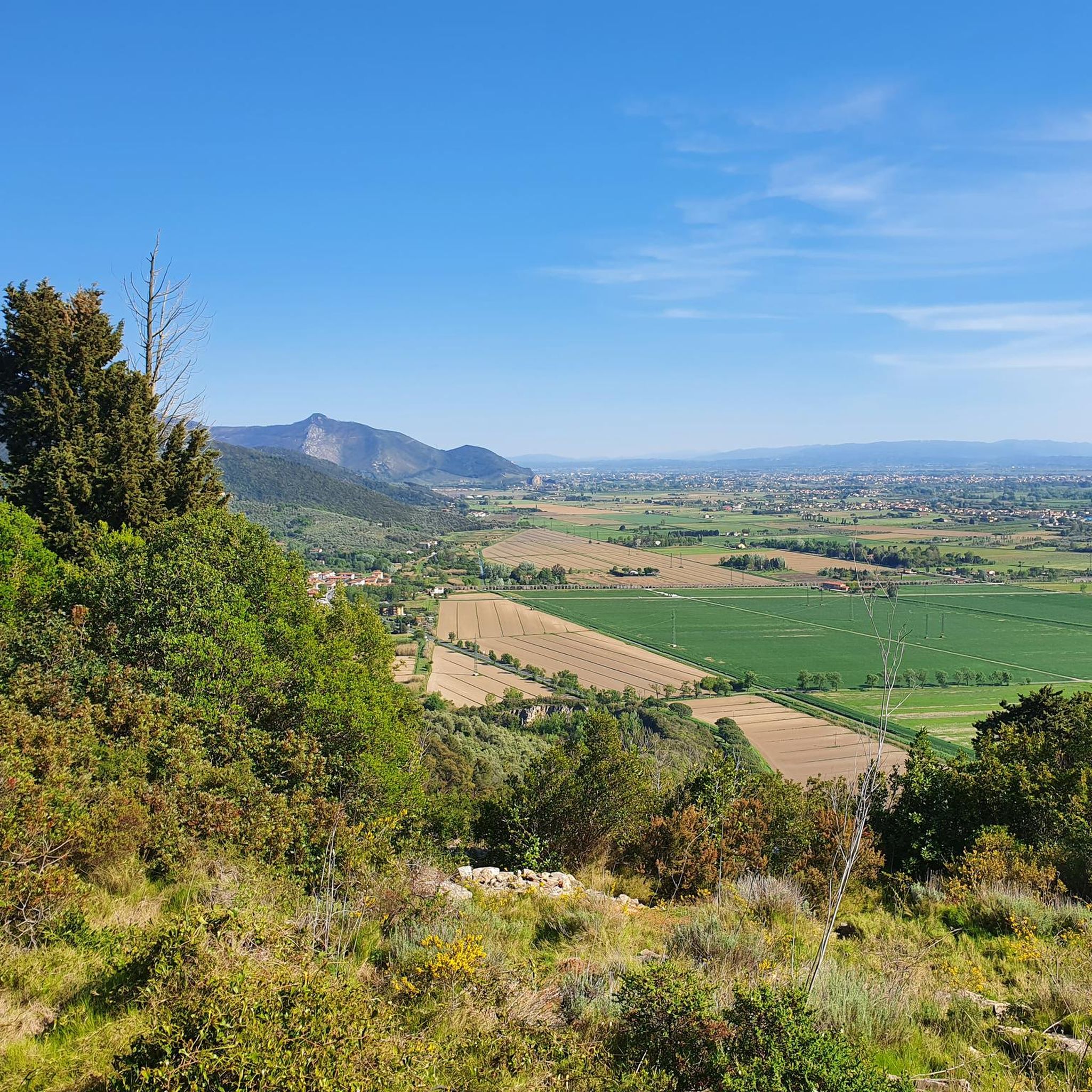
MTB Trails in Area Naturale Protetta Di Interesse Locale Monte Castellare

Gravel biking in Area Naturale Protetta Di Interesse Locale Monte Castellare
Tips from the Community

The Torre degli Upezzinghi, also known as Torre di Caprona, is a striking structure located on a rocky spur in the municipality of Vicopisano, in the province of Pisa. Although it is a 19th-century copy erected by the Upezzinghi family, it stands on the site of an ancient medieval castle dating back to the mid-11th century and dismantled by the Florentines in 1433. This place is famous in Italian history and literature for being the scene of a celebrated battle in 1289 in which the young Dante Alighieri participated, who later expressly mentioned the siege of Caprona in the 21st canto of the Inferno in the Divine Comedy.
0
0

On both sides of the Arno riverbank, you can see the rows of houses lined up very beautifully.
4
0

Porta San Donato is one of the most striking and best-preserved historic city gates in the mighty Renaissance walls of Lucca, Italy. It serves as the main western entrance to the old town.
0
0
L'Anello delle Mura di Lucca is a spectacular 4.2 km long pedestrian and cycle path that completely surrounds the historic city center. Completely flat and tree-lined, it is ideal for a walk (about 1-1.5 hours) or a bike ride, offering unique views of towers, bell towers, and gardens.
0
0
The pumping station on the Puccini Cycle Path is an old water management facility located along the Ozzeri river and the Massaciuccoli Canal, near the historic paper mill and the Monte Cucco area. The area is located between Ripafratta and Lake Massaciuccoli.
0
0
The historic center of Lucca is one of the best-preserved medieval hearts of Europe, enclosed entirely by a splendid, intact Renaissance city wall from the 16th-17th century. Known as the city of "100 churches" for its extraordinary density of religious buildings, the center is a large pedestrian area full of cobbled streets, soaring medieval towers, and unique squares.
2
0
The Walls of Lucca are one of the most famous historical monuments in Italy, known worldwide for being the only Renaissance city walls to have survived completely intact to this day. Built between 1504 and 1648 mainly to defend against the expansionist ambitions of Florence, they completely surround the historic center of the city. During the 19th century, by the will of Maria Luisa of Bourbon, the military fortification was transformed into an immense elevated public park and a charming tree-lined promenade.
3
0
Il Tempietto-Cisterna di Guamo is an elegant neoclassical building located in the municipality of Capannori (Lucca), which constitutes the starting point and collection point for the waters of the imposing Nottolini Aqueduct. Designed by architect Lorenzo Nottolini and built between 1823 and 1825 at the behest of Duchess Maria Luisa di Borbone, this structure served to filter and channel the pure waters coming from the springs of the Monti Pisani before sending them towards the city of Lucca.
0
0
Frequently Asked Questions
How many touring cycling routes are available in Area Naturale Protetta Di Interesse Locale Monte Castellare, and what are their difficulty levels?
There are over 290 touring cycling routes available in Area Naturale Protetta Di Interesse Locale Monte Castellare. You'll find a good mix of challenges, with approximately 120 easy routes, 90 moderate routes, and 80 difficult routes to explore.
Are there any family-friendly touring cycling routes in the area?
Yes, the area offers many easy routes suitable for families. With over 120 easy touring cycling routes, you can find paths with gentle gradients and scenic surroundings perfect for a family outing. Look for routes with lower elevation gains for a more relaxed experience.
What kind of terrain can I expect on touring cycling routes in Monte Castellare?
The terrain in Area Naturale Protetta Di Interesse Locale Monte Castellare is predominantly calcareous and rocky, offering varied conditions. You'll cycle through hills, Mediterranean shrubland, and extensive olive groves. While some paths are smooth, others might present more rugged sections, especially on routes with higher difficulty.
Are there any circular touring cycling routes in Monte Castellare?
Many of the touring cycling routes in the region are designed as loops, allowing you to start and finish at the same point. For example, the Lucca City Walls Loop – Medieval Towers of Vicopisano loop from San Giuliano Terme is a popular moderate circular route that explores historic sites.
What are some notable natural features or viewpoints I can see along the touring cycling routes?
The area offers several natural wonders and panoramic viewpoints. You can explore the unique "garigue" vegetation and olive groves. From elevated points like the ruins of Villa Belvedere (Villa Bosniaski), you can enjoy expansive views stretching to the Tuscan Archipelago. The Buca delle Fate, a deep cavern, is another intriguing natural feature, known for its mysterious winter vapors.
What historical or cultural landmarks can I visit while touring cycling in Monte Castellare?
The region is rich in history. You can cycle past Dante's Pass, a historic route believed to have been traversed by Dante Alighieri, offering scenic views of Pisa. The Spelonca Hermitage, with its rock-carved structures, is another ancient site. The Monti Pisani Oil Road also connects various old oil mills, providing a cultural and scenic cycling experience.
What is the best time of year for touring cycling in Area Naturale Protetta Di Interesse Locale Monte Castellare?
The best time for touring cycling in Monte Castellare is typically during spring and autumn. These seasons offer milder temperatures, making for more comfortable rides. Summer can be quite warm, while winter might bring cooler temperatures and the unique vapor clouds from the Buca delle Fate.
Are dogs allowed on the touring cycling routes in Monte Castellare?
While the protected area generally welcomes visitors, specific regulations regarding dogs on cycling paths can vary. It's always best to keep dogs on a leash and ensure they are well-behaved to respect wildlife and other users. Check local signage or the official website of the protected area for detailed rules.
Where can I park my car when starting a touring cycling route in Monte Castellare?
Parking is generally available in and around the municipality of San Giuliano Terme, which serves as a common starting point for many routes. Look for designated parking areas in the town before heading out on your ride. Specific parking information for trailheads might be available on individual route descriptions.
What do other touring cyclists enjoy most about cycling in Area Naturale Protetta Di Interesse Locale Monte Castellare?
The area is highly rated by the komoot community, with an average score of 4.36 stars from over 1,600 reviews. Touring cyclists often praise the diverse landscape, which combines historic sites with natural beauty, and the varied difficulty levels that cater to different abilities. The panoramic views from elevated points are also a frequently mentioned highlight.
Are there any routes that connect to other towns or cities?
Yes, several routes connect Monte Castellare to nearby towns and cities, allowing for longer touring experiences. For instance, the Leaning Tower of Pisa – Lucca City Walls loop from San Giuliano Terme is a popular route that links two historic Tuscan cities, offering a blend of urban exploration and scenic cycling.
What is the longest touring cycling route available in the area?
One of the longer touring cycling routes is the Lucca City Walls Loop – Medieval Towers of Vicopisano loop from San Giuliano Terme, which spans approximately 38.3 miles (61.7 km). This moderate path allows for an extensive exploration of the region's historical and natural beauty.
Most popular routes in Area Naturale Protetta Di Interesse Locale Monte Castellare
Most popular attractions in Area Naturale Protetta Di Interesse Locale Monte Castellare

Get inspired with the komoot mobile app


Explore more
Browse the best Cycling routes in other regions.
