The best cycling routes in Zona Di Protezione Speciale Poggio Tre Cancelli
4.4
(583)
6,987
riders
180
rides
Touring cycling routes in Zona Di Protezione Speciale Poggio Tre Cancelli are situated within the broader Maremma region of Tuscany, characterized by forested hills and Mediterranean scrubland. The area features dense evergreen forests with ancient holm oaks and cork oaks, reaching elevations up to 304 meters. While the integral reserve itself has restricted access, the surrounding landscape offers varied terrain for cycling. The region provides a mix of natural features, including wooded areas and open spaces, suitable for touring cyclists.
…Last updated: July 8, 2026
4.6
(8)
177
riders
42.9km
02:50
600m
590m
Hard bike ride. Very good fitness required. Mostly paved surfaces. Suitable for all skill levels.
4.6
(5)
23
riders
60.4km
03:38
280m
280m
Moderate bike ride. Good fitness required. Mostly paved surfaces. Suitable for all skill levels.

Sign up for free
5.0
(1)
23
riders
58.8km
04:02
620m
620m
Hard bike ride. Very good fitness required. Mostly paved surfaces. Suitable for all skill levels.
5.0
(4)
25
riders
40.8km
02:50
550m
550m
Hard bike ride. Very good fitness required. Mostly paved surfaces. Suitable for all skill levels.
1.0
(1)
21
riders
29.6km
02:12
280m
280m
Moderate bike ride. Good fitness required. Mostly paved surfaces. Suitable for all skill levels.
Get access to more routes and recommendations from other explorers.
Sign up for free
Already have an account?
Our route recommendations are based on thousands of hikes, rides, and runs completed by other people on komoot.
Start today with a free account
Your next adventure awaits.
Login or Signup
Popular around Zona Di Protezione Speciale Poggio Tre Cancelli
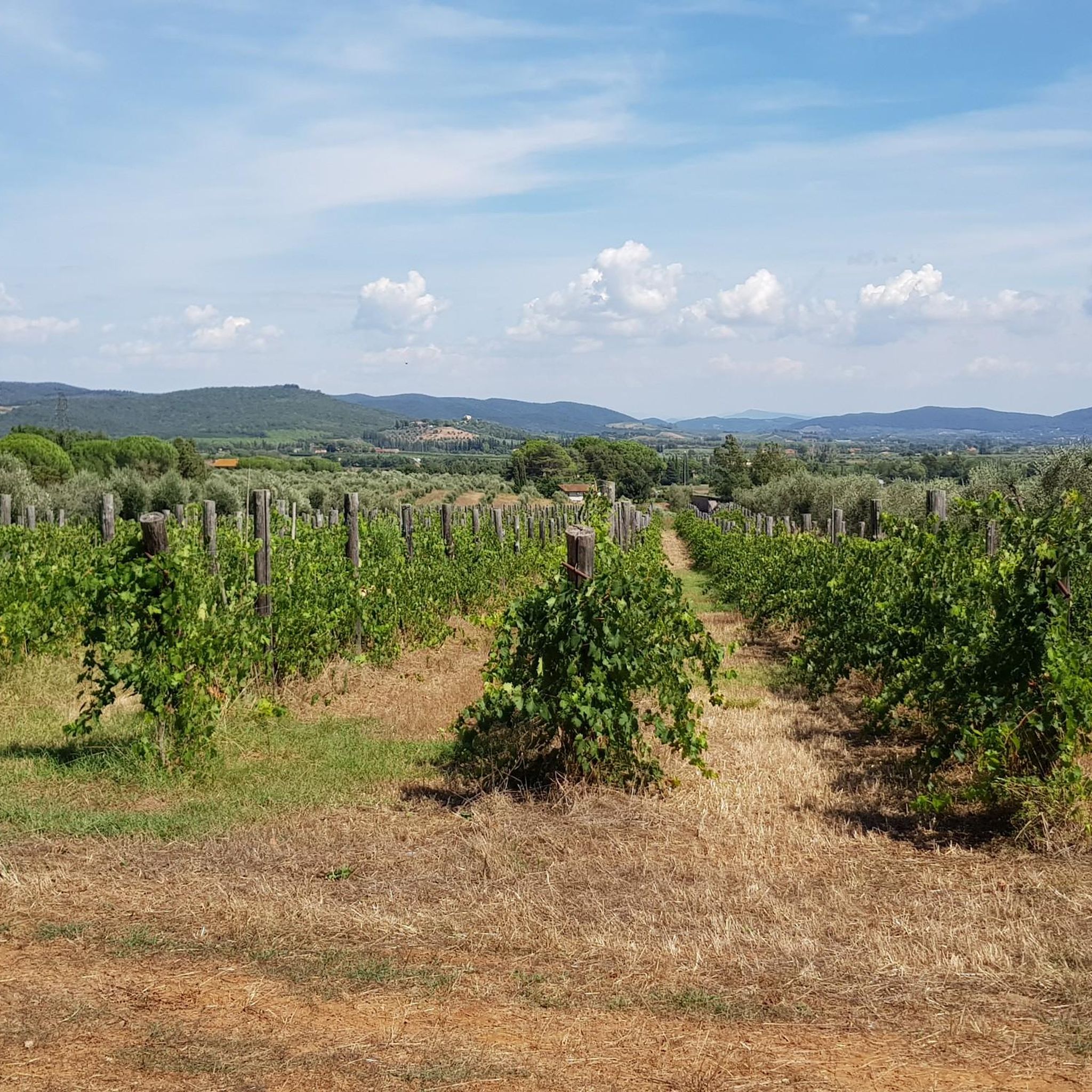
Road Cycling Routes in Zona Di Protezione Speciale Poggio Tre Cancelli

Gravel biking in Zona Di Protezione Speciale Poggio Tre Cancelli
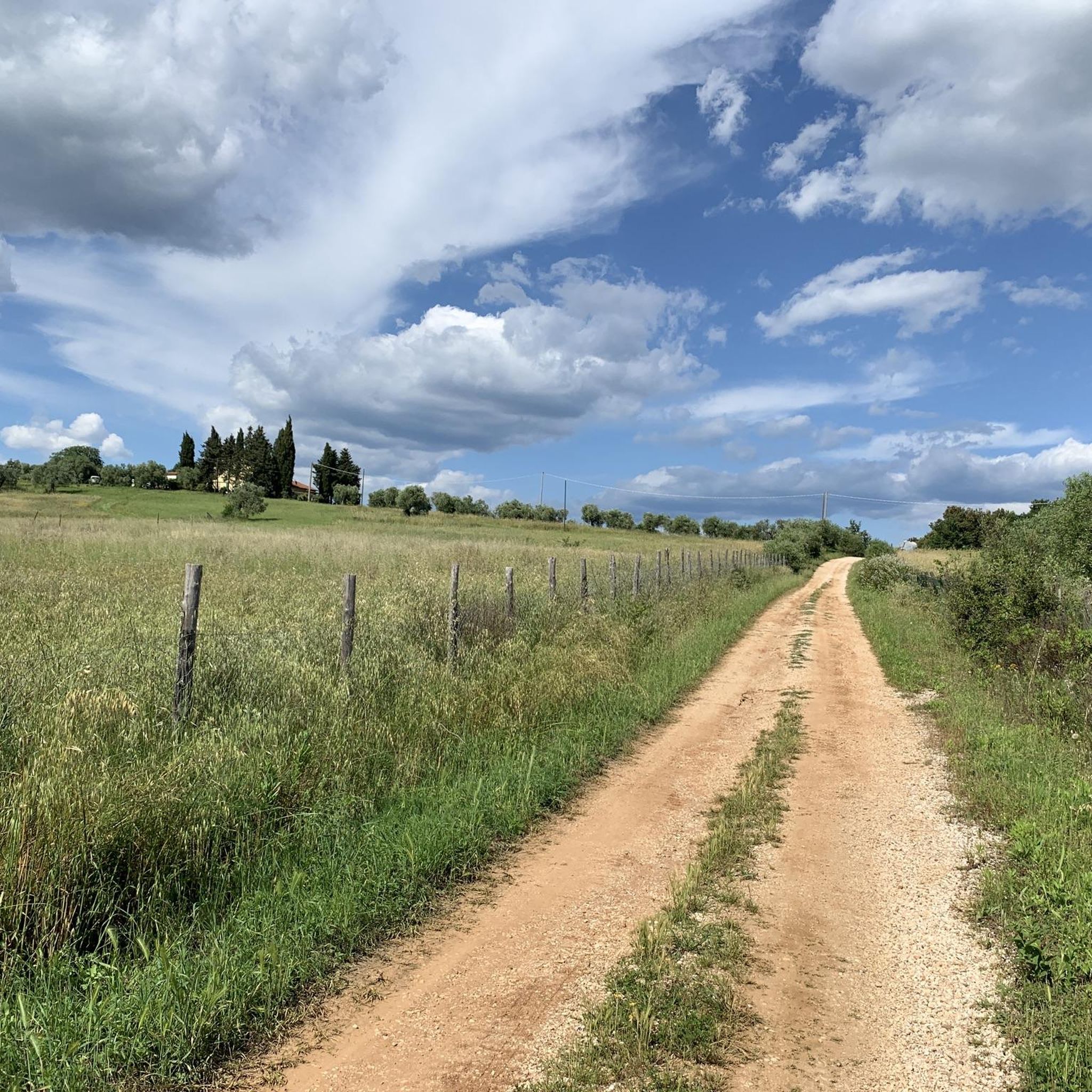
Hiking in Zona Di Protezione Speciale Poggio Tre Cancelli
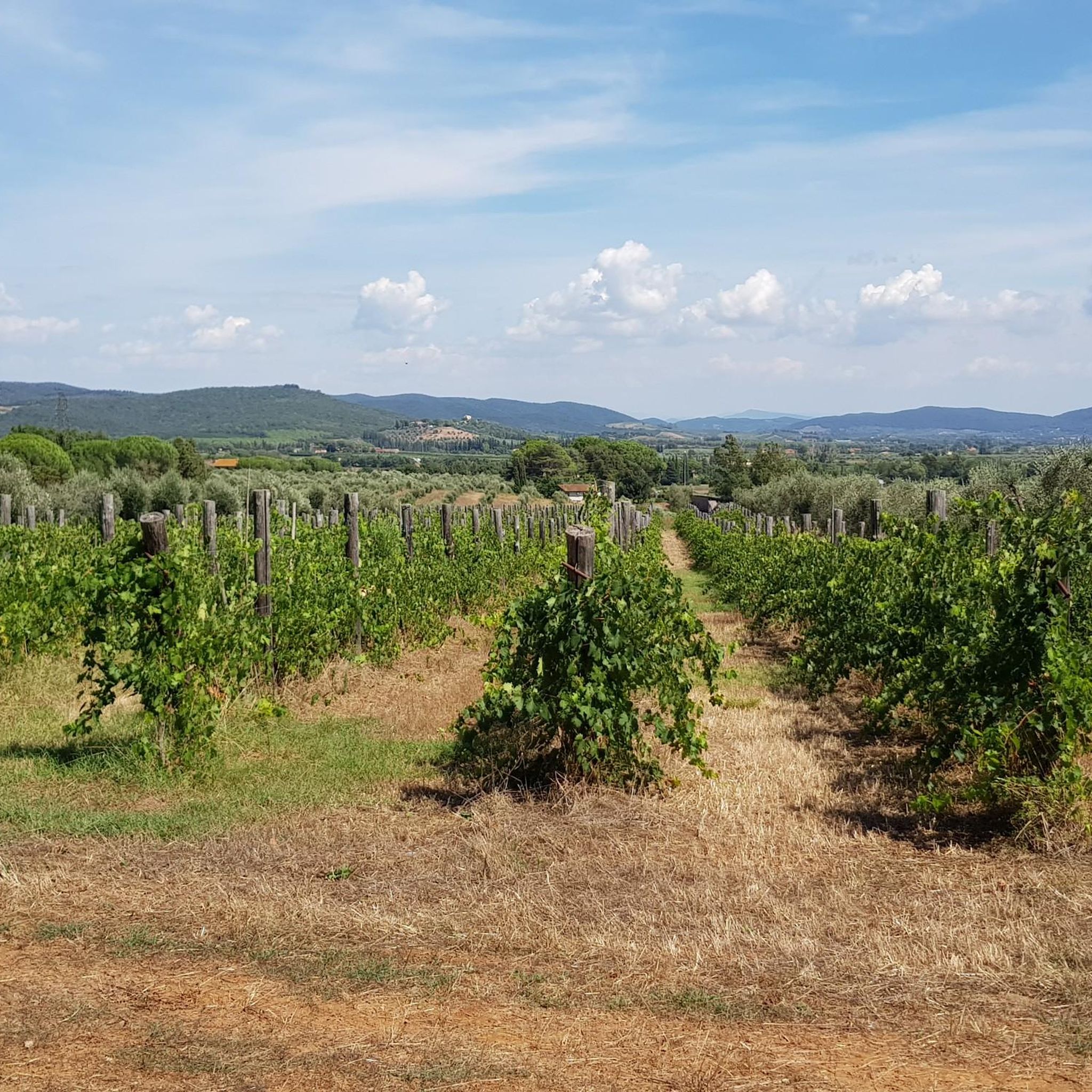
MTB Trails in Zona Di Protezione Speciale Poggio Tre Cancelli
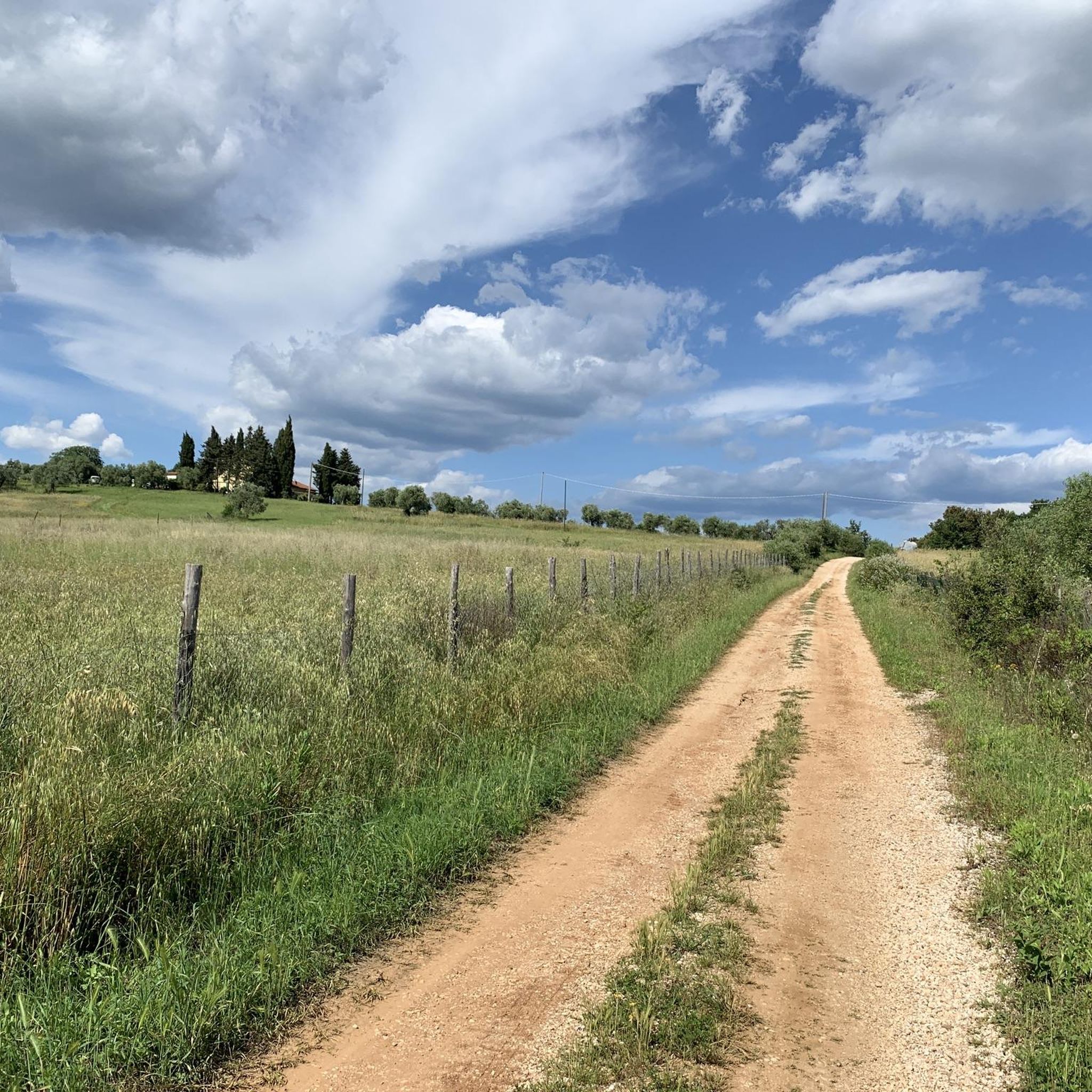
Running Trails in Zona Di Protezione Speciale Poggio Tre Cancelli
Tips from the Community

The Pieve di San Giusto in Suvereto is one of the most important and fascinating Romanesque buildings in the province of Livorno. Located at the entrance to the medieval village in Piazza Vittorio Veneto, its existence has been documented since 923. The current building, however, dates back to 1189, the year it was rebuilt by the masters Barone Amico and Bono da Calci. It features elements of light limestone alternating with dark bands of a typically Pisan style. The main entrance is flanked by two columns supporting two apotropaic lions. The structure has a single nave with a visible wooden truss ceiling. Inside, an ancient, finely decorated marble baptismal font is preserved. In an internal niche, there are remains of medieval frescoes; on the transept, the epigraph attesting to the completion date (1189) is still legible.
0
0
When talking about the fortifications of Suvereto, it is necessary to distinguish: La Rocca Aldobrandesca: It is the highest fortified complex in the village, built for military purposes to guard the fief. It includes a quadrangular tower (medieval period) and a palace. Today, it also houses a museum. Il Palazzo Comunale: The administrative heart, built in 1201. It is located in the center of the village and is topped by the Campanone tower (or clock tower). It is famous for the Loggia dei Giudici. Il Torrione: It is the main southern access gate (dated 14th-15th century) that opens into the defensive wall. La Porticciola: Also known as Porta di Sopra, it is the northern gate of the village. Also dating back to the medieval period (around 1300), it served as a second checkpoint.
1
0
The Romanesque portal of the Pieve di San Giusto in Suvereto. The facade is decorated with an elegant portal surmounted by a round arch, famous for its carved capitals. Although it existed before the year 1000, the current structure was rebuilt in the 12th century.
0
0
Part of the Tomboli State Nature Reserve, the Pineta di Follonica is a true green oasis that stretches for kilometers, offering visitors a unique experience of relaxation and nature. Divided by the city into two parts, the Pineta di Levante and the Pineta di Ponente, it offers different experiences for adults and children. A nature reserve on the outskirts of the city, perfect in summer for cooling off from the high temperatures and in winter for enjoying peace and quiet. In the less frequented areas, it is not uncommon to find spontaneous dune plants, such as the rare Sea Lily, or to hear the characteristic song of the Green Woodpecker. The pine forests are crossed by a network of trails that can be walked or cycled. In the areas closest to the city, there are also playgrounds for children and installations dedicated to fitness, for those who want to stay in shape!
1
0

The Archaeological Museum is housed in the ancient Palazzo del Podestà (1225), which overlooks the Piazza del Duomo of Massa Marittima. The collection is organized into sections, ordered chronologically from the lower paleolithic to the etruscan age; the main piece of the prehistoric collection is the eneolithic statue-stele of Vado all’Arancio, the only find of its type in Maremma; the etruscan finds come mainly from excavations carried out at the village of Lago dell’Accesa, they are mainly kitchenware, loom weights, fishing weights and bricks; also present are the funerary trousseaux found in the necropolises, especially pottery (figulina clay and bucchero), bronze fibulae, iron pot stands, iron and bronze weapons. On the ground floor, an educational section is set up with a life-size reconstruction of typical caves: a paleolithic and an eneolithic one. Guided tours and educational activities, organization of cultural events and film screenings are available.
1
0
Foundry No. 1 located within the former ILVA industrial complex in Follonica. Completed in 1839 as a timber warehouse, it was converted into a foundry in 1918. It was mainly intended for the production of cast iron ingot molds, using material from Piombino. The building has been recovered and renovated, and is currently used as a trade fair, exhibition center, and cultural hub for the city. It represents one of the most important examples of industrial archaeology in Tuscany.
0
0
In the green of Maremma, where wild nature meets the crystal-clear waters of Carbonifera, Pappasole is a 4-star tourist village perfect for everyone: families, sports lovers, couples, and four-legged friends.
2
0
Frequently Asked Questions
Can I cycle directly within the Zona Di Protezione Speciale Poggio Tre Cancelli?
No, the Zona Di Protezione Speciale Poggio Tre Cancelli operates under an integral protection regime, meaning direct public access for recreational purposes, including cycling, is not permitted within the core reserve. Access is limited to authorized activities. However, the wider Parco di Montioni and surrounding Maremma region offer numerous touring cycling opportunities. You can learn more about the reserve's protected status at visitfollonica.it.
How many touring cycling routes are available in the broader area around Poggio Tre Cancelli?
There are nearly 180 touring cycling routes available in the broader region surrounding Zona Di Protezione Speciale Poggio Tre Cancelli, primarily within the Parco di Montioni and the Maremma area. These routes offer a variety of distances and difficulties for cyclists.
What kind of terrain will I encounter on touring cycling routes near Poggio Tre Cancelli?
The terrain for touring cycling routes in the area is diverse, featuring forested hills, dense evergreen forests with ancient holm oaks and cork oaks, and Mediterranean scrubland. You can expect a mix of paved roads and unpaved paths, with some routes including significant elevation changes, especially in the more inland areas.
Are there any easy touring cycling routes suitable for beginners or casual rides?
Yes, there are 28 easy touring cycling routes in the region. An example of an easy route is the Carbonifera Hydropower Station – Follonica Beach loop from Follonica, which offers a relatively flat ride with coastal views.
What is the best time of year for touring cycling in this region?
The Maremma region, where Poggio Tre Cancelli is located, generally offers pleasant cycling conditions during spring (April-May) and autumn (September-October) when temperatures are milder. Summers can be hot, especially in July and August, while winters are typically mild but can have occasional rain.
Are there any circular touring cycling routes available?
Yes, many touring cycling routes in the area are designed as loops. For instance, the popular Levante Pinewood – Mozza Tower loop from Cura Nuova is a moderate 37.6-mile (60.4 km) circular route that combines pinewoods and coastal scenery.
What are the options for parking when cycling in the Parco di Montioni area?
Parking is generally available at various trailheads and villages surrounding the Parco di Montioni. Specific parking areas can be found in towns like Montioni, Cura Nuova, and Follonica, which serve as common starting points for many cycling routes.
Can I bring my dog on touring cycling routes in the area?
While the core Zona Di Protezione Speciale Poggio Tre Cancelli has strict access rules, dogs are generally permitted on a leash on many touring cycling routes in the wider Parco di Montioni and Maremma region. Always check local signage and regulations for specific trails, especially in nature park areas, to ensure compliance.
What do other touring cyclists enjoy most about cycling in this region?
The area is highly rated by the komoot community, with an average score of 4.4 stars from over 600 reviews. Reviewers often praise the varied terrain, from coastal paths to challenging climbs through historic villages and forested areas, as well as the natural beauty of the Maremma landscape.
Are there any challenging touring cycling routes for experienced riders?
Yes, there are 106 difficult touring cycling routes in the region. An example is the Suvereto Historic Center – Castello di Magona loop from Montioni, a challenging 36.4-mile (58.6 km) path with significant elevation gain through historic villages and dense forests.
Are there any routes that offer scenic viewpoints or natural features?
Many routes traverse areas with scenic beauty. For instance, the Kapannenberg Climb – Valpiana Village Center loop from Cura Nuova offers varied terrain with notable climbs that provide views of the surrounding forested hills and valleys. The region is characterized by dense evergreen forests and Mediterranean scrubland, offering natural beauty throughout.
What kind of wildlife might I encounter while cycling in the surrounding areas?
While cycling in the broader Parco di Montioni and Maremma region, you might encounter diverse wildlife. This includes smaller mammals like hedgehogs, porcupines, and foxes, as well as larger animals such as wild boar and roe deer. The area is also home to various bird species, including birds of prey.
Most popular routes in Zona Di Protezione Speciale Poggio Tre Cancelli

Get inspired with the komoot mobile app


Explore more
Browse the best Cycling routes in other regions.
