The best running trails in Riserva Naturale Farma
3.0
(3)
86
runners
25
runs
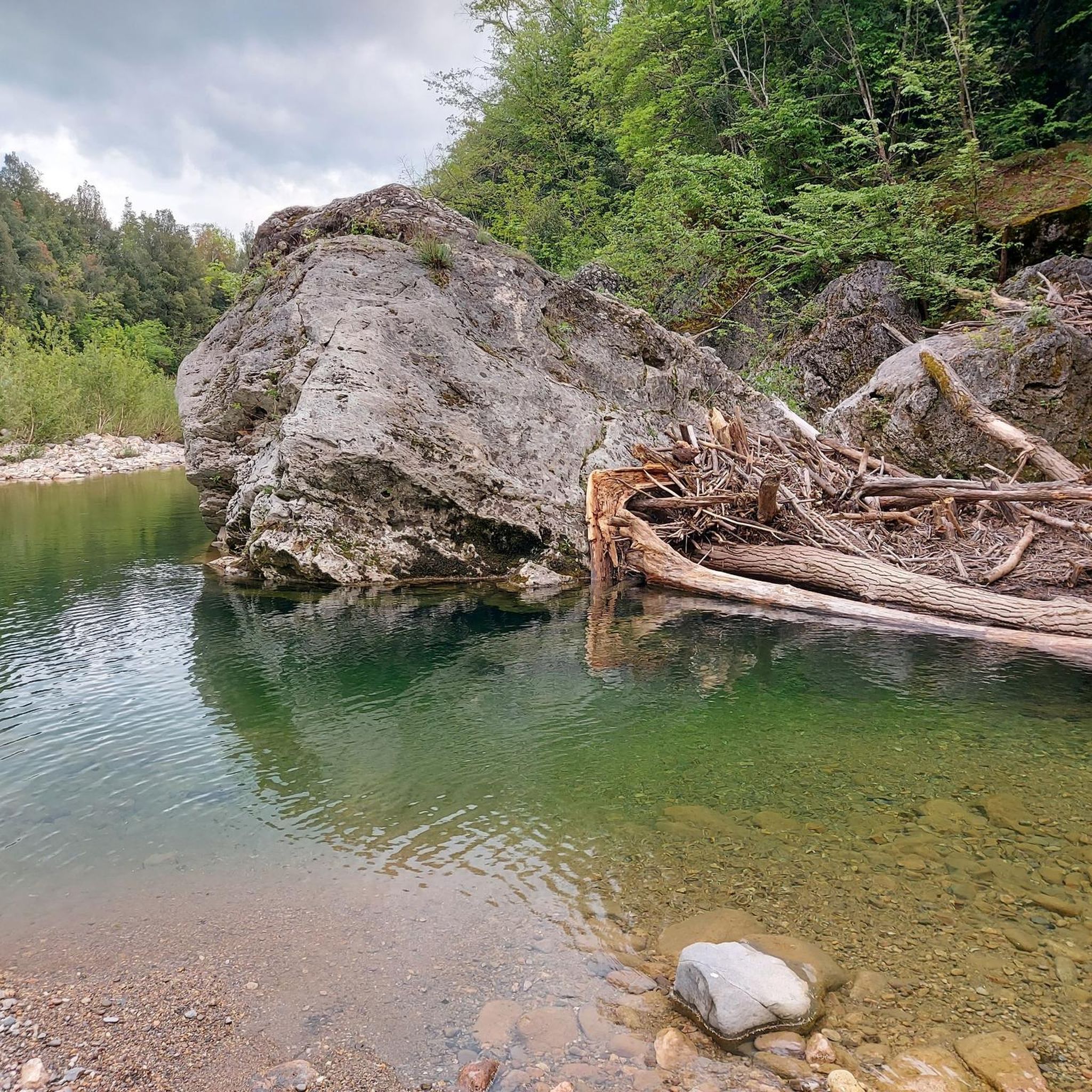
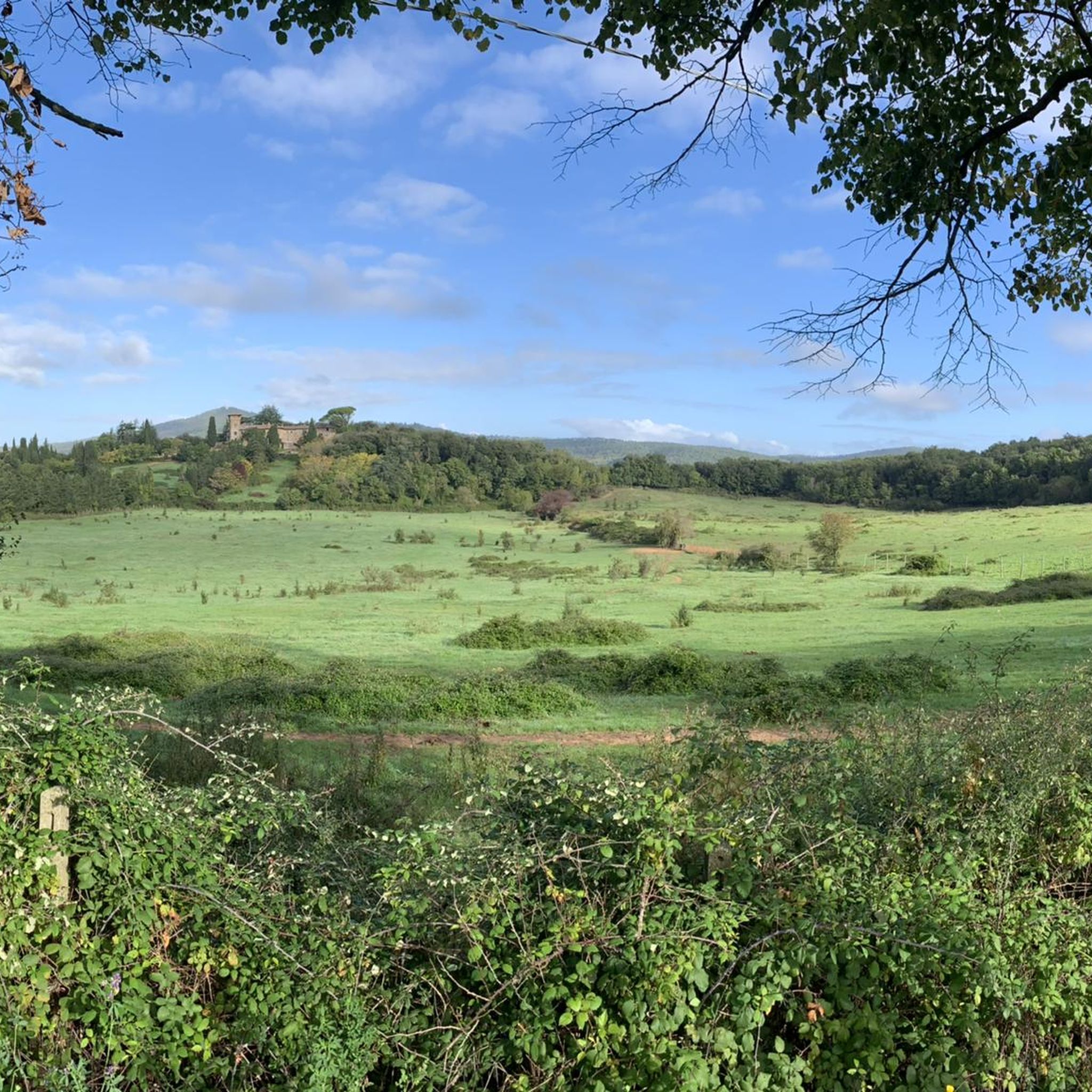
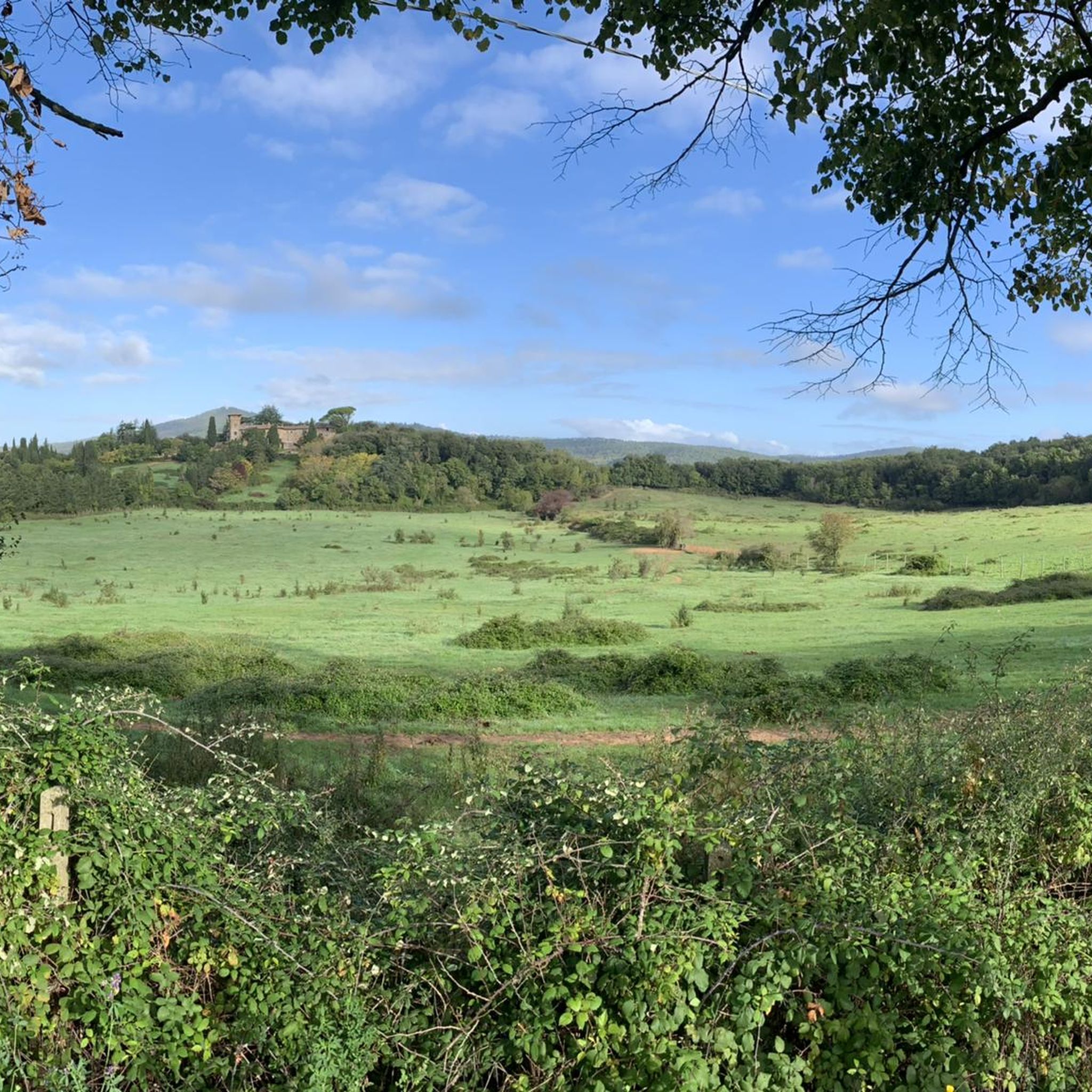
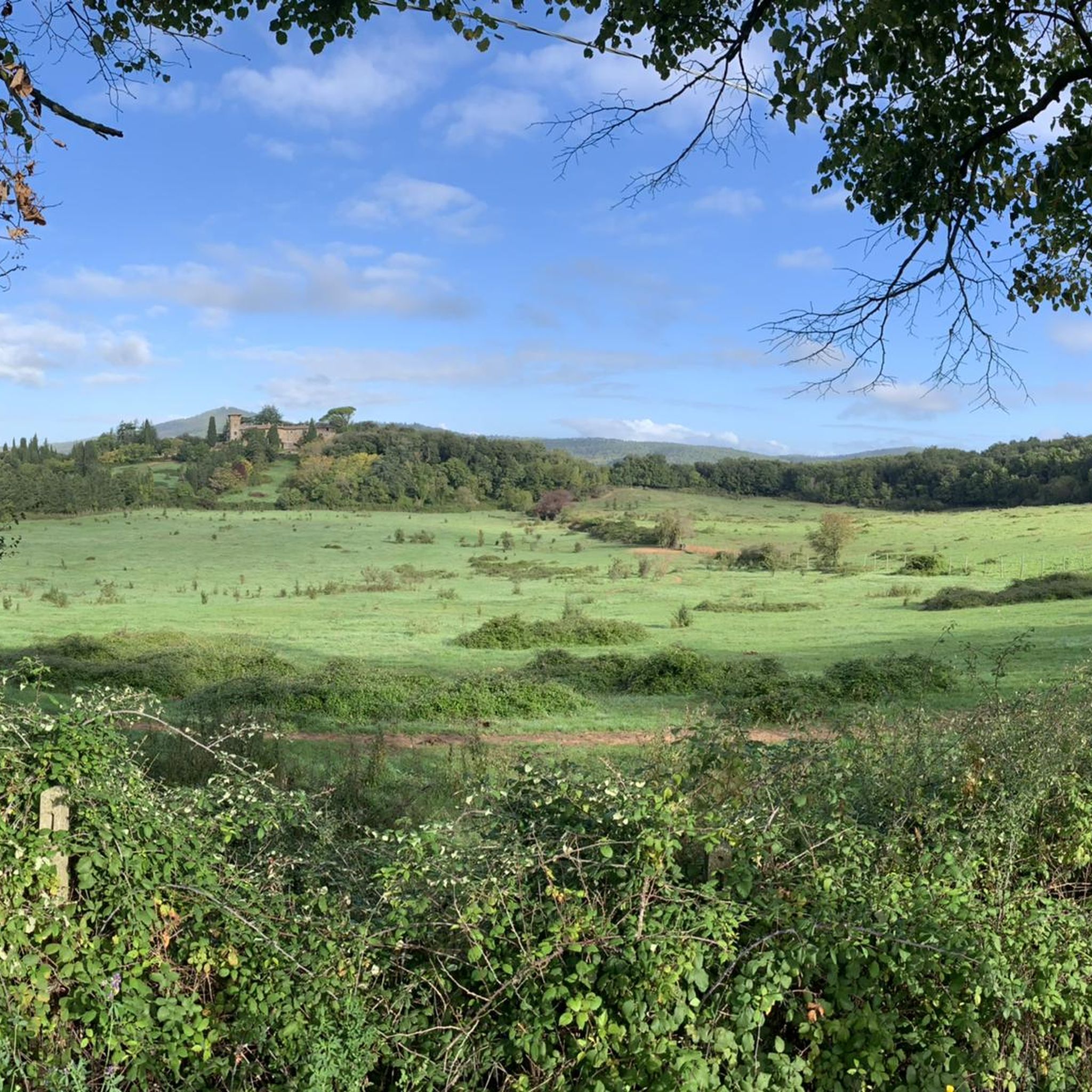
Jogging in Riserva Naturale Farma offers diverse landscapes shaped by the Farma stream, a tributary of the Merse River. The region features a dynamic shift from dense forests and rolling hills to open meadows and cultivated fields. Runners encounter steep, vegetation-covered slopes defining a V-shaped valley, with glimpses of the Farma stream. The botanical diversity includes Mediterranean scrub alongside species characteristic of colder climates, providing varied running paths.
Best jogging routes in Riserva Naturale Farma
- The most popular jogging route…
Last updated: June 24, 2026
3
runners
11.0km
01:27
390m
390m
Hard run. Very good fitness required. Mostly paved surfaces. Suitable for all skill levels.
5
runners
7.01km
00:47
120m
110m
Moderate run. Good fitness required. Mostly paved surfaces. Suitable for all skill levels.

Sign up for free
5.0
(1)
6
runners
10.9km
01:22
270m
270m
Moderate run. Good fitness required. Mostly paved surfaces. Suitable for all skill levels.
7
runners
8.80km
00:59
180m
180m
Moderate run. Good fitness required. Mostly paved surfaces. Suitable for all skill levels.
7
runners
15.6km
01:43
220m
220m
Hard run. Very good fitness required. Mostly paved surfaces. Suitable for all skill levels.
Get access to more routes and recommendations from other explorers.
Sign up for free
Already have an account?
Our route recommendations are based on thousands of hikes, rides, and runs completed by other people on komoot.
Start today with a free account
Your next adventure awaits.
Login or Signup

Tips from the Community

The Montesiepi Hermitage was built immediately after the saint's death, over the ancient hut where San Galgano lived during his last year (1181). The hermitage was consecrated in 1185 by the bishop of Volterra, Ildebrando Pannocchieschi. The small complex consists of the circular church interrupted only by the small apse, the chapel with frescoes by Lorenzetti, and the entrance porch. In the porch, look down to the left and look for an "original" medieval plaque that reminds the pilgrim... that he must die and that life is short. The original church was circular, then the entrance hall was added in 1200. The bell tower and Lorenzetti's chapel were added in the following century. The rectory dates back to the 18th century. The dome, constructed from alternating rows of white stones, is extremely elegant. Inside the Hermitage, in the center of the Rotonda, there is the famous Sword of San Galgano, stuck in the rock for over 800 years.
0
0

Built in the 13th century in Gothic style and dedicated to the saint from Chiusdino, today it is completely in ruins: only the walls remain standing, with the apse still in evidence, perfectly facing east, while on the upper part of the facade there are two pointed windows. The roof of the Abbey of San Galgano is no longer there today. The "official" version says that it deteriorated and then fell over the centuries, while an alternative version, according to some legend and according to others truth, states that it was originally made of lead, and was sold by Girolamo Vitelli in 1550. Whatever the truth behind the roof of the abbey, after some restoration attempts that went badly, at the end of the 18th century it was deconsecrated and left to the elements until the present day. The ruins of the Abbey of San Galgano, with its profile still intact and immersed in the Tuscan countryside, offer a truly incredible and particular view. In addition to the roof, the floor is also missing, which during the summer turns into a grassy blanket, while you can still see a transept with three naves and 4 chapels with cross vaults. Next to the Abbey of San Galgano there is the cloister, which was rebuilt at the beginning of the last century, using the original materials. Some accessory rooms are also very beautiful, which can also be visited with the entrance ticket to the abbey, including the chapter house, where the monks originally met to deliberate the main rules of the community, and the scriptorium, which was the place where the monks copied the manuscripts.
2
0

Place of worship and prayer Sanctuary dedicated to San Galgano Guidotti, a 12th century knight, with his sword exposed as a sacred relic Strada Comunale di S. Galgano, 53012 Chiusdino SI 0577756700
1
0

Monticiano is an Italian town of 1,579 inhabitants in the province of Siena in Tuscany. Source: https://it.wikipedia.org/wiki/Monticiano
0
0

To see at least as much as the ruins of the church of San Galgano. The chapel is a little off the beaten track and freely accessible. Inside is a simple but beautiful dome and a mosaic ceiling in an adjoining room.
2
0

An impressive and fascinating place with a special atmosphere and charisma.
4
0
An impressive and fascinating place with a special atmosphere and charisma.
3
0

The ancient majestic abbey is there waiting for travelers for a stop that fills their eyes and hearts with wonderful images.
6
0
Frequently Asked Questions
What kind of terrain can I expect on the running routes in Riserva Naturale Farma?
The reserve offers a diverse landscape, from dense forests and rolling hills to open meadows and cultivated fields. You'll encounter steep, vegetation-covered slopes and glimpses of the Farma stream, providing a varied and engaging experience for runners.
Are there running routes suitable for beginners or those looking for an easier run?
Yes, while the reserve features some challenging trails, there are also moderate options available. For example, the Historic Center of Monticiano loop from Monticiano is a moderate 4.4-mile (7.0 km) path that blends historical surroundings with natural landscapes, suitable for a less strenuous run.
What are some of the natural attractions or landmarks I might see while running in the Farma Reserve?
Runners can discover several interesting features. The historic Belagaio Castle stands prominently on a ridge, offering a glimpse into the area's past. You might also encounter the Stagno della Troscia, a natural lake, and various waterfalls that add to the scenic beauty of the trails.
Can I find circular running routes in Riserva Naturale Farma?
Yes, many of the running paths in the reserve are designed as loops. For instance, the Running loop from Bagni di Petriolo is a popular circular route, though it is considered difficult due to significant elevation changes.
What is the best time of year to go running in Riserva Naturale Farma?
The diverse flora, including Mediterranean scrub and colder climate species, makes the reserve appealing year-round. However, the presence of swimming spots along the Farma River suggests that spring and summer offer opportunities for a refreshing dip after a run, making these seasons particularly enjoyable.
Are there any specific routes that offer a good mix of nature and historical sights?
Absolutely. The Historic Center of Monticiano loop from Monticiano is an excellent choice, providing a blend of historical surroundings with the natural beauty of the reserve. You can also find traces of medieval ironworks and mills throughout the landscape.
What kind of wildlife might I encounter on the trails?
The Farma valley is home to a unique array of wildlife. Keep an eye out for otters, various bat species, martens, skunks, and even wildcats. Birdwatchers might also spot rare birds of prey like the Lanner falcon, especially in the undisturbed habitats.
How many running routes are available in Riserva Naturale Farma?
There are over 10 dedicated running routes in Riserva Naturale Farma, offering a variety of distances and difficulty levels to suit different preferences and fitness levels.
What do other runners say about their experience in Riserva Naturale Farma?
The running routes in Riserva Naturale Farma are highly rated by the komoot community, with an average score of 3.0 stars. Runners often praise the varied terrain, from dense forests to open fields, and the unique natural beauty of the Farma stream valley.
Are there any routes that feature waterfalls?
Yes, the landscape of Riserva Naturale Farma includes waterfalls, which add to the scenic beauty of the trails. The sound of these waterfalls can often guide visitors to particularly picturesque spots within the reserve.
Is there a route that takes me through diverse ecosystems?
The Running loop from Pari is a great option for experiencing the reserve's diverse ecosystems. This route leads you through varied botanical environments, from Mediterranean scrub to species characteristic of colder climates.
What is the general difficulty level of running trails in Riserva Naturale Farma?
The trails in Riserva Naturale Farma offer a range of difficulties. You'll find a mix of moderate paths and more difficult trails, with some featuring significant elevation changes, catering to both casual runners and those seeking a more challenging workout.
Most popular routes in Riserva Naturale Farma

Get inspired with the komoot mobile app


Explore more
Browse the best Running Trails & Routes in other regions.
