The best cycling routes in Riserva Naturale Farma
4.4
(53)
366
riders
56
rides
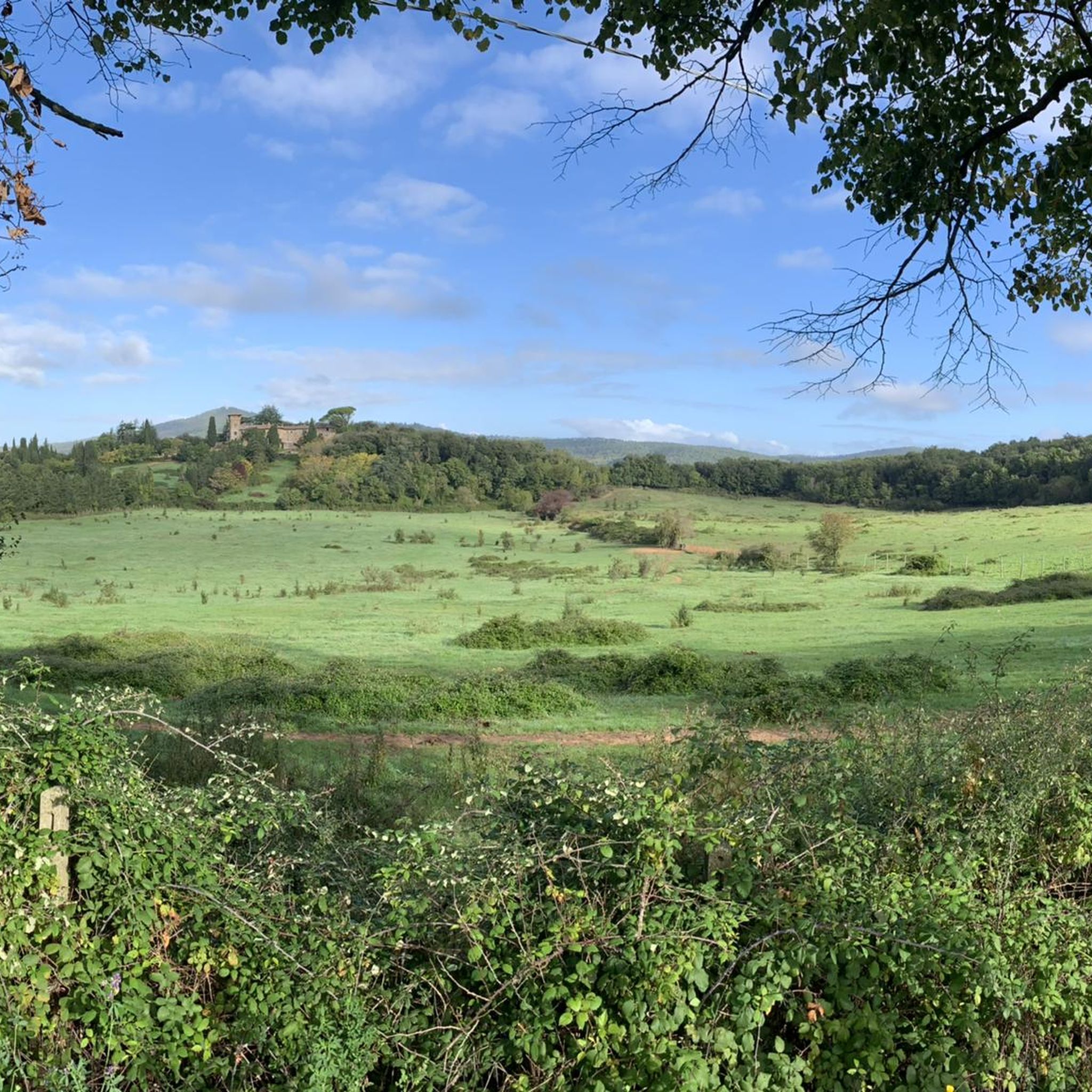
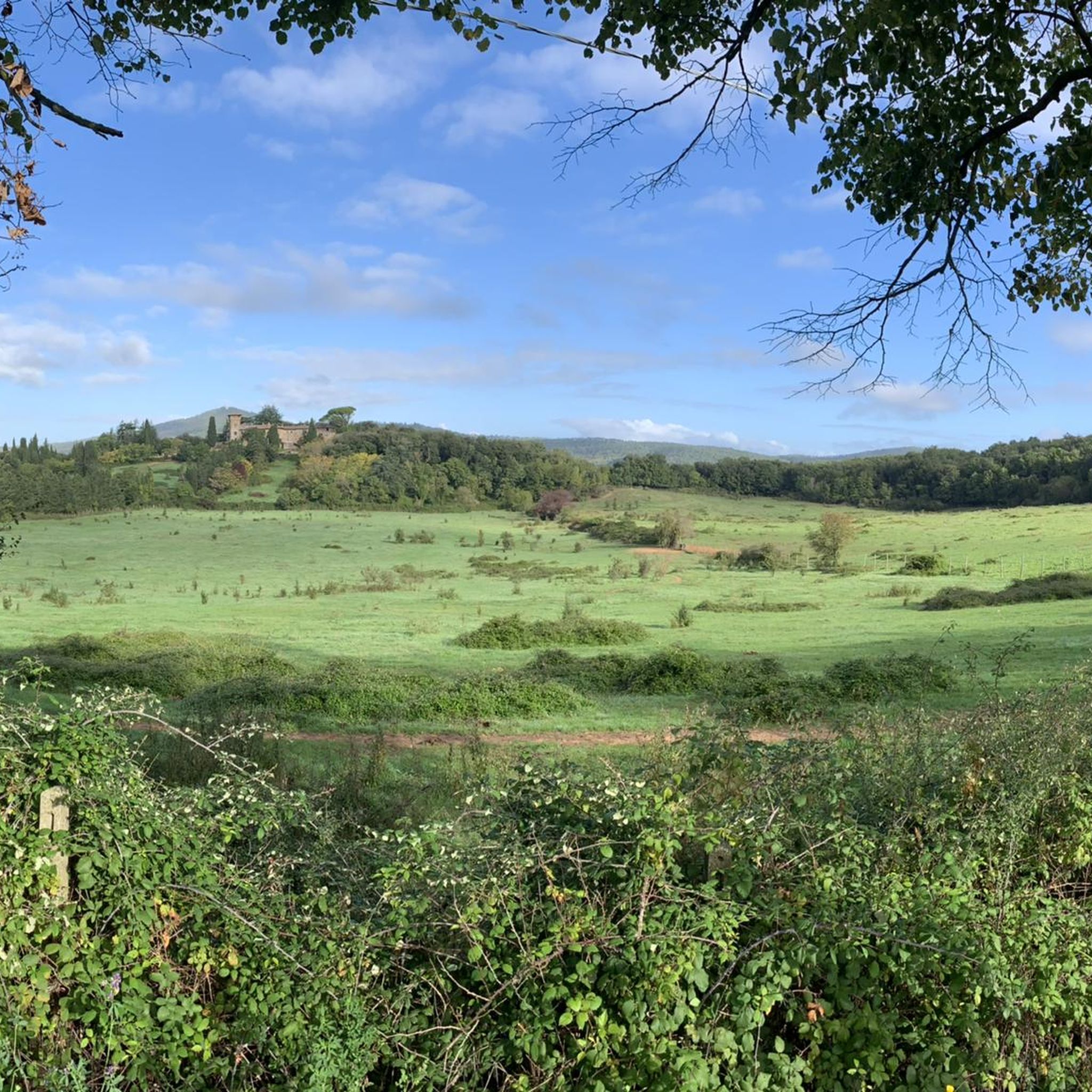
Touring cycling in Riserva Naturale Farma offers routes through a landscape characterized by rolling hills, river valleys, and dense woodlands. The region features natural hot springs and historic villages, providing varied terrain for cyclists. Elevation changes are common, with routes often including climbs and descents. The area is part of a natural reserve, ensuring a focus on natural beauty and tranquility.
Best touring cycling routes in Riserva Naturale Farma
- The most popular touring cycling route is Bagni di Petriolo Hot…
Last updated: May 27, 2026
5.0
(1)
7
riders
15.6km
01:20
420m
420m
Moderate bike ride. Good fitness required. Mostly paved surfaces. Suitable for all skill levels.
3.0
(2)
8
riders
21.8km
01:35
490m
490m
Hard bike ride. Very good fitness required. Mostly paved surfaces. Suitable for all skill levels.

Sign up for free
2
riders
38.9km
02:59
1,010m
1,010m
Hard bike ride. Very good fitness required. Mostly paved surfaces. Suitable for all skill levels.
3.5
(2)
15
riders
Hard bike ride. Very good fitness required. Mostly paved surfaces. Suitable for all skill levels.
3.0
(1)
10
riders
43.0km
03:32
800m
800m
Hard bike ride. Very good fitness required. Mostly paved surfaces. Suitable for all skill levels.
Get access to more routes and recommendations from other explorers.
Sign up for free
Already have an account?
Our route recommendations are based on thousands of hikes, rides, and runs completed by other people on komoot.
Start today with a free account
Your next adventure awaits.
Login or Signup

Tips from the Community

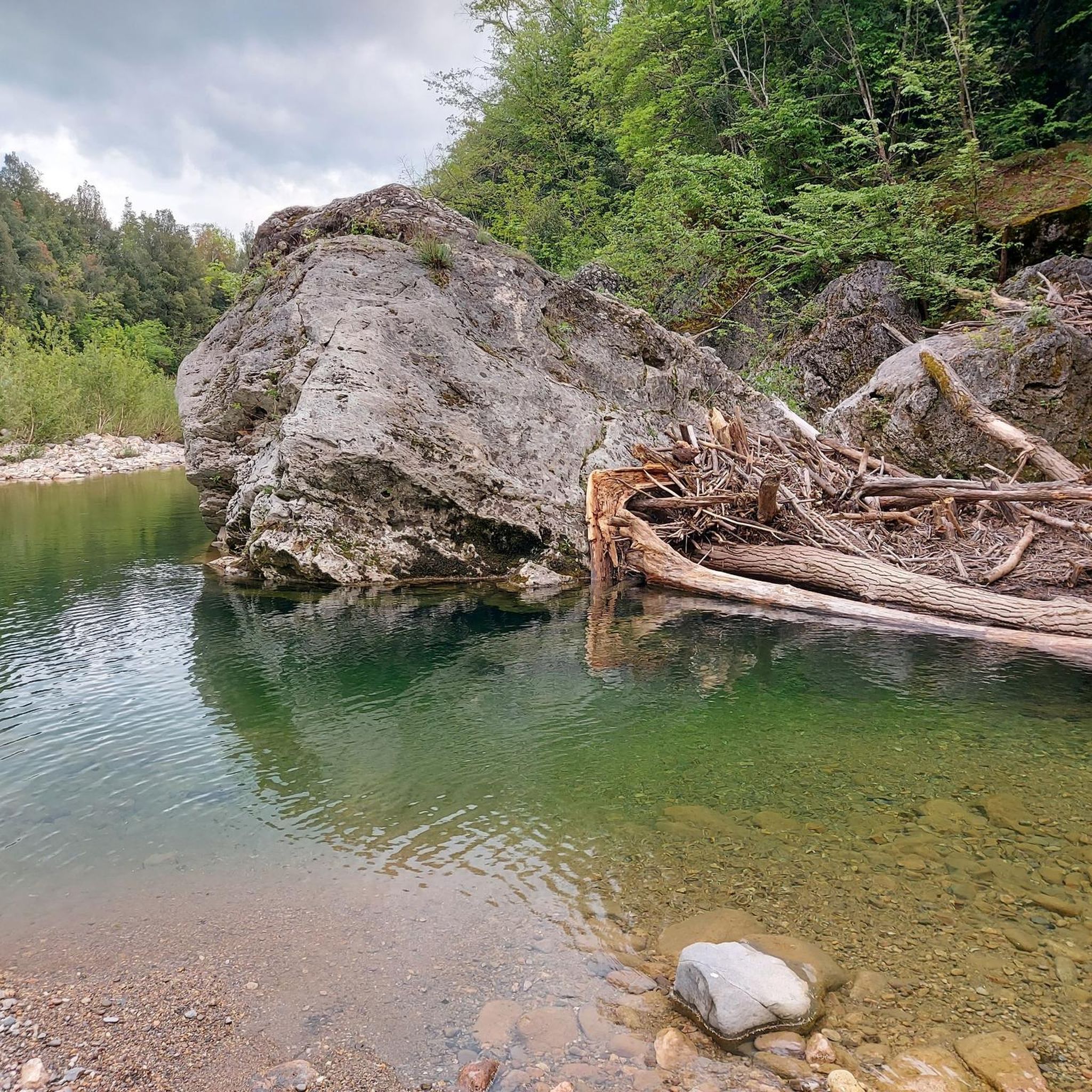
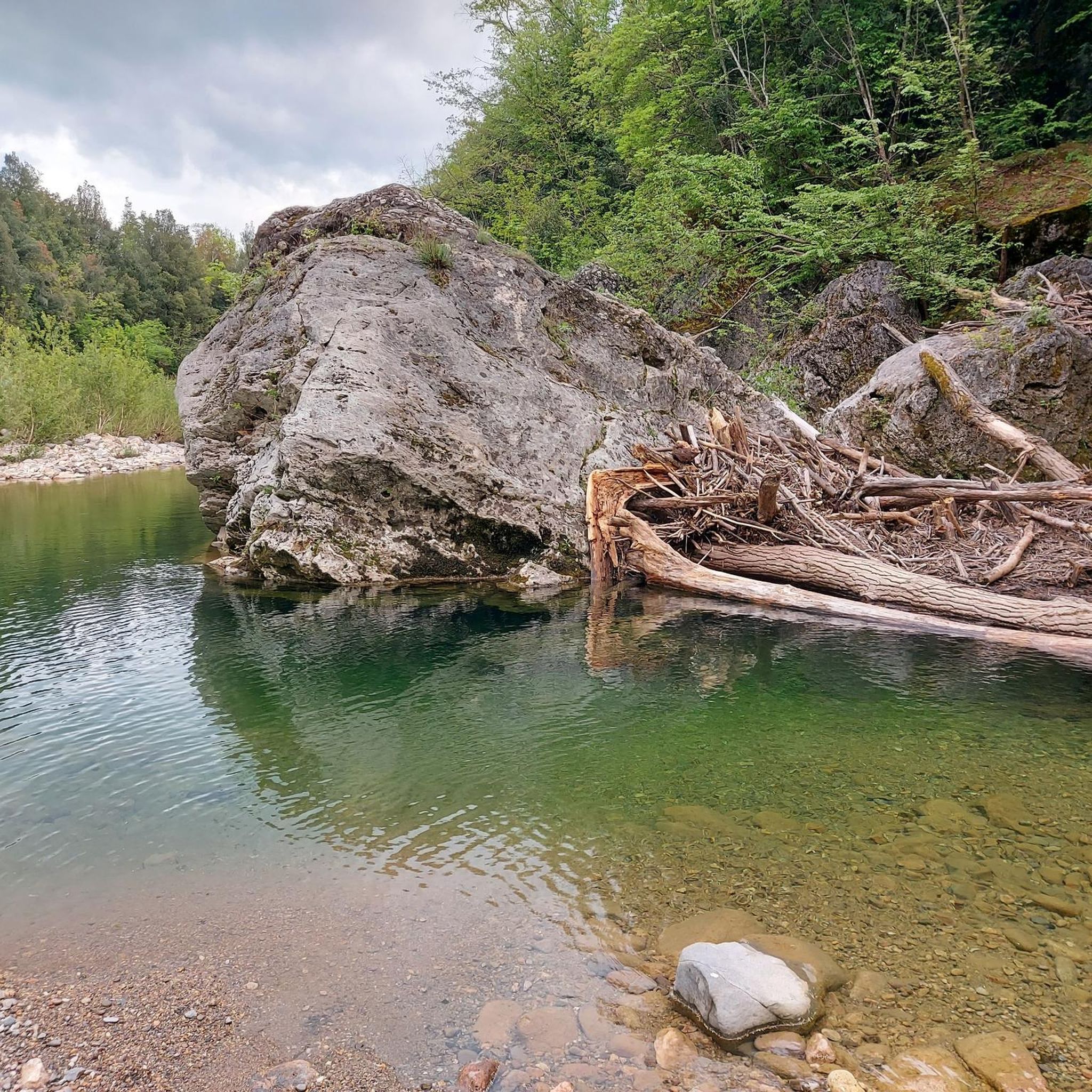
The thermal water springs from the ground at 40° and creates several pools, forming a real little thermal bath.
0
0

The Montesiepi Hermitage was built immediately after the saint's death, over the ancient hut where San Galgano lived during his last year (1181). The hermitage was consecrated in 1185 by the bishop of Volterra, Ildebrando Pannocchieschi. The small complex consists of the circular church interrupted only by the small apse, the chapel with frescoes by Lorenzetti, and the entrance porch. In the porch, look down to the left and look for an "original" medieval plaque that reminds the pilgrim... that he must die and that life is short. The original church was circular, then the entrance hall was added in 1200. The bell tower and Lorenzetti's chapel were added in the following century. The rectory dates back to the 18th century. The dome, constructed from alternating rows of white stones, is extremely elegant. Inside the Hermitage, in the center of the Rotonda, there is the famous Sword of San Galgano, stuck in the rock for over 800 years.
0
0


Built in the 13th century in Gothic style and dedicated to the saint from Chiusdino, today it is completely in ruins: only the walls remain standing, with the apse still in evidence, perfectly facing east, while on the upper part of the facade there are two pointed windows. The roof of the Abbey of San Galgano is no longer there today. The "official" version says that it deteriorated and then fell over the centuries, while an alternative version, according to some legend and according to others truth, states that it was originally made of lead, and was sold by Girolamo Vitelli in 1550. Whatever the truth behind the roof of the abbey, after some restoration attempts that went badly, at the end of the 18th century it was deconsecrated and left to the elements until the present day. The ruins of the Abbey of San Galgano, with its profile still intact and immersed in the Tuscan countryside, offer a truly incredible and particular view. In addition to the roof, the floor is also missing, which during the summer turns into a grassy blanket, while you can still see a transept with three naves and 4 chapels with cross vaults. Next to the Abbey of San Galgano there is the cloister, which was rebuilt at the beginning of the last century, using the original materials. Some accessory rooms are also very beautiful, which can also be visited with the entrance ticket to the abbey, including the chapter house, where the monks originally met to deliberate the main rules of the community, and the scriptorium, which was the place where the monks copied the manuscripts.
2
0

Mandatory pit stop at the Petriolo spa, the water has a temperature of 42°. There is a food truck where you can eat very well.
0
0

This church is dedicated to Saint Giusto, Bishop of Volterra, and his priest brother Clemente. According to legend, it would arise on the ruins of the Temple of Gianus, from which the name of the village derives, Monte di Giano, which later became Monticiano. The church was built in the early 1200s in Romanesque-Gothic style. The façade is made of limestone of various colors, with a portal crowned by a round arch. On the architrave of the portal is carved a braid pattern, as in the side door, which is decorated with a bull's head and a snake holding a lily in its mouth. These decorations come from the Romanesque and Lombard tradition and date back to the twelfth century. At the back of the church stands a sail bell tower from the sixteenth century.
0
0

Place of worship and prayer Piazza Giuseppe Garibaldi, 1, 53015 Monticiano SI https://www.facebook.com/parrocchiamonticiano/
1
0
Frequently Asked Questions
What types of touring cycling routes can I find in Riserva Naturale Farma?
Riserva Naturale Farma offers a diverse range of touring cycling routes, characterized by rolling hills, river valleys, and dense woodlands. You'll encounter routes that connect natural hot springs with historic villages, and paths that provide scenic views, such as those overlooking Val d'Orcia. The terrain often includes climbs and descents, making for engaging rides.
Are there touring cycling routes suitable for beginners or families in Riserva Naturale Farma?
While many routes in Riserva Naturale Farma are rated moderate to difficult, there are options that cater to those looking for a less strenuous ride. For example, the Bagni di Petriolo Hot Springs – Pari Village loop from Bagni di Petriolo is a moderate 9.7-mile (15.6 km) route that connects natural hot springs with a historic village, offering a good balance for those seeking a manageable tour.
How long do touring cycling routes typically take in Riserva Naturale Farma?
The duration of touring cycling routes varies significantly based on their length and difficulty. For instance, a moderate route like the Bagni di Petriolo Hot Springs – Pari Village loop from Bagni di Petriolo typically takes around 1 hour 20 minutes. More challenging and longer routes, such as the Bagni di Petriolo Hot Springs – View of Val d'Orcia loop from Casale di Pari, can take approximately 3 hours to complete.
What are some notable natural features or landmarks I might see along the routes?
The region is known for its natural hot springs, particularly Bagni di Petriolo, which feature prominently in several routes. You'll also cycle through dense woodlands and along river valleys. The Bagni di Petriolo Hot Springs – View of Val d'Orcia loop from Casale di Pari, for example, offers scenic landscapes with views of the famous Val d'Orcia.
Are there any challenging touring cycling routes for experienced riders?
Yes, Riserva Naturale Farma has a significant number of challenging routes, with 42 out of 55 tours rated as difficult. An example is the Iesa Village – Bagni di Petriolo Hot Springs loop from Le Fontanelle, a difficult 13.5-mile (21.8 km) path that navigates through varied terrain between a village and the hot springs, offering a good test for advanced cyclists.
What do other touring cyclists say about their experience in Riserva Naturale Farma?
The touring cycling routes in Riserva Naturale Farma are highly regarded by the komoot community, holding an average rating of 4.5 stars from over 60 reviews. Cyclists often praise the region's natural beauty, the varied terrain, and the opportunity to explore both natural hot springs and historic villages.
Are there any circular touring cycling routes available?
Many of the touring cycling routes in Riserva Naturale Farma are designed as loops, allowing you to start and end at the same point. Examples include the Bagni di Petriolo Hot Springs – Pari Village loop from Bagni di Petriolo and the Iesa Village – Bagni di Petriolo Hot Springs loop from Le Fontanelle, both offering convenient circular journeys.
What kind of villages or historic sites can I explore on a touring bike?
The routes often connect various historic villages, providing opportunities to explore local culture and architecture. You can cycle through areas near villages like Pari, Iesa, Sovicille, and Monticiano. The Open Field Near Casa Vecchia – Historic Center of Monticiano loop from Tocchi, for instance, leads you towards the historic center of Monticiano.
Where can I typically park when starting a touring cycling route in Riserva Naturale Farma?
Parking availability often depends on the specific starting point of your chosen route. Many routes begin near villages or well-known landmarks like Bagni di Petriolo, where public parking might be available. For example, routes starting 'from Le Fontanelle' or 'from Casale di Pari' would imply parking options in those vicinities.
What is the longest touring cycling route in the area?
One of the longer and more challenging touring cycling routes is the Pia Bridge – Sovicille Village Center loop from Riserva Naturale Basso Merse. This extensive route covers approximately 80.3 miles (129.2 km) and involves significant elevation changes, making it suitable for a full day's adventure.
What is the best time of year for touring cycling in Riserva Naturale Farma?
Given the region's characteristics of rolling hills and dense woodlands, spring and autumn are generally ideal for touring cycling. The weather is typically milder, and the natural scenery is at its most vibrant, with blooming flowers in spring or rich foliage in autumn. Summers can be hot, while winters might bring cooler temperatures and potentially less predictable conditions.
Most popular routes in Riserva Naturale Farma

Get inspired with the komoot mobile app


Explore more
Browse the best Cycling routes in other regions.
