The best walks and hikes in Haspelmoor
4.5
(1072)
5,322
hikers
401
hikes
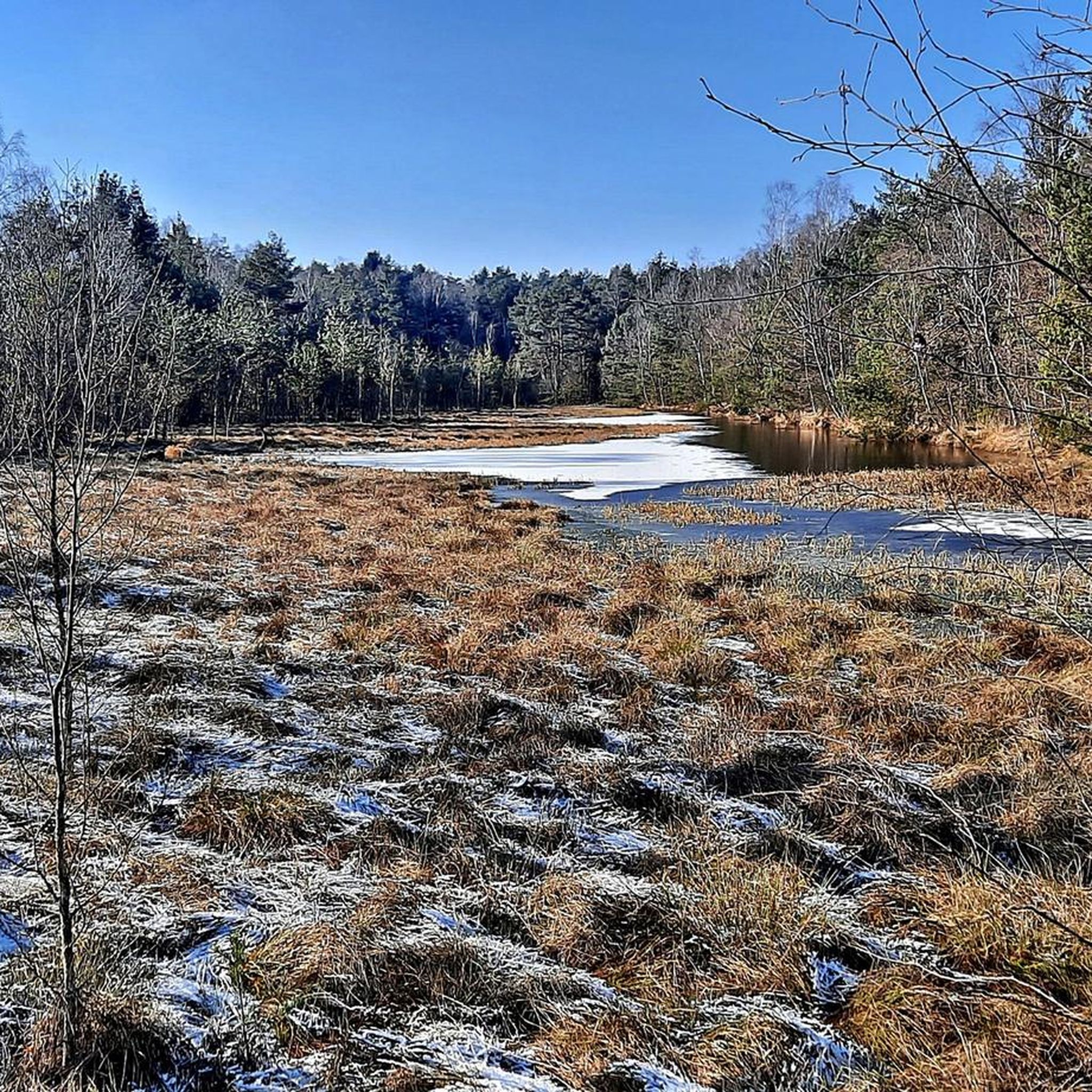
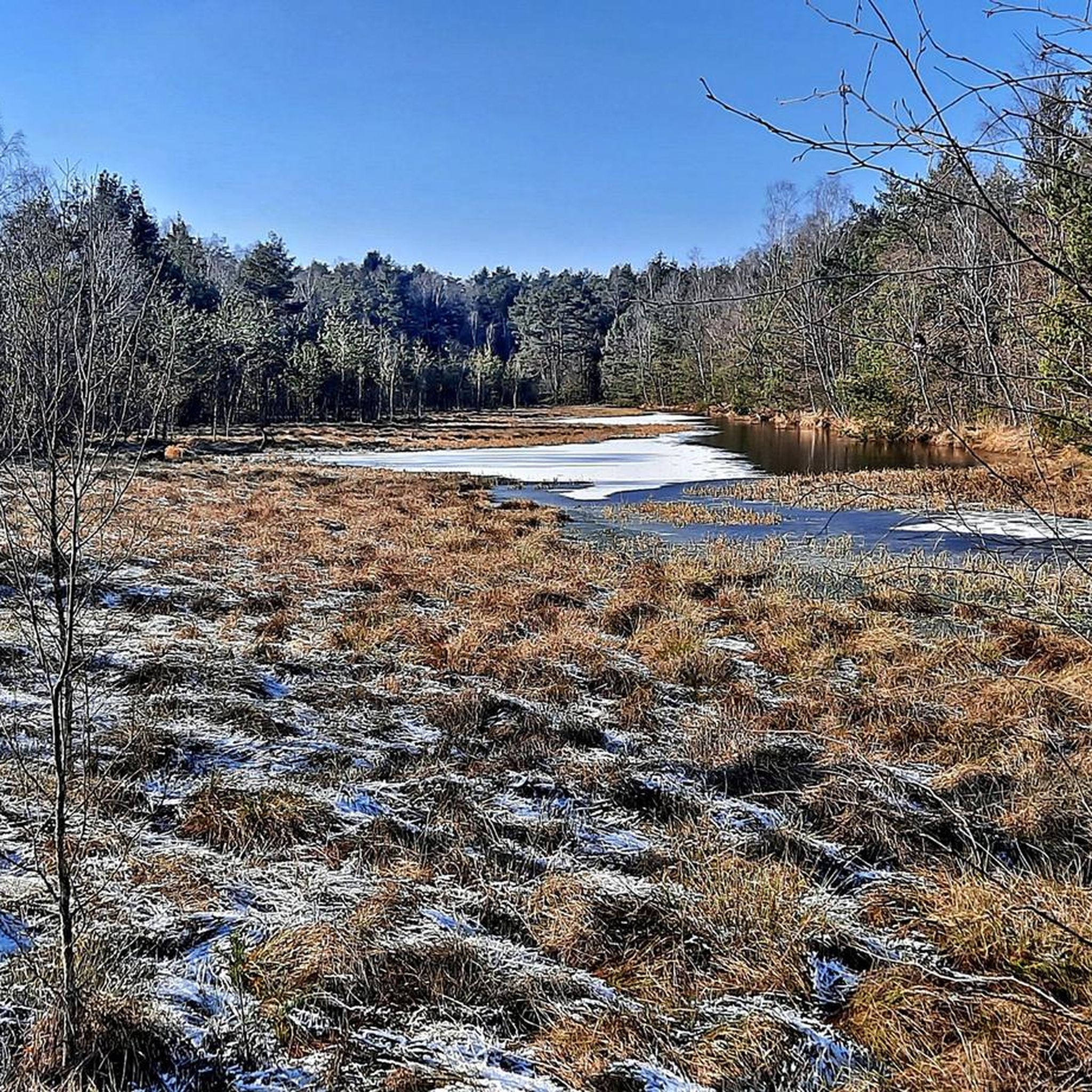
Hiking in Haspelmoor offers access to a unique moorland landscape, a former glacial lake basin in the district of Fürstenfeldbruck. The area is characterized by a wetland environment supporting specific plant species, including delicate peat moss and diverse flora like gnarled birches, pines, and heather. Trails often wind through primeval forest paths, with dark "moor eyes" appearing at various spots. This distinct natural setting provides a tranquil experience away from more crowded regions.
Best hiking trails in Haspelmoor
- The most…
Last updated: September 30, 2026
4.4
(30)
116
hikers
Easy hike. Great for any fitness level. Easily-accessible paths. Suitable for all skill levels.
4.7
(24)
107
hikers
2.69km
00:41
10m
10m
Easy hike. Great for any fitness level. Easily-accessible paths. Suitable for all skill levels.

4.4
(19)
51
hikers
Easy hike. Great for any fitness level. Easily-accessible paths. Suitable for all skill levels.
4.5
(11)
38
hikers
7.95km
02:03
40m
40m
Moderate hike. Good fitness required. Easily-accessible paths. Suitable for all skill levels.
4.1
(7)
36
hikers
Easy hike. Great for any fitness level. Easily-accessible paths. Suitable for all skill levels.
Get access to more routes and recommendations from other explorers.
Already have an account?
Our route recommendations are based on thousands of hikes, rides, and runs completed by other people on komoot.
Start today with a free account
Your next adventure awaits.
Tips from the Community

Currently, access from the railway embankment side is blocked, as the bridge was demolished due to the risk of collapse.
1
0

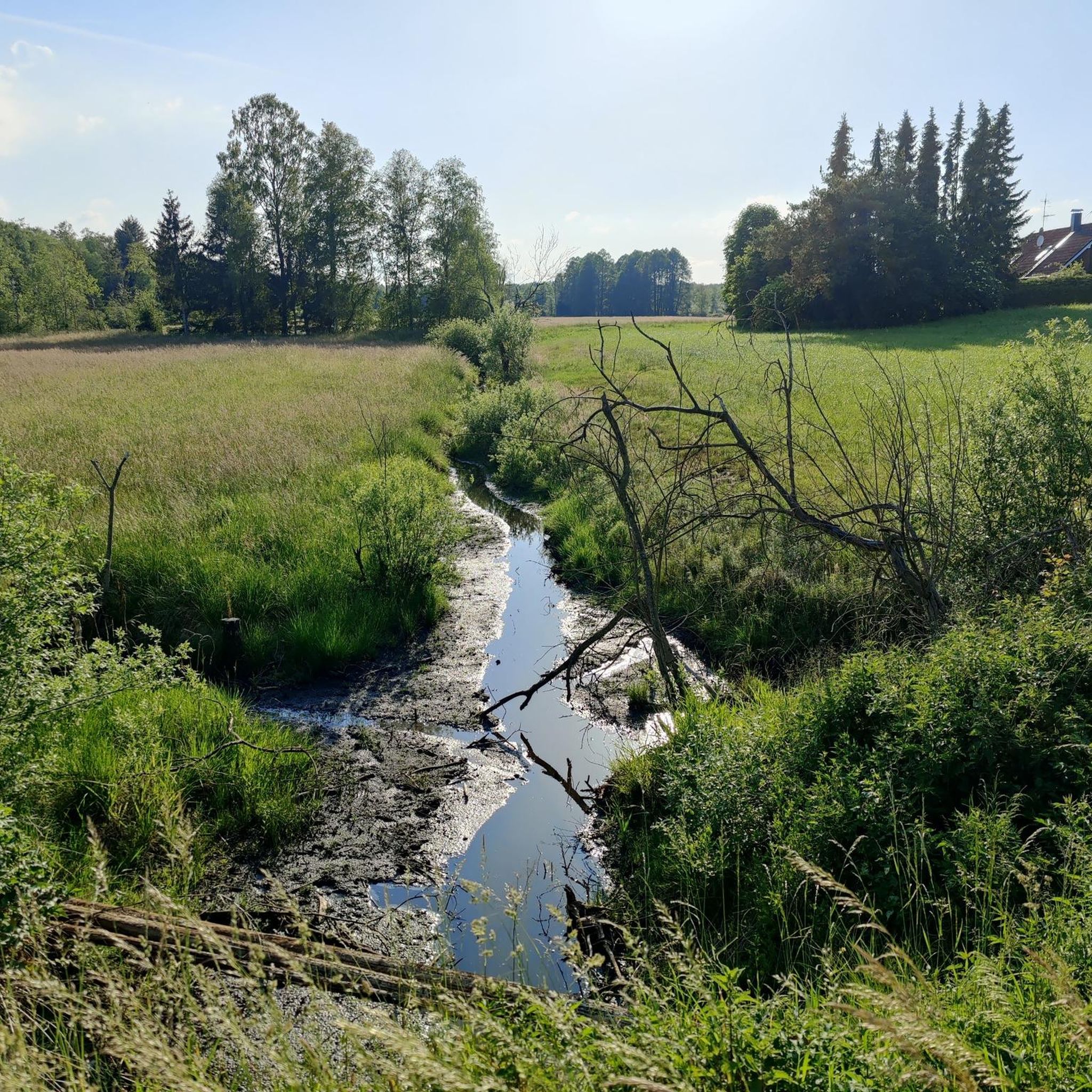
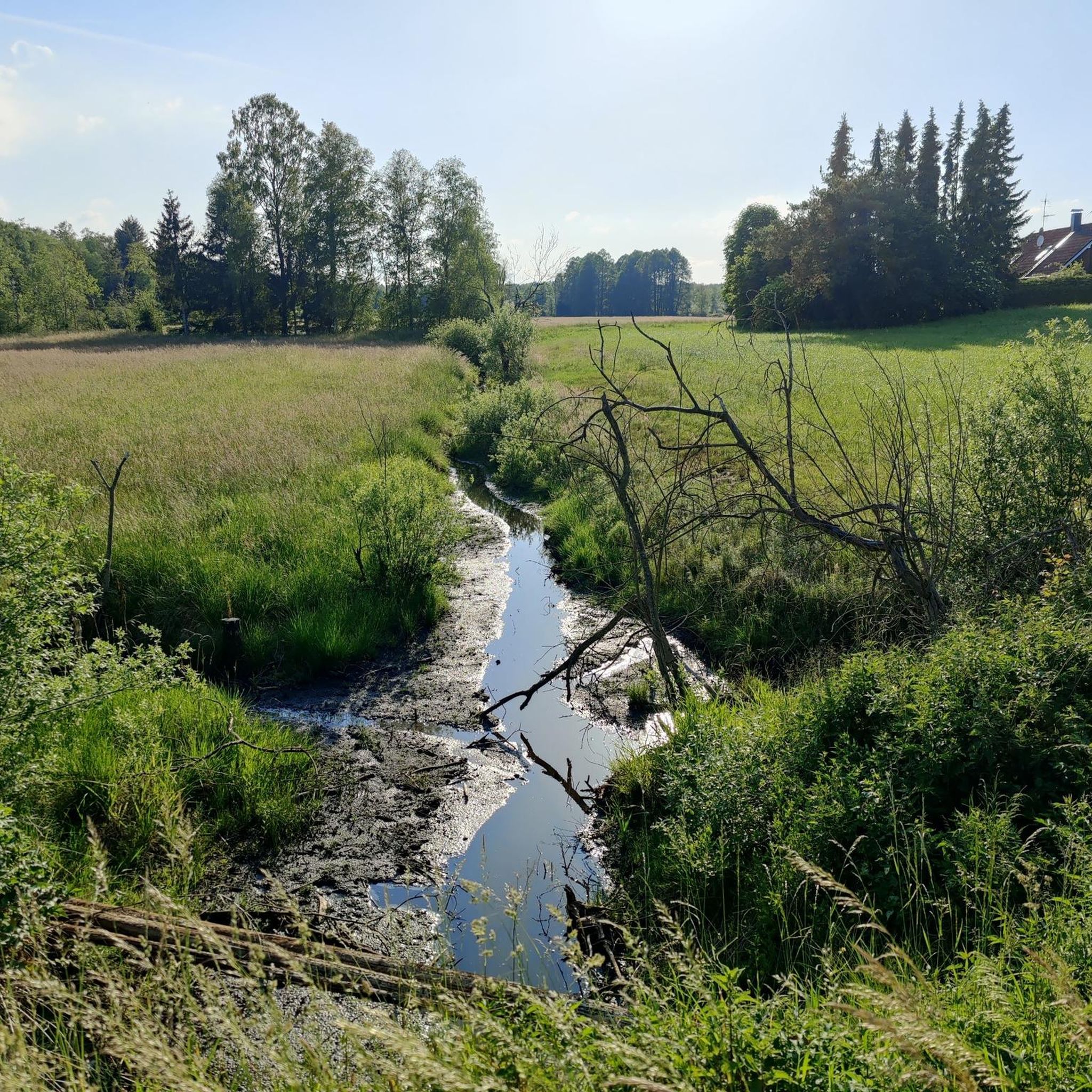
Small bridges, so you don't get wet feet
0
0

Nature reserve since 1985
0
0
Nature reserve since 1985
0
0
Large playground in the shade
0
0

Spacious playground in Haspelmoor with a long slide, climbing frame and much more
1
0

The rail parts and sleepers used are from the former peat railway. The meMOORial is reminiscent of intensive peat mining as heating or insulating material and for locomotive lighting.
4
0
Frequently Asked Questions
What kind of landscape can I expect when hiking in Haspelmoor?
Haspelmoor offers a unique moorland landscape, a former glacial lake basin characterized by a distinct wetland environment. You'll find primeval forest paths, delicate peat moss, gnarled birches, pines, and heather bushes. Dark 'moor eyes' appear at various spots, adding to the mystique of the area.
Are there many hiking trails available in Haspelmoor?
Yes, Haspelmoor boasts a comprehensive network of over 400 hiking routes. The majority, around 287, are classified as easy, making the area accessible for various fitness levels.
What is the general difficulty of hiking trails in Haspelmoor?
Most trails in Haspelmoor are considered easy to moderate. Out of over 400 routes, 287 are easy and 115 are moderate, with only a few classified as difficult. This makes it a great destination for relaxed walks and nature immersion.
Are there any circular hiking routes in Haspelmoor?
Yes, Haspelmoor is well-suited for circular walks. Many popular routes are loops, such as the Wooden bridge in Haspelmoor – Forest Path Through Haspelmoor loop from Haspelmoor, which features wooden bridges traversing the moor. Another option is the Bench by the Finsterbach loop from Haspelmoor, offering a pleasant journey through the moorland.
What natural features or landmarks should I look out for in Haspelmoor?
Beyond the extensive moorland and peat moss, keep an eye out for 'moor eyes' – dark water emerging in various spots. The area is also home to diverse flora, including white tufts of cotton grass in early June, and is a haven for birdwatchers. The 'Twisted Tree in Haspelmoor Nature Reserve' is a notable natural monument.
Is Haspelmoor suitable for family-friendly hikes?
Absolutely. With a large number of easy and well-maintained trails, Haspelmoor is ideal for families. The unique landscape and diverse plant life offer an engaging experience for children, and shorter loops like the Haspelmoor Nature Reserve – Haspelmoor loop from Haspelmoor are perfect for little legs.
Can I bring my dog on the hiking trails in Haspelmoor?
Haspelmoor is generally dog-friendly, offering many trails suitable for walks with your canine companion. However, as it is a sensitive moorland ecosystem, it's important to keep dogs on a leash and stay on designated paths to protect the delicate vegetation and wildlife.
What is the best time of year to visit Haspelmoor for hiking?
Haspelmoor is beautiful year-round, but spring and early summer are particularly special. In early June, the white tufts of cotton grass create fluffy carpets across the moor. Autumn brings vibrant colors to the birches and pines. The well-maintained paths make it accessible in most conditions.
Are there options for public transport to Haspelmoor?
Yes, the Haspelmoor area is accessible by public transport. The 'Haspelmoor' train station (Bahnhof Haspelmoor) provides direct access to the trails, making it convenient for hikers without a car.
Where can I park when visiting Haspelmoor for a hike?
Parking is available at various access points around Haspelmoor. You can start popular loop trails from locations like Althegnenberg or Hattenhofen, which typically have designated parking areas for hikers. The area around Haspelmoor train station also offers parking options.
What do other hikers enjoy most about Haspelmoor?
The komoot community highly rates Haspelmoor, with an average score of 4.6 stars from over 900 reviews. Hikers frequently praise the tranquil atmosphere, the unique moorland ecosystem, and the well-maintained paths, often highlighting the peaceful escape it offers from urban areas.
Are there any specific areas within Haspelmoor that are particularly interesting to explore?
Within Haspelmoor, areas like the 'Rotes Moor' and 'Biermösl' are highlighted as significant natural sections. The 'Nassenmoos' is found in the extreme south. These areas offer a deeper immersion into the unique moorland environment.
Most popular routes in Haspelmoor
Most popular attractions in Haspelmoor

Get inspired with the komoot mobile app


Explore more
Browse the best Hikes in other regions.
