The best cycling routes in Nsg Laubenheimer-Bodenheimer Ried
4.5
(11675)
63,797
riders
739
rides
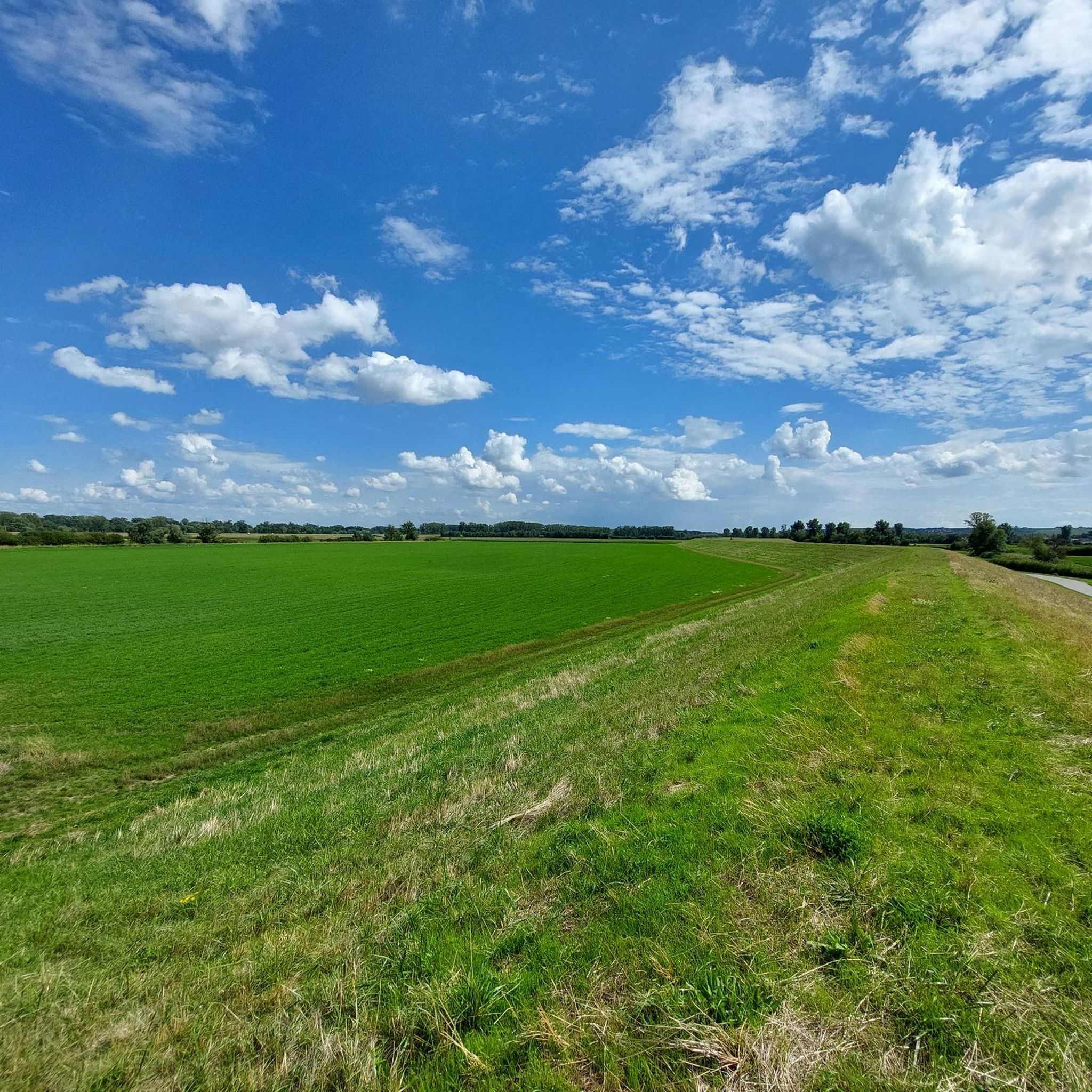
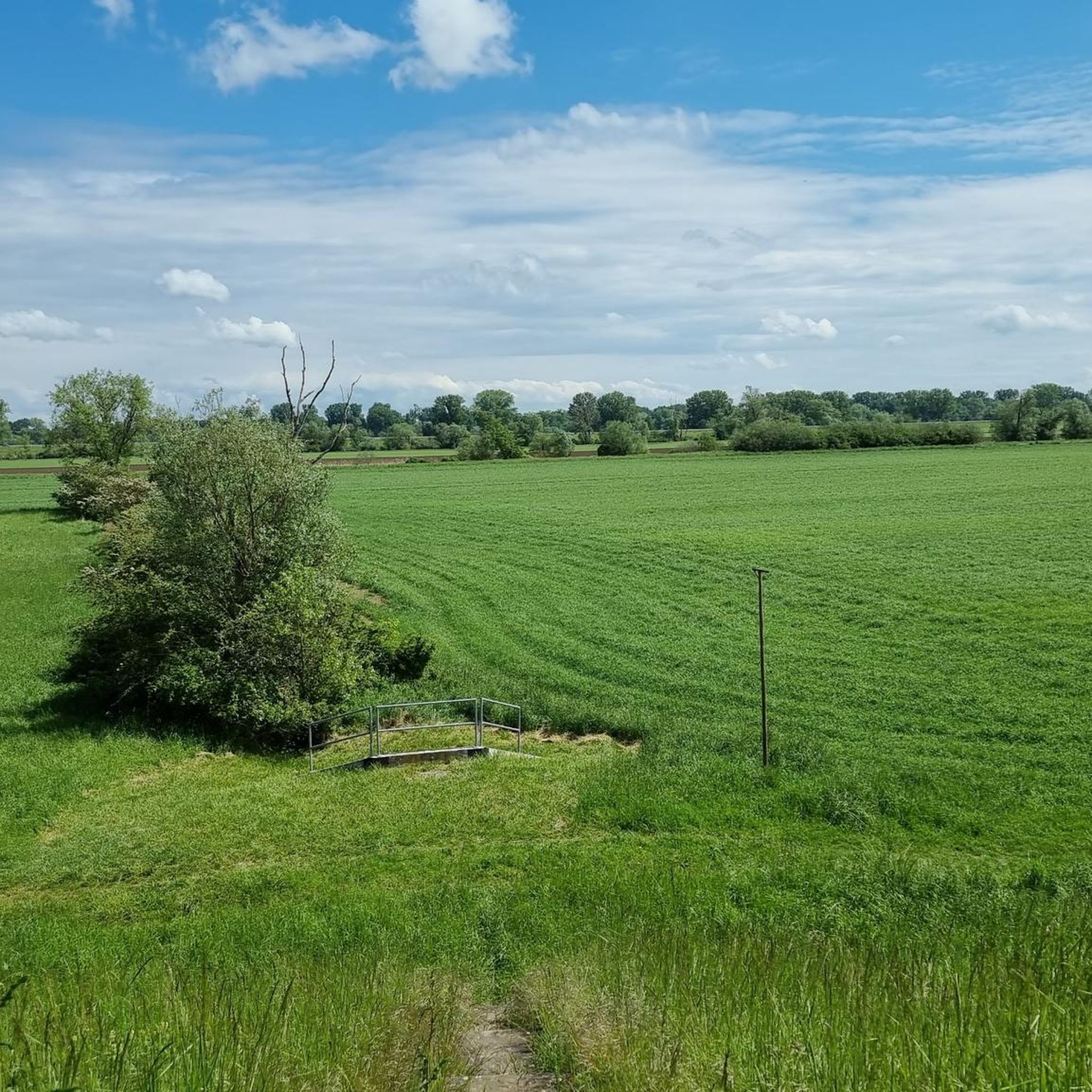
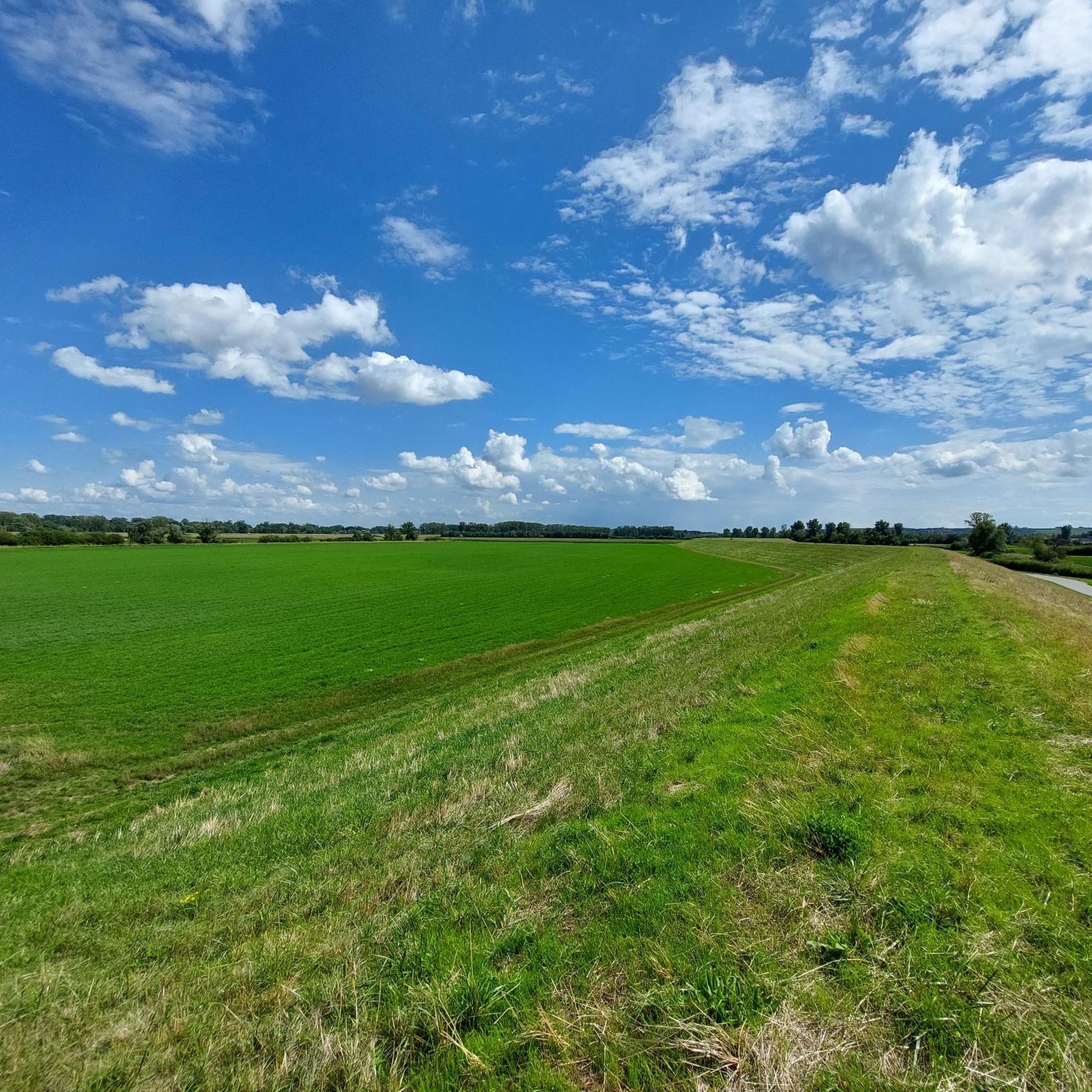
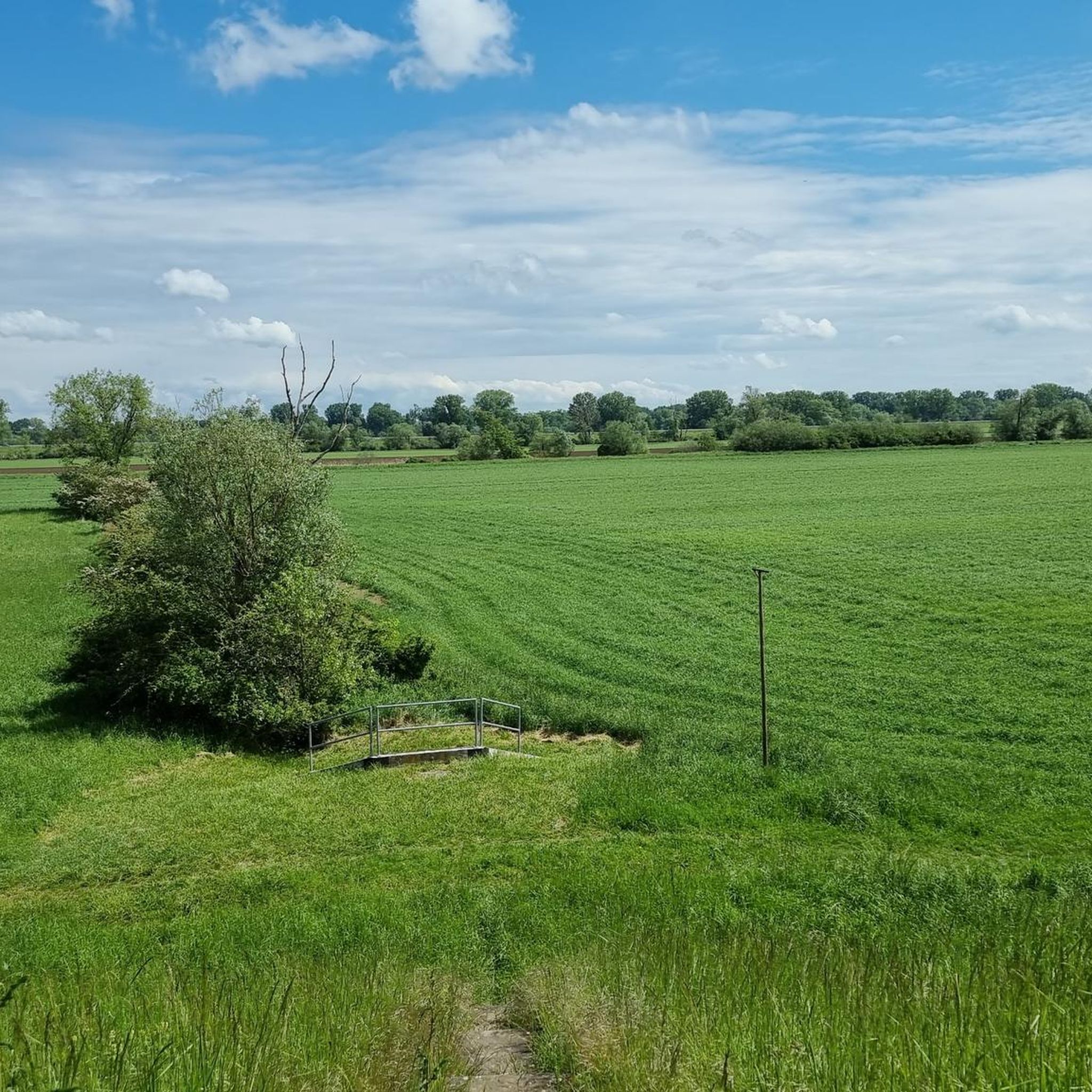
Touring cycling in Nsg Laubenheimer-Bodenheimer Ried offers routes through a largely flat landscape characterized by floodplain habitats, extensive reed beds, and numerous ponds. The region is situated within the Upper Rhine lowlands, providing access to established cycling infrastructure. This area features species-rich riparian meadows and is well-connected to the broader Rheinhessen region, known for its cycling-friendly paths. The terrain is predominantly flat, making it suitable for touring cyclists seeking relaxed rides.
Best touring cycling routes in Nsg Laubenheimer-Bodenheimer Ried
- The…
Last updated: October 11, 2026
4.7
(26)
289
riders
Easy bike ride. Great for any fitness level. Mostly paved surfaces. Suitable for all skill levels.
4.7
(377)
1,656
riders
Easy bike ride. Great for any fitness level. Mostly paved surfaces. Suitable for all skill levels.

4.6
(20)
98
riders
Hard bike ride. Very good fitness required. Mostly paved surfaces. Suitable for all skill levels.
4.5
(6)
66
riders
Easy bike ride. Great for any fitness level. Mostly paved surfaces. Suitable for all skill levels.
4.7
(11)
56
riders
Moderate bike ride. Good fitness required. Mostly paved surfaces. Suitable for all skill levels.
Get access to more routes and recommendations from other explorers.
Already have an account?
Our route recommendations are based on thousands of hikes, rides, and runs completed by other people on komoot.
Start today with a free account
Your next adventure awaits.
Tips from the Community

From the Rheinterrasse, with favorable visibility conditions, you can enjoy a great panorama and the view of the „Großer Feldberg“.
1
0

The Rheinterassen in Mainz are located a meter further back, but the view of the river and the bridge to Frankfurt is good.
1
0

The Nibelungen Tower in Worms is a striking, 53-meter-high landmark of historicism and is considered the official "Gateway to the City". It was built between 1897 and 1900 according to plans by city architect Karl Hofmann in the Neo-Romanesque style – the so-called "Worms Style" – directly on the western bridgehead of the Nibelungen Bridge. Originally, the Rhine bridge had an identical partner tower on the Hessian side; however, this was dismantled after severe damage in World War II, making the Worms tower the last remaining original example of this monumental bridge architecture. Inside the tower, where the bridge keepers' rooms used to be, a leisure and meeting center now extends over several floors. The building is operated by the Verband Christlicher Pfadfinderinnen und Pfadfinder (VCP) Rheinland-Pfalz/Saar as a hostel and self-catering house for youth groups, clubs, and school classes. In addition to dormitories with a total of 47 beds, the historic walls offer meeting rooms, kitchens, and a large common room. A special highlight for the public are the regularly offered tower tours: after climbing around 500 steps, visitors reach a viewing platform that offers a panoramic view of the Rhine, the Rhenish-Hessian landscape, and the old town of Worms with its cathedral.
0
0

The Rhine river borders the western edge of the Geo-Naturpark Bergstraße-Odenwald. The Rhine plain delimits the protected natural area in Germany, offering famous viewpoints such as Mount Melibokus. Local Odenwald rivers, such as the Modau, flow into the historic Rhine branches in this area of Hesse.
0
0

Taking part in a guided tour on the Schiffsmühle is highly recommended and interesting.
0
0
Historical Age: The bridge was built around 1877 (twelve years after the harbor opened) and is today considered one of the oldest still preserved swing bridges in all of Germany. For this reason, the steel truss construction is an important cultural monument under strict heritage protection. Technical Dimensions & Function: The structure has a length of 37.50 meters, a width of 4.50 meters, and weighs around 54 tons. The original mechanical rotation mechanism ensured for decades that the bridge could be swung to the side at any water level to allow larger ships to pass into the harbor basin. Modernization: After the historical rotation mechanism was irreparably damaged and jammed in 1996, the bridge was fundamentally reconstructed in 2009. The historical appearance of the top chords was preserved, while the outdated mechanics were replaced by a state-of-the-art hydraulic rotation system. Location & Significance: It connects the Stresemann-Ufer (Old Town side near the Hyatt Hotel) directly with the Victor-Hugo-Ufer on the upstream mole. Today, it serves exclusively as an important, highly frequented connection for pedestrians and cyclists and is an integral part of recreational routes such as the popular Mainzer Drei-Brücken-Weg.
8
1

A wonderful place, great view of the water and a rush down to Nierstein to a nice cafe on the market square. A piece of vacation
0
0

Frequently Asked Questions
What is the typical terrain and difficulty level for touring cycling in Nsg Laubenheimer-Bodenheimer Ried?
The terrain in Nsg Laubenheimer-Bodenheimer Ried is largely flat, making it ideal for touring cyclists. The region is characterized by floodplain habitats, extensive reed beds, and numerous ponds. While many routes are easy, such as the Cycle Path Near Rhenish Hesse loop from Mainz-Laubenheim, there are also moderate and more challenging options available, including longer rides along the Rhine.
Are there family-friendly touring cycling routes in Nsg Laubenheimer-Bodenheimer Ried?
Yes, the predominantly flat landscape makes Nsg Laubenheimer-Bodenheimer Ried very suitable for family cycling. Many routes, especially those traversing the Rhenish Hesse region or along the Rhine, have minimal ascents and are often on asphalted paths, perfect for all ages. An easy option is the New Rhine Cycle Path – Main riverbank near Kostheim loop from Mainz-Laubenheim.
Can I bring my dog on touring cycling routes in Nsg Laubenheimer-Bodenheimer Ried?
While the nature reserve itself is primarily for nature observation, the surrounding cycling routes are generally dog-friendly. It's always recommended to keep dogs on a leash, especially when cycling near sensitive natural habitats or agricultural areas, to protect wildlife and ensure a pleasant experience for everyone. Always check local signage for specific regulations within the nature reserve boundaries.
What natural features or landmarks can I expect to see while cycling in the area?
While cycling in Nsg Laubenheimer-Bodenheimer Ried, you'll encounter a rich mosaic of floodplain habitats, extensive reed beds, and numerous ponds, which are home to diverse birdlife. Notable natural features include species-rich riparian meadows. You can also explore highlights like the Woodland Path Between the Lakes in Laubenheimer-Bodenheimer Ried or enjoy views from the Bench with a view of the Laubenheimer–Bodenheimer Ried.
Are there many circular touring cycling routes available?
Yes, Nsg Laubenheimer-Bodenheimer Ried and the surrounding Rheinhessen region offer numerous circular touring cycling routes. These loops allow you to start and end your ride at the same point, making logistics easier. An example is the Vineyard Ridge Trail – Nierstein Watchtower loop from Mainz-Laubenheim, which takes you through vineyards.
What is the best time of year for touring cycling in Nsg Laubenheimer-Bodenheimer Ried?
The best time for touring cycling in Nsg Laubenheimer-Bodenheimer Ried is generally from spring to autumn. During these seasons, the weather is pleasant, and the natural landscape is vibrant. Spring and early summer are particularly good for birdwatching, as many species are active in the reed beds and wetlands. The flat terrain makes it enjoyable even on warmer days, especially along the Rhine where breezes can be refreshing.
Where can I park my car when visiting for a bike tour?
Parking facilities are typically available in the towns and villages surrounding Nsg Laubenheimer-Bodenheimer Ried, such as Mainz-Laubenheim or Bodenheim. Many routes start from these locations, offering convenient access. Look for designated parking areas near trailheads or public transport hubs.
How can I reach Nsg Laubenheimer-Bodenheimer Ried using public transport?
Nsg Laubenheimer-Bodenheimer Ried is accessible via public transport, particularly from Mainz. Local train and bus services connect Mainz to surrounding towns like Laubenheim and Bodenheim, which serve as excellent starting points for cycling tours. Many public transport options in the region are bike-friendly, allowing you to bring your touring bicycle along.
What do other touring cyclists enjoy the most about cycling in Nsg Laubenheimer-Bodenheimer Ried?
The area is highly rated by the komoot community, with an average score of 4.5 stars from over 11300 reviews. Reviewers often praise the flat, scenic routes, the rich birdlife, and the peaceful atmosphere. The connectivity to major routes like the Rhine Cycle Route and the diverse landscapes, from wetlands to vineyards, are frequently highlighted as enjoyable aspects.
Are there any longer touring cycling routes for experienced riders?
Yes, for experienced riders seeking longer distances, the region offers routes that connect to the broader Rheinhessen network and the famous Rhine Cycle Route. An example is the Riverside Path at Hammer Aue – Ginsheim Bike Path loop from Mainz-Laubenheim, which covers over 100 km and follows the Rhine, providing extensive riverside views and a more challenging duration.
Can I find food and accommodation near the cycling routes?
Yes, the towns and villages surrounding Nsg Laubenheimer-Bodenheimer Ried, such as Laubenheim, Bodenheim, and Nierstein, offer various options for food and accommodation. You'll find cafes, pubs, and restaurants to refuel, as well as guesthouses and hotels for overnight stays. These locations are often directly on or very close to popular cycling paths, making them convenient stops.
Are there any specific regulations for cycling within the Nsg Laubenheimer-Bodenheimer Ried nature reserve itself?
While the nature reserve is primarily for nature observation and features walking routes, cycling is generally permitted on designated paths and public roads that traverse the periphery or connect to the wider cycling network. It's crucial to stay on marked paths, respect wildlife, and avoid disturbing the sensitive ecosystems, especially the extensive reed beds and wetlands. Always observe local signage for specific rules within the reserve boundaries.
What other themed cycling routes are available in the broader Rheinhessen region?
Beyond the immediate vicinity of Nsg Laubenheimer-Bodenheimer Ried, the Rheinhessen region offers several themed cycling routes. These include the 'Amiche Route' and the 'Fruit Route,' which often utilize former railway lines or quiet paths. These routes traverse orchards, vineyards, and charming villages, providing a diverse cycling experience with gentle gradients. The Rhine Cycle Route (EuroVelo 15) also passes through the region, offering predominantly flat sections.
Most popular routes in Nsg Laubenheimer-Bodenheimer Ried
Most popular attractions in Nsg Laubenheimer-Bodenheimer Ried

Get inspired with the komoot mobile app


Explore more
Browse the best Cycling routes in other regions.
