The best walks and hikes in Ehrenbürg
4.6
(16749)
65,503
hikers
13
hikes
Hiking trails in Ehrenbürg are situated in the Franconian Switzerland region of Bavaria, Germany, characterized by its distinctive double-peaked butte formation. The landscape features prominent dolomite rock formations, remnants of ancient sponge reefs, and rises significantly above the Wiesent Valley. This nature protection area offers diverse habitats, including rare dry grasslands, providing varied terrain for hikers.
Best hiking trails in Ehrenbürg
- The most popular hiking route is View of Walberla – Rocky trail near Leutenbach loop from Landkreis Forchheim,…
Last updated: October 1, 2026
4.7
(25)
89
hikers
11.5km
03:37
440m
450m
Moderate hike. Good fitness required. Mostly accessible paths. Sure-footedness required.
4.9
(17)
113
hikers
Easy hike. Great for any fitness level. Easily-accessible paths. Suitable for all skill levels.

4.7
(13)
55
hikers
2.49km
00:45
70m
80m
Easy hike. Great for any fitness level. Easily-accessible paths. Suitable for all skill levels.
4.8
(5)
16
hikers
Easy hike. Great for any fitness level. Easily-accessible paths. Suitable for all skill levels.
4.8
(5)
21
hikers
4.46km
01:20
140m
140m
Easy hike. Great for any fitness level. Easily-accessible paths. Suitable for all skill levels.
Get access to more routes and recommendations from other explorers.
Already have an account?
Our route recommendations are based on thousands of hikes, rides, and runs completed by other people on komoot.
Start today with a free account
Your next adventure awaits.
Tips from the Community

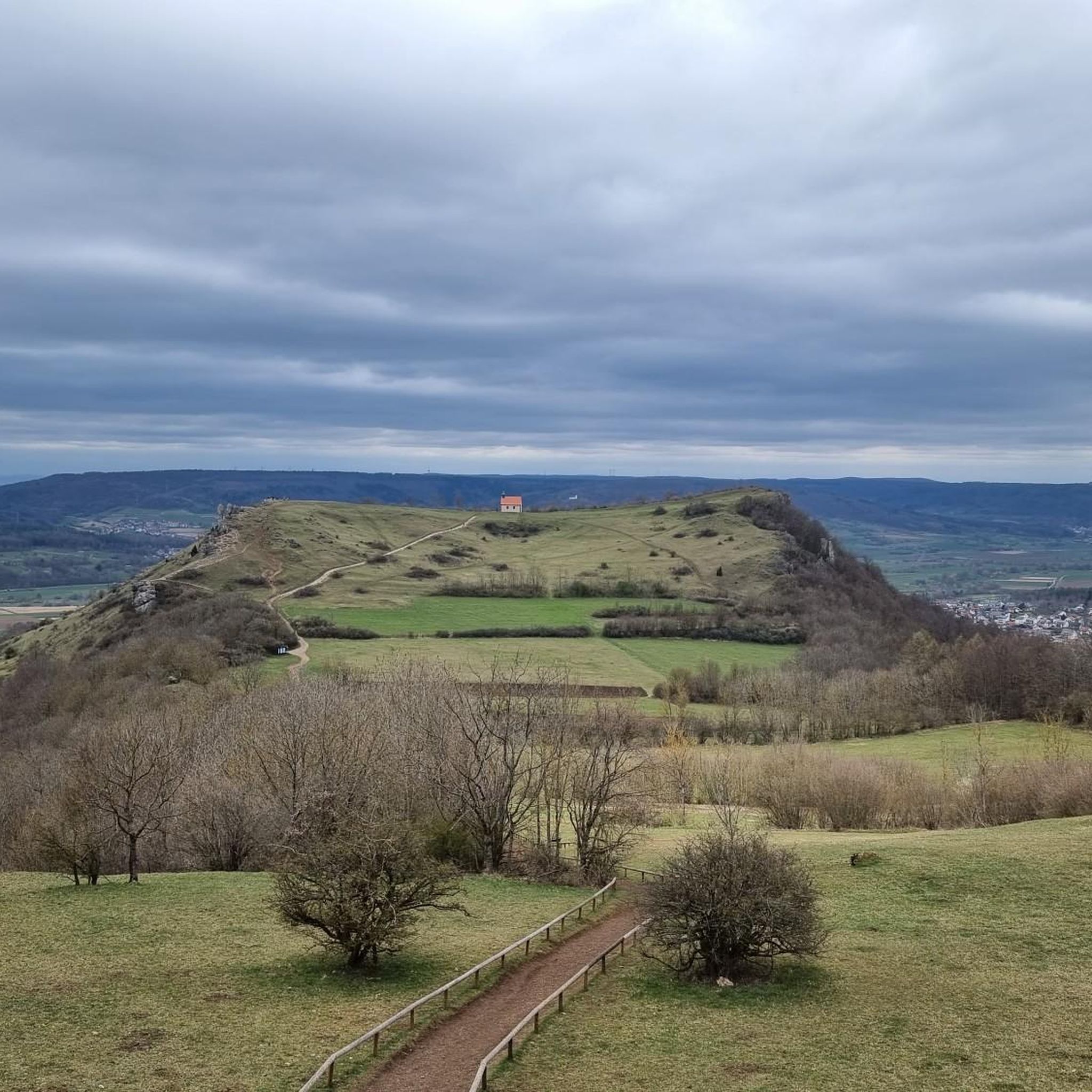
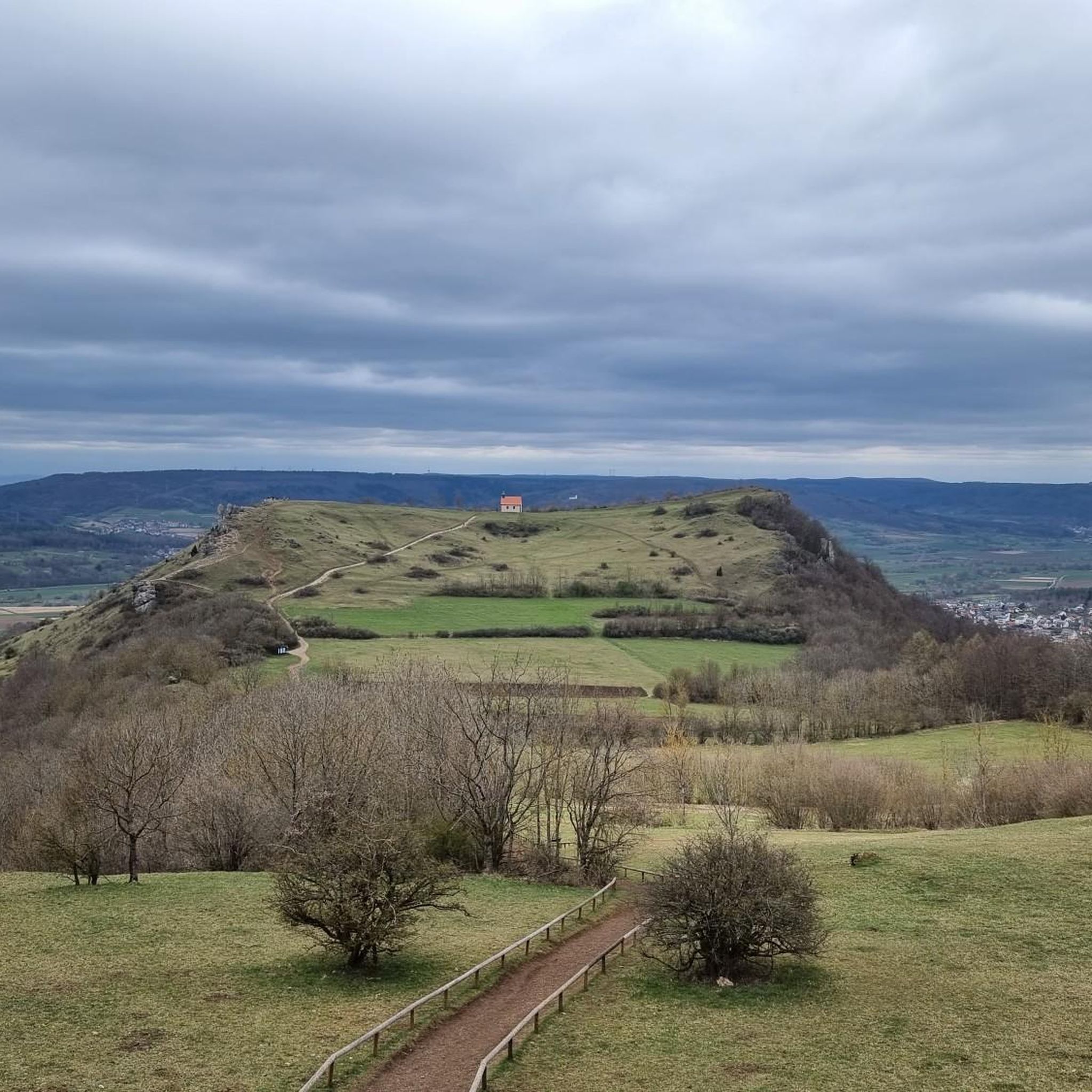
The Walpurgis Chapel (also called St. Walburgis Chapel) is located on the summit of the Walberla in the Franconian Switzerland, Germany. It is one of the most famous sights of this inselberg, which together with the neighboring Rodenstein forms the double-peak massif of the Ehrenbürg.
0
0
The chapel, also known as "Walburgiskapelle" or "Sankt-Walburgis-Kapelle", was built in 1697, although a presumably wooden predecessor was already mentioned in a document in 1350. The church consecration festival, known as the "Walberla-Fest", traditionally takes place on the first weekend in May at the chapel's location. The current chapel was built in 1697 by the Lords of Wiesenthau. Particularly striking is the bronze statue of Saint Walburga, which stands in front of the chapel and was inaugurated in 2000.
0
0
The St.-Walburgis-Kapelle on the Walberla plateau (more precisely: the Ehrenbürg) is a well-known landmark in the Franconian Jura. The chapel is located on the northern point of the plateau, the so-called Walberla (approx. 514 m), which is part of the Ehrenbürg massif (up to 532 m) in the Forchheim district. The place is dedicated to Saint Walburga, a Benedictine abbess from the 8th century, who is considered a patron saint against plague, distress, and for farmers. Traditionally, the Walberlafest takes place at the beginning of May (around May 1st), one of the oldest mountain festivals in Germany.
1
0
The entire summit area of the Ehrenbürg is designated as a protected archaeological site. Finds range from the Mesolithic (9500 to 5500 BC) and the subsequent Neolithic period (Linear Pottery culture, Michelsberg culture, and Corded Ware culture) with interruptions up to the Migration Period (approx. 350–550 AD). At least three periods have been proven in which the Ehrenbürg was fortified. In numerous areas from the summit of the Ehrenbürg, over the saddle to the summit of the Rodenstein, approximately 20,000 pits, which presumably served as storage or cellar pits, were discovered through excavations, but especially through magnetometer prospecting. This proves an extremely dense settlement within the complex for this period. Estimates of the population range from several thousand people – the most realistic figure is around 3000.
1
0
The St. Walpurgis pilgrimage chapel is located in Kirchehrenbach (district St. Walpurgis) in the Upper Franconian district of Forchheim and not in "Ehrenberg". The chapel is situated at an altitude of 507 m above sea level (NHN), approximately one and a half kilometers south of the church center of Kirchehrenbach, and is officially part of the municipality of Kirchehrenbach. Although the name is often associated with Walpurgis Night, the chapel is a pilgrimage site of the Archdiocese of Bamberg, which was first documented in 1350, and its current structure dates back to 1697. Traditionally, the so-called "Walberla-Fest" takes place here as a church consecration festival on the first weekend in May.
1
0
The Walberlafest 2026 begins on Thursday, April 30th, as May 1st falls on a Friday this year, and the opening is brought forward for this reason. The beer tapping and the setting up of the Maypole will take place on Thursday, April 30th, starting at approx. 5:00 PM, followed by festival operations until 11:00 PM.
0
0
This pilgrimage chapel was first mentioned in documents in the 14th century and stands on the high plateau of the mountain, to which a modern bronze statue of the patron saint also leads. The chapel venerates a 16th-century figure of Saint Walpurga and two 17th-century apostle figures. The pilgrimage developed into the annual Walberlafest, held on May 1st. The municipality of Kirchehrenbach features the mountain and the chapel in its coat of arms as a symbol of holy protection and local identity. Every year, the witches' festival "Heia Walpurgis!" also takes place on the Ehrenberg, celebrating the witch folk and often held on May 1st (Walpurgis Day).
1
0

A beautiful destination on the Ehrenbürg is the large summit cross on the Rodenstein: a fantastic panoramic view and a bench invite you to rest.
0
0
Frequently Asked Questions
How many hiking trails are available in Ehrenbürg?
Ehrenbürg offers a selection of over 10 hiking routes, catering to various preferences. You'll find a good mix, including 12 easy trails, 1 moderate route, and 1 more challenging option.
What kind of terrain can I expect on Ehrenbürg's hiking trails?
The terrain in Ehrenbürg is characterized by its distinctive double-peaked butte formation and prominent dolomite rock formations, remnants of an ancient Jurassic sea. Trails can range from easy paths through dry grasslands to more challenging ascents on rocky sections, especially when heading towards the peaks of Walberla or Rodenstein.
Are there any significant landmarks or viewpoints to see while hiking in Ehrenbürg?
Yes, Ehrenbürg is rich in natural and historical landmarks. You can visit the historic St. Walburga's Chapel on the Walberla plateau, explore the Wiesenthauer Needle, or enjoy panoramic vistas from the View of the Wiesent Valley from the Walberla. The Rodenstein Summit also offers breathtaking views.
Is Ehrenbürg suitable for family hikes?
Yes, Ehrenbürg offers several easy trails suitable for families. These paths often lead through the lower slopes and offer a chance to experience the unique landscape without strenuous climbs. For example, the View of Walpurgis Chapel – Wiesenthauer Needle loop from Landkreis Forchheim is an easy 2.5 km route.
Can I bring my dog on the hiking trails in Ehrenbürg?
Ehrenbürg is generally dog-friendly, with many trails suitable for walks with your canine companion. However, as it is a nature protection area, it's important to keep dogs on a leash to protect the diverse flora and fauna, especially in areas with rare dry grasslands.
Are there circular hiking routes in Ehrenbürg?
Yes, many of the hiking routes in Ehrenbürg are designed as circular loops, allowing you to start and end at the same point. Examples include the View of Walpurgis Chapel – Erzählkugel Sculpture loop from Leutenbach and the Wiesenthauer Needle – Stone Woman Rock Formation loop from Landkreis Forchheim.
What is the best time of year to hike in Ehrenbürg?
Ehrenbürg can be enjoyed year-round, but spring and autumn are particularly pleasant for hiking due to milder temperatures and vibrant natural colors. The area is also known for the annual Walberla-Fest, which takes place on the first Sunday in May, adding a cultural highlight to a spring visit.
How can I get to Ehrenbürg using public transport?
Ehrenbürg is accessible via public transport, with nearby towns like Kirchehrenbach serving as good starting points. You can typically reach these towns by regional train or bus services, and then connect to the hiking trails. It's advisable to check local bus schedules for the most up-to-date information on routes to the base of Walberla.
Where can I park when visiting Ehrenbürg for a hike?
Designated parking areas are available at various access points around Ehrenbürg, particularly near the villages at the base of the mountain, such as Kirchehrenbach or Leutenbach. These spots provide convenient starting points for many of the trails leading up to Walberla and Rodenstein.
What makes Ehrenbürg's landscape unique?
Ehrenbürg, often called Walberla, stands out as a double-peaked butte, an outlier of the Franconian Jura. Its landscape is defined by impressive dolomite rock formations, which are remnants of ancient sponge reefs. It's also a nature protection area, home to rare dry grasslands and unique plants like the Franconian service tree.
What do other hikers say about the trails in Ehrenbürg?
The trails in Ehrenbürg are highly rated by the komoot community, with an average score of 4.8 stars from over 1,900 reviews. Hikers often praise the extensive panoramic views, the unique rock formations, and the well-maintained paths that offer a diverse outdoor experience.
Are there any historical sites to explore in Ehrenbürg?
Yes, Ehrenbürg has significant historical importance. It was once a Celtic settlement and hill fort dating back to the early Iron Age. Hikers can explore reconstructed sections of the ancient Celtic ring wall system, offering a fascinating glimpse into its past.
What are some easier hiking options in Ehrenbürg?
For those seeking less strenuous walks, Ehrenbürg offers several easy routes. The View of Walpurgis Chapel – Wiesenthauer Needle loop from Landkreis Forchheim is a short 2.5 km trail, and the Wiesenthauer Needle – Stone Woman Rock Formation loop from Landkreis Forchheim is another easy 2.7 km option, both leading through the scenic lower slopes.
Most popular routes in Ehrenbürg
Most popular attractions in Ehrenbürg

Get inspired with the komoot mobile app


Explore more
Browse the best Hikes in other regions.
