Attractions and Places To See in Naturpark Hessischer Spessart - Top 20
Best attractions and places to see in Naturpark Hessischer Spessart, a diverse natural and cultural landscape spanning approximately 730 square kilometers in southeastern Hesse. Framed by the Main, Kinzig, and Sinn rivers, it features one of the largest contiguous forest areas in central Germany, predominantly oak and beech forests. The region's geological foundation of Bunter sandstone creates a varied landscape of deep valleys and gentle hillsides. It offers a blend of natural beauty, historical insights, and outdoor activities.
Best attractions…
Last updated: August 15, 2026
Bad Orb Graduation House
Highlight • Monument
Above all, these old graduation towers are …
Translated by Google •
Tip by

Kinzig Reservoir
Highlight • Lake
Translated by Google •
Tip by

Sign up now to discover places like this
Get recommendations on the best single tracks, peaks, & plenty of other exciting outdoor places.
Sign up for free
Kinzig Floodplains
Highlight • River
Translated by Google •
Tip by

Kinzigsee and Ruhlsee
Highlight • Lake
Translated by Google •
Tip by

St. Wolfgang Monastery Ruins
Highlight • Historical Site
Translated by Google •
Tip by

Sign up for free to discover even more attractions in Naturpark Hessischer Spessart.
Sign up for free
Already have an account?
Start today with a free account
Your next adventure awaits.
Login or Signup
Popular around Naturpark Hessischer Spessart
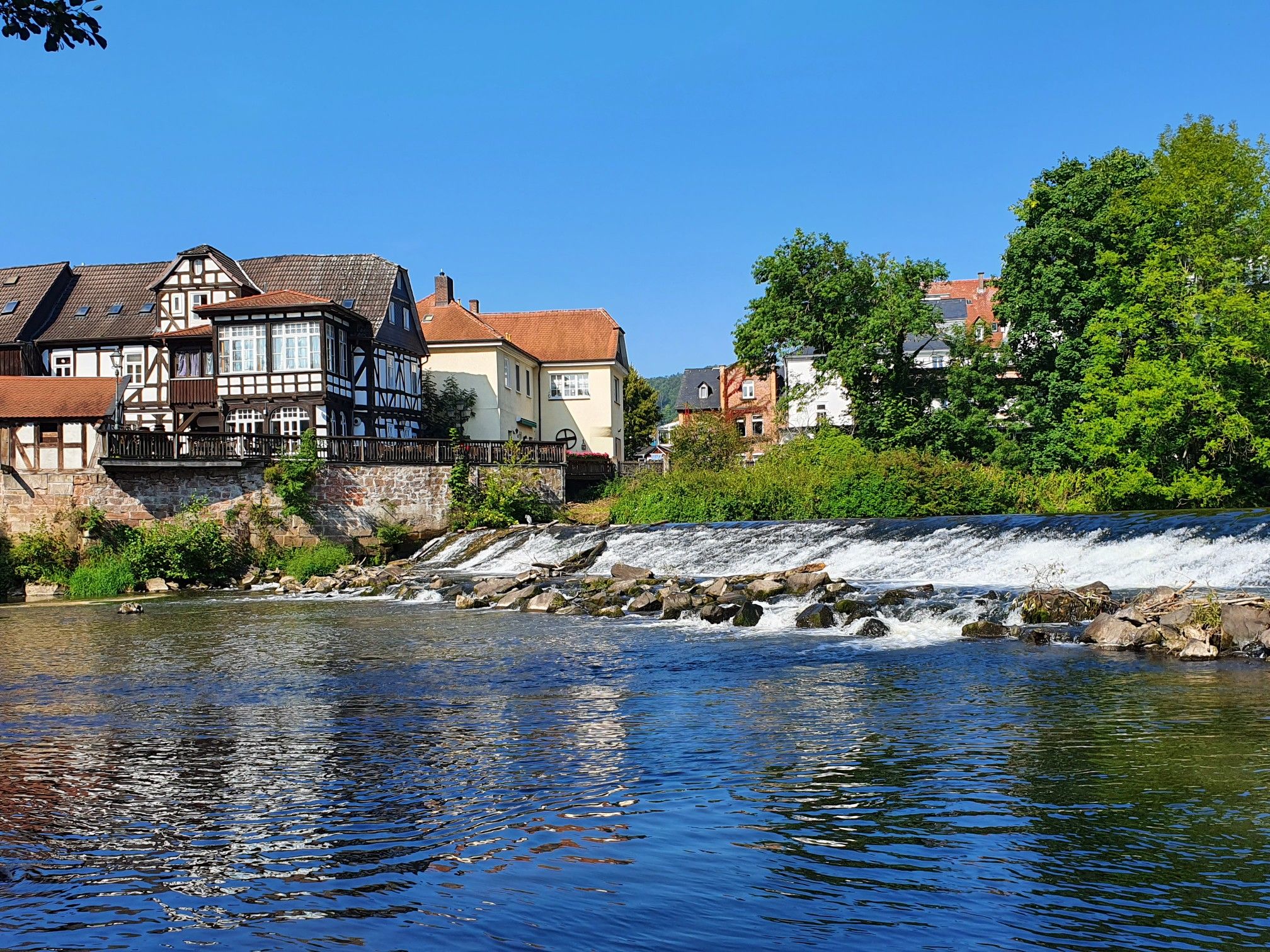
11 Hessen trails – criss-cross through the countryside
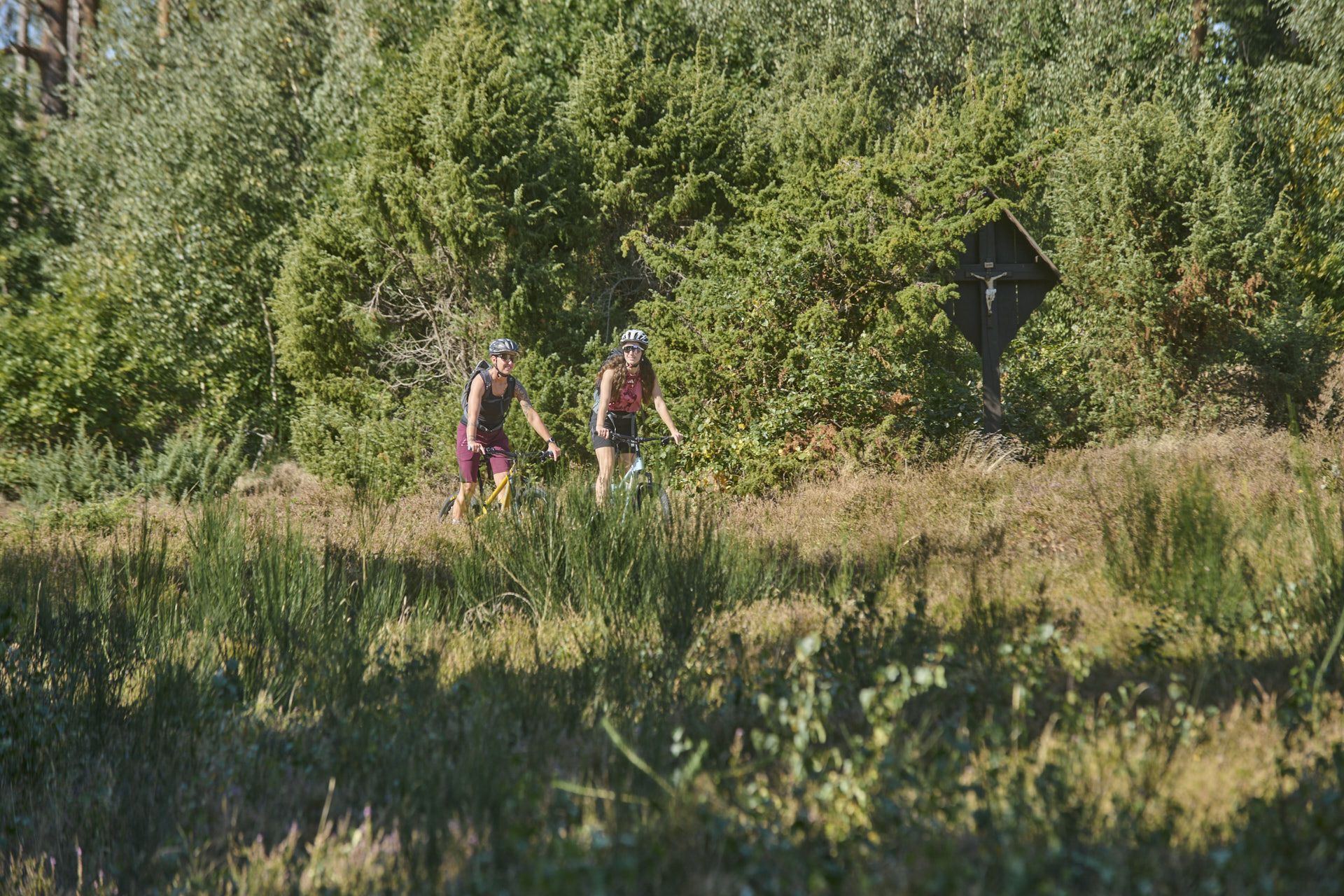
Nature, trails and local cuisine – MTB in the Spessart
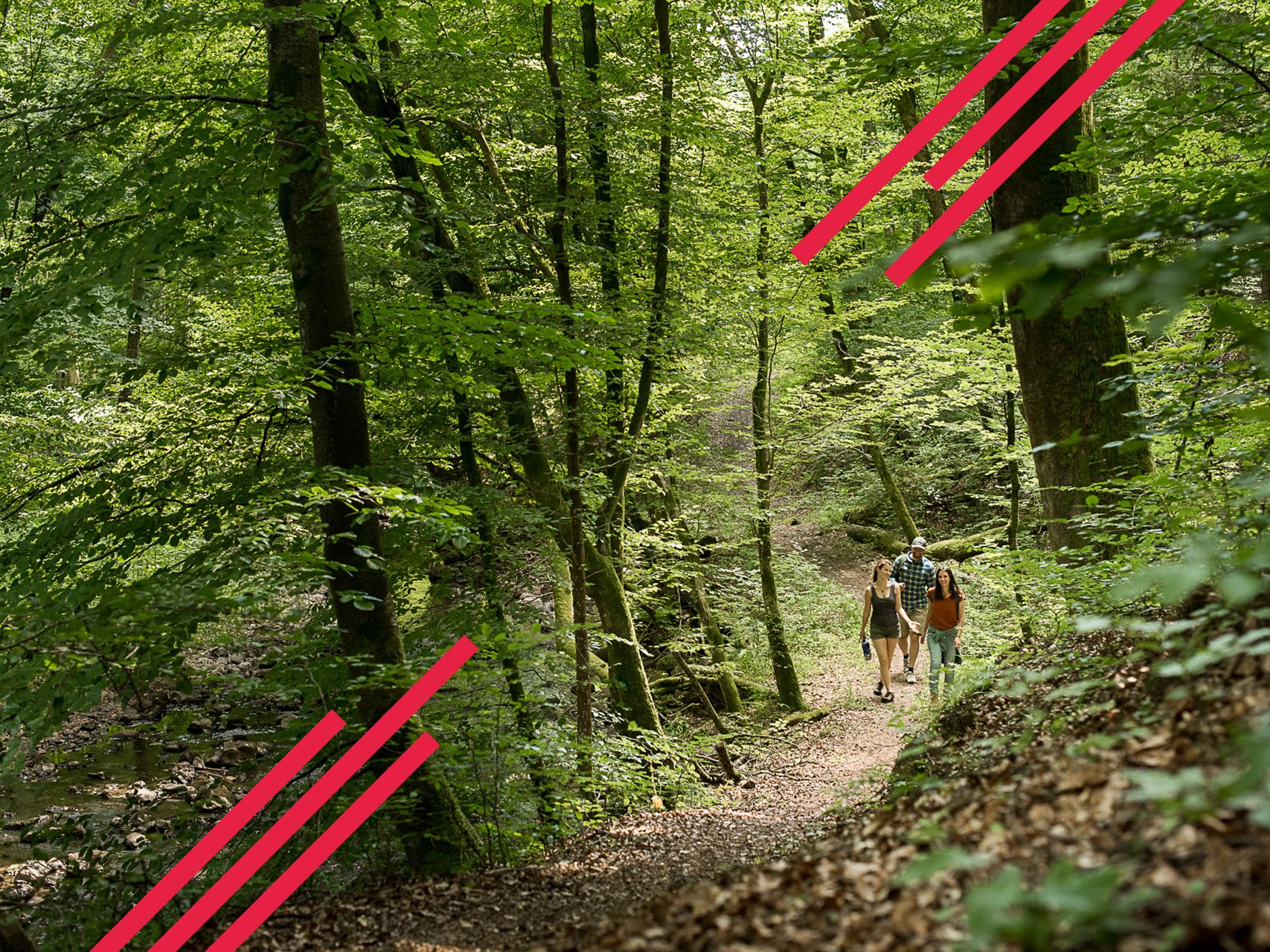
Relaxed hiking in the Spessart – short trails of discovery
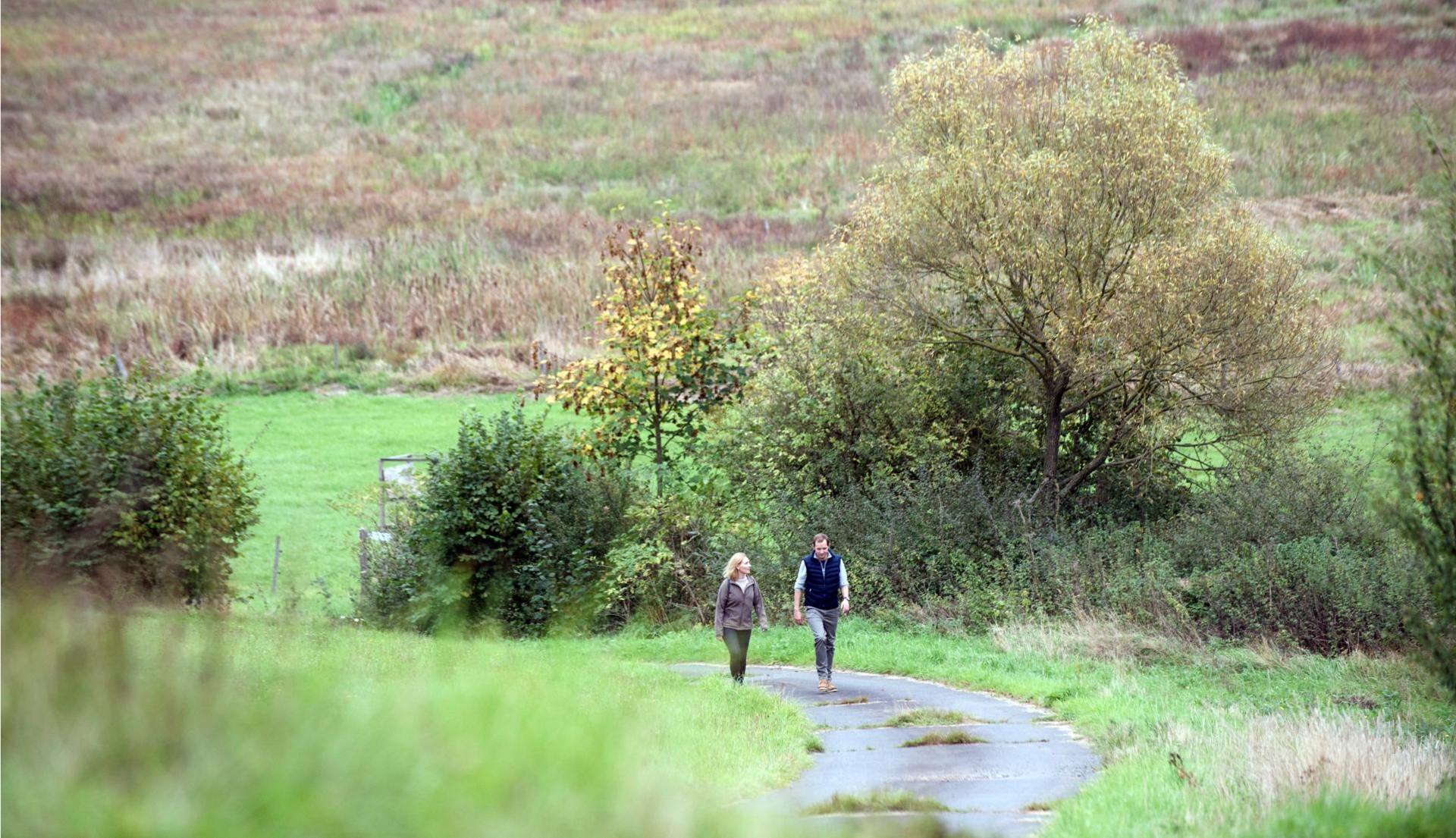
Pleasure hiking in the Spessart: trails that taste as good as they look
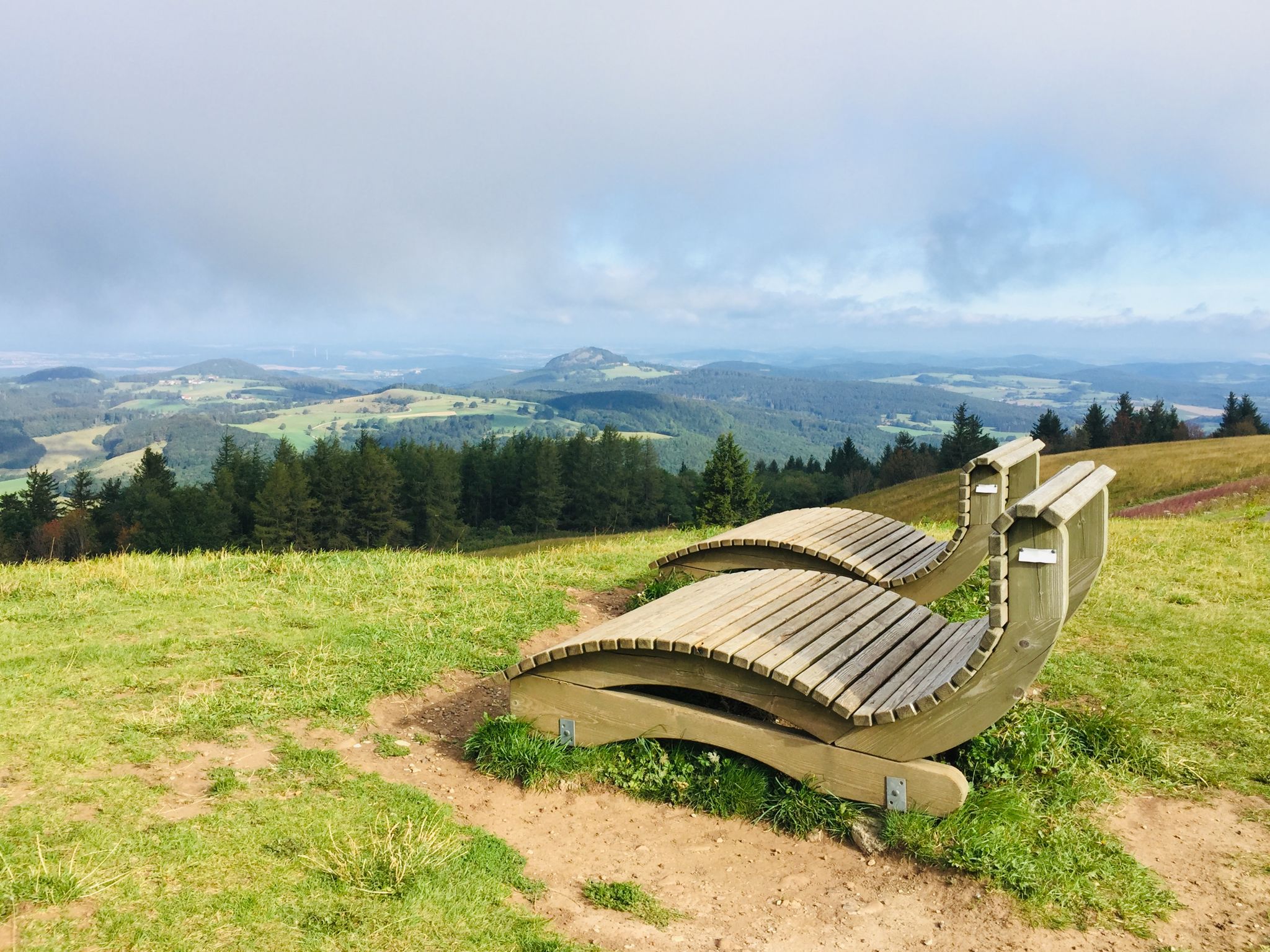
The National Natural Landscapes in Hessen

Winter adventures by public transport – hikes for the whole family
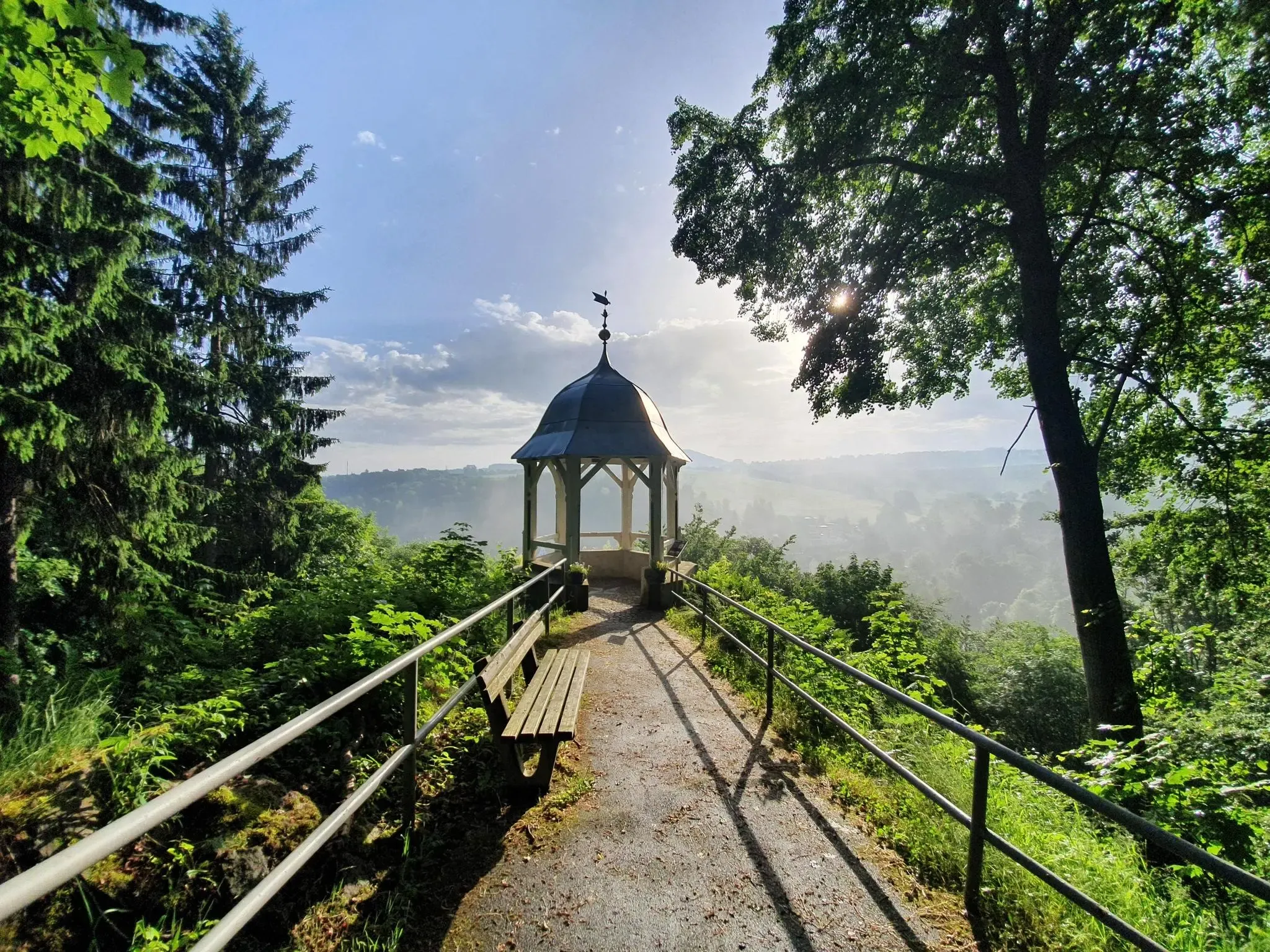
#GoFurther – discover the views of Germany!
Bikepacking to road cycling to MTB – on Tour with RMV
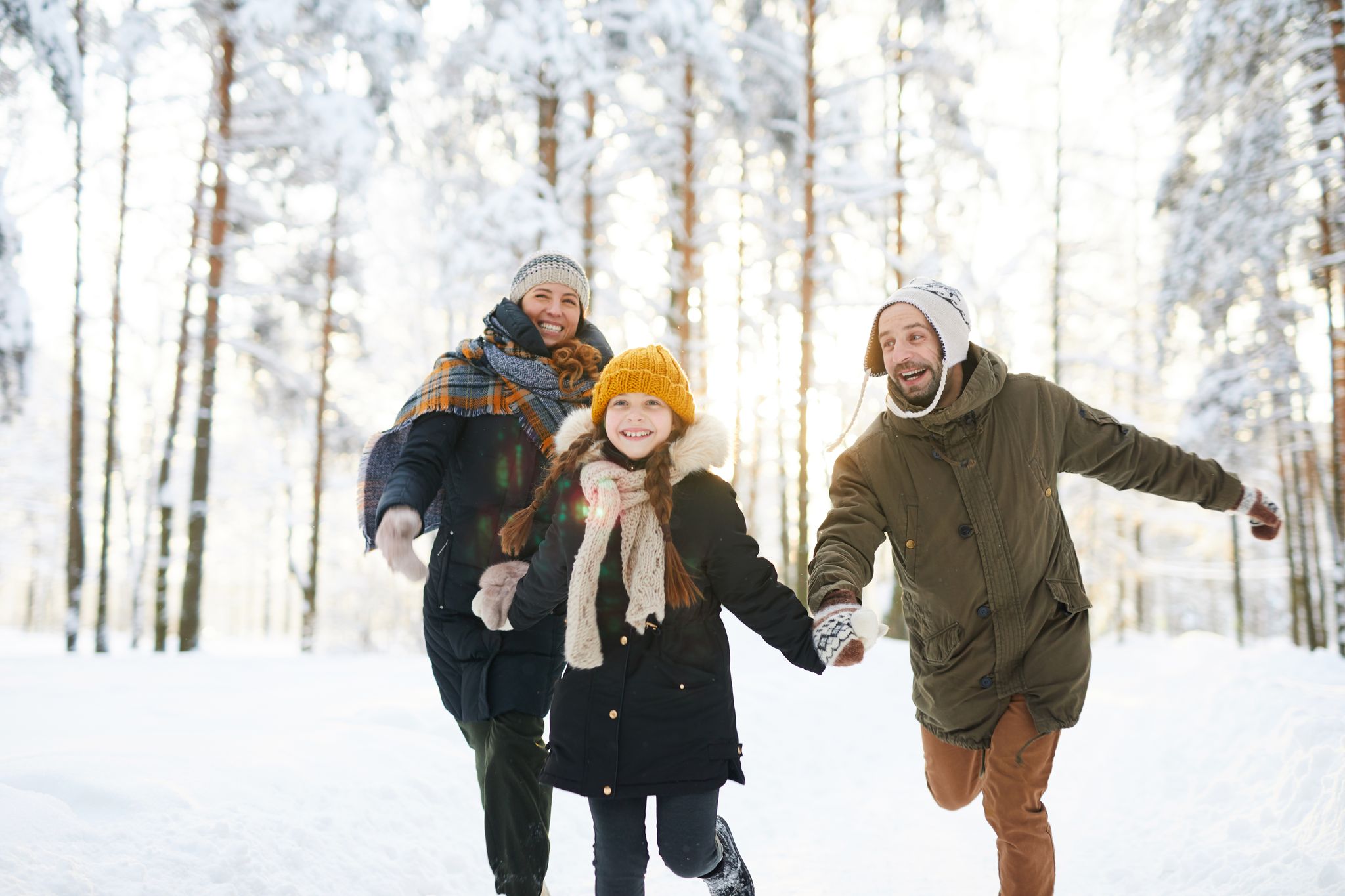
Onto the train, out into the snow – winter hiking for all ages in the Rhine-Main
Thousands of kilometres of hiking fun – long-distance hiking trails in Bavaria
Other adventures in Naturpark Hessischer Spessart


Tips from the Community

Even invites you to swim on hot days ;)
1
0

The Kinzig is a river approximately 86 kilometers long. It rises in Sterbfritz, flows southwest through the Main-Kinzig district of Hesse, and flows into the Main from the right in Hanau. The Kinzig is a second-order river in low mountain ranges. It overcomes an elevation of 301 meters and has a bed gradient of 3.5 per thousand. The Kinzig's catchment area covers 1,058 square kilometers, and the calculated mean discharge (MQ) at the mouth of the Kinzig is 10.97 cubic meters per second. The Kinzig was first documented in 796 as "iuxta fluvium Kincihen." In 815, the name was written as "Chinzicha," around 900 as "Kincicha"/"Kinzicham," in 1364 as "Kinzige," in 1584 as "Kintzig," in 1607 as "Bintz," in 1681 as "Kintz," in 1716 as "Kins," in 1769 as "Kinzing," and in 1802 as "Kinzig." In the river's headwaters, there was the now-defunct village of Kinzig, mentioned in 815 as "Chirizichheimero." The village and river were often confused by monastery scribes at that time with "Chizzicha" (now Bad Kissingen), both of which were described as being located in the Saalegau. The name presumably derives from the ancient Celtic *ku̯anti̯o- meaning "flat hill, valley." The name was therefore derived from the mountainous region from which the Kinzig flows. Source: Wikipedia
2
0

It is a great place to cycle all year round.
3
0

One of the few covered rest areas on the route right next to the ruins
17
0

The Kinzig is also used by the brave (not just children) to cool down. Very romantic.
4
0

Attention: The path between the two lakes was almost impassable today (6/2/23). There were deep tractor tracks in many places, probably due to the fact that it had been very damp here for weeks beforehand. It is possible that these tractor gullies were created when the farmer mowed the field, because everything was covered with hay, so potholes and gullies were often only noticed when it was already too late to avoid them.
4
0

large graduation tower with a damp and shady central aisle for hot days
15
1

When the Kinzig floods, especially in winter, the R3 can sometimes be impassable due to flooding.
4
0
Frequently Asked Questions
What natural features can I explore in Naturpark Hessischer Spessart?
The Naturpark Hessischer Spessart is renowned for its extensive forests, primarily oak and beech, making it one of the largest contiguous forest areas in central Germany. You can also visit the serene Kinzig Reservoir, an impressive earth dam offering a peaceful lake environment. The Kinzig Floodplains and the picturesque Kinzigsee and Ruhlsee provide beautiful settings for cycling and nature observation. The idyllic Haseltal, with its Haselbach stream and Haselweiher pond, is also a notable natural highlight.
Are there good hiking opportunities in Naturpark Hessischer Spessart?
Yes, the region offers excellent hiking opportunities. The nearly 90-kilometer Spessartbogen Premium Hiking Trail is a major highlight, providing scenic views. Additionally, there are seven 'Spessart Trails' and 'Spessart Fährten' for shorter, enjoyable walks. For easier options, you can find routes like the Langenselbolder Buchberg Loop or the Bad Sodener Waldgeflüster.
What historical sites or cultural landmarks can I visit?
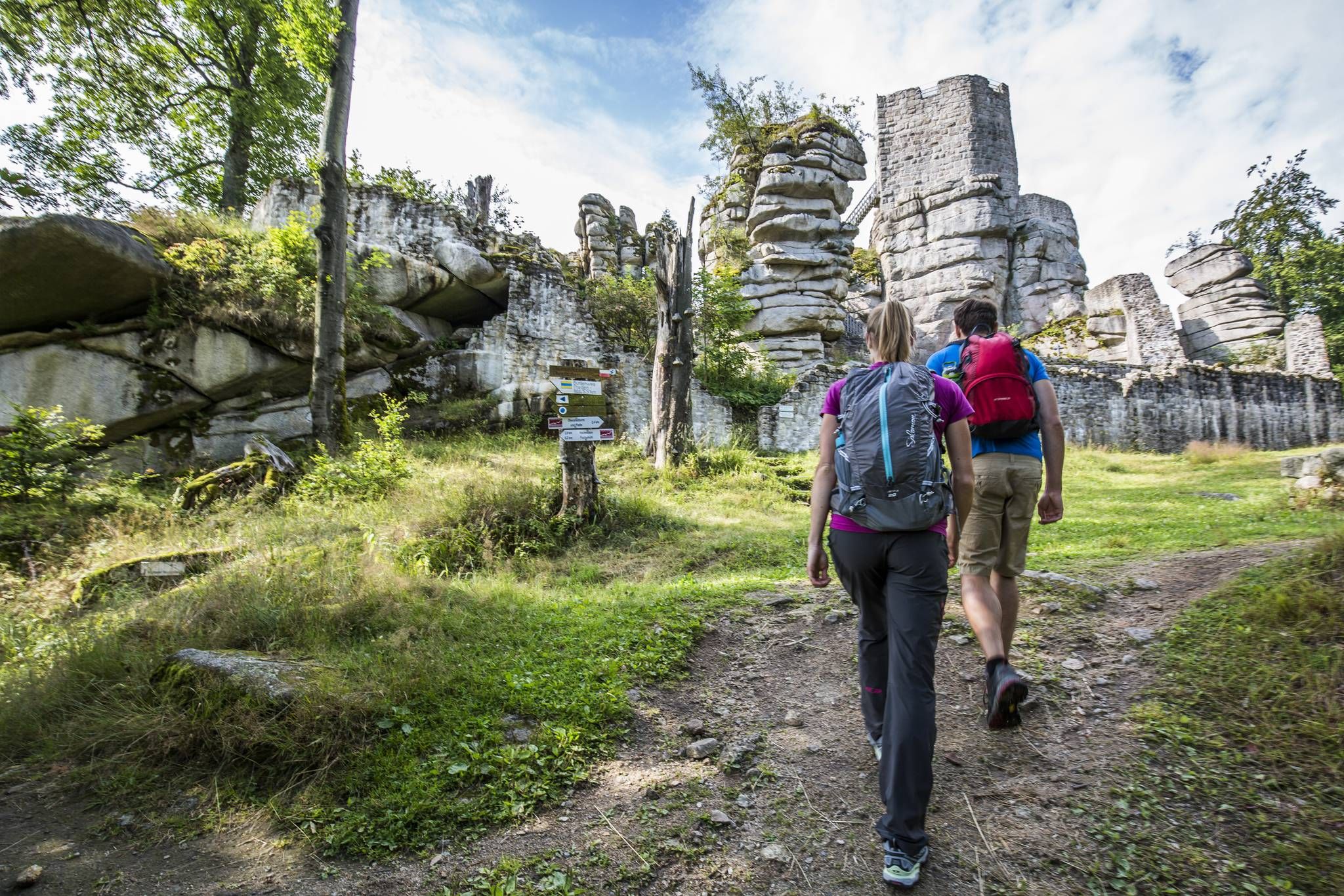
The Naturpark Hessischer Spessart is rich in history and culture. You can explore the St. Wolfgang Monastery Ruins, which feature significant preserved wall remains, including a 10-meter-high tower. The region also boasts charming historic towns such as Gelnhausen, Bad Orb, and Steinau an der Straße, known for their half-timbered houses and cultural attractions. The Doppelkirche St. Jakobus und Johannes in Lettgenbrunn is a unique church with both Protestant and Catholic sections.
What is the Bad Orb Graduation House, and why is it significant?
The Bad Orb Graduation House is an impressive 158-meter-long and 18-meter-high structure used for salt production. Brine trickles over blackthorn brushwood, causing water to evaporate and increasing the salt content. The salty air around it creates a microclimate considered healthy, similar to a seaside environment. It's a unique cultural asset and an outdoor inhalatorium for visitors.
Are there family-friendly activities or attractions in Naturpark Hessischer Spessart?
Many attractions in Naturpark Hessischer Spessart are suitable for families. The Kinzig Reservoir offers pedal boating in summer and a 6.5 km circular path for walks. The Kinzigsee and Ruhlsee are great for swimming and birdwatching, with Lake Kinzig having a lido and sandy beach. The extensive forests and numerous easy hiking trails also provide excellent opportunities for family outings.
Can I go cycling or mountain biking in the region?
Absolutely! The Naturpark Hessischer Spessart offers diverse cycling experiences. The Hessian long-distance cycle route R3 runs along the northern bank of the Kinzig Reservoir. For road cyclists, there are routes like the Kinzig Reservoir – Haintor loop from Steinau. Mountain biking is also popular, with an extensive network of well-marked trails covering over 650 kilometers across nine towns. You can find gravel biking routes such as the View of Gelnhausen – Kinzigtal Cycle Path loop.
When is the best time to visit Naturpark Hessischer Spessart?
The Naturpark Hessischer Spessart is beautiful year-round, but spring and autumn are particularly scenic. In spring, you can witness delicate wildflowers like the Fritillaria meleagris (Schachblume), celebrated annually at the Schachblumenfest. Autumn brings vibrant colors to the extensive forests. Summer is ideal for water activities at the lakes and enjoying the Kneipp facilities, while winter offers opportunities for peaceful forest walks.
Are there any unique cultural experiences or local products to discover?
Yes, beyond historical sites, you can visit the Spessart Shop Window located in the historic Schafhof building in Burgjoss. This offers insights into the local landscape and features products from the region, including gifts made of wood and clay, providing a glimpse into local craftsmanship and culture.
What kind of wildlife can I spot in Naturpark Hessischer Spessart?
The extensive forests of Naturpark Hessischer Spessart are a habitat for various wildlife, including endangered species like beavers and wildcats. Birdwatching is also popular, especially around the Ruhlsee, which is a bird sanctuary. Keep an eye out for diverse flora and fauna throughout the park's varied landscape.
What do visitors enjoy most about Naturpark Hessischer Spessart?
Visitors frequently appreciate the blend of natural beauty and rich cultural history. The peaceful atmosphere around the lakes, the healthy air near the Bad Orb Graduation House, and the well-maintained hiking and cycling trails are often highlighted. The historic towns and the opportunity to explore ancient castles and ruins also add to the appeal, offering a diverse experience for all interests.
Are there any specific places for relaxation and wellness?
Yes, the region offers spots for relaxation. The Bad Orb Graduation House provides a microclimate with salty air, beneficial for respiratory health. Additionally, the idyllic Haseltal features a Kneipp facility, and the Hirschbornteiche also offer a Kneipp facility during summer months, perfect for refreshing dips and relaxation.
Most popular routes in Naturpark Hessischer Spessart
Most popular attractions in Naturpark Hessischer Spessart

Get inspired with the komoot mobile app


Explore more
Still not found the Highlight you’re looking for? See guides of the top attractions in other regions:
