The best cycling routes in Trockengebiete Vor Der Rhön
4.6
(2569)
11,711
riders
541
rides
Touring cycling in Trockengebiete Vor Der Rhön offers diverse landscapes across the convergence of Bavaria, Hesse, and Thuringia. The region features a mix of gentle hills and steeper climbs, with routes traversing idyllic river valleys such as the Fränkische Saale, Streu, and Ulstertal. A significant portion of the area lies within the Rhön Biosphere Reserve, characterized by unique dry habitats and varied topography. Cyclists can experience open distances and panoramic views from higher elevations.
Best touring cycling routes in Trockengebiete…
Last updated: July 1, 2026
4.8
(96)
320
riders
Moderate bike ride. Good fitness required. Mostly paved surfaces. Suitable for all skill levels.
4.5
(26)
140
riders
Easy bike ride. Great for any fitness level. Mostly paved surfaces. Suitable for all skill levels.

Sign up for free
4.5
(80)
265
riders
Moderate bike ride. Good fitness required. Mostly paved surfaces. Suitable for all skill levels.
4.8
(23)
67
riders
Moderate bike ride. Good fitness required. Mostly paved surfaces. Suitable for all skill levels.
5.0
(26)
129
riders
Hard bike ride. Very good fitness required. Mostly paved surfaces. Suitable for all skill levels.
Get access to more routes and recommendations from other explorers.
Sign up for free
Already have an account?
Our route recommendations are based on thousands of hikes, rides, and runs completed by other people on komoot.
Start today with a free account
Your next adventure awaits.
Login or Signup
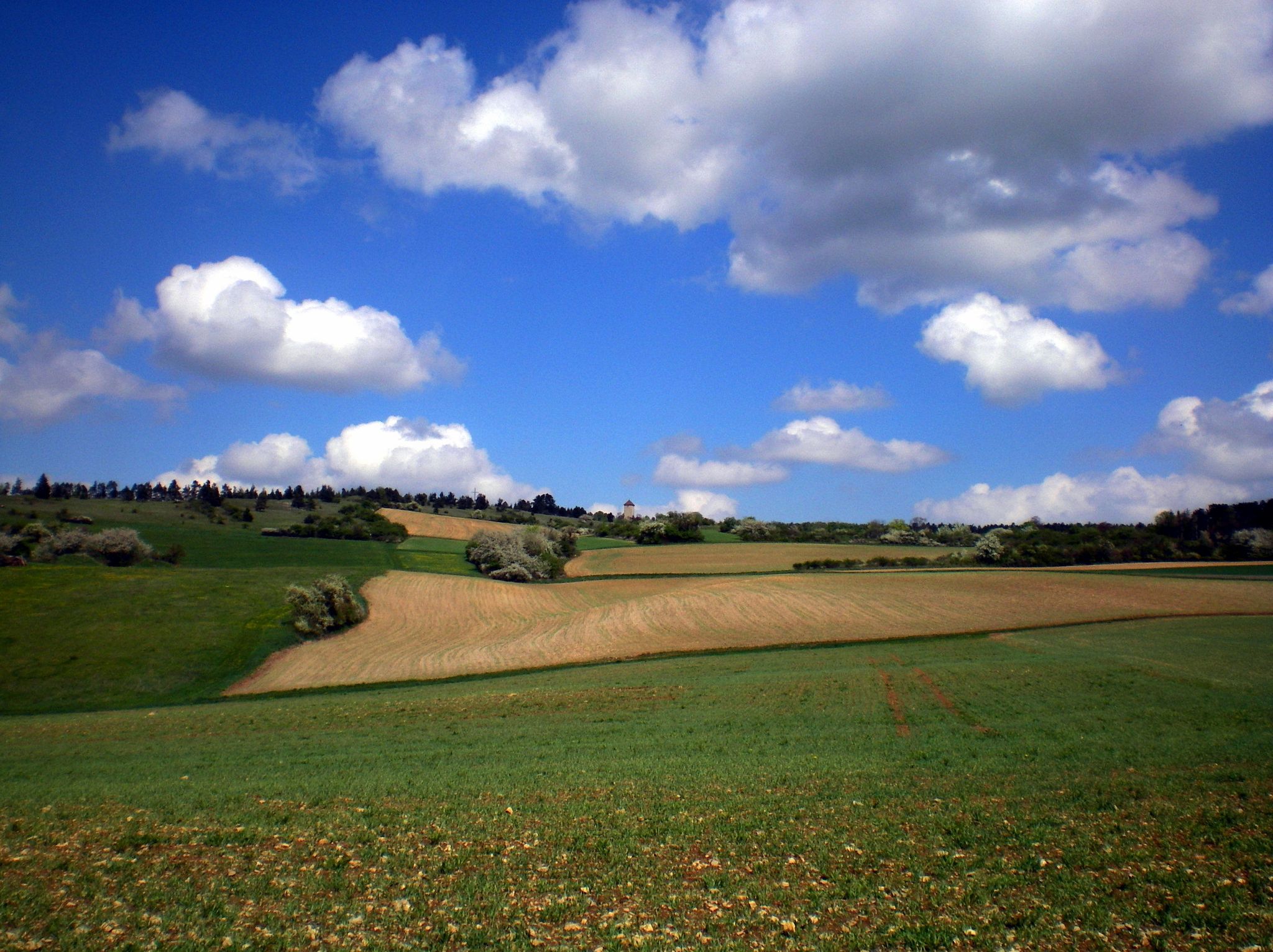
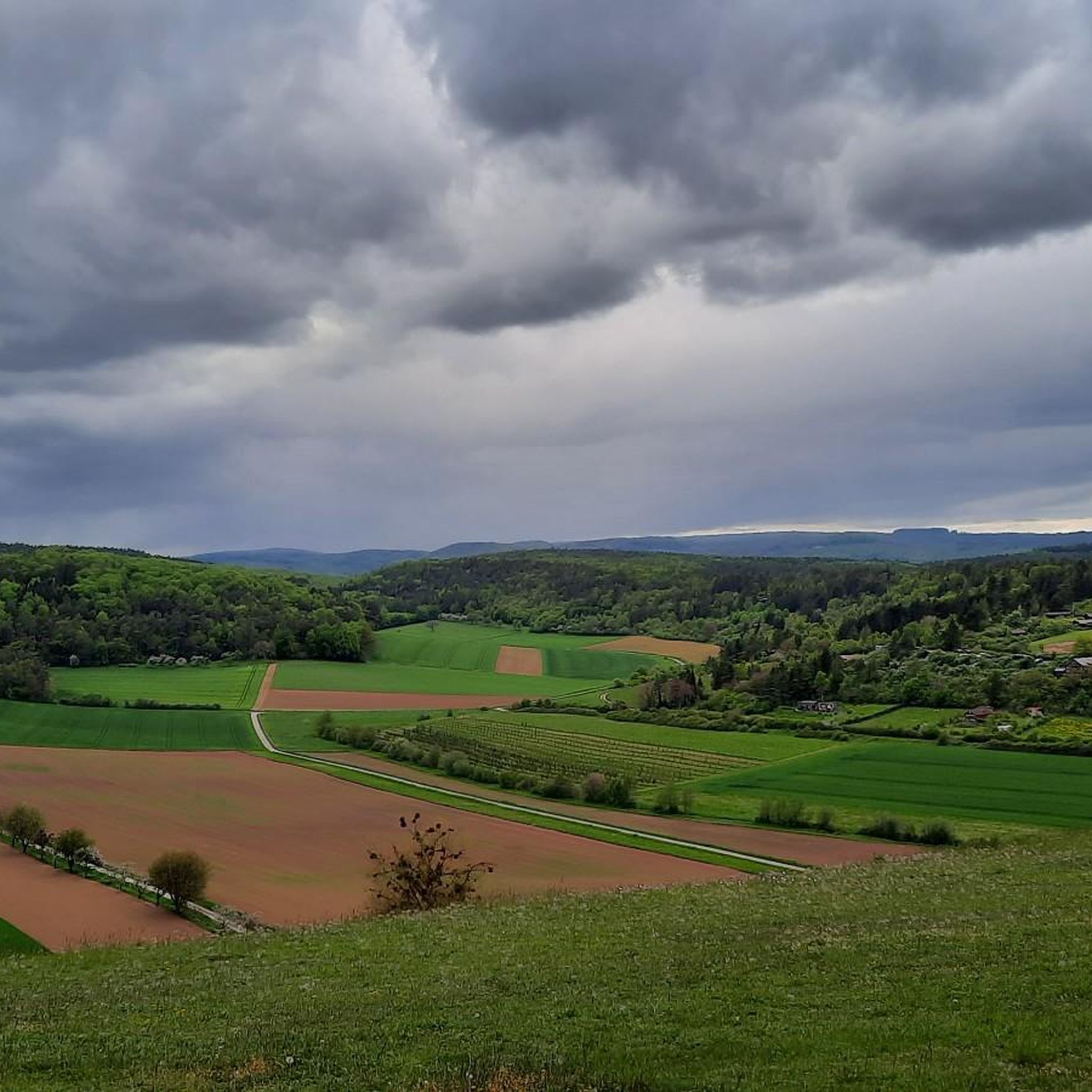
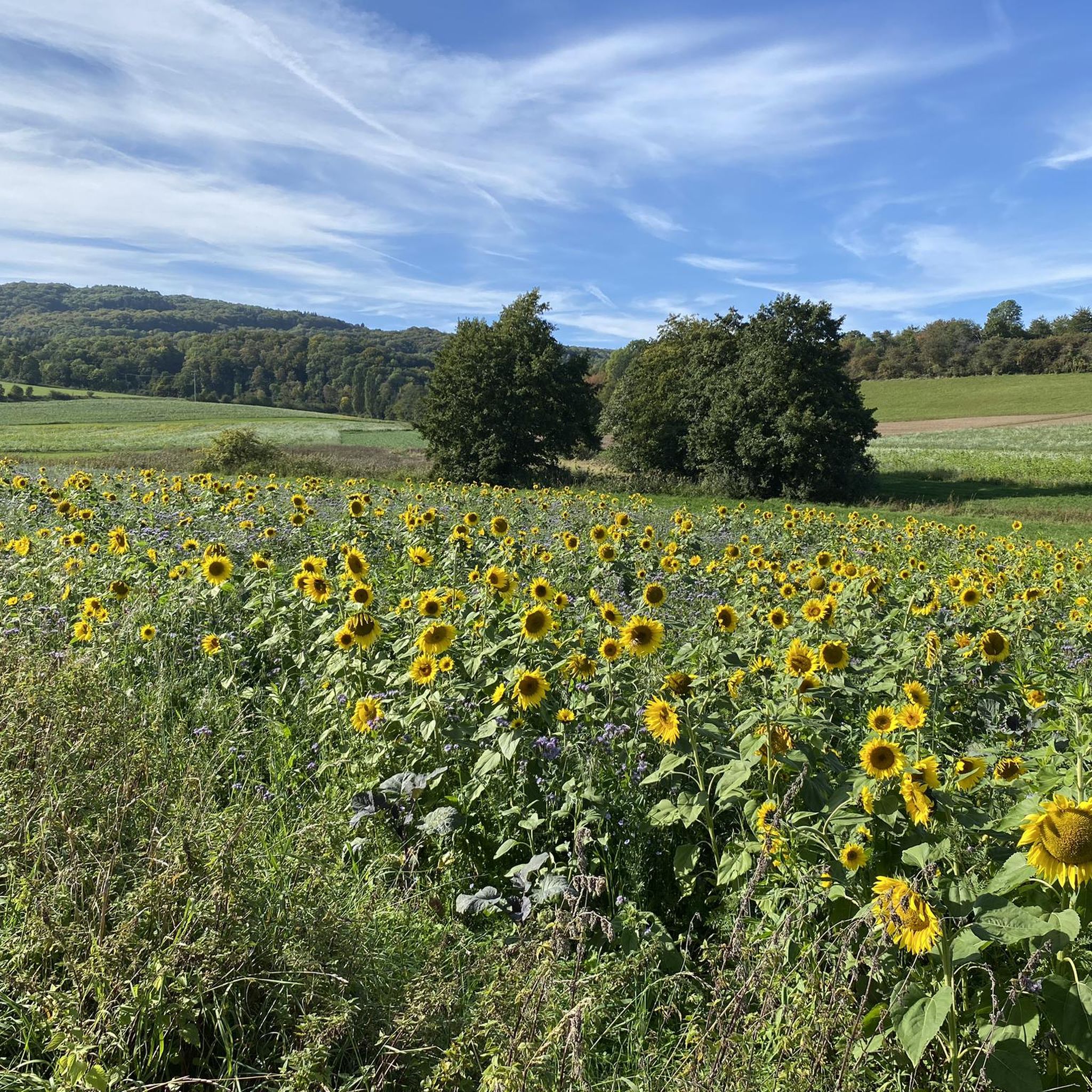
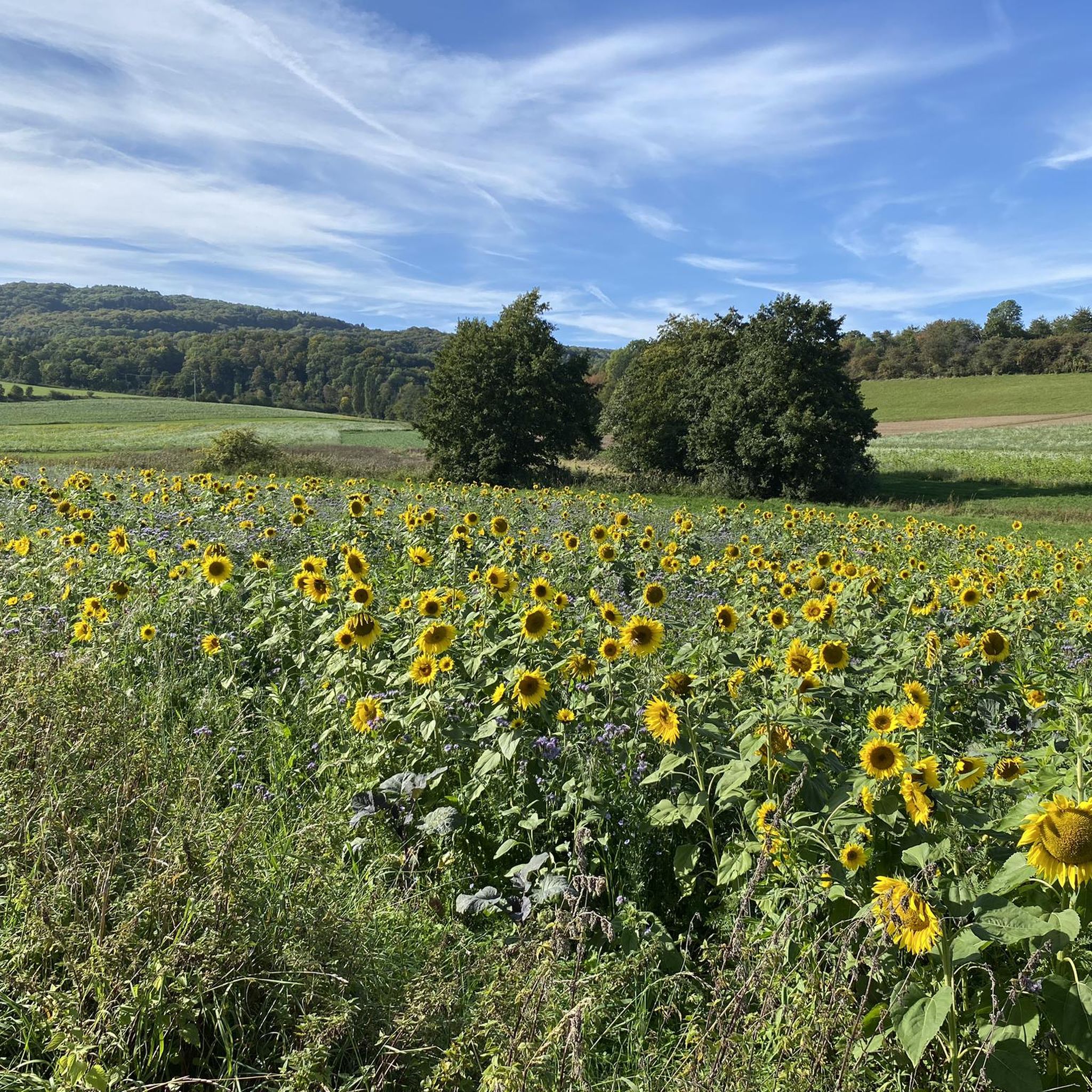
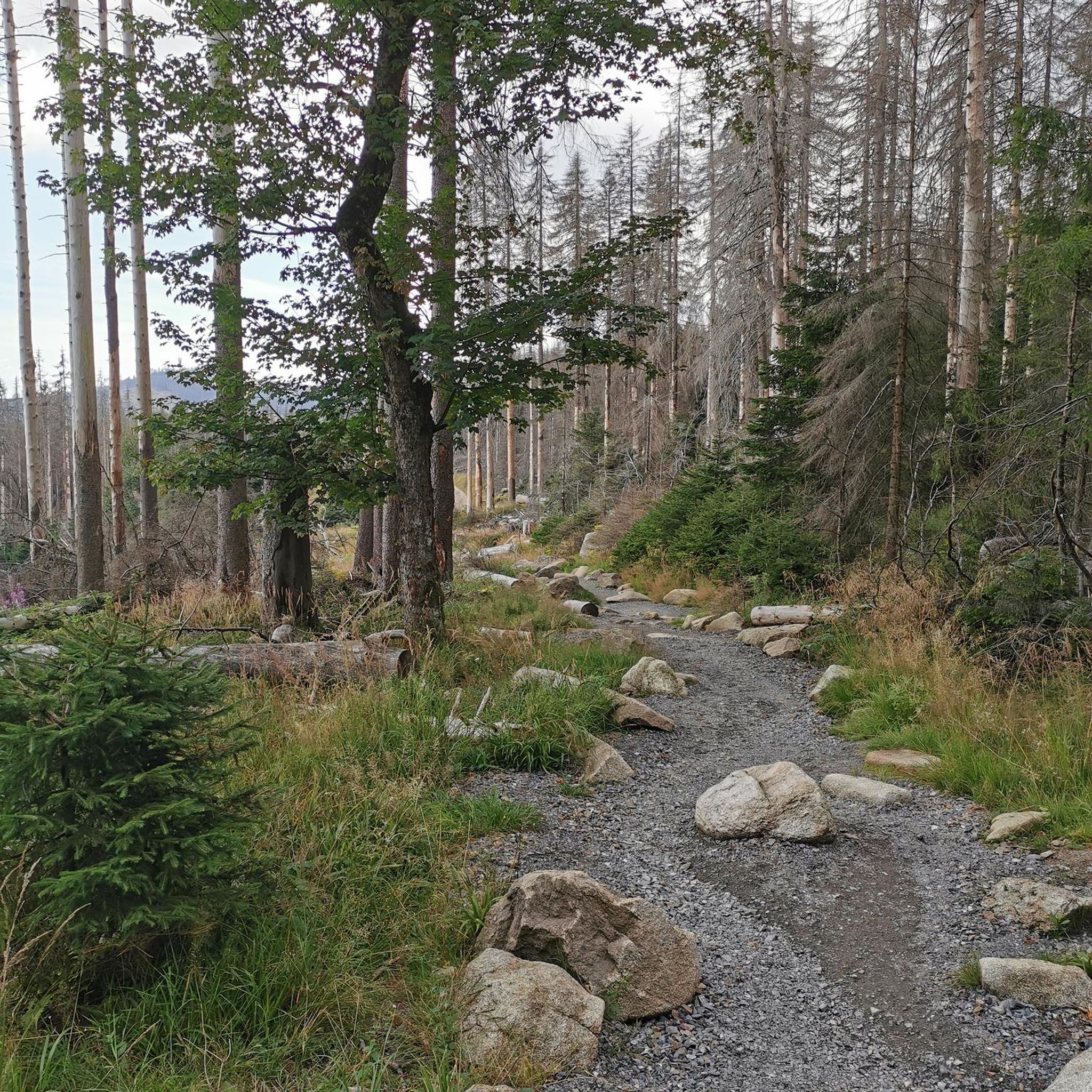
Other adventures in Trockengebiete Vor Der Rhön

Tips from the Community

The center of Bischofsheim is super nice and definitely worth seeing on a tour.
0
0

Benches invite you to linger.
0
0

It's a great place to browse and you'll always find inspiration and lovely little things.
1
0

Always beautiful and full of memories...
0
0

I haven't seen such a beautiful old water wheel in a long time 👍
0
0

Since 1984, the chapel's gallery has housed the 18th-century positive organ, built by an unknown architect. It originally came from the Catholic Chapel of St. Peter and Paul in Hendungen and was previously installed in the Catholic parish church of St. Blaise in Hirblingen. While its wooden pipes are largely original, the metal ones were remade by the Hoffmann company in 1961 and 1984. Source: https://de.m.wikipedia.org/wiki/St._Sebastian_(Mellrichstadt)
8
0

Plenty of space for lots of people.😃
9
0
The Roman Catholic Chapel of St. Sebastian belonged to the former hospital of Mellrichstadt, a town in the Lower Franconian district of Rhön-Grabfeld in Bavaria. It is therefore also known as the Spitalkirche (Hospital Church) by the local population.[1] The listed building dates back to the mid-14th century. The Gothic hall church was built in 1356. It was altered in 1585 and 1612. A square, slate-covered turret with an eight-sided, bent roof rises from the gable-end façade of the nave. It houses the bell tower behind the sound arcades. The altar was erected in 1760. A wooden statue of St. Sebastian was carved around 1700. Source: https://de.m.wikipedia.org/wiki/St._Sebastian_(Mellrichstadt)
10
0
Frequently Asked Questions
How many touring cycling routes are available in Trockengebiete Vor Der Rhön?
Trockengebiete Vor Der Rhön offers a wide selection of touring cycling routes, with over 550 options available. These routes cater to various fitness levels, including easy, moderate, and difficult trails.
What is the overall difficulty level of touring cycling in Trockengebiete Vor Der Rhön?
The region provides a diverse range of routes. You'll find approximately 120 easy routes, 269 moderate routes, and 166 difficult routes. The landscape varies from gentle hills in river valleys to steeper climbs, especially around higher elevations like the Kreuzberg Pass.
What do other touring cyclists say about the routes in Trockengebiete Vor Der Rhön?
The touring cycling routes in Trockengebiete Vor Der Rhön are highly regarded by the komoot community, holding an average rating of 4.6 stars from over 2200 reviews. More than 10,000 touring cyclists have explored the varied terrain here, often praising the diverse landscapes and well-maintained paths.
What kind of landscapes can I expect to see while touring cycling in Trockengebiete Vor Der Rhön?
You can expect diverse landscapes, from idyllic river valleys along the Fränkische Saale, Streu, and Ulstertal, to the unique dry habitats within the Rhön Biosphere Reserve. The region also features gentle hills, open distances with impressive panoramas, and challenging climbs in areas like the Kreuzberg Pass.
Are there any interesting landmarks or natural features to see along the touring cycling routes?
Yes, the region is rich in points of interest. You can encounter natural monuments like the Twin Oak, or enjoy views from the Weyhershauk Summit Cross. Other notable features include the Abstrunlinge Spring (Ostheim) and various viewpoints such as the Viewpoint on Großer Lindenberg.
Can I visit any historical sites while cycling in the region?
Absolutely. The region features historic centers like Fladungen, and historical sites such as Mainberg Castle and Kreuzberg Monastery. You might also come across the Celtic Burial Mounds on the Cycle Path, offering glimpses into the area's past.
Are there family-friendly touring cycling routes in Trockengebiete Vor Der Rhön?
Yes, the region offers numerous family-friendly options, particularly among the 120 easy routes. Many paths follow river valleys or former railway lines, such as parts of the Rhönexpress cycle path, providing flatter and safer terrain suitable for families. An easy option is the Fladungen Museum Railway – Rhön Farm Shop loop from Fladungen.
Can I bring my dog on touring cycling routes in Trockengebiete Vor Der Rhön?
Many touring cycling routes in Trockengebiete Vor Der Rhön are suitable for cycling with dogs, especially those on wider paths or less technical terrain. However, always ensure your dog is well-behaved, on a leash where required, and that you carry enough water for both of you. Be mindful of wildlife, particularly within the Rhön Biosphere Reserve.
Are there options for parking at the trailheads?
Yes, most popular touring cycling routes and trailheads in Trockengebiete Vor Der Rhön, especially those starting from towns like Fladungen or Sondheim vor der Rhön, offer designated parking facilities. It's advisable to check local signage upon arrival for specific parking regulations.
Are there any circular touring cycling routes available?
Many routes in Trockengebiete Vor Der Rhön are designed as loops, allowing you to start and end at the same point. Examples include the Rhön-Zügle Museum Railway – Kneipp Basin Stockheim loop from Fladungen and the View from the summit of Kreuzberg – View of Kreuzberg loop from Sondheim vor der Rhön.
What is the best time of year for touring cycling in Trockengebiete Vor Der Rhön?
The best time for touring cycling in Trockengebiete Vor Der Rhön is generally from spring to autumn. During these seasons, the weather is most favorable, and the natural beauty of the dry habitats and river valleys is at its peak. Summer offers warmer temperatures, while spring and autumn provide pleasant conditions with fewer crowds and vibrant foliage.
Are there routes that offer challenging climbs for experienced cyclists?
Yes, for experienced cyclists seeking a challenge, the region offers routes with significant elevation gains. Areas around higher elevations, such as the Kreuzberg Pass, provide demanding climbs and spectacular views. Routes like the Historic centre of Fladungen – Fischerhütte at Rothsee loop from Fladungen feature substantial ascents.
Can I access touring cycling routes using public transport?
Public transport options to access touring cycling routes exist, particularly for routes that follow former railway lines like the Rhönexpress cycle path. Some regional buses may accommodate bicycles, but it's recommended to check schedules and bike carriage policies with local transport providers in advance.
Most popular routes in Trockengebiete Vor Der Rhön
Most popular attractions in Trockengebiete Vor Der Rhön

Get inspired with the komoot mobile app


Explore more
Browse the best Cycling routes in other regions.
