The best mountain hikes in Naturpark Siebengebirge
4.8
(20)
76
hikers
13
hikes
Mountaineering routes in Naturpark Siebengebirge traverse a landscape shaped by ancient volcanic activity, featuring over forty peaks, including Drachenfels and Oelberg. The region is characterized by dense deciduous and coniferous forests, gorge-like valleys, and striking rocky outcrops such as Stenzelberg. Mountaineers can experience varied terrain and panoramic views of the Rhine Valley throughout the park.
Best mountaineering routes in Naturpark Siebengebirge
- The most popular mountaineering route is Drachenfels Summit and Ruins – Trail over the Nonnenstromberg loop from Königswinter, a 13.8 miles (22.2 km) trail that takes 7 hours 2 minutes to complete. This difficult route explores prominent volcanic peaks and historical ruins.
- Another top favourite among local mountaineers is Drachenfels Castle Ruins – View of Drachenburg Castle loop from Großer Ölberg, a difficult 12.3 miles (19.8 km) path. This route offers views of Drachenburg Castle and the surrounding volcanic landscape.
- Local mountaineers also love the Heisterbach Abbey Gatehouse – Stenzelberg loop from Naturpark Siebengebirge, a 3.1 miles (5.0 km) trail leading through forested areas and past historical sites, often completed in about 1 hour 27 minutes.
- Mountaineering in Naturpark Siebengebirge is defined by volcanic peaks, dense forests, and rocky outcrops, offering panoramic views of the Rhine Valley. The network provides options for various ability levels, from easy paths to difficult ascents.
- The routes in Naturpark Siebengebirge are highly rated by the komoot community with an average score of 4.7 stars from over 17 reviews. More than 60 mountaineers have used komoot to explore Naturpark Siebengebirge's varied terrain.
Last updated: July 1, 2026
4.7
(3)
19
hikers
21.1km
06:41
830m
830m
Hard mountaineering route. Very good fitness required. Mostly accessible paths. Sure-footedness required.
5.0
(6)
15
hikers
Hard mountaineering route. Very good fitness required. Mostly accessible paths. Sure-footedness required.

Sign up for free
5.0
(1)
1
hikers
Easy mountaineering route. Great for any fitness level. Easily-accessible paths. Suitable for all skill levels.
3.0
(1)
3
hikers
8.44km
02:32
270m
270m
Moderate mountaineering route. Good fitness required. Easily-accessible paths. Suitable for all skill levels.
5.0
(1)
4
hikers
Hard mountaineering route. Very good fitness required. Mostly accessible paths. Sure-footedness required.
Get access to more routes and recommendations from other explorers.
Sign up for free
Already have an account?
Our route recommendations are based on thousands of hikes, rides, and runs completed by other people on komoot.
Start today with a free account
Your next adventure awaits.
Login or Signup
Popular around Naturpark Siebengebirge
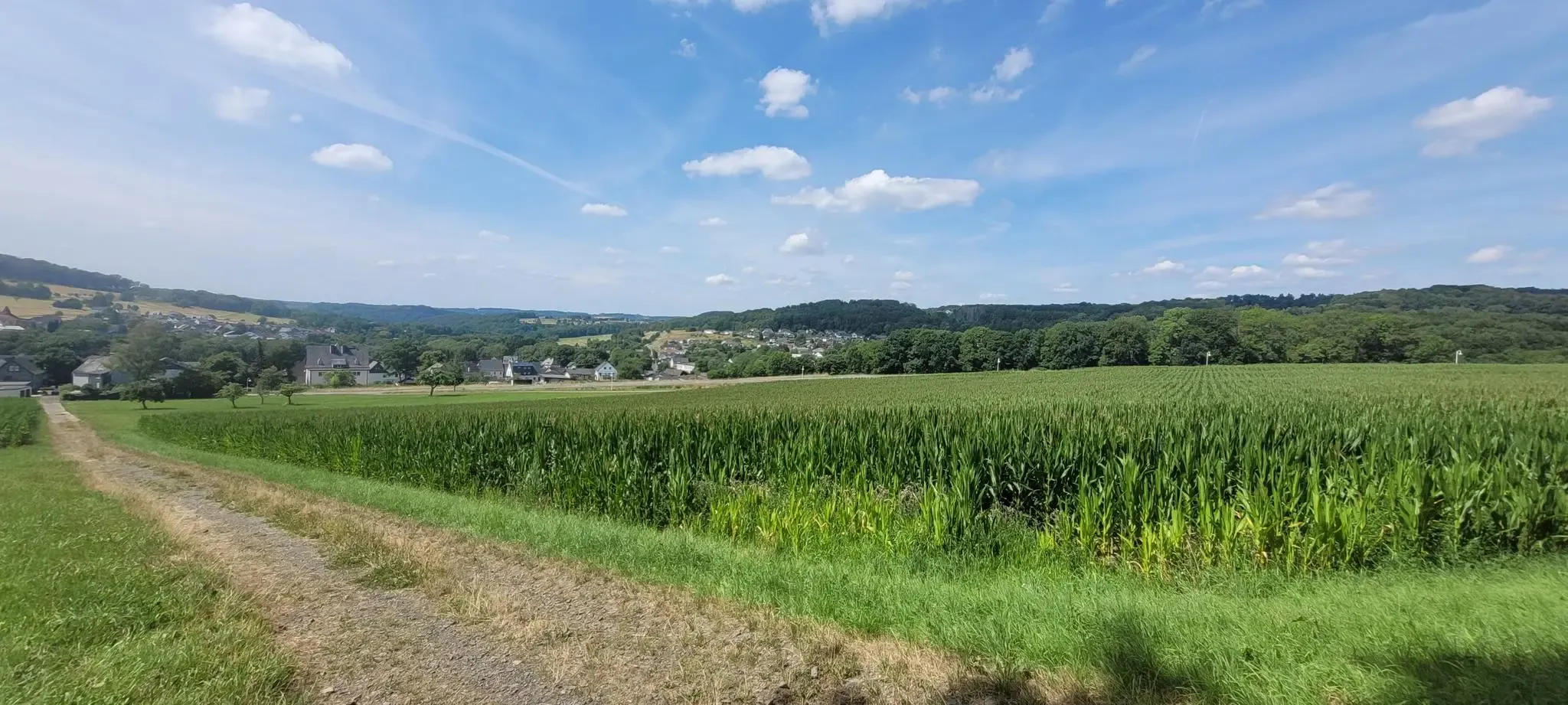
Hiking on the Cologne Trail – Discover nature close to the city
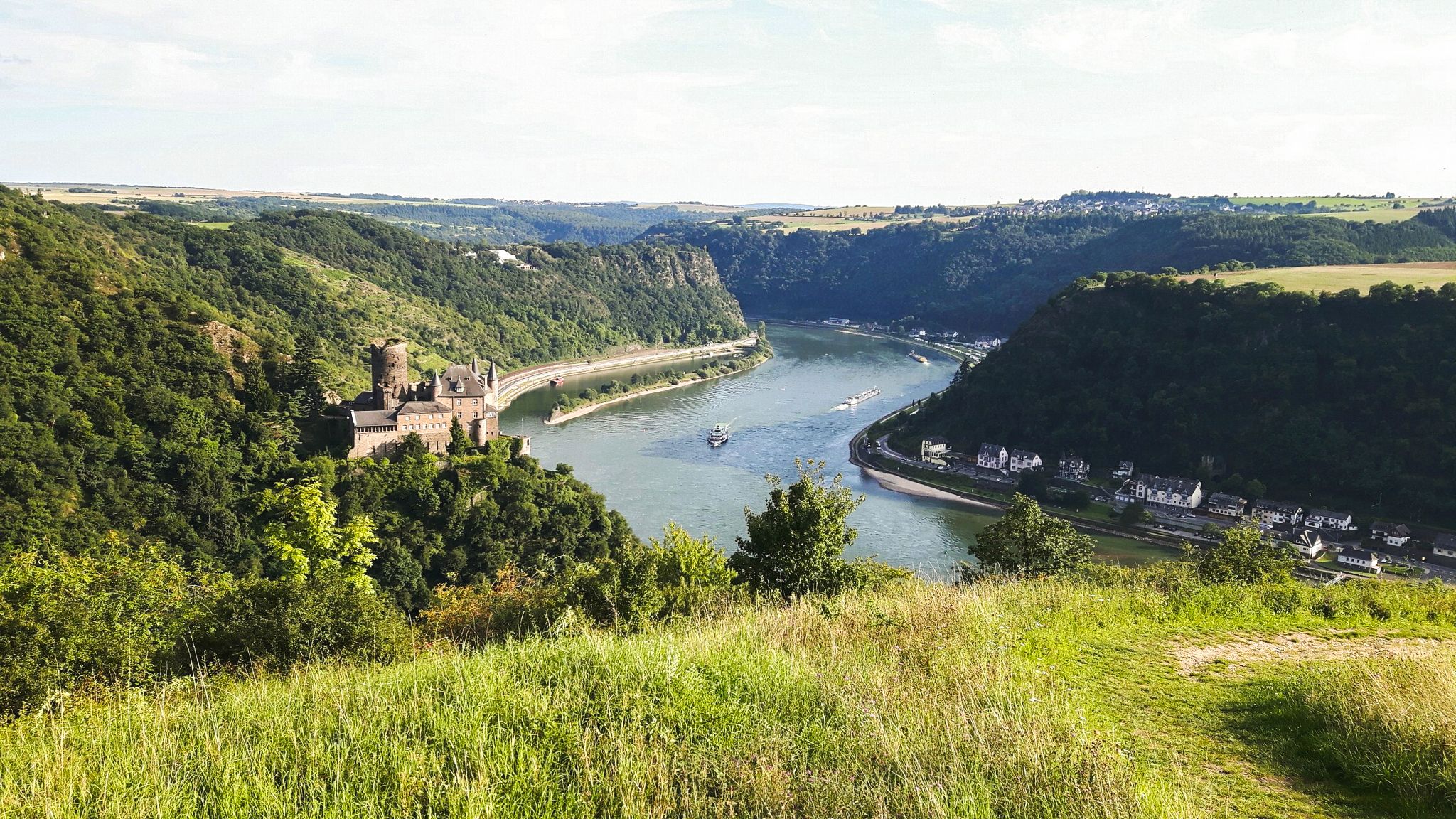
Rheinsteig Trail – The 21 stages along the Rhine
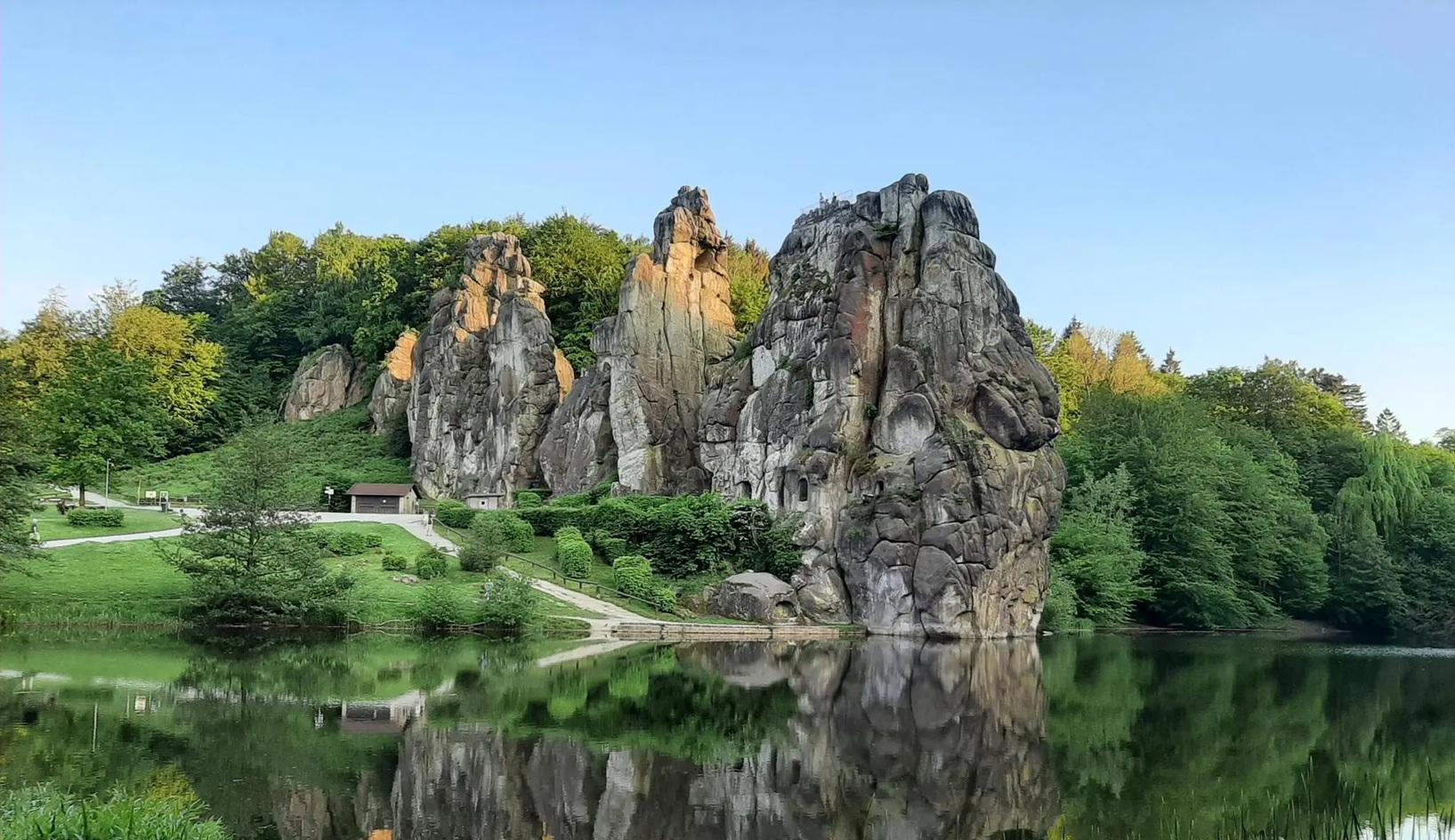
The National Natural Landscapes in Nordrhein-Westfalen
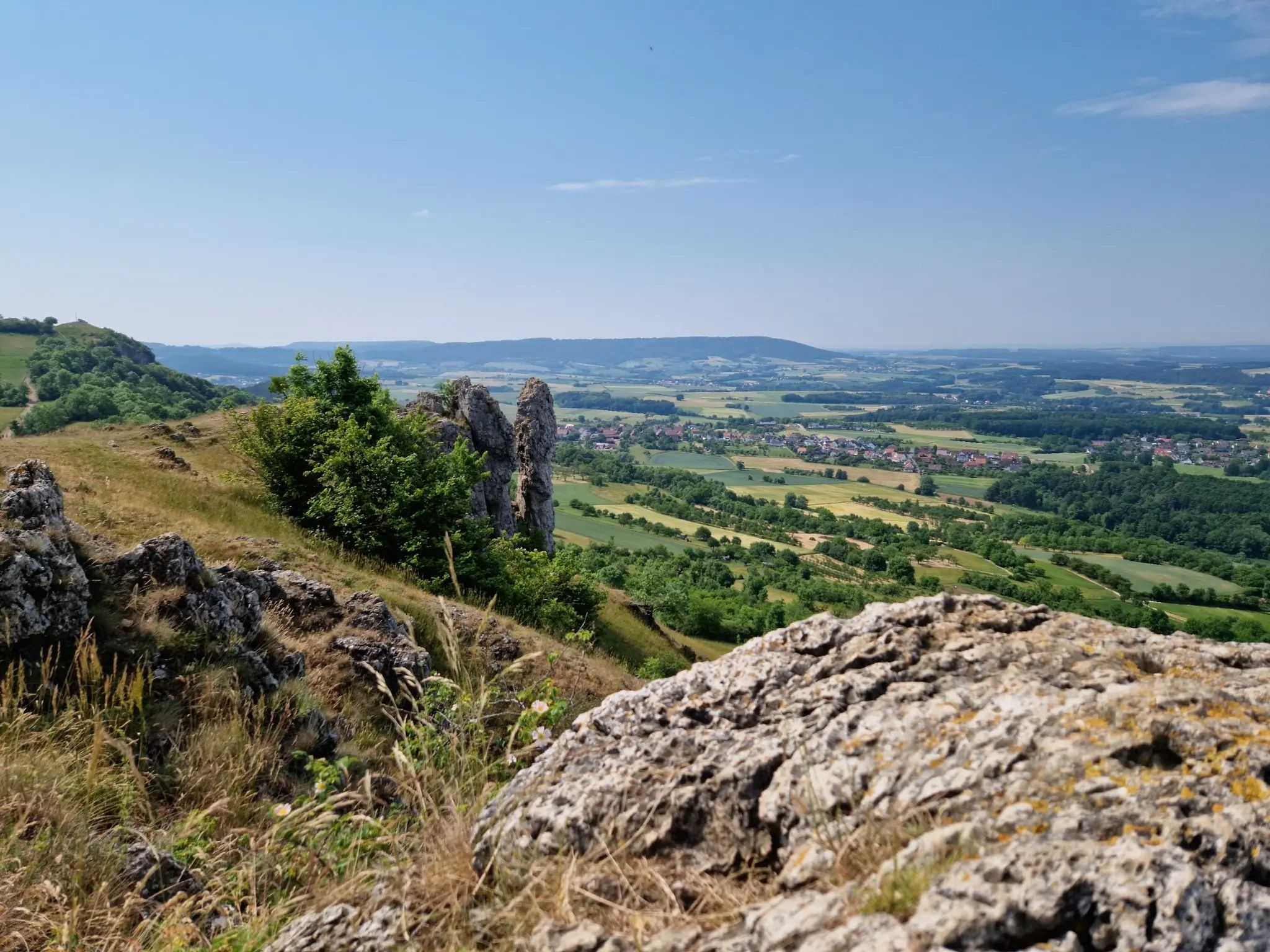
Ten fantastic hikes throughout Germany
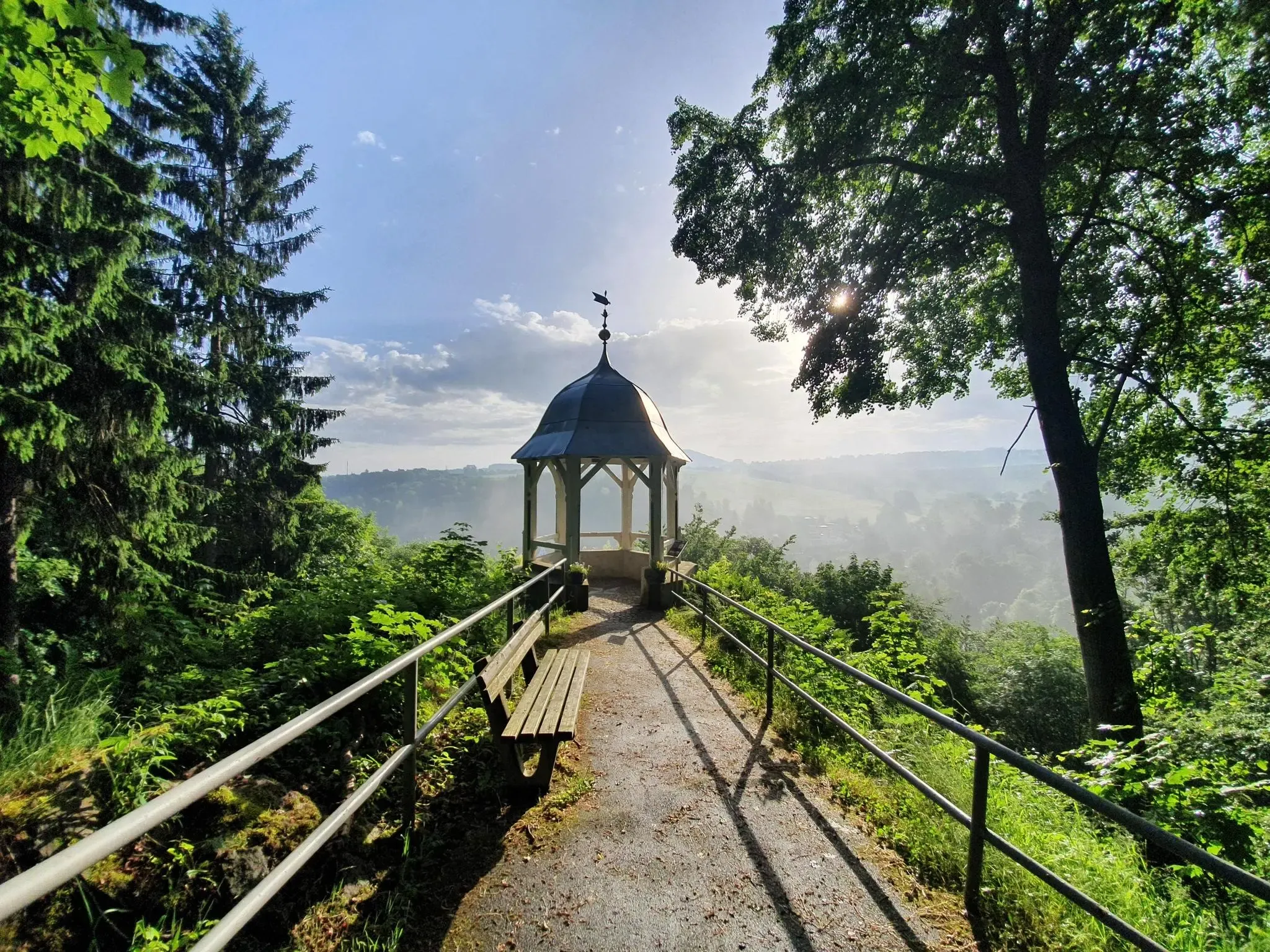
#GoFurther – discover the views of Germany!
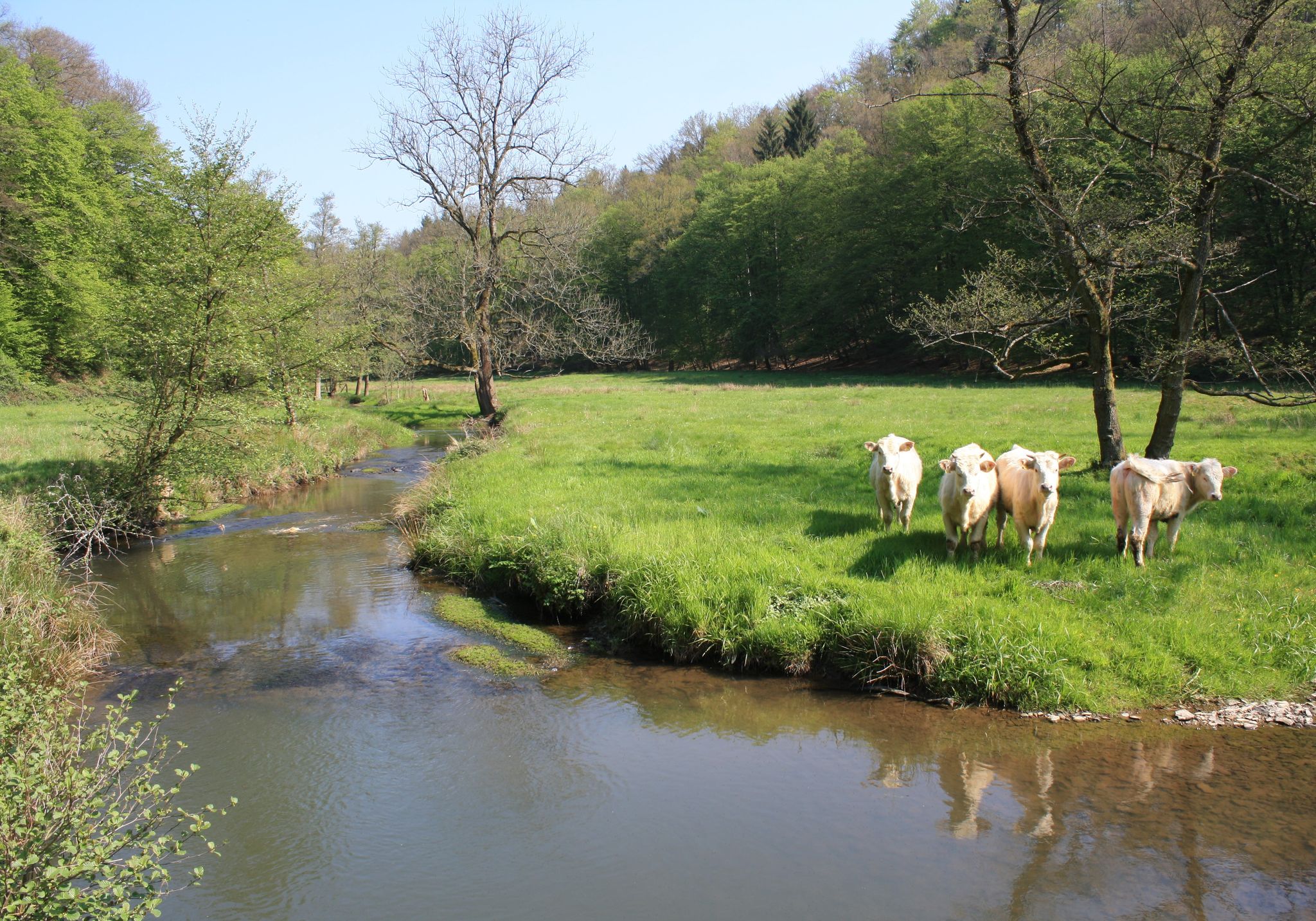
Nature and culture in beautiful landscapes – hikes on the Rhine and Sieg
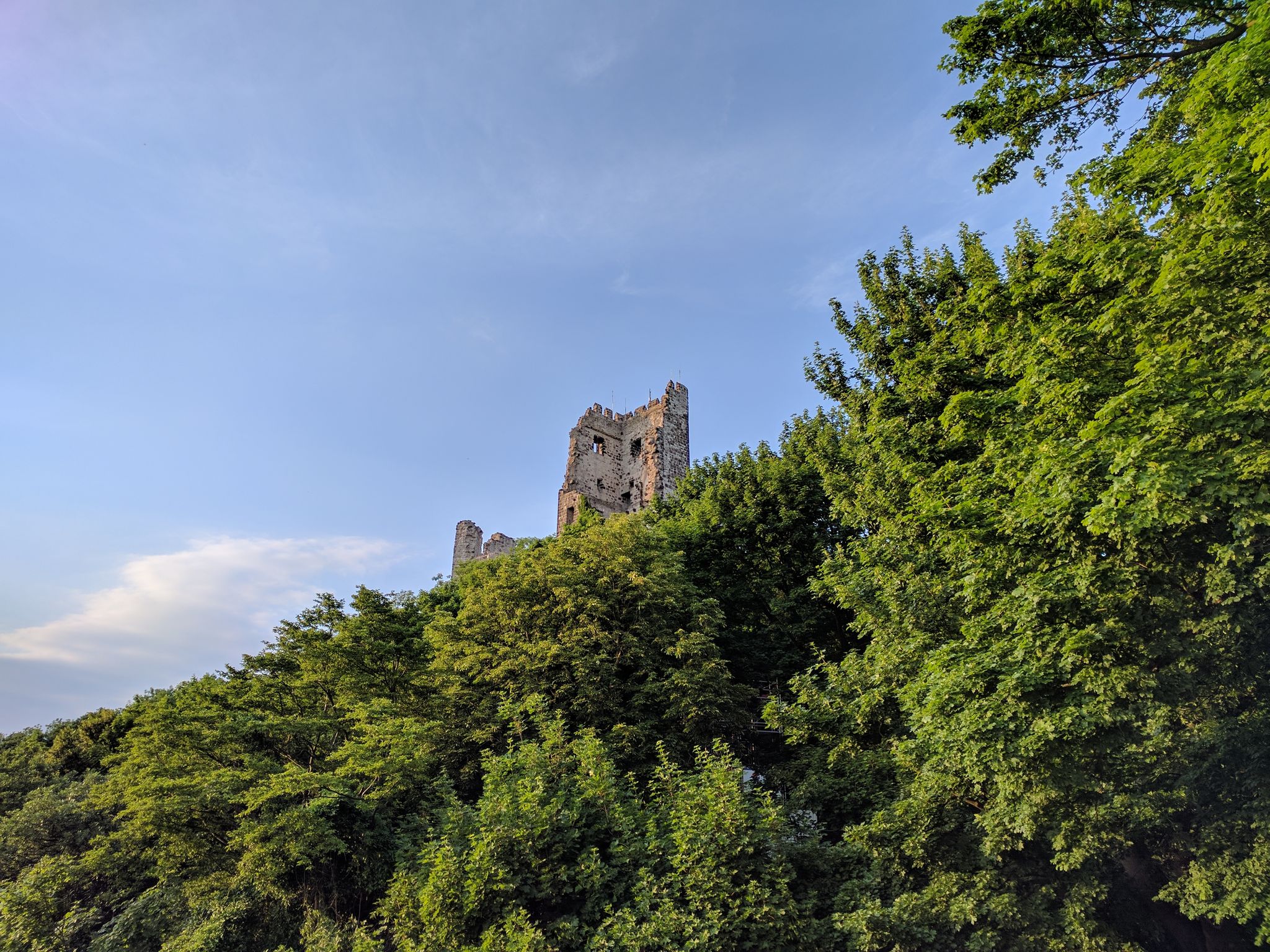
Family-friendly hikes in the Siebengebirge
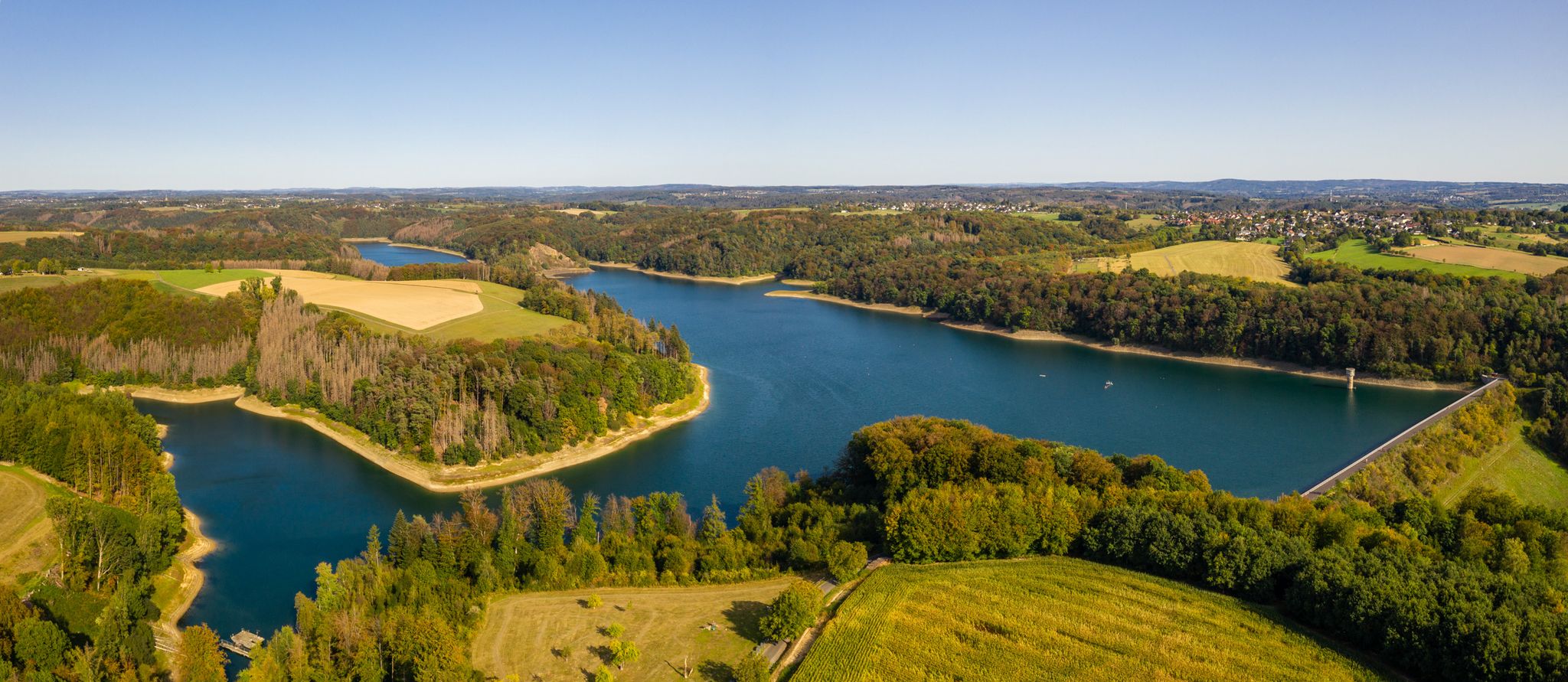
The Bergische Weg - Germany's most beautiful hiking trail 2024
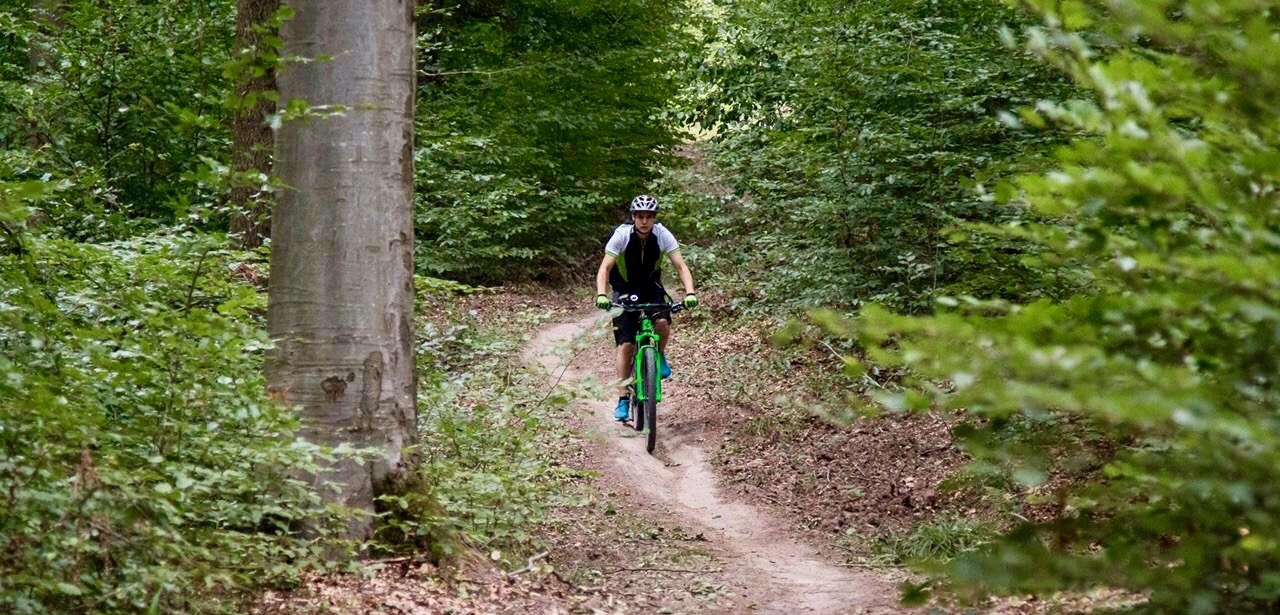
33 MTB trails through German forests
Little adventures for the whole family
Other adventures in Naturpark Siebengebirge


Tips from the Community

This path is simply gorgeous. I'm so glad I included it.
0
0

It is not a natural cave and just an artificially expanded tunnel.
1
0

Such a nice view! Woww https://www.summithealthpatient-portal.com
0
0

from here you can see the Drachenfels
9
0

The entrance area to the former monastery site, where the small remnant of the choir ruins is now a main attraction, leads from the street (bus stop and visitor/hikers' parking lot included) through the gatehouse, also known as the gatehouse.
10
0

Quite strenuous going uphill...
5
0
Anyone who reads this has a few meters of altitude in their legs ;)
4
0

The Weilberg is one of the many relics of the Siebengebirge from the time of the volcanoes that formed the landscape around 30 million years ago (Tertiary period). At that time, the volcanic activity began with a huge ash rain. Inside the earth was a huge magma focus that had created eruptions in various chimneys and crevices. Loose material was thrown explosively through these eruption sites to the earth's surface. This was deposited on the earth's surface and solidified into tuff. Lava penetrated the forming trachytuff layer and colored the tuff red at the contact zone. This can still be clearly seen today. The lava solidified into hexagonal basalt columns, often into slender columns. Later, liquid basalt penetrated the old tufa layer again in one passage and formed a "basalt tulip" at the upper end. Over the course of time, the destructive power of nature eroded the soft tuff layer through erosion, weathering and erosion. The hard layers of basalt resisted these forces and are therefore so close to the surface today that they were quarried. There are three large groups of volcanic rock in the Siebengebirge: 1. Trachyte (e.g. Drachenfels, Lohrberg) - used in the construction of Cologne Cathedral 2. Latite (e.g. Stenzelberg, Wolkenburg) - used for baroque building decoration 3. Basalts (e.g. Weilberg, Ölberg, Petersberg) - use e.g. B. for coastal reinforcement or as gravel for road and railway construction In the 19th and early 20th century, basalt was mined on the Weilberg, as in many other places in the Siebengebirge. The workers toiled for ten hours to extract the valuable stone by hand with hammers, crowbars, iron wedges or stone forks. It was particularly dangerous for the workers, who were lowered to the blast site on a rope. The extracted rock was transported to the nearby stone crushing plant. The workers loaded the mined rock into wagons and brought it down to the valley. From 1889, a narrow-gauge railway was built for transport, which led down into the Rhine Valley to the loading point on the ships. At weekends, she brought the day trippers to the Siebengebirge in passenger transport. Basalt was and is very popular for building roads, paths and railways, but also for bank and dike reinforcements (also in the Netherlands!). This quarry activity, which ended in 1942, offers the visitor a fantastic insight into times long past. Information boards give the visitor important information about the history of the origins of the volcanic landscape and the Weilberg, but also about the history of quarrying.
3
0
Frequently Asked Questions
How many mountaineering routes are available in Naturpark Siebengebirge?
Naturpark Siebengebirge offers a wide array of mountaineering routes, with over 200 kilometers of well-marked trails. Our guide features 14 distinct mountaineering routes, catering to various difficulty levels from easy paths to challenging ascents.
What kind of terrain can I expect on mountaineering routes in Naturpark Siebengebirge?
The terrain in Naturpark Siebengebirge is shaped by ancient volcanic activity, featuring over forty climbable peaks. You'll traverse gorge-like valleys, dense deciduous and coniferous forests, and encounter striking rocky outcrops like those at Stenzelberg. Many routes offer fantastic panoramic views of the Rhine Valley.
Are there any easy mountaineering routes suitable for beginners in Naturpark Siebengebirge?
Yes, there are several easy routes perfect for beginners. For instance, the Heisterbach Abbey Gatehouse – Stenzelberg loop from Naturpark Siebengebirge is an easy 3.1-mile (5.0 km) trail that takes about 1 hour 27 minutes to complete, leading through forested areas and past historical sites.
What are some challenging mountaineering routes for experienced hikers?
For experienced mountaineers seeking a challenge, the Drachenfels Summit and Ruins – Trail over the Nonnenstromberg loop from Königswinter is a difficult 13.8-mile (22.2 km) route exploring prominent volcanic peaks and historical ruins. Another demanding option is the Drachenfels Castle Ruins – View of Drachenburg Castle loop from Großer Ölberg, a difficult 12.3-mile (19.8 km) path with impressive views.
Are there any circular mountaineering routes in Naturpark Siebengebirge?
Many of the mountaineering routes in Naturpark Siebengebirge are designed as loops, allowing you to start and end at the same point. Examples include the Weilberg Quarry – Stenzelberg loop from Naturpark Siebengebirge, a moderate 5.2-mile (8.4 km) route, and the View of Drachenburg Castle – Stenzelberg loop from Königswinter Drachenfelsbahn, a moderate 9.9-mile (15.9 km) option.
What interesting landmarks or viewpoints can I discover along the mountaineering routes?
Naturpark Siebengebirge is rich in landmarks and viewpoints. You can encounter the historic Lion castle ruins, the unique Stenzelberg Rock Formations, and enjoy breathtaking panoramas from the View of the Rhine Valley from the Siegfried Pulpit or the Three-Lakes Viewpoint. The Great Ölberg also offers magnificent vistas.
Are there any caves or unique natural features to explore near the trails?
Yes, the region features several interesting caves and natural formations. You can explore the Ofenkaulen Caves in Lauterbachtal or the Ice Cellar Cave (Eiskellerhöhle). Additionally, the Nibelungen Hall and "Dragon World" offer a unique experience combining nature and legend.
What do other mountaineers enjoy most about the routes in Naturpark Siebengebirge?
The mountaineering routes in Naturpark Siebengebirge are highly rated by the komoot community, with an average score of 4.7 stars from over 17 reviews. Reviewers often praise the diverse volcanic landscapes, the extensive network of well-maintained trails, and the stunning panoramic views of the Rhine Valley. The combination of natural beauty and historical sites is also frequently highlighted.
What is the best time of year for mountaineering in Naturpark Siebengebirge?
The Naturpark Siebengebirge is generally enjoyable for mountaineering throughout the year. Spring brings blooming orchards and fresh greenery, while autumn offers vibrant fall foliage. Summer provides longer daylight hours, and even winter can be beautiful, though some paths might be slippery or require more appropriate gear. Always check local weather conditions before heading out.
Is public transport available to access mountaineering trails in Naturpark Siebengebirge?
Yes, Naturpark Siebengebirge is well-connected by public transport. Königswinter, a key starting point for many routes, is accessible by train and tram. The Drachenfelsbahn, the oldest cog railway in the world, also provides access to Drachenfels Hill, a popular starting point for many trails. It's advisable to check local transport schedules for specific route access points.
Are there any cafes or places to eat near the mountaineering trails?
Yes, you'll find various cafes, restaurants, and pubs in the towns and villages surrounding Naturpark Siebengebirge, particularly in Königswinter and Bad Honnef. Some popular viewpoints and attractions, like Drachenfels, also have facilities where you can grab a refreshment or a meal.
Can I bring my dog on the mountaineering routes in Naturpark Siebengebirge?
Naturpark Siebengebirge is generally dog-friendly, and many trails welcome dogs. However, it's important to keep your dog on a leash, especially in nature protection areas and near wildlife. Always carry water for your dog and be mindful of other hikers and local regulations.
Most popular routes in Naturpark Siebengebirge
Most popular attractions in Naturpark Siebengebirge

Get inspired with the komoot mobile app


Explore more
Browse the best Mountain Hikes & Routes in other regions.
