Attractions and Places To See in Kalltal Und Nebentaeler - Top 20
Best attractions and places to see in Kalltal Und Nebentaeler include a picturesque region in Kreis Düren, North Rhine-Westphalia, Germany. This area, centered around the Kall River valley and its side valleys, is recognized as a nature reserve. It is characterized by natural flowing waters, alder alluvial forests, and damp grasslands, offering diverse landscapes. The region combines tranquil natural beauty with significant historical sites, providing a varied experience for visitors.
Best attractions and places to see in Kalltal Und Nebentaeler
…Last updated: October 9, 2026
Simonskall
Highlight • Settlement
Translated by Google •
Tip by

Kall Bridge Memorial
Highlight • Bridge
Translated by Google •
Tip by

Sign up now to discover places like this
Get recommendations on the best single tracks, peaks, & plenty of other exciting outdoor places.
Kremer Mill (Kremer-Mühle), Simonskall
Highlight • Historical Site
The smelter Simon Kremer built the Kremer-Hof, the so-called castle, in 1643. The mill was built in 1622. …
Translated by Google •
Tip by

Lukas Mill Ruins
Highlight • Historical Site
Translated by Google •
Tip by

Saint John of Nepomuk Statue on the Bridge in Simonskall
Highlight • Monument
Translated by Google •
Tip by

Sign up for free to discover even more attractions in Kalltal Und Nebentaeler.
Already have an account?
Start today with a free account
Your next adventure awaits.
Popular around Kalltal Und Nebentaeler
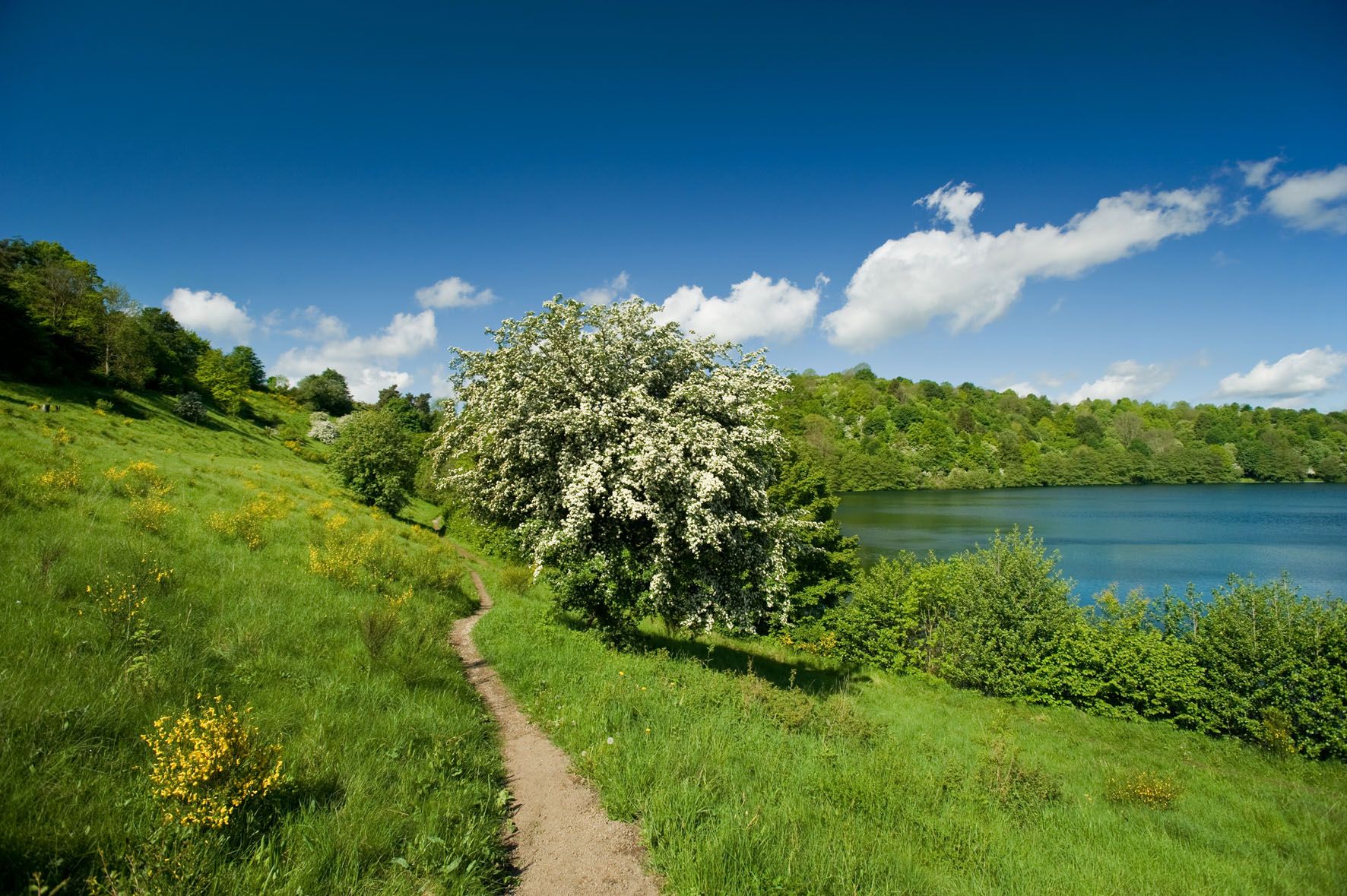
A long trail weekend in the Northern Eifel
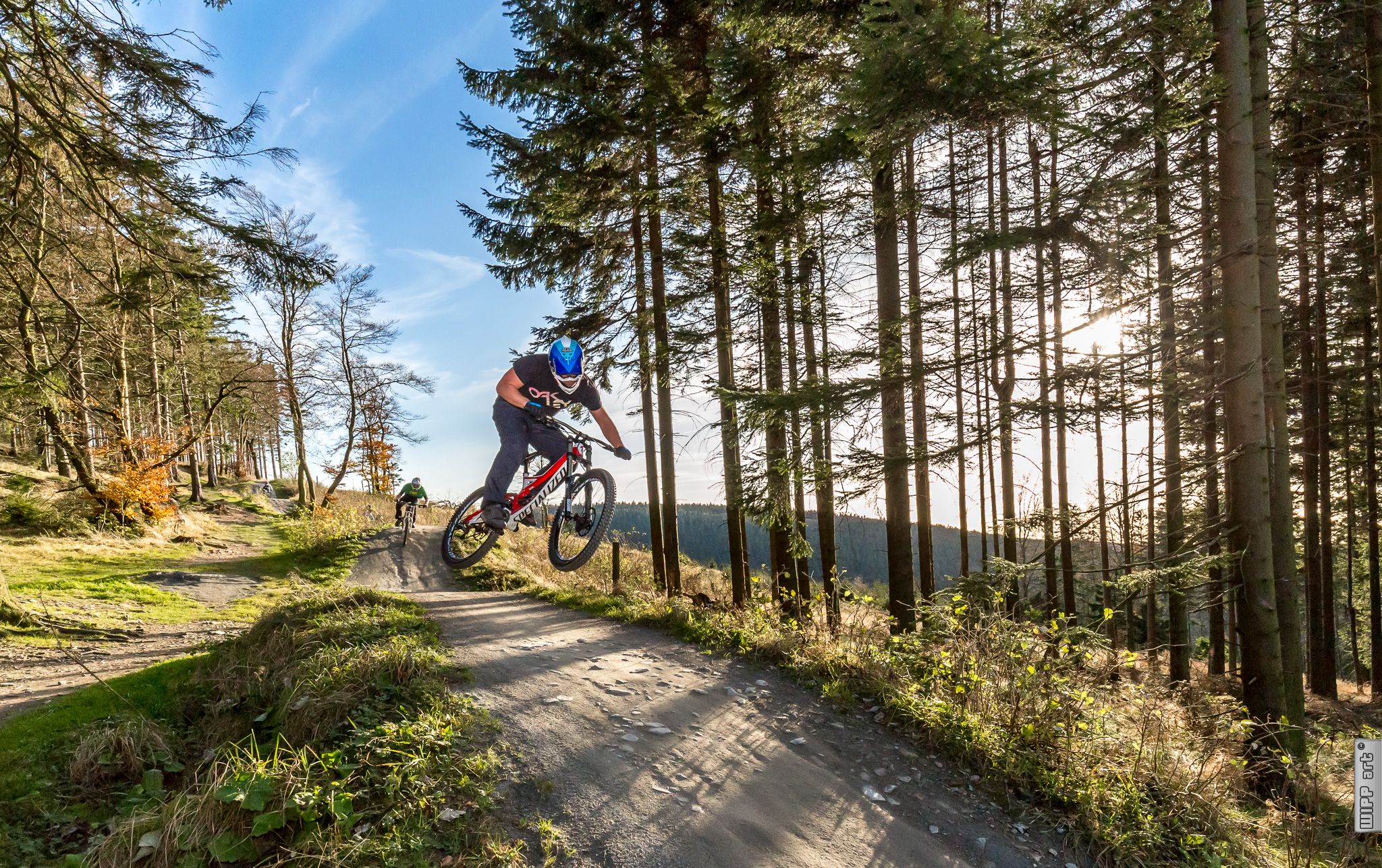
Bike parks in Western Germany
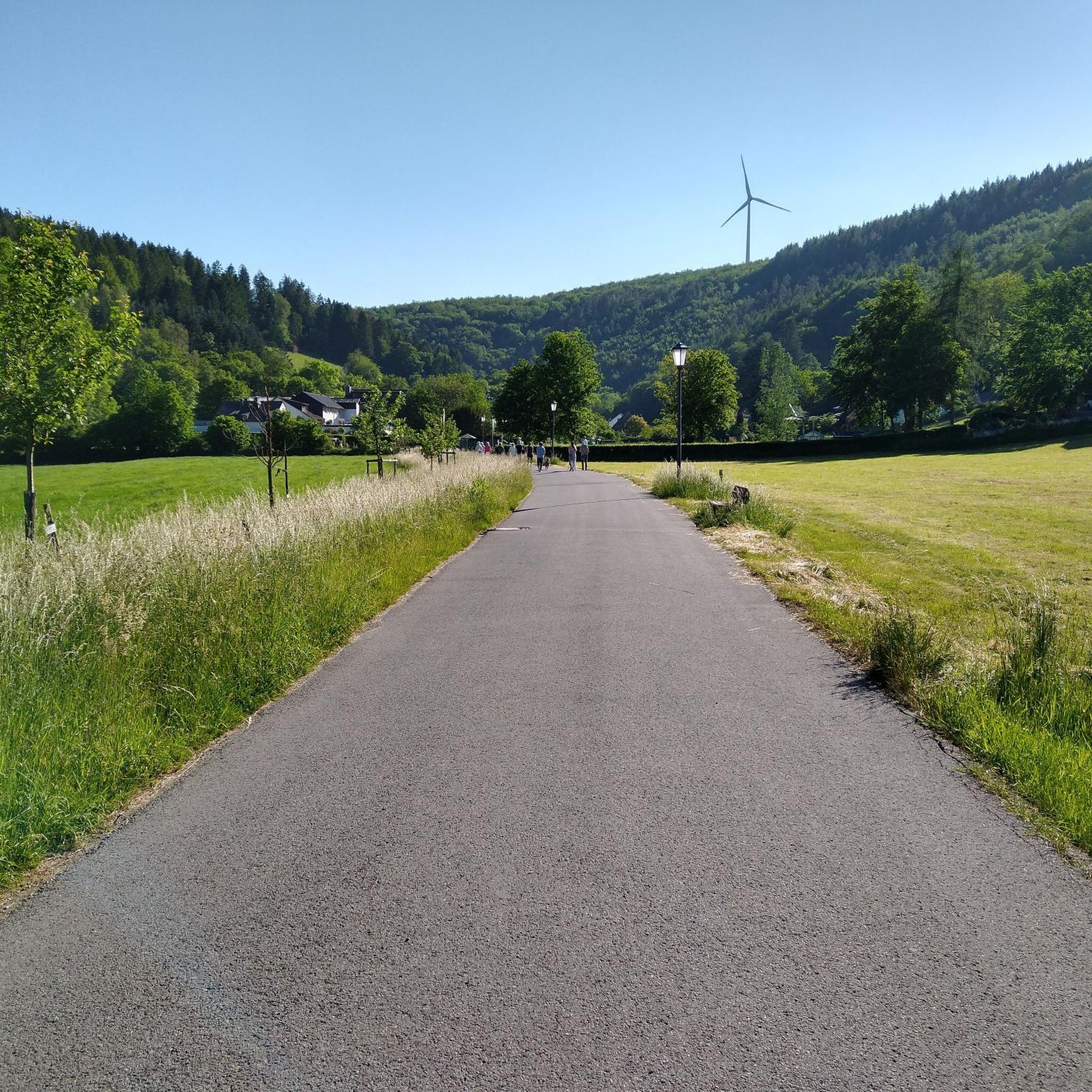
Hiking in Kalltal Und Nebentaeler
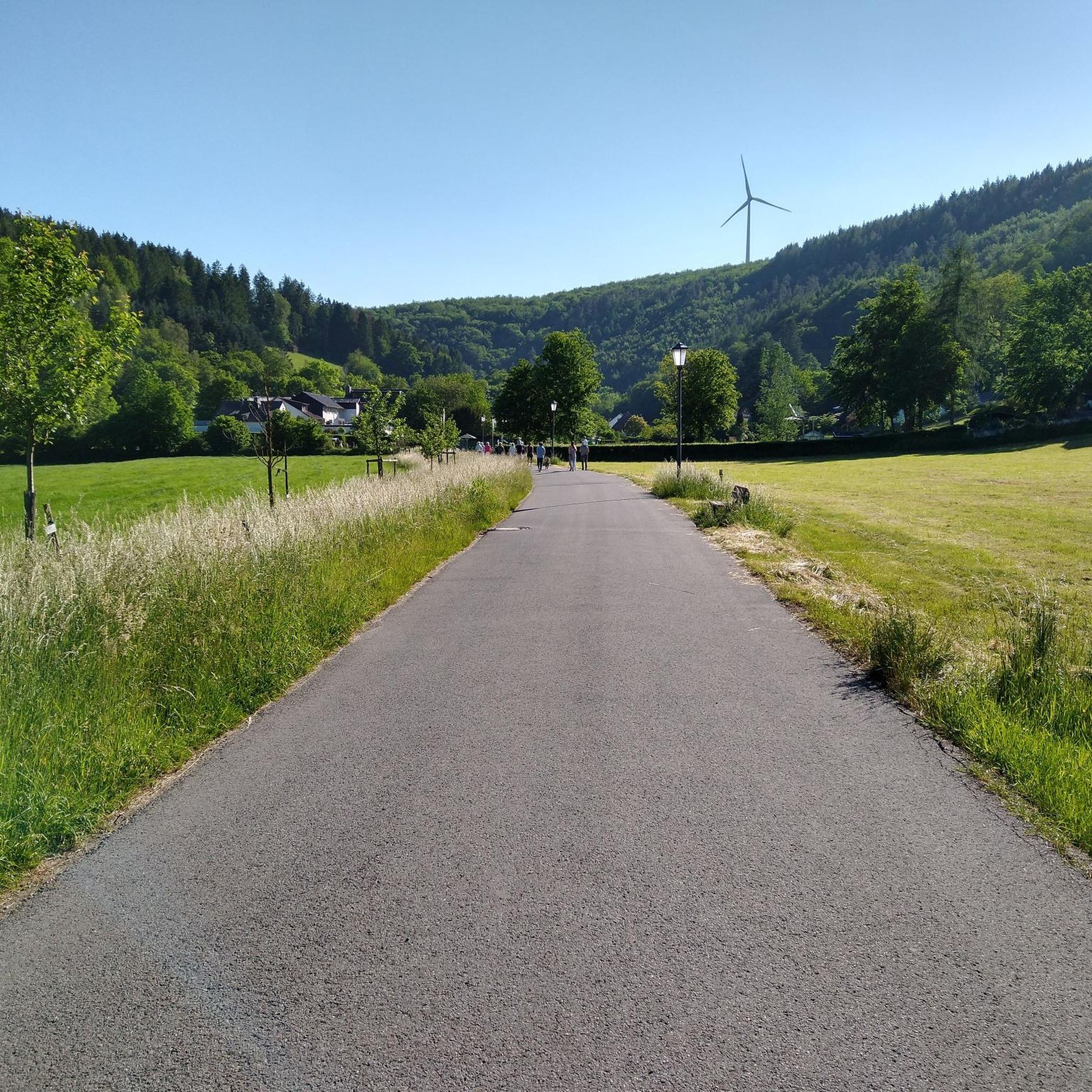
MTB Trails in Kalltal Und Nebentaeler
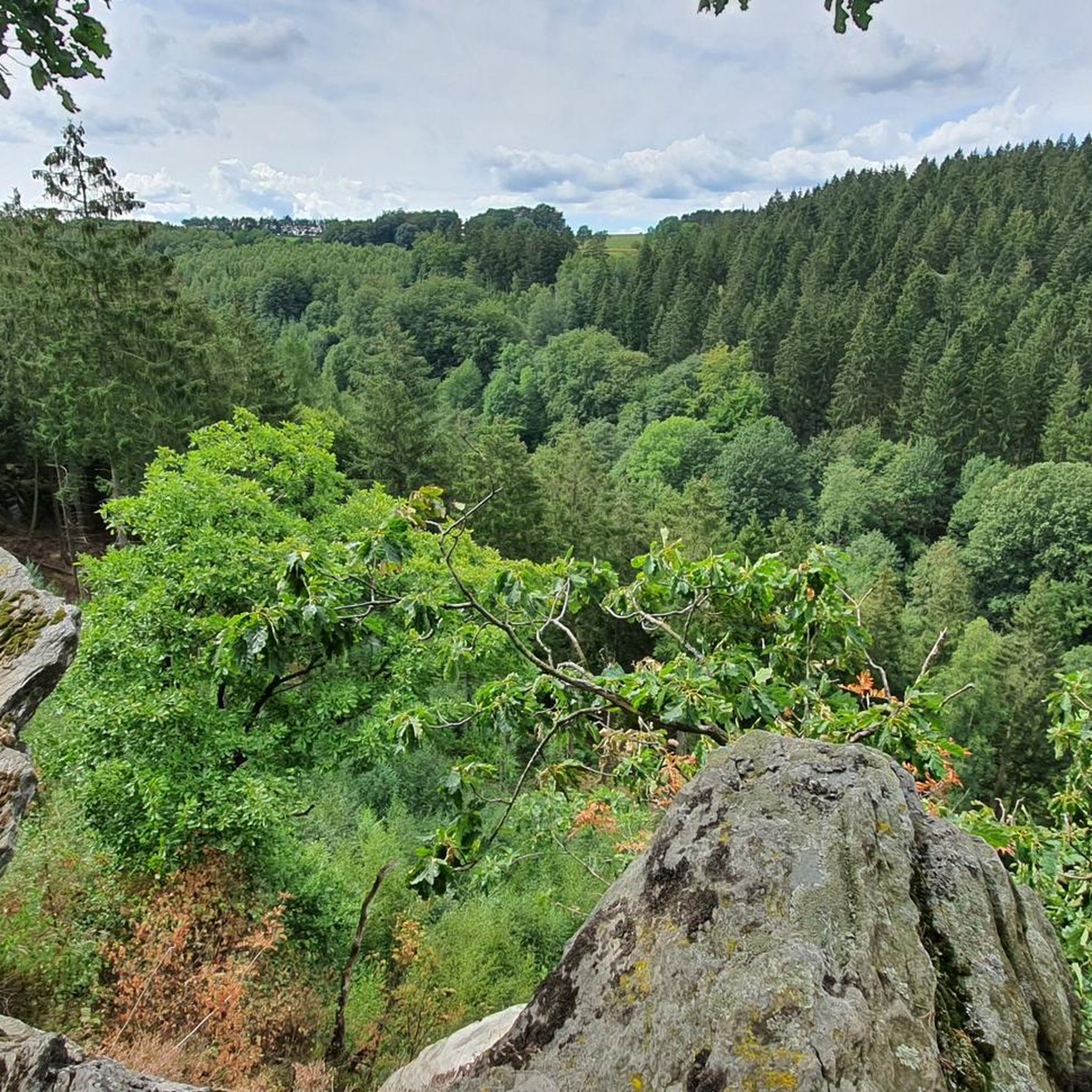
Cycling in Kalltal Und Nebentaeler
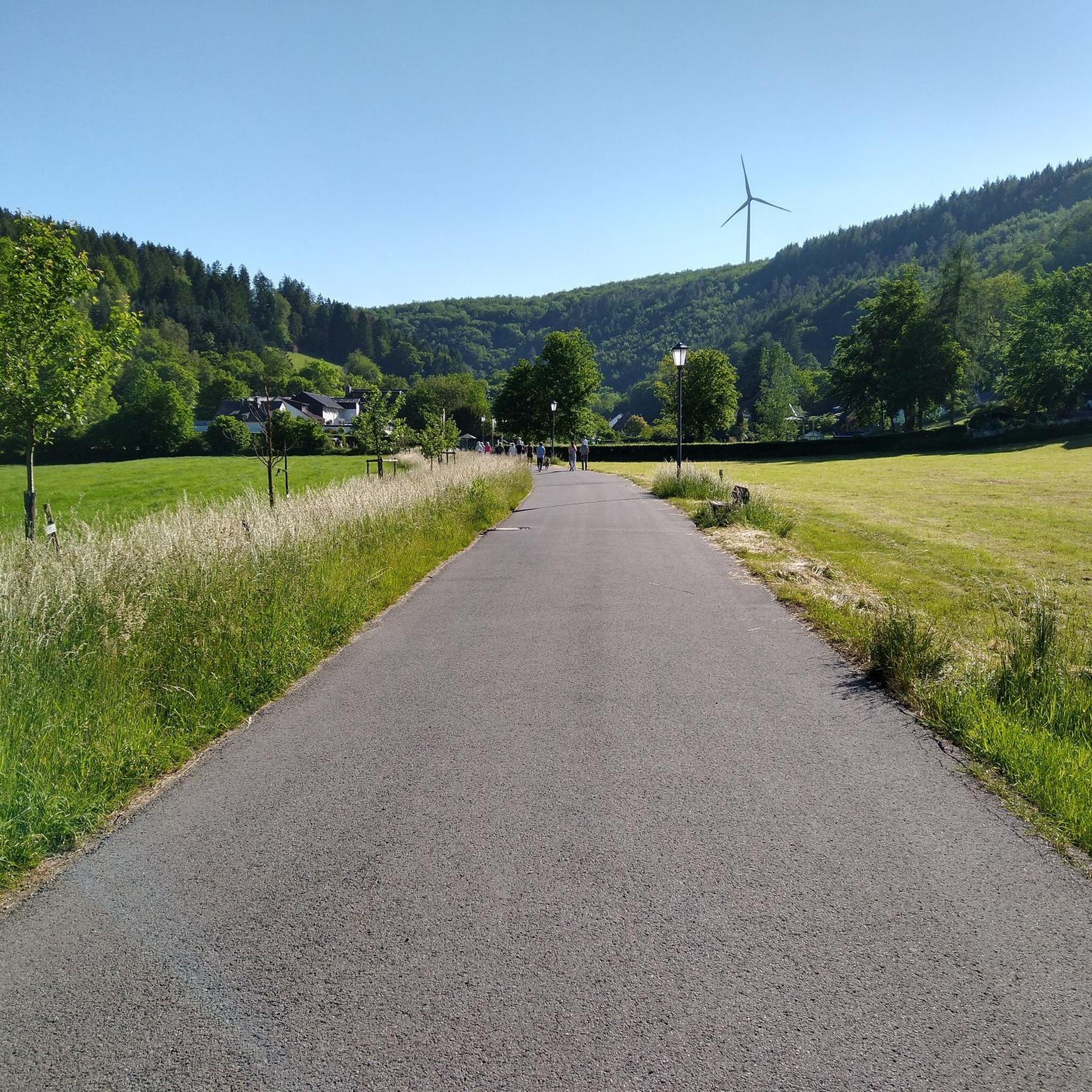
Road Cycling Routes in Kalltal Und Nebentaeler
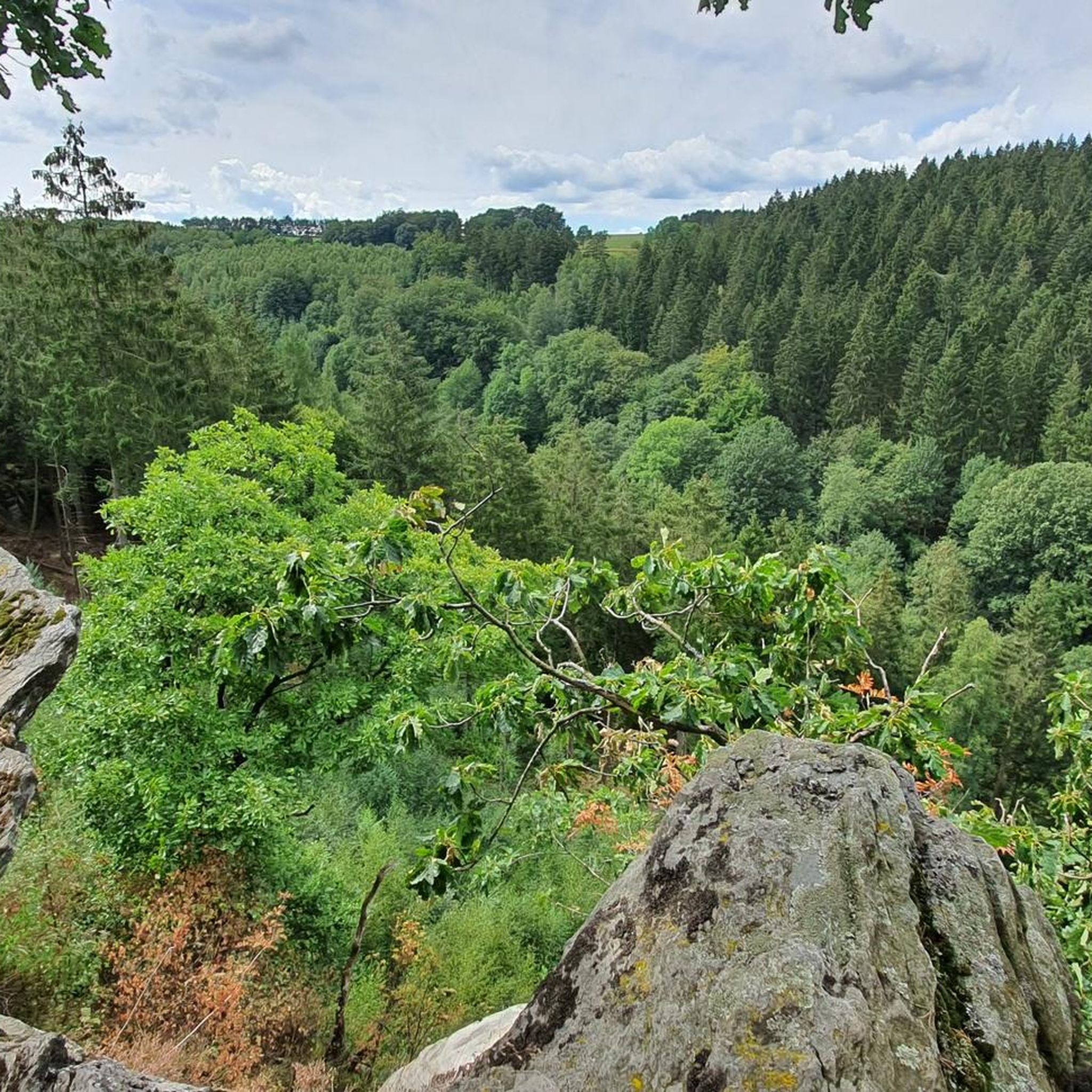
Running Trails in Kalltal Und Nebentaeler
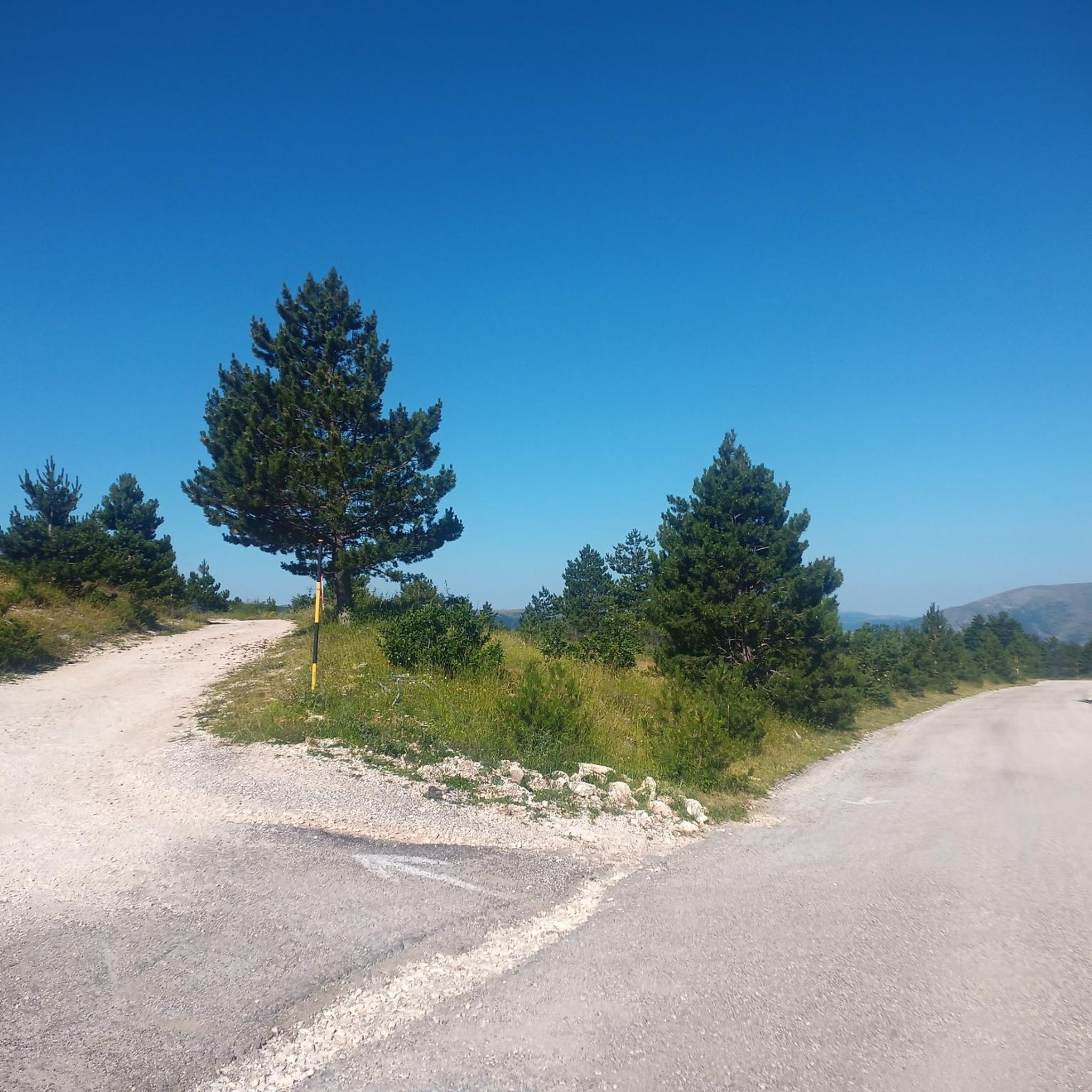
Gravel biking in Kalltal Und Nebentaeler
Mountain Hikes in Kalltal Und Nebentaeler
Other adventures in Kalltal Und Nebentaeler

Tips from the Community

I found the information about the old mill on the display board very interesting.
0
0

Historically interesting. The information board explains what this is all about.
0
0

The house is a part of a building complex in which the guest's house is also located. It was named after the last owner, the Junker industrial family. The building has belonged to the municipality of Hürtgenwald since the 1990s. The entire building complex consists of a two-story semi-detached house with a massive basement made of quarry stone and an upper floor made of half-timbered buildings, which adjoins the remains of a possibly former defensive tower made of quarry stone. The building was entered into the list of architectural monuments in Hürtgenwald on July 14, 1983 under number 14. The text of the monument description reads: “Inscriptional dating on the lintel 1651, renovated in 1773; (1723 according to Peters). Eaves-mounted, 2-storey semi-detached house, basement made of solid quarry stone, upper floor half-timbered; Connected to the northwest are the remains of possibly a former defensive tower made of quarry stone with cross-frame windows and half cross-frame windows with walls made of sandstone and bluestone, remains of an embrasure; the house in the basement with cross-story windows with bluestone walls; On the street front there is an entrance on the right and left, on the right there is a baroque pillar door with original nails, bluestone walls, the date in the flat arched lintel; left nailed door with wrought iron door knocker; the framework of the upper floor was largely renewed; Windows in old proportions, the rear eaves made entirely of quarry stone; completely renewed gable roof. Probably part of the former ironworks.”
10
0

I didn't know there was a bridge saint. Now I know.
2
0

The drive with gear and clutch. Remains of the former Lucasmühle near Zerkall Zweifallshammer.
0
0

From 1663 the mill served as a grain mill for the surrounding villages. Coming from the mill, the marking shows the way over a wooden bridge crossing the Kall into the Huschelbachtal to the Schaumeiler. Here one senses something of the laborious work of the past. The large information board provides information about the ability of the charcoal burner to produce charcoal, a highly sought-after source of energy, from grown beech wood. A numerical example shows the importance of this carbonization process: 3.2 tons of charcoal were needed to produce 1 ton of pig iron. With a coal yield of 25%, 12.8 tons (approx. 18 m3) of beech wood had to be charred. From the kiln, the path leads back into the Kalltal, past the old waterworks from 1905, from which one of the four Lambach pumps can be admired as a technical masterpiece from the starting point in Vossenack. Only the downward pressure of the headrace pumped the drinking water 200 meters up to Vossenack (until 1936) and Schmidt (until 1972). It got its name from its inventor Wilhelm Lambach.
7
0
The figures stand on the bridge in Simonskall. Right in front of the castle ruins from the castle.
3
0

The court messenger Lukas Kirstgen built the Lukas mill in 1569 in order to assert himself against the feudal owner and tenant of the Zerkaller mill. The last people living there, the Wilhelm Boltersdorf family, were expelled to Brandenberg by the Americans. In 1951 the mill was leveled. Source: Wikipedia
4
0
Frequently Asked Questions
What natural features can I explore in Kalltal Und Nebentaeler?
The region is centered around the Kall River valley, a largely untouched low mountain range river with varied riverbeds and bank formations. You can explore extensive alder-alluvial forests along the riverbanks, diverse wetlands, and areas with numerous springs. Specific nature reserves like Schluchtwald Kalltal (Gorge Forest Kalltal) and Oberes Kalltal mit Nebenbächen (Upper Kalltal with Side Streams) highlight the rich biodiversity.
Are there historical sites to visit in the Kalltal Und Nebentaeler region?
Yes, the area is rich in history. You can visit Simonskall, a resort town with remnants of the former Westwall, including bunkers. The Kall Bridge Memorial commemorates the "Allerseelenschlacht" from WWII. Other notable sites include the historic Kremer Mill (Kremer-Mühle), built in 1622, and the Lukas Mill Ruins, dating back to 1569. You can also find the Statue of Saint John of Nepomuk on the Bridge in Simonskall, a popular 'bridge saint'.
What kind of outdoor activities are available besides hiking in Kalltal Und Nebentaeler?
Beyond hiking, the region is excellent for cycling. Simonskall serves as a starting point for trails in the Hürtgenwald mountain bike park. You can find various cycling routes, including longer tours like the "View of Hengebach Castle – Rursee Loop Trail" or the "Vennbahn Cycle Path – Hohes Venn Nature Reserve loop." For more cycling options, explore the Cycling in Kalltal Und Nebentaeler guide.
Are there family-friendly attractions or activities in Kalltal Und Nebentaeler?
Several attractions are suitable for families. Simonskall itself is a recognized resort town with amenities. The Kall Bridge Memorial and the historic Kremer Mill offer educational insights into the region's past. Easy hiking trails, such as the "Simonskall – The Kall Stream loop," are also great for families. You can find more options in the Easy hikes in Kalltal Und Nebentaeler guide.
What are some popular hiking trails in Kalltal Und Nebentaeler?
The region offers numerous hiking trails for various fitness levels. Popular routes include the 16 km Scheidt and Kalltal und Nebentaler Loop, and tours around Simonskall that incorporate parts of the former Westwall. The European Long Distance Trail E8 also passes through the area. For specific routes, consider the "Simonskall – The Kall Stream loop" for an easy walk or the "Taucherbucht loop" for a moderate mountain hike.
Is Kalltal Und Nebentaeler suitable for dog owners?
Yes, the natural landscape of Kalltal Und Nebentaeler is very suitable for dog owners. Many hiking trails wind through forests and meadows, providing ample space for walks. Always ensure your dog is kept on a leash where required, especially in nature reserve areas, and be mindful of local regulations.
Where can I find parking when visiting attractions in Kalltal Und Nebentaeler?
Parking is generally available in and around the main settlements like Simonskall, which serves as a common starting point for many trails and attractions. Specific parking areas are often designated near popular trailheads and historical sites. It's advisable to check local signage upon arrival for the most current parking information.
What is the best time of year to visit Kalltal Und Nebentaeler?
The Kalltal Und Nebentaeler region is beautiful year-round, but the best time depends on your preferred activities. Spring and autumn offer pleasant temperatures for hiking and cycling, with vibrant foliage in autumn. Summer is ideal for enjoying the lush greenery and outdoor activities. While winter can be picturesque, some trails might be challenging due to snow or ice, and certain amenities may have reduced hours.
Are there places to eat or stay in Kalltal Und Nebentaeler?
Yes, the district of Simonskall is a recognized resort town and offers several pensions and restaurants. You can find cafes and accommodations there, making it a convenient base for exploring the region. Other nearby towns may also offer additional options for dining and lodging.
What makes the Kall River special in this region?
The Kall River is a central feature of the nature reserve, known for being a largely untouched low mountain range river. It boasts varied riverbeds, currents, and natural bank formations over a stretch of more than 12 kilometers. Its banks are often lined with alder-alluvial forests, indicating the river's natural character and flood dynamics, contributing significantly to the region's unique ecosystem.
Can I find any viewpoints or scenic spots in Kalltal Und Nebentaeler?
The entire Kalltal offers scenic views as trails weave through lush forests and open meadows. While specific named viewpoints are not highlighted, the natural beauty of the river valley, especially from elevated trails, provides numerous picturesque spots. The diverse landscapes of the nature reserve itself are a continuous scenic experience.
Most popular routes in Kalltal Und Nebentaeler
Most popular attractions in Kalltal Und Nebentaeler

Get inspired with the komoot mobile app


Explore more
Still not found the Highlight you’re looking for? See guides of the top attractions in other regions:
