Attractions and Places To See in Geleenbeekdal - Top 20
Best attractions and places to see in Geleenbeekdal include a diverse range of natural landscapes, cultural sites, and points of interest. This picturesque valley in South Limburg features the Geleenbeek stream, which has been restored to its natural, meandering state, flowing through varied terrain. The region is characterized by steep edges, forests, grasslands, and orchards, offering a vibrant green corridor for exploration. It is known for its successful restoration after former mining industries, making it a significant area for nature…
Last updated: May 25, 2026
Terworm Castle
Highlight • Castle
Translated by Google •
Tip by

Wijnandsrade Castle
Highlight • Castle
Translated by Google •
Tip by

Sign up now to discover places like this
Get recommendations on the best single tracks, peaks, & plenty of other exciting outdoor places.
Sign up for free
Tree-Root Path in the Stammenderbos
Highlight • Trail
Translated by Google •
Tip by

Terstraten
Highlight • Settlement
Translated by Google •
Tip by

Colorful Tunnel at Parkstad Ring
Highlight • Structure
Translated by Google •
Tip by

Sign up for free to discover even more attractions in Geleenbeekdal.
Sign up for free
Already have an account?
Start today with a free account
Your next adventure awaits.
Login or Signup

Tips from the Community

The Kleurtunnel Buitenring (Outer Ring Road) is a striking art project and infrastructure element located along the Outer Ring Road of an urban area, designed to surprise and inspire motorists, cyclists, and pedestrians alike. It's a tunnel that literally and figuratively brings color to a typically functional piece of infrastructure. The tunnel stands out for its colorful interior and walls, which feature bright patterns, abstract shapes, and occasionally playful motifs. The project aims to transform a dull passageway into a place of visual experience. Through the use of color and light, the tunnel changes with every season, light, and weather condition, offering a dynamic experience for passersby. Besides its aesthetic appeal, the tunnel also serves a practical purpose. It safely connects sections of the Outer Ring Road and ensures that traffic flows through the infrastructure in a visually pleasing way. For cyclists and pedestrians, it has become a landmark: a place where people pause for a moment to observe and occasionally take a photo.
0
0
The Wortelpad (Wortel Trail) in the Stammenderbos forest is a picturesque hiking trail that winds through dense, often damp woodland. The trail likely owes its name to the numerous tree roots that creep across it, literally making hikers walk on a carpet of roots. The Stammenderbos itself is rich in deciduous trees, ferns, and moss, giving the trail a verdant, almost fairytale-like atmosphere. The natural obstacles, the winding route, and the filtered sunlight filtering through the canopy make the Wortelpad an intimate and adventurous place for hikers who appreciate peace and quiet and nature.
0
0

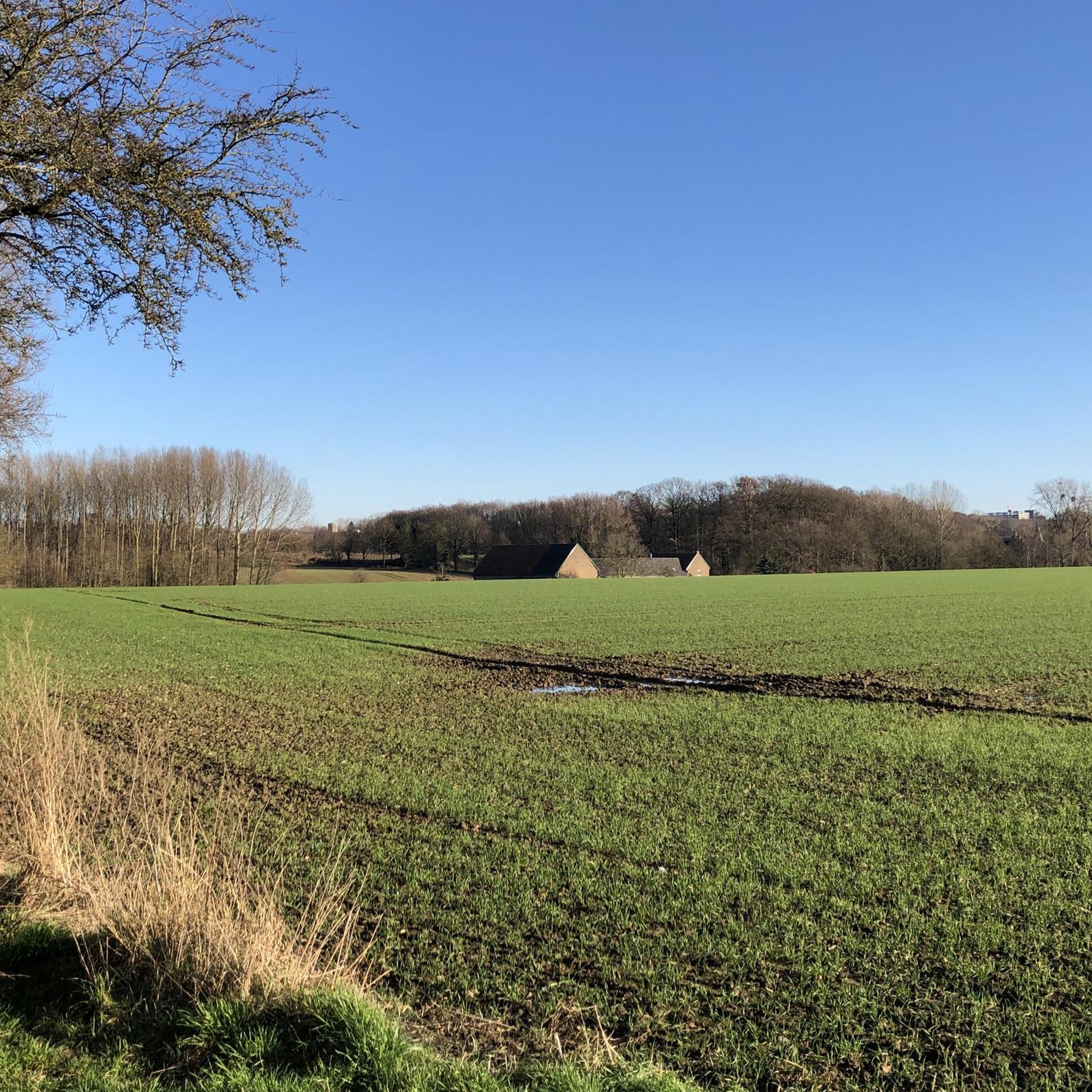
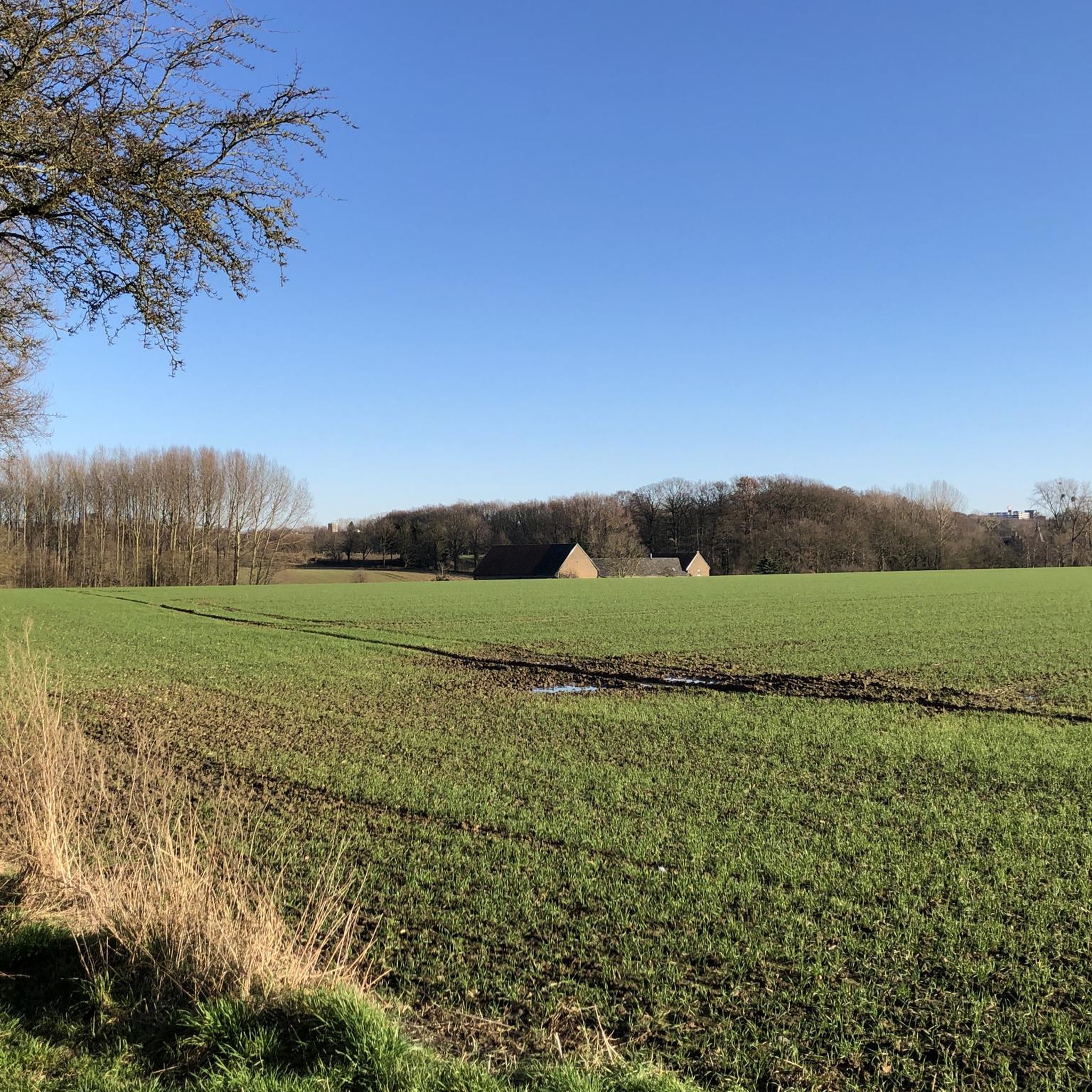
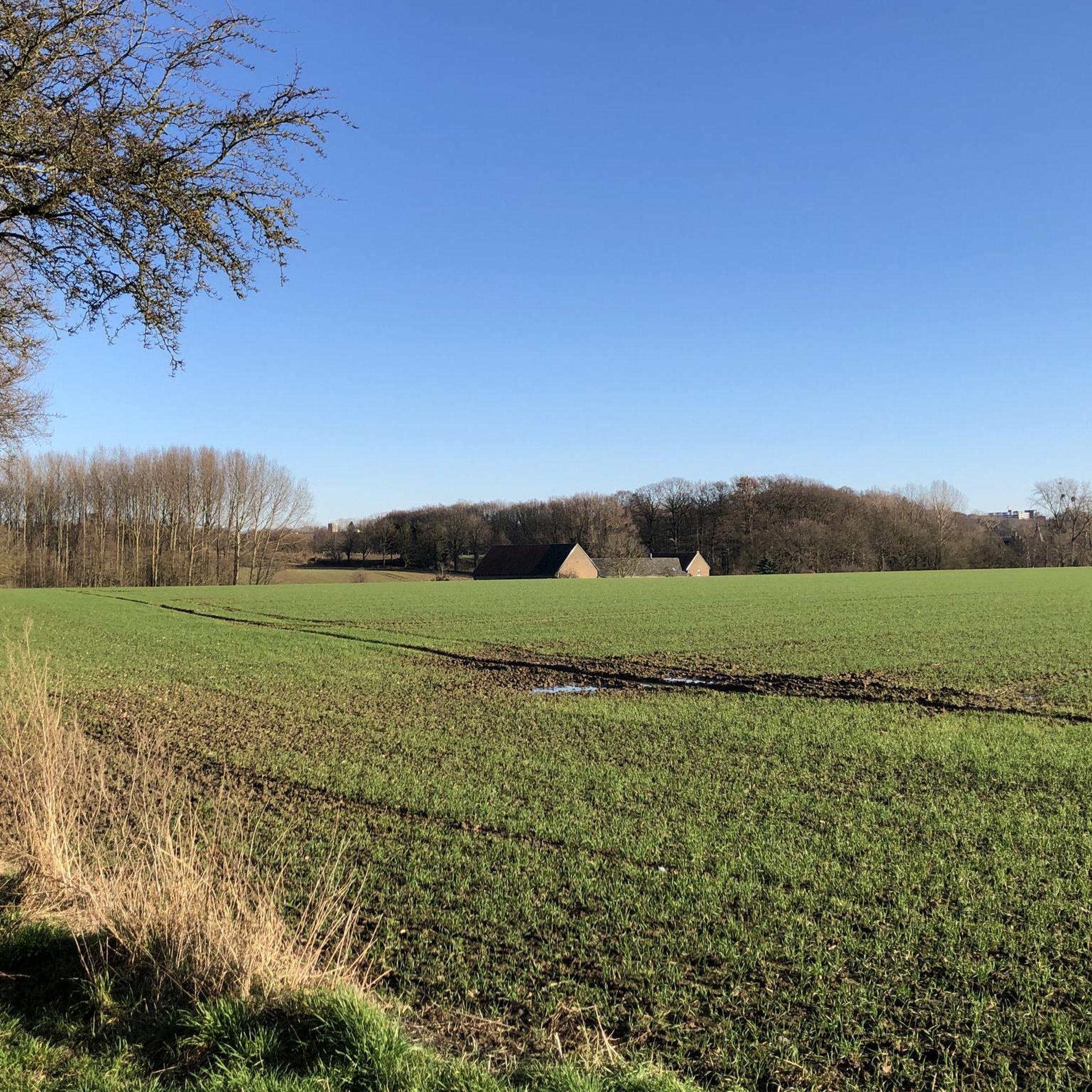
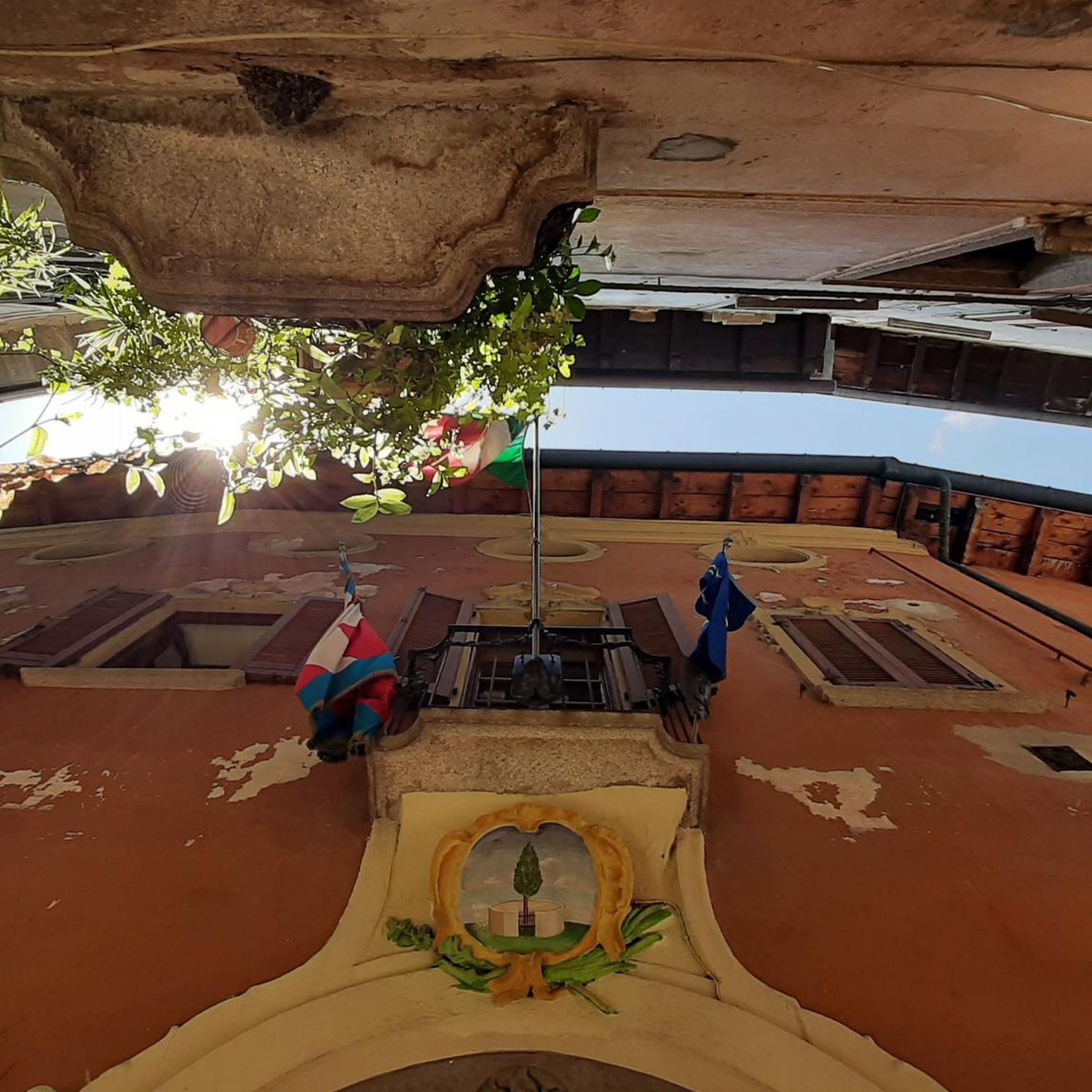
A tiny hamlet with such beautiful houses and farms!
1
0

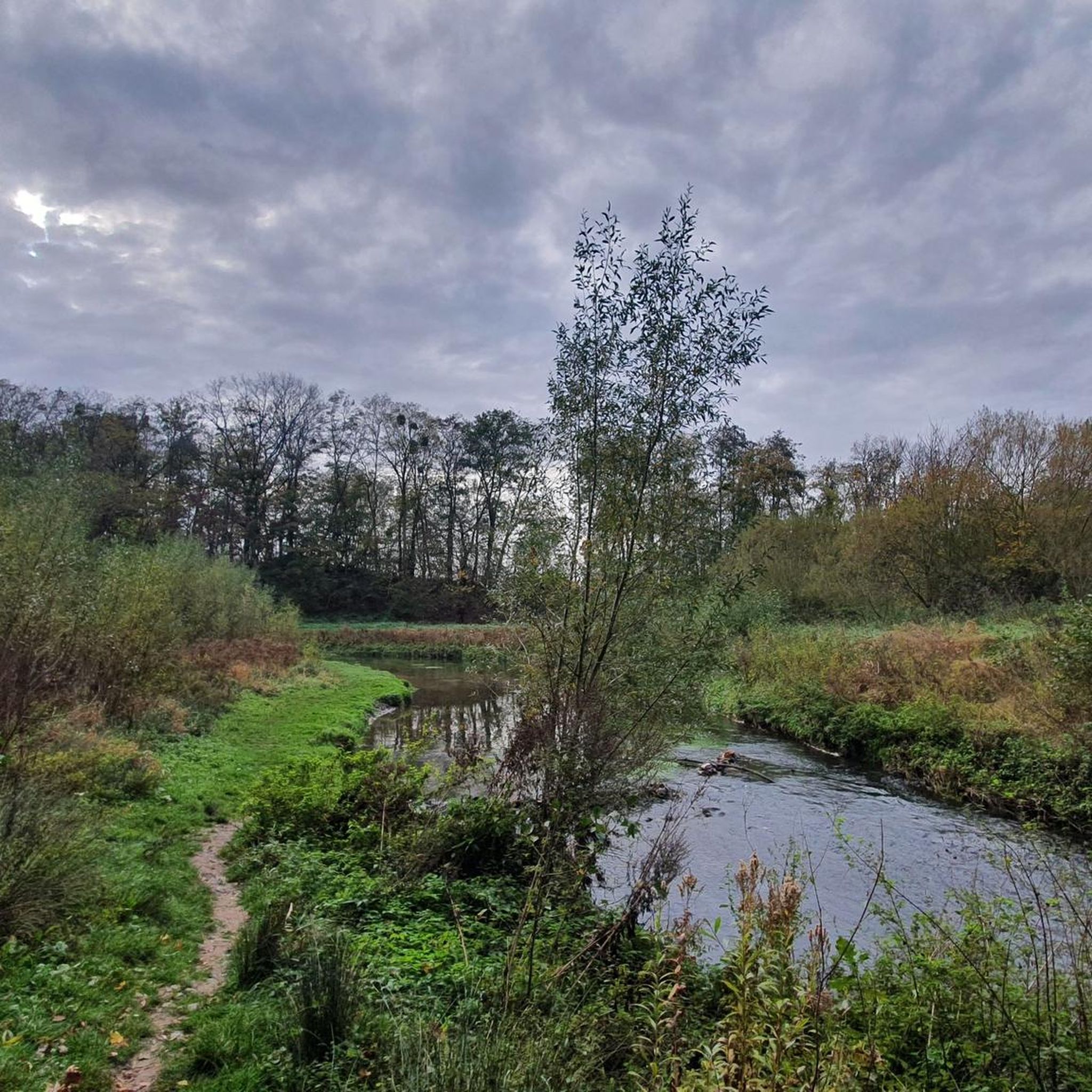
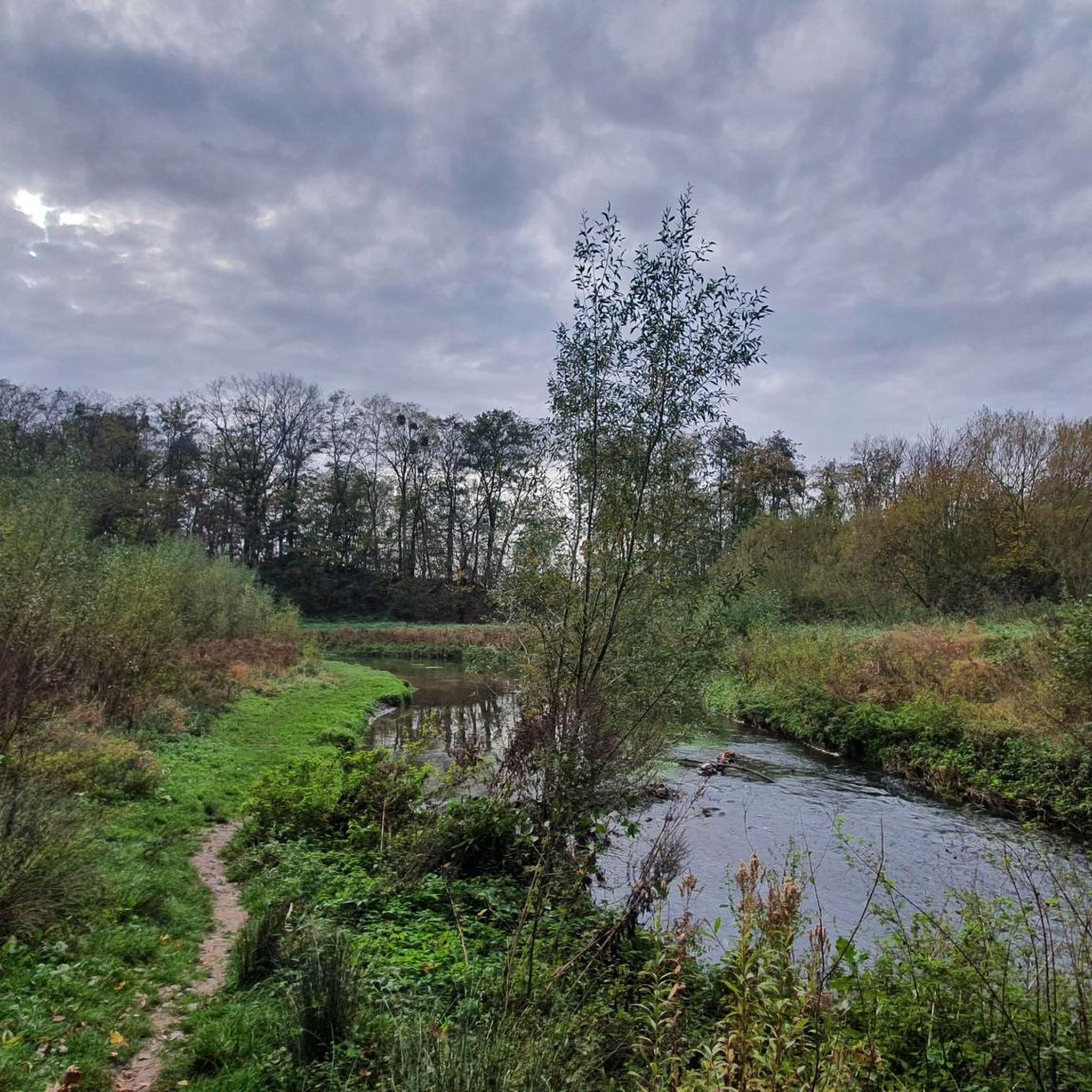
The Stammenderbos is a forest area in the municipality of Beekdaelen in the Dutch province of Limburg. It is located northeast of Spaubeek, southeast of Sweikhuizen and is part of the nature reserve Geleenbeekdal, which is protected by the Vereniging Natuurmonumenten. The forest is a slope forest and is located on the northern slope of the Geleenbeekdal and the southwestern slope of the Stammenderveld, a terrace of the Plateau van Doenrade. At the foot of the slope forest flows the Geleenbeek, with the oil-water mill at the hamlet Oude Kerk and the Sint Jansmolen. On the plateau on the northeast side is the Stammenhof farm, after which the forest is named. On the other side of Sweikhuizen lies the Danikerbos on the Danikerberg. Source/info: https://nl.wikipedia.org/wiki/Stammenderbos
0
0

The present castle is a building partially surrounded by a moat and consists of three wings around a courtyard. The oldest part is the west wing, originally a fortified house, built between 1554 and 1563 by the brothers Wilhelm and Werner von dem Bongart. This wing contains the original Knights' Hall with a 16th-century fireplace. The south wing and the east wing were built between 1717 and 1719 on the orders of Baron Joseph Clemens von dem Bongart. Around 1726, the entrance gate was raised and in 1775 a domed tower with a lantern was added. Above the entrance gate in the center of the south façade is the coat of arms of the Barony of Von dem Bongart.
3
0

The Stammende Bos is a forest with many old trees and hollow paths.
0
0

A nice old beech tree forest and root path.
0
0

The Rococo castle was built in the 14th century and surrounded by a moat and gardens. The entrance area was rebuilt in 1670. The moated castle has an eventful history and numerous changes of ownership, including the Aachen aldermen family von Wylre from 1568 to 1738, whose first owner, Simon von Wylre, son of the Aachen mayor Wilhelm von Wylre, had been enfeoffed with the estate since 1552. At the beginning of the 19th century, ownership passed by inheritance from the von der Heyden family called Belderbusch to the Boeselager family. In 1841, Terworm came into the possession of the de Loë-Mheer family, who had the castle extensively rebuilt in 1890/91. The castle was badly damaged in the Second World War. The estate has been completely restored and is now a hotel with a restaurant.
11
0
Frequently Asked Questions
What natural features can I explore in Geleenbeekdal?
The Geleenbeekdal is rich in natural beauty. You can discover the beautifully restored Geleenbeek stream, which meanders through varied landscapes of forests, grasslands, and orchards. Key natural areas include the Stammenderbos, a beech forest known for its diverse birdlife and the stag beetle, and Kollenberg, a crucial habitat for the rare European hamster. Other notable spots are Absbroekbos for walks and picnics, and Wolfshagen with its flower-filled meadows and orchards. Don't miss the unique chalk marsh of Kathagerbeemden, home to rare plant species and snails.
Are there any historical castles to visit in the Geleenbeekdal region?
Yes, the Geleenbeekdal is home to several historical castles. You can visit Wijnandsrade Castle, which features a charming brasserie in its inner courtyard. Another prominent site is Terworm Castle, a 14th-century rococo palace surrounded by a moat and gardens, now serving as a hotel and restaurant. The region also boasts Hoensbroek Castle and Terborgh Castle, which has a history tied to the Bokkenrijders gang.
What kind of outdoor activities can I do in Geleenbeekdal?
The Geleenbeekdal offers excellent opportunities for outdoor activities. You can enjoy extensive walking and cycling through its diverse landscapes. Popular routes include the 'Rondje Stammenderbos' and the 'Beekdaelenroute'. For specific hiking trails, explore options like those found in the Hiking in Geleenbeekdal guide, or for cycling, check the Cycling in Geleenbeekdal guide.
Where can I find unique walking experiences in the area?
For a unique walking experience, head to the Tree-Root Path in the Stammenderbos. This trail winds through an old beech tree forest where erosion has exposed the roots of many trees, creating a distinctive natural path. The Stammenderbos itself is a beautiful area for exploration, with routes often starting from the monumental Biesenhof farm.
Are there any family-friendly attractions or activities in Geleenbeekdal?
Many of the natural areas in Geleenbeekdal are suitable for families. The restored Geleenbeek stream and its valley offer pleasant walks and picnics. Exploring forests like Stammenderbos or Absbroekbos can be an adventure for children. The Stadspark Sittard also provides a lovely natural strip within the city for leisurely family strolls. Additionally, castles like Wijnandsrade Castle and Terworm Castle can be interesting for older children with an interest in history.
What is the best time of year to visit Geleenbeekdal?
The Geleenbeekdal is beautiful year-round, but spring is particularly enchanting when the high-stemmed fruit trees, including the unique Sjweikeser Rèngeloat plum variety, are in blossom. Summer offers lush green landscapes perfect for walking and cycling. In winter, areas like Kollenberg attract large groups of yellowhammers, goldfinches, and linnets, and sometimes even the rare short-eared owl, making it ideal for birdwatching.
Can I go birdwatching in Geleenbeekdal?
Yes, Geleenbeekdal is an excellent spot for birdwatching due to its diverse habitats. You can spot species like the Common Kingfisher, Grey Wagtail, Middle Spotted Woodpecker, and Eurasian Nuthatch. The Stammenderbos is particularly known for its birdlife, and the southern part of the circular walk from Biesenhof is recommended for bird enthusiasts.
Are there any historical settlements or unique architectural sites to see?
Absolutely. The village of Terstraten is notable for its beautiful 18th-century half-timbered farms and bacon houses. You can also visit the Pater Karel Kapel in Munstergeleen, established in the birthplace of Joannes Andreas Houben, offering a place for reflection and a peaceful garden.
What do visitors enjoy most about Geleenbeekdal?
Visitors frequently appreciate the blend of natural beauty and historical charm. The successful restoration of the Geleenbeek stream and its valley, along with the ancient forests like Stammenderbos, are highly praised. The presence of well-preserved castles, such as Wijnandsrade Castle and Terworm Castle, also adds to the region's appeal, offering both scenic views and a glimpse into history.
Are there any easy hiking trails suitable for beginners in Geleenbeekdal?
Yes, Geleenbeekdal offers several easy hiking trails. For example, you can find routes like the 'Terworm Castle – Terworm Castle loop from Heerlen' or the 'Wijnandsrade Castle – Wijnandsrade Village Center loop from Wijnandsrade', both rated as easy. More options for gentle walks are available in the Easy hikes in Geleenbeekdal guide.
Is there anything unique to see for cyclists in the region?
Cyclists can enjoy the scenic routes throughout the valley. A unique point of interest is the Colorful Tunnel at Parkstad Ring, an artwork that brightens up the cycling path. The region's diverse landscapes, from forests to meadows, provide varied and enjoyable cycling experiences.
Where can I see rare wildlife in Geleenbeekdal?
The Geleenbeekdal is a haven for rare wildlife. The Stammenderbos is home to the stag beetle, the largest beetle species in the Netherlands. On Kollenberg, you might spot the European hamster (korenwolf), a species found nowhere else in the Netherlands, along with various rare birds. The Kathagerbeemden chalk marsh is also a significant stronghold for the rare Vertigo moulinsiana snail.
Most popular routes in Geleenbeekdal
Most popular attractions in Geleenbeekdal

Get inspired with the komoot mobile app


Explore more
Still not found the Highlight you’re looking for? See guides of the top attractions in other regions:
