Attractions and Places To See in Bemelerberg & Schiepersberg - Top 20
Best attractions and places to see in Bemelerberg & Schiepersberg include a landscape characterized by marl formations, chalk grasslands, and sloping forests in the Dutch province of Limburg. This Natura 2000 site is known for its unique biodiversity, supporting rare flora and serving as a habitat for various bird species. The region also features historical underground marl quarries and cultural sites, offering a blend of natural and historical exploration. It provides panoramic views and diverse terrain for outdoor activities.
Best…
Last updated: October 9, 2026
Bemelerberg Climb
Highlight (Segment) • Climb
With the racing bike, it's all about dividing the effort. After the cornering, it's still climbing.
With the Tour bike, it's about finding a good rhythm and enjoying it.
Translated by Google •
Tip by

Strooberg Quarry
Highlight • Cave
The green, sloping Bemelerberg has a marl wall on one side like on a postcard. Here the yellow limestone rises high into the air and …
Translated by Google •
Tip by

Sign up now to discover places like this
Get recommendations on the best single tracks, peaks, & plenty of other exciting outdoor places.
Blom Quarry
Highlight • Gorge
Translated by Google •
Tip by

Bemelerberg Cave
Highlight • Cave
In the Middle Ages, not everyone was allowed to plant hedges. That is why small farmers made fences by means of a construction of posts, stuck planks in wickerwork …
Translated by Google •
Tip by

Strooberggroeve (Bemelen Caves)
Highlight • Cave
Translated by Google •
Tip by

Sign up for free to discover even more attractions in Bemelerberg & Schiepersberg.
Already have an account?
Start today with a free account
Your next adventure awaits.
Popular around Bemelerberg & Schiepersberg
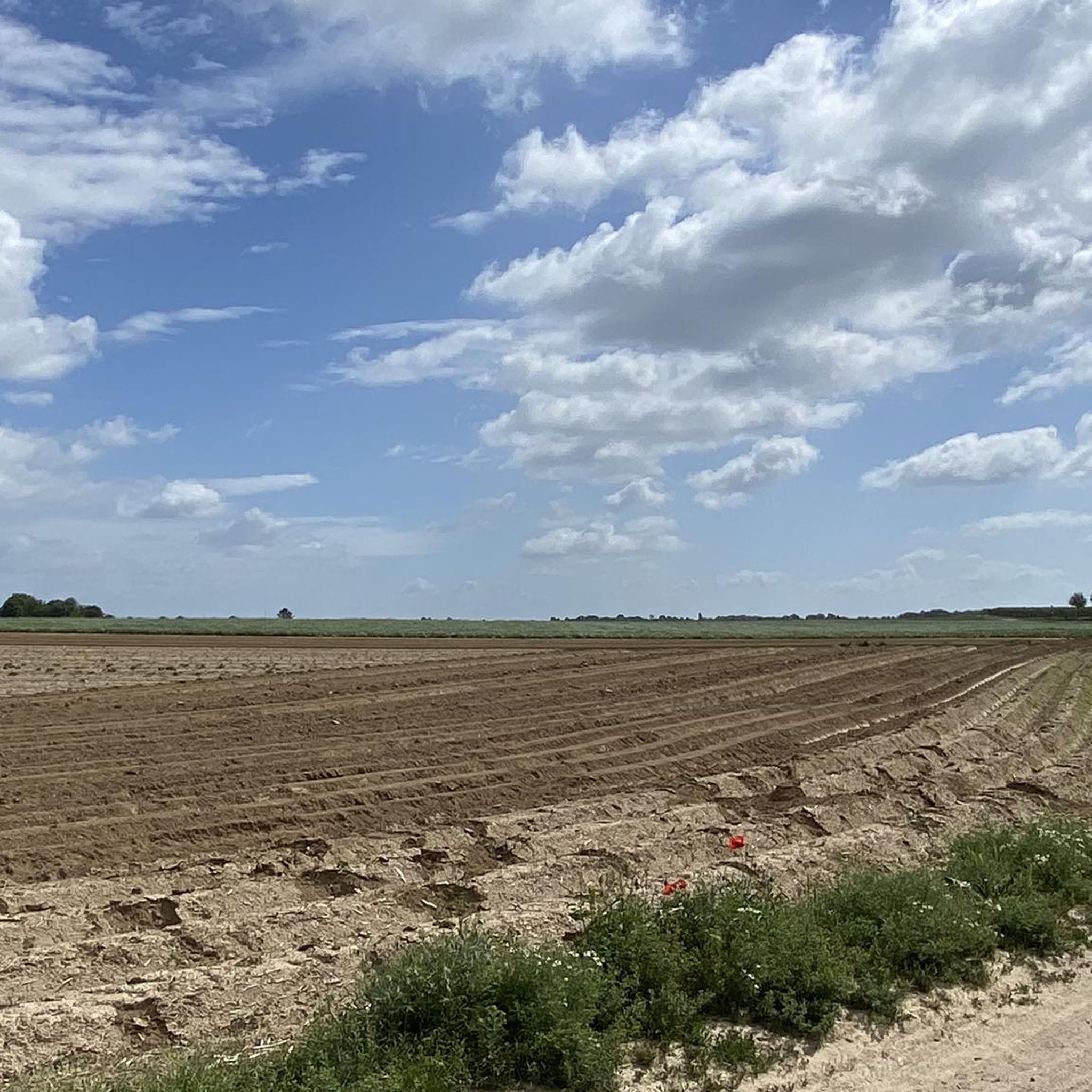
Road Cycling Routes in Bemelerberg & Schiepersberg
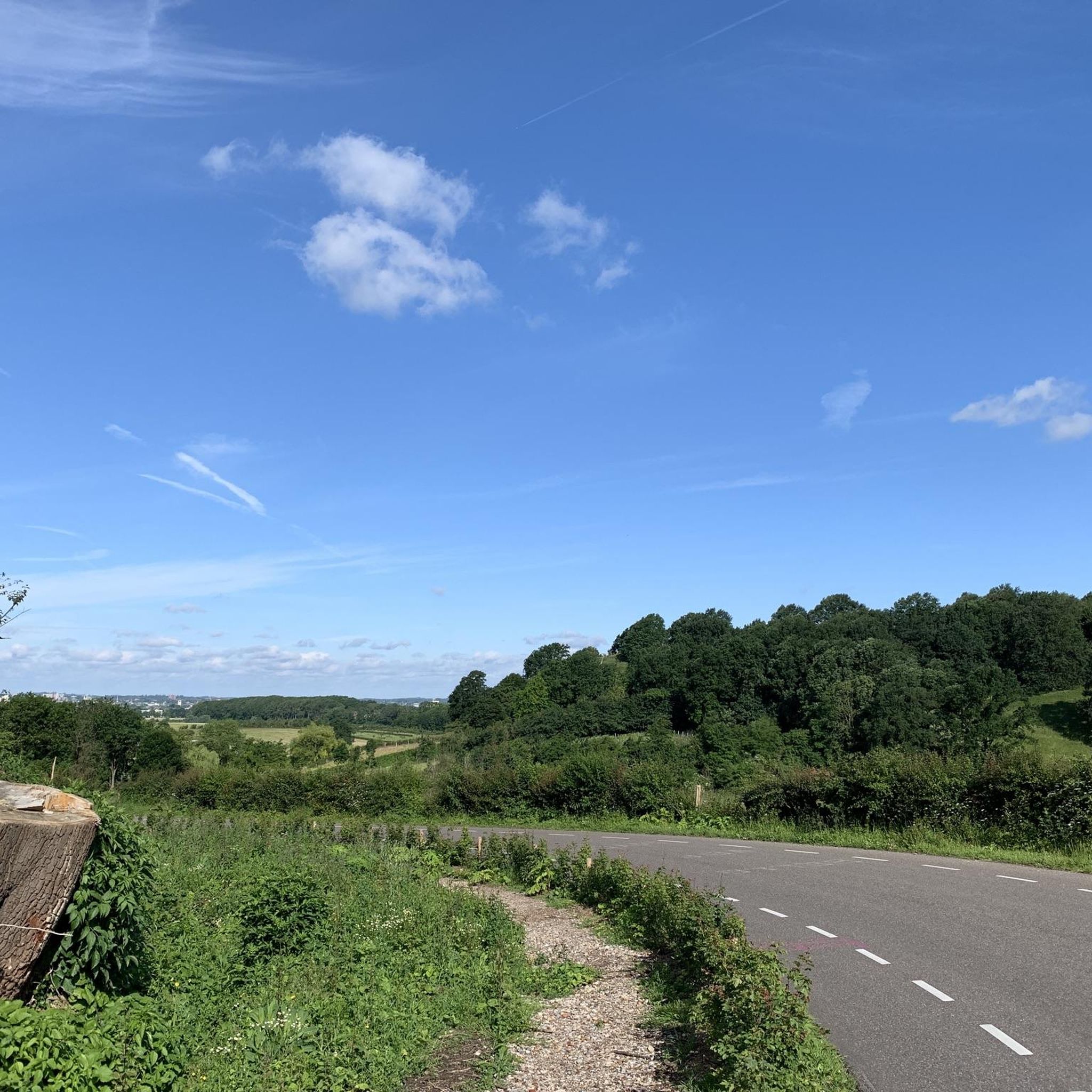
Cycling in Bemelerberg & Schiepersberg
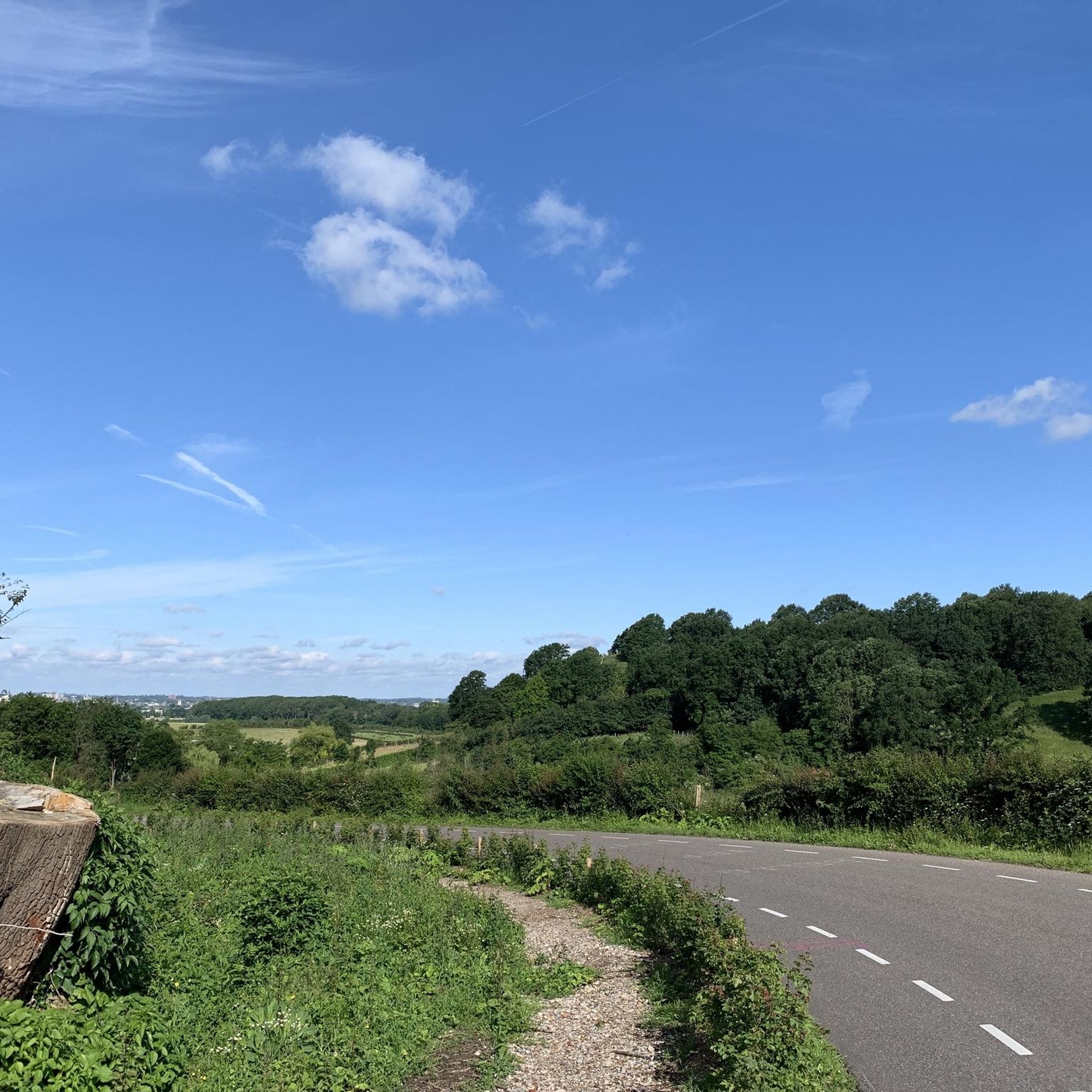
Running Trails in Bemelerberg & Schiepersberg
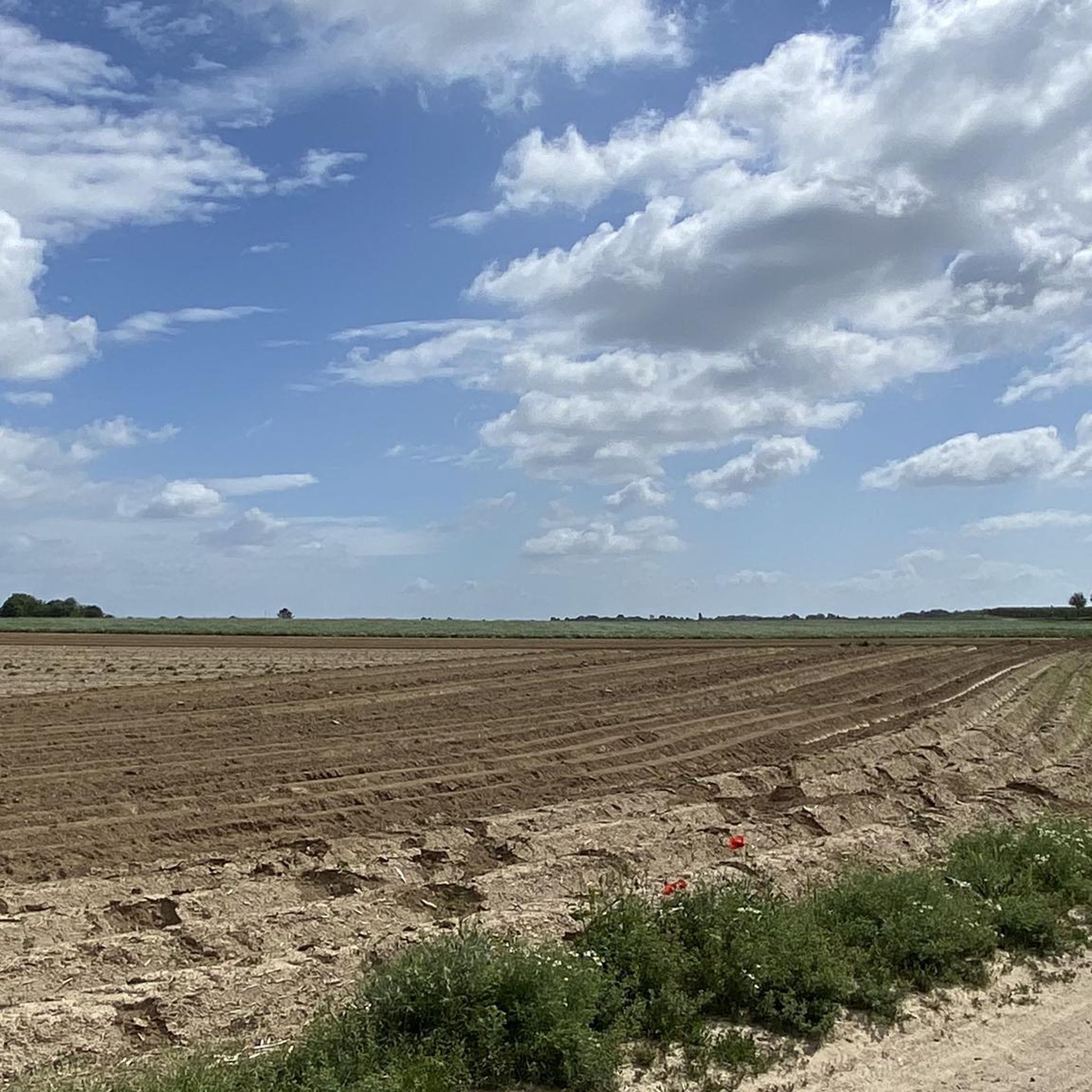
Hiking in Bemelerberg & Schiepersberg
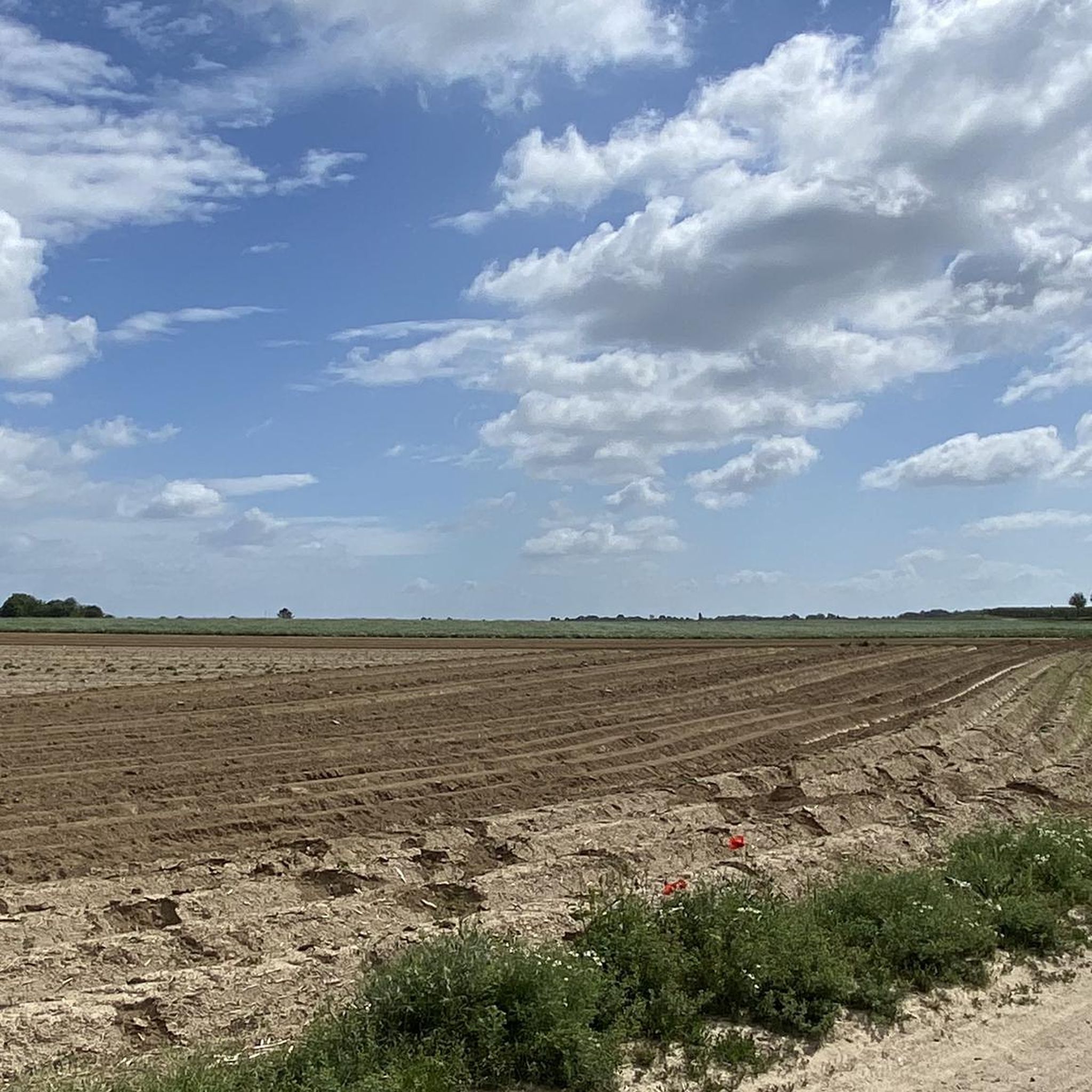
MTB Trails in Bemelerberg & Schiepersberg
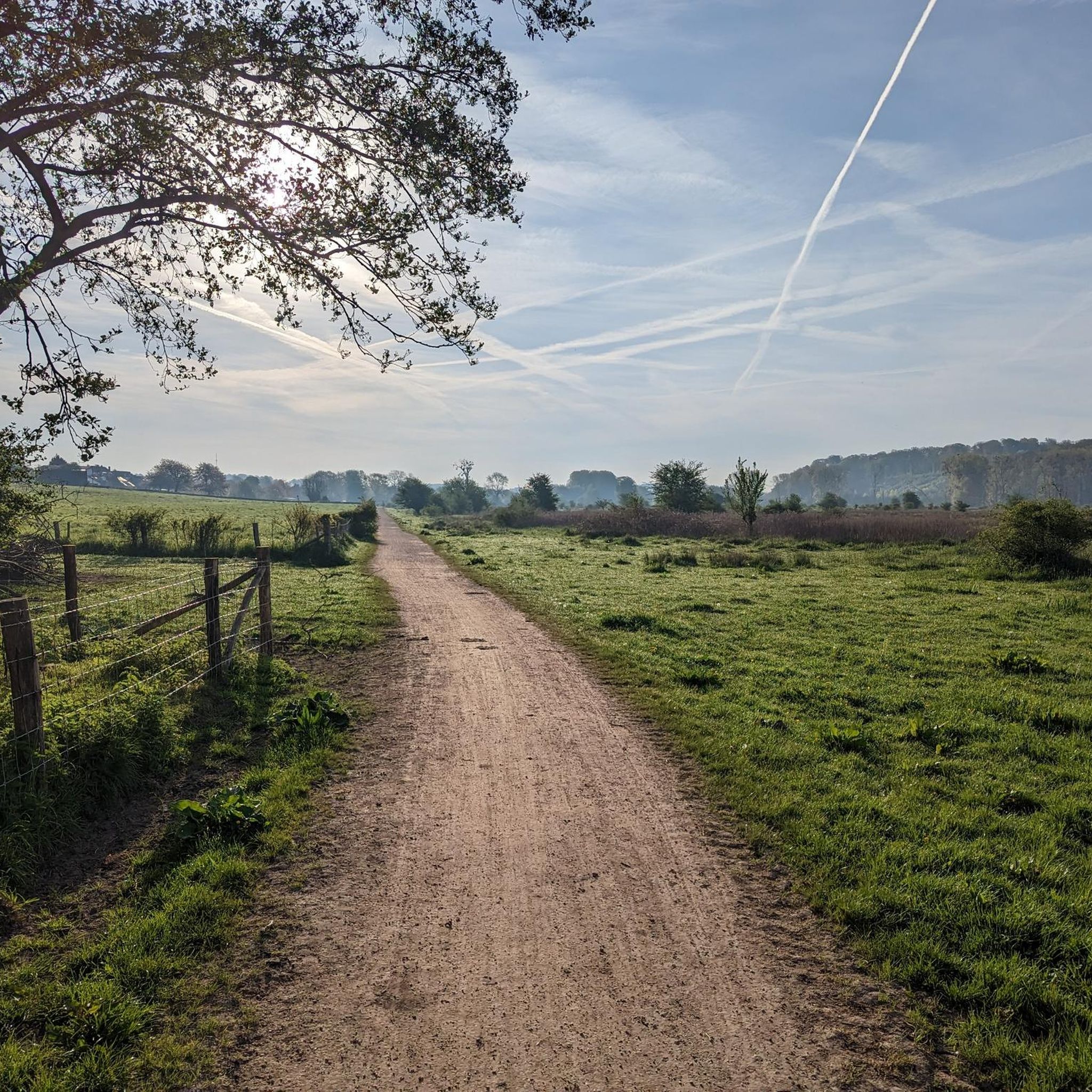
Gravel biking in Bemelerberg & Schiepersberg
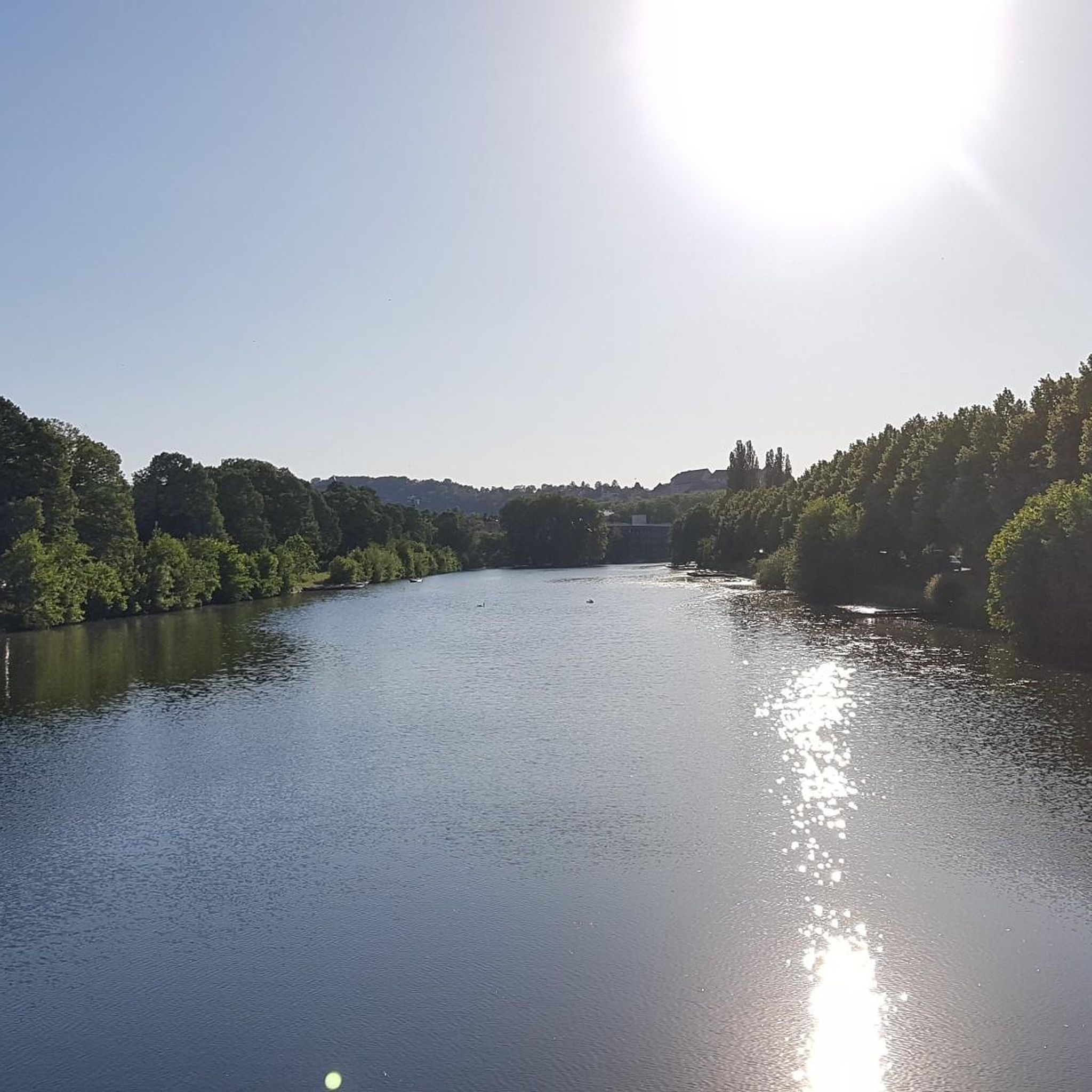
Mountain Hikes in Bemelerberg & Schiepersberg
Tips from the Community

Along the road is the entrance to quarry Blom, as a hiker you have to go through the flap gate to enter the area
0
0

Beautiful view of the caves.
0
0


we tried to return to Maastricht using the Arriva bus. However, it was a small bus and only 3 seats were available. My friends walked.
1
0
Here you have a view of old marl quarries. You can see a marl wall with meadows, cows, or sheep.
1
0

Info about these caves: https://nl.wikipedia.org/wiki/Strooberggroeve
1
0
The Strooberggroeve is a Limburg marl quarry in the Dutch municipality of Eijsden-Margraten. The underground quarry is located north of Bemelen under the Bemelerberg on the north side of the mouth of the dry valley Koelbosgrub in the Meuse valley. The quarry is located on the western edge of the Plateau of Margraten in the transition to the Meuse valley. At this point, the plateau drops steeply for a few meters. https://nl.wikipedia.org/wiki/Strooberggroeve
3
0

TUYNHEG In the Middle Ages, not everyone was allowed to plant hedges. That is why small farmers made fences by means of a construction of posts, stuck planks in wickerwork of twigs. They called that a tuyn tuen or tuun The word tuin comes from it. Such a dead hedge, took up little space and could be easily moved. The disadvantage was that a lot of wood was needed, also for annual repairs Old craft Tuynen (gardens, tuunen, tunen) is an almost lost craft. Fortunately, a few elderly hedge weavers were able to pass on their knowledge to the members of the Vogelwerkgroep Bemelen. Thanks to this expertise, old tools such as klamatsch and picker could also be remade. If you look closely, you will see vertical sticks of (pruning) wood on both sides of the existing hedge. These are connected horizontally with 'binders' (long thicker sticks). All of this is pulled together. Together with the existing hedge, this becomes a barrier that no sheep or chicken can get through. Braided hedges, hedgerows and wooded banks are very important for the quality of the landscape and nature. The Tuynheggen are therefore real cultural heritage. Birds such as willow warbler, yellowhammer and wren use the hedge to shelter and build nests in. Native plants, including bittersweet, also grow there. The classic Tuynheg here was created in 2002. The maintenance, gardens or tuunge is on the programme of the Bemelen Bird Working Group every spring. In this way, the knowledge of the craft is preserved. More information or help? Bemelen Bird Working Group E-mail: ha.brouwer36@ziggo.nl
3
0
Frequently Asked Questions
What unique natural features can I explore in Bemelerberg & Schiepersberg?
The region is renowned for its distinctive marl landscapes and barren chalk grasslands, which support rare flora like wild orchids. You can also find sloping forests, known as Hellingbossen, and impressive marl rocks within caves like the Strooberggroeve (Bemelen Caves) and Strooberg Quarry.
Where can I find the best panoramic views in the area?
The climb up Bemelerberg offers spectacular panoramic views over Bemelen and the surrounding area, including the city of Maastricht in the background. The Bemelerberg Climb is particularly known for its scenic routes and a popular bench at the top for enjoying the outlook.
Are there opportunities for hiking in Bemelerberg & Schiepersberg?
Yes, both Bemelerberg and Schiepersberg are ideal for hiking, with numerous routes available. You can find easy hikes, such as the 'Winkelberggroeve – Bemelerberg Cave loop' or the 'Groeve 't Rooth – Mettenberggroeve Caves loop'. For more options, explore the Easy hikes in Bemelerberg & Schiepersberg guide.
What cycling routes are available in the region?
The area is popular among cyclists, especially the challenging ascents of the Bemelerberg Climb. You can find various routes, including the 'Maastricht Train Station – Geulhem Cave Dwellings loop' or the 'Historic Center of Valkenburg – Sibberhuuske loop'. Discover more in the Cycling in Bemelerberg & Schiepersberg guide.
Are there any historical or cultural sites to visit?
Yes, the region features several historical and cultural sites. You can visit the Lourdes Grotto, Bemelerberg, a Maria cave carved into the mountainside. The nearby village of Bemelen also hosts the historic Saint Servatius Church, and the poignant Margraten War Cemetery is a meaningful stop for those interested in the area's history.
What kind of caves or quarries can I explore?
The region is famous for its historical underground marl quarries. Notable examples include the Strooberggroeve (Bemelen Caves), which features impressive marl rocks and is part of marked routes. Another significant site is the Blom Quarry, a former quarry now transformed into a diverse nature reserve.
Is Bemelerberg & Schiepersberg suitable for families?
Yes, the area offers family-friendly options, especially for nature walks and exploring. The Lourdes Grotto, Bemelerberg is listed as family-friendly, and many of the easy hiking routes are suitable for families looking to enjoy the unique landscapes and caves.
What is the best time of year to visit Bemelerberg & Schiepersberg?
The region is beautiful year-round. Spring is particularly vibrant when wild garlic blooms around the Lourdes Grotto and the chalk grasslands come alive with wild orchids. The mild weather of spring and autumn is ideal for hiking and cycling, while the panoramic views can be enjoyed in any season.
What makes the nature reserve in Bemelerberg & Schiepersberg special?
The entire area is a protected Natura 2000 nature reserve, safeguarding its unique flora and fauna. It's recognized as an Important Bird Area, home to significant populations of raptors like the Hen Harrier and Eagle Owl. The 'poor' chalk grasslands are surprisingly rich in biodiversity, supporting rare plant species and maintained by the grazing Mergellandschaap sheep.
Are there running trails in Bemelerberg & Schiepersberg?
Yes, the area provides several running trails. You can find moderate routes like the 'Koeberg Quarry – Julianagroeve Quarry loop' or the 'Geulhemermolen with weir – Geulhem Cave Dwellings loop'. For more detailed options, refer to the Running Trails in Bemelerberg & Schiepersberg guide.
What kind of wildlife can I expect to see?
The diverse ecosystems support a variety of wildlife. The sloping forests are important breeding grounds for birds, including raptors like goshawks, sparrowhawks, buzzards, and owls. The underground quarries are protected bat habitats, and Groeve 't Rooth is notable for hosting the largest population of the Yellow-bellied toad in the Netherlands.
What do visitors enjoy most about Bemelerberg & Schiepersberg?
Visitors frequently praise the stunning panoramic views, especially from the Bemelerberg Climb. The unique marl caves, such as Strooberggroeve (Bemelen Caves), and the beautiful nature reserves like Blom Quarry, are also highly appreciated for their natural beauty and opportunities for outdoor activities.
Most popular routes in Bemelerberg & Schiepersberg
Most popular attractions in Bemelerberg & Schiepersberg

Get inspired with the komoot mobile app


Explore more
Still not found the Highlight you’re looking for? See guides of the top attractions in other regions:
