The best cycling routes in Grensmaas
4.4
(11099)
87,963
riders
1,880
rides
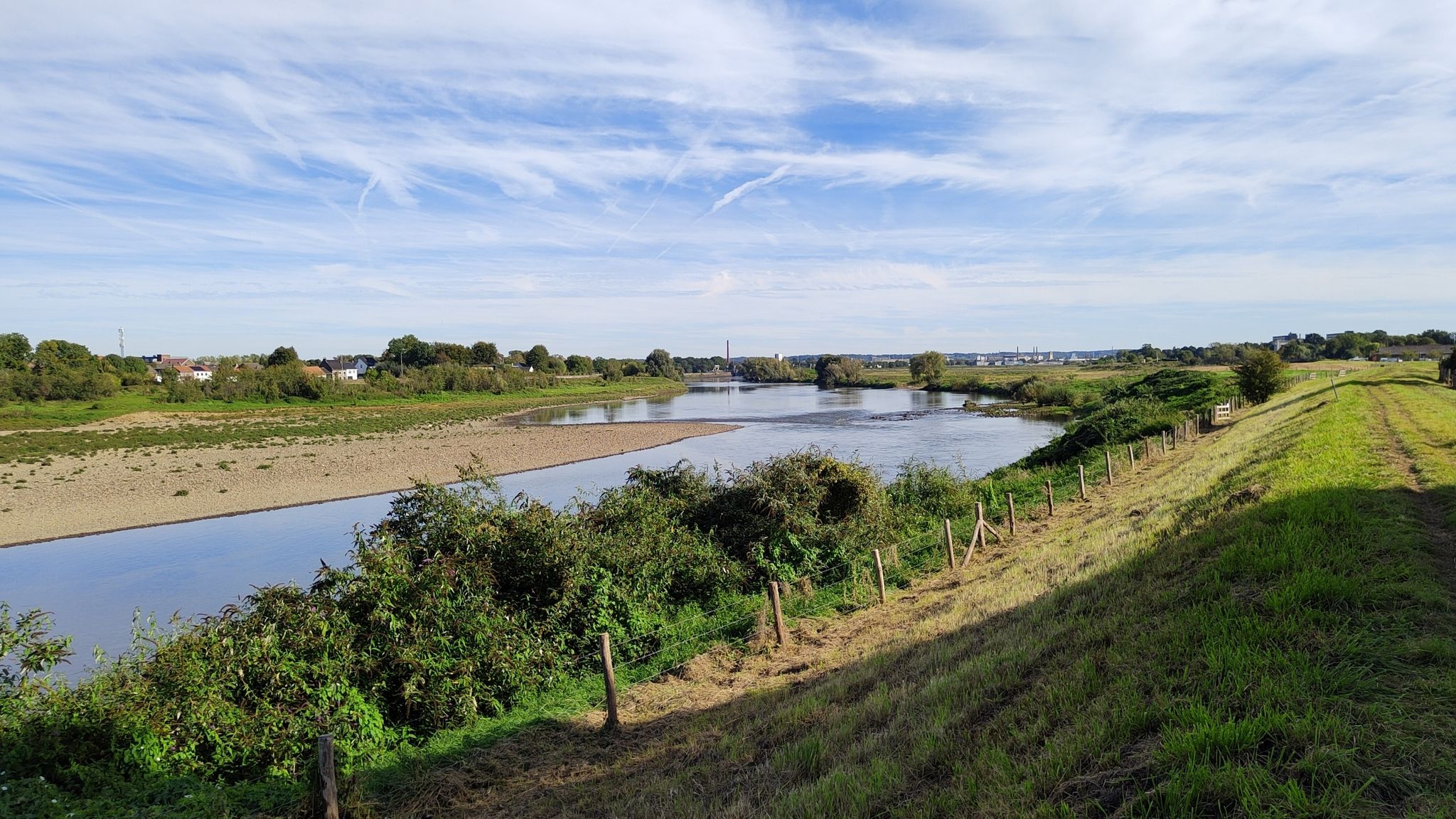
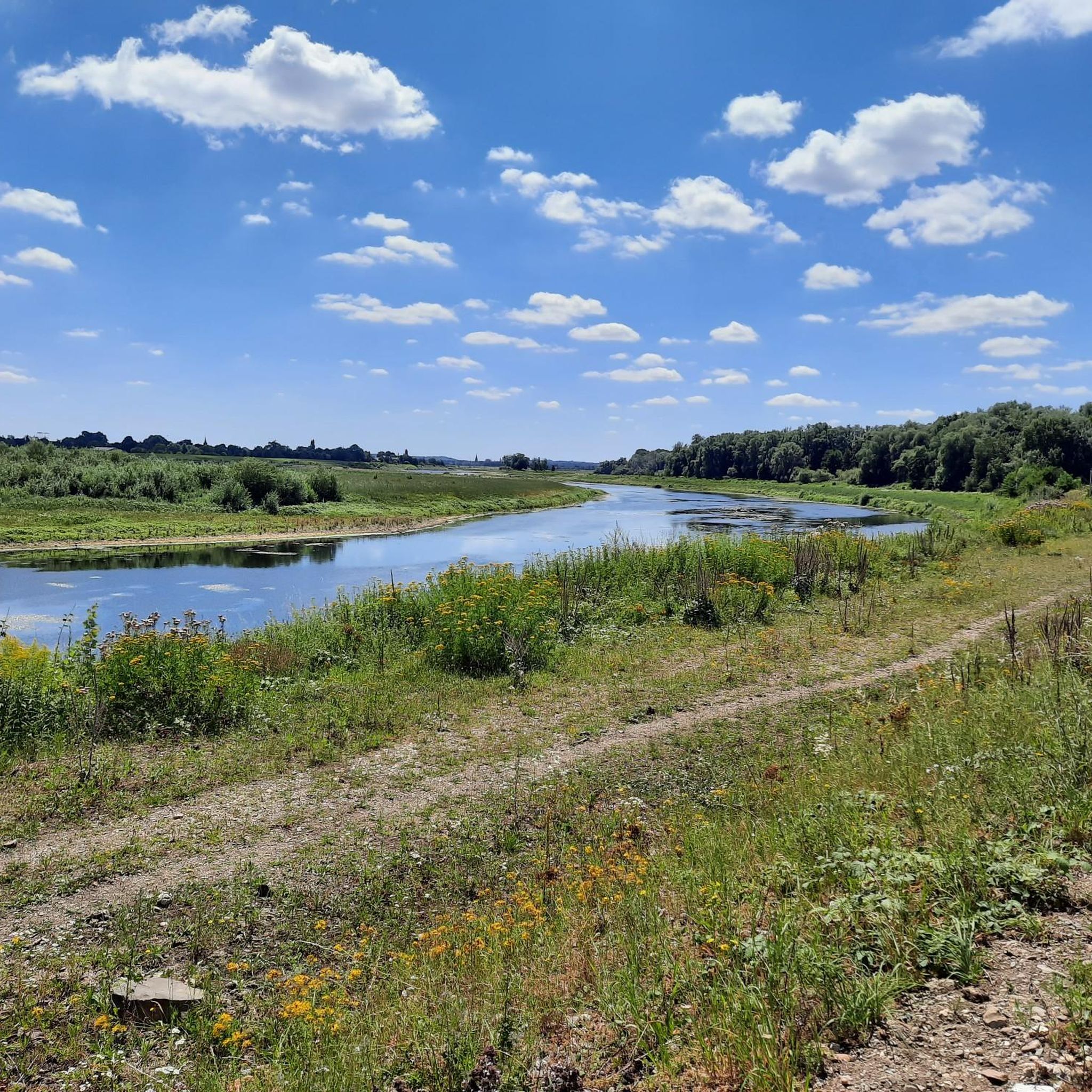
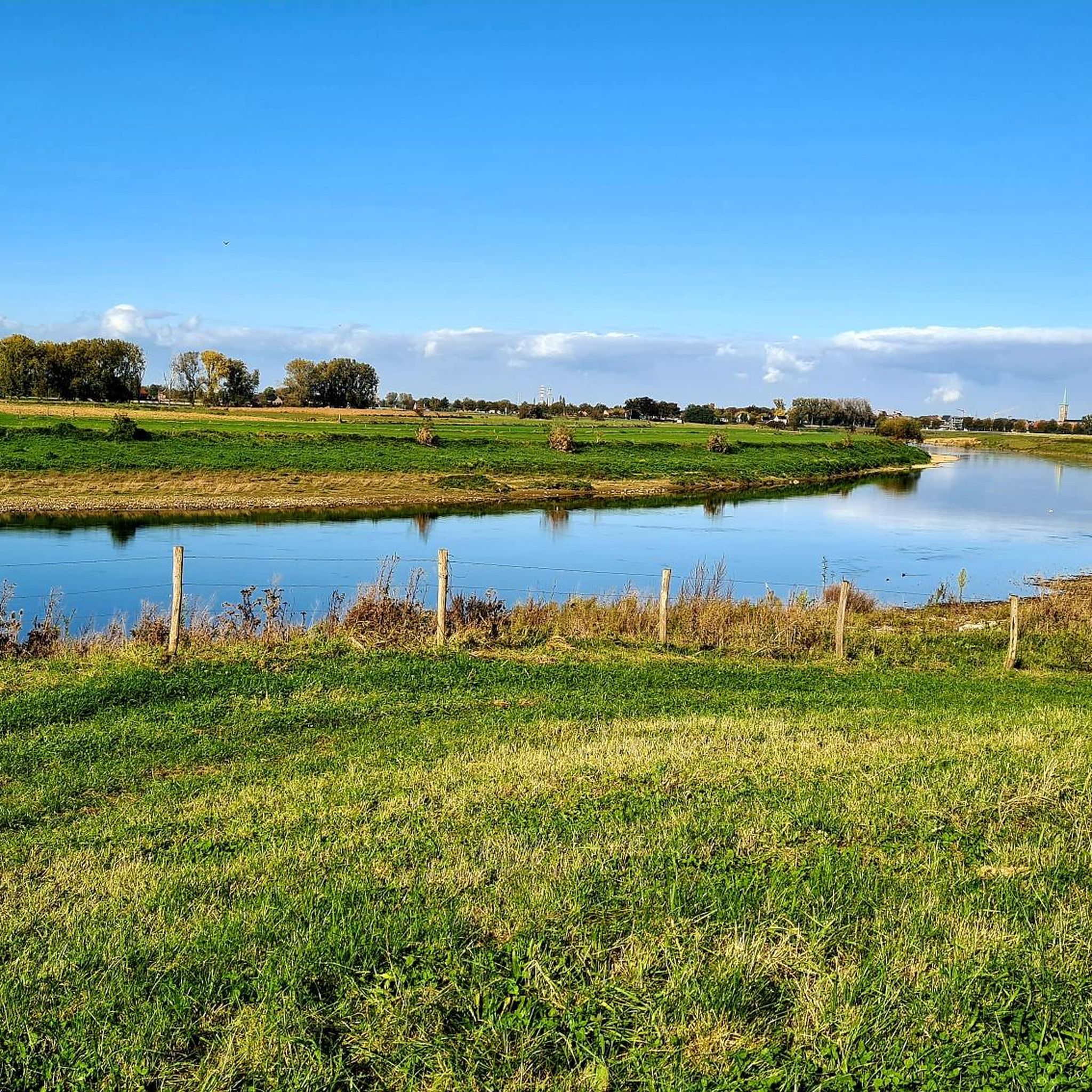
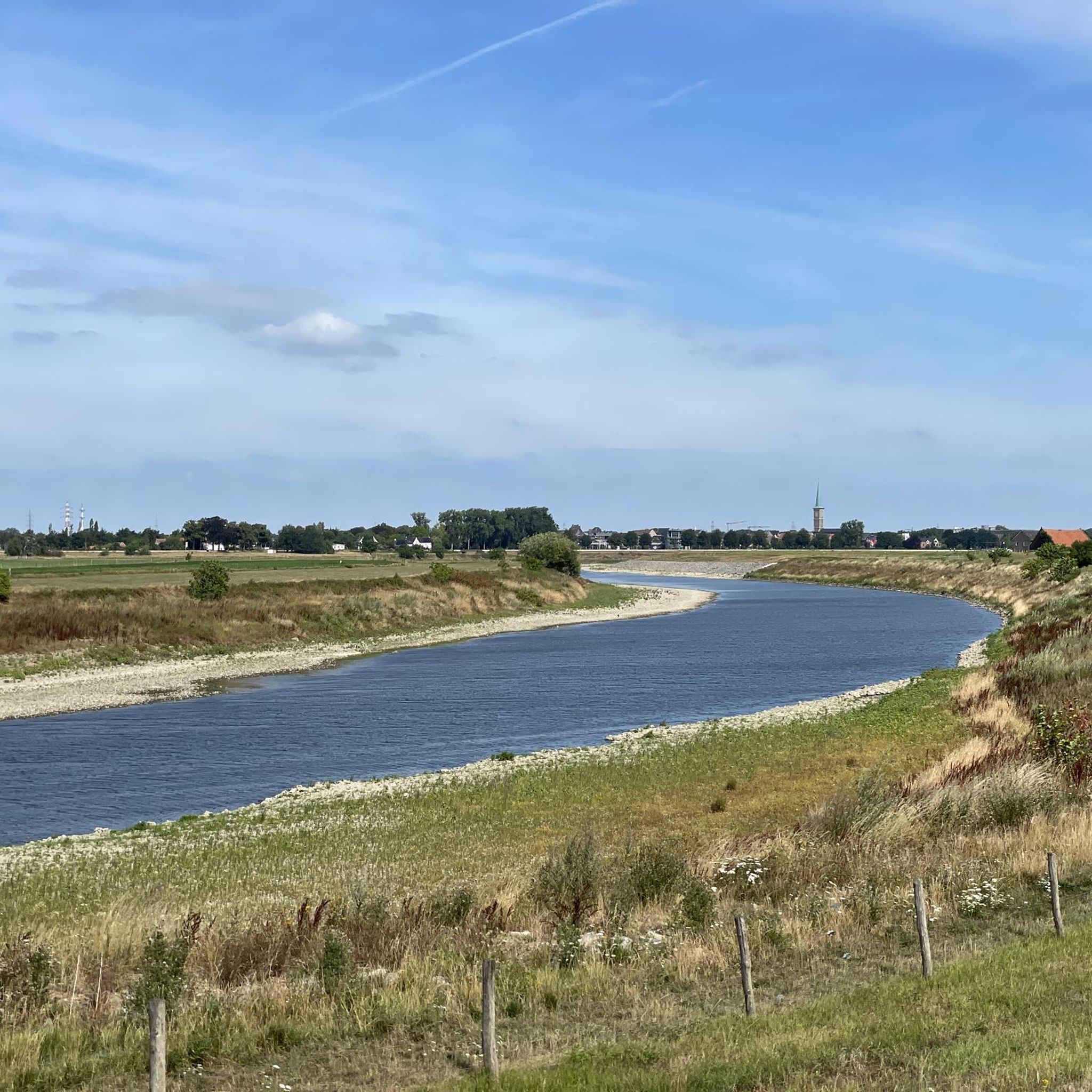
Touring cycling in Grensmaas is characterized by its distinctive riverine landscapes along the Maas, which forms the border between the Netherlands and Belgium. The region features a deeply incised riverbed, extensive floodplains, and gravel banks, contrasting with typical wide-river environments. This area, often described as a "heuvellandrivier" (hill country river), offers varied terrain suitable for cycling, with minimal elevation changes along the river itself. The landscape is a result of the river's dynamic processes, including sand and gravel deposits and…
Last updated: June 26, 2026
4.5
(30)
189
riders
49.2km
02:48
90m
90m
Moderate bike ride. Good fitness required. Mostly paved surfaces. Suitable for all skill levels.
4.6
(24)
138
riders
67.8km
03:55
170m
170m
Moderate bike ride. Good fitness required. Mostly paved surfaces. Suitable for all skill levels.

Sign up for free
4.4
(32)
135
riders
51.4km
03:00
80m
80m
Moderate bike ride. Good fitness required. Mostly paved surfaces. Suitable for all skill levels.
3.6
(5)
377
riders
Hard bike ride. Good fitness required. You may need to push your bike for some segments of this route.
4.8
(28)
124
riders
55.3km
03:10
120m
120m
Moderate bike ride. Good fitness required. Mostly paved surfaces. Suitable for all skill levels.
Get access to more routes and recommendations from other explorers.
Sign up for free
Already have an account?
Our route recommendations are based on thousands of hikes, rides, and runs completed by other people on komoot.
Start today with a free account
Your next adventure awaits.
Login or Signup
Popular around Grensmaas



Tips from the Community

The castle and fortress of Pietersheim were the seat of the lordship of Pietersheim. Remains of the 12th-century moated castle of Pietersheim bear witness to a long history. Just a stone's throw from the castle ruins, on the site of the former outbuilding of the moated castle, stands 'Palace Pietersheim', which in its current neoclassical form dates from the early 20th century.
0
0

From the bridge, you have a great view of the canal.
0
0

Wasserschloss Geulle, beautiful photo motif. B&B as well as delicious cakes and coffee.
1
0

The history of the Maas village Leut is largely linked to the history of the castle Vilain XIIII which dominates the village center. As early as the Middle Ages, the castle (then a fortress) was inhabited by the 'lords of Leut'. Over the centuries, the medieval moated castle with two moats and a drawbridge evolved into an open residential building with a fixed bridge over the remaining moat, surrounded by a vast park in English landscape style. A stately avenue connects the village square with the castle.
0
0

The open space at the intersection of the Munsterbeek stream in Bilzen lies in a landscape where natural stream valleys and rural tranquility seamlessly intertwine. It's a place not made of concrete or buildings, but rather a natural link in the fabric of water, forest, and farmland. The Munsterbeek, one of the many streams in the valley, flows through this area and is part of a larger network of rivers and streams that form the valley structure of the humid Haspengouw and Kempen regions. What makes this area special is not a monument or a major landmark in itself, but the spatial openness itself—meadows, meandering streams, the edges of the Munsterbos forest, and the soft relief of the landscape—which together create a sense of freedom and connection with nature. The region's spatial vision explicitly emphasizes the importance of such open spaces for water storage, nature development, and the ecological structure around the Demer and its tributaries, such as the Munsterbeek. Along the Munsterbeek stream, for example, you can see how the province is taking steps to allow the water to meander more naturally, which not only benefits biodiversity but also creates a landscape that breathes and creates space. The stream's old meanders have been restored so that the stream can once again follow its original curves and the banks support a richer ecosystem. Around this open space are other green elements, such as the Munsterbos, a large woodland area that is part of the Hoge Kempen National Park and marks the transition between different landscapes. Here you'll find numerous hiking trails, ponds, and streams that, together with open grasslands, form a continuous network of nature and tranquility. This open space along the Munsterbeek stream is therefore not an isolated spot with a name on a sign, but a landscape to experience: a place where water follows its own course, where nature is given space to breathe, and where walkers or cyclists can escape the urban rhythm for a moment and feel the connection between earth, stream, and horizon.
0
0
Pietersheim Castle, located in the green heart of Lanaken, is a beautiful example of Limburg heritage and forms the historical center of the vast Pietersheim domain. The castle originally dates from the 14th century, although it has been rebuilt and expanded several times in later centuries, showing a mix of medieval and neoclassical elements. The castle is surrounded by a park-like landscape with forests, avenues, and ponds, making it a popular spot for hiking and nature lovers. Along the paths around the castle, you will encounter historical stones, old avenues, and sometimes subtle references to the domain's rich past. In the past, the castle played an important role in the region as the residence of noble families and as the center of the surrounding estate.
4
0

Beautiful cycle path towards Itteren
1
0

St. Barbara's Church is the parish church of Eisden-Tuinwijk in Eisden and a so-called mining cathedral. The church was built after the Eisden coal mine was constructed and put into production in 1923, leading to the construction of several towns under the name Eisden-Tuinwijk. These were located west of the Zuid-Willemsvaart canal. This led to a sharp population increase, creating the need for a new church. Brussels architect Auguste Vanden Nieuwenborg designed a monumental church in the Brick Expressionist style, incorporating Gothic elements such as pointed arch windows. The stained-glass windows in the choir are inspired by those of Chartres Cathedral. The church, with its plump 53-meter-high tower, was built from 1934 to 1936. It is a three-aisled cruciform church. The church furnishings are almost entirely post-1945, but the organ dates from 1939 and was built by the Delmotte studio in Tournai. The Stations of the Cross are made of black marble in bas-relief, and in 1960, sculptor Mailleux created several statues. The Saint Barbara statue on the facade dates from 1982. The church is surrounded by various related buildings, such as schools, a monastery, and a parish center. Source: Wikipedia
3
0
Frequently Asked Questions
How many touring cycling routes are available in Grensmaas?
Grensmaas offers a wide selection of touring cycling routes, with over 1,700 options available. This includes nearly 1,000 easy routes, 560 moderate routes, and over 230 difficult routes, catering to various skill levels.
What is the typical terrain like for touring cyclists in Grensmaas?
The Grensmaas region is characterized by its distinctive riverine landscapes. You'll find a deeply incised riverbed, extensive floodplains, and gravel banks. While the area is often described as a 'hill country river,' the cycling routes along the river itself generally feature minimal elevation changes, making for pleasant rides. The landscape is a dynamic product of the Maas river's processes.
Are there routes suitable for beginners or less experienced touring cyclists?
Yes, Grensmaas is very welcoming for beginners and less experienced touring cyclists. There are nearly 1,000 easy routes available, offering leisurely rides through the scenic river valley without significant challenges. These routes often follow the Maas, providing a gentle cycling experience.
What natural features or landmarks can I expect to see along the touring cycling routes?
Along the touring cycling routes in Grensmaas, you can experience dynamic river landscapes, gravel banks, and extensive floodplains. Notable features include the Maas River Dike Cycling Path and the River Park Meuse Valley. The region is also a Natura 2000 area, with efforts to restore diverse ecosystems like river valley grasslands and willow forests.
Are there any unique experiences, like ferry crossings, available on the routes?
Yes, a unique and enjoyable aspect of cycling in Grensmaas is the availability of ferry crossings across the Maas. These include the Berg–Meeswijk Ferry, the ‘t Veerke Ferry Rotem–Grevenbicht, and the Ohe en Laak–Ophoven Bicycle Ferry. These crossings are often free for pedestrians and cyclists, offering an alternative and scenic way to traverse the river.
What do other touring cyclists enjoy most about cycling in Grensmaas?
The Grensmaas region is highly rated by the komoot community, with an average score of 4.4 stars from over 10,000 reviews. Touring cyclists often praise the picturesque routes along the Maas, the diverse natural environments, and the well-developed cycling infrastructure. The blend of natural beauty and active exploration is a common highlight.
Are there family-friendly touring cycling routes in Grensmaas?
Yes, many of the routes in Grensmaas are suitable for families. The generally flat terrain along the river and the abundance of easy routes make it an ideal destination for cycling with children. The natural areas and opportunities for wildlife spotting can also add to a family-friendly adventure.
Can I find circular touring cycling routes in the Grensmaas region?
Absolutely. The Grensmaas region offers numerous circular touring cycling routes. For example, the Meuse Valley Cycle Loop from Maaseik is a popular option, leading through riverine landscapes and charming villages. Many other loop trails are available to help you explore the area without retracing your steps.
What are the options for parking or public transport access to the cycling routes?
The Grensmaas region is well-equipped for cyclists, with various access points. Many routes start near towns or villages where parking facilities are available. For public transport, you can often reach starting points via bus or train services that accommodate bicycles, especially in larger towns like Maastricht. It's advisable to check local transport schedules for specific routes.
Are dogs allowed on the touring cycling routes or in nature reserves?
While dogs are generally welcome on many cycling paths, specific rules may apply within designated nature reserves, especially those part of the Natura 2000 area, to protect wildlife. It's best to keep dogs on a leash in these sensitive areas and always clean up after them. Always check local signage for specific regulations.
Where can cyclists find accommodation or places to eat along the routes?
The Grensmaas region, with its charming villages and towns along the Maas, offers various options for accommodation and places to eat. You'll find cycle-friendly cafes, restaurants, and guesthouses in places like Maaseik, Ophoven, and other communities along the river. Many establishments cater specifically to cyclists, providing amenities like bike storage.
What kind of wildlife can I spot while cycling in Grensmaas?
The Grensmaas is a Natura 2000 area known for its rich biodiversity. While cycling, you might spot various protected species, including the river lamprey and salmon in the clean, fast-flowing waters. Beavers are also a notable presence, often seen in or along the Maas. Birdwatchers can enjoy numerous species, especially in winter, such as wigeons, shovelers, and common mergansers, particularly in the floodplains.
Most popular routes in Grensmaas
Most popular attractions in Grensmaas

Get inspired with the komoot mobile app


Explore more
Browse the best Cycling routes in other regions.
