Attractions and Places To See in Mispeldonk - Top 13
Attractions and places to see in Mispeldonk are primarily centered around its rich natural landscapes. Located in the province of Antwerp, Belgium, the region is known for the Mispeldonk Nature Reserve, which is part of the larger Mechelen River Area. This area features diverse habitats, including grasslands, forests, and marshy areas, supporting a variety of flora and fauna. The landscape is characterized by its low-lying topography and historical connection to the Dijle river.
Best attractions and places to see in Mispeldonk
- The most popular attractions is Mispeldonk Nature Reserve, a nature reserve known for its diverse ecosystems, including lean grasslands, hay meadows, and moist deciduous forests. It is a habitat for various plant and animal species, including the kingfisher along the Boeimeerbeek stream.
- Another must-see spot is Barebeek Valley, a river valley offering a wide and varied landscape where the Barebeek flows into the Dijle. The area features old pollard willows and is a location to spot storks.
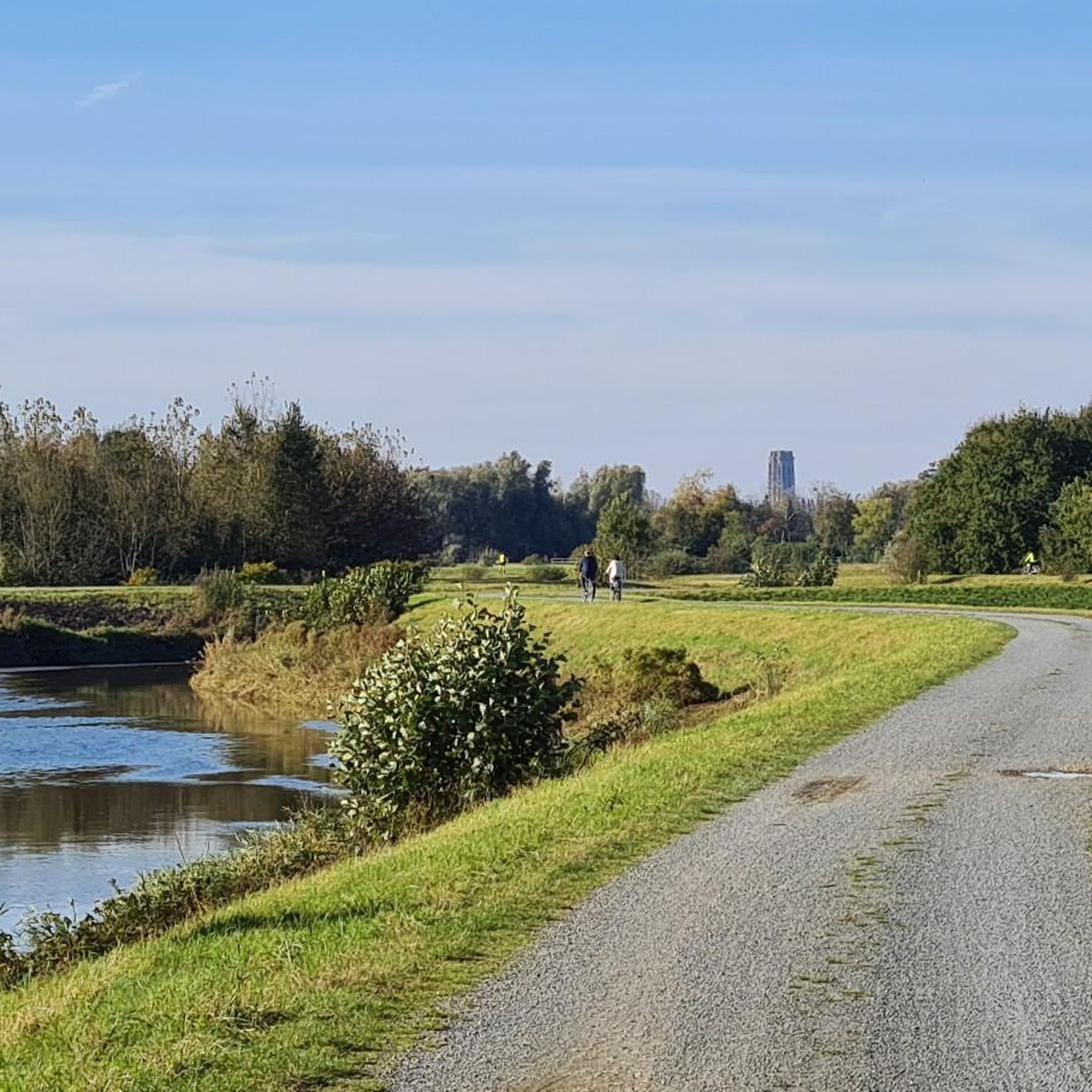
- Visitors also love Gravel Path Along the Dijle Between Muizen and Rijmenam, a popular gravel path running along the Dijle river. This traffic-free route is suitable for cycling and offers scenic views.
- Mispeldonk is known for its nature reserves, river valleys, and scenic paths. The region offers a variety of natural attractions to explore, from diverse habitats to waterways.
- The attractions in Mispeldonk are appreciated by the komoot community, with 199 upvotes and 38 photos shared by visitors.
Last updated: May 8, 2026
Mispeldonk Nature Reserve
Highlight • Natural
Source: natuurpunt.be/agenda/natuurwandeling-mispeldonk-bonheiden-28582
Translated by Google •
Tip by

Barebeek Valley
Highlight • River
Old pollard willows form beautiful lines in the landscape. Little owls like to nest in the hollows of the old pollard willows.
In the valley of the Barebeek you can regularly spot storks where they find a lot of food.
They hunt for snails, earthworms, frogs and mice in the valley.
Translated by Google •
Tip by
Sign up now to discover places like this
Get recommendations on the best single tracks, peaks, & plenty of other exciting outdoor places.
Sign up for free
Murals Palingen by DZIA
Highlight • Monument
As a migratory fish, the eel still encounters obstacles and barriers too often, which makes it difficult for them to survive. We solve this as much as possible. On the Dijle, all obstacles have been removed up to #leuven and in Wallonia. But in the side streams, such as the Barebeek, there are currently still too many obstacles. Want to see how the artwork came about? Be sure to take a look at Dzia's profile! streetart.nl/nl/kunstenaars/profielen/dzia.htm
Translated by Google •
Tip by
Gravel Path Along the Dijle Between Muizen and Rijmenam
Highlight (Segment) • Cycleway
We like to call it 'toddler gravel' - it's super fast but also not very challenging to ride.
Translated by Google •
Tip by

Bench by the floodplain - Dijle
Highlight • Viewpoint
Translated by Google •
Tip by
Sign up for free to discover even more attractions in Mispeldonk.
Sign up for free
Already have an account?
Start today with a free account
Your next adventure awaits.
Login or Signup

Tips from the Community

With a view of the Dijle valley...
7
0

Nice view and great street art by DZIA (part of the AniMalinas series)
3
0

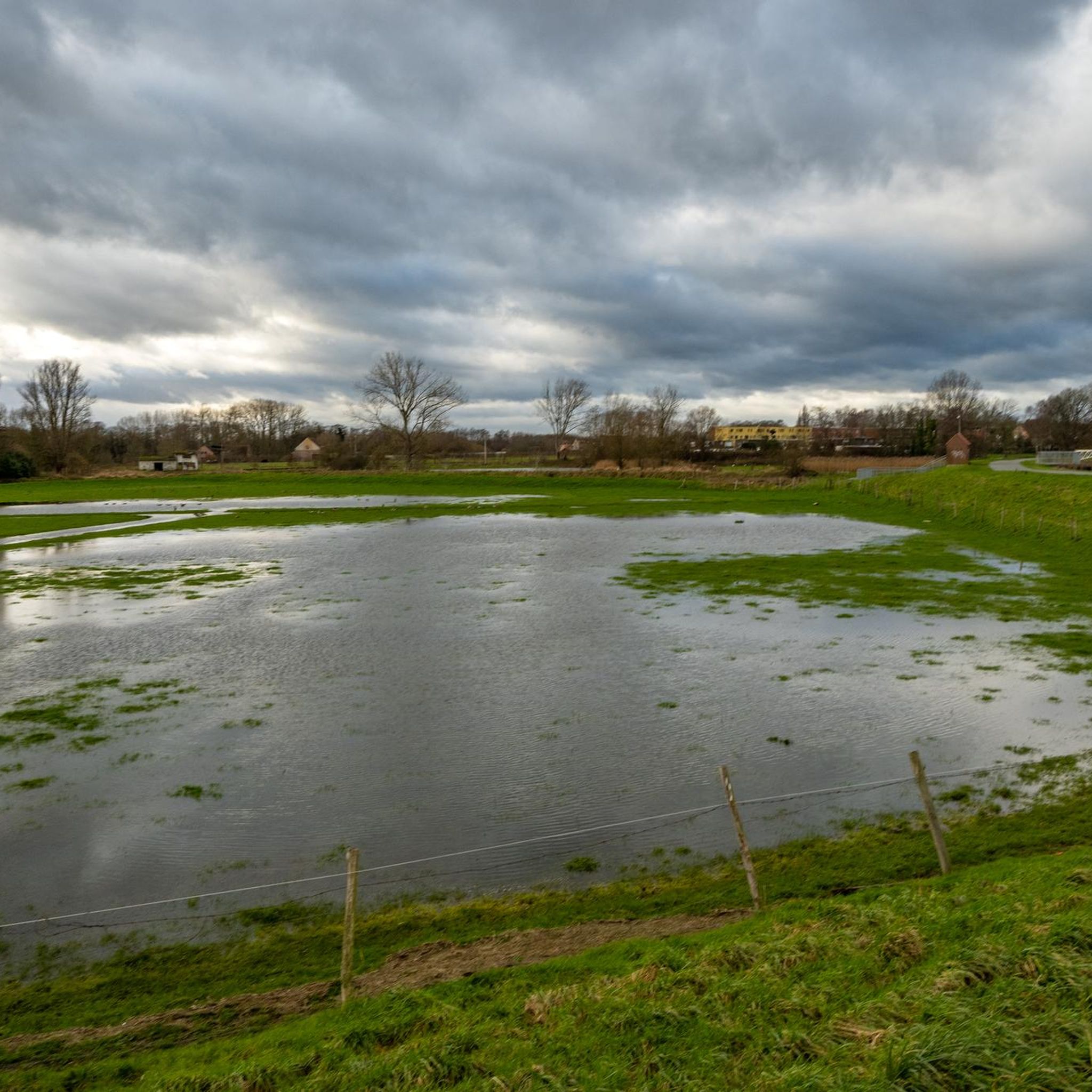
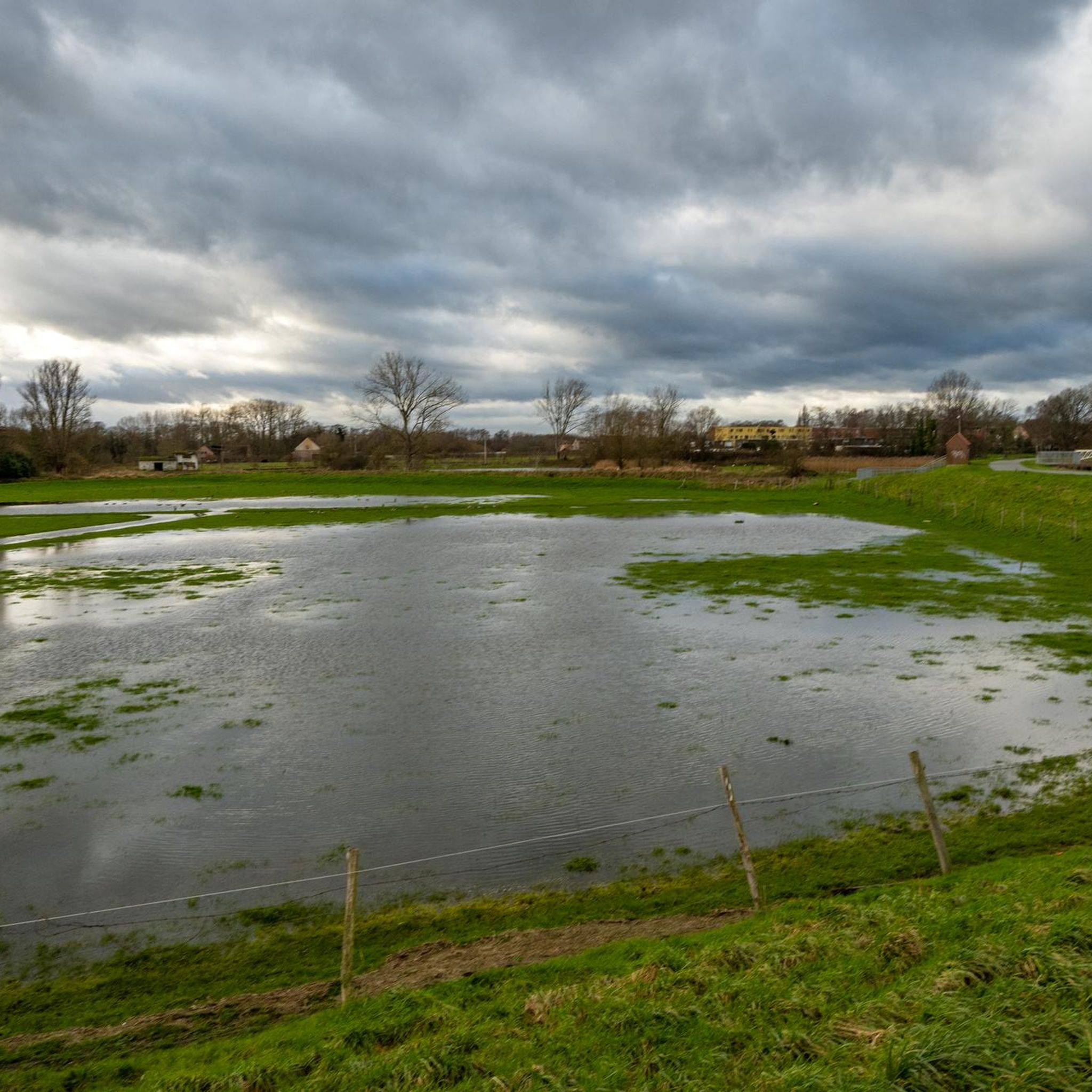
At this location you have a bench with a view of the flood plain of the Dijle. Throughout the year there is a coming and going of guests here. The lower wetlands are the habitat of many water birds. Every season has its own main characters here. It is up to you to recognize them. Take your time and enjoy life on and above the flood plain.
9
0
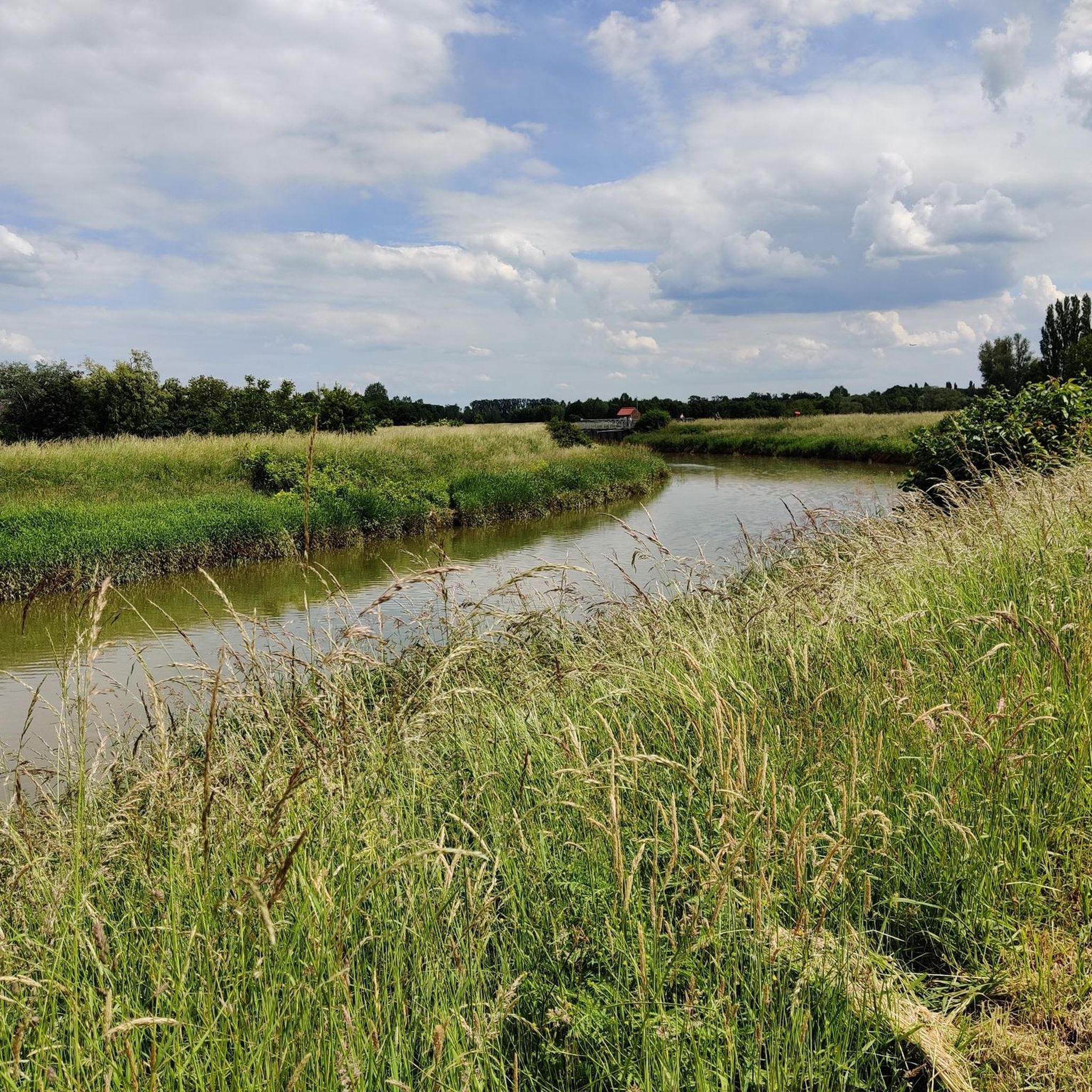
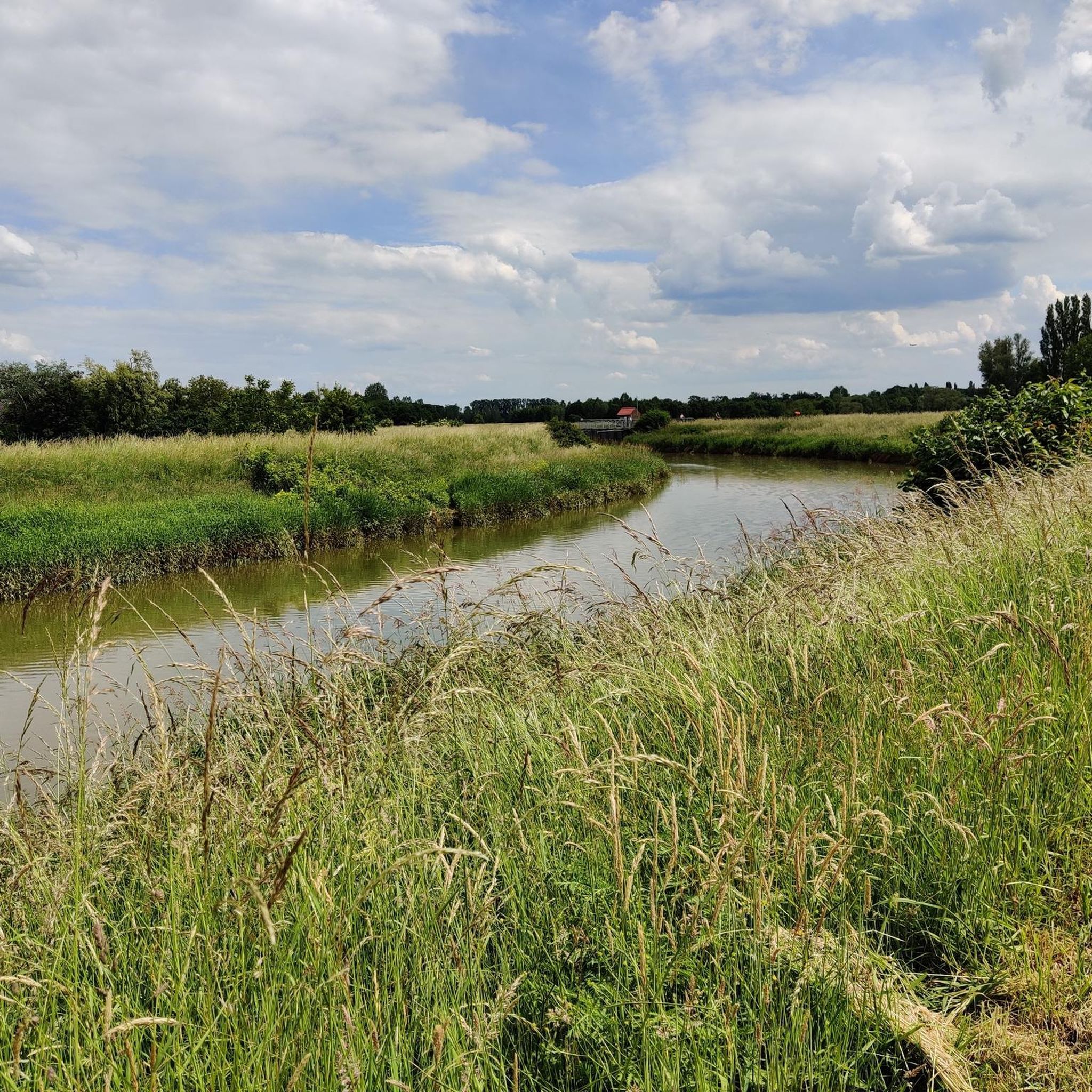
At this point the Barebeek flows into the Dijle. The Barebeek valley lets you enjoy a wide and varied landscape. Old pollard willows form beautiful lines in the landscape. Little owls like to nest in the hollows of the old pollard willows. In the valley of the Barebeek you can regularly spot storks where they find a lot of food. They hunt for snails, earthworms, frogs and mice in the valley.
8
0
At the lock of the Barebeek and the Dijle in Muizen you can admire the artwork 'Eels' by DZIA. The artwork is part of the Animalinas route. With this cycle route Rivierenland wants to draw attention to the local fauna, a quarter of which is endangered. As a migratory fish, the eel still encounters obstacles and barriers too often, which makes it difficult for them to survive. We solve this as much as possible. On the Dijle, all obstacles have been removed up to #leuven and in Wallonia. But in the side streams, such as the Barebeek, there are currently still too many obstacles. Want to see how the artwork came about? Be sure to take a look at Dzia's profile! https://www.streetart.nl/nl/kunstenaars/profielen/dzia.htm
8
0

Mispeldonk Nature Reserve is a beautiful and valuable nature reserve in Bonheiden, located in the province of Antwerp. The area is known for its unique ecosystems, rich biodiversity and the natural beauty of the landscape. Here are some key points about Mispeldonk: Location and Size Mispeldonk is located between Bonheiden and the nearby municipality of Rijmenam, along the banks of the Dijle. The area is part of the larger Dijle landscape, which is known for its wet meadows, meandering waterways and rich flora and fauna. Mispeldonk covers approximately 50 hectares and consists of a mix of marshlands, meadows, forests and ponds. Ecological Importance Mispeldonk is a protected nature reserve because of its special ecological value. The area has a typical structure of a flood plain of the Dijle, which makes it an important habitat for many plant and animal species: • Flora: Various rare and protected plant species grow in the area, such as marsh marigolds, cuckoo flowers and water violets. The wet grasslands and marshes provide unique vegetation that is less common elsewhere in the region. • Fauna: Mispeldonk is an important habitat for birds such as the bluethroat, water rail and reed warbler. Amphibians such as the crested newt and the green frog can also be found there. Furthermore, the area is rich in insects, including butterflies and dragonflies, that thrive in the moist environment. Water management The nature reserve plays an important role in local water management. It is located in a flood-prone area along the Dijle and functions as a natural buffer against flooding. In the event of high water levels, the area can collect water and thus help prevent flooding in nearby villages. The nature reserve contributes to the preservation of water quality by filtering and purifying the water through natural processes. Recreation and Experience Mispeldonk is a popular place for nature lovers and hikers. The area is accessible via various hiking trails that lead through the meadows and forests. There are signposted routes that give walkers the chance to explore the diversity of the landscape and enjoy the peace and quiet of nature. Birdwatchers enjoy visiting the area because of the variety of bird species that can be seen, especially during the breeding season and the migratory bird periods. Management and Protection The nature reserve is managed by Natuurpunt, a Belgian organisation that is committed to nature conservation. Natuurpunt carries out management work to protect biodiversity and maintain the landscape. This includes mowing grasslands, removing invasive plant species and maintaining the walking paths. There is collaboration with local farmers for nature-friendly agriculture, whereby meadows are extensively grazed or mowed, so that they remain suitable for meadow birds and rare plants.
7
1

Very beautiful path! The gravel rides smoothly too! Unfortunately, the municipality has decided to pave the gravel... But as long as I can, I will continue to enjoy it!
1
1
Frequently Asked Questions
What natural features can I explore in Mispeldonk?
Mispeldonk is rich in natural beauty, primarily centered around the Mispeldonk Nature Reserve. Here, you'll find diverse habitats including lean grasslands, hay meadows with wooded edges, moist deciduous forests, and restored heathlands. The meandering Boeimeerbeek stream is a vital part of the reserve, and the area also features a unique "donk" topography, a slightly higher elevation within a former river meander. Another significant natural area is the Barebeek Valley, offering a wide and varied landscape where the Barebeek flows into the Dijle.
Are there good hiking opportunities in Mispeldonk?
Yes, Mispeldonk is an excellent destination for hiking and walking. The Mispeldonk Nature Reserve offers several popular trail routes, such as the "Mispeldonk Oranje Wandeling," an easy 5-7 kilometer loop. You can find more hiking options, including easy to moderate trails like the "Barebeek Valley – Nieuw Vondelpad loop" or the "Mispeldonk Nature Reserve – On the Ezelswegske loop," by exploring the Hiking in Mispeldonk guide.
What kind of wildlife can I expect to see in Mispeldonk?
The tranquil surroundings of Mispeldonk offer ample opportunities for wildlife spotting. In the Mispeldonk Nature Reserve, you might see diverse bird species, butterflies, and grasshoppers in the grasslands. The Boeimeerbeek stream is particularly known for species like the kingfisher. In the Barebeek Valley, you can regularly spot storks, which hunt for snails, earthworms, frogs, and mice. Birdwatchers find the breeding and migratory periods especially rewarding.
Are there family-friendly activities or places to visit in Mispeldonk?
Mispeldonk offers several family-friendly options, primarily focused on enjoying nature. The Mispeldonk Nature Reserve is ideal for walks and exploring diverse ecosystems. The Barebeek Valley and the Gravel Path Along the Dijle Between Muizen and Rijmenam are also great for families, offering scenic views and easy paths for walking or cycling. Many of the natural highlights are suitable for all ages.
What is the best time of year to visit Mispeldonk?
Mispeldonk Nature Reserve is a fantastic destination to visit throughout the year, with each season offering a different charm. Spring brings blooming flora, summer is great for wildlife spotting, autumn showcases beautiful foliage, and even wet winters offer a unique perspective on the landscape. Sturdy, waterproof footwear is advisable, especially during wetter periods, due to varied terrain that can be damp or muddy.
Are there any historical sites in Mispeldonk?
While Mispeldonk is primarily known for its natural beauty, it does have some historical significance. The area was a battlefield in 1578 during the war between the Netherlands and the Spanish occupiers. The ancient Mispeldonk farm, mentioned as early as the 14th century, highlights the long interplay between humans and nature in the region. The Mispeldonk Nature Reserve itself originated on a "donk," a higher area within a former meander of the Dijle, which influenced the historical settlement patterns.
Where can I find parking for attractions in Mispeldonk?
Access to the Mispeldonk Nature Reserve and other attractions is convenient, with several entry points available via roads such as Koninging Astridlaan or Boeimeerstraat. These entry points often have nearby parking facilities and trailheads, making it easy to start your exploration.
Can I cycle in Mispeldonk?
Yes, Mispeldonk offers good cycling opportunities. The Gravel Path Along the Dijle Between Muizen and Rijmenam is a popular traffic-free route suitable for cycling, offering scenic views along the river. For more extensive cycling adventures, you can explore the Gravel biking in Mispeldonk guide or the MTB Trails in Mispeldonk guide, which list routes like the "Hofstade Bridge - Boortmeerbeek – Hofstade Beach loop" or the "Caseendijk Trail."
Are there any unique viewpoints in Mispeldonk?
Yes, Mispeldonk offers several spots with scenic views. The Barebeek Valley provides a wide and varied landscape to enjoy. Additionally, the Bench by the floodplain - Dijle offers a tranquil spot with a view of the Dijle's floodplain, where you can observe various water birds throughout the year.
What do visitors enjoy most about Mispeldonk?
Visitors to Mispeldonk particularly enjoy its diverse natural landscapes and the peaceful atmosphere. The Mispeldonk Nature Reserve is highly appreciated for its varied ecosystems, from grasslands to forests, and the opportunities for wildlife observation. The traffic-free paths along the Dijle, such as the Gravel Path Between Muizen and Rijmenam, are also very popular for their scenic beauty and ease of access.
Are dogs allowed in Mispeldonk Nature Reserve?
While the Mispeldonk Nature Reserve is a popular spot for walks, specific regulations regarding dogs, such as whether they need to be on a leash, are typically managed by Natuurpunt, the conservation organization. It's always best to check local signage at the reserve's entry points for the most current dog policy to ensure a pleasant visit for everyone and protect the wildlife.
What are some lesser-known attractions or 'hidden gems' in Mispeldonk?
Beyond the main nature reserves, a unique cultural highlight is the Murals Palingen by DZIA. Located at the lock of the Barebeek and the Dijle in Muizen, this artwork is part of the Animalinas route, drawing attention to local endangered fauna, specifically eels. It offers an interesting blend of art and environmental awareness within the natural landscape.
Most popular routes in Mispeldonk

Get inspired with the komoot mobile app


Explore more
Still not found the Highlight you’re looking for? See guides of the top attractions in other regions:
