Attractions and Places To See in Hobokense Polder - Top 20
Best attractions and places to see in Hobokense Polder include a 170-hectare nature reserve in Hoboken, Belgium. This area is part of the Scheldt Valley National Park and features diverse habitats such as woodlands, grasslands, wetlands, and riparian swamps. It serves as a green space near Antwerp, offering opportunities for nature observation and outdoor activities. The reserve supports a wide array of plant and animal life within its varied landscape.
Best attractions and places to see in Hobokense Polder
- The…
Last updated: October 9, 2026
Birdwatching hide at Hobokense Polder
Highlight • Structure
(Nature point)
Translated by Google •
Tip by

Habitat of Large Grazers
Highlight (Segment) • Natural
Translated by Google •
Tip by

Sign up now to discover places like this
Get recommendations on the best single tracks, peaks, & plenty of other exciting outdoor places.
Polder Forest
Highlight • Forest
Translated by Google •
Tip by
Marsh Biotope
Highlight • Natural
(Information board on site)
Translated by Google •
Tip by
Galloway Cattle in the Hobokense Polder
Highlight • Natural
Translated by Google •
Tip by
Sign up for free to discover even more attractions in Hobokense Polder.
Already have an account?
Start today with a free account
Your next adventure awaits.

Tips from the Community

Patience and calm are instructive...
4
1
Grazing pleasure is the company...
5
0

A beautiful place to relax for a while. Great for young and old. We were lucky to see a couple of swans
3
0

Trees in rows? Meet a strange forest. This is not a natural forest because the tall trees are in rows. What you see are the remains of a tree nursery. Canadian poplars were once planted here in dense rows. These are fast-growing trees that grow towards the light, intended for making matches and orange boxes. The land that was left between the poplars was rented out to a Christmas tree grower. Even before the owner could fully harvest the poplar wood, he had to sell his land to Beter Wonen for the implementation of Polderstad. That is why you now see a forest with overgrown poplars and pine trees mixed together. In the meantime, oaks, elderberries, hazelnuts and holly are also growing in the open spaces. Soon this will be a natural mixed forest.
8
0

Strikingly, this viewing wall consists largely of iron elements.
11
0
Frequently Asked Questions
What kind of natural features can I expect to see in Hobokense Polder?
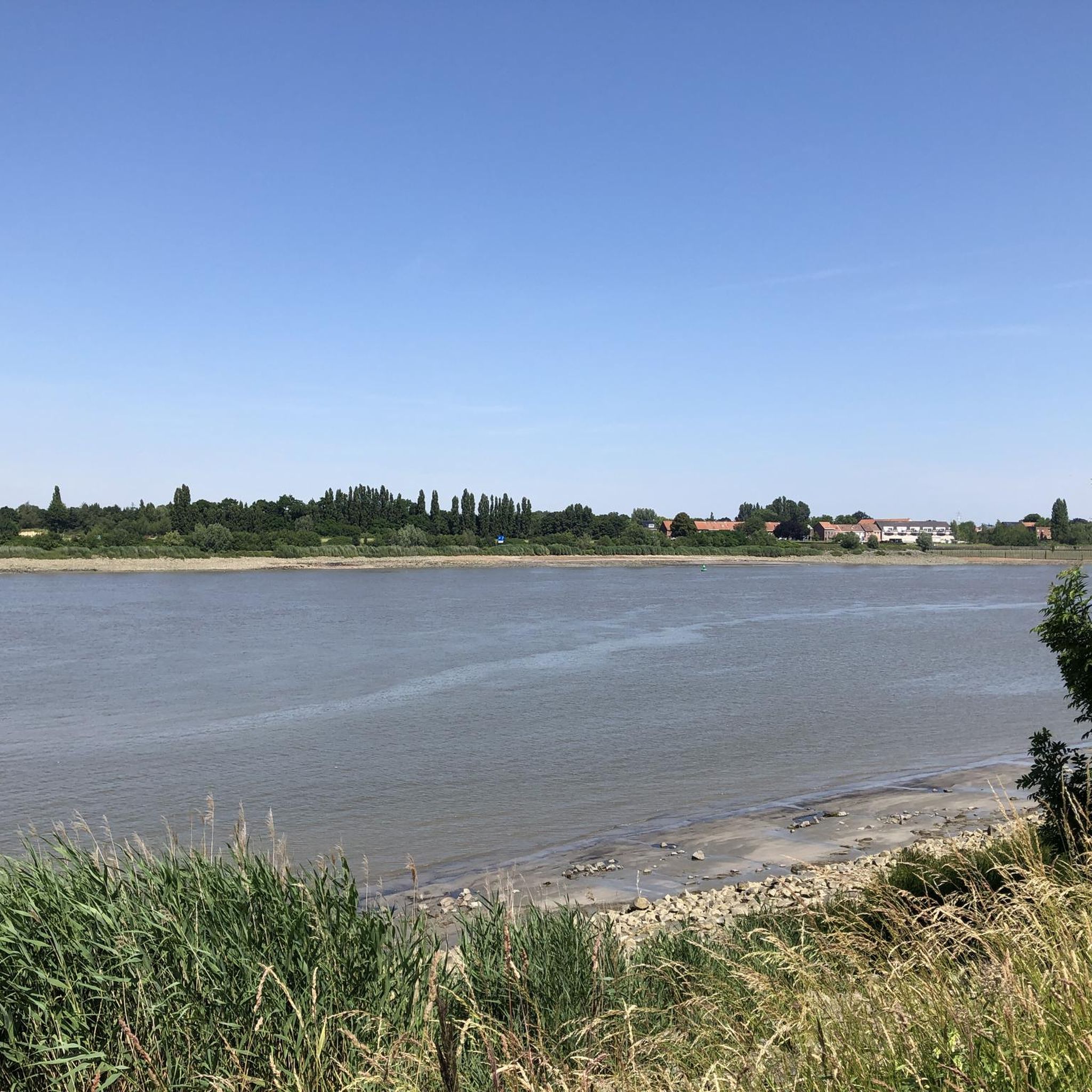
Hobokense Polder is a diverse nature reserve featuring woodlands, grasslands, wetlands, and riparian swamps. You can explore the unique Polder Forest, which is evolving into a natural mixed forest, and observe the valuable Marsh Biotope with its open water and reed beds. A 2-kilometer stretch along the Scheldt River also offers picturesque views.
Are there opportunities for wildlife spotting in Hobokense Polder?
Yes, Hobokense Polder is a haven for wildlife. You can spot various bird species, including ducks, water rail, orioles, and bluethroats, from several birdwatching hides, such as the Birdwatching hide at Hobokense Polder. The wetlands are home to amphibians like green frogs and newts, while mammals such as rabbits, weasels, and roe deer inhabit the area. Keep an eye out for the Galloway cattle and Konik horses that graze freely.
What types of walking and hiking trails are available in Hobokense Polder?
The reserve offers a network of well-marked paths totaling around 9 kilometers. Popular routes include the child-focused Salamanderpad (1km), a red walking path (3.5km) that passes viewpoints and an old railway, and the AS Adventure route (7.5km) covering forests, polders, and a section along the Scheldt. You can find more hiking options, including easy and moderate routes, on the Hiking in Hobokense Polder guide.
Can I go cycling in Hobokense Polder?
Yes, the network of paths in Hobokense Polder is suitable for cycling. While the reserve itself has paths, you can also explore longer routes that start from Hobokense Polder and venture into the surrounding areas. For detailed cycling routes, check out the Cycling in Hobokense Polder guide.
Are there any family-friendly activities or trails for children?
Absolutely! Hobokense Polder is very family-friendly. The Salamanderpad is a 1km route specifically designed for children. The Birdwatching hide at Hobokense Polder has viewing holes at different heights, making it accessible for both adults and children to observe birds. Encountering the Galloway cattle in their Habitat of Large Grazers is also a popular experience for families.
What is the role of the Galloway cattle in the reserve?
The Galloway cattle, along with Konik horses, are essential for nature management in Hobokense Polder. These 'large grazers' help prevent uniform vegetation growth, contributing to the diverse landscape of the reserve. They are well-adapted to outdoor life and play a vital role in maintaining the natural balance. Remember to keep a respectful distance and not feed them.
Are there any accessible paths for wheelchairs in Hobokense Polder?
Yes, efforts have been made to enhance accessibility. One notable birdwatching viewpoint at Rallegat is designed to be wheelchair accessible. Additionally, decking paths and boardwalks are installed in wetter areas, making it easier for visitors to navigate and observe the wetland ecosystems.
What is the best time of year to visit Hobokense Polder?
Hobokense Polder offers a beautiful experience in every season. Late spring is particularly vibrant with over 500 different plant species, including orchids, adding color. The landscape changes throughout the year, offering unique sights. For birdwatching, different species can be observed depending on migration patterns.
What can I expect to see at the Polder Forest?
The Polder Forest is a unique area that was once a tree nursery and is now evolving into a natural mixed forest. You'll find a blend of Canadian poplars, oaks, elderberries, hazelnuts, and holly. It's a great place to experience the varied landscape of polders and swamps, with boardwalks helping you navigate wetter sections.
Are dogs allowed on the trails in Hobokense Polder?
Dogs are generally allowed in Hobokense Polder, but it is important to keep them on a leash, especially when in areas where Galloway cattle or other wildlife are present. This ensures the safety of both your pet and the animals in the reserve.
What makes the Marsh Biotope significant?
The Marsh Biotope in Hobokense Polder is a valuable wetland area characterized by open water, reed beds, and willow thickets. It is crucial for amphibians and provides excellent opportunities for birdwatching. Local management efforts ensure this rich habitat for swamp plants and animals remains diverse.
Where can I find viewpoints to observe the landscape?
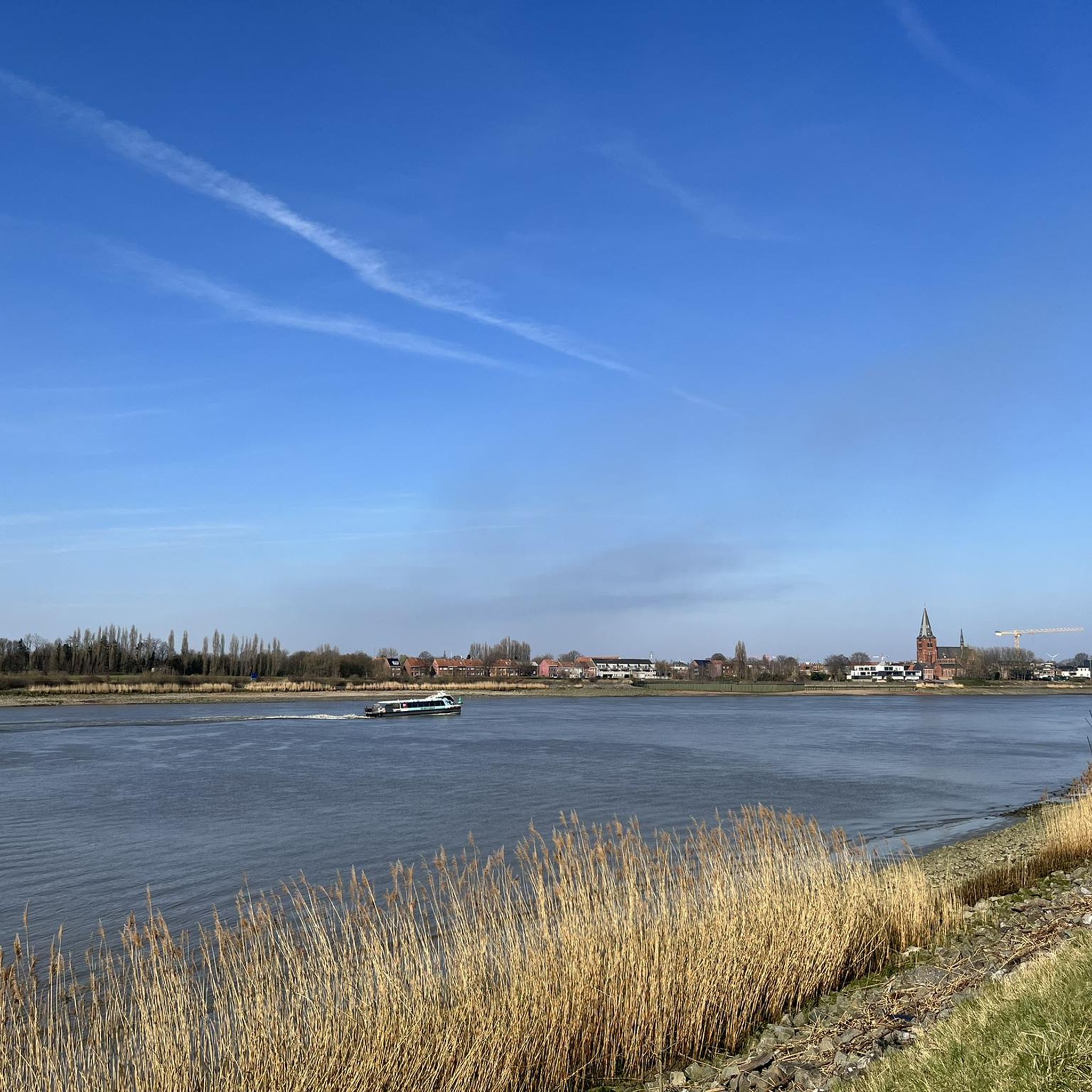
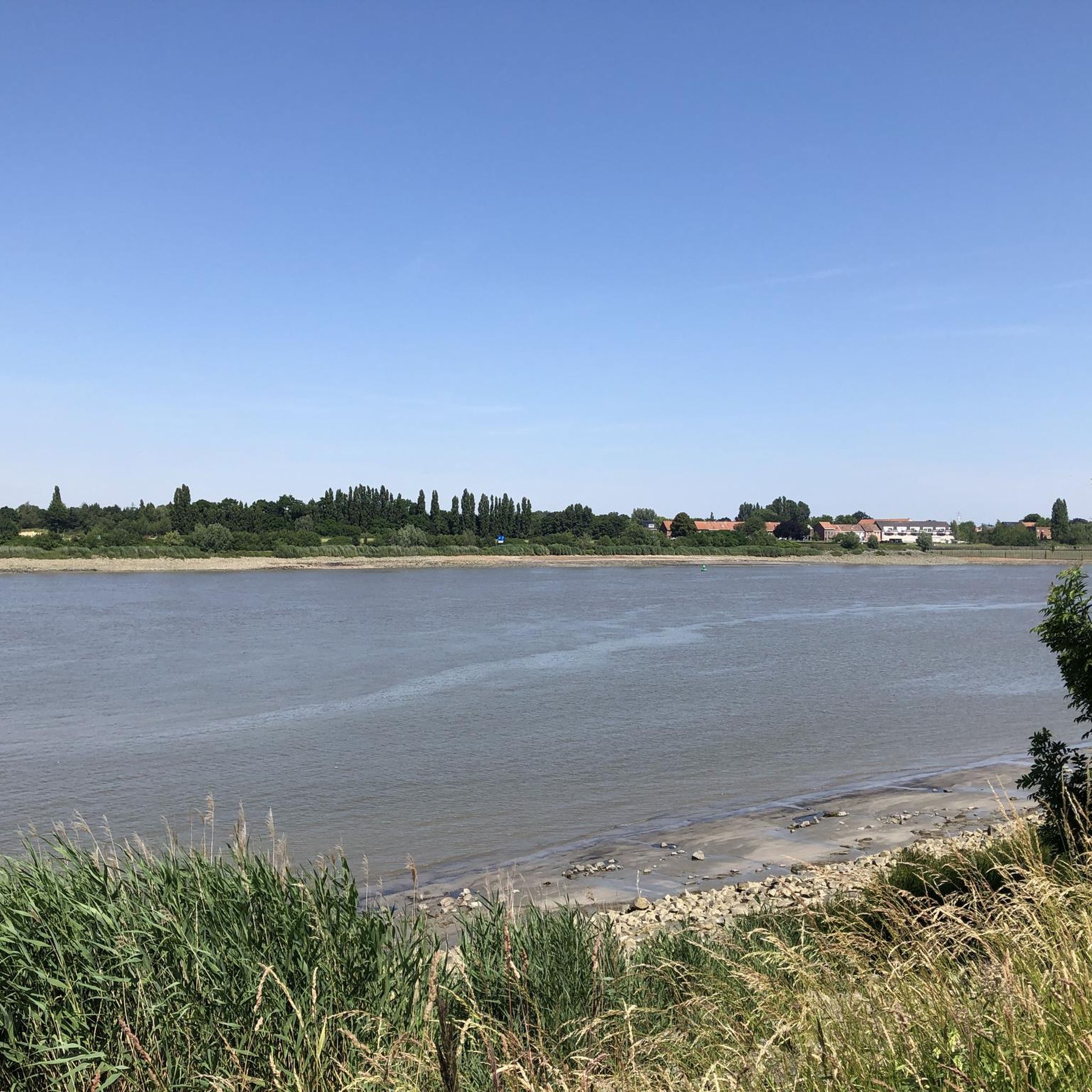
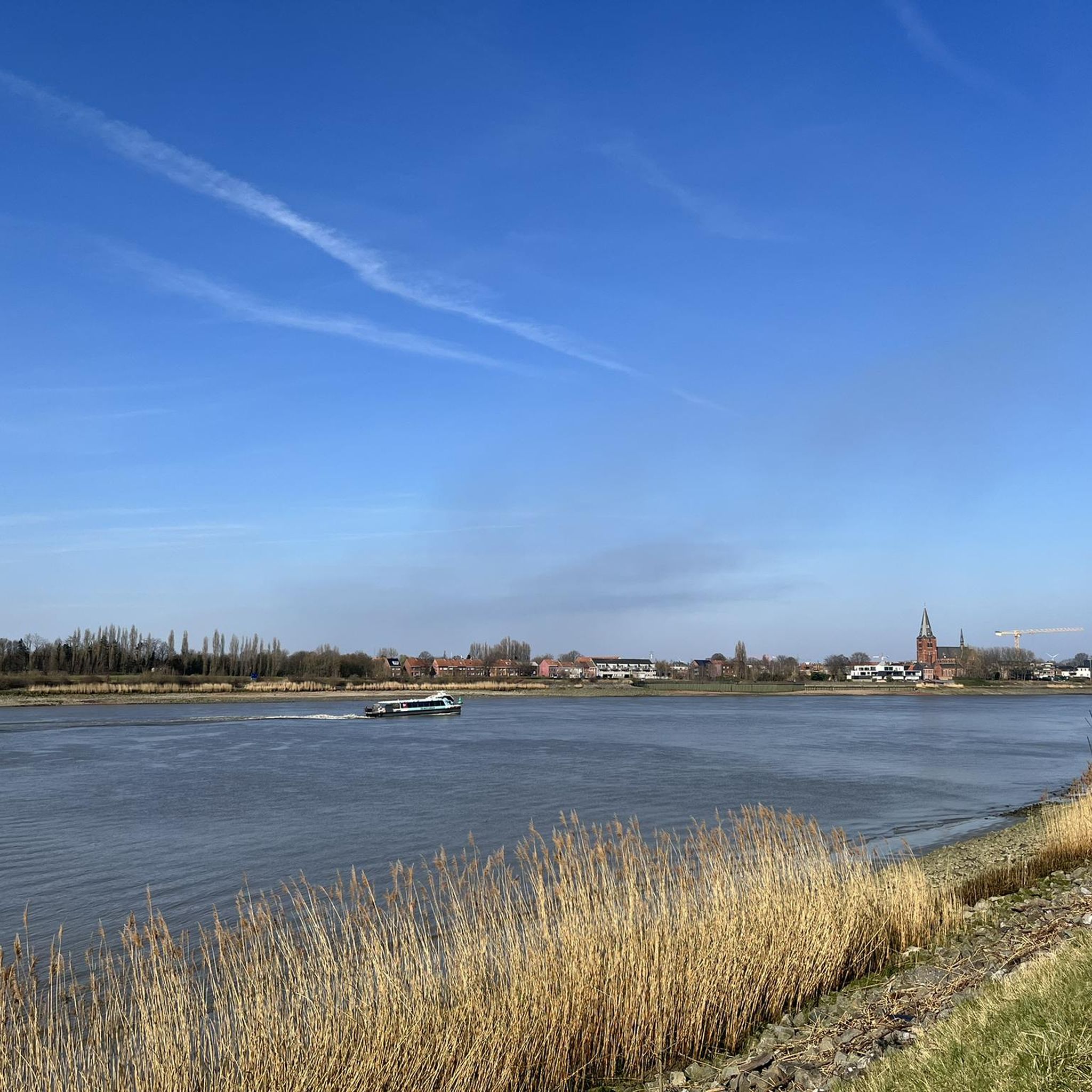
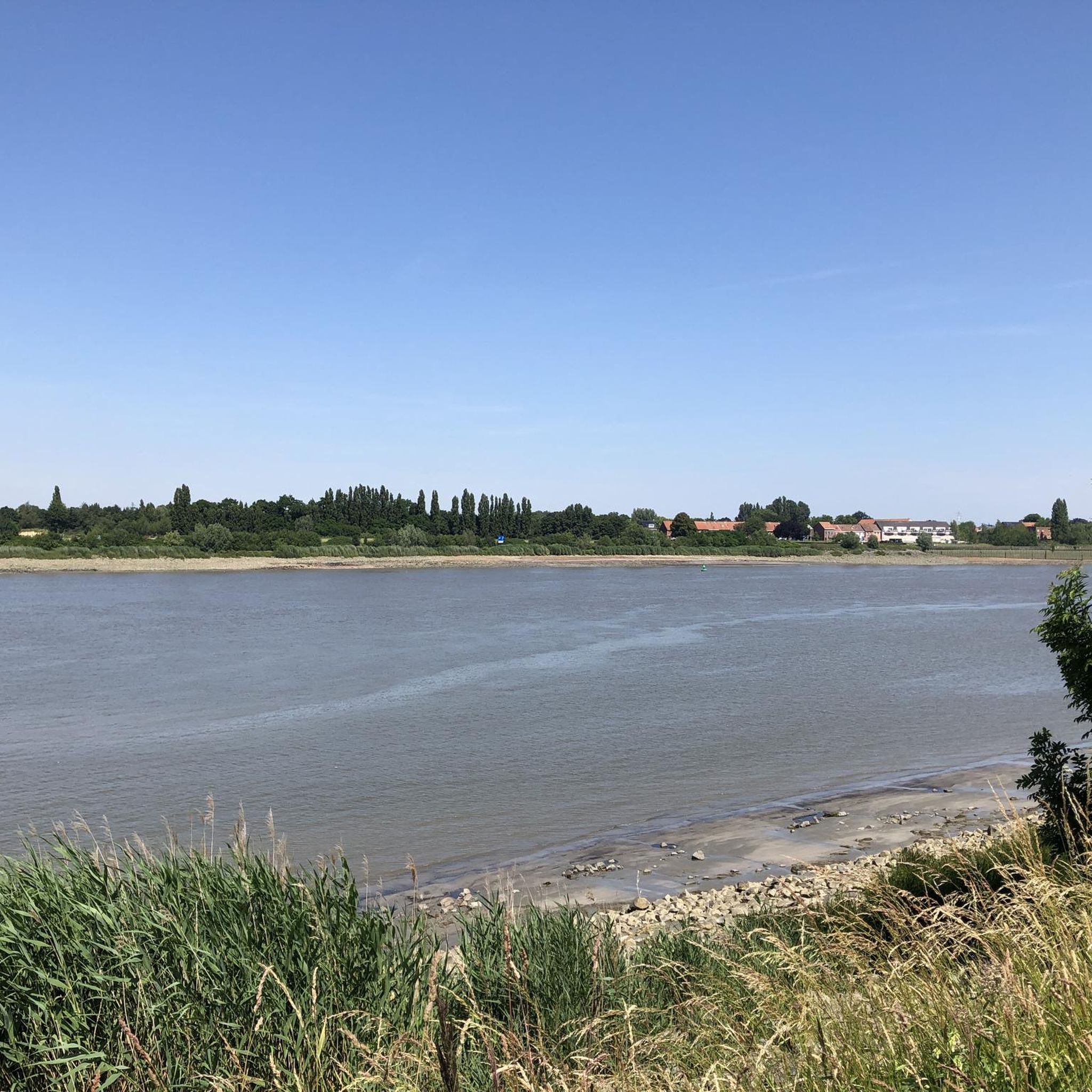
Hobokense Polder features several strategic birdwatching hides and viewing walls, such as the Birdwatching hide at Hobokense Polder, which allow you to observe wildlife without disturbance. Additionally, a 2-kilometer stretch along the Scheldt River offers picturesque views of the surrounding area.
Most popular routes in Hobokense Polder

Get inspired with the komoot mobile app


Explore more
Still not found the Highlight you’re looking for? See guides of the top attractions in other regions:
