The best gravel rides in Hobokense Polder
4.5
(154)
1,519
riders
29
rides
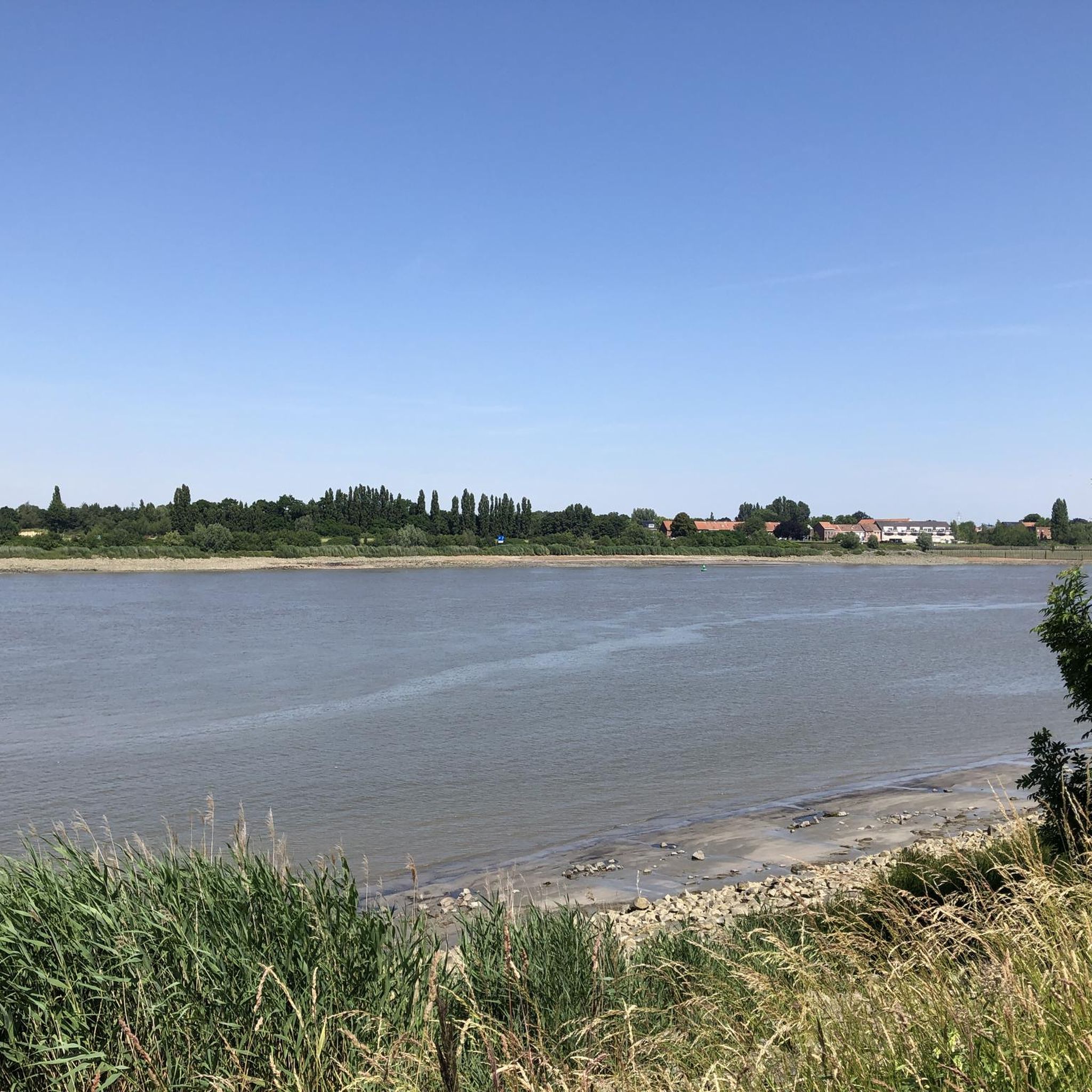
Gravel biking in Hobokense Polder features a landscape characterized by low-lying polder terrain, extensive waterways, and agricultural fields. The region offers routes that traverse along canals, dikes, and through open areas, providing a mix of surfaces suitable for gravel bikes. Elevation changes are minimal, with routes primarily following flat or gently undulating paths.
Best gravel bike trails in Hobokense Polder
- The most popular gravel bike trail is Scheldt and Rupel Brick Route, a 43.5 miles (70.0 km) trail that…
Last updated: August 27, 2026
4.0
(1)
6
riders
Moderate gravel ride. Good fitness required. Mostly paved surfaces. Suitable for all skill levels.
4.6
(16)
135
riders
70.0km
04:40
140m
140m
Hard gravel ride. Good fitness required. You may need to push your bike for some segments of this route.

Sign up for free
4.0
(1)
20
riders
95.7km
05:24
110m
110m
Hard gravel ride. Very good fitness required. Mostly paved surfaces. Suitable for all skill levels.
7
riders
131km
07:32
200m
200m
Hard gravel ride. Very good fitness required. Mostly paved surfaces. Suitable for all skill levels.
4.3
(6)
48
riders
64.9km
04:20
90m
90m
Hard gravel ride. Good fitness required. You may need to push your bike for some segments of this route.
Get access to more routes and recommendations from other explorers.
Sign up for free
Already have an account?
Our route recommendations are based on thousands of hikes, rides, and runs completed by other people on komoot.
Start today with a free account
Your next adventure awaits.
Login or Signup
Tips from the Community

As a hiker, you'll also get your money's worth here...
6
0

The creek area of Saleghem is more than the sum of its parts. The nature reserve consists of the Grote Saleghemgeul on one side, and the Sint-Jakobsgat and the Kieldrechtse Watergang on the other. This triumvirate of water creeks then flows into the Grote Geule in Kieldrecht. Each separately is beautiful, yes. But together they are magical. The succession of gently sloping banks, grassland and hay, rare birds and colourful flowers, rustling reeds and melancholic willows: it silences a person. It inspires awe for the magic of nature. And everyone can enjoy it – even wheelchair users, because there is a special wheelchair walk around the creek lakes. This is what waasland.be writes... and there is nothing to contradict it.
2
0
The Molenbeek forms part of the northern border of the municipality of Sint-Niklaas with the municipalities of Sint-Gillis-Waas and Stekene. Hydrographically, the Molenbeek belongs to the basin of the Gentse Kanalen. Previously, the Molenbeek originated in the center of Sint-Niklaas, at the site where the Romain De Vidtspark is now located. Nowadays, the stream flows through the entire Sint-Niklaas center from south to north in culverts, to re-emerge on the surface at the edge of Belsele and then flow through Sinaai until it flows into the Stekense Vaart. From that confluence, a path follows the banks of the stream for a considerable distance.
2
0
The wooden arch bridge over the Stekense Vaart, named after Frans Coppens, was receiver-clerk in the municipality of Sinaai for almost a quarter of a century. He played an important role in "de Groote Watering van Sinay", the name given to the project launched by the Boerenbond in 1926. This project was initiated after repeated floods and aimed to make the polders 'dry'. The construction of the pumping station near Hondsnest was one of the first achievements within this project. During the Second World War, the unemployed were employed to clean or widen ditches. Under the impetus of dike reeve Jozef "meester" Maes and... receiver-clerk Frans Coppens (!), major reclamation works were carried out in the 60s, continuing into the following decades. Thus, Hondsnest got a new pumping station in 1975. In the meantime, the watering area had been converted into a polder, pursuant to the polder law of June 3, 1957. source: info file "Polder Daknam-Sinaai"
2
0
On Friday, April 5, 1867, the Spletterenbrug was officially opened. Between Moerbeke and Lokeren, trains stopped in Daknam and Eksaarde. In Moerbeke, travelers could transfer to railway line 77 towards Zelzate or towards Sint-Gillis-Waas. That the intention was to one day double the 9-kilometer railway line to two tracks is still visible on the Spletterenbrug. Both bridge abutments are indeed twice as wide as the bridge deck itself. It never came to that. On the contrary. The railway line suffered during both world wars, causing traffic to be suspended for months. For example, retreating German soldiers blew up the bridge at the end of World War I. Less than a year after the armistice, in September 1919, the line was already restored and trains could run on the route again. In 1940, the Belgian army, in turn, tried to slow down the German advance by destroying the bridge. The bridge was repaired again. In 1971, the last train chugged along the route. After more than a century of train traffic, the tracks were dismantled and the route was redeveloped as a cycling and walking path from Lokeren to Moerbeke. The Spletterenbrug itself was preserved and restored in 2017. The seven layers of paint were removed, and the bridge regained its original, dark gray color. Source: industriecultuur.be
4
0

With your nose pointed in the right direction, you'll cut through the landscape in no time. Don't forget to enjoy it.
5
0

single track that requires concentration
0
1
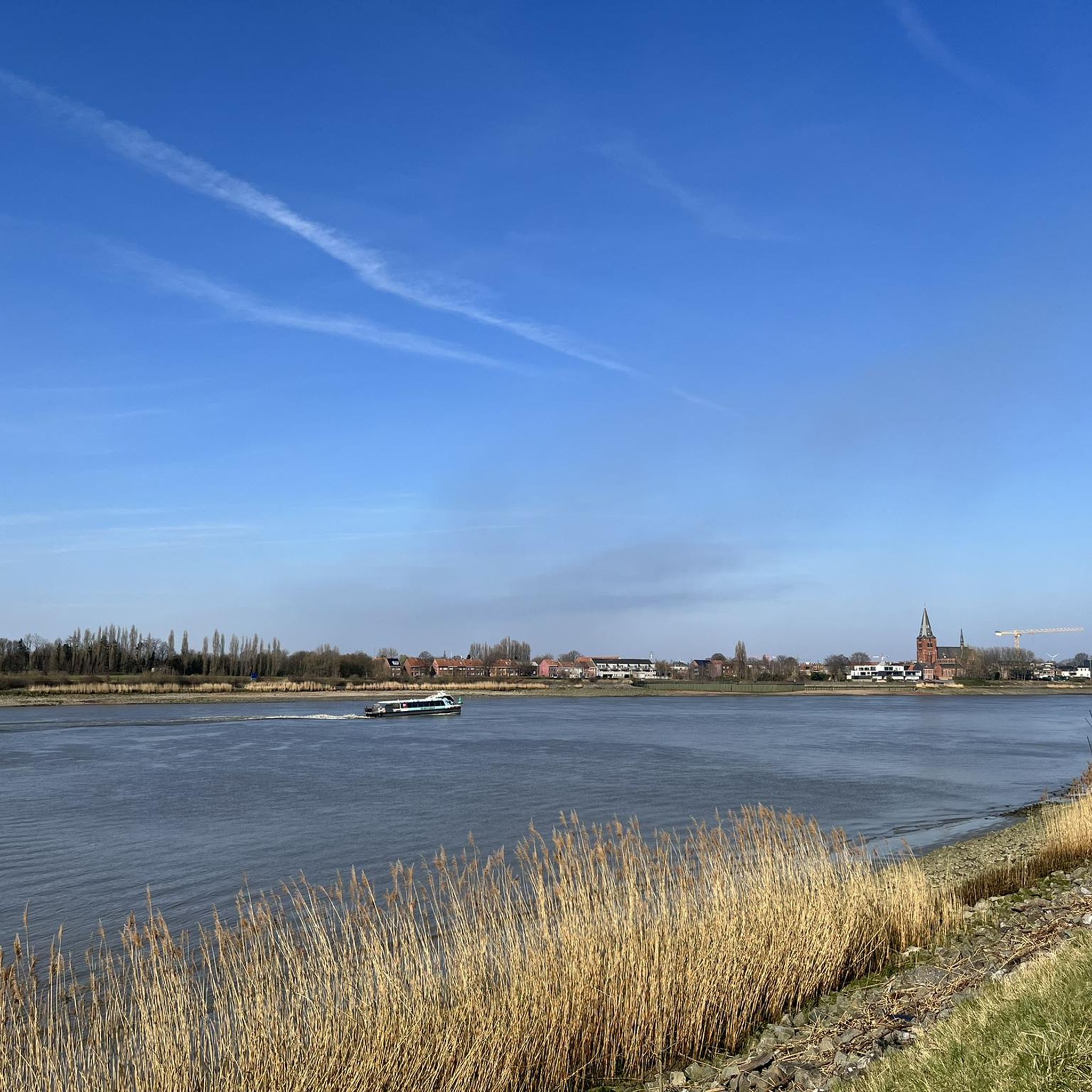
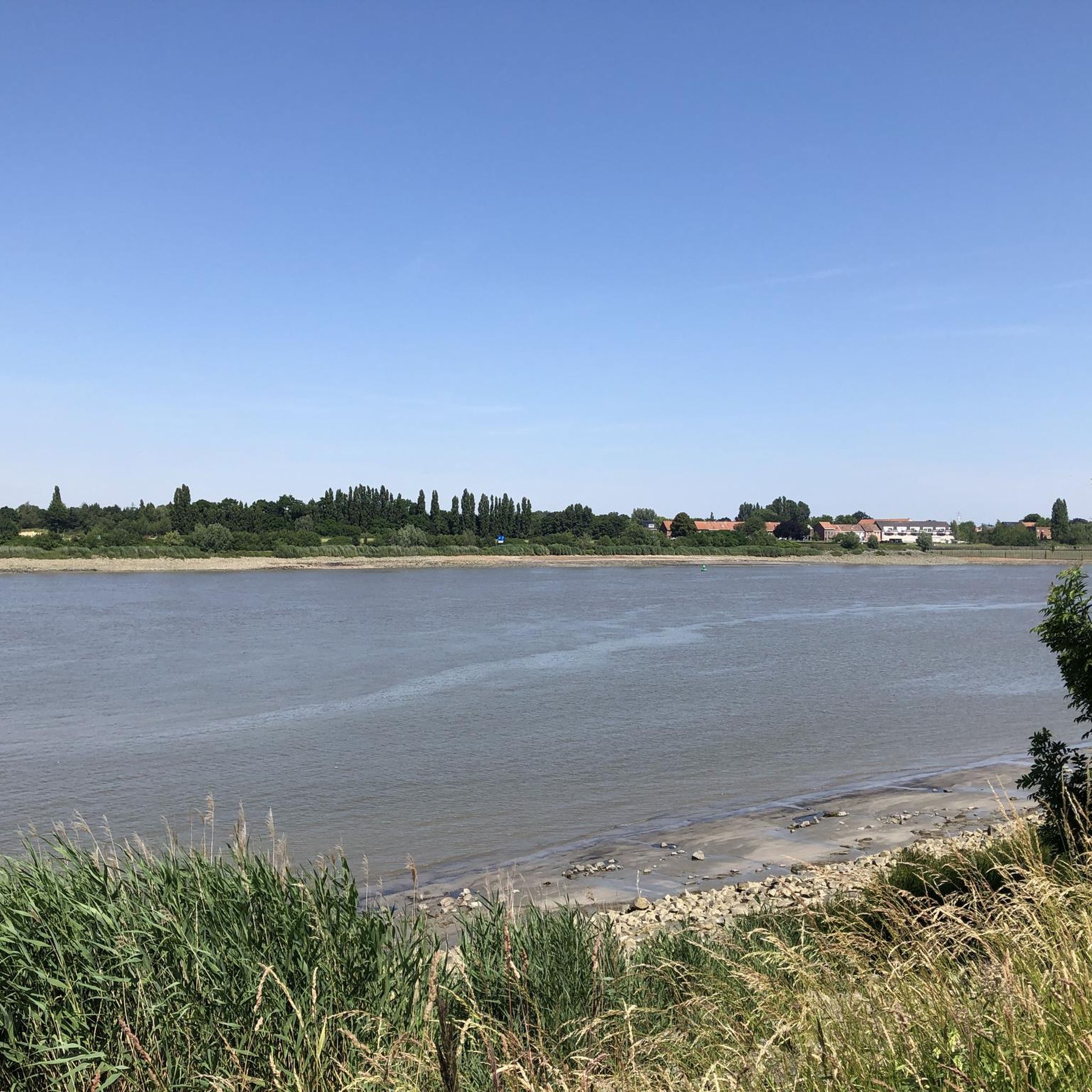
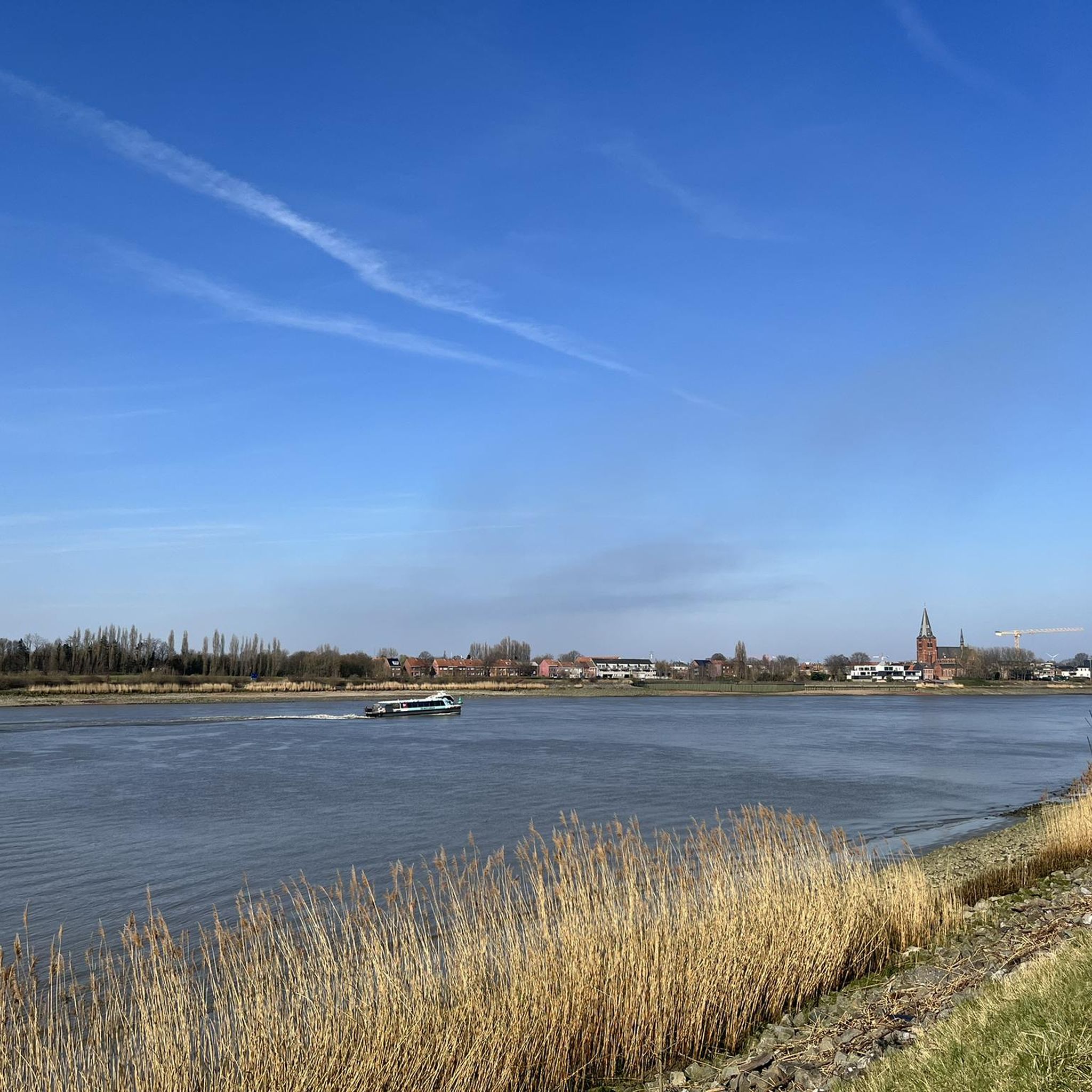
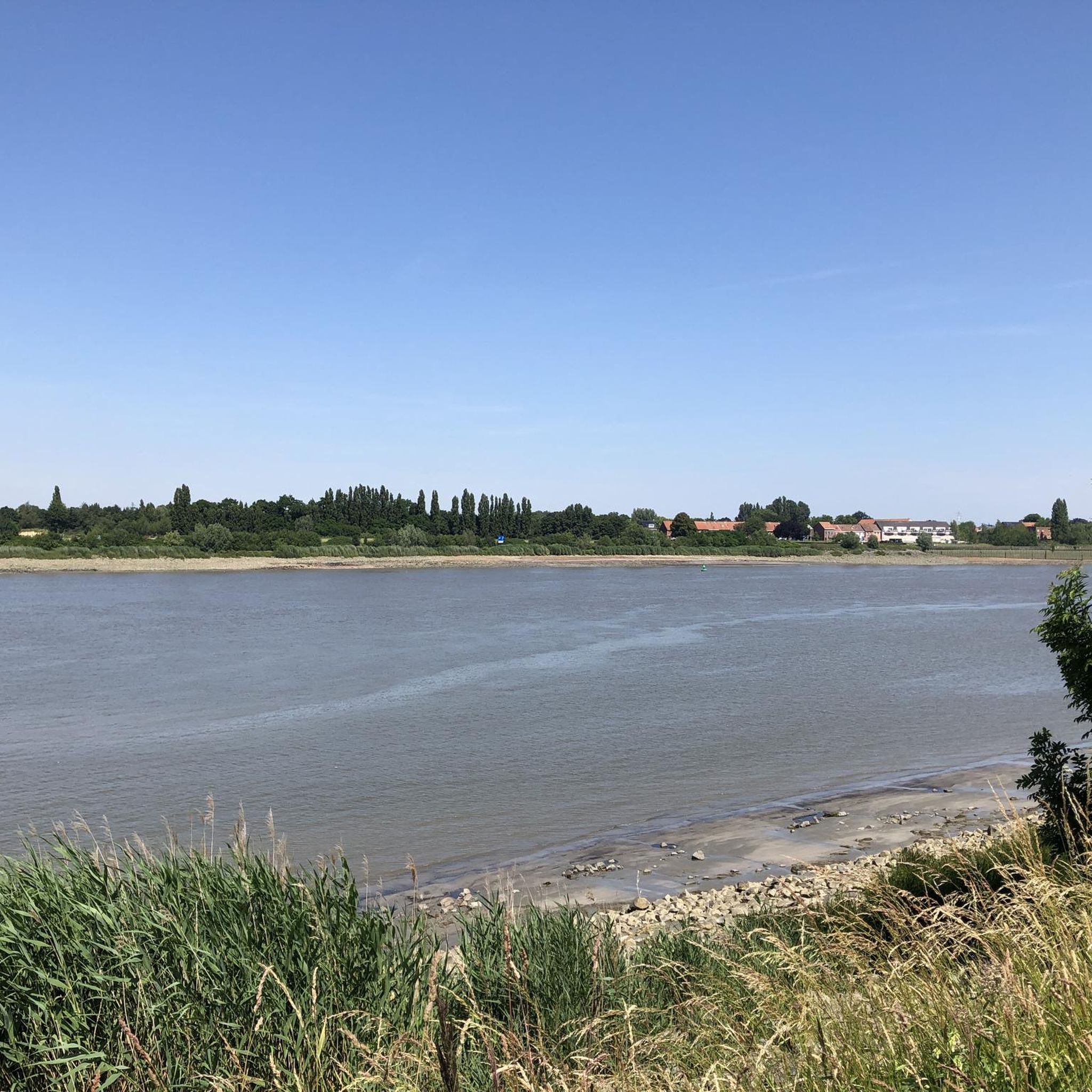
beautiful view over the Polders
1
0
Frequently Asked Questions
How many gravel bike trails are available in Hobokense Polder?
Hobokense Polder offers a diverse network of over 40 gravel bike trails, catering to various skill levels. These routes traverse the unique polder landscape, along canals, and through open agricultural areas.
What is the typical difficulty level of gravel bike trails in Hobokense Polder?
The gravel bike trails in Hobokense Polder are primarily categorized as moderate to difficult. While the terrain is generally flat with minimal elevation changes, the longer distances and varied surfaces can present a challenge. There are 25 moderate routes and 18 difficult routes available.
Are there suitable routes for beginner gravel bikers in Hobokense Polder?
While most routes are moderate to difficult, beginners can still enjoy the polder by choosing shorter sections of trails or focusing on routes with less varied surfaces. The flat nature of the polder makes it accessible, but it's important to be prepared for longer distances.
What options are there for experienced gravel bikers in Hobokense Polder?
Experienced gravel bikers will find plenty to enjoy, particularly with the longer, more challenging routes. Consider the Stekense Canal – De Vaag Trail loop from Melsele, which covers over 130 km, or the Fort Oelegem – Grotenhout Pond loop from Markgrave, offering a difficult 115.8 km ride through natural and historical landscapes.
What is the typical length of gravel bike trails in Hobokense Polder?
The gravel bike trails in Hobokense Polder vary significantly in length. Many popular routes range from approximately 40 km to over 130 km. For example, the Scheldt and Rupel Brick Route is about 70 km, while the Great Saleghem Channel – Stekense Canal loop from Melsele is around 96 km.
Are there circular gravel bike routes in Hobokense Polder?
Yes, many of the gravel bike routes in Hobokense Polder are designed as loops, allowing you to start and end at the same point. Examples include the Fort Oelegem – Grotenhout Pond loop from Markgrave and the Brechtse Heide & Mastenbos loop from Antwerp.
What kind of terrain can I expect when gravel biking in Hobokense Polder?
You can expect a mix of surfaces characteristic of polder landscapes, including canal-side paths, dikes, and roads through open agricultural fields. The terrain is largely flat or gently undulating, making it suitable for gravel bikes.
Are there any scenic viewpoints or interesting sights along the gravel routes?
Yes, Hobokense Polder offers several points of interest. You can visit the Birdwatching hide at Hobokense Polder, observe the Galloway Cattle, or explore the Polder Forest. The region's natural beauty, including the Marsh Biotope, provides a tranquil backdrop for your ride.
When is the best time of year to go gravel biking in Hobokense Polder?
Spring and autumn generally offer the most pleasant conditions for gravel biking in Hobokense Polder, with milder temperatures and beautiful scenery. Summer can be enjoyable, but be prepared for potentially warmer weather. Winter riding is possible, but paths may be wet or muddy, and daylight hours are shorter.
What do other gravel bikers enjoy the most about gravel biking in Hobokense Polder?
The komoot community highly rates the gravel biking experience in Hobokense Polder, with an average score of 4.4 stars. Riders often praise the unique polder landscape, the extensive network of paths along canals, and the opportunity to explore varied terrain away from busy roads.
Is parking available near the gravel trails in Hobokense Polder?
While specific parking areas are not detailed for every route, Hobokense Polder is accessible from various points. Riders often start their tours from nearby towns or designated recreational areas where parking facilities may be available. It's advisable to check local parking options for your chosen starting point.
Most popular routes in Hobokense Polder
Most popular attractions in Hobokense Polder

Get inspired with the komoot mobile app


Explore more
Browse the best Gravel rides in other regions.
