The best cycling routes in Houthulstbos
4.4
(743)
8,299
riders
293
rides
Touring cycling in Houthulstbos offers routes through one of West Flanders' larger forests, the Vrijbos, characterized by extensive deciduous woodlands with oak and beech trees. The landscape includes unpaved drives and small forest streams, with remnants of heather and notable plants along paths. This Natura 2000 area is also home to the Zandambeek and Corverbeek streams, providing diverse natural features for cyclists. The terrain varies from flat sections to routes with some elevation gain, catering to different cycling preferences.
Best…
Last updated: October 7, 2026
84
riders
Hard bike ride. Good fitness required. You may need to push your bike for some segments of this route.
8
riders
31.3km
01:49
100m
110m
Easy bike ride. Great for any fitness level. Mostly paved surfaces. Suitable for all skill levels.

4
riders
39.4km
02:16
150m
150m
Moderate bike ride. Good fitness required. Mostly paved surfaces. Suitable for all skill levels.
3
riders
44.9km
02:36
100m
100m
Moderate bike ride. Good fitness required. Mostly paved surfaces. Suitable for all skill levels.
4
riders
21.5km
01:19
100m
100m
Easy bike ride. Great for any fitness level. Mostly paved surfaces. Suitable for all skill levels.
Get access to more routes and recommendations from other explorers.
Already have an account?
Our route recommendations are based on thousands of hikes, rides, and runs completed by other people on komoot.
Start today with a free account
Your next adventure awaits.
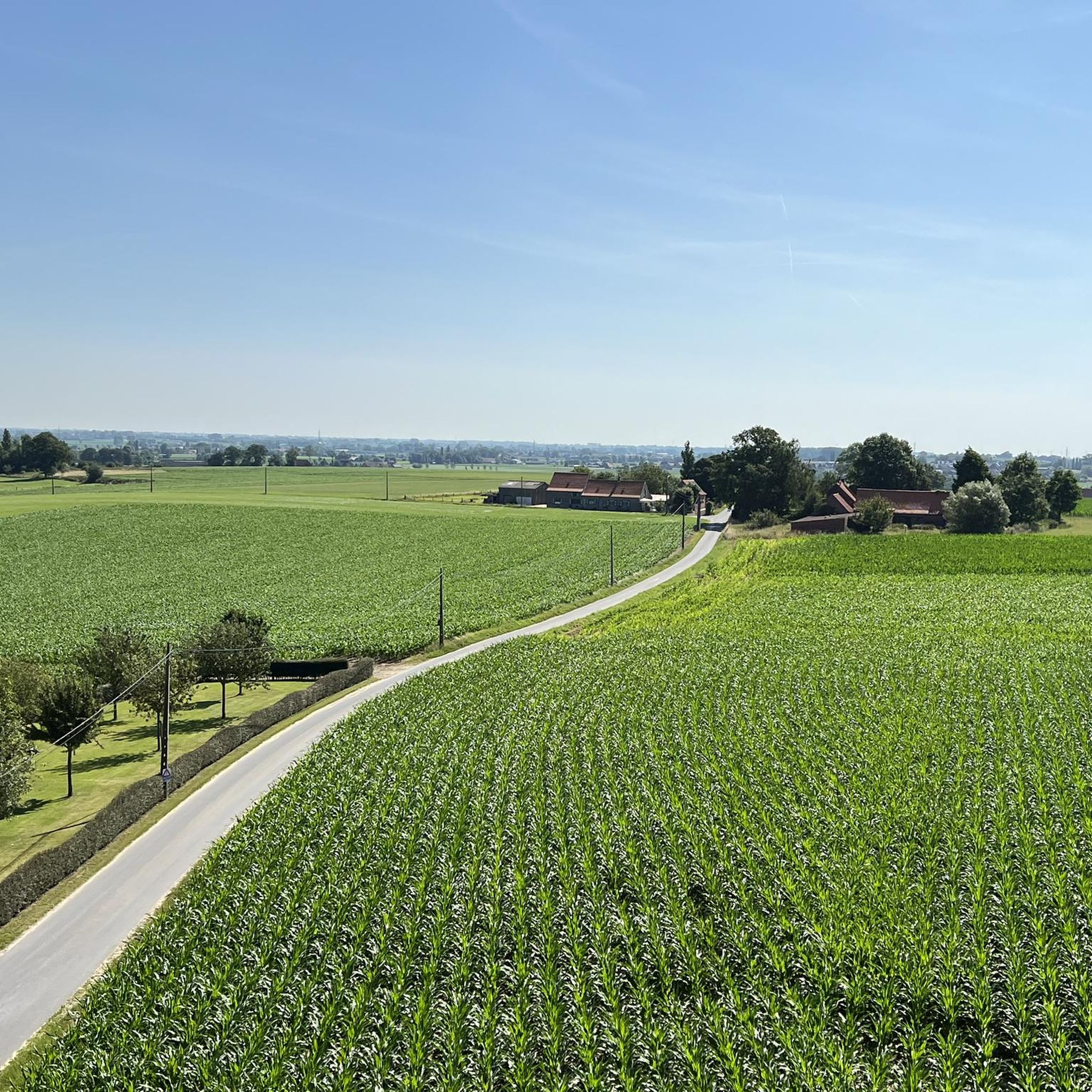
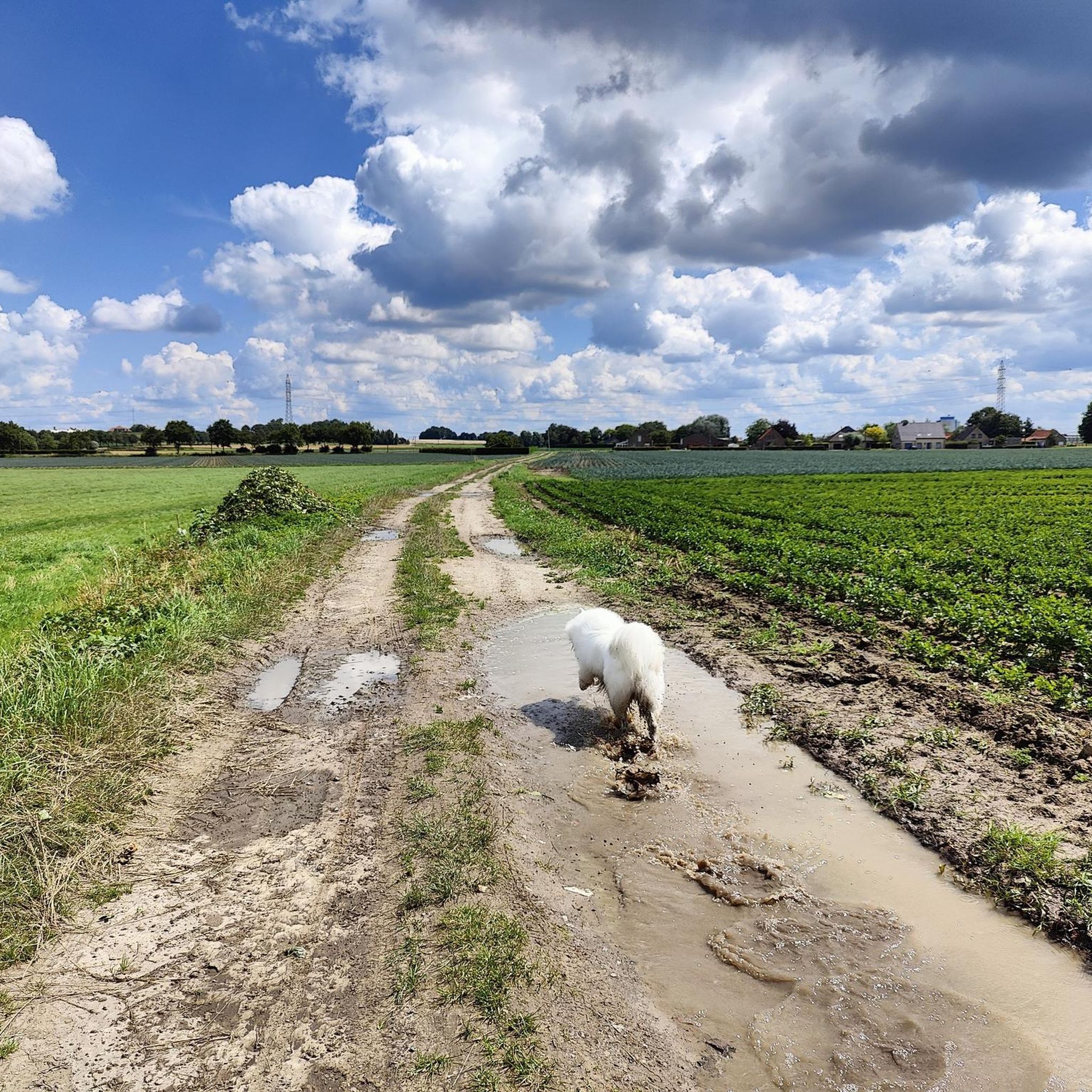
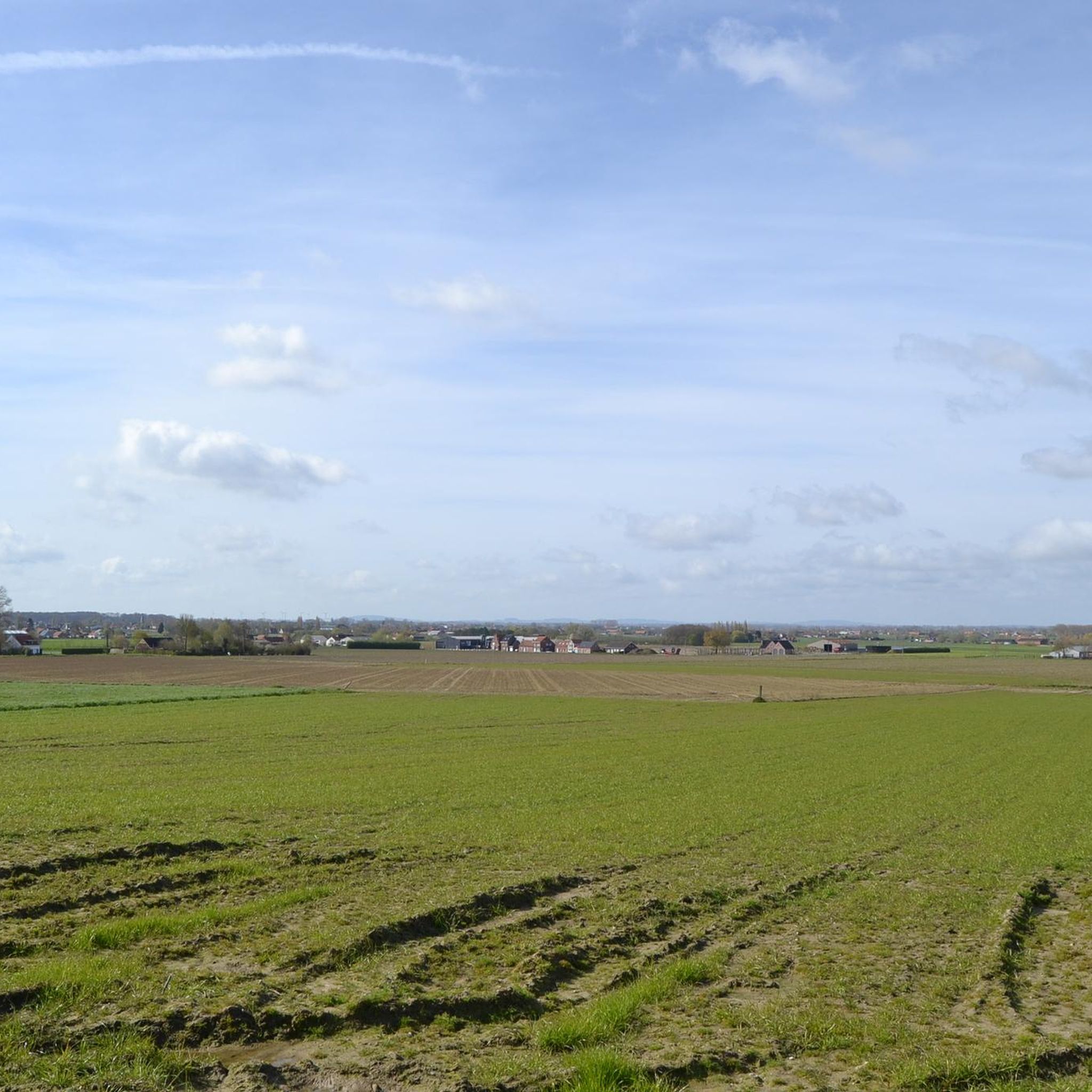
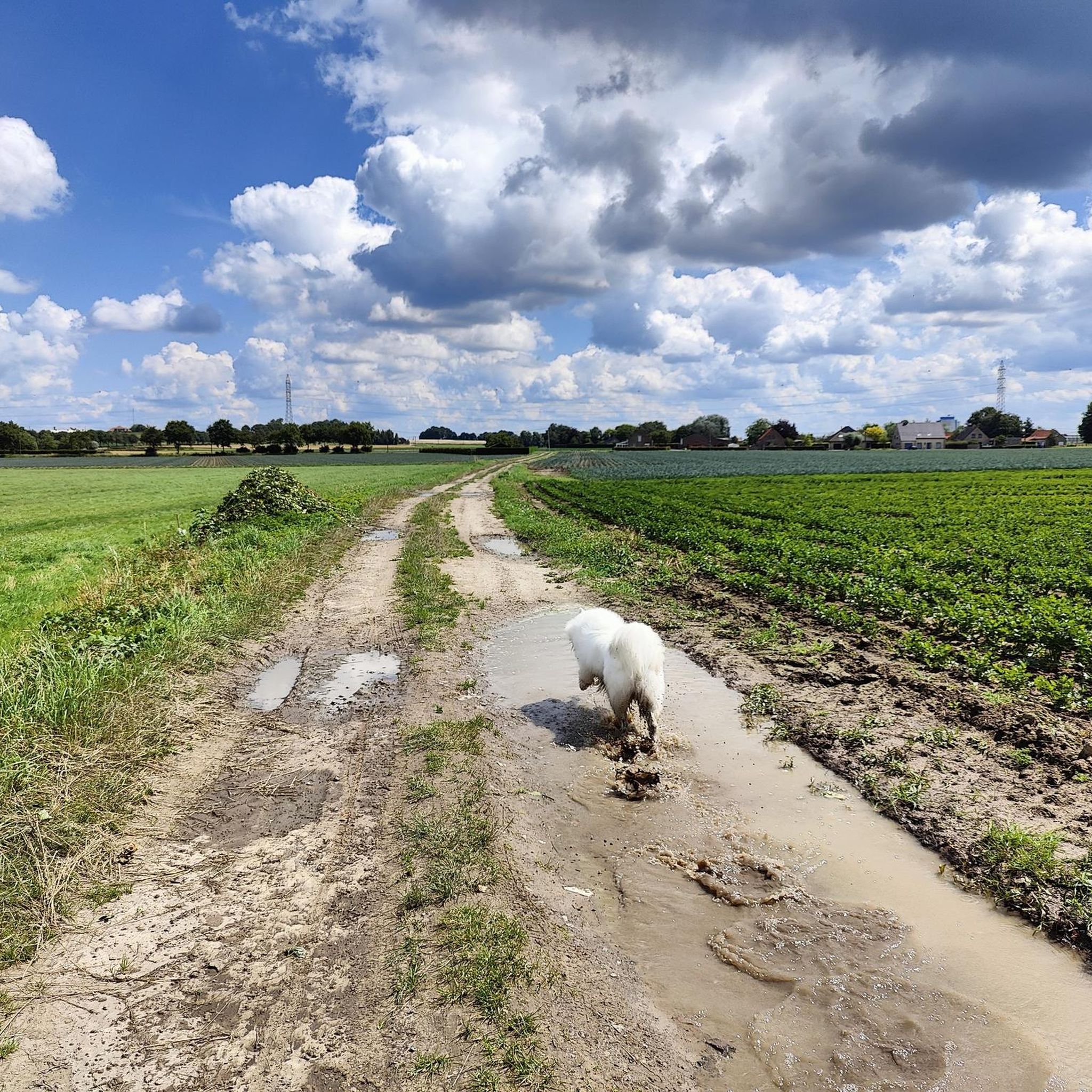

Tips from the Community

The harbor in Ypres, known locally as "De Kaaie," is actually the Ieperlee, which runs beneath the city of Ypres and becomes visible again there. At the Drie Grachten (Three Canals), the Ieperlee is joined by the Martjevaart canal, which originates in Merkem. Drie Grachten is a hamlet in the west of Merkem where the three canals converge: the Martjevaart canal, the Ypres-IJzer canal (also known as the Ieperlee Canal), and the Ieperlee itself. Drie Grachten is also known for the battles during World War I, in which the French, including the Zouaves, fought against the Germans. After a failed attack on the German outpost at Luigem, the Germans captured a number of Zouaves. They launched a counterattack but hid behind the captured Zouaves to prevent the French Zouaves from firing on them, thinking they were their own men returning. At one point, one of the captured Zouaves reportedly shouted: "Tirez donc au nom de Dieu, ce sont les Boches!" (For God's sake, these are the Boches!). Immediately after the warning, a French salvo erupted, mowing down both the Germans and the captured Zouaves. The Zouaves of Northern France (Union des Zouaves du Nord) continued to commemorate this after the war. Luigem is a hamlet 1 kilometer east of Drie Grachten and 1 kilometer west of the center of Noordschote. The Zouaves (French: zouaves) were a light infantry unit of the French Army, associated with French North Africa.
1
0

very impressive monument and museum. Must see if in the area
0
0


Shady in sunny and warm weather
0
0

Tyne Cot Cemetery is the largest Commonwealth cemetery in the world, located near Passchendaele. It was established in October 1917 and contains over 11,000 graves of soldiers who died during the First World War. The site was strategically important during the Battle of Passchendaele and was used as an advanced dressing station after its capture by the 3rd Australian Division on 4 October 1917. The cemetery was designed by Sir Herbert Baker and includes an impressive Cross of Sacrifice, built on a former German bunker. The cemetery was significantly expanded after the Armistice to include graves from nearby battlefields and smaller cemeteries.
8
0
The New Zealand Division Passchendaele Memorial commemorates the more than 5,000 New Zealand soldiers who were killed or mortally wounded during the series of battles that culminated in the Battle of Passchendaele in 1917. Located in Zonnebeke, Belgium, the memorial pays tribute to the sacrifices of New Zealand troops during one of the darkest days in New Zealand's military history.
9
0
Tyne Cot Cemetery is the largest Commonwealth cemetery in the world, located near Passchendaele. It was established in October 1917 and contains over 11,000 graves of soldiers who died during the First World War. The site was strategically important during the Battle of Passchendaele and was used as an advanced dressing station after its capture by the 3rd Australian Division on 4 October 1917. The cemetery was designed by Sir Herbert Baker and includes an impressive Cross of Sacrifice, built on a former German bunker. The cemetery was significantly expanded after the Armistice to include graves from nearby battlefields and smaller cemeteries.
7
0
A poignant anecdote about Tyne Cot Cemetery concerns the father and son, Lieutenant Colonel Harry Moorhouse and Captain Ronald Moorhouse. Both served with the 4th Battalion, the King's Own Yorkshire Light Infantry, and were killed within an hour of each other during the Third Battle of Ypres. Harry Moorhouse was seeking medical attention for his badly wounded son when he himself was killed. Their bodies were never recovered, but their names are immortalised on the Tyne Cot Memorial.
11
0
Frequently Asked Questions
How many touring cycling routes are available in Houthulstbos?
Houthulstbos offers a wide network for touring cyclists, with over 250 routes available. These routes cater to various preferences, from shorter rides to more extensive journeys.
What kind of terrain can I expect on touring cycling routes in Houthulstbos?
The terrain in Houthulstbos is quite varied. You'll find routes with flat sections, particularly along quiet rural roads, as well as paths with some elevation gain. The forest itself features unpaved drives and small forest streams, adding to a diverse cycling experience.
Are there any historical sites or landmarks to see while cycling in Houthulstbos?
Yes, Houthulstbos is rich in history. You can encounter significant sites such as the Belgian Military Cemetery Houthulst, a poignant reminder of World War I. The Lourdes Grotto in the Rotsebos section also offers a unique cultural stop. For example, the route Stroroute Passendale – Tyne Cot Cemetery loop from Bos van Houthulst combines natural forest paths with historical sites like the Tyne Cot Cemetery.
Can I find family-friendly touring cycling routes in Houthulstbos?
Yes, Houthulstbos offers several easy touring cycling routes suitable for families. These paths often utilize quiet roads and forest tracks, providing a safe and enjoyable experience for all ages. Many routes are under 20 km, perfect for a leisurely family outing.
Are dogs allowed on the touring cycling routes in Houthulstbos?
Houthulstbos is generally dog-friendly, but it's important to keep dogs on a leash, especially within the Natura 2000 protected areas, to protect wildlife. Always ensure your dog is well-behaved and doesn't disturb other cyclists or the natural environment.
What natural features can I observe while cycling through Houthulstbos?
As a Natura 2000 area, Houthulstbos boasts diverse natural beauty. You'll cycle through extensive deciduous woodlands, primarily oak and beech, with pine, spruce, maple, and birch also present. Keep an eye out for diverse wildlife like woodpeckers, birds of prey, and deer. In spring, the forest floor comes alive with white wood sorrel, wild garlic, and common Solomon's seal. The Zandambeek and Corverbeek streams also originate here, adding to the scenic charm.
What do other touring cyclists enjoy most about cycling in Houthulstbos?
The touring cycling routes in Houthulstbos are highly rated by the komoot community, with an average score of 4.5 stars from over 550 reviews. Cyclists often praise the varied forest scenery, the combination of natural paths with historical sites, and the well-maintained network that allows for exploration of this beautiful region.
Are there any circular touring cycling routes in Houthulstbos?
Yes, many touring cycling routes in Houthulstbos are designed as loops, allowing you to start and end at the same point. For example, The Keuneleute Picnic Area – Keunedreef, Houthulstbos loop from Bos van Houthulst is a popular circular route that explores the heart of the forest.
Where can I park my car when visiting Houthulstbos for a bike ride?
While specific parking locations for each route aren't listed here, Houthulstbos and the surrounding areas typically offer designated parking spots near popular trailheads and access points to the forest. Look for parking facilities in or around the main entrances to the Vrijbos.
What is the best time of year to go touring cycling in Houthulstbos?
Houthulstbos is enjoyable for touring cycling throughout much of the year. Spring offers blooming woodland plants and active wildlife, while autumn provides stunning fall foliage. Summer is pleasant, though can be busier. Always check local weather conditions before heading out.
Are there any routes that offer a more challenging touring cycling experience?
Yes, while there are many easy and moderate routes, Houthulstbos also features more challenging options. For instance, The Keuneleute Picnic Area – Keunedreef, Houthulstbos loop from Bos van Houthulst is rated as difficult, offering a longer distance and more elevation gain for experienced touring cyclists.
Can I access Houthulstbos by public transport with my bicycle?
Public transport options to Houthulst and the surrounding areas are available, and many regional buses and trains allow bicycles, often with specific rules or designated spaces. It's advisable to check the local public transport provider's website for their current bicycle policy and schedules before planning your trip.
Most popular routes in Houthulstbos

Get inspired with the komoot mobile app


Explore more
Browse the best Cycling routes in other regions.
