The best road cycling routes in Houthulstbos
4.5
(76)
5,035
riders
244
rides
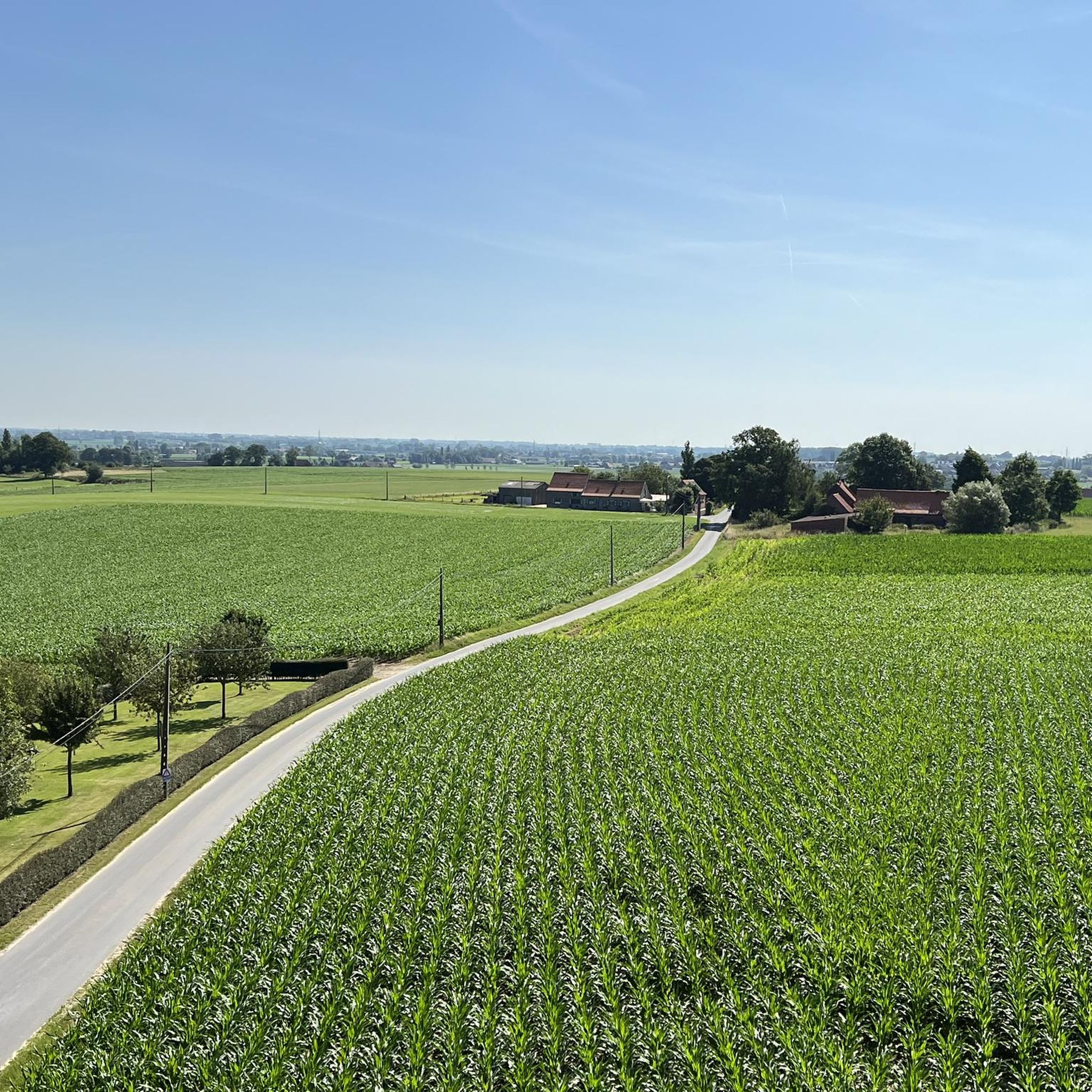
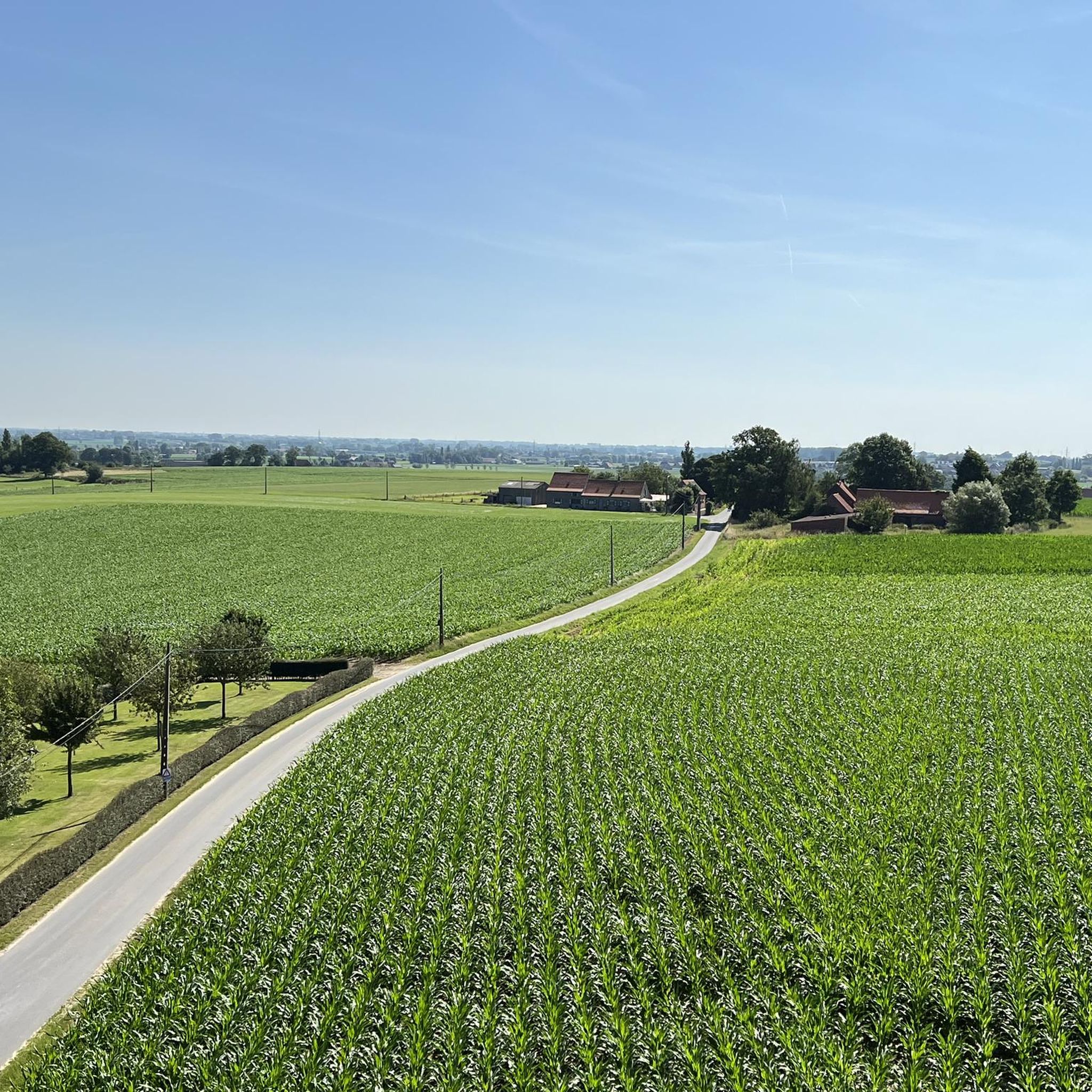
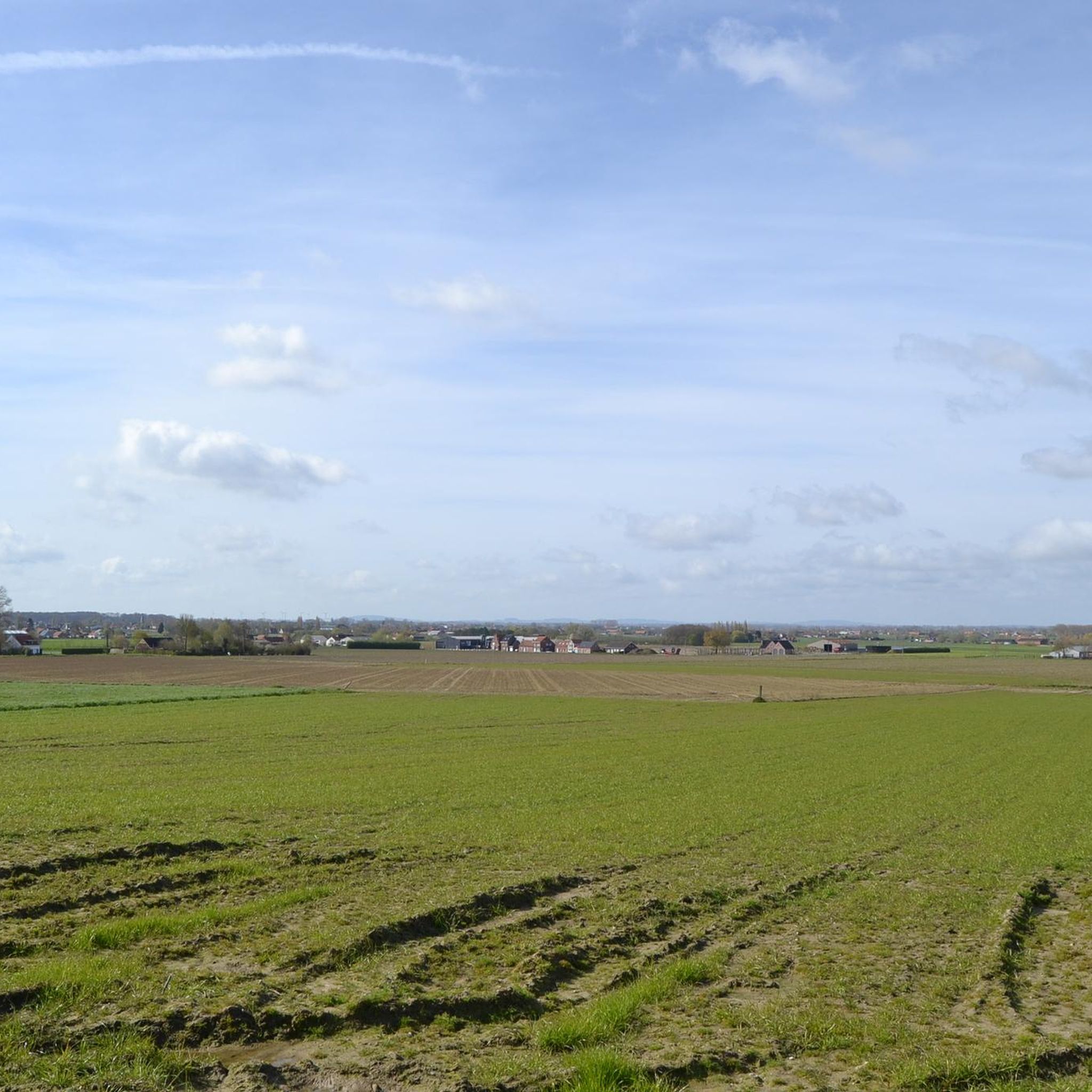
Road cycling in Houthulstbos offers routes through a natural park setting near Diksmuide, characterized by generally flat terrain with gentle undulations. The landscape features open agricultural areas, small hills, and paths alongside the Yser River. Road cyclists can expect a mix of quiet country roads connecting market towns and villages.
Best road cycling routes in Houthulstbos
- The most popular road cycling route is Diksmuide Market Square – Veurne Market Square loop from Houthulst, a 41.5 miles (66.7 km) trail…
Last updated: October 7, 2026
4.7
(3)
7
riders
56.3km
02:43
160m
160m
Moderate road ride. Good fitness required. Some segments of this route may be unpaved and difficult to ride.
7
riders
97.2km
04:15
220m
220m
Moderate road ride. Good fitness required. Some segments of this route may be unpaved and difficult to ride.

5
riders
67.3km
02:59
170m
170m
Moderate road ride. Good fitness required. Mostly well-paved surfaces and easy to ride.
9
riders
23.6km
01:05
100m
100m
Easy road ride. Great for any fitness level. Mostly well-paved surfaces and easy to ride.
5.0
(2)
3
riders
60.0km
02:43
190m
190m
Moderate road ride. Good fitness required. Some segments of this route may be unpaved and difficult to ride.
Get access to more routes and recommendations from other explorers.
Already have an account?
Our route recommendations are based on thousands of hikes, rides, and runs completed by other people on komoot.
Start today with a free account
Your next adventure awaits.

Tips from the Community

Since 1930, General Baron Jacques de Dixmude has stood on the Grote Markt in Diksmuide, looking out over the former front. The figure is not entirely undisputed. On the one hand, he received high recognition for his merits during the war of 1914–1918 in the defense of the Diksmuide bridgehead. At that time, General Jacques was appointed Baron by King Albert I and was allowed to add the words "de Dixmude" to his name. On the other hand, he served in the Congo Free State on behalf of King Leopold II. This period is very controversial as he is also known for having contributed to the brutality of the rule in the Congo Free State.
0
0

The castle and its surroundings are currently being restored. It already looks great, and in the future it will be fabulous. There is also a very nice little restaurant and a free toilet there.
0
0

very impressive monument and museum. Must see if in the area
0
0

The monastery was founded in 1492, at the initiative of Canon de Vooght of the Saint Walburga Chapter of Veurne, and Sister Maria Poret, the first superior. A house and property were purchased on Zuidstraat in Lo in 1493. Emperor Maximilian I granted permission in 1493 to build a small chapel, refectory, dormitory, and tower with a clock. The monks were initially present in Lo to combat the plague. The tower sparked a conflict between the provost of the provostry (later to become Saint Peter's Abbey) and the Grey Sisters. The provost considered the tower too high. This led to a lawsuit, in which the judges ruled that the sisters could keep their tower unchanged if they presented the provost with two chickens each year at Easter. The tower was renovated in 1560, destroyed in 1579, and rebuilt on a smaller scale. Besides expansions in the 16th and 17th centuries, the convent also suffered damage and destruction during religious unrest in the same period. A low point was the confiscation in 1798 by the French revolutionaries. A confidant of the sisters, former mayor J.B. Ryon, bought up the undeclared goods so that the sisters could repurchase them after the Concordat. The Grey Sisters founded a school in 1763, and in response to the establishment of a municipal school, they started a Catholic boys' school on Zuidstraat in 1836. During the First World War, Lo was shelled by the Germans, and the convent's tower was destroyed. The 17th-century hospital on the east side of the market square was destroyed and never rebuilt. Reconstruction and repairs of the convent followed in 1922-1926, with the tower being raised, modeled on the town hall tower. The west wing has been restored and adapted in a historicist style. https://nl.wikipedia.org/wiki/Klooster_van_de_Grauwzusters_(Lo)
1
0
The old town hall and belfry now serve as a hotel and restaurant. The town hall and belfry have been on the UNESCO World Heritage List since 1999 as part of the joint registration of a group of 56 belfries in Belgium and France. https://nl.wikipedia.org/wiki/Stadhuis_van_Lo
2
0
The Caesarsboom is an old yew tree (also known as poison tree) in the town of Lo in the Belgian Westhoek region. The tree is one of Lo's typical symbols and is located next to the medieval Westpoort gate. The name refers to a legend about Julius Caesar, who is said to have taken a nap under the tree in 55 BC on his way to Britain and tied his horse to it. The story goes back to the historian Jean-Baptiste Gramaye, who was the first to allow Caesar to pass through Lo in 1612. In reality, the Caesarsboom is approximately 250 years old. A painting from the late 18th century depicts its predecessor in full maturity. https://nl.wikipedia.org/wiki/Caesarsboom
2
0


Frequently Asked Questions
What is the general terrain like for road cycling in Houthulstbos?
Houthulstbos offers a natural park setting with generally flat terrain, featuring gentle undulations. You'll find open agricultural areas, small hills, and paths alongside the Yser River, connected by quiet country roads between market towns and villages.
How many road cycling routes can I find in Houthulstbos?
Komoot offers a wide selection, with over 240 road cycling routes available in Houthulstbos. These routes cater to various skill levels, from easy to more challenging.
Are there routes suitable for beginner road cyclists in Houthulstbos?
Yes, Houthulstbos has 34 easy-rated road cycling routes. A good option for beginners is the Market Square, Diksmuide – Diksmuide Market Square loop from Houthulst, which is 14.5 miles (23.3 km) long and features minimal elevation gain.
What kind of distances can I expect on road cycling routes in Houthulstbos?
Routes vary significantly in length. For example, you can find shorter loops like the Market Square, Diksmuide – Diksmuide Market Square loop from Houthulst at 14.5 miles (23.3 km), or longer rides such as the Aartrijkeberg via Steenstraat – Ruidenberg loop from Houthulst, which covers 60.3 miles (97.0 km).
Are there any challenging road cycling routes in Houthulstbos for experienced riders?
While the region is generally flat, there are 8 routes rated as difficult. These routes often include more significant distances and slightly more elevation gain, such as the 60.3 miles (97.0 km) Aartrijkeberg via Steenstraat – Ruidenberg loop from Houthulst, which has over 220 meters of ascent.
Are there road cycling routes that follow the Yser River?
Yes, several routes incorporate sections along the Yser River, offering scenic views of the waterway and surrounding fields. The Ruidenberg – Yser River Pathway loop from Houthulst is a popular moderate option that includes these river sections.
What do other road cyclists say about the routes in Houthulstbos?
The komoot community rates the routes in Houthulstbos highly, with an average score of 4.7 stars from over 70 reviews. Cyclists often praise the quiet country roads, the blend of cultural sights in market towns, and the varied agricultural landscapes.
Are there any circular road cycling routes in Houthulstbos?
Many of the road cycling routes in Houthulstbos are designed as loops, allowing you to start and finish in the same location. Examples include the Diksmuide Market Square – Veurne Market Square loop from Houthulst and the West Gate and Caesar's Yew, Lo – Diksmuide Market Square loop from Houthulst.
What are some notable landmarks or points of interest along the road cycling routes?
Many routes connect historic market squares, such as Diksmuide and Veurne, offering cultural sights. The West Gate and Caesar's Yew, Lo – Diksmuide Market Square loop from Houthulst specifically mentions the West Gate and Caesar's Yew, Lo as points of interest.
When is the best season for road cycling in Houthulstbos?
The region is generally pleasant for cycling from spring through autumn. Spring offers blooming landscapes, while summer provides warmer weather. Autumn brings beautiful colors and cooler temperatures, ideal for longer rides. Always check local weather forecasts before heading out.
Are there cafes or places to stop for refreshments along the routes?
The routes often connect market towns and villages, such as Diksmuide and Veurne. These towns typically offer various cafes, bakeries, and restaurants where you can stop for a break and refreshments.
What kind of views can I expect on road cycling routes in Houthulstbos?
You can expect diverse views including open agricultural fields, gentle hills, and picturesque sections along the Yser River. Many routes also pass through or near charming market towns, offering glimpses of local architecture and life.
Most popular routes in Houthulstbos

Get inspired with the komoot mobile app


Explore more
Browse the best Road cycling routes in other regions.
