Attractions and Places To See in Durmemeersen - Top 20
Attractions and places to see in Durmemeersen are primarily found within a natural park situated around Dendermonde, at the confluence of the Dender and Scheldt rivers. This region is characterized by diverse landscapes, including extensive nature reserves, polder areas, and forests, offering numerous walking and cycling routes. Dendermonde, serving as a gateway to the Scheldt Valley National Park, complements the natural beauty with notable landmarks and cultural sites. The area provides a blend of historical significance and outdoor exploration.
Best…
Last updated: May 8, 2026
Blauwendael Castle
Highlight • Castle
Translated by Google •
Tip by

Saint Joseph Chapel 1709
Highlight • Religious Site
Translated by Google •
Tip by
Sign up now to discover places like this
Get recommendations on the best single tracks, peaks, & plenty of other exciting outdoor places.
Sign up for free
Durme Bridge
Highlight • Bridge
Translated by Google •
Tip by

Clara-Maria Cocquyt Monument
Highlight • Monument
Translated by Google •
Tip by

Bust of Lodewijk Ontrop
Highlight • Monument
Translated by Google •
Tip by
Sign up for free to discover even more attractions in Durmemeersen.
Sign up for free
Already have an account?
Start today with a free account
Your next adventure awaits.
Login or Signup

Tips from the Community

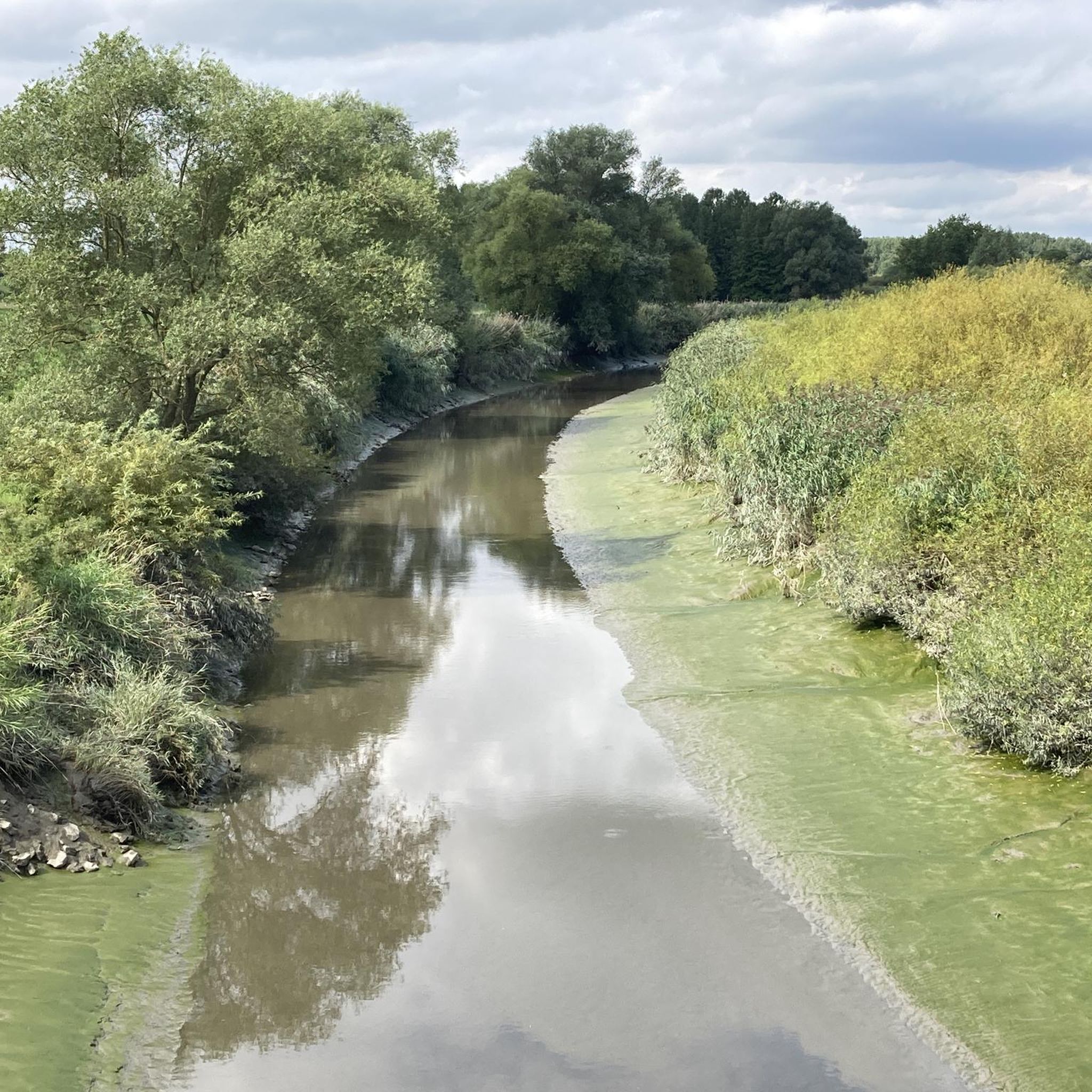
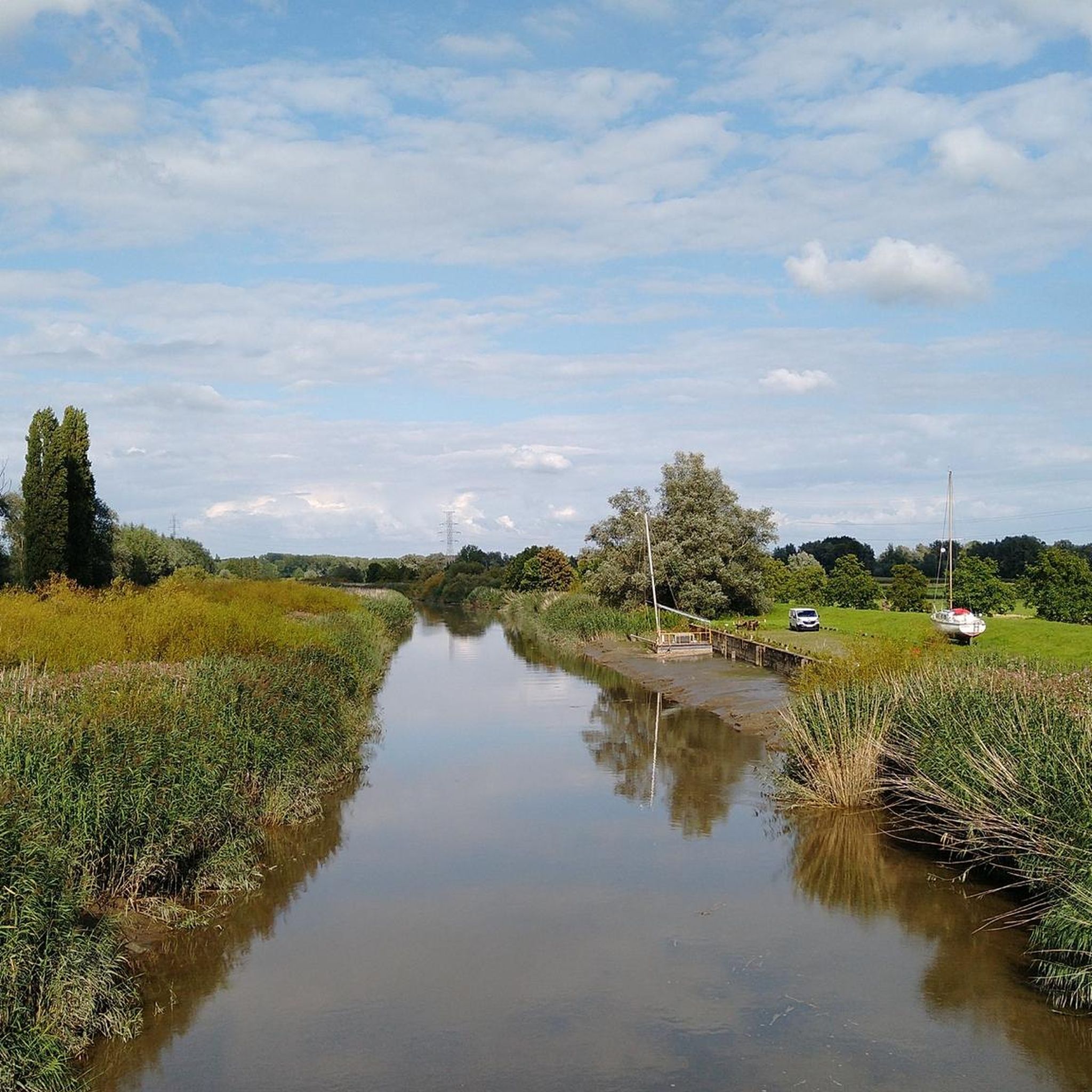
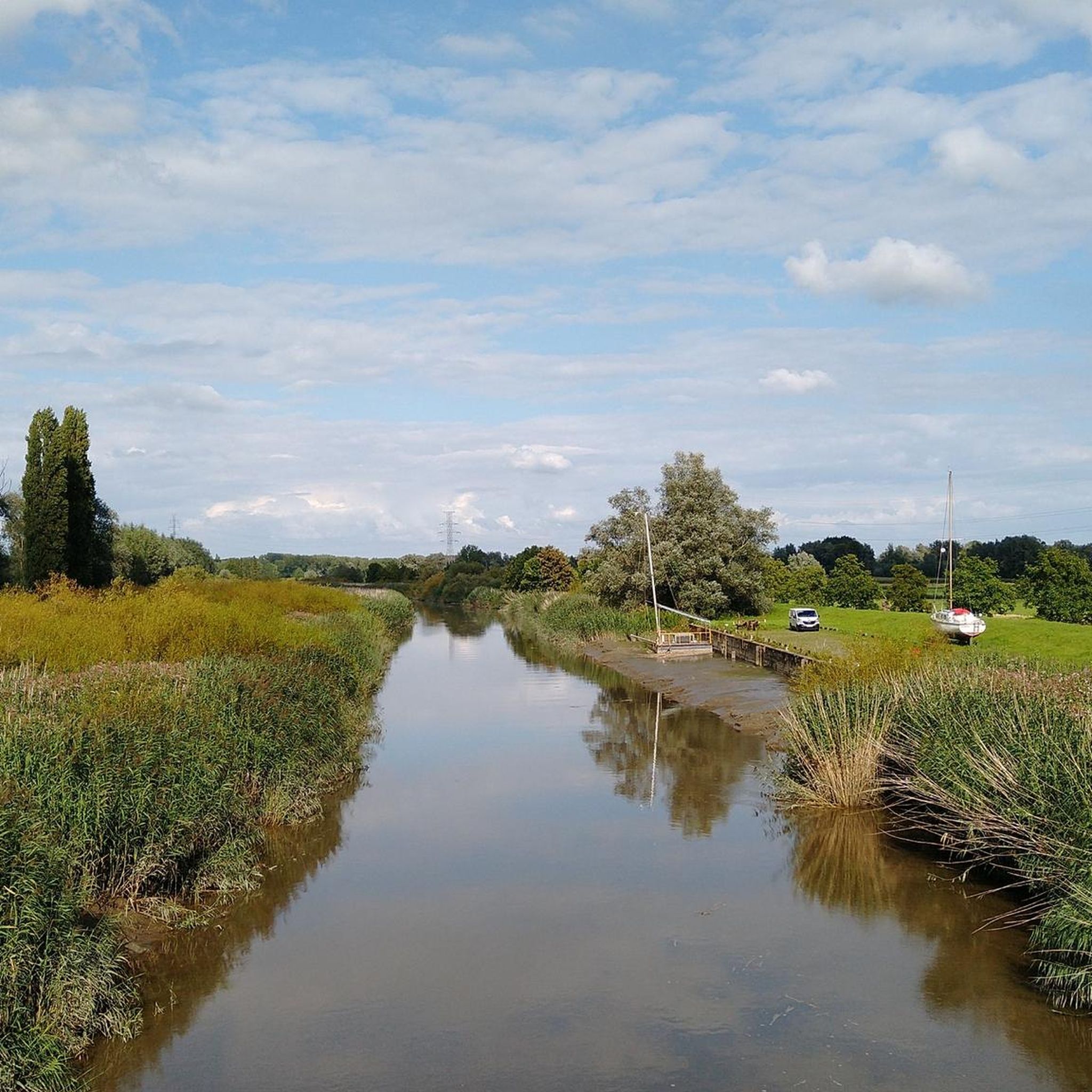
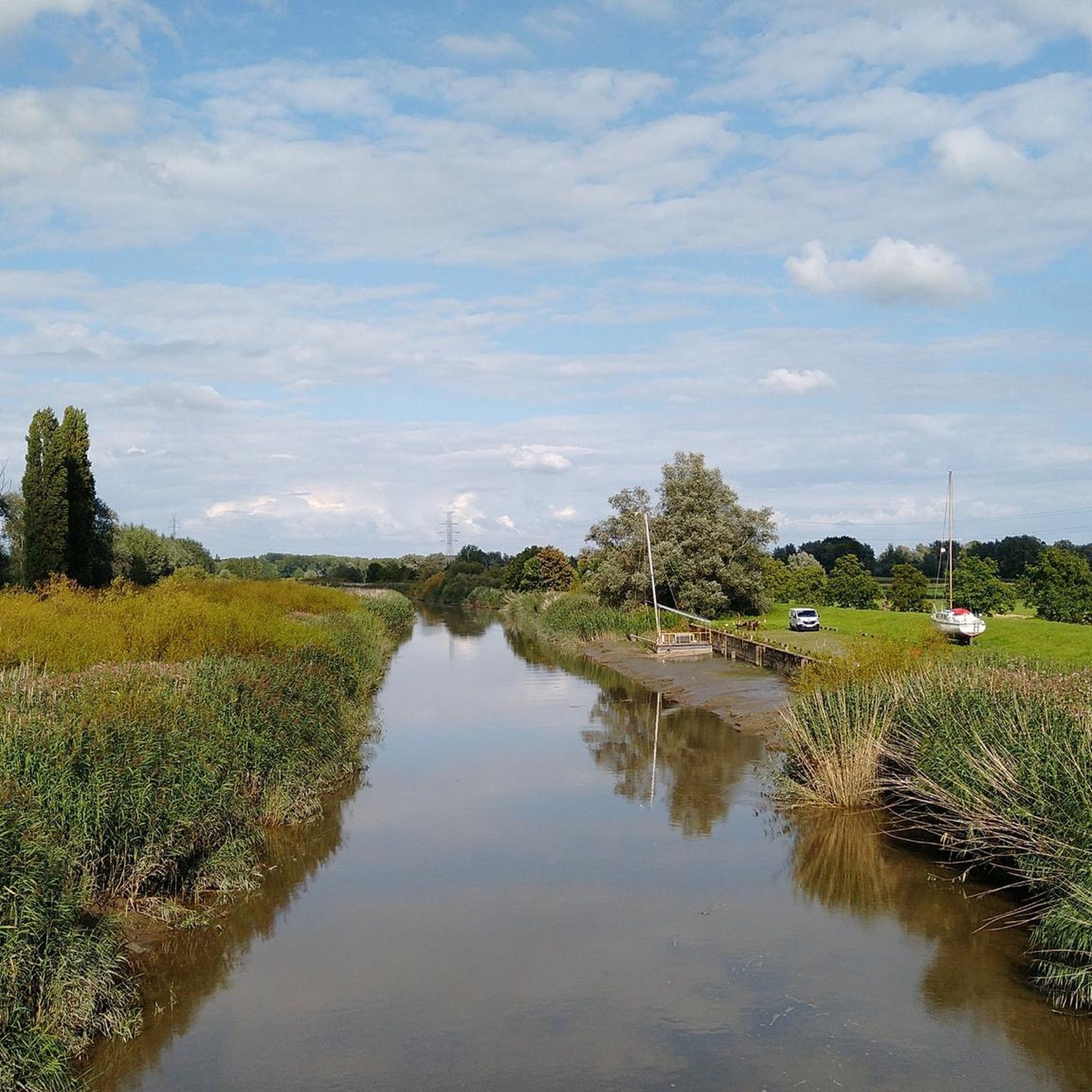
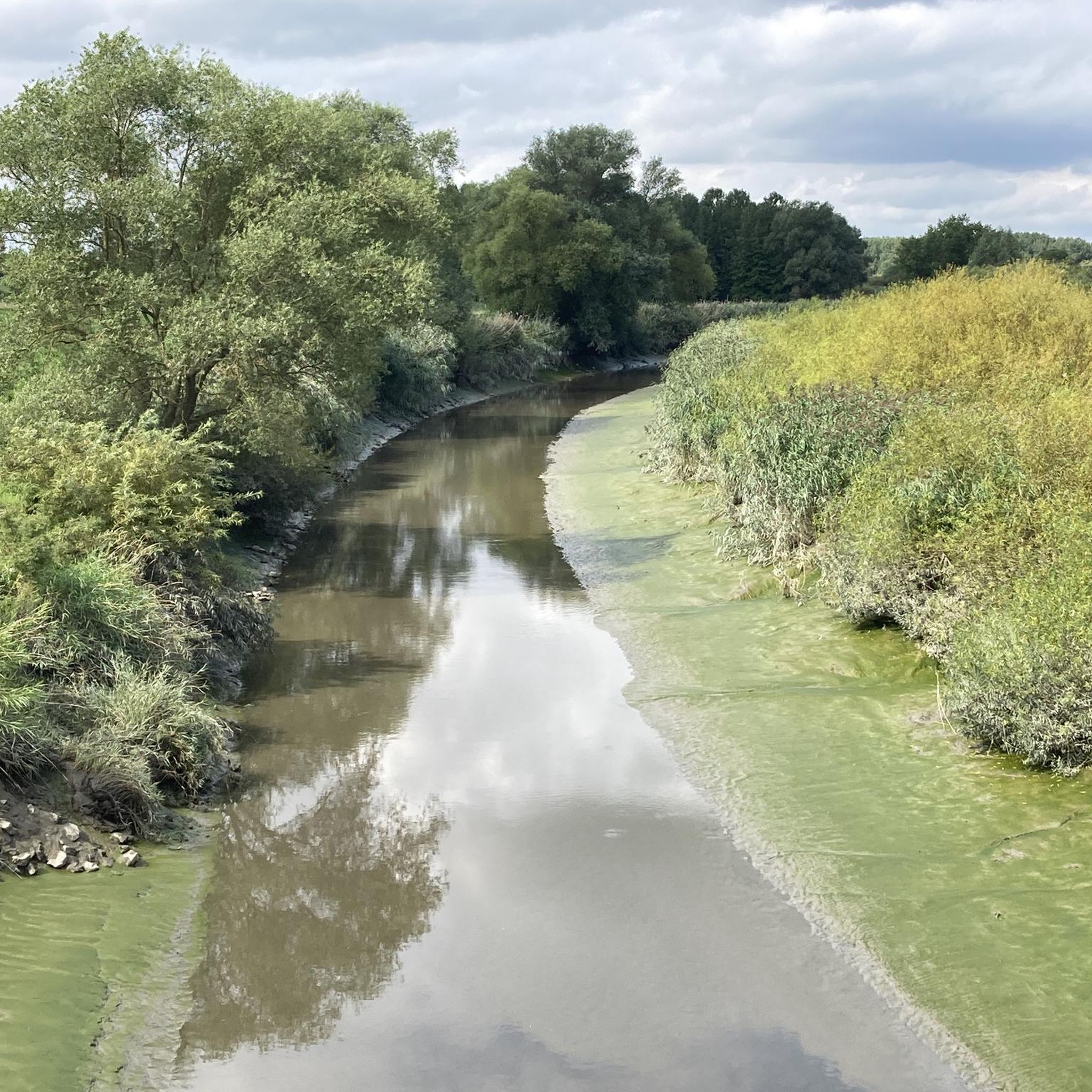
The Waasmunster Bridge, which carries the N446 over the Durme River in Waasmunster, is an old bridge in urgent need of replacement. The work was scheduled to run from autumn 2025 to the end of 2026. However, by the time I passed by at the end of October 2025, it had not yet begun. Legal proceedings before the Council for Permit Disputes appear to be delaying the process. The current bridge has been in place since 1931, and although the superstructure was rebuilt in 1950 after being destroyed during World War II, it is no longer in good condition. The steel structure exhibits significant corrosion damage, which is affecting the bridge's supporting structure. The bridge deck itself is also in poor condition. As a result, a tonnage restriction (60 tons) is currently in effect on the N446. Furthermore, the bridge's substructure is nearing its end of life and is showing cracks. Besides the structural problems, road safety (the lack of separation between motorized traffic, cyclists, and pedestrians) is also a concern on the bridge. The situation under the bridge is also no longer aligned with current needs and insights. To reduce the risk of flooding, a bridge is needed that provides more space for the river and nature. Sources: wegenenverkeer.be & vrt.be/vrtnws
2
0

chapel situated in a completely open green area
0
0

The Chapel of St. Joseph was built in 1709 by order of Catharina de Clercq (1671-1743) on land owned by her father, fulfilling her mother's last wish. The devotion to St. Joseph stemmed from devotion and gratitude for the blessings received through his intercession. According to a document from 1719, the chapel was equipped with a "joeliealthaerken met sijn sculpterijje..." (Inventory of Immovable Heritage)
9
0

Between 1994 and 2015, twenty-two trees were planted in the park, symbolising laureates of the cultural prize. This annual municipal prize recognises an exceptional achievement or important contribution in the socio-cultural field. To honour them all, the twenty-two names are collected on a plaque on the wall of the castle and symbolically accompanied by a tree in the park. The 2018 laureate, Ivan Du-Tré, also features on this commemorative element. He was honoured as the author of the book 'Waasmunster in the Great War', a thorough reference work with short stories about life in our municipality during WWI. Source: information board on site
4
0
In five places in the Waasland (Lokeren, Waasmunster, Sint-Niklaas and 2 x Beveren) monuments have been placed in recent years that honour forgotten women (in a history dominated by men), who in one way or another left their mark on the region. Here: Clara-Maria Cocquyt. From farmer's daughter to maid and kitchen helper, the young Clara-Maria Cocquyt (1895-????) had a lot to offer, but growing up in a modest farming family, she did not have the opportunities to seize. When she was 14, she started as a maid here in Blauwendael Castle, with Baron Emile de Neve de Roden. Every day she got up early to clean the stoves and keep the house tidy ... It was quite hard work! She soon learned that there was a hierarchy among the staff, with all the consequences that entailed. Fortunately, Clara-Maria was an eager girl who fought back. In 1917, she exchanged her job as a maid for a better position as a kitchen helper in another castle. There she served for many years at the side of her future husband, who was a servant there. Source: information board on site
4
0
The Antwerp-born composer Lodewijk Mortelmans was a pupil of Peter Benoit. In 1893 he won the coveted Rome Prize (an incentive prize for young artists that was first awarded in 1666) with the cantata Lady Macbeth. After Peter Benoit's death in 1901, Mortelmans was a candidate to succeed him as (second) director of the Royal Conservatory of Antwerp. He missed out, but 23 years later he was finally awarded that position (as fourth). After his retirement he retired to Waasmunster where he continued composing piano music, orchestrating earlier songs, arranging folk songs and writing a manual for counterpoint. He died in 1952 (in ... Antwerp). Source: Study Centre Flemish Music
5
1
Ontrop was best known for his conducting of religious music by Palestrina, Lassus and Schütz, but also Benoit, Ryelandt and Tinel. He was one of the co-founders of the Maatschappij der Concerten van Gewijde Muziek at the beginning of the 20th century. In 1906, Ontrop gave the first performance in Belgium of Bach's St. John Passion. However, it was mainly as a song composer that he made a splash. He composed a whole series of songs, both on his own text and on poems by Karel van de Woestijne and Guido Gezelle, among others. Source: https://www.svm.be/componisten/ontrop-lodewijk
5
0
Frequently Asked Questions
What kind of natural landscapes and outdoor activities can I find in the Durmemeersen region?
Durmemeersen is characterized by diverse natural landscapes, including extensive nature reserves, tranquil polder areas, and forests, particularly around the confluence of the Dender and Scheldt rivers. You can enjoy numerous walking and cycling routes, explore serene forest sections like Buggenhoutbos, and follow river paths along the Scheldt and Dender. The region is also a gateway to the Scheldt Valley National Park, offering vast cycling and walking networks.
What historical landmarks and cultural sites are there to explore in Durmemeersen and nearby Dendermonde?
The region offers a rich blend of history and culture. In Dendermonde, you can visit the UNESCO World Heritage Site of the Dendermonde Town Hall and Belfry, the 15th-century Vleeshuis (Meat House Museum) which houses a mammoth skeleton, and the 13th-century Onze-Lieve-Vrouwekerk (Church of Our Lady) featuring paintings by Anthony van Dyck. Another UNESCO site is the St. Alexius Beguinage. Within Durmemeersen, you can explore historical sites like Blauwendael Castle with its public park, and the Saint Joseph Chapel 1709, a typical road chapel representing ancient private worship.
Are there family-friendly attractions or activities in Durmemeersen?
Yes, Durmemeersen offers several family-friendly options. The public park associated with Blauwendael Castle is ideal for leisurely walks with its ornamental pond and old trees. Many of the natural park's walking and cycling routes are suitable for families. Additionally, the Bust of Lodewijk Ontrop is an accessible monument that can be part of a family stroll.
Are there easy hiking trails available in Durmemeersen?
Absolutely. Durmemeersen is known for its tranquil polder landscapes and river paths, offering many accessible walking routes. You can find easy hikes such as the 'View of the Oude Durme River – The Water Mill loop' or 'The Durmemeiersen Art Route – Saint Joseph Chapel 1709 loop'. For more options, explore the dedicated guide for Easy hikes in Durmemeersen.
What cycling or mountain biking opportunities are there near Durmemeersen's attractions?
The Durmemeersen region provides excellent opportunities for cycling and mountain biking. You can explore routes like the 'Donkmeer – Zele Dijk Pathway loop' for gravel biking or 'Waasmunster Singletracks – Waasmunster Bike Park loop' for mountain biking. The Scheldt Ferries Bicycle Trail is also a popular option for scenic rides. For detailed routes, check out the guides for Gravel biking in Durmemeersen and MTB Trails in Durmemeersen.
What is the significance of the Clara-Maria Cocquyt Monument?
The Clara-Maria Cocquyt Monument is one of several monuments placed in the Waasland region to honor forgotten women who left their mark on the area. It tells the story of Clara-Maria Cocquyt, who worked as a maid in Blauwendael Castle and later became a kitchen helper, highlighting her resilience and determination.
Is there a unique cultural event associated with Dendermonde?
Yes, Dendermonde is famous for the 'Ros Beiaard' procession, a legendary horse procession that takes place every ten years. This event is deeply embedded in the city's cultural heritage, with the next one scheduled for May 2030.
What is the best time of year to visit Durmemeersen for outdoor activities?
The spring and autumn months generally offer pleasant weather for outdoor activities in Durmemeersen, with milder temperatures and beautiful natural scenery. Summer can also be enjoyable, especially for cycling along the rivers. Winter offers a different, quieter charm, though some paths might be muddy.
Are there any unique transportation experiences in the area?
Yes, for a unique experience, you can take a ride on the Dendermonde-Puurs Steam Train, offering a nostalgic journey through the landscape.
Where can I find information about local amenities like cafes or accommodation near Durmemeersen?
While specific cafes and accommodation are not detailed in this guide, the town of Dendermonde, being a central hub for the region, offers various options. You can find more general visitor information for Dendermonde at visitacity.com.
What are some of the natural features related to the rivers in Durmemeersen?
The Durmemeersen region is defined by the confluence of the Dender and Scheldt rivers. This creates diverse landscapes including extensive nature reserves, polder areas, and forests. You can explore local green spaces like the Vlassenbroek polder, Grembergen Broek Scheldevallei, and the Oude Schelde-arm, all shaped by these significant waterways.
Most popular routes in Durmemeersen

Get inspired with the komoot mobile app


Explore more
Still not found the Highlight you’re looking for? See guides of the top attractions in other regions:
