Top 8 Castles around Elbe-Parey
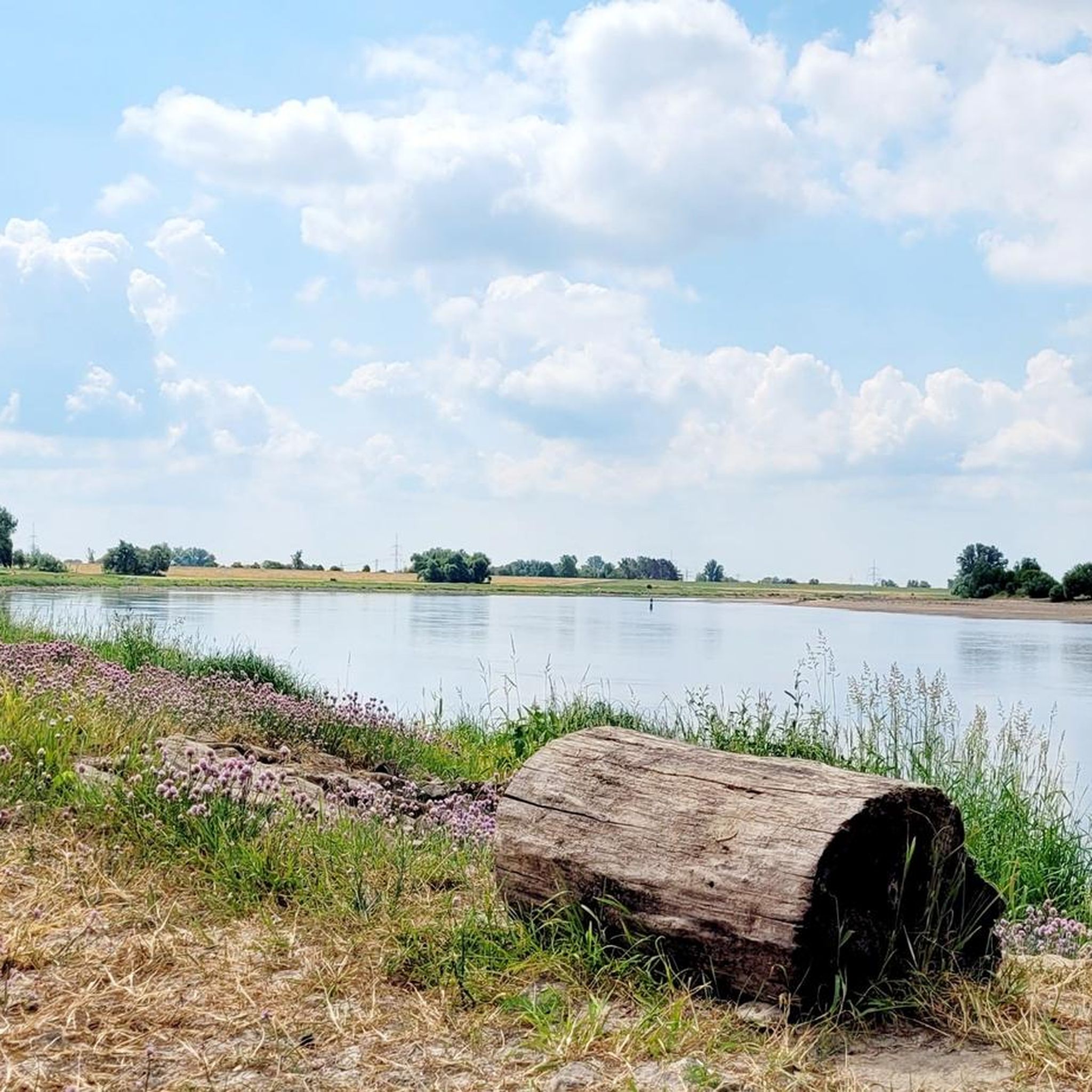
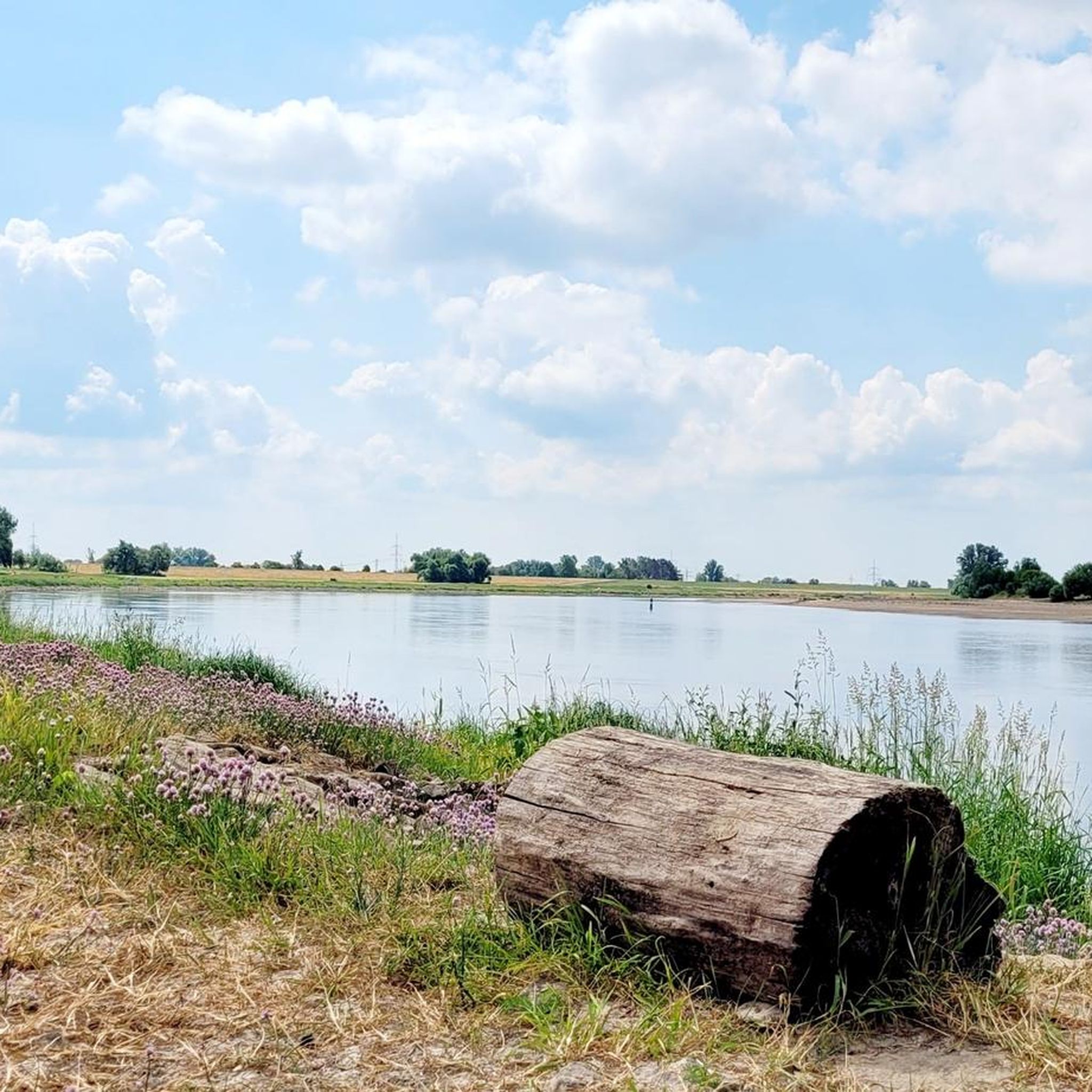
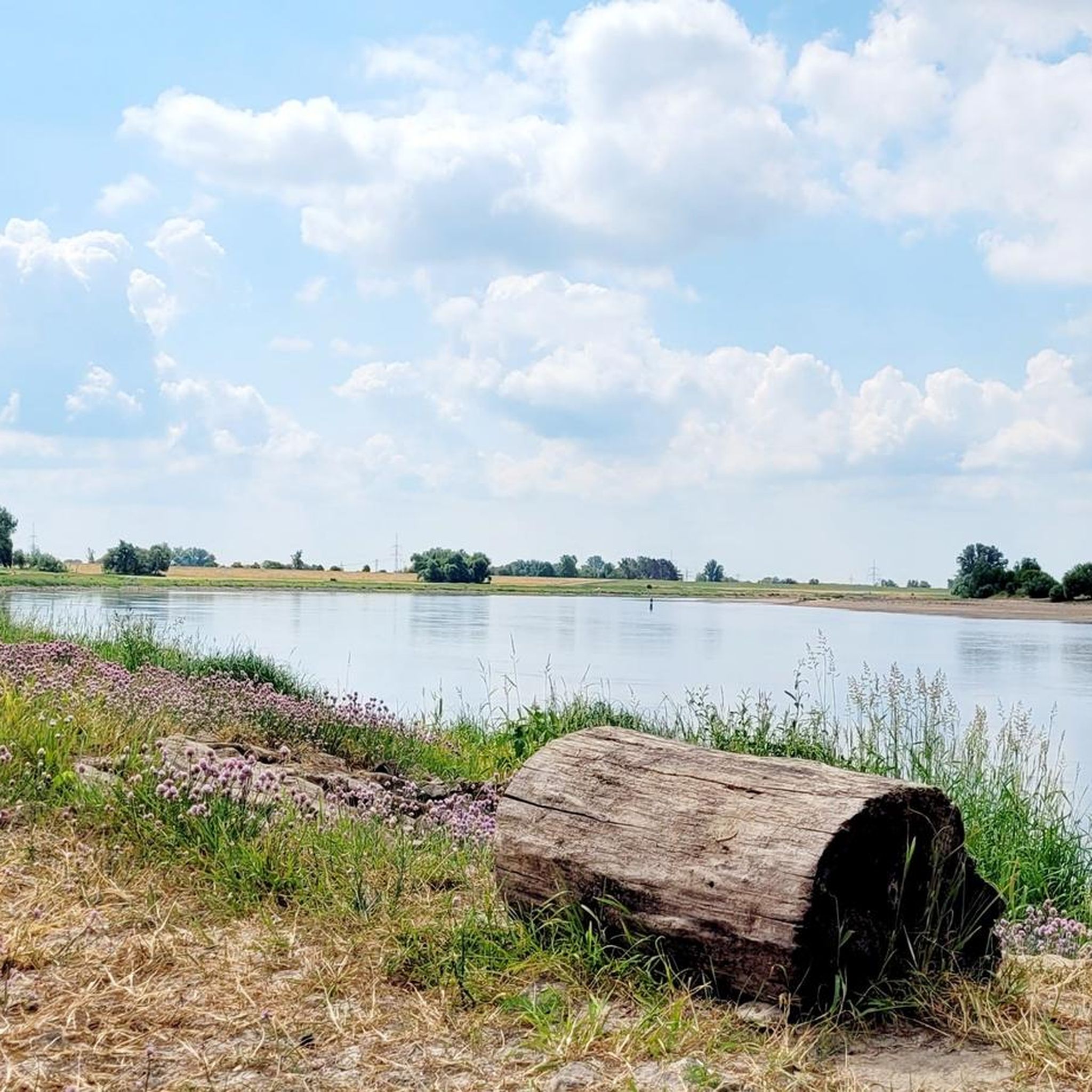
Best castles around Elbe-Parey are found within a landscape characterized by the Elbe floodplains and historical significance. This region offers a collection of historical sites, including manor houses and castle ruins. The area provides insights into local history and architectural styles. Visitors can explore these structures within a tranquil natural setting.
Best castles around Elbe-Parey
- The most popular castles is Zerben Castle, a castle that is a historic manor house often referred to as the Plotho Castle. It is…
Last updated: July 6, 2026
Tangermünde Old Town
Highlight • Settlement
Translated by Google •
Tip by

Zerben Castle
Highlight • Castle
Translated by Google •
Tip by

Sign up now to discover places like this
Get recommendations on the best single tracks, peaks, & plenty of other exciting outdoor places.
Sign up for free
Briest Castle and Chapel
Highlight • Castle
Translated by Google •
Tip by

New Castle Tangerhütte
Highlight • Castle
Translated by Google •
Tip by

Tangermünde Coffee Roastery
Highlight • Cafe
Translated by Google •
Tip by

Sign up for free to discover even more castles around Elbe-Parey.
Sign up for free
Already have an account?
Start today with a free account
Your next adventure awaits.
Login or Signup

Tips from the Community

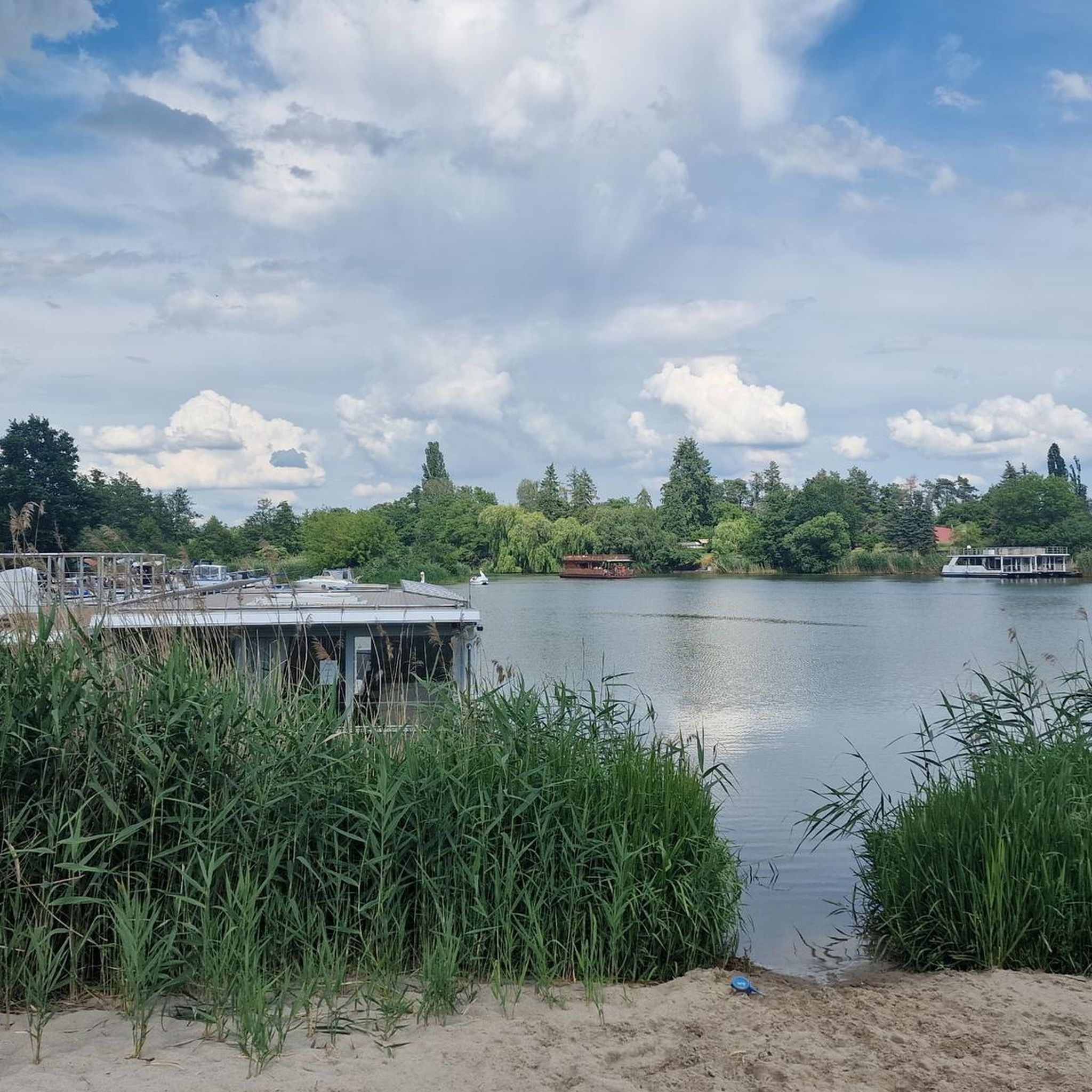
When roasting raw coffee, time and temperature are the decisive components. Each variety requires an individual process to develop its flavor characteristics. With extensive experience, passion, and respect, master roaster Sven Döbbelin succeeds in creating optimal conditions for his hand-picked premium coffees. In a gentle long-term roast, he coaxes out their natural aromas and brings them into a harmonious relationship with the roasted aromas.
1
0

Briest Manor was built in 1624 and rebuilt in 1839 after a fire. It is considered one of the last remaining aristocratic residences of its kind in Northern Germany.
3
0

The castle (open only on special occasions) and the park are beautiful and recommended as a running route.
2
0

The area is freely accessible.
0
0

In 1873, the owner of the hut had a palace built as his residence in the middle of the park, today's "Old Palace." This palace surrounds a park landscape with a swan pond, a sculpted section with a waterfall, and a mausoleum. To mark the marriage of Franz Wagenführ's son, the owner of the hut had a new palace built in the park between 1909 and 1911. In this context, the park was also expanded to include a courtyard of honor, a parterre with a pergola, a pond, and a lidded vase rondel. The "New Palace," built in the Italian style, is located in the southeastern part of the park.
4
0

Zerben Castle, also called Plotho Castle, is a manor house in Zerben in Saxony-Anhalt.
0
0

Fragment of a three-winged castle, built under Wolfgang von Plotho 1874-1879. Demolished in the 1960s, currently being gradually restored
0
0

The two castles remained the residence of the Wagenührs von Arnim until the middle of the 20th century. At the end of the Second World War, the family fled from the Red Army in 1945. In the GDR, the “New Castle” was used as a retirement home. In 1996 it came into the possession of the city.
0
0
Frequently Asked Questions
What are the most historically significant castles and sites around Elbe-Parey?
The region offers several historically significant sites. Zerben Castle is notable as the birthplace of Elisabeth von Plotho, the inspiration for Theodor Fontane's novel "Effi Briest." Briest Castle and Chapel, built in 1624, is considered one of the last remaining aristocratic residences of its kind in Northern Germany. Additionally, Hexenturm Tangermünde is an ancient defense tower from the 11th/12th centuries with a history as a women's prison.
What makes Schloss Zerben unique among the castles in the region?
Schloss Zerben is particularly famous as the birthplace and childhood home of Elisabeth von Plotho, the real-life inspiration for Theodor Fontane's world-renowned novel "Effi Briest." Visitors can explore its history through tours and exhibitions that recount the scandal surrounding her life. The castle itself is a beautifully restored manor house, originally a half-timbered structure converted into a classical complex with Renaissance-style gables, set within a tranquil Elbe floodplains landscape. You can even find a swing next to the castle, famously depicted in the film adaptation of "Effi Briest," and a walkable sundial dedicated to Fontane.
Are the castles around Elbe-Parey suitable for families?
Yes, several sites offer family-friendly aspects. For instance, Briest Castle and Chapel is listed as family-friendly, offering a glimpse into historical architecture. Hexenturm Tangermünde, with its deep dungeon and historical context, can also be an engaging visit for older children. The natural surroundings of many castles, like Schloss Zerben, also provide space for families to enjoy the outdoors.
Can I visit Schloss Zerben, and what should I expect?
Yes, Schloss Zerben is open to the public after extensive restoration. It functions as a memorial and museum, offering regular opening hours and guided tours by appointment. You can expect to see exhibition pieces and loaned items from the von Plotho family, learning about Elisabeth von Plotho and the "Effi Briest" story. The castle also hosts civil wedding ceremonies and features a walkable sundial dedicated to Fontane. It's situated in a beautiful park overlooking the Elbe, making it a pleasant place for a stroll.
What kind of natural scenery can I expect when visiting castles near Elbe-Parey?
The castles around Elbe-Parey are often nestled within the picturesque Elbe floodplains and park landscapes. For example, Schloss Zerben is located at the edge of a park overlooking the Elbe, offering tranquil views. The region's natural setting provides a peaceful backdrop for exploring these historical structures, with opportunities to enjoy the surrounding nature.
What is the best time of year to visit the castles around Elbe-Parey?
Visiting during spring or autumn is generally recommended. These seasons offer pleasant weather for exploring the castle grounds and surrounding natural landscapes without the extreme heat of summer or the cold of winter. The Elbe floodplains are particularly beautiful during these times, with blooming flora in spring and vibrant colors in autumn.
How long should I plan for a visit to the castles in the area?
For individual castles like Schloss Zerben, you might spend 1-2 hours, especially if you take a guided tour. If you plan to visit multiple sites like Briest Castle and Chapel and Hexenturm Tangermünde, a full day would allow for comfortable exploration and travel between locations.
Are there opportunities for cycling near the castles?
Yes, the Elbe-Parey region offers various cycling routes that can take you near some of these historical sites. You can find routes like the 'View of the Elbe River – Jerichow Monastery loop from Elbe-Parey' or the 'Elbe-Havel Canal – Elbe-Havel Cycle Route loop from Parey'. For more options, explore the Cycling around Elbe-Parey guide.
Can I find hiking trails around the castles in Elbe-Parey?
While specific hiking trails directly around each castle might vary, the region's natural setting, particularly the Elbe floodplains, provides opportunities for walks. For more structured outdoor activities, you can look into MTB trails in the wider area, such as the 'Jerichow Monastery – Eulenturm (Owl Tower), Tangermünde loop from Redekin'. For detailed routes, check the MTB Trails around Elbe-Parey guide.
What is the history behind Briest Castle and Chapel?
Briest Castle is a stately home built in 1624, considered one of the last remaining aristocratic residences of its kind in Northern Germany. It was constructed by Christoph von Bismarck and his wife Dorothea II von derschulenburg on the foundations of an old moated castle. The adjacent chapel, built in 1599, was the first Protestant chancel in the Altmark. The estate remained in the von Bismarck family for 600 years until 1945 and was reacquired and redeveloped by them after German reunification.
What is the significance of Hexenturm Tangermünde?
Hexenturm Tangermünde is a historical defense tower dating back to the 11th/12th centuries. Originally square, it was later reshaped into a cylindrical form in the 15th century after the invention of gunpowder to offer less attack surface. Beyond its defensive role, it was notably used as a women's prison and features a deep dungeon, adding to its intriguing and somewhat somber history.
Are there any unique features at New Castle Tangerhütte?
New Castle Tangerhütte was built between 1907 and 1909 for Robert Wagenführ, within a 12-hectare park laid out in the Lenné-Mayer style. This park is now recognized as one of the most beautiful in Saxony-Anhalt. The castle, along with the 'Old Castle,' served as the residence for the Wagenführs von Arnim family until 1945. After being used as a retirement home during the GDR era, it came into the possession of the city in 1996, preserving its historical and architectural significance within its impressive park setting.
Most popular routes around Elbe-Parey
Most popular attractions around Elbe-Parey

Get inspired with the komoot mobile app


Explore more
Looking for the best castles somewhere else? Discover other guides around Elbe-Parey:
