Attractions and Places To See in Naturpark Südheide - Top 20
Best attractions and places to see in Naturpark Südheide include a diverse range of natural features, cultural sites, and historical landmarks. This large protected area in North Germany features a landscape shaped by the Ice Age, with gently rolling terrain, extensive forests, and picturesque heathlands. Visitors can explore unique natural formations like juniper forests and heath streams, alongside historic villages and monuments. The region offers a variety of experiences for those interested in its natural beauty and rich cultural heritage.
Best attractions and places to see in Naturpark Südheide
- The most popular attractions is Misselhorner Heath – Tiefental, an other natural feature that includes a deep dry valley created during the Ice Age. This area shows a particularly multifaceted landscape and is directly adjacent to the Misselhorner Heide.
- Another must-see spot is Lönsstein (Hermann Löns Memorial) on Wietzer Berg, a man-made monument. This memorial stone honors Hermann Löns, a famous heath poet, and is situated on the Wietzer Berg amidst idyllic heathland.
- Visitors also love Old Mill and Wading Spot on the Örtze, a man-made monument. This picturesque old watermill offers easy access to the Örtze river, inviting visitors to cool off, and houses a tourist information center.
- Naturpark Südheide is known for its natural features like heathlands and juniper forests, cultural sites such as historic villages, and historical landmarks. The region offers a variety of attractions to see and explore, from Ice Age formations to traditional architecture.
- The attractions in Naturpark Südheide are appreciated by the komoot community, with more than 1100 upvotes and over 300 photos shared.
Last updated: July 5, 2026
Misselhorner Heath – Tiefental
Highlight (Segment) • Natural
Although the deep valley is only a few hundred meters wide, it impresses with a unique panorama. In Tiefental held around 1860 the well-known missionary founder and Hermannsburg pastor Ludwig Harms sermons in this unique setting. An information board along the way of the Heidepanoramaweges gives a lot of information about this. Guided hikes in the footsteps of Ludwig Harms in Tiefental are also offered.
A guided panoramic hike through the Misselhorner Heide and Tiefental shows the picturesque heath landscape in all its diversity.
Translated by Google •
Tip by

Misselhorner Heath
Highlight • Natural
Translated by Google •
Tip by

Sign up now to discover places like this
Get recommendations on the best single tracks, peaks, & plenty of other exciting outdoor places.
Sign up for free
Lönsstein (Hermann Löns Memorial) on Wietzer Berg
Highlight • Monument
Showing Translation
Tip by

Rest area and water-treading spot at the old mill
Highlight • Monument
The tourist information center is located in the mill itself.
Translated by Google •
Tip by

Kettle in the Misselhorner Heath
Highlight • Natural Monument
Translated by Google •
Tip by

Sign up for free to discover even more attractions in Naturpark Südheide.
Sign up for free
Already have an account?
Start today with a free account
Your next adventure awaits.
Login or Signup
Popular around Naturpark Südheide
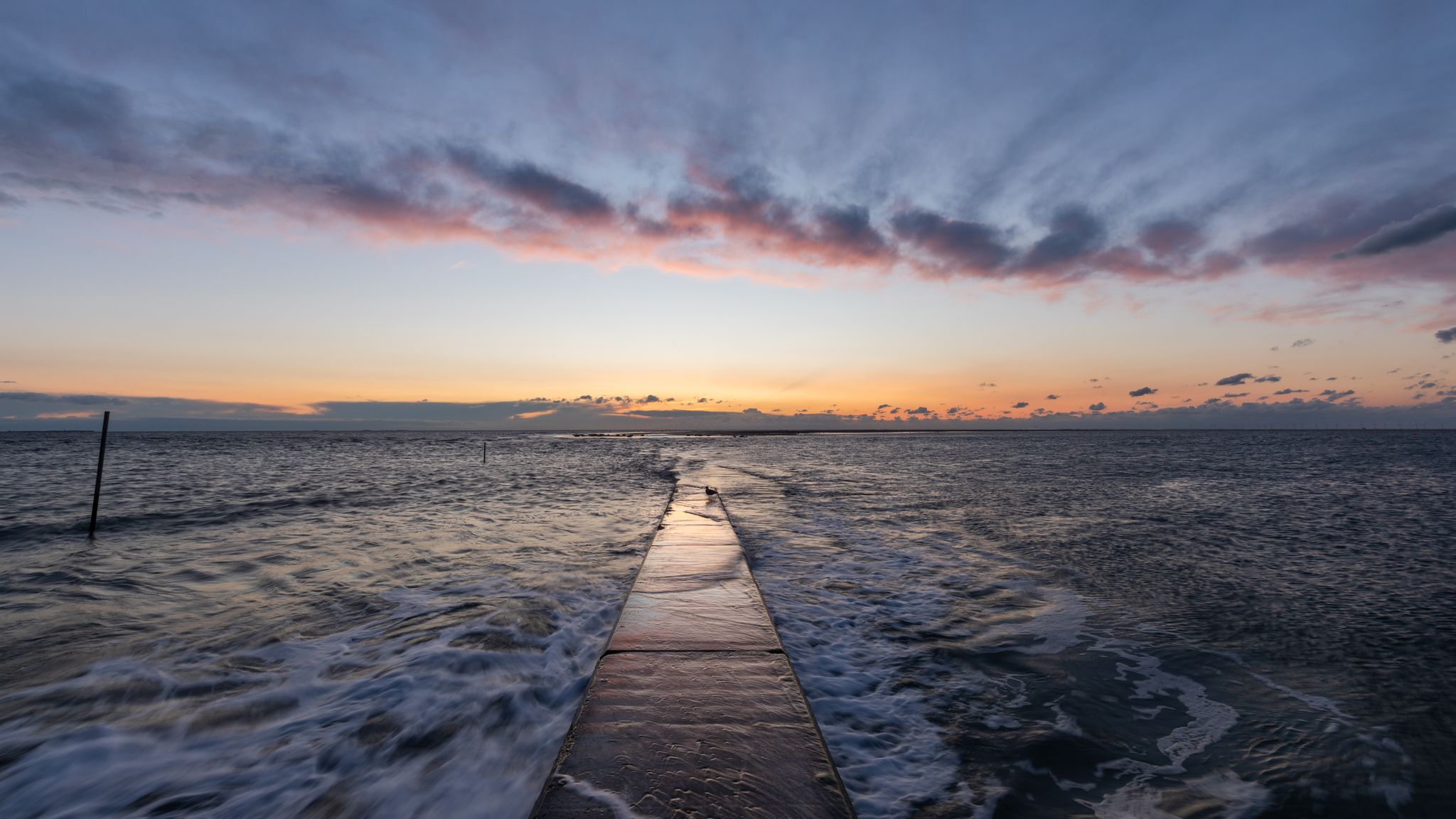
The National Natural Landscapes in Niedersachsen
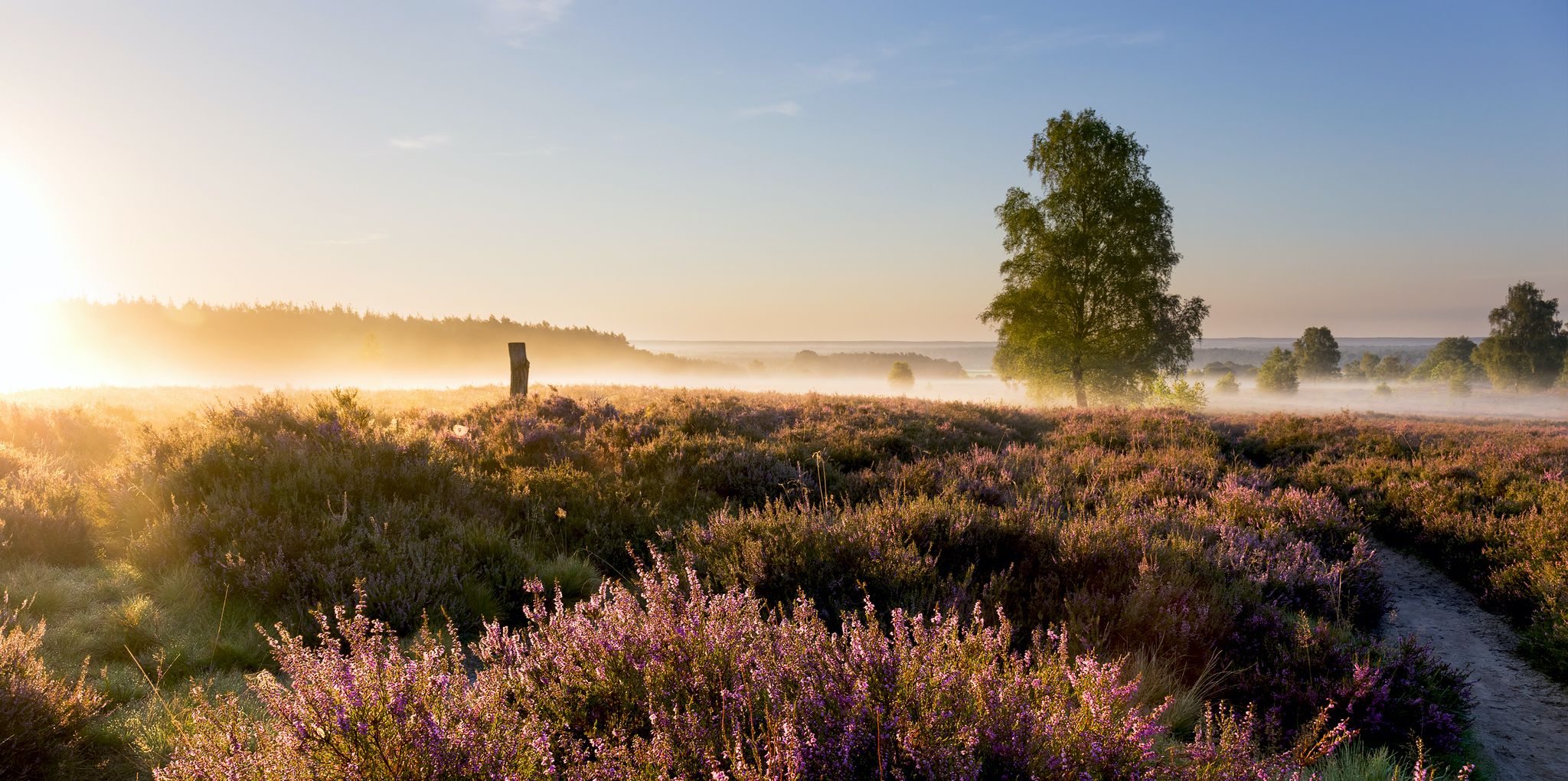
The most beautiful path high up in the north — the Heidschnuckenweg
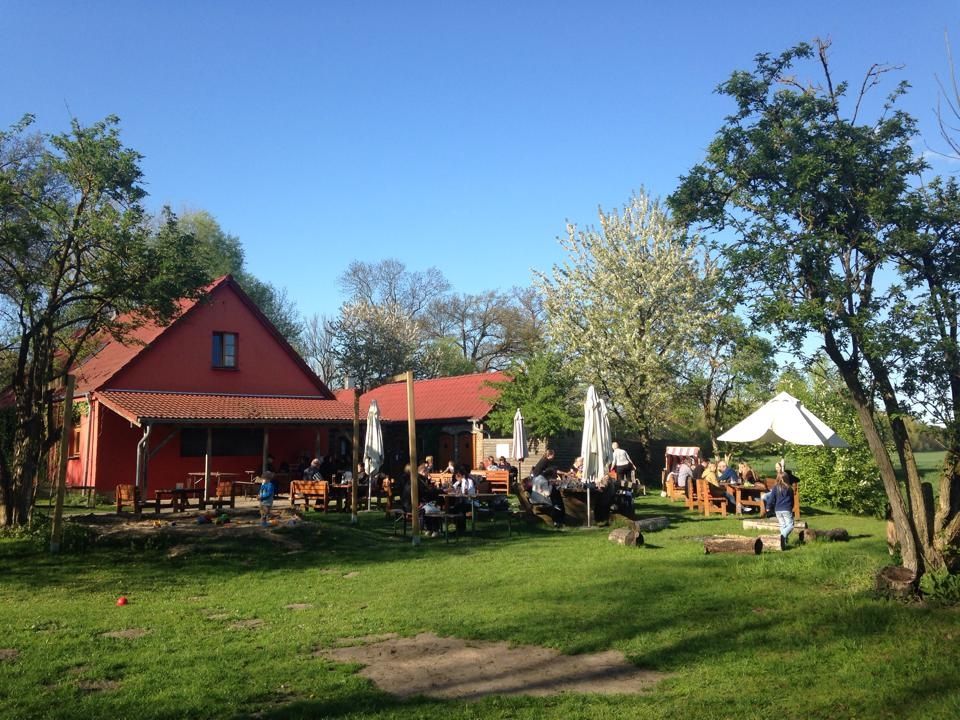
Farmer's shops — escape to the country
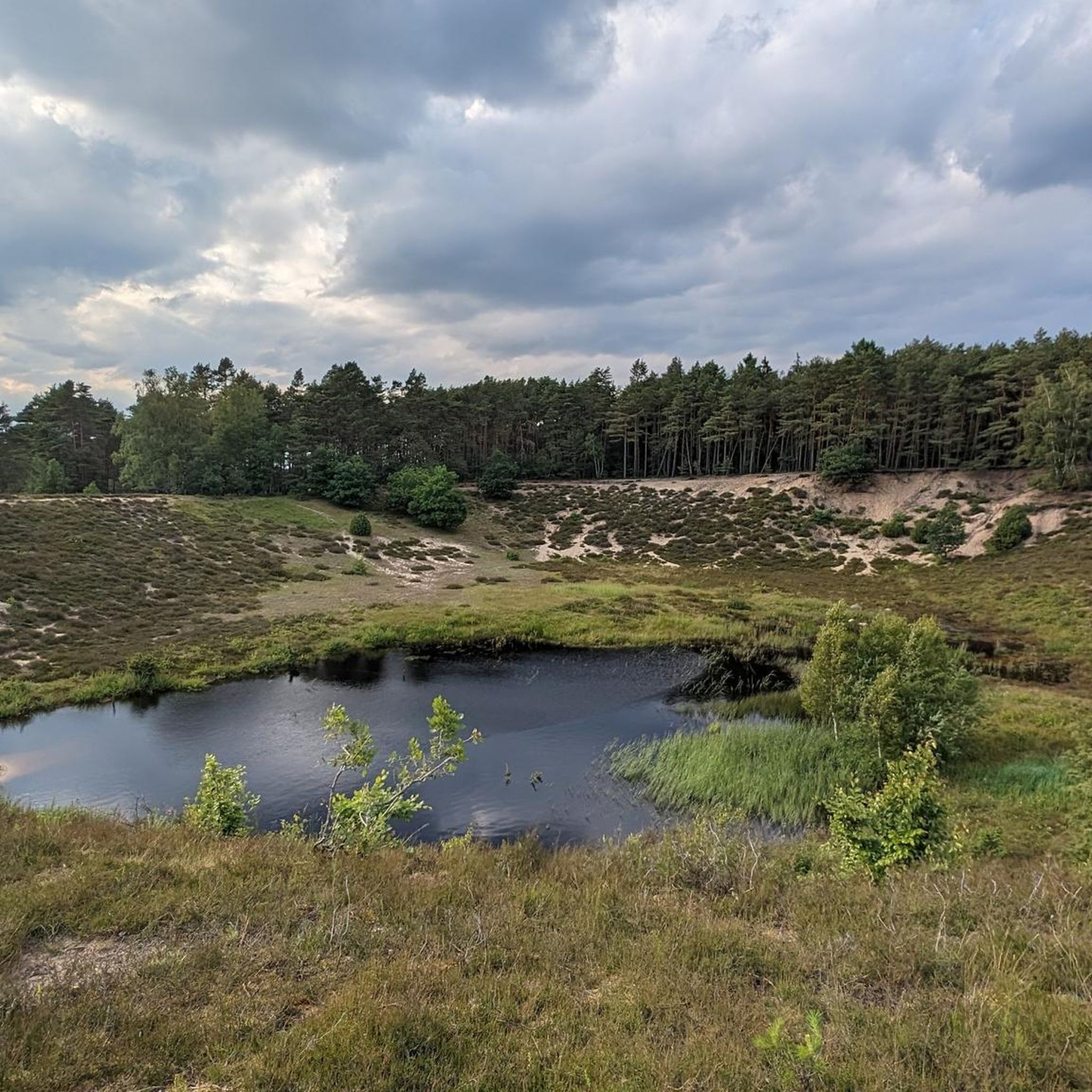
Hiking in Naturpark Südheide
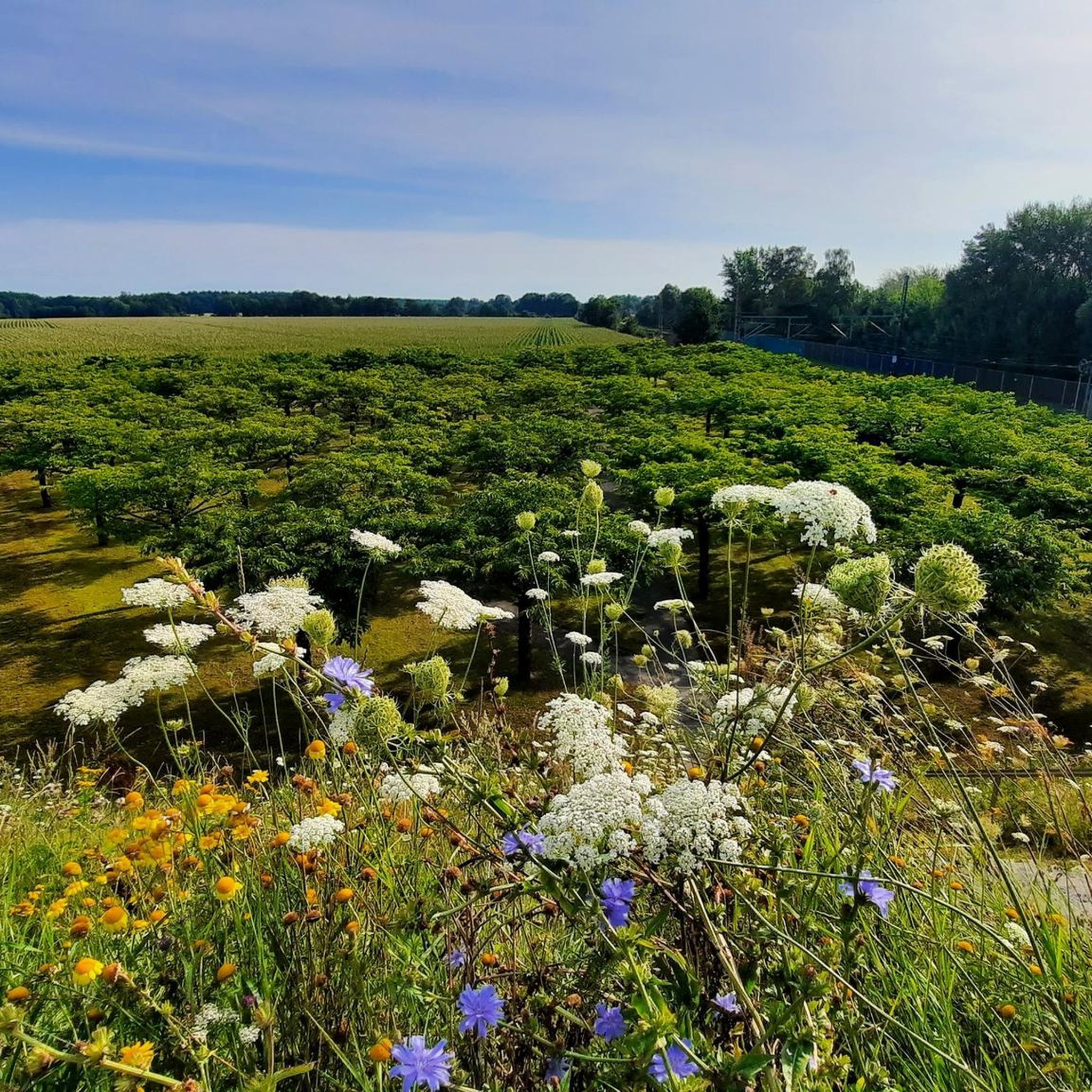
Cycling in Naturpark Südheide
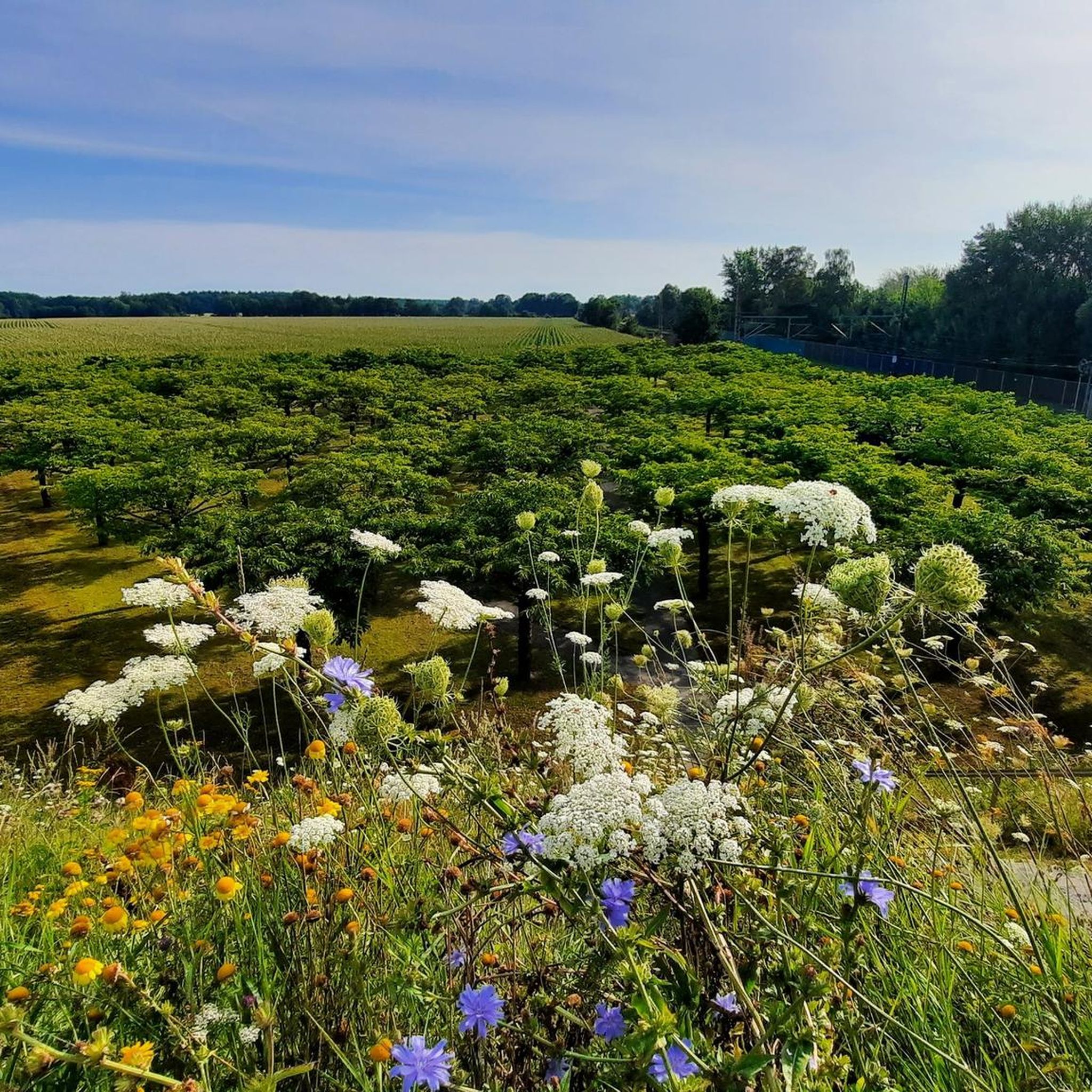
MTB Trails in Naturpark Südheide
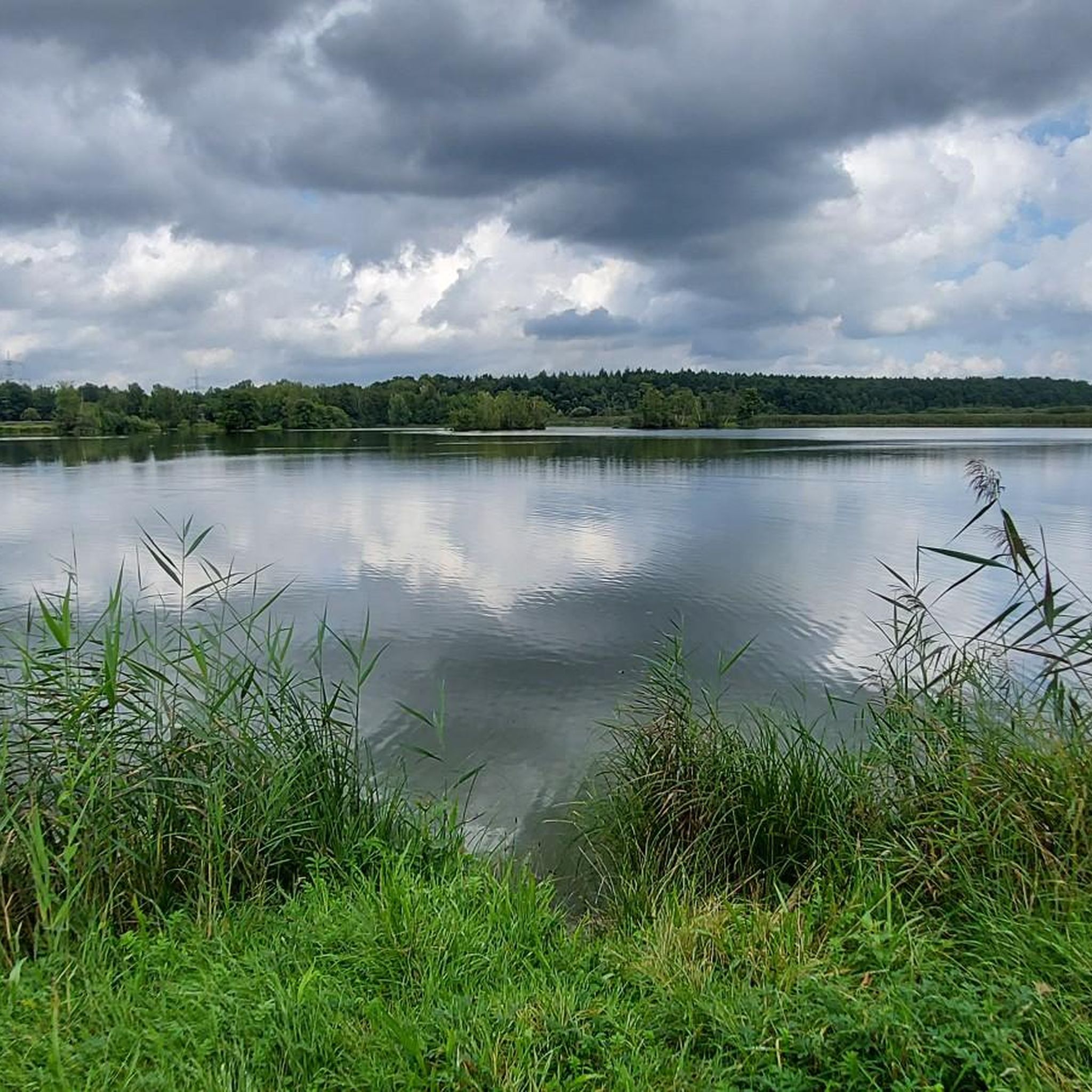
Road Cycling Routes in Naturpark Südheide
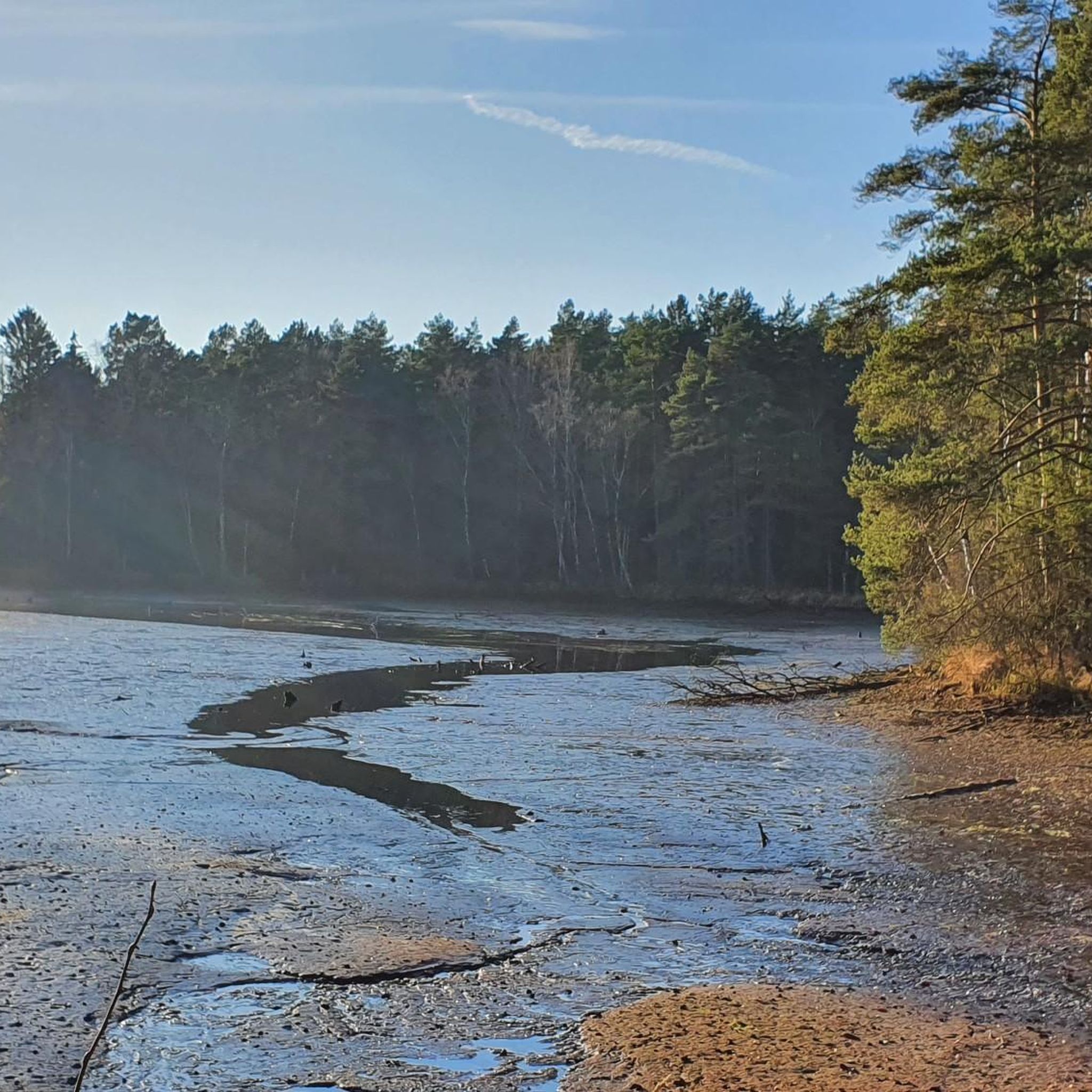
Running Trails in Naturpark Südheide

Gravel biking in Naturpark Südheide
Other adventures in Naturpark Südheide


Tips from the Community

After a wet period, a pond forms here in the hollow... but it often dries up in summer
1
0
Not only the historic mill is an eye-catcher, but the Örtze, flowing quietly at this point, is also very idyllic.
1
0

The Heidschnuckenweg also runs along here. All information about the Heidschnuckenweg can be found under the following link: www.heidschnuckenweg.de/etappen (as of August 27, 2024).
1
1

It's unusual to have such a large circular hole, it would be really interesting to know how it came about.
1
1

There is also a rest area at the water treading point.
2
1

Small landscape feature - and on the day of our hike everything is covered with fresh small sheep hoof prints, seems to be a popular grazing spot. 😄
2
1

Kneipp therapy is based on 5 pillars: water, exercise, nutrition, medicinal herbs and a balance between body and soul. Kneipp was not a natural healer for the rich. His advice is simple, can be implemented at home without great resources and effort, and is still sustainable. That is why they are so successful to this day, because they are suitable for everyone. With the water treatments, the pastor strengthens the body's self-healing powers. In addition, there is movement to give the body the necessary balance. When it comes to medicinal herbs, Kneipp trusts in the power of nature. He recommends unprocessed foods whenever possible. Mental balance, inner peace and the ability to relax are important therapy goals. In fact, in 1847 Kneipp was “on the edge of the grave” and, according to current knowledge, was suffering from tuberculosis. An old book about the healing powers of water became his lifesaver. He hiked to the Danube 2-3 times a week, dived into the cold water for 3-5 seconds and got well again. The pastor in Bad Wörishofen developed his five-pillar model based on his personal experiences. Nature gives you everything, because we bathe in nature. Breathe deeply in the forest, let yourself be captured by the silence of a forest, an ancient moor, taste delicious herbs and natural products. This is how you recharge your batteries. Anyone who eats healthy and natural food gathers vitality. Whoever gathers stillness gathers new strength, because "strength lies in stillness".
2
1
The narrow Misselhorn Heath and the adjoining Tiefental in the coniferous forest lie like a snail shell. The "red-legged wasp bee" also lives here, a so-called cuckoo bee: It does not store honey and lays its eggs in the nests of other bee species.
4
0
Frequently Asked Questions
What natural features define Naturpark Südheide?
Naturpark Südheide is characterized by its diverse landscape, shaped by the Ice Age. You'll find gently rolling terrain, extensive forests, and picturesque heathlands. Notable features include the unique deep dry valley of Misselhorner Heath – Tiefental, expansive heathlands like Oberoher Heide, and one of Europe's largest juniper forests, Wacholderwald Schmarbeck. The park also features idyllic heath streams, such as the near-natural Lutter stream.
Are there any unique natural landmarks to visit?
Yes, beyond the general heathlands, you can visit the Misselhorner Heath – Tiefental, a deep dry valley formed during the Ice Age, offering a unique panorama. Another interesting spot is the Kettle in the Misselhorner Heath, a small landscape feature within the heathland.
What historical sites can I explore in Naturpark Südheide?
The region offers several historical sites. You can visit the Lönsstein (Hermann Löns Memorial) on Wietzer Berg, honoring the famous heath poet. The village of Hermannsburg is known for the mission founded by pastor Ludwig Harms, with the Ludwig-Harms-Haus detailing its history. Müden (Örtze) features the historic St. Laurentius Church with its freestanding wooden bell tower, and the Alter Friedhof (Old Cemetery) serves as a memorial site for poetess Felicitas Rose and artist Fritz Flebbe.
Are there family-friendly attractions in Naturpark Südheide?
Many attractions in Naturpark Südheide are suitable for families. The Misselhorner Heath – Tiefental and the Kettle in the Misselhorner Heath are great for exploring nature. The Old Mill and Wading Spot on the Örtze provides easy access to the river for cooling off, which is popular with families. Many hiking trails, especially the themed and adventure trails, are also designed to be engaging for all ages.
What kind of wildlife can I expect to see?
Naturpark Südheide is home to diverse wildlife. You might encounter the iconic Heidschnucke (heathland sheep) herds, which play a vital role in preserving the heathlands, particularly in areas like Misselhorner Heide and Wacholderwald. The near-natural Lutter stream is a habitat for over 160 endangered plant and animal species, including the freshwater pearl mussel, otters, and black storks.
Where can I experience the traditional heathland culture?
To experience traditional heathland culture, visit the historic villages of Hermannsburg and Müden (Örtze), which have preserved much of their original charm with traditional half-timbered houses. The Ludwig-Harms-Haus in Hermannsburg offers insights into the mission's history. You can also visit local history museums such as the Heimatmuseum Hermannsburg or the Winser Museumshof in Winsen.
What are the best hiking opportunities in the park?
The Naturpark Südheide boasts an extensive 400-kilometer network of hiking trails. This includes 23 themed trails, such as 'Im Reich der Heidschnucken' (In the Kingdom of the Heathland Sheep), and five adventure trails. For easy hikes, consider routes like the 'Misselhorner Heath – Tiefental loop from Weesen' or the 'Lindestein Memorial – Lönsstein Memorial loop from Müden (Örtze)'. You can find more options on the Easy hikes in Naturpark Südheide guide.
Are there cycling routes available?
Yes, cycling is a popular activity in Naturpark Südheide. There are various routes, including the 'Magische Orte' (Magical Places) cycling tour around Eschede, which combines country living and local history with art objects. For more cycling options, you can explore routes like the 'Misselhorner Heath – Tiefental Heath Area loop from Unterlüß' or the 'Müden Wedding Tree Avenue – Wading pool on the Weesener Bach loop from Müden (Örtze)'. Discover more on the Cycling in Naturpark Südheide guide.
When is the best time to visit Naturpark Südheide?
The Naturpark Südheide is beautiful year-round, but it truly transforms during late summer, specifically August and September, when the heath blooms with vibrant purple heather. Autumn also offers colorful foliage in the forests and moors. Spring brings fresh greenery, and even winter has its charm with quiet, frosty landscapes.
Are there any accessible attractions for visitors with mobility needs?
The Old Mill and Wading Spot on the Örtze is noted as being wheelchair accessible, offering easy access to the river. While many natural trails might be challenging, efforts are often made to provide accessible paths in key visitor areas. It's advisable to check specific trail conditions for the most up-to-date accessibility information.
What are some lesser-known or 'hidden gems' in the park?
Beyond the main highlights, consider exploring the 'Magische Orte' (Magical Places) around Eschede, which are art installations by local artists integrated into the landscape. The Wacholderwald Schmarbeck, one of Europe's largest juniper forests, offers a striking natural contrast and a peaceful experience away from more crowded spots. The various local history museums also provide deeper insights into the region's heritage.
What do visitors enjoy most about Naturpark Südheide?
Visitors particularly enjoy the serene beauty of the heathlands, especially during the heather bloom. The unique geological formations like the Tiefental and the opportunity to spot Heidschnucke sheep are also highly appreciated. Many find the blend of natural landscapes with historical sites, such as the Lönsstein Memorial and the Old Mill on the Örtze, to be a captivating experience. The extensive network of well-maintained hiking and cycling trails also receives positive feedback.
Can I find places to cool off or relax by the water?
Yes, the Old Mill and Wading Spot on the Örtze provides easy access to the Örtze river, inviting visitors to cool off their feet in the shallow water. The park is also characterized by idyllic heath streams like the Lutter, offering picturesque spots for relaxation by the water's edge.
Most popular routes in Naturpark Südheide
Most popular attractions in Naturpark Südheide

Get inspired with the komoot mobile app


Explore more
Still not found the Highlight you’re looking for? See guides of the top attractions in other regions:
