Attractions and Places To See in Dänikhorster Moor - Top 7
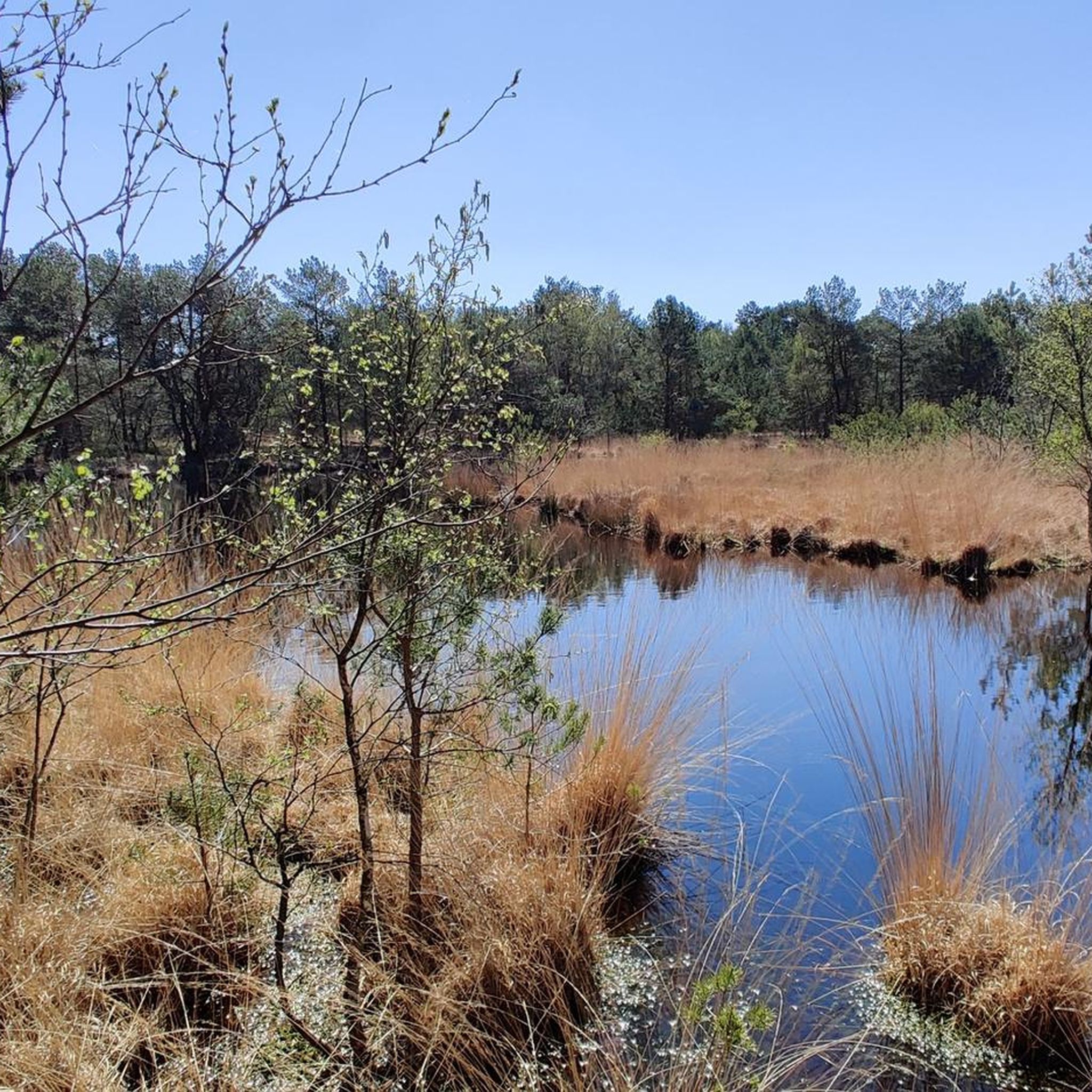
Best attractions and places to see in Dänikhorster Moor include expansive high moor landscapes in Lower Saxony, Germany. This region, largely integrated into the Fintlandsmoor und Dänikhorster Moor nature reserve, is characterized by unique ecosystems with specialized flora such as sundew and cotton grass. Efforts to rewet former peat cuttings have allowed typical high moor structures to regenerate, offering a distinct natural environment. The area provides opportunities to observe diverse wildlife and explore bog birch forests.
Best attractions and places…
Last updated: July 5, 2026
Fintlandsmoor and Dänikhorster Moor
Highlight • Natural
The Dänikhorster Moor is a former nature reserve in the Lower Saxony communities of Bad Zwischenahn and Edewecht in the Ammerland district.
The nature reserve, designated NSG WE …
Translated by Google •
Tip by

Reihertief Wetland
Highlight • Natural
Translated by Google •
Tip by
Sign up now to discover places like this
Get recommendations on the best single tracks, peaks, & plenty of other exciting outdoor places.
Sign up for free
Fintlandsmoor Nature Reserve
Highlight • Natural Monument
The Fintlandsmoor and Dänikhorster Moor is a nature reserve in the Lower Saxony town of Westerstede and the municipalities of Bad Zwischenahn and Edewecht in the district of Ammerland.
Translated by Google •
Tip by
Shelter and information point at Dänikhorster Moor
Highlight (Segment) • Rest Area
Translated by Google •
Tip by

Dänikhorster Moor
Highlight • Natural
The Dänikhorster Moor is a former nature reserve in the Lower Saxony communities of Bad Zwischenahn and Edewecht in the Ammerland district.
The nature reserve with the designation …
Translated by Google •
Tip by
Sign up for free to discover even more attractions in Dänikhorster Moor.
Sign up for free
Already have an account?
Start today with a free account
Your next adventure awaits.
Login or Signup
Tips from the Community

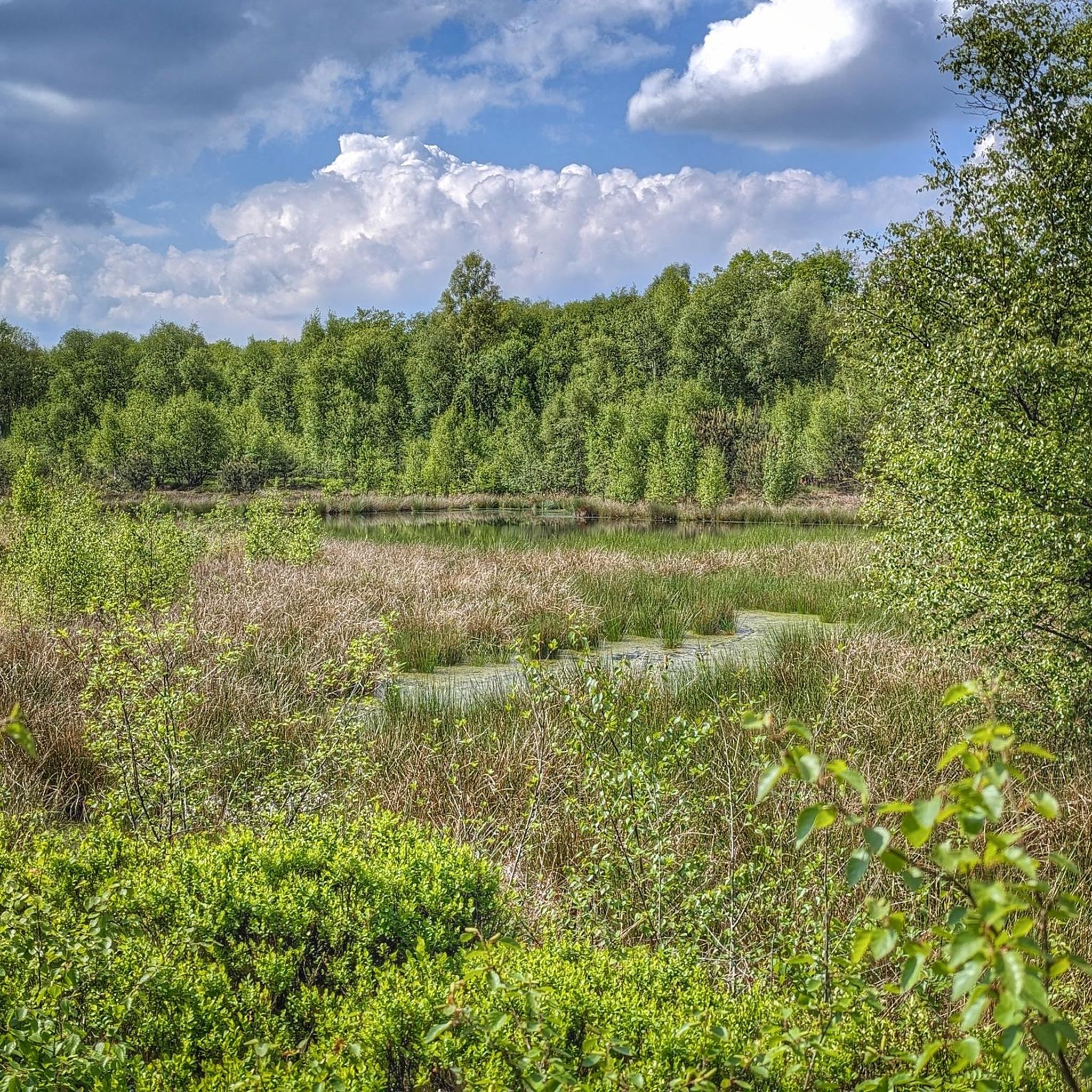
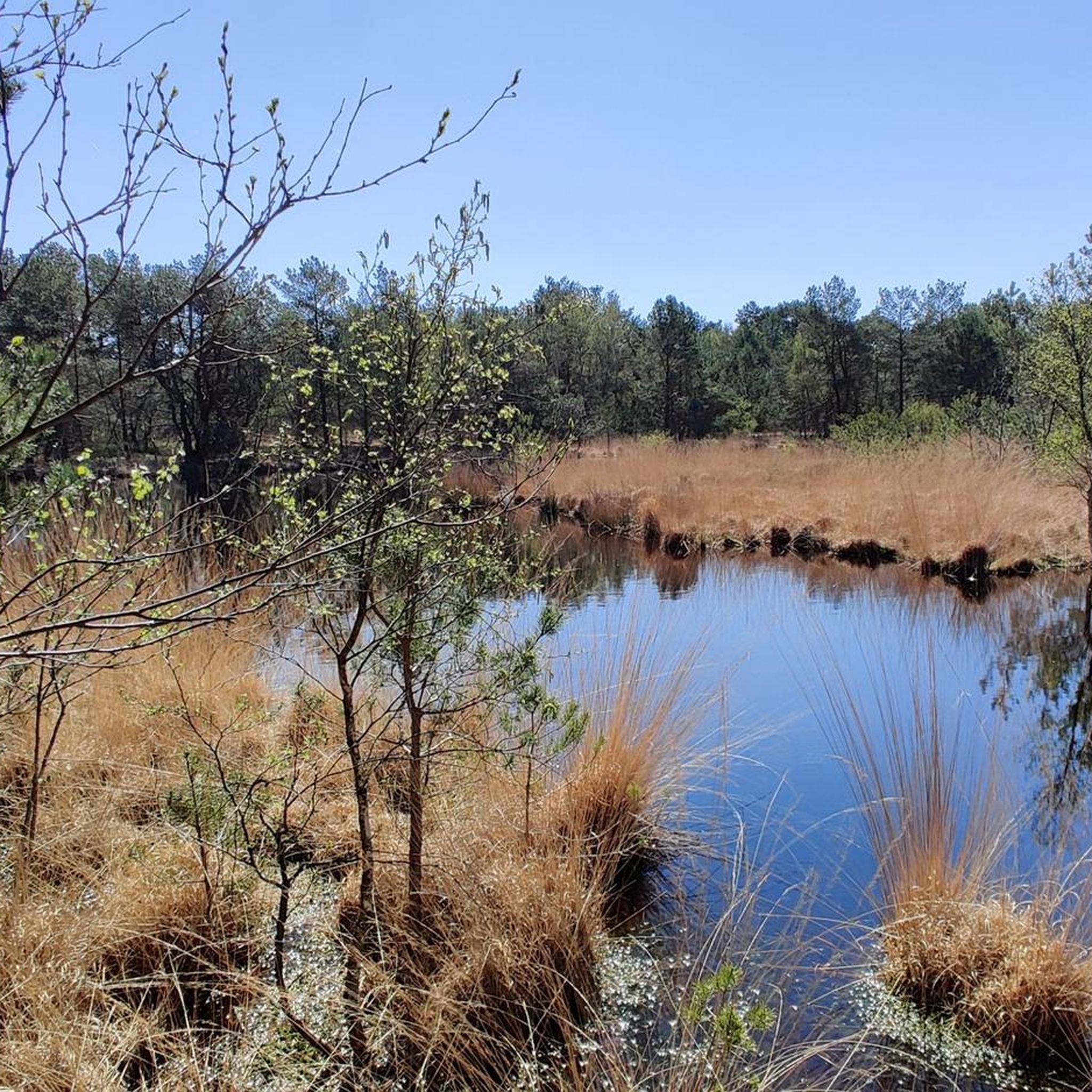
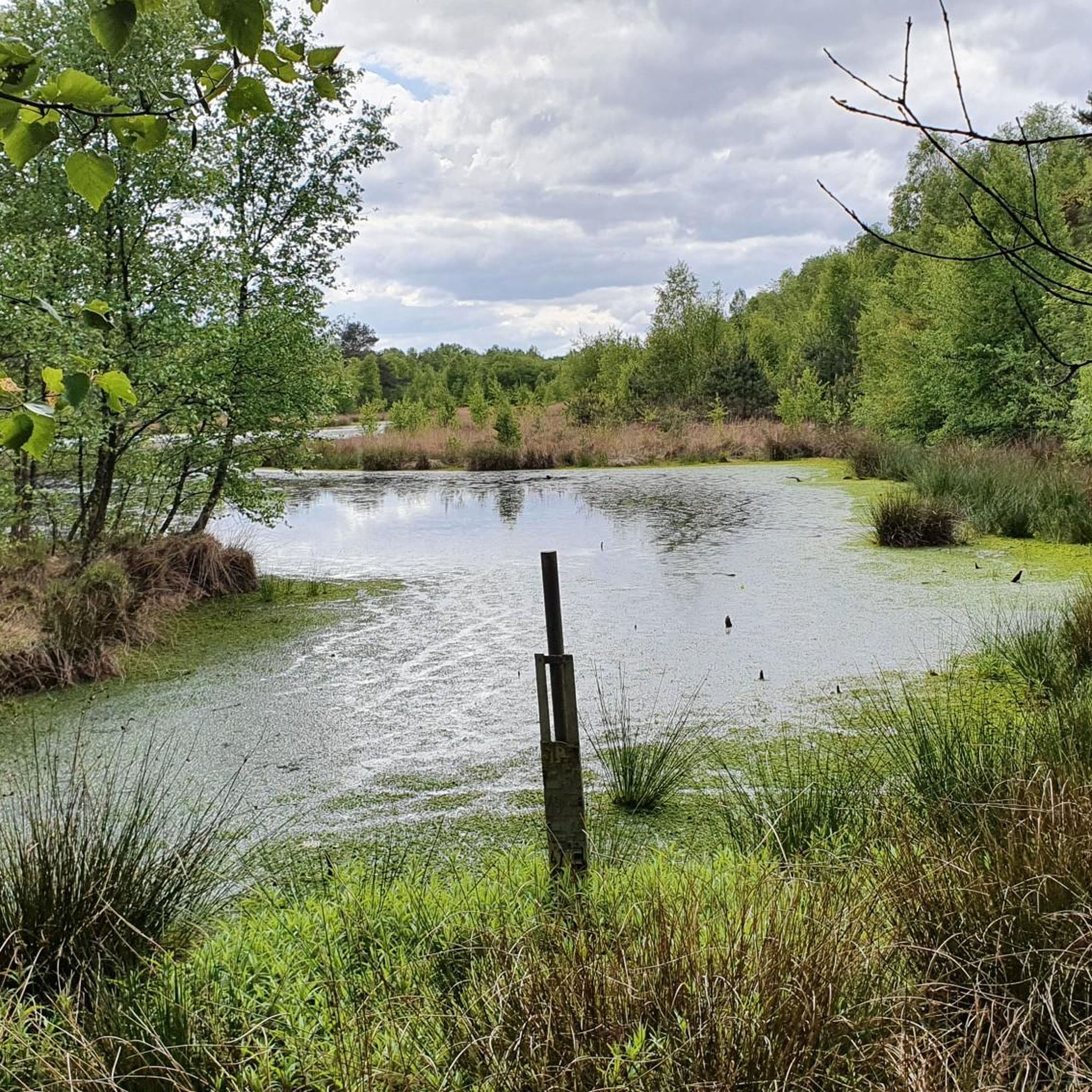
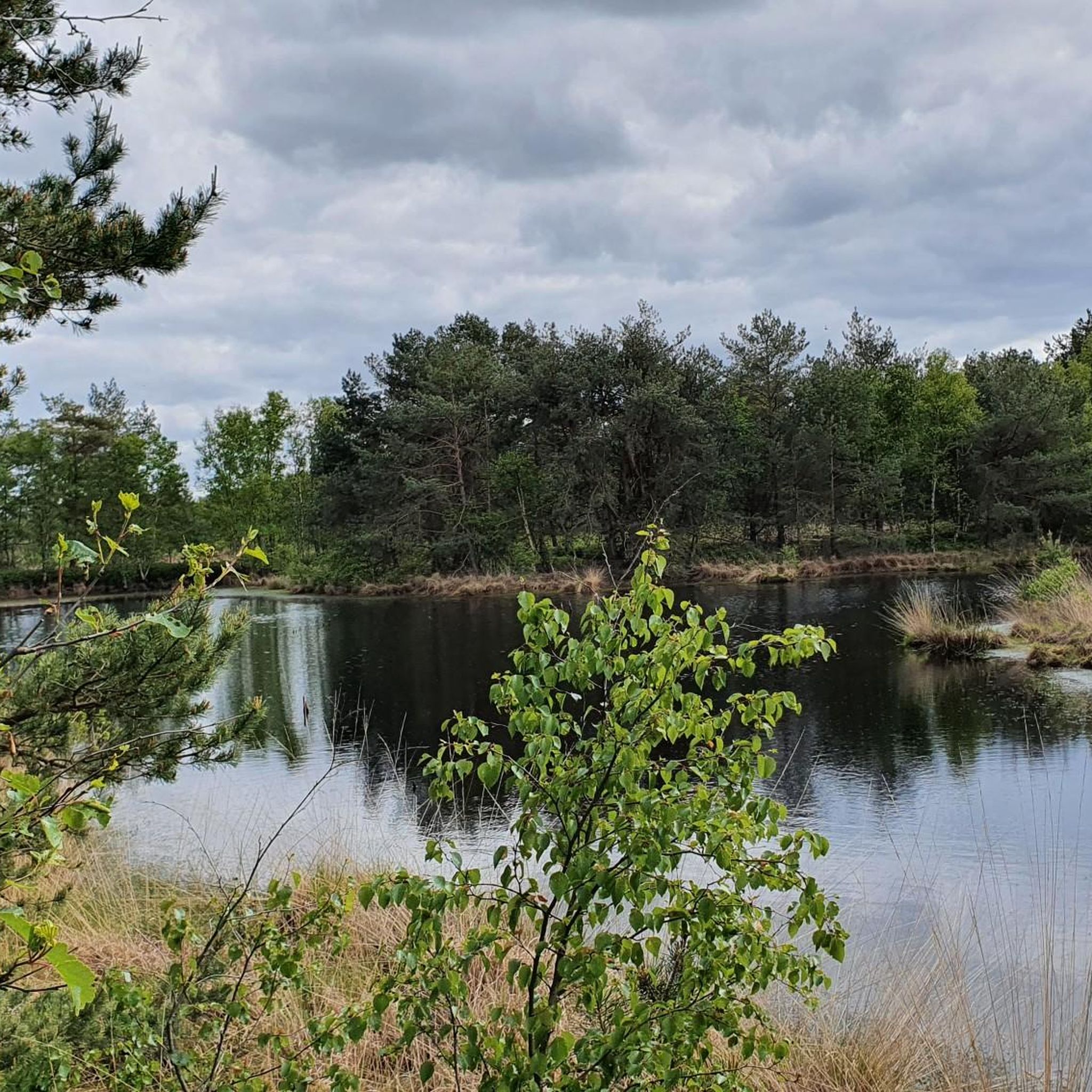
The nature reserve with the designation NSG WE 181 was 91 hectares in size. It was completely part of the FFH area "Fintlandsmoor and Dänikhorster Moor". The area had been under nature protection since October 24, 1987. In June 2017 it was incorporated into the newly designated nature reserve "Fintlandsmoor and Dänikhorster Moor". The responsible lower nature conservation authority was the Ammerland district. The area is located southwest of Bad Zwischenahn and northwest of Edewecht. It consists of two uncultivated raised bog remnants. The raised bog is on the edge of the Ammerland Geest within the Hunte-Leda Moor lowland. The northern part drains via ditches to the Ollenbäke, which flows into the Große Süderbäke near Apen. This becomes the Aper Tief in Apen. The southern part drains via ditches to the floodplain, which flows together with the Soeste near Barßel (now known as the Nordloher Tief) and forms the Barßeler Tief. The Dänikhorster Moorkanal, which crosses the area, was partially filled in 2010
2
0
Dänikhorster Moor The Dänikhorster Moor is a former nature reserve in the Lower Saxony communities of Bad Zwischenahn and Edewecht in the Ammerland district. The nature reserve with the designation NSG WE 181 was 91 hectares in size. It was completely part of the FFH area "Fintlandsmoor and Dänikhorster Moor". The area had been under nature protection since October 24, 1987. In June 2017, it was incorporated into the newly designated nature reserve "Fintlandsmoor and Dänikhorster Moor". The responsible lower nature conservation authority was the Ammerland district. The area is located southwest of Bad Zwischenahn and northwest of Edewecht. It consists of two uncultivated raised bog remnants. The raised bog is located on the edge of the Ammerland Geest within the Hunte-Leda moor lowlands. The northern part drains via ditches to the Ollenbäke, which flows into the Große Süderbäke near Apen. This becomes the Aper Tief in Apen. The southern part drains via ditches to the Aue.
5
0

The Fintlandsmoor is a drained and largely peat-extracted raised bog area in the Ammerland district of Lower Saxony. Part of the moor was designated as the "Fintlandsmoor" nature reserve in 1987, which was incorporated into the "Fintlandsmoor and Dänikhorster Moor" nature reserve in 2017.
4
1

A narrow path branches off from the middle dam and leads into the Fintlandsmoor. The path is accessible by bike. There are a few side paths that allow you to explore the moor on foot.
2
0

In addition to targeted grazing and controlled burning, decussing is a form of cultural landscape management for keeping open heaths, poor and dry grasslands, wet meadows and drained moor sites (moor heaths), which would develop into forests as a result of succession. This type of landscape management aims to preserve certain plant communities typical of a biotope. In drained moors, excessive evaporation from the trees should also be prevented. (Wikipedia) Nice place to rest and find out about life on and in the moor. A small educational trail leads from here along information boards to the moor.
2
0
In the Middle Ages, two monasteries were established in the area of the municipality of Moorweg. To the west of the Heron Deep was the monastery of Oldekloster, probably built as a Benedictine monastery in the 12th century, and to the east of the Heron Deep was the Monastery of Sconamora (a Premonstratensian monastery from the 13th century called Sconamora). Oldekloster had a Marian shrine and was a place of pilgrimage. After 1421, both monasteries were administered by Kloster Marienkamp near Esens and continued as agricultural outposts. With the secularization around 1530, both monasteries became the property of the East Frisian count and were continued as domains. On the map of East Friesland by David Fabricius 1589, both monasteries in Harlingerland are named. Around 1770 the Fehn colony Wagnersfehn was founded by Mrs. Adelheid Wagener from Esens in the swampy valley south of Esens. Palatinate people were initially settled here.
11
1

A crime thriller could take place here!
5
1
Dänikhorster Moor The Dänikhorster Moor is a former nature reserve in the Lower Saxony communities of Bad Zwischenahn and Edewecht in the Ammerland district. The nature reserve, designated NSG WE 181, was 91 hectares in size. It was fully part of the FFH area "Fintlandsmoor und Dänikhorster Moor". The area has been under nature protection since October 24, 1987. In June 2017, it opened up in the newly designated "Fintlandsmoor und Dänikhorster Moor" nature reserve. The district of Ammerland was responsible for the lower nature conservation authority. The area is southwest of Bad Zwischenahn and northwest of Edewecht. It consists of two uncultivated remains of raised bogs. The high moor lies on the edge of the Ammerländer Geest within the Hunte-Leda moor lowland. The northern part drains via ditches to the Ollenbäke, which flows into the Große Süderbäke near Apen. In Apen this becomes Aper Tief. The southern part drains via ditches to the floodplain.
13
1
Frequently Asked Questions
What natural features can I explore in Dänikhorster Moor?
Dänikhorster Moor is renowned for its expansive high moor landscapes, which are part of the Hunte-Leda-Moorniederung. You can observe unique ecosystems with specialized flora such as sundew and cotton grass, as well as bog birch forests. The area also features waterways like the Ollenbäke and Aue. A significant natural monument is the Reihertief Wetland, which includes a lake.
Are there specific nature reserves to visit in the area?
Yes, the primary attraction is the Fintlandsmoor and Dänikhorster Moor nature reserve. This protected area preserves distinct high moor landscapes and is part of the Natura 2000 network. Another key area is the Fintlandsmoor Nature Reserve, which has merged with Dänikhorster Moor to form the larger protected area.
What kind of outdoor activities can I do in Dänikhorster Moor?
The Dänikhorster Moor is excellent for various outdoor activities. You can enjoy hiking on numerous trails, including the idyllic Dänikhorster Moor Nature Trail. Cycling, including mountain biking, road cycling, and gravel biking, is also popular. Some narrow paths are even suitable for experienced runners. For specific routes, you can explore easy hikes, MTB trails, or running trails in the region.
Are there easy hiking trails suitable for everyone?
Yes, Dänikhorster Moor offers several easy hiking routes. For example, you can find routes like the 'Dänikhorster Moor loop from Fintlandsmoor und Dänikhorster Moor' or the 'Dänikhorster Moor loop from Voßbarg'. These trails provide accessible paths through the moorland. You can find more options in the Easy hikes in Dänikhorster Moor guide.
Where can I find historical or cultural points of interest?
While the moor is primarily natural, the Reihertief Wetland has historical significance. In the Middle Ages, two monasteries, Oldekloster and Sconamora, were located nearby. These sites add a cultural layer to the area's natural beauty.
Is Dänikhorster Moor suitable for families with children?
Yes, Dänikhorster Moor can be family-friendly. Many of the natural areas, including the Fintlandsmoor and Dänikhorster Moor nature reserve and the Fintlandsmoor Nature Reserve, are categorized as family-friendly. The Shelter and information point at Dänikhorster Moor also offers a small educational trail, which can be engaging for children.
Are there places to rest or get information during my visit?
Yes, there are designated spots for visitors. You can find a Shelter and information point at Dänikhorster Moor, which provides a place to rest and offers information about the moor. Additionally, the Howieker Wäer Picnic Area and Weather Stone is recommended for a pleasant break, and there are rest areas with views around Moorgut Karlshof.
Can I spot any wildlife in Dänikhorster Moor?
Yes, visitors can observe diverse wildlife in Dänikhorster Moor, depending on the season. The nature reserve provides a habitat for numerous plants and animals typical of bog environments, such as dragonflies, grasshoppers, and various meadow birds.
What is the best time of year to visit Dänikhorster Moor?
The Dänikhorster Moor offers different experiences throughout the year. However, please note that parts of the nature reserve may have restricted access. Specifically, the nature reserve may not be entered every year from March 15th until May 31st. It's advisable to check local regulations before planning your visit.
Are there cycling opportunities in Dänikhorster Moor?
Absolutely. The area provides excellent opportunities for cycling, including mountain biking, road cycling, and gravel biking routes. You can explore various trails, such as those listed in the MTB Trails in Dänikhorster Moor guide, which includes routes like 'Moorpad Peat Trail – Bad Zwischenahn Marina loop'.
What makes the moor landscape of Dänikhorster Moor unique?
The moor landscape is unique due to its expansive high moor remnants and the ongoing rewetting efforts. These efforts allow typical high moor structures to regenerate, fostering specialized flora like sundew and cotton grass, and creating distinct bog birch forests. It's a significant natural monument and part of the Natura 2000 network.
Are there any specific viewpoints worth visiting?
While the entire moor offers scenic views, a 'Rest Area with a View' located on routes around Moorgut Karlshof provides a particularly scenic stop. The Fintlandsmoor and Dänikhorster Moor highlight is also categorized as a viewpoint, offering broad perspectives of the landscape.
Most popular routes in Dänikhorster Moor
Most popular attractions in Dänikhorster Moor

Get inspired with the komoot mobile app


Explore more
Still not found the Highlight you’re looking for? See guides of the top attractions in other regions:
