Rheinaue Bislich-Vahnum
Rheinaue Bislich-Vahnum
The best road cycling routes in Rheinaue Bislich-Vahnum
4.6
(343)
5,634
riders
254
rides
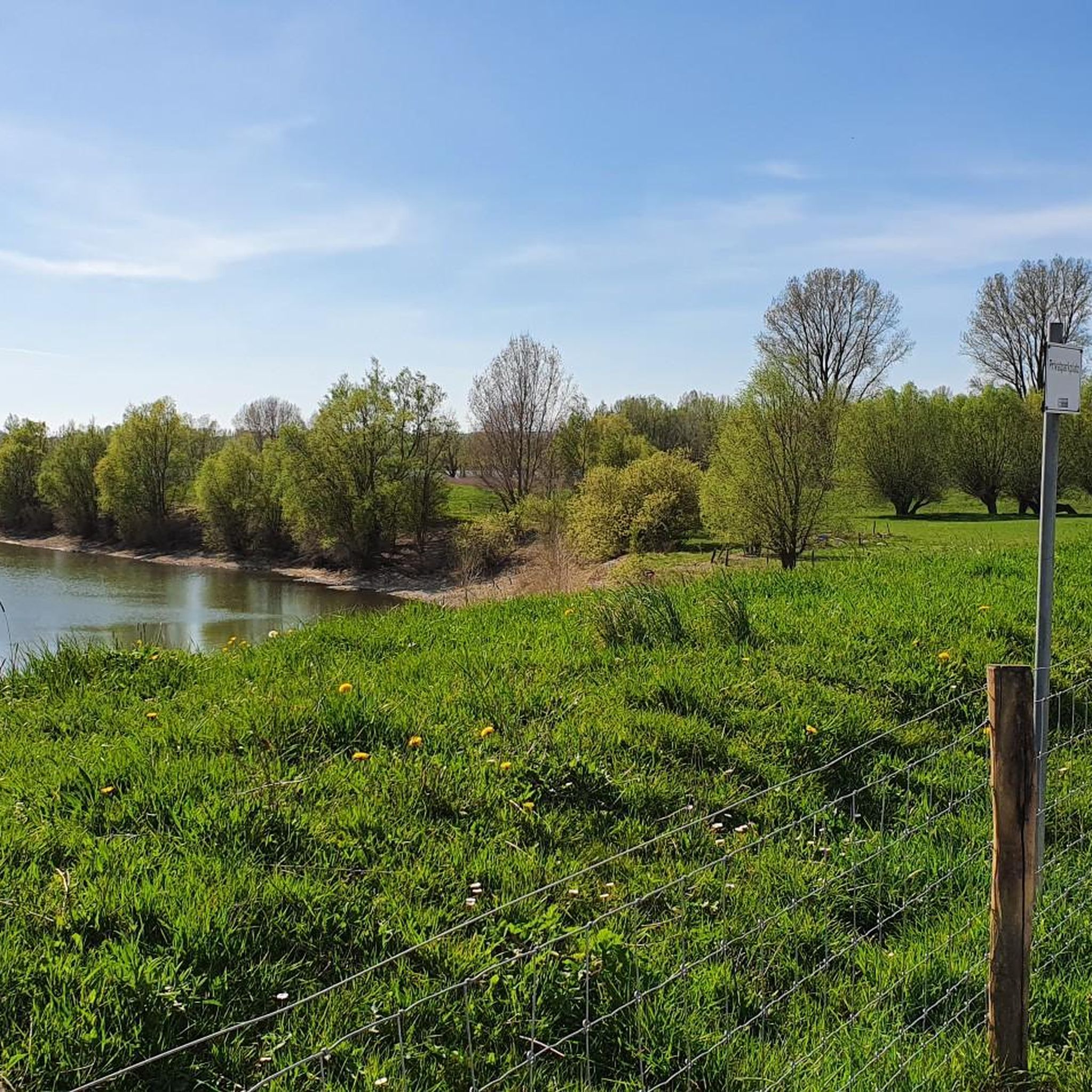
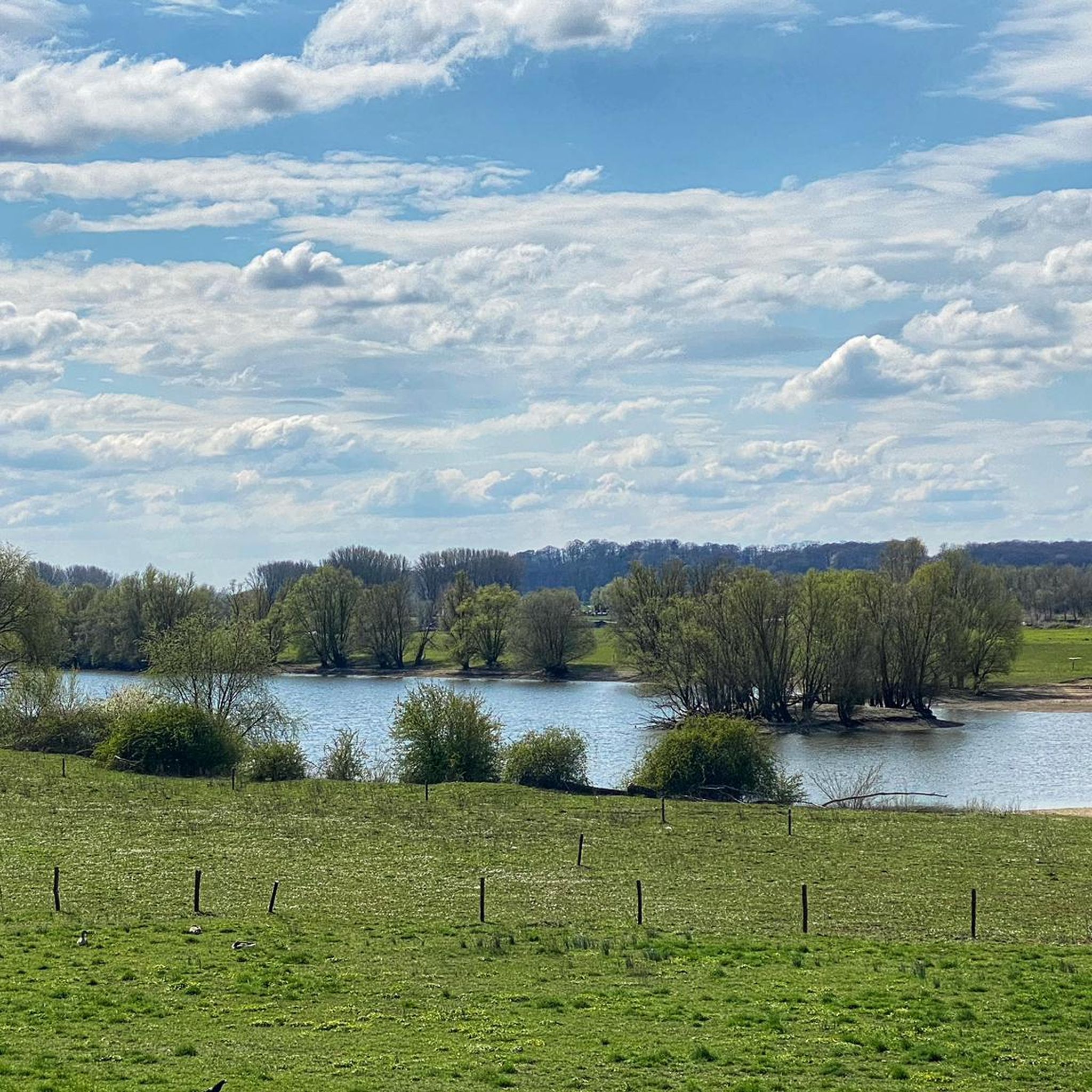
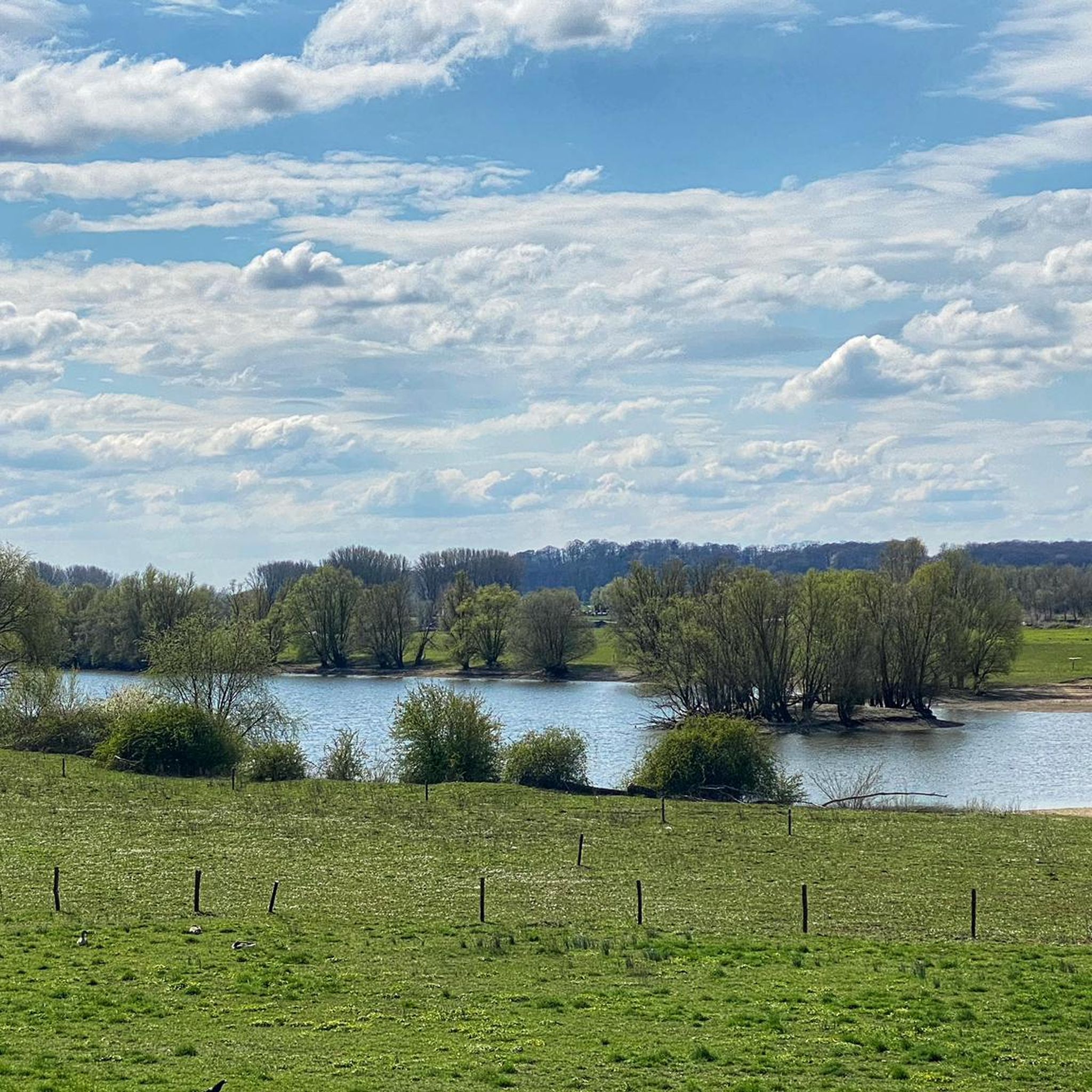
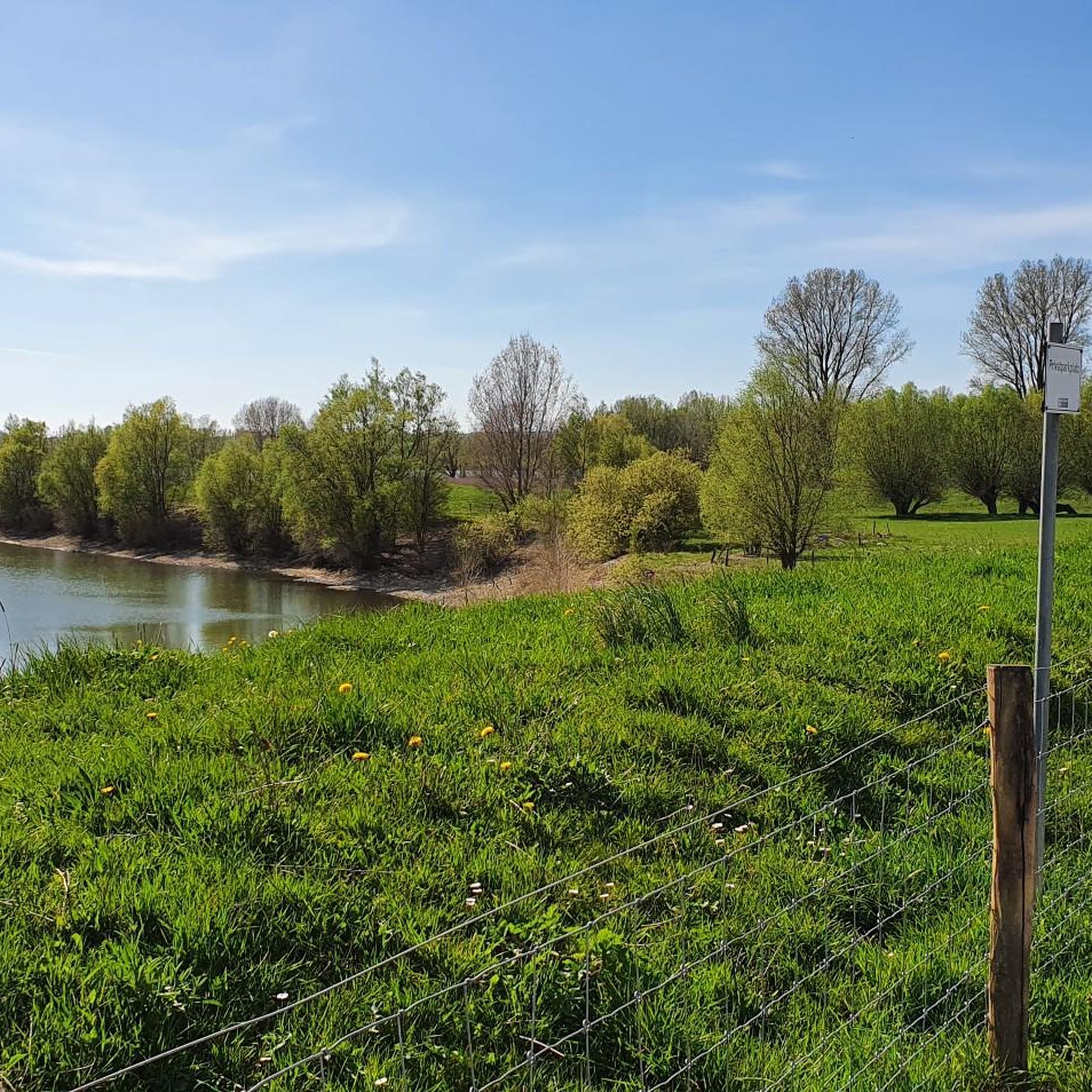
Road cycling in Rheinaue Bislich-Vahnum is characterized by its generally flat terrain and diverse landscapes, making it suitable for various fitness levels. The region features mostly paved surfaces, ideal for road bikes, with minimal elevation changes across its routes. Cyclists can explore expansive views of the Rhine River and its floodplains, often riding along prominent dikes that offer elevated paths. The area also includes lakes and forested sections, contributing to varied scenery during rides.
Best road cycling routes in Rheinaue…
Last updated: May 23, 2026
33
riders
Moderate road ride. Great for any fitness level. Some segments of this route may be unpaved and difficult to ride.
27
riders
Easy road ride. Great for any fitness level. Mostly well-paved surfaces and easy to ride.

Sign up for free
4.4
(7)
66
riders
Easy road ride. Great for any fitness level. Mostly well-paved surfaces and easy to ride.
4.7
(74)
801
riders
61.1km
02:28
150m
150m
Moderate road ride. Good fitness required. Some segments of this route may be unpaved and difficult to ride.
5.0
(3)
110
riders
38.9km
01:37
70m
70m
Easy road ride. Great for any fitness level. Mostly well-paved surfaces and easy to ride.
Get access to more routes and recommendations from other explorers.
Sign up for free
Already have an account?
Our route recommendations are based on thousands of hikes, rides, and runs completed by other people on komoot.
Start today with a free account
Your next adventure awaits.
Login or Signup
Tips from the Community

Rental boats, food, e-bike charging stations, boat trip etc.
0
0

Very good asphalt for riding fast. Unfortunately, the dead-straight track is interrupted by public roads a few times. Nevertheless, highly recommended!
0
0

LVR Archaeological Park Xanten On the site of the former Roman city of Colonia Ulpia Traiana, Germany's largest open-air archaeological museum invites visitors on an inspiring journey into history. For around four hundred years, Xanten was one of the most important Roman settlements in Germania. Some ten thousand men, women, and children lived in the imposing city, which Emperor Trajan designated Colonia Ulpia Traiana around 100 AD. The fact that its site has remained largely uninhabited since the Middle Ages is a true stroke of luck for archaeology. This has allowed the remains of the Roman city to be protected, researched, and presented in the LVR Archaeological Park Xanten since 1977. In the park's expansive green spaces, faithful reconstructions such as the harbor temple and the amphitheater, the city wall, houses, and bathhouses convey a vivid impression of everyday Roman life in Germania. The award-winning LVR Roman Museum, guided tours of the excavations, craft demonstrations, and activity programs offer a wealth of opportunities to experience Roman times with all your senses. At the Archaeological Park's shipyard, you can watch as faithful replicas of Roman ships are built right before your eyes, from the very first planks. Larger events like the Roman festival "Swords, Bread, and Games" bring the park to life in a special way. In addition, the Roman Weekends from May to September offer a diverse program of activities to watch and participate in. At the Roman Games House, children of all ages can discover the most popular board and skill games of the Romans. Younger visitors can also burn off energy on the large adventure playground, a giant bouncy castle, and the large water playground. And for a quick bite, the park's Roman restaurant offers culinary delights prepared according to authentic ancient recipes. Since 2016, the museum café in the KaffeeMühle, a lovingly restored 18th-century mill, has expanded the park's culinary offerings. Source: https://apx.lvr.de/de/standorte/standorte.html
2
0
The Roman city near present-day Xanten was one of the most important metropolises in Rome's Germanic provinces during antiquity. At its peak, the Colonia Ulpia Traiana was bustling with life, with more than ten thousand men, women, and children filling its streets. Arrival of the Legions Long before the founding of the Colonia, during the major Germanic campaigns under Emperor Augustus in 13/12 BC, Roman legions established their first camp on the so-called Fürstenberg hill south of the present-day city of Xanten. From then on, the Xanten area was always home to at least one legion, and in the 1st century AD, it was one of the largest and most important bases in the entire empire. A port and a settlement, where civilians and army veterans settled, developed about two kilometers from the legionary camp. The Colonia Ulpia Traiana Over the following generations, the early civilian settlement grew to a considerable size. Around 100 AD, Emperor Trajan bestowed upon it his name and the rights of a Colonia. This placed Colonia Ulpia Traiana among the 150 most important cities in the entire Roman Empire. The colony covered an area of 73 hectares and was divided by a grid of streets. Its appearance was characterized by large public buildings such as the impressive city wall, a large forum, temples, baths, and the amphitheater. Source: https://apx.lvr.de/de/standorte/standorte.html
2
0

A great route from Goch to Xanten, especially on the renovated section.
0
0

Very nice, but can get very crowded!
1
0

Unfortunately, the cycle path along the Xanten North Sea is no longer in good condition. Potholes and the hard surface are in need of repair.
0
0

Frequently Asked Questions
How many road cycling routes are available in Rheinaue Bislich-Vahnum?
There are over 250 road cycling routes in Rheinaue Bislich-Vahnum, offering a wide variety of options for different skill levels. The komoot community has rated these routes highly, with an average score of 4.6 stars.
What is the terrain like for road cycling in Rheinaue Bislich-Vahnum?
The terrain in Rheinaue Bislich-Vahnum is generally flat, making it ideal for road cycling. Many routes follow paved paths along the Rhine dykes, offering smooth surfaces and minimal elevation changes. You'll find a mix of riverine scenery, tranquil nature reserves, and charming villages.
What kind of views and landmarks can I expect while cycling in Rheinaue Bislich-Vahnum?
Cyclists can enjoy expansive views of the Rhine River and its floodplains. Notable landmarks include the Bislich Rhine Dyke, which offers scenic vistas, and the opportunity to see the St. John the Baptist Church in Bislich. From various points, you can also catch picturesque views of Xanten Cathedral.
Are there easy road cycling routes suitable for beginners in Rheinaue Bislich-Vahnum?
Yes, Rheinaue Bislich-Vahnum offers many easy road cycling routes perfect for beginners or those seeking a relaxed ride. There are 95 easy routes available. An example is the Historic old town of Xanten – Xanten–Marienbaum Rail Trail loop from Xanten, an easy 33.1 km path that takes you through the historic town and along a former rail trail.
Are there any challenging road cycling routes in Rheinaue Bislich-Vahnum?
While the region is generally flat, there are a few routes that offer a bit more challenge. There are 2 difficult routes available for those looking for a more strenuous ride. For example, the Dassendaler Weg Sunken Lane – Kriemhild Mill, Xanten loop from Xanten is a moderate 51.6 km route with more significant elevation changes compared to other local trails.
Are there any circular road cycling routes in the area?
Yes, many of the road cycling routes in Rheinaue Bislich-Vahnum are designed as loops, allowing you to start and end at the same point. An example is the Marina at Xantener Nordsee – Historic old town of Xanten loop from Xanten, a 22.2 km route connecting the marina with the historic old town.
What natural attractions or wildlife can I see while cycling?
Rheinaue Bislich-Vahnum is a significant nature reserve and part of the 'Lower Rhine' European bird sanctuary. You can observe diverse flora, including willow trees and meadows, and it's an important habitat for numerous overwintering and breeding meadow and water bird species. Keep an eye out for the Stork Nest at Rheinaue Bislich-Vahnum.
What is the best time of year for road cycling in Rheinaue Bislich-Vahnum?
The region is enjoyable for road cycling throughout the warmer months, typically from spring to autumn. The flat terrain and paved paths make it accessible, and the natural beauty of the Rhine floodplains is particularly vibrant during these seasons. Always check local weather forecasts before heading out.
Can I access the road cycling routes using public transport?
While specific public transport connections directly to all trailheads might vary, towns like Xanten and Wesel, which serve as starting points for many routes, are generally accessible by regional public transport. It's advisable to check local bus and train schedules for bike transport options to your chosen starting point.
Where can I park my car when visiting for a road cycling trip?
Many of the routes start from towns like Xanten or Wesel, where public parking facilities are available. For routes originating in smaller villages like Bislich, you can often find designated parking areas near popular starting points or local amenities. Always check for local parking regulations.
Are there places to eat or drink along the cycling routes?
Yes, the region features charming villages and towns along the Rhine, such as Bislich, Rees, Wesel, and Xanten. These places offer various cafes, restaurants, and pubs where cyclists can stop for refreshments or a meal. Many establishments are accustomed to catering to outdoor enthusiasts.
Is it possible to cross the Rhine River during a ride?
Yes, you can incorporate river crossings into your cycling routes. The Keer Tröch II Ferry operates between Bislich and Xanten, providing a unique way to cross the Rhine and connect different parts of the cycling network. Be sure to check the ferry's operating times and schedule.
Most popular routes in Rheinaue Bislich-Vahnum
Most popular attractions in Rheinaue Bislich-Vahnum

Get inspired with the komoot mobile app


Explore more
Browse the best Road cycling routes in other regions.
