Bachsystem Des Wienbaches
Bachsystem Des Wienbaches
Attractions and Places To See in Bachsystem Des Wienbaches - Top 20
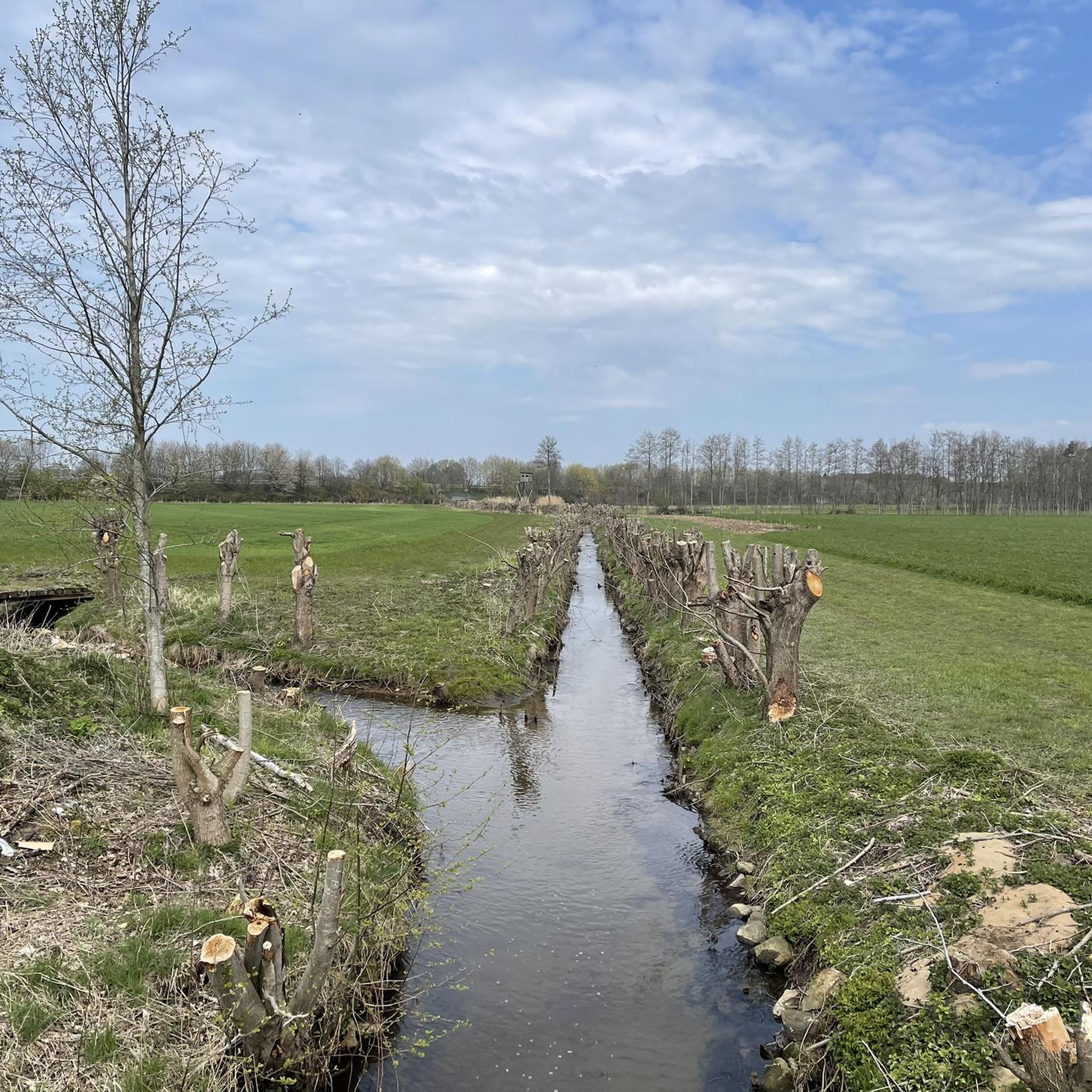
Best attractions and places to see in Bachsystem Des Wienbaches, located in Dorsten, North Rhine-Westphalia, Germany, is a significant nature reserve spanning approximately 683 hectares. Established in 2005, this area features over 35 kilometers of stream landscapes, including the Wienbach and its tributaries. It is recognized for its ecological importance, offering diverse ecosystems with moist meadows and natural forests.
Best attractions and places to see in Bachsystem Des Wienbaches
- The most popular attractions is Water buffalo in Hervester Bruch,…
Last updated: October 9, 2026
Water buffalo in Hervester Bruch
Highlight • Natural
Translated by Google •
Tip by

Tüshausmühle Watermill
Highlight • Monument
Translated by Google •
Tip by

Sign up now to discover places like this
Get recommendations on the best single tracks, peaks, & plenty of other exciting outdoor places.
Hervester Bruch Nature Reserve
Highlight • Natural
Translated by Google •
Tip by

Ammunition Supply Center West Wulfen
Highlight • Historical Site
Translated by Google •
Tip by

Blue Lake
Highlight • Lake
Translated by Google •
Tip by

Sign up for free to discover even more attractions in Bachsystem Des Wienbaches.
Already have an account?
Start today with a free account
Your next adventure awaits.
Popular around Bachsystem Des Wienbaches
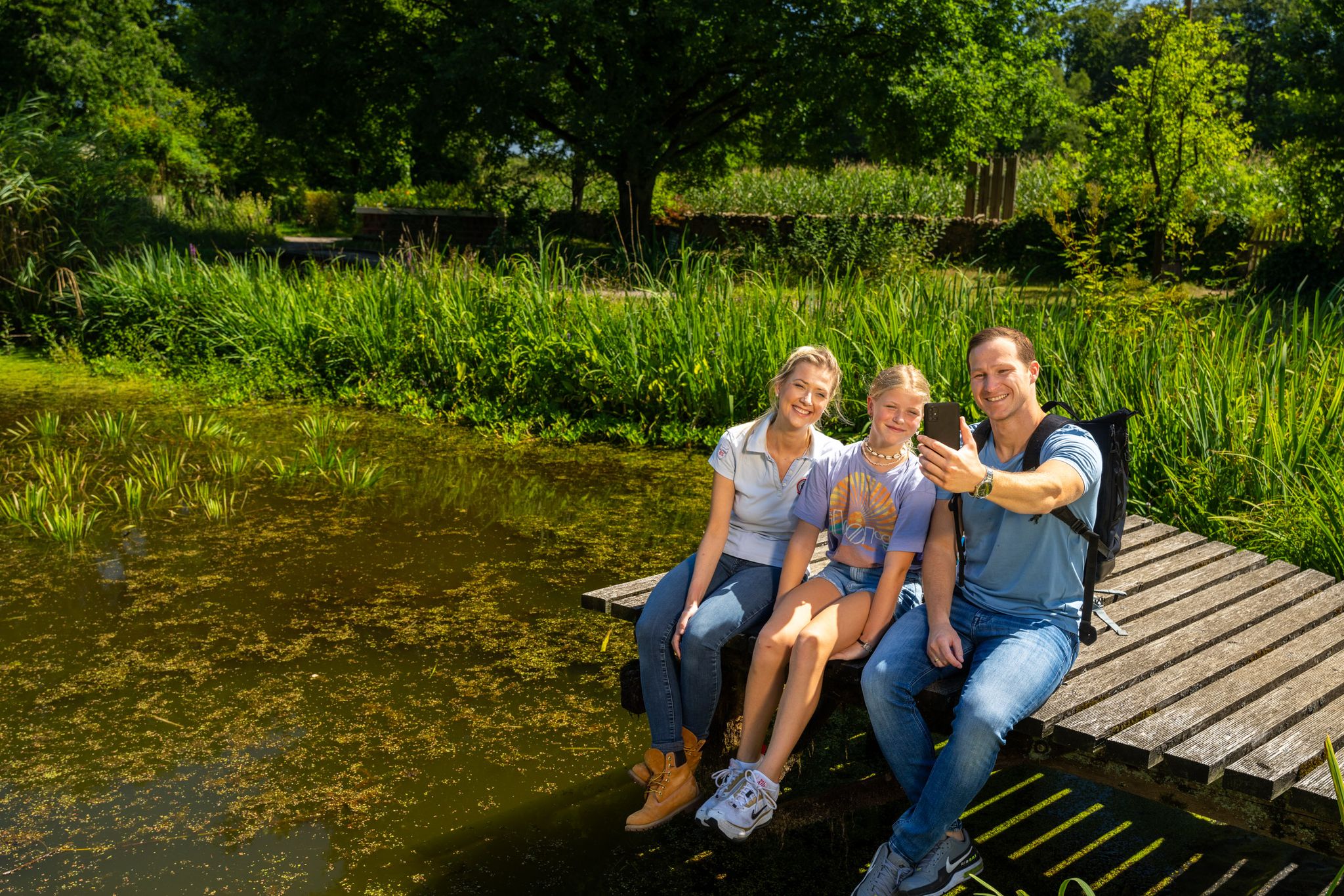
Hiking and discoveries – family walks in the Hohe Mark Nature Park
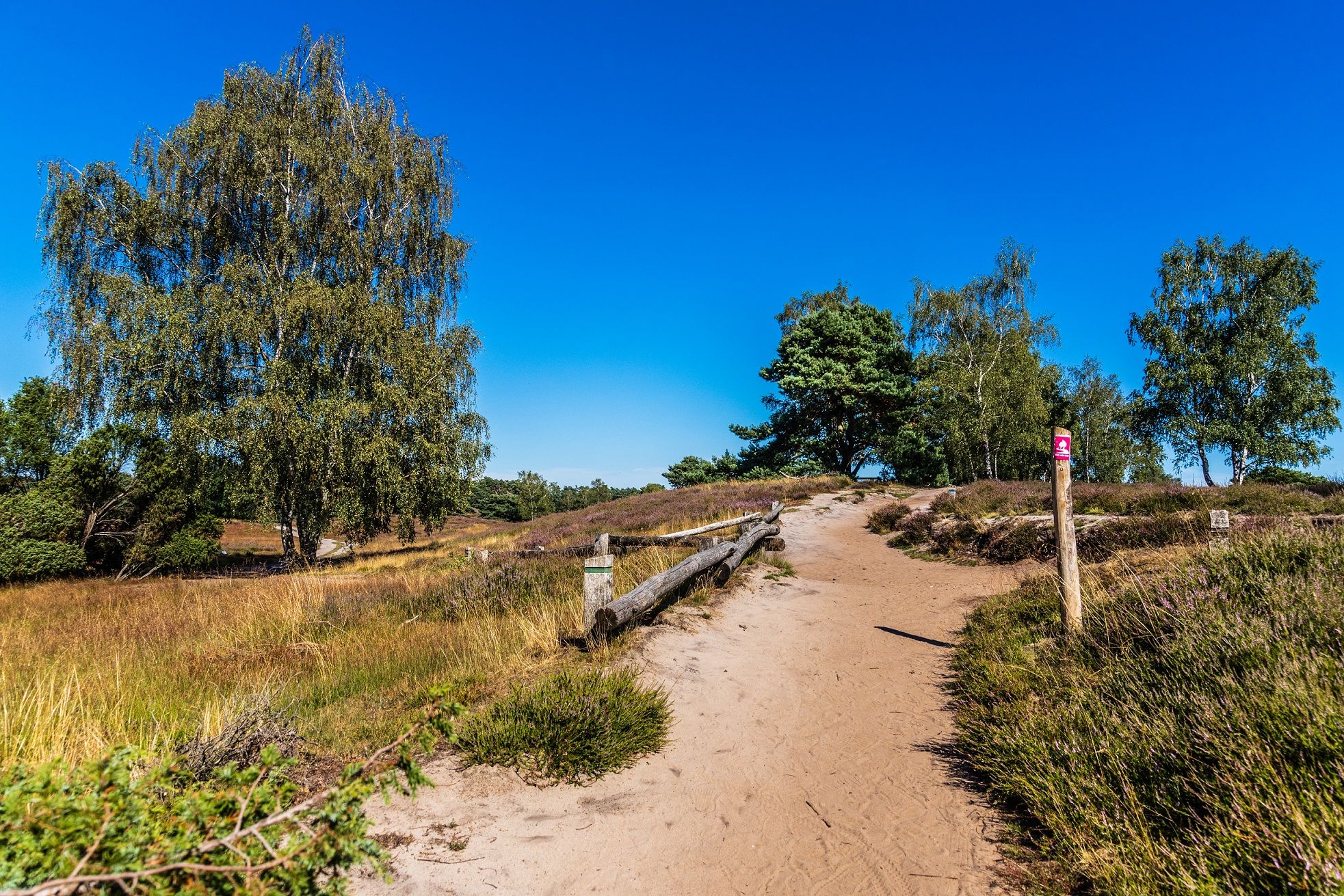
Your bond with nature — Germany’s Hohe Mark Steig
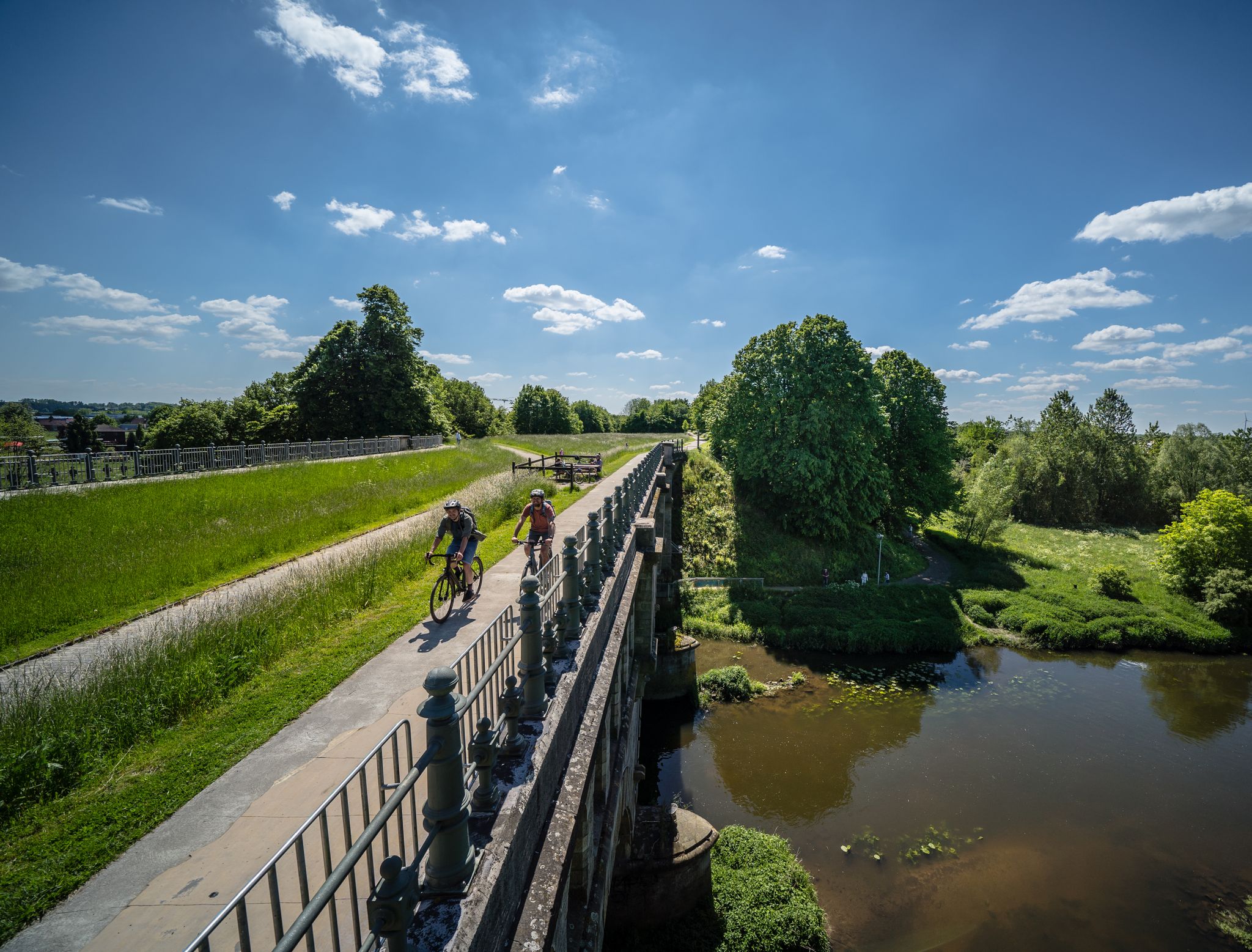
Germany’s Hohe Mark cycle route – escape into nature
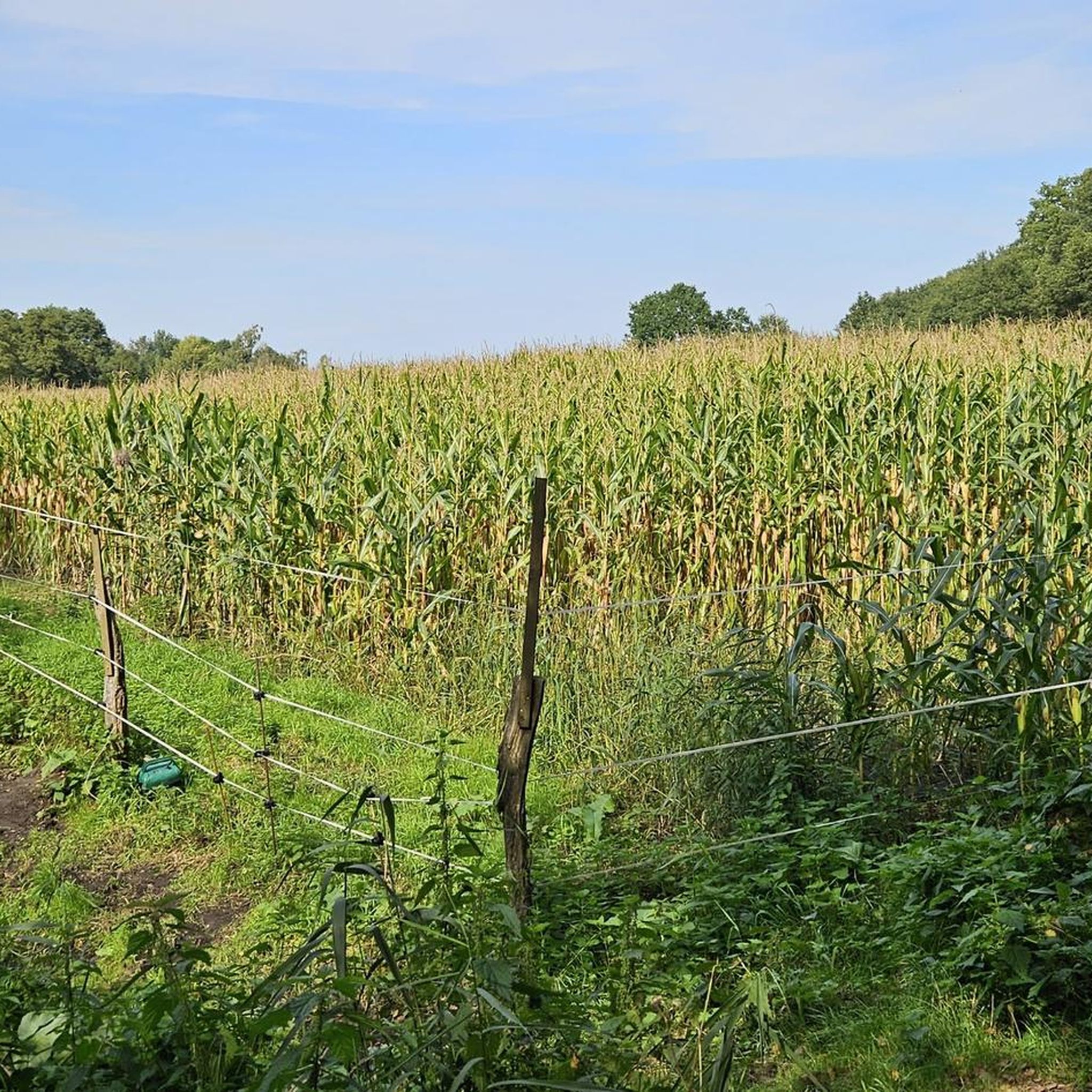
Hiking in Bachsystem Des Wienbaches
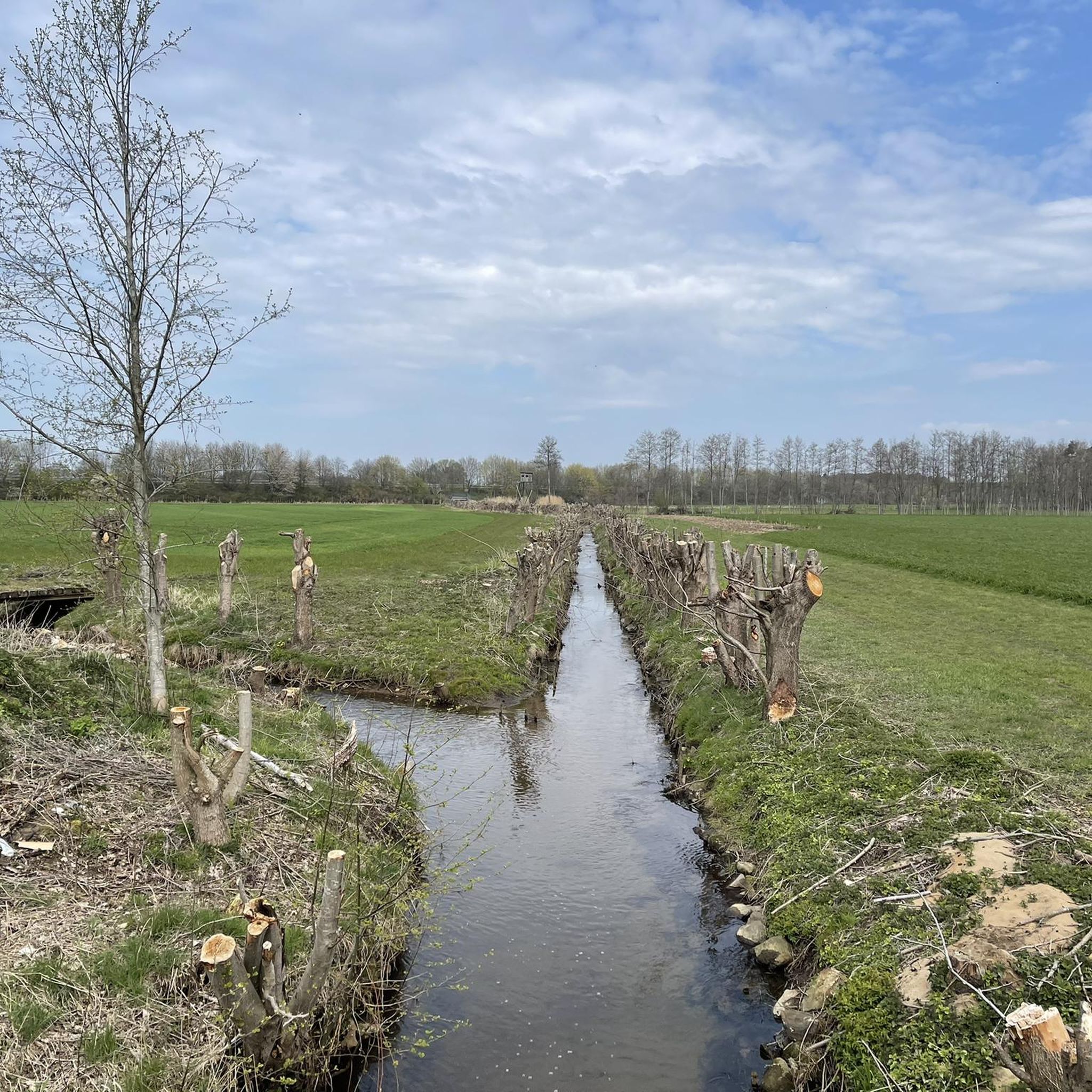
Road Cycling Routes in Bachsystem Des Wienbaches
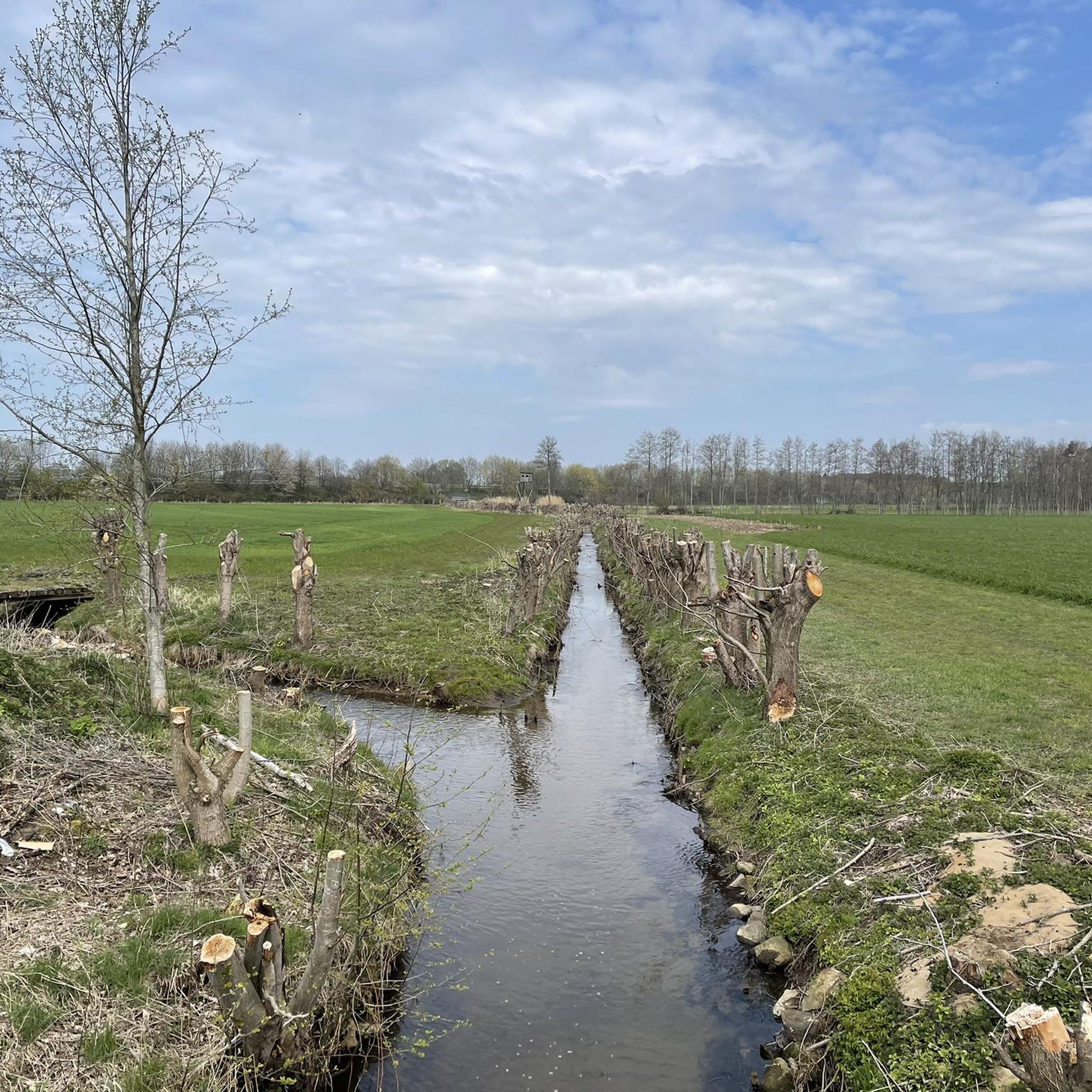
MTB Trails in Bachsystem Des Wienbaches
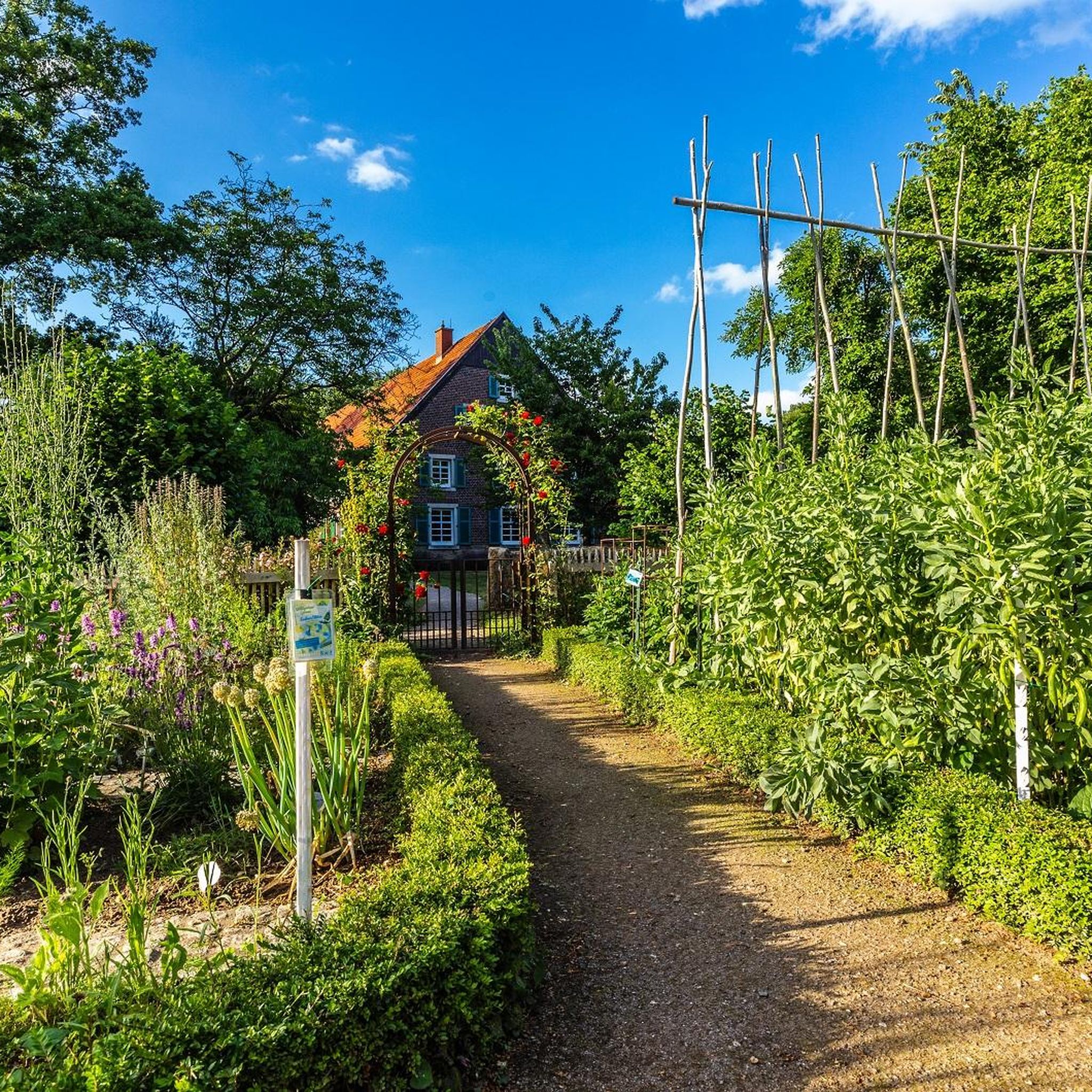
Gravel biking in Bachsystem Des Wienbaches
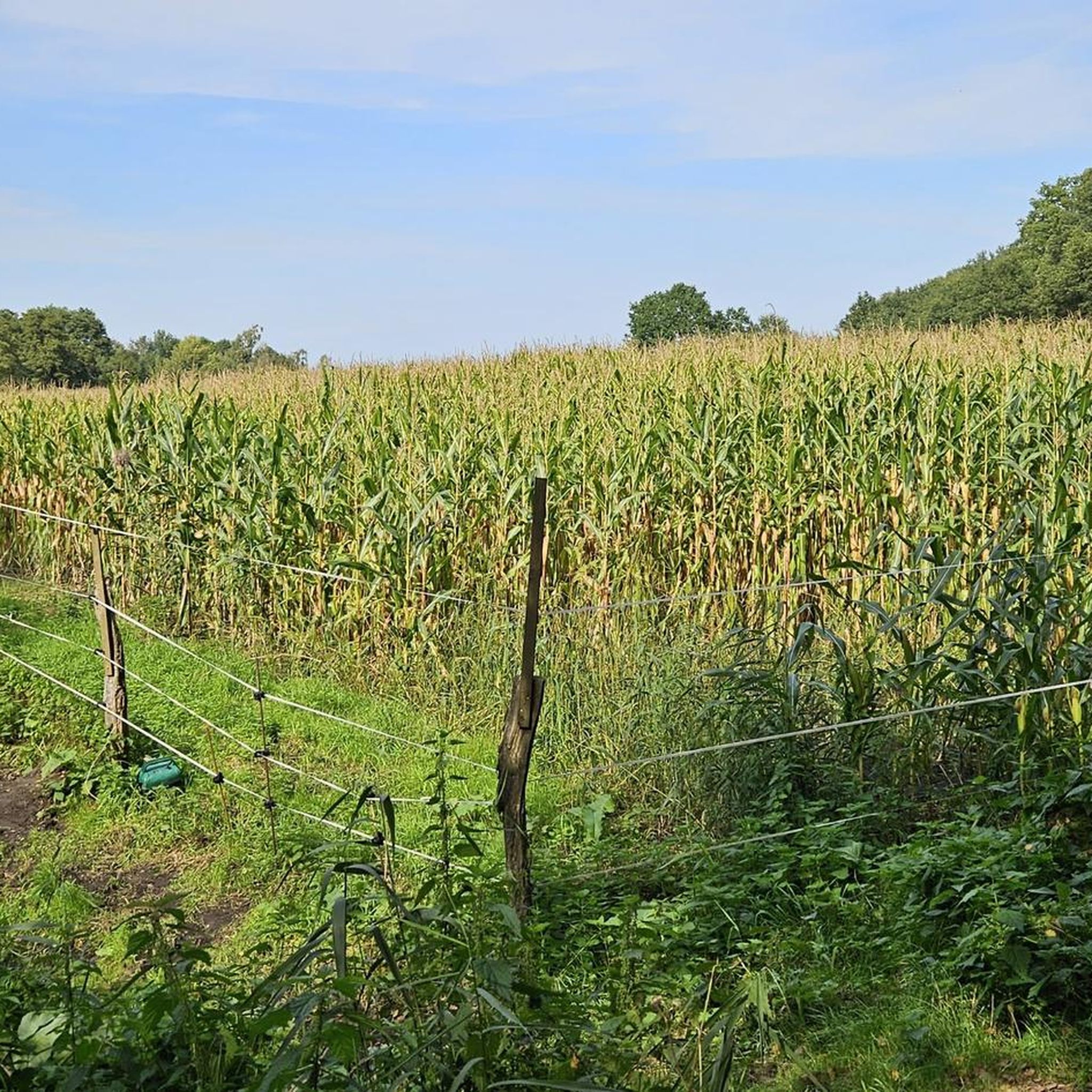
Running Trails in Bachsystem Des Wienbaches
Cycling in Bachsystem Des Wienbaches
Other adventures in Bachsystem Des Wienbaches

Tips from the Community

Well-preserved and worth seeing mill on the edge of the Üfter Mark. The Hammbach is dammed in the mill pond. In addition to the mill itself, the weir system made of natural stone and the mill pond are also cultural monuments. The special feature of the Tüshaus mill is its 3 functions: 1) Oil mill 2) Grain mill 3) Power generation The mill association is committed to preserving the mill. Guided tours are held on request on the first and third Sunday of the month. Opposite the mill there is a rustic rest stop with an e-bike charging station. Further information: https://www.tueshaus-muehle.de/
4
0

An idyllic grain, oil and energy production mill.
4
0
A trip on foot or by bike, always worth the trip. Many animals can be observed here.
4
0

For me one of the most beautiful watermills in the area. Super restored and in great condition. You can walk around it on all sides, at the back to the water.
3
0

The "water buffalo" are Heck cattle that stay outside in the Hervester Bruch all year round as horned landscapers. The leased areas of the farmers are managed with the herds according to the specifications of nature conservation.
4
0

The Wulfen army ammunition plant is a former Wehrmacht ammunition plant between the Dorsten districts of Deuten, Holsterhausen, Hervest and Wulfen, which is now used by the German armed forces. The site was contaminated with duds and remains of ammunition due to the effects of war and improper destruction of ammunition (heap blasting) by the Allies. Nevertheless, the British Army of the Rhine maintained an ammunition depot there. After reunification, the depot was handed over to the Bundeswehr as part of the reduction in British forces in Germany. In the 1990s, the depot underwent a thorough modernization, with almost all of the old ammunition bunkers being removed and new ammunition warehouses being built. There are still four intact Wehrmacht ammunition depots, two of which are still in use. During this restructuring work, the existing soil contamination was largely removed and unexploded ordnance cleared. Groundwater damage continues and is being observed. In the meantime, the Wulfen site has been expanded to become the largest ammunition depot in Germany and one of the largest ammunition depots in Western Europe. Ammunition with a capacity of up to 62,000 tons can be stored in 381 warehouses. The 210-hectare site is criss-crossed by 15 kilometers of railway tracks and 25 kilometers of roads. The tracks are connected to the Deutsche Bahn rail network via Deuten station. The facility was operated by the Bundeswehr as the Wulfen ammunition depot until 2001 and was then upgraded to the Wulfen main ammunition depot. As part of the restructuring of the Bundeswehr, the Ammunition Supply Center West was created on January 20, 2016.[1] It is one of the Bundeswehr's four ammunition supply centers (with nine ammunition depots). Among other things, the Köppern ammunition depot reports to him. After the reorganization of Dorsten into districts in 2013, the depot is located entirely in the Deuten district
6
0

Perfect place to take a break on the edge of the Üfter-Mark.
3
0

Also on the north side of the area, at the small pond, you can sit and watch birds. Suitable for hikers and cyclists alike.
0
0
Frequently Asked Questions
What natural features can I explore in Bachsystem Des Wienbaches?
The region is a significant nature reserve, encompassing over 35 kilometers of stream landscapes, including the Wienbach and its tributaries. You can explore diverse ecosystems with moist meadows and natural forests. A notable natural area is the Hervester Bruch, known for its natural beauty and as an excellent spot for birdwatching, where you can also observe water buffalo. The Blue Lake, a former sand pit, now serves as a reservoir with a circular route around its shores.
Are there any historical sites or landmarks to visit?
Yes, the area features several historical landmarks. The Tüshausmühle Watermill is a significant site, being the only fully functional watermill in North Rhine-Westphalia, offering guided tours on specific Sundays. Another historical point of interest is the Midlicher Mill & Mill Stream, which boasts over 500 years of history.
What outdoor activities, like hiking, are available near these attractions?
The Bachsystem Des Wienbaches offers various hiking opportunities. You can find easy trails like the 'Stork Observation Platform – Stork Nest in Hervester Bruch loop' or the 'Deutener Moors – Witten Berge Dunes loop'. For more options, explore the hiking routes in Bachsystem Des Wienbaches, or specifically easy hikes in the region.
Are there any family-friendly attractions in Bachsystem Des Wienbaches?
Absolutely. Many natural areas are suitable for families, such as the Hervester Bruch, where children can enjoy spotting water buffalo and birds. The Tüshausmühle Watermill also offers an engaging historical experience for all ages, with guided tours available.
What is the best time of year to visit for birdwatching?
The Hervester Bruch is highly recommended for birdwatching, especially during spring and autumn migration periods when a wider variety of species can be observed. The area is also known for breeding storks, which are visible during the warmer months.
Can I go cycling or gravel biking in the area?
Yes, the region is suitable for cycling and gravel biking. You can find routes that take you through the natural landscapes. For example, there are moderate gravel biking routes like the 'Gateway to Emmelkämper Mark – Hervester Bruch Nature Reserve loop'. More options are available in the gravel biking guide for Bachsystem Des Wienbaches.
Are there any accessible trails or attractions for wheelchair users?
The Hervester Bruch is noted for its accessibility, with wide and well-maintained paths that are suitable for wheelchair users and visitors with prams. There is also parking available nearby.
Where can I find food or drinks near the attractions?
Near the Blue Lake, you can find Restaurant Püttmann, which offers a wonderful view of the lake and good food. This provides a convenient option for refreshments while exploring the area.
What makes the Wienbach and its tributaries ecologically important?
The Wienbach and its tributaries, including the Midlicher Mühlenbach and Hammbach, are distinguished by their excellent water quality and typical morphology of lowland streams. They support a rich population of fish and lamprey species, such as the brook and river lamprey and the European bullhead. The surrounding moist meadows and natural forests also contribute to the high water quality and serve as crucial habitats.
What do visitors enjoy most about Bachsystem Des Wienbaches?
Visitors appreciate the natural beauty and tranquility of the area, particularly the opportunities for birdwatching and observing wildlife like water buffalo in the Hervester Bruch. The historical charm of the Tüshausmühle Watermill and the scenic circular route around the Blue Lake are also highly rated experiences.
Is there parking available at the main attractions?
Yes, for instance, there is a parking lot conveniently located near the Hervester Bruch, making it easily accessible for visitors.
Most popular routes in Bachsystem Des Wienbaches
Most popular attractions in Bachsystem Des Wienbaches

Get inspired with the komoot mobile app


Explore more
Still not found the Highlight you’re looking for? See guides of the top attractions in other regions:
