Attractions and Places To See in Polder I Im Hochwasserrückhaltebecken Salzderhelden - Top 13
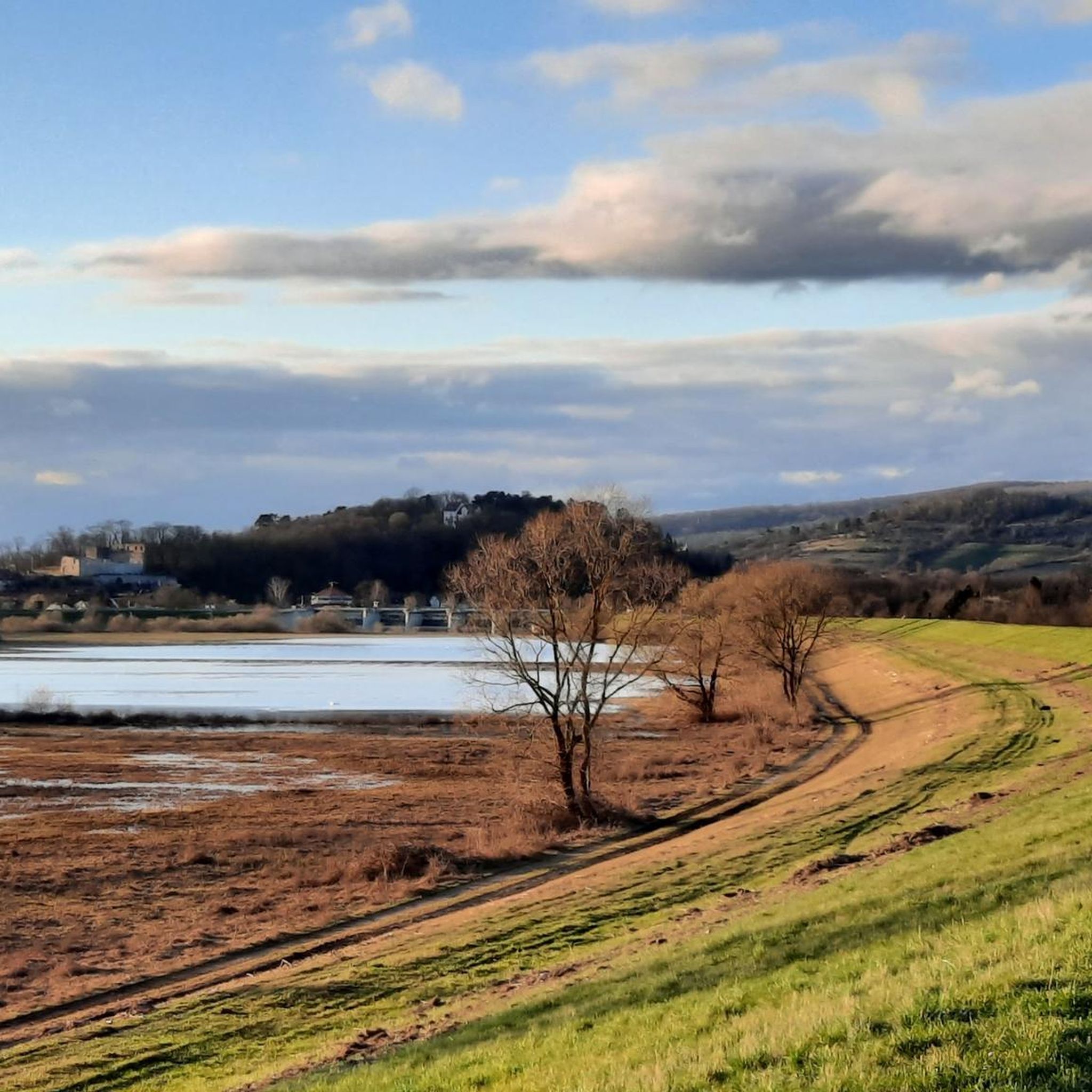
Best attractions and places to see in Polder I Im Hochwasserrückhaltebecken Salzderhelden are primarily focused on its natural landscape and ecological significance. This area functions as a nature reserve within the larger Hochwasserrückhaltebecken Salzderhelden, a flood retention basin. It is recognized for its diverse flora and fauna, particularly its role as a habitat for numerous bird species. The region features extensive grasslands, reed beds, and artificial stillwaters, shaped by regular floods.
Best attractions and places to see in Polder I…
Last updated: July 5, 2026
Birdwatching Point at Leinepolder
Highlight • Viewpoint
Translated by Google •
Tip by

Salzderhelden Flood Retention Basin
Highlight • Monument
Translated by Google •
Tip by

Sign up now to discover places like this
Get recommendations on the best single tracks, peaks, & plenty of other exciting outdoor places.
Sign up for free
Stork Colony in Leinepolder Salzderhelden
Highlight • Natural
Translated by Google •
Tip by

Translated by Google •
Tip by

Cycle Path Along the Road in the Weser Uplands
Highlight (Segment) • Cycleway
Translated by Google •
Tip by

Sign up for free to discover even more attractions in Polder I Im Hochwasserrückhaltebecken Salzderhelden.
Sign up for free
Already have an account?
Start today with a free account
Your next adventure awaits.
Login or Signup
Popular around Polder I Im Hochwasserrückhaltebecken Salzderhelden
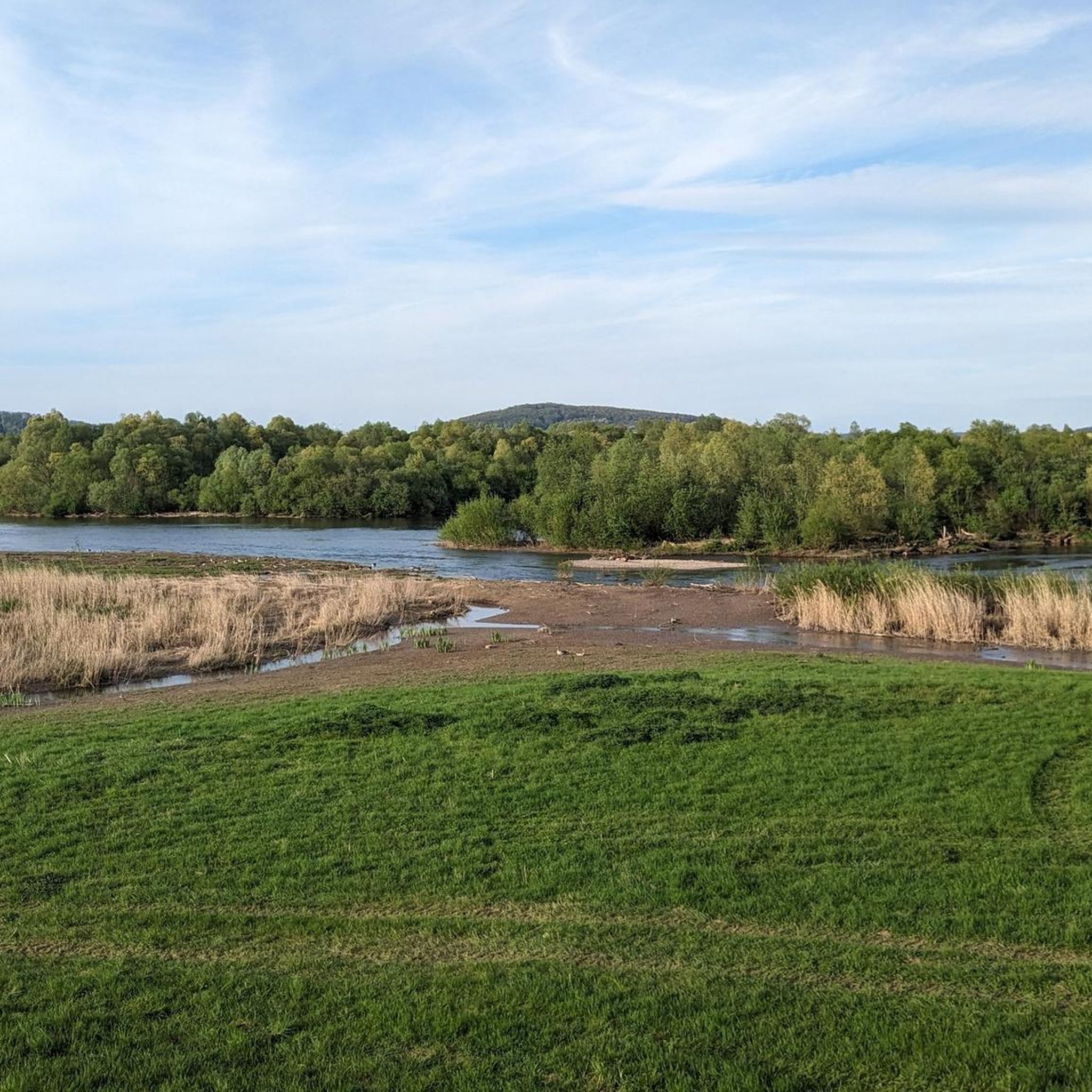
Hiking in Polder I Im Hochwasserrückhaltebecken Salzderhelden
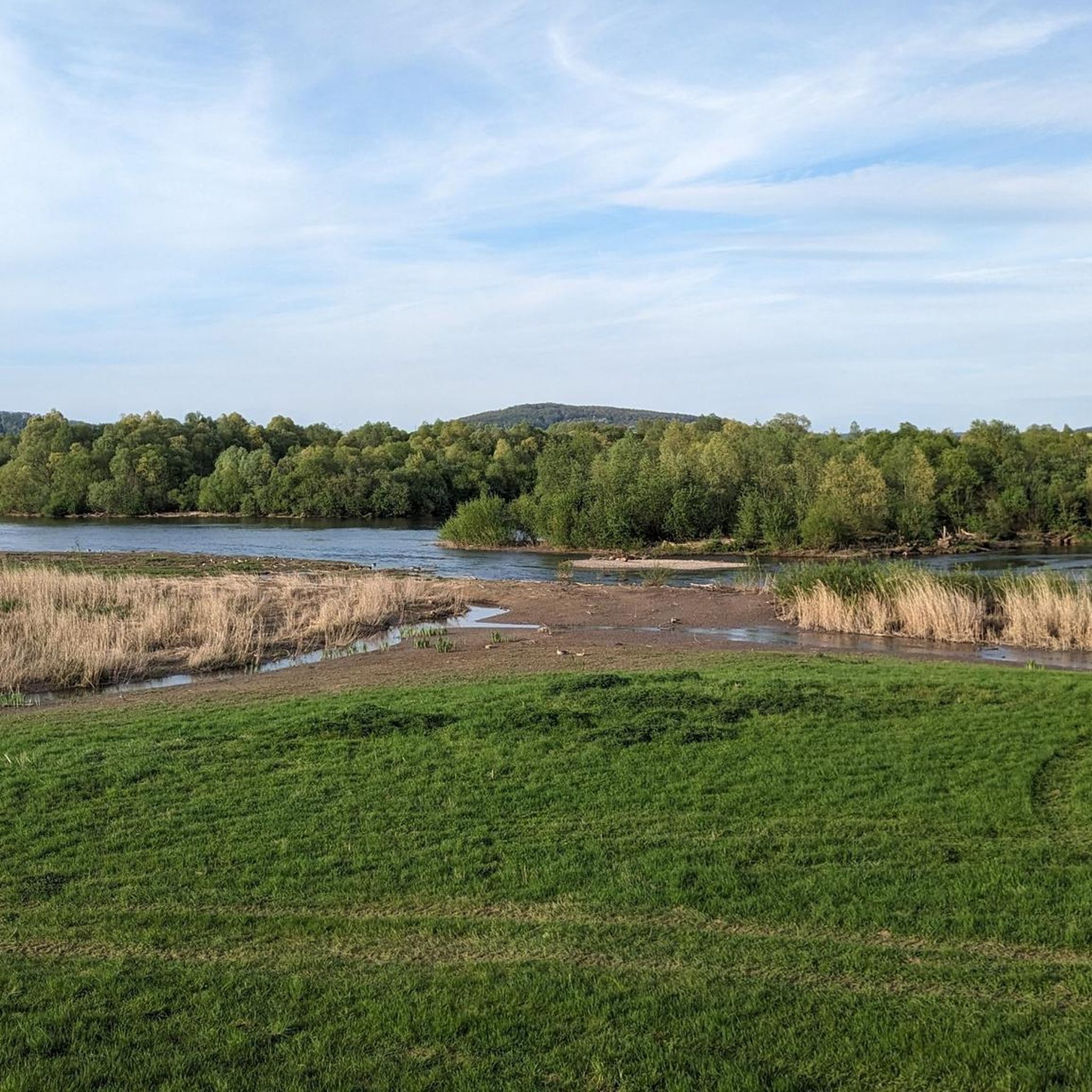
Cycling in Polder I Im Hochwasserrückhaltebecken Salzderhelden
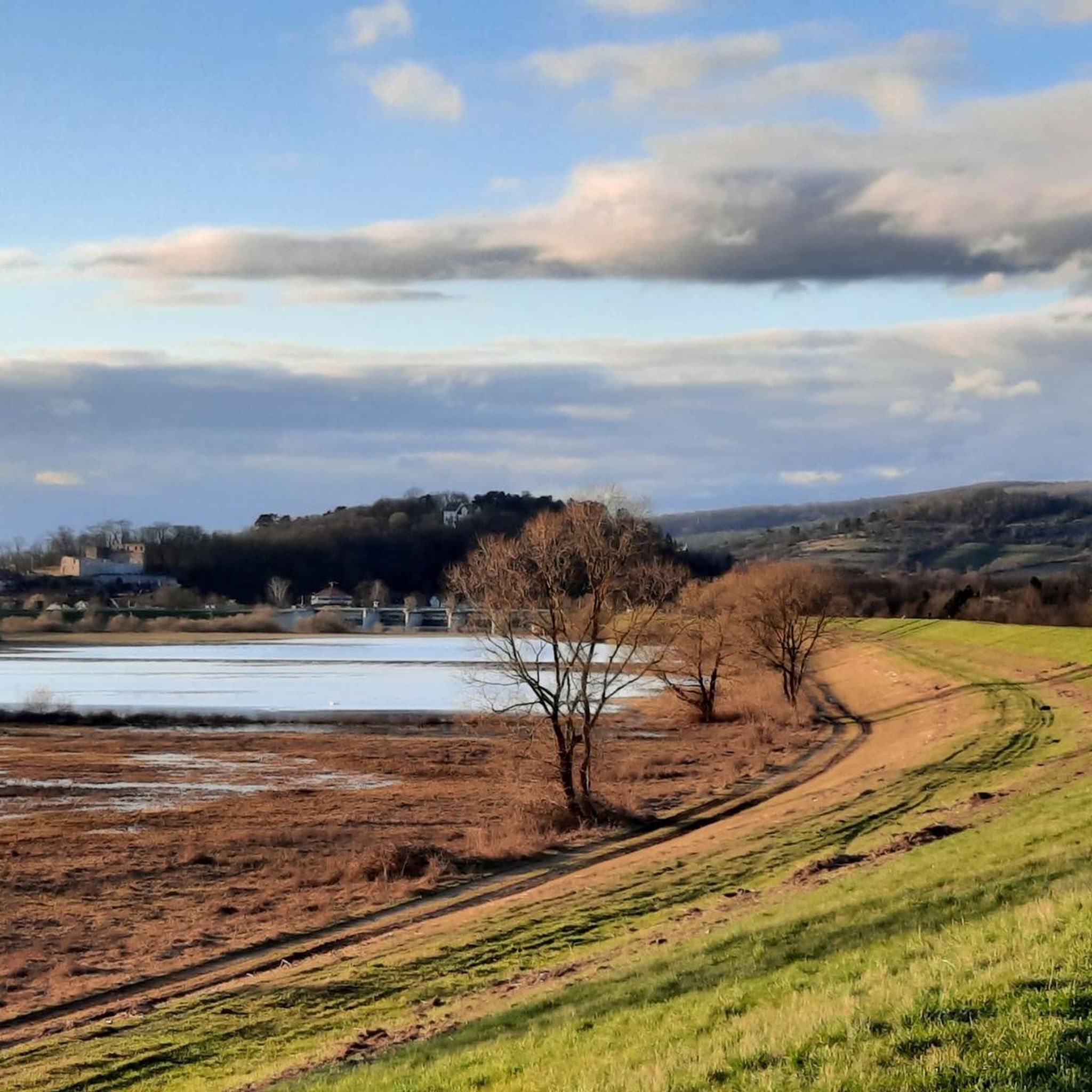
Road Cycling Routes in Polder I Im Hochwasserrückhaltebecken Salzderhelden
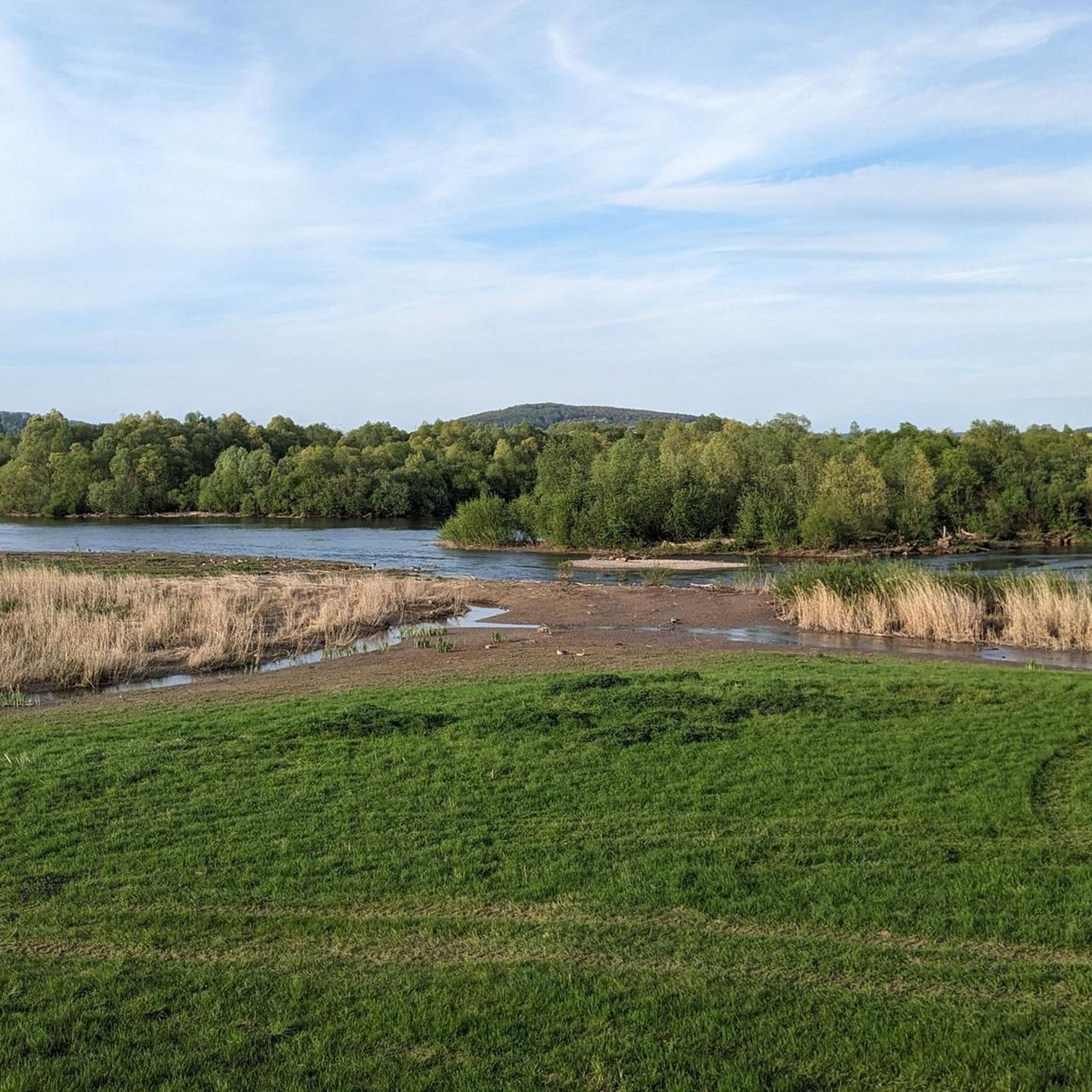
MTB Trails in Polder I Im Hochwasserrückhaltebecken Salzderhelden
Running Trails in Polder I Im Hochwasserrückhaltebecken Salzderhelden
Gravel biking in Polder I Im Hochwasserrückhaltebecken Salzderhelden
Tips from the Community

and there are also geese
1
0

Although you drive directly along the road here, you are also directly in a protected area, the Leinepolder.
0
0

I'd like to take this opportunity to clearly declare my allegiance to the anti-stork league: This isn't a highlight. Rather, it's a misguided exaggeration from a bygone era. The storks, which have unfortunately been settling here in very large numbers for many, many years, are undermining the conservation purpose of the area by feeding primarily on the young ground-nesting birds in the polders. In summer, you can regularly see them walking through the meadows in long lines (I counted up to 23 birds), an organized army of animals that are unfortunately overrated in this country, simply preying on what we painstakingly protect, including the corncrake, whose main breeding population is developing here in the Leinepolder.
0
0

Great rest area with a beautiful view of the nature reserve. You will also find many information boards here, it is worth a visit.
4
0
An interesting building with a great view, an information board offers you some information about it
5
0

Nice route for a cozy coffee...
0
0
Interesting view of many migratory birds...
4
0

This is a good place to cycle along.
1
0
Frequently Asked Questions
What kind of wildlife can I expect to see in Polder I?
Polder I is a significant nature reserve, especially renowned for its birdlife. You can observe a wide variety of bird species, including thousands of geese (Grey, Bean, White-fronted, Barnacle, Canada), Smews, and Common Goldeneyes, particularly during autumn and winter. The area is also home to a stork colony, and rare visitors like the Great Snipe and Northern Lapwing can be spotted. The diverse wet and damp environments support a rich array of animal and plant species.
Are there specific spots for birdwatching in the area?
Yes, the region offers excellent birdwatching opportunities. The Birdwatching Point at Leinepolder is a prime location. Additionally, the Observation Tower at the Debris Dam, Polder I in the Salzderhelden Flood Retention Basin provides a great vantage point over the wetland area, offering excellent opportunities to observe the bird world.
What is the Salzderhelden Flood Retention Basin?
The Salzderhelden Flood Retention Basin is a major man-made monument designed for flood protection in the Leine Valley. Operational since 1994, it features approximately 30 km of dams and a central 116-meter long control structure. Beyond its technical function, it holds international ecological importance for bird conservation, integrating with the natural habitats of Polder I.
What historical or cultural sites are located near Polder I?
While Polder I itself is focused on nature, the nearby village of Salzderhelden offers historical attractions. You can visit the historic Salzderhelden Saltworks, now a museum with a preserved drilling tower and 19th-century buildings. Also, explore the impressive Heldenburg Castle Ruins, a former ducal residence with remnants of walls and an old well. Don't miss the unique 'SALZDERHELDEN' geoglyph, spelled out in 13-meter-high limestone letters on the Kleiner Heldenberg.
Are there family-friendly activities available in Polder I?
Yes, many attractions in Polder I are suitable for families. Birdwatching points like the Birdwatching Point at Leinepolder and the Observation Tower at the Debris Dam are great for all ages. Observing the Stork Colony in Leinepolder Salzderhelden is also a popular family activity. The area's flat terrain makes it accessible for walks and cycling with children.
What is the best time of year to visit Polder I for birdwatching?
The best time for birdwatching is typically during autumn and winter. During these seasons, when other regional bodies of water freeze, Polder I becomes a critical resting and overwintering ground for thousands of geese and other migratory birds. Spring and summer also offer opportunities to observe breeding birds and the stork colony.
What outdoor activities can I do near these attractions?
The area around Polder I is excellent for various outdoor activities. You can enjoy easy hikes on trails like the 'Salzderhelden Dike Trail' or the 'Saline Salzderhelden Industrial Heritage Site – Salzderhelden Polder loop'. For cyclists, there are gravel biking routes such as the 'Duckstein Spring – Leine Cycle Path loop'. Runners can explore trails like the 'Running loop from Einbeck-Salzderhelden'. Find more details on these activities in the easy hikes, gravel biking, and running trails guides.
Are there accessible routes for visitors with mobility limitations?
Polder I features generally flat terrain, making many of its paths suitable for easy walks and cycling. While specific accessible routes are not detailed, the nature of the flood retention basin and its surrounding dikes often provides relatively flat and wide paths, which can be more accessible for visitors with mobility limitations. It's advisable to check local conditions for specific routes.
Can I bring my dog to Polder I?
While the area is a nature reserve, many outdoor paths and trails around Polder I are generally dog-friendly. However, it's crucial to keep dogs on a leash, especially in areas with sensitive wildlife, such as bird breeding grounds, to protect the local fauna. Always adhere to local signage and regulations regarding pets in nature reserves.
What should I bring for a visit to Polder I?
Given the focus on nature and birdwatching, it's highly recommended to bring binoculars for observing wildlife. Comfortable walking shoes are essential for exploring the trails. Depending on the weather, appropriate clothing, including rain gear, is advisable. Don't forget water and snacks, as facilities within the immediate nature reserve are limited.
What is the 'Geschiebesperre' and why is it important?
The 'Geschiebesperre' (sediment barrier) within the Polder I nature reserve is an expansion of the Leine river created by excavation. It features shallow water zones, willow bushes, and gravel banks. This area is particularly attractive and important for various water and wading birds, providing crucial habitats for feeding and resting.
How does the flood retention basin contribute to the region's ecology?
Beyond its primary function of flood protection, the Hochwasserrückhaltebecken Salzderhelden plays a vital role in the region's ecology. The regular flooding it facilitates helps shape the landscape of Polder I, promoting rich biodiversity. It creates and maintains extensive grasslands, reed beds, and artificial stillwaters, which are crucial habitats for numerous animal and plant species, especially serving as a nationally significant bird breeding area and an important resting and wintering ground for migratory birds.
Most popular routes in Polder I Im Hochwasserrückhaltebecken Salzderhelden
Most popular attractions in Polder I Im Hochwasserrückhaltebecken Salzderhelden

Get inspired with the komoot mobile app


Explore more
Still not found the Highlight you’re looking for? See guides of the top attractions in other regions:
