Attractions and Places To See around Ulmen - Top 20
Best attractions and places to see around Ulmen offer a blend of natural beauty and historical landmarks within Germany's Volcanic Eifel region. The area is characterized by unique volcanic lakes, ancient ruins, and geological features. Visitors can explore a landscape shaped by volcanic activity, providing diverse opportunities for outdoor activities and cultural discovery. This region presents a variety of sites, from historical structures to natural phenomena, making it a destination for exploration.
Best attractions and places to see around Ulmen
…Last updated: August 16, 2026
Dronke Tower on the Mäuseberg
Highlight • Viewpoint
Translated by Google •
Tip by

View of the Gemünden maar
Highlight • Lake
Showing Translation
Tip by

Sign up now to discover places like this
Get recommendations on the best single tracks, peaks, & plenty of other exciting outdoor places.
Sign up for free
Schalkenmehrener Maar
Highlight • Lake
Translated by Google •
Tip by

View of the Weinfelder Maar (Totenmaar)
Highlight • Lake
Translated by Google •
Tip by

Großes Schlitzohr Tunnel
Highlight (Segment) • Structure
At the end of the first decade of the 20th century, the railway tunnel was driven 560 meters through the mountain. 80 years …
Translated by Google •
Tip by

Sign up for free to discover even more attractions around Ulmen.
Sign up for free
Already have an account?
Start today with a free account
Your next adventure awaits.
Login or Signup
Popular around Ulmen
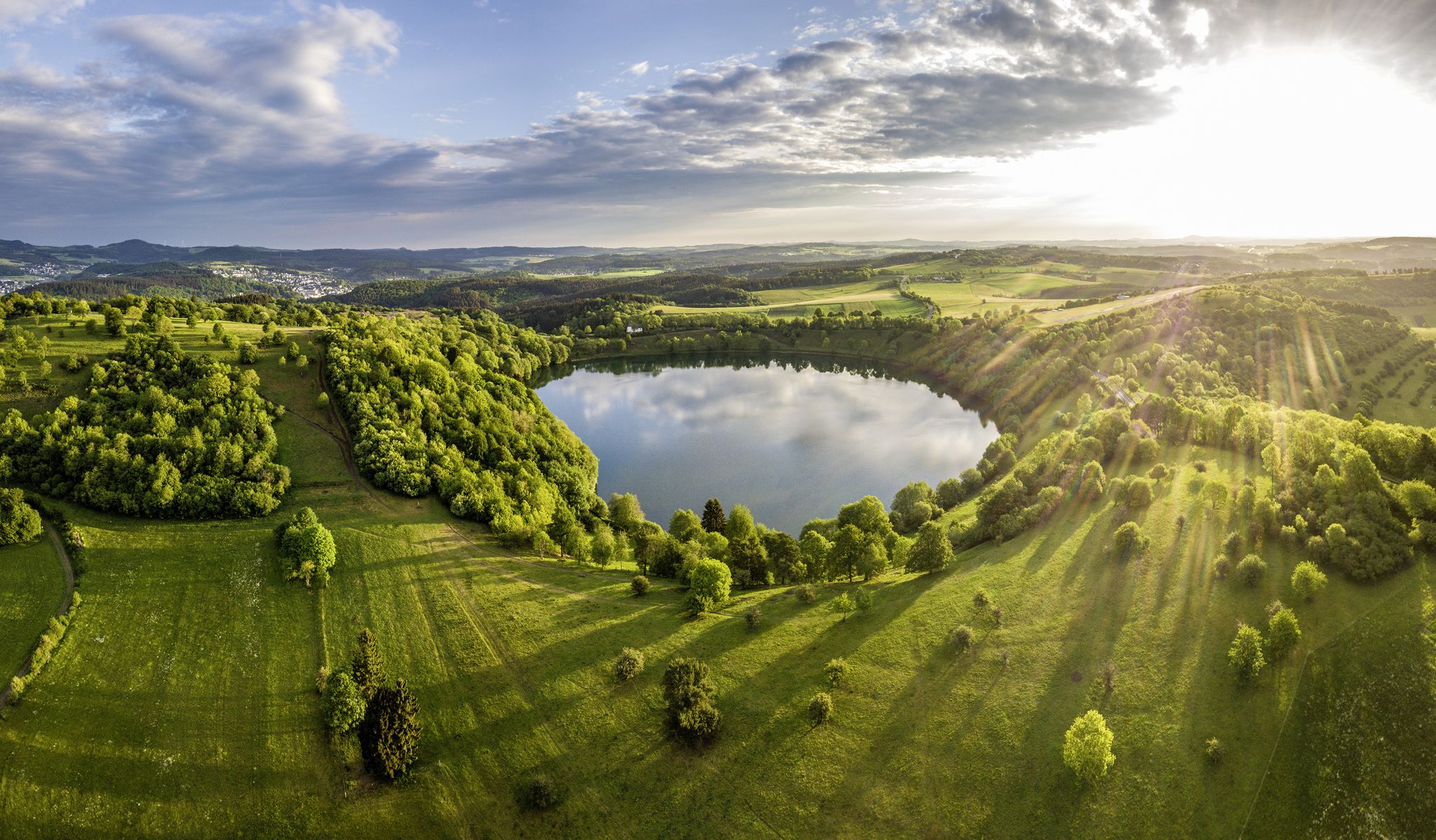
Germany’s Most Beautiful Hiking Trails in the Vulkaneifel
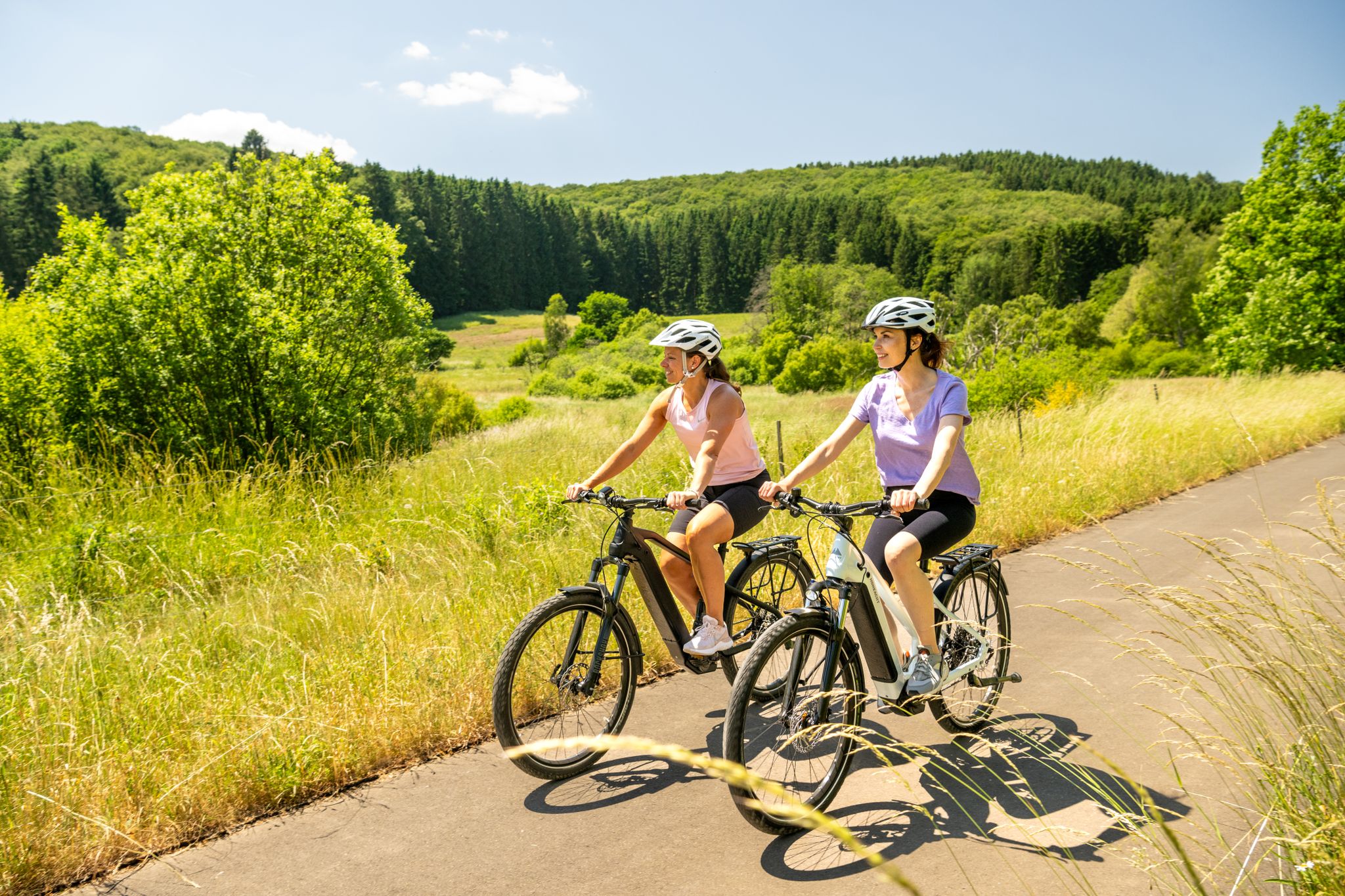
E-biking through the Volcanic Eifel
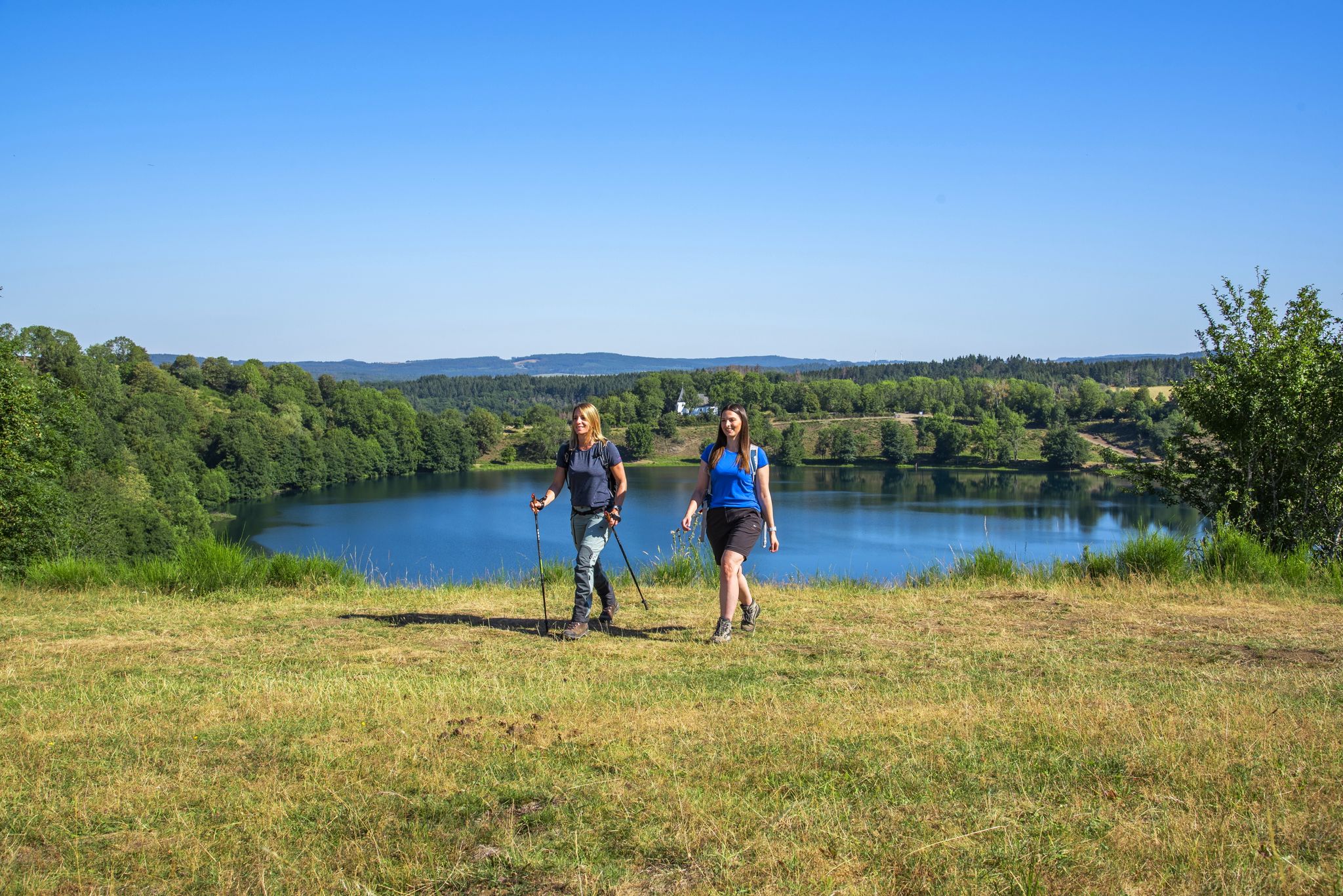
Excellent paths in the Vulkaneifel – Explore the HeimatSpuren
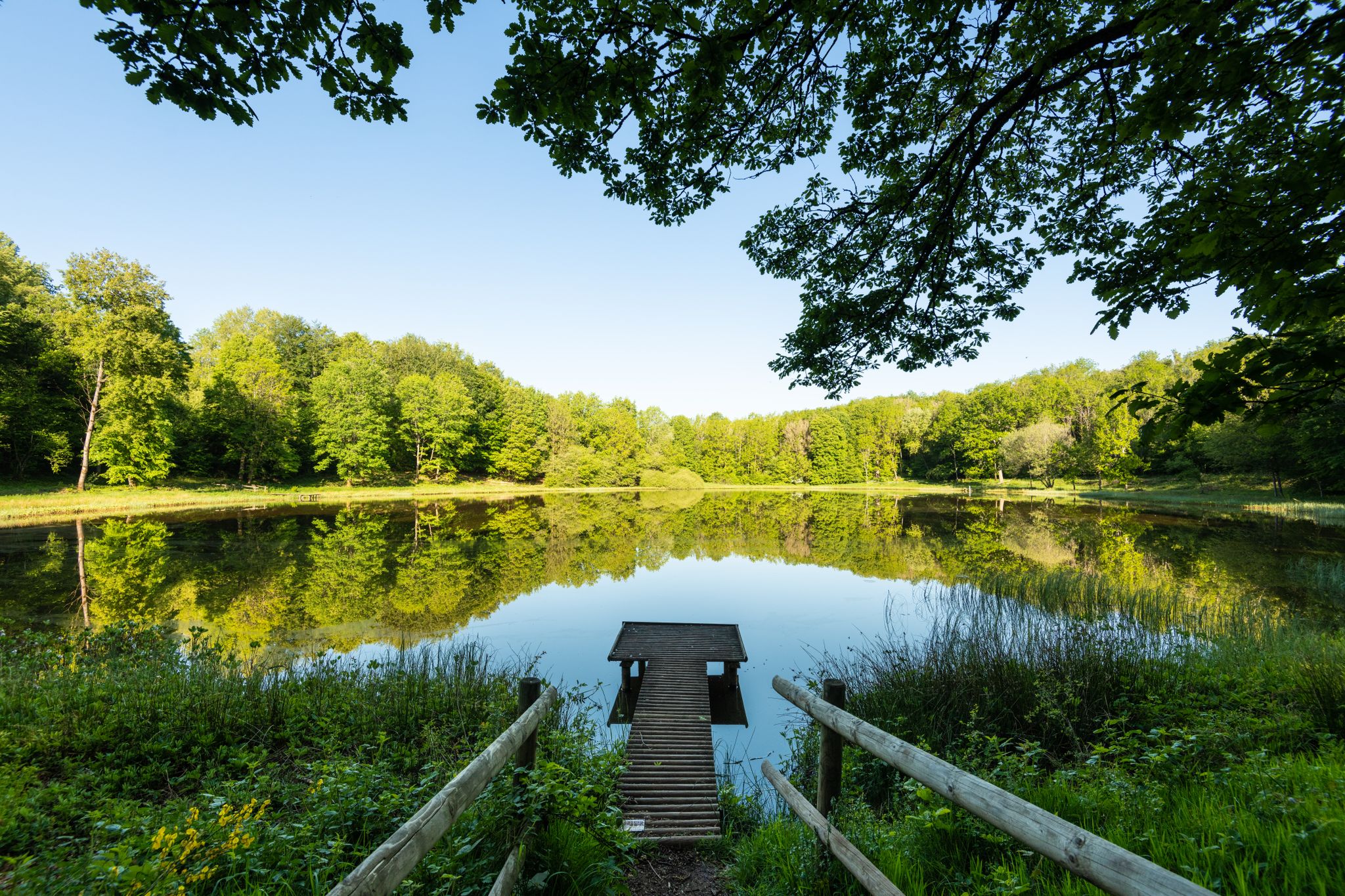
Award-winning hikes – explore the Volcanic Eifel on acclaimed trails
Vulkan Eifel — bike and hike
Hiking around Ulmen
Road Cycling Routes around Ulmen
Cycling around Ulmen
MTB Trails around Ulmen
Running Trails around Ulmen
Other adventures around Ulmen


Tips from the Community

Old Railway Tunnel "Großes Schlitzohr" near Daun At the end of the first decade of the 20th century, the railway tunnel was driven 560 meters through the mountain. 80 years later, it was converted into a cycle path. The tunnel contains several niches with rounded arches, through which the water seeping in above is drained. The sound of this water has been a part of this place for almost 100 years. Text / Source: Institut Denkunternehmung, Hörscheider Straße 20, 54552 Darscheid https://denkunternehmung.de/alter-eisenbahntunnel-grosses-schlitzohr-bei-daun
16
0
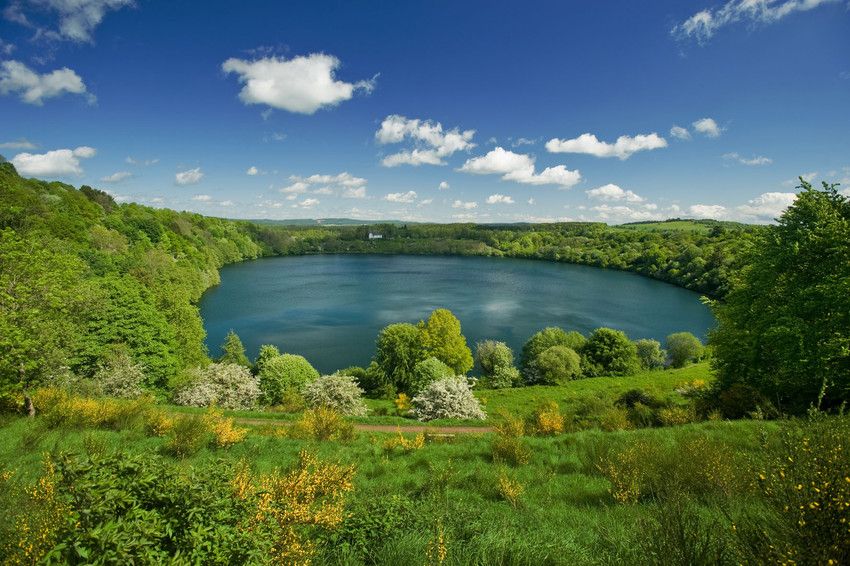
The Daun Maars - 10,000-Year-Old Volcanic Lakes The Daun Maars were formed around 10,000 years ago from volcanic steam explosions. Hot lava rises from the Earth's interior and meets water, which suddenly evaporates. This blasts away entire mountain peaks. What remains is a deep crater that fills with water over the years and a wall of boulders surrounding the lake. The Daun Maars include the Gemünden Maar, the Weinfelder Maar, and the Schalkenmehrener Doppelmaar. One crater of the Schalkenmehren Maar has silted up over the millennia. The area is a nature reserve and a refuge for waterfowl and rare dragonfly species. Text / Source: deutschland-outdoor.der https://deutschland-outdoor.de/eifel/dauner-maare
13
0
Weinfelder Maar The Weinfelder Maar, formed by volcanic activity around 20,000 to 30,000 years ago, is the highest of the three Daun Maars at 487 meters above sea level. The lake is 51 meters deep and has a diameter of 396 to 429 meters. An almost melancholic atmosphere surrounds the maar. Many legends surround the tranquil Eifel eye. A castle is said to have once stood on the site of the crater, where a count lived with his wife and only child. After returning home from a hunt, the castle had sunk as punishment for the woman's nastiness, and he found only a lake where a cradle miraculously floated his child safely to the shore. If you look at the dark surface of the water long enough, it is said that you can make out the outline of the castle. The German landscape painter Fritz von Wille was so fascinated by the Weinfelder Maar that he repeatedly immortalized it in his paintings. Among his favorite motifs was the small chapel on the north bank, dedicated to Saint Martin. It was once the parish church of the village of Weinfeld, which was ravaged by the plague in the 16th century. Anyone who rings the bells inside by pulling the ropes can make a wish. To this day, the associated cemetery is maintained and used by the local community of Schalkenmehren. This is also where its second name, Totenmaar, comes from. Donkeys and goats have been introduced to the Weinfelder Maar to regulate vegetation. The maar's unique flora and fauna are protected. Swimming and other water sports are prohibited in the Weinfelder Maar, but a nearly two-kilometer-long path makes it a wonderful place to explore on foot. Parking: Guests can park along the L64 either in the parking lot at the Weinfelder Maar or on the Maarsattel between the Weinfelder Maar and the Schalkenmehrener Maar. Text / Source: GesundLand Vulkaneifel GmbH, Leopoldstr. 9 A, 54550 Daun https://www.eifel.info/a-weinfelder-maar
13
0

Nice view with markers for orientation. The tower, which was built in 1902, is only 11m high, but stands on top of the 560m high Mauseberg and is thus 166m above the Gemünder Maar, guaranteeing a magnificent view of the surrounding area.
14
0
Beautiful view with an information board for orientation. The tower, built in 1902, is only eleven meters high, but stands at the top of the 560-meter-high Mäuseberg and is thus 166 meters above the Gemünder Maar. This guarantees a magnificent view over the surrounding area.
19
1
A section of the Eifelsteig long-distance hiking trail runs right through the Dauner Maare. Very nice path past the witnesses of the volcanic past of the Eifel. https://www.eifelsteig.de/
14
0
The hiking car park and the hiking map with an overview of the various routes are located at the Waldcafe. This is a great place to start your tour and enjoy a coffee at the end.
11
0
Very beautiful Maar, more than 100m deep embedded in the "crater", the smallest of the three Dauner Maare offers a beautiful outdoor pool and the opportunity to explore the volcanic lake by boat. The forest café and the starting point for numerous hikes and tours are also located at the car park.
17
1
Frequently Asked Questions
What natural features can I explore in the Ulmen region?
The Ulmen region is renowned for its unique volcanic lakes, known as maars. You can visit the Schalkenmehrener Maar, one of the three Dauner Maars, or enjoy the views of the Gemünden maar. The Ulmener Maar itself is the youngest volcano north of the Alps, and nearby, the Jungferweiher offers a glimpse into an older maar. These natural wonders provide beautiful scenery and opportunities for relaxation.
Are there any historical sites or ruins to visit in Ulmen?
Yes, Ulmen boasts significant historical landmarks. The most prominent are the Ulmen Castle Ruins, perched above the Ulmener Maar. These ruins, with parts dating back to around 1000 AD, offer a tangible connection to the region's medieval past. Additionally, the historic St. Matthias Church, also believed to be from around 1000 AD, preserves ancient grave inscriptions and artifacts, providing insights into Ulmen's religious and historical heritage.
Can I go swimming in the maars around Ulmen?
Yes, the Ulmener Maar offers opportunities for swimming and boat rentals, complete with a diving platform. The Gemünden maar also has a swimming pool and allows swimming in the maar itself. However, swimming and other water sports are prohibited in the Weinfelder Maar due to its protected flora and fauna.
What kind of cycling routes are available near Ulmen's attractions?
Ulmen is an excellent starting point for various cycling adventures. You can find numerous routes for different styles, including gravel biking, road cycling, and touring. For example, there are challenging gravel biking routes like the "Ulmener Maar – Ulmener Maar Tunnel loop from Gunderath" or scenic road cycling tours such as the "Grünewald Tunnel – Großes Schlitzohr Tunnel loop from Berenbach." You can explore more options on the dedicated cycling guides, such as Gravel biking around Ulmen, Road Cycling Routes around Ulmen, and Cycling around Ulmen.
Are there family-friendly attractions or activities in the area?
Absolutely! Many attractions around Ulmen are suitable for families. The Schalkenmehrener Maar and the Gemünden maar are great for leisurely walks and enjoying nature. The Großes Schlitzohr Tunnel, a former railway tunnel converted into a cycle path, offers a unique and fun experience for all ages. The Ulmener Maar Tunnel is also largely barrier-free, making it accessible for families.
Where can I find panoramic views of the Volcanic Eifel landscape?
For breathtaking panoramic views, head to the Dronke Tower on the Mäuseberg. This 11-meter-high observation tower provides a wide perspective of the volcanic landscape, including direct views of the Gemündener Maar and the Weinfelder Maar. The paths leading up to the tower can be steep but are very rewarding.
Is there a unique geological or historical tunnel to explore in Ulmen?
Yes, the Ulmener Maar Tunnel is a fascinating site. Originally built in the Middle Ages for water management, this 126-meter-long tunnel now connects the Jungferweiher with the Ulmener Maar. It allows visitors to walk through and observe thousands of years of Earth's history, showcasing various sediment layers from the region's volcanic past. It was opened to the public in April 2023 and is largely barrier-free.
What is the significance of the Weinfelder Maar, also known as Totenmaar?
The Weinfelder Maar, also called Totenmaar (Dead Maar), is known for its serene, almost melancholic atmosphere. Its second name comes from the cemetery and small chapel located on its north bank, which was once the parish church of the village of Weinfeld, abandoned due to the plague in the 16th century. This maar is a nature reserve, and while swimming is prohibited, a nearly two-kilometer-long path allows for wonderful exploration on foot.
What makes the Schalkenmehrener Maar special among the Eifel maars?
The Schalkenmehrener Maar is notable as the southernmost and largest of the three Dauner Maars. It is a rare double maar, consisting of a lake and an eastern dry maar, both formed about 10,500 years ago after a volcanic steam explosion. A beautiful circular path allows visitors to walk around the maar and appreciate its unique geological formation.
Are there any accessible attractions for visitors with mobility considerations?
The Ulmener Maar Tunnel is largely barrier-free, making it accessible for many visitors. While some sections narrow to about 70 cm, its overall design allows for easier exploration of this historical and geological site.
What kind of hiking opportunities are there around Ulmen?
Ulmen is a prime location for hikers, offering numerous trails throughout the Volcanic Eifel region. Popular routes include the MaareGlück circular route, which encompasses maars like the Gemünden maar. You can find a variety of hiking trails, from easy walks to more challenging paths, allowing you to explore the diverse volcanic landscape. For more detailed routes, refer to komoot's hiking guides for the area.
What is the best time of year to visit Ulmen for outdoor activities?
The Volcanic Eifel region, including Ulmen, is beautiful year-round. However, for outdoor activities like hiking and cycling, spring (April-May) and autumn (September-October) offer pleasant temperatures and vibrant scenery. Summer (June-August) is ideal for swimming in the maars, while winter can provide a unique, tranquil experience, though some paths might be less accessible.
What is the Ulmen Discovery Tour?
The Ulmen Discovery Tour is a digital journey that allows visitors to interactively explore Ulmen's past and present. By using a smartphone to scan QR codes along a 3.7-kilometer route, you can access videos that bring local stories and history to life, offering an engaging way to learn about the town and its surroundings.
Most popular routes around Ulmen
Most popular attractions around Ulmen

Get inspired with the komoot mobile app


Explore more
Still not found the Highlight you’re looking for? See guides of the top attractions in other regions:
