The best cycling routes in Am Spitzberg
4.5
(942)
4,082
riders
336
rides
Touring cycling routes in Am Spitzberg traverse a landscape characterized by river valleys, agricultural fields, and small towns. The region features gentle elevation changes, making it suitable for accessible cycling. Routes often follow the Mulde River and pass by local lakes and historical landmarks. The terrain is generally flat to gently rolling, with minimal climbs.
Best touring cycling routes in Am Spitzberg
- The most popular touring cycling route is Kaolin Lake Kleintscheppa – Kaolingrube Lake and Rest Area loop from…
Last updated: May 12, 2026
5.0
(11)
42
riders
Easy bike ride. Great for any fitness level. Mostly paved surfaces. Suitable for all skill levels.
3.0
(1)
22
riders
Easy bike ride. Great for any fitness level. Mostly paved surfaces. Suitable for all skill levels.

Sign up for free
5.0
(14)
18
riders
Easy bike ride. Great for any fitness level. Mostly paved surfaces. Suitable for all skill levels.
5.0
(4)
18
riders
Easy bike ride. Great for any fitness level. Mostly paved surfaces. Suitable for all skill levels.
3.7
(3)
13
riders
6.08km
00:21
20m
20m
Easy bike ride. Great for any fitness level. Mostly paved surfaces. Suitable for all skill levels.
Get access to more routes and recommendations from other explorers.
Sign up for free
Already have an account?
Our route recommendations are based on thousands of hikes, rides, and runs completed by other people on komoot.
Start today with a free account
Your next adventure awaits.
Login or Signup

Tips from the Community


Between 1509 and 1513, Bishop Johann VI of Saalhausen had the chancel added, whose ribbed cell vault still stands today. The church tower was also completed during this period.[1] In 1499, the church burned down completely and was rebuilt in 1513 in the late Gothic style. With the help of Elector Johann Friedrich, the pastor Johann Hofmann from Thammenhain became the first Evangelical Lutheran pastor at St. Wenceslai on September 12, 1539. Since then, the church has been Protestant.[2] During the Thirty Years' War – during the "Wurzen Martyrdom Week" in March 1637 – it was destroyed again. In 1663, the citizens of Wurzen began its reconstruction. In 1673, St. Wenceslai was completed as a post-Gothic hall church with a four-bay nave and octagonal pillars.[3] In 1673, lightning struck the church tower, causing part of it to collapse. As a result, it was shortened to the height of the bell tower in 1679, rebuilt as an octagon, and given a Baroque, slate-covered dome complete with lantern, spire, and turret finial.[4] After the extensive renovation in 1873 and 1874, the church, partly because its gallery had been equipped with two rows of seats, offered space for 880 people – a number appropriate for the then prosperous small town with a burgeoning economy and a high proportion of residents belonging to the Evangelical Lutheran denomination. The next major renovation took place between 1926 and 1927.[5] Source: https://de.wikipedia.org/wiki/Stadtkirche_St._Wenceslai
3
0
After Wurzen was first mentioned in a document by Emperor Otto I in 961 as "vurzine civitas" (as the center of the castle ward at the Mulde crossing on the old salt road from Magdeburg to Bohemia), the Wencels suburb, among others, soon developed as an old settlement center with its own church of St. Wenceslas. St. Wenceslas (according to an old folk tradition) is considered a saint of merchants and traders, but also of thieves, robbers, and highwaymen. Our parish church of St. Wenceslas, which defines the townscape, stands on Sperlingsberg. The walled-in head of a Slavic idol sacrificial stone, on the inside left corner of the north portal, indicates the hill's Slavic past as a sanctuary: a symbol of the victory of the Christian church over the Slavic nature religion. Thus, the idol must now support the church building. It must be noted that this interpretation is not scientifically proven. Its location as a city church "outside the walls" is considered a unique feature. Hence the saying recorded in Schöttgen's Chronicle (1717): "When the people of Wurzen are supposed to go to church, they run out the gate." It was founded in the mid-13th century and first mentioned in a document in 1275. In 1340 AD, it is mentioned as a "little chapel" in the St. Wenceslas churchyard and "incorporated" into the Wurzen collegiate chapter, meaning that services and income from St. Wenceslas accrued to the canons. As the main church, it soon replaced the older St. James's Church, which by 1340 was only ministered to by a "vicarius" (a vicar who "served further up the hill"). The current church dates essentially from the beginning of the 16th century. The date on the tower entrance, M:CCCCC:XIII (1513), probably indicates the provisional completion of a new building during this period. It is a late Gothic hall church (four-bay nave with octagonal pillars). The mighty square tower still has a gable roof in Dilich's 1628 city view. Source: https://de.wikipedia.org/wiki/Stadtkirche_St._Wenceslai
3
0
The Evangelical Lutheran City Church of St. Wenceslai in Wurzen is a three-aisled hall church whose current appearance dates from 1663 to 1673. The church belongs to the Evangelical Lutheran Church of Saxony in Wurzen, in the Leipzig district of Saxony. It is a cultural monument in the Free State of Saxony. Its patron saint is the martyr Wenceslas of Bohemia. With its distinctive church tower, it is an integral part of the cityscape. Source: https://de.wikipedia.org/wiki/Stadtkirche_St._Wenceslai
3
0
Information at https://www.wurzen-impressionen.de/postmeilensaeule/postmeilensaeule-wurzen.html
4
0

A nice place to rest.
1
0

Frequently Asked Questions
How many touring cycling routes are available in Am Spitzberg?
Am Spitzberg offers a wide selection of touring cycling routes, with over 330 routes available. This includes a variety of options suitable for different preferences and skill levels.
What is the typical terrain like for touring cycling in Am Spitzberg?
The terrain in Am Spitzberg is generally flat to gently rolling, characterized by river valleys, agricultural fields, and small towns. You'll find minimal climbs, making it suitable for accessible cycling. Routes often follow the Mulde River and pass by local lakes.
Are there any family-friendly touring cycling routes in Am Spitzberg?
Yes, Am Spitzberg is well-suited for family cycling due to its gentle elevation changes and generally easy terrain. Many routes are designed to be accessible, with 217 out of 338 routes classified as easy. Routes like St. George's Church Lüptitz loop from Wurzen are short and manageable for families.
What kind of natural features or landmarks can I expect to see along the routes?
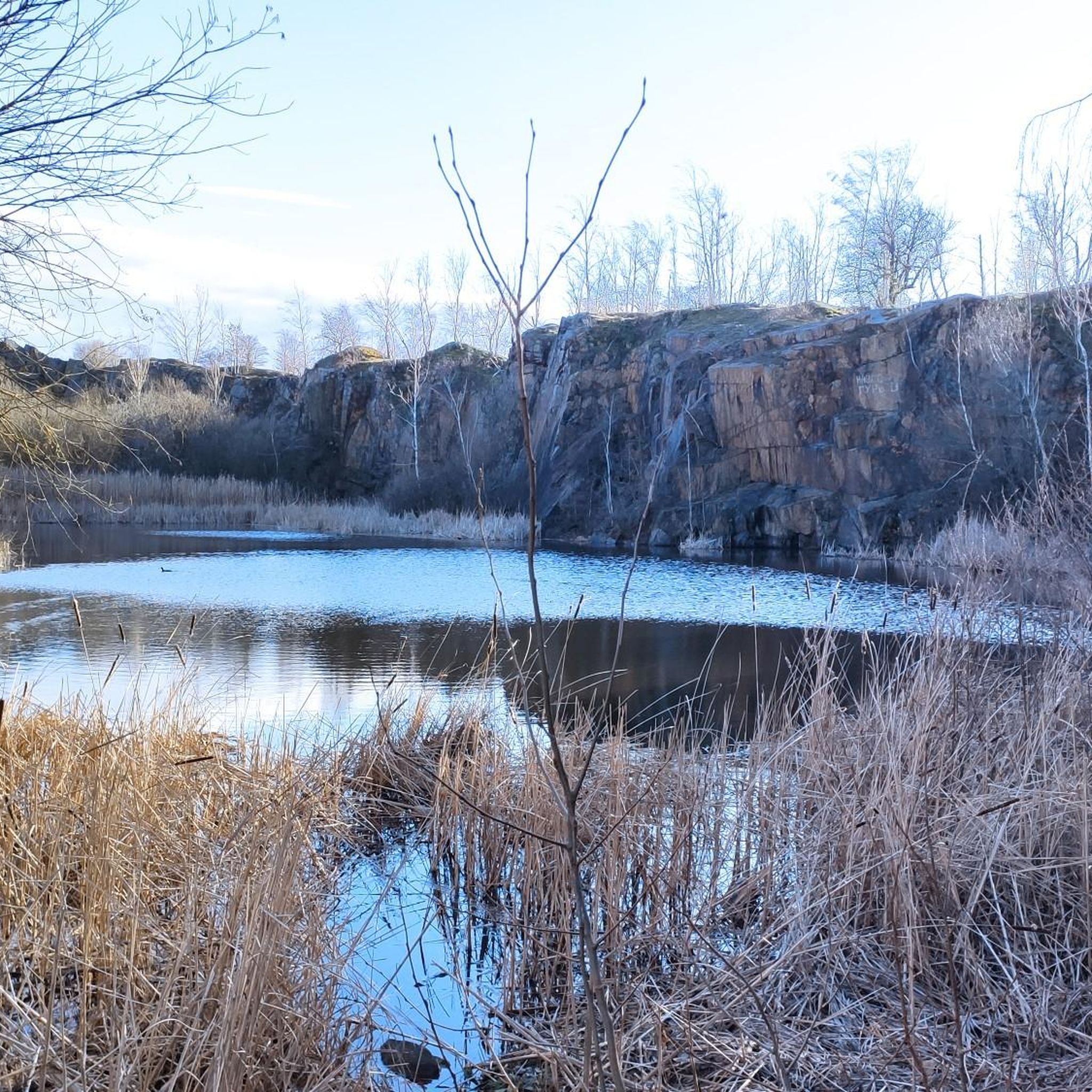
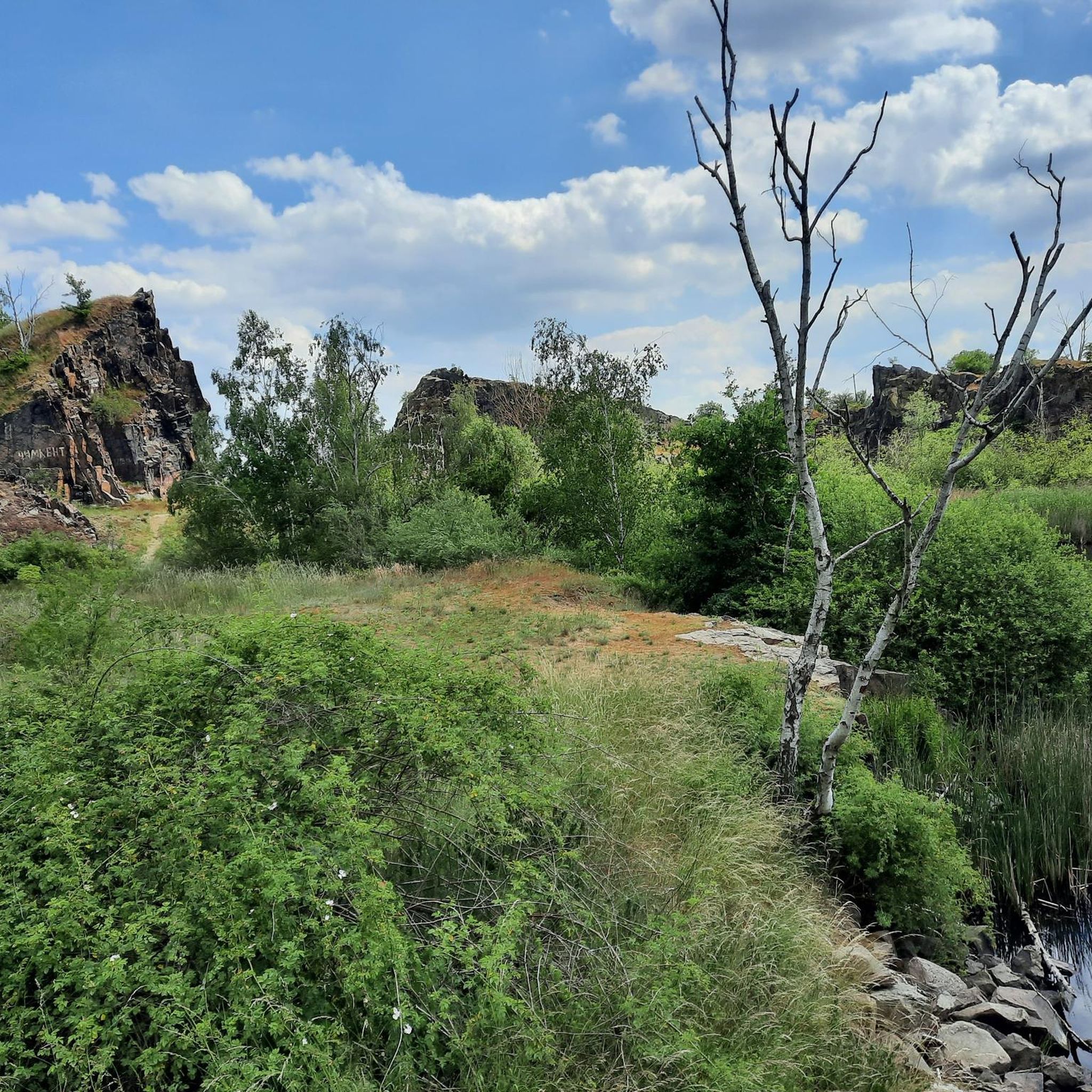
Along the touring cycling routes in Am Spitzberg, you can discover various points of interest. These include natural features like the Spitzberg Quarry Pond and scenic viewpoints such as Spitzberg Near Lüptitz and View of Am Spitzberg Conservation Area. You might also encounter historical landmarks like the Platz der Freiheit Memorial.
Are there circular touring cycling routes available in Am Spitzberg?
Yes, many touring cycling routes in Am Spitzberg are designed as loops, allowing you to start and end at the same point. Examples include the popular Kaolin Lake Kleintscheppa – Kaolingrube Lake and Rest Area loop from Wurzen and the scenic St. George's Church Lüptitz – Bench with a view of Naunhof loop from Wurzen.
What is the best time of year to go touring cycling in Am Spitzberg?
Given the region's characteristics of river valleys and agricultural fields, the spring, summer, and early autumn months generally offer the most pleasant conditions for touring cycling in Am Spitzberg. These seasons provide milder weather and lush scenery, ideal for exploring the routes.
Where can I find parking for touring cycling routes in Am Spitzberg?
Many touring cycling routes in Am Spitzberg start from towns like Wurzen, where public parking facilities are typically available. For specific routes, it's advisable to check the route details on komoot, as starting points often have designated parking areas nearby.
Is public transport accessible to the touring cycling trailheads?
Am Spitzberg's routes often connect small towns and follow river paths, suggesting that some trailheads may be accessible via local public transport networks. For precise information on public transport options to specific starting points, it's best to consult local transport schedules.
Do I need any special permits to cycle in Am Spitzberg?
Generally, no special permits are required for touring cycling on public paths and roads in Am Spitzberg. However, always respect local regulations, especially when cycling through nature reserves or private land, and stay on marked trails.
Are there options for longer touring cycling rides in Am Spitzberg?
While many routes are shorter, Am Spitzberg offers a total of 338 touring cycling routes, including some that can be combined or are longer in distance. For example, the St. George's Church Lüptitz – Bench with a view of Naunhof loop from Wurzen is 10 miles (16.2 km), and you can find more moderate and difficult routes for extended rides.
What do other cyclists say about their experience in Am Spitzberg?
The touring cycling routes in Am Spitzberg are highly rated by the komoot community, with an average score of 4.5 stars from over 890 reviews. Cyclists often praise the accessible terrain, scenic river paths, and the charm of passing through small towns and agricultural landscapes.
Are there places to eat or stay near the cycling routes?
As the routes traverse small towns and villages, you can expect to find local cafes, restaurants, and guesthouses in these areas. Towns like Wurzen, which serve as common starting points, offer various amenities for cyclists looking for refreshments or accommodation.
Are there any easy routes suitable for beginners?
Absolutely. Am Spitzberg is an excellent region for beginners, with 217 out of 338 touring cycling routes classified as easy. These routes feature gentle elevation changes and well-maintained paths, making them ideal for those new to touring cycling. A good starting point could be the Mulde Bridge, Bennewitz–Wurzen – Mulde Bridge at LER loop from Wurzen, an easy 7.5-mile path along the Mulde River.
Most popular routes in Am Spitzberg
Most popular attractions in Am Spitzberg

Get inspired with the komoot mobile app


Explore more
Browse the best Cycling routes in other regions.
