Attractions and Places To See in Salziger See - Top 7
Best attractions and places to see in Salziger See include its unique natural features and historical sites. The Salziger See is a designated nature reserve and European bird sanctuary, recognized for its diverse habitats such as extensive reed beds, shallow waters, and inland salt marshes. This area, once Central Germany's largest inland body of water, has seen its wetland areas re-establish after mining ceased, creating a distinct ecological landscape. The region offers opportunities to explore its natural environment and historical…
Last updated: July 5, 2026
Flooded Road Through Salziger See
Highlight • Structure
Translated by Google •
Tip by

The Salzige See
Highlight • Lake
The lake was pumped out in the course of mining.
Translated by Google •
Tip by

Sign up now to discover places like this
Get recommendations on the best single tracks, peaks, & plenty of other exciting outdoor places.
Sign up for free
Dreckschweinfest 1957 rest area
Highlight • Rest Area
Translated by Google •
Tip by
Maidertal deserted village with rest bench
Highlight • Historical Site
Translated by Google •
Tip by
Along the Weida from Röblingen to Kerner Lake
Highlight (Segment) • Trail
Translated by Google •
Tip by

Sign up for free to discover even more attractions in Salziger See.
Sign up for free
Already have an account?
Start today with a free account
Your next adventure awaits.
Login or Signup
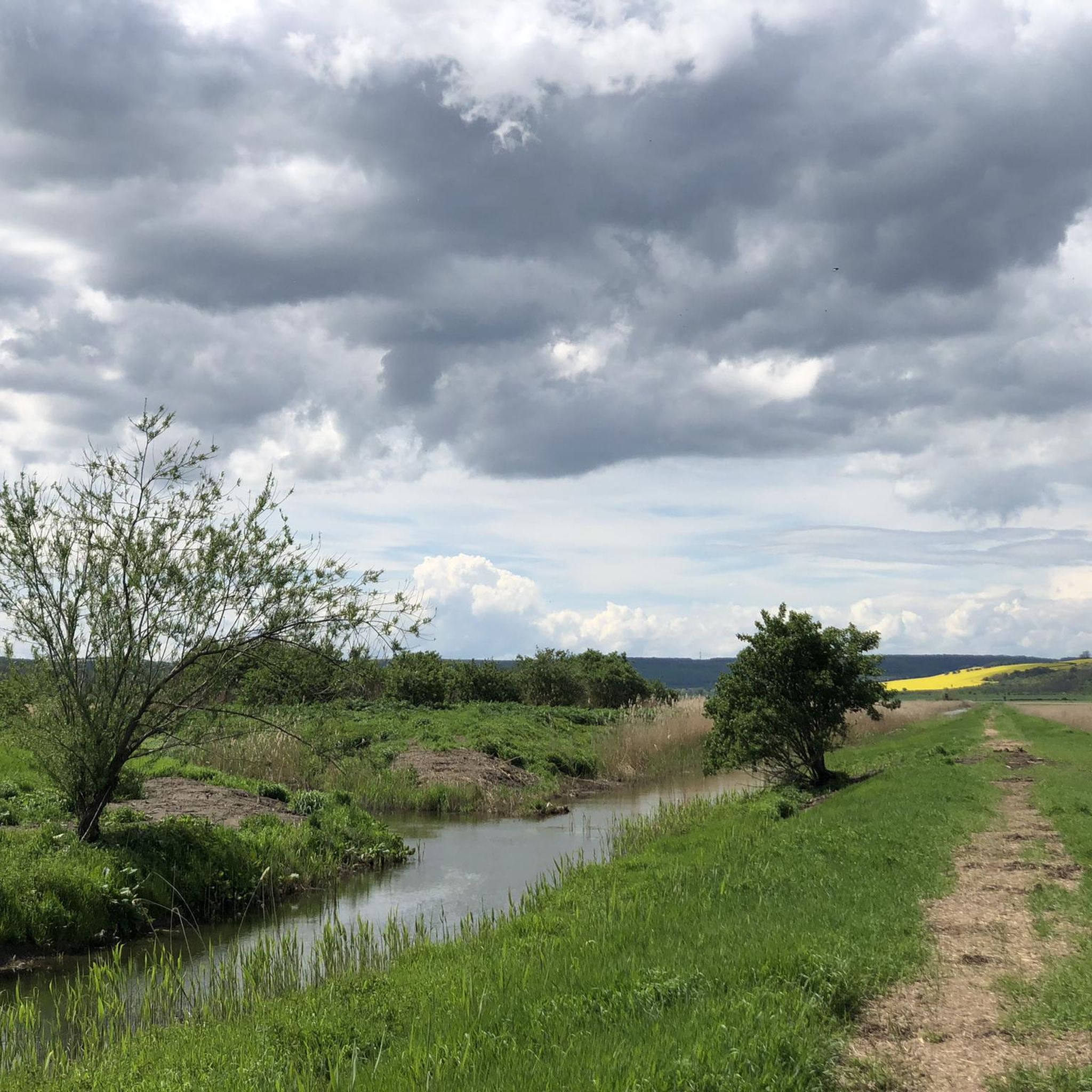
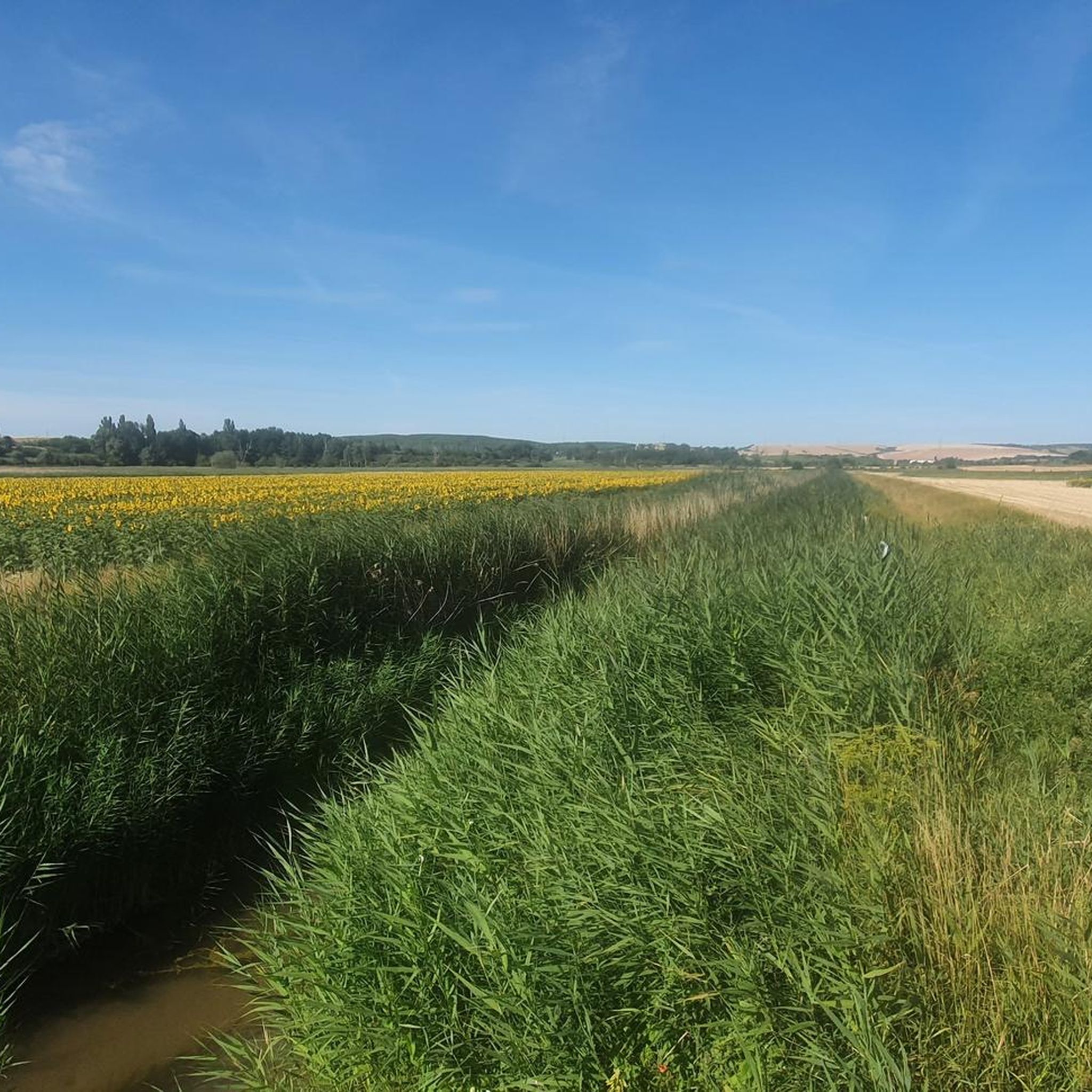
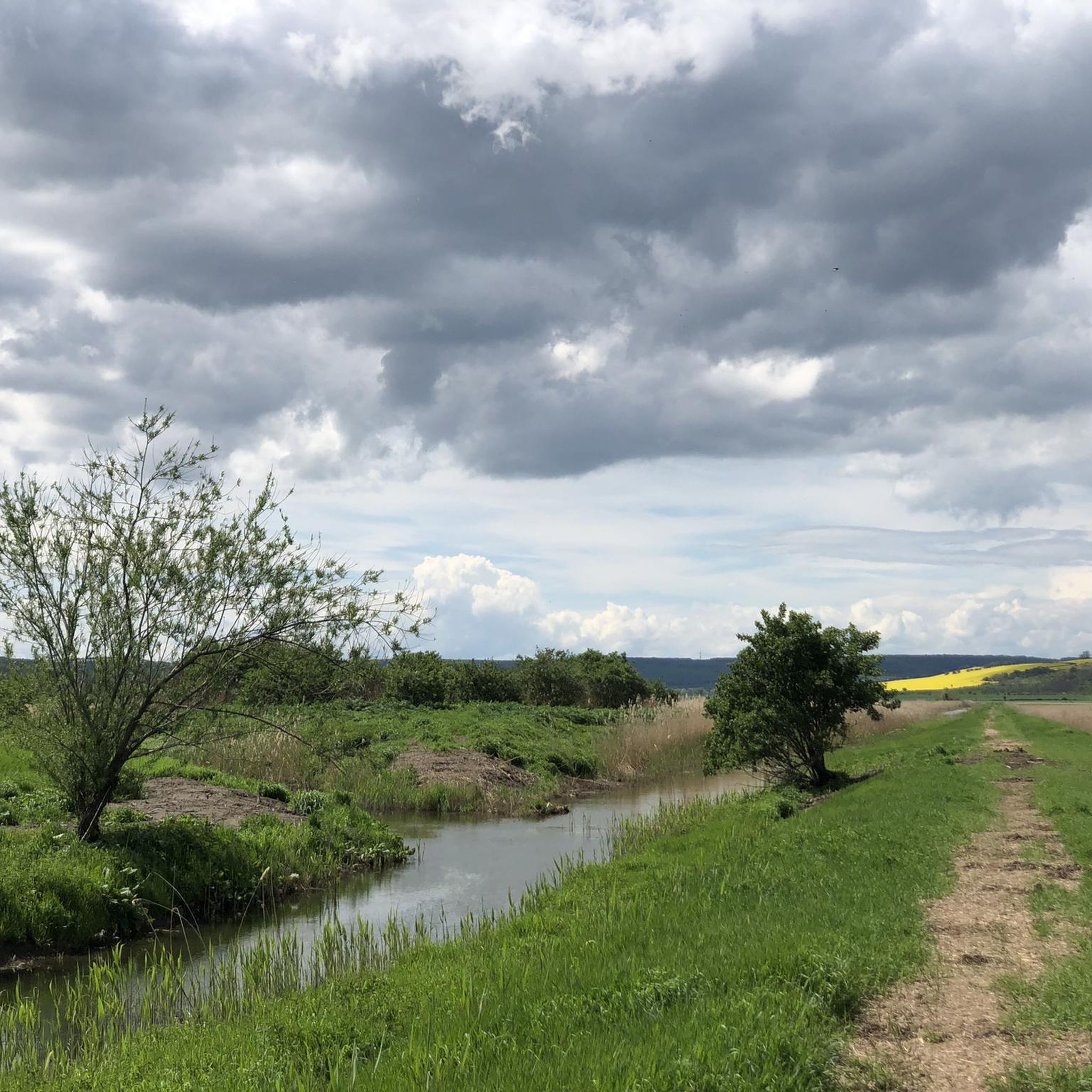
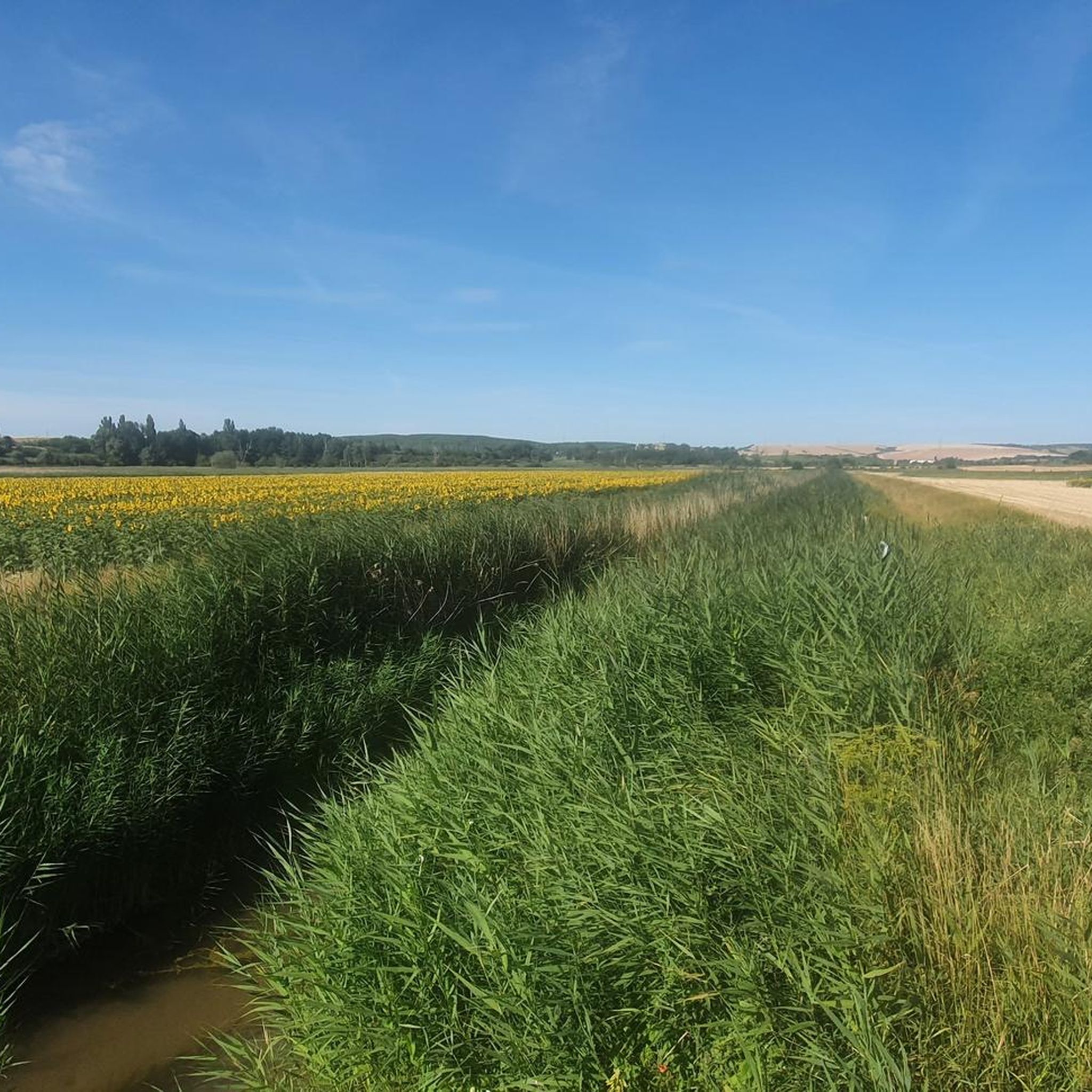
Tips from the Community

A bench to sit on, a sign in front of the deserted area.
13
0
In 1957, one of the famous Mansfäller Dereckschwein festivals took place here at Pentecost. Today, this festival still takes place in the Grunddörfer near Eisleben. Yes, you can also take a break.
14
0

The pumping out took place after a major water ingress into the copper shafts in 1892. You can read all about it on the board (see pictures).
7
0

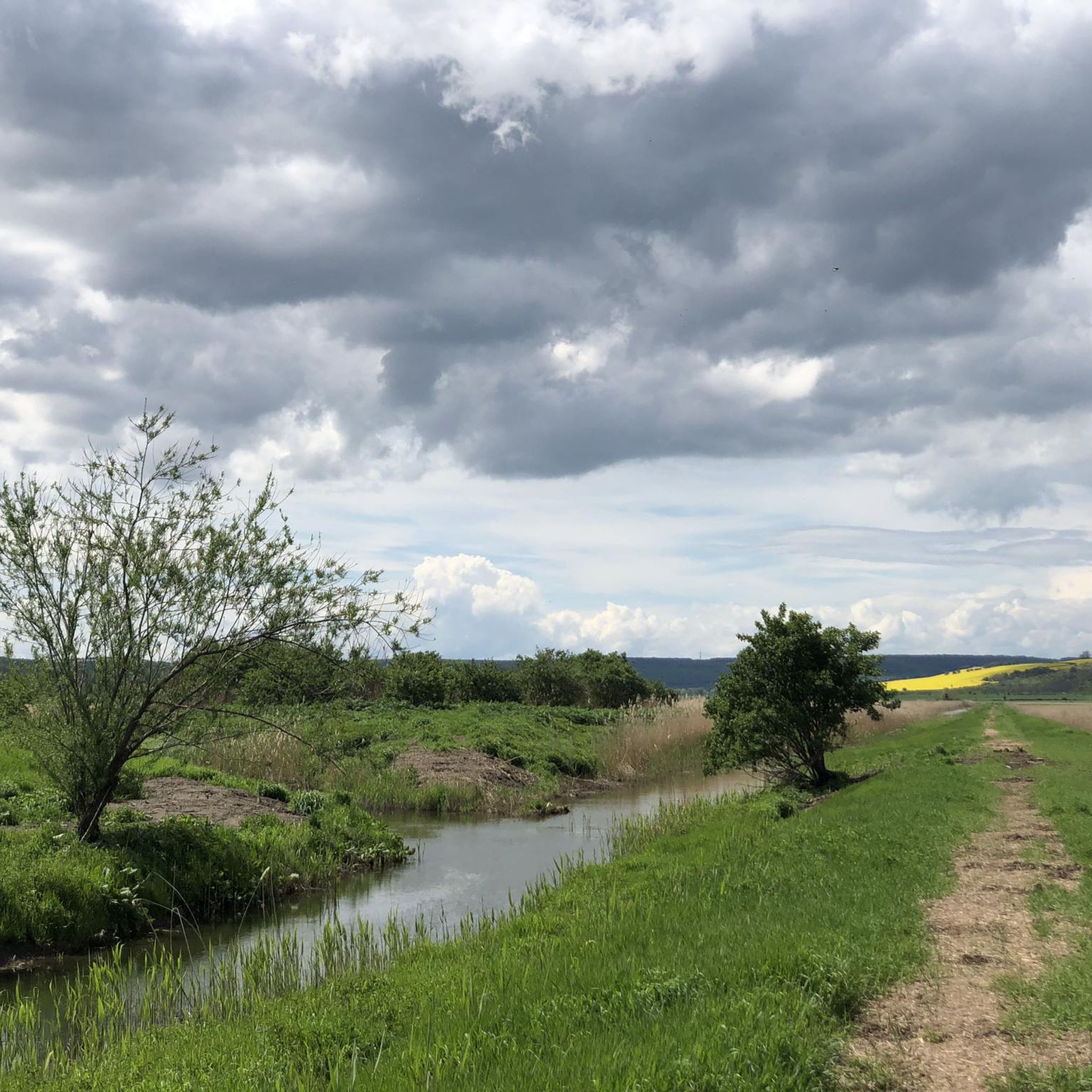
Short connection between the towns of Aseleben and Röblingen. When the "Salty Lake" isn't flooding the street, it rolls along at a leisurely pace.
2
0

Quite interesting how people used to have fun.
0
0
Historically very interesting but unfortunately there isn't much to see.
0
0

The water crossing is really fun on a warm day
3
0

Riding your bike through a lake and not knowing exactly whether the water will reach your shoes or maybe higher ... an exciting change on a tour. It's always pretty!
3
0
Frequently Asked Questions
What unique natural features can I explore in Salziger See?
The Salziger See is a designated nature reserve and European bird sanctuary, known for its diverse habitats like extensive reed beds, shallow waters, and inland salt marshes. You can visit The Salzige See itself, which represents the remnants of a once vast salty lake, with information boards explaining its unique history and ecological significance.
Are there any historical sites to visit in the Salziger See area?
Yes, the region holds historical significance. You can explore the Maidertal deserted village with rest bench, which offers a bench and an information board about the area's past, even if physical remnants are minimal. Another interesting spot is the Dreckschweinfest 1957 rest area, which commemorates a historical local festival. Additionally, you can find Old mountain huts, which are 'lost places' bearing witness to past fruit cultivation and mining activities.
What kind of outdoor activities can I do near the attractions?
The Salziger See area offers various outdoor activities, particularly cycling and running. You can find numerous routes for cycling and road cycling, including paths around the Süßer See and towards Seeburg Castle. For those who enjoy running, there are several running trails that allow you to explore the natural landscape.
Is the Salziger See area suitable for families with children?
Yes, the area offers family-friendly options, especially for those who enjoy nature and light exploration. Highlights like Maidertal deserted village with rest bench and The Salzige See provide educational opportunities about history and ecology. The unique experience of the Flooded Road Through Salziger See can also be an exciting adventure for older children, especially on a warm day.
What is the best time of year to visit Salziger See for birdwatching?
The Salziger See is a prime destination for birdwatching, particularly in autumn when hundreds of waders like lapwings, common ringed plovers, snipes, and redshanks make the area an impressive excursion destination. Spring and summer also offer opportunities to observe many breeding species, including rare ones like the Reed and Little Bittern.
Are there any unique experiences or trails in Salziger See?
Yes, one unique experience is cycling or walking along the Flooded Road Through Salziger See. This section allows for cycling through shallow water, offering an unusual route between Aseleben and Röblingen. It's described by visitors as an exciting change on a tour, especially on a warm day.
Can I bring my dog to the Salziger See nature reserve?
While the Salziger See is a nature reserve and European bird sanctuary, specific regulations for dogs can vary. It's generally advisable to keep dogs on a leash to protect the sensitive wildlife and habitats, especially during breeding seasons. Always look for local signage regarding dog access and rules.
Where can I find parking when visiting Salziger See attractions?
Parking options are typically available near the main access points to the nature reserve and villages surrounding the lake, such as Aseleben and Röblingen. Specific parking areas are usually signposted. For detailed information on parking for individual highlights, it's best to check local maps or visitor information upon arrival.
What is the historical significance of the Salziger See?
The Salziger See was once the largest inland body of water in Central Germany, spanning approximately 875 hectares. Its majority disappeared between 1892 and 1894 due to a large sinkhole and water pumping related to mining. After mining ceased in 1969, groundwater levels rose, leading to the re-establishment of current wetland areas and the resurgence of salt springs, creating one of Central Europe's largest inland salt marsh areas. Information boards at The Salzige See explain this fascinating history.
Are there cafes or accommodation options near Salziger See?
While the immediate nature reserve is focused on conservation, the surrounding villages like Aseleben and those near the Süßer See (Sweet Lake) often provide cafes, restaurants, and accommodation options. These can be found a short distance from the main attractions, offering places to rest and refuel after exploring.
What kind of wildlife can I expect to see in Salziger See?
The Salziger See is renowned for its diverse birdlife, being a European bird sanctuary. You can observe many rare species, including the Reed and Little Bittern, Black-necked and Red-necked Grebe, Bee-eater, Corn Crake, Wryneck, Spotted Crake, Stonechat, and Whinchat. In autumn, it's a significant stopover for hundreds of waders. Beyond birds, the diverse ecosystems support various other flora and fauna typical of wetland and salt marsh environments.
Most popular routes in Salziger See

Get inspired with the komoot mobile app


Explore more
Still not found the Highlight you’re looking for? See guides of the top attractions in other regions:
