The best gravel rides in Salziger See
2.8
(4)
13
riders
3
rides
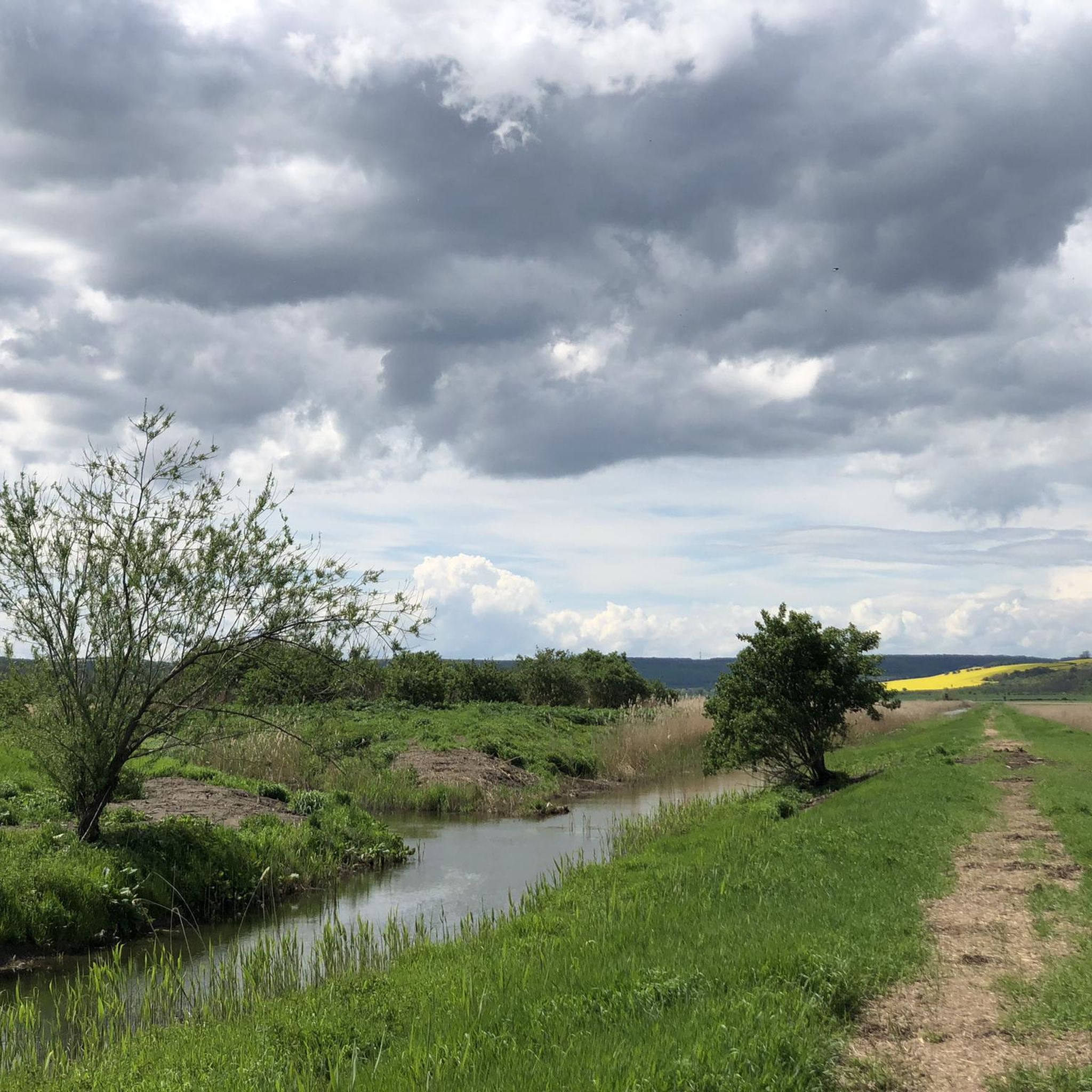
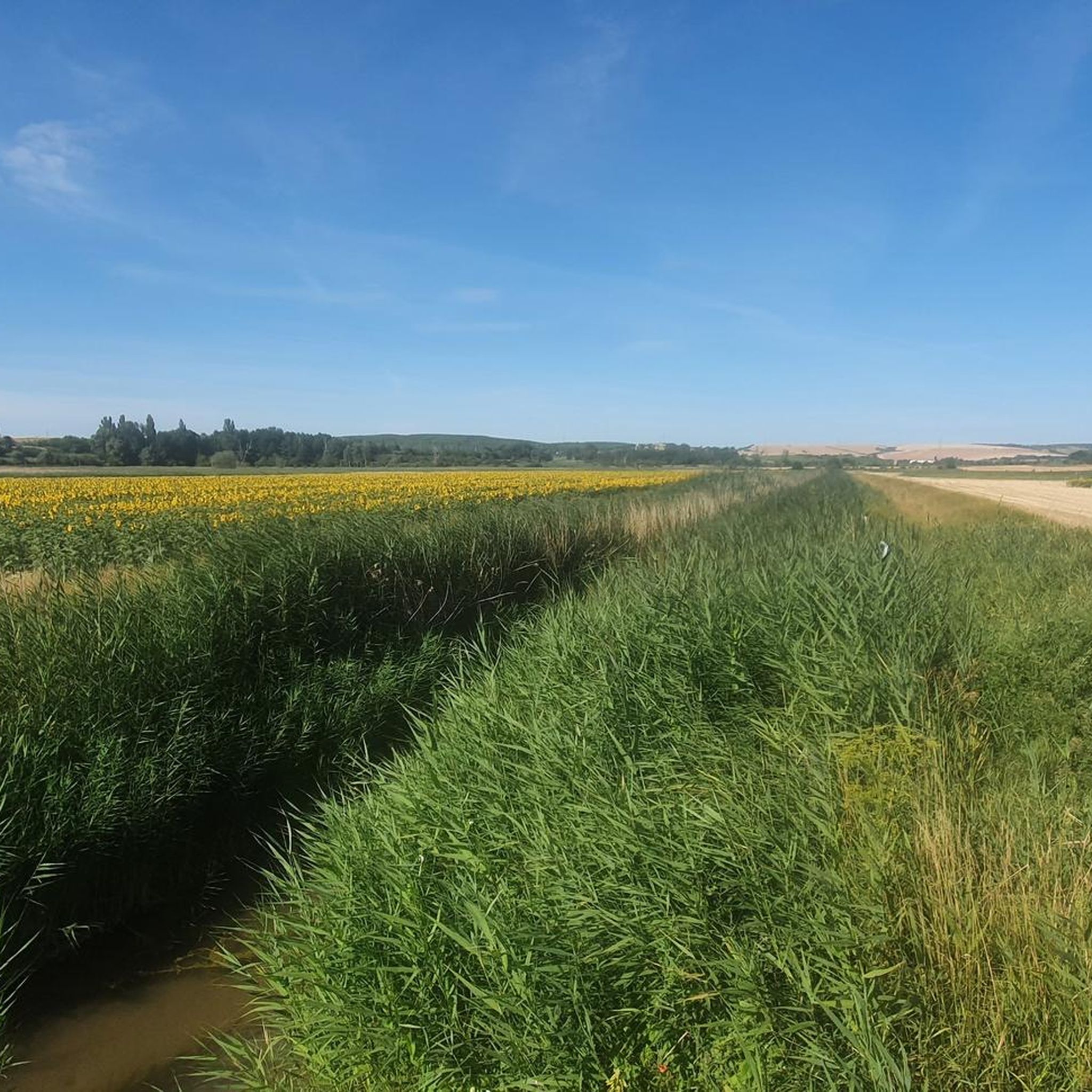
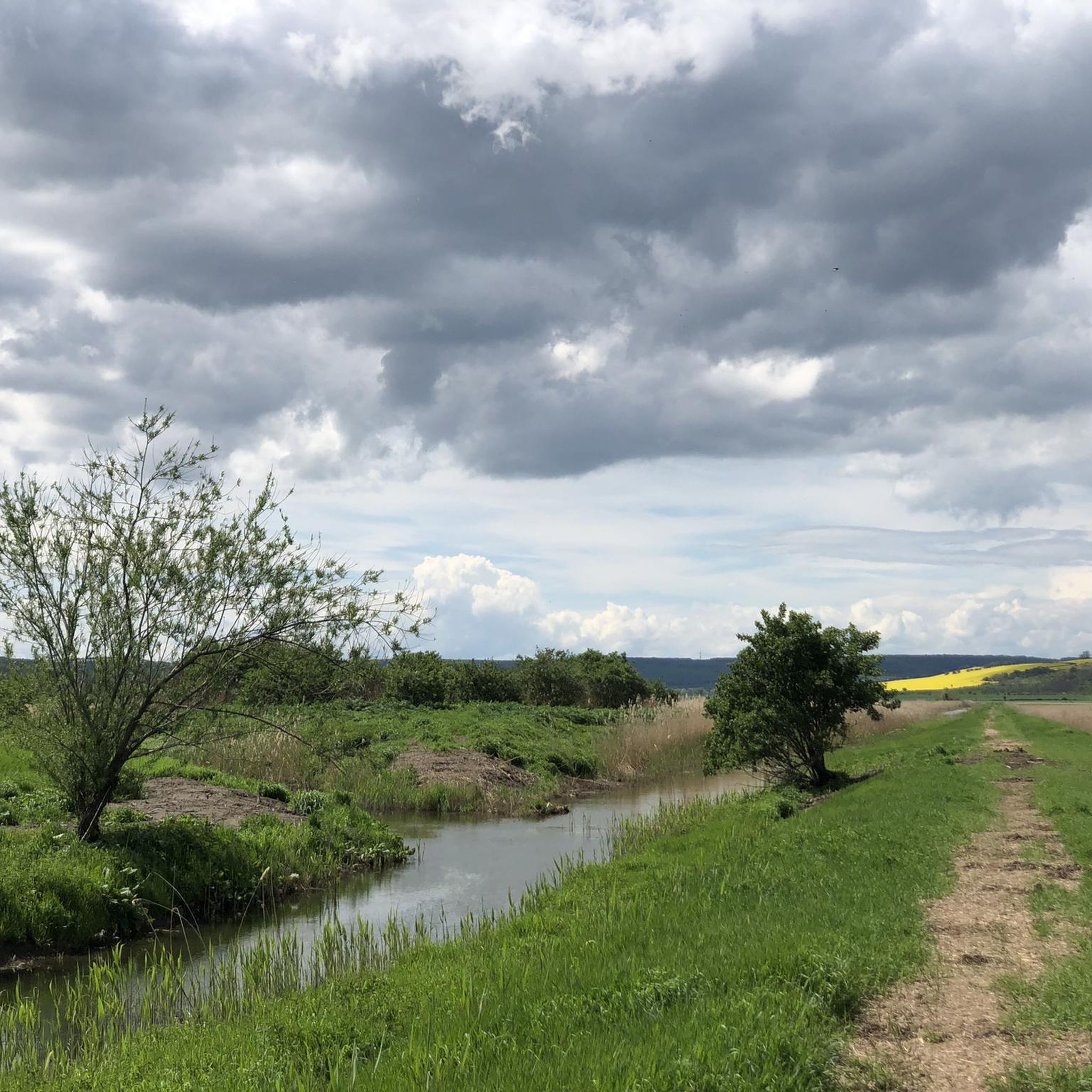
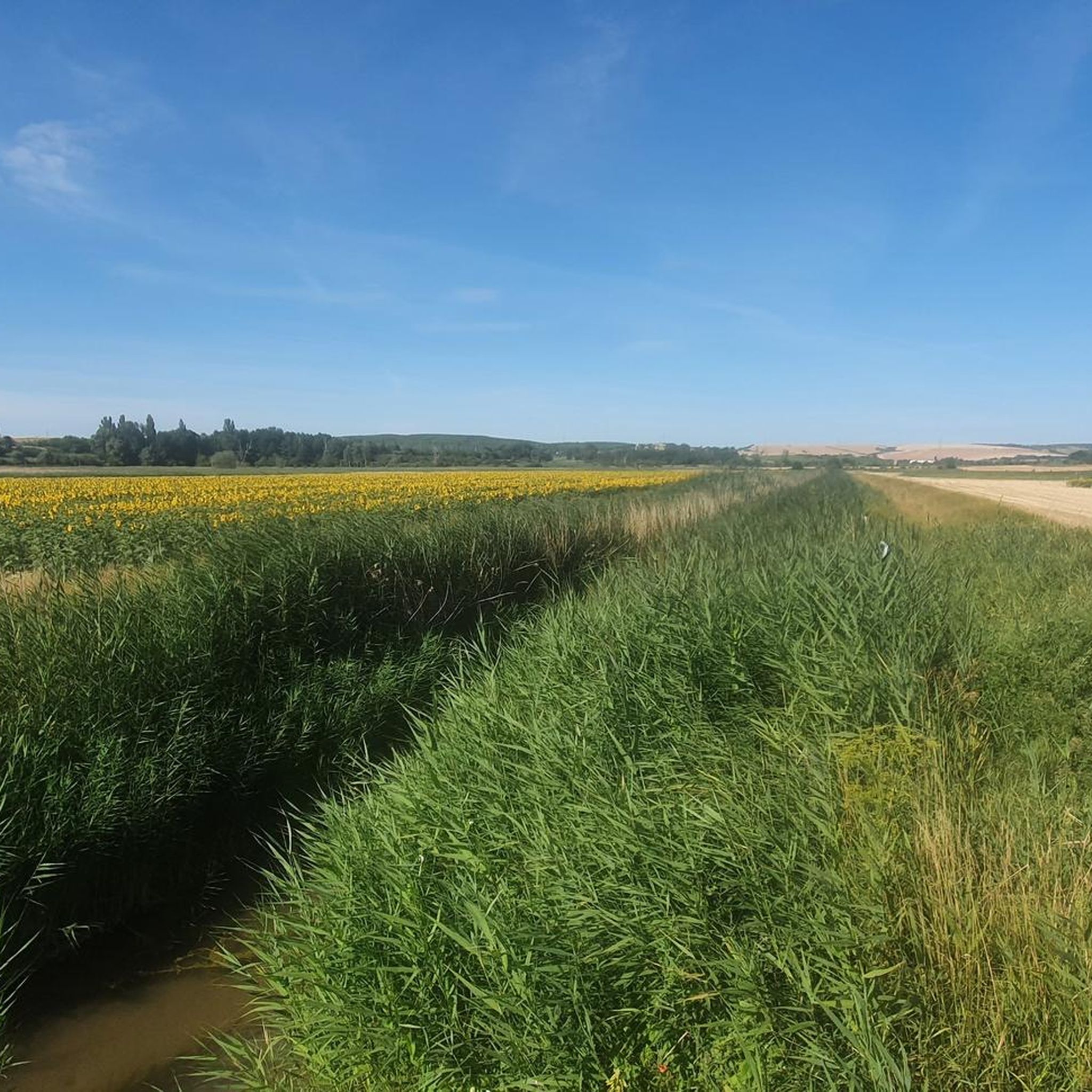
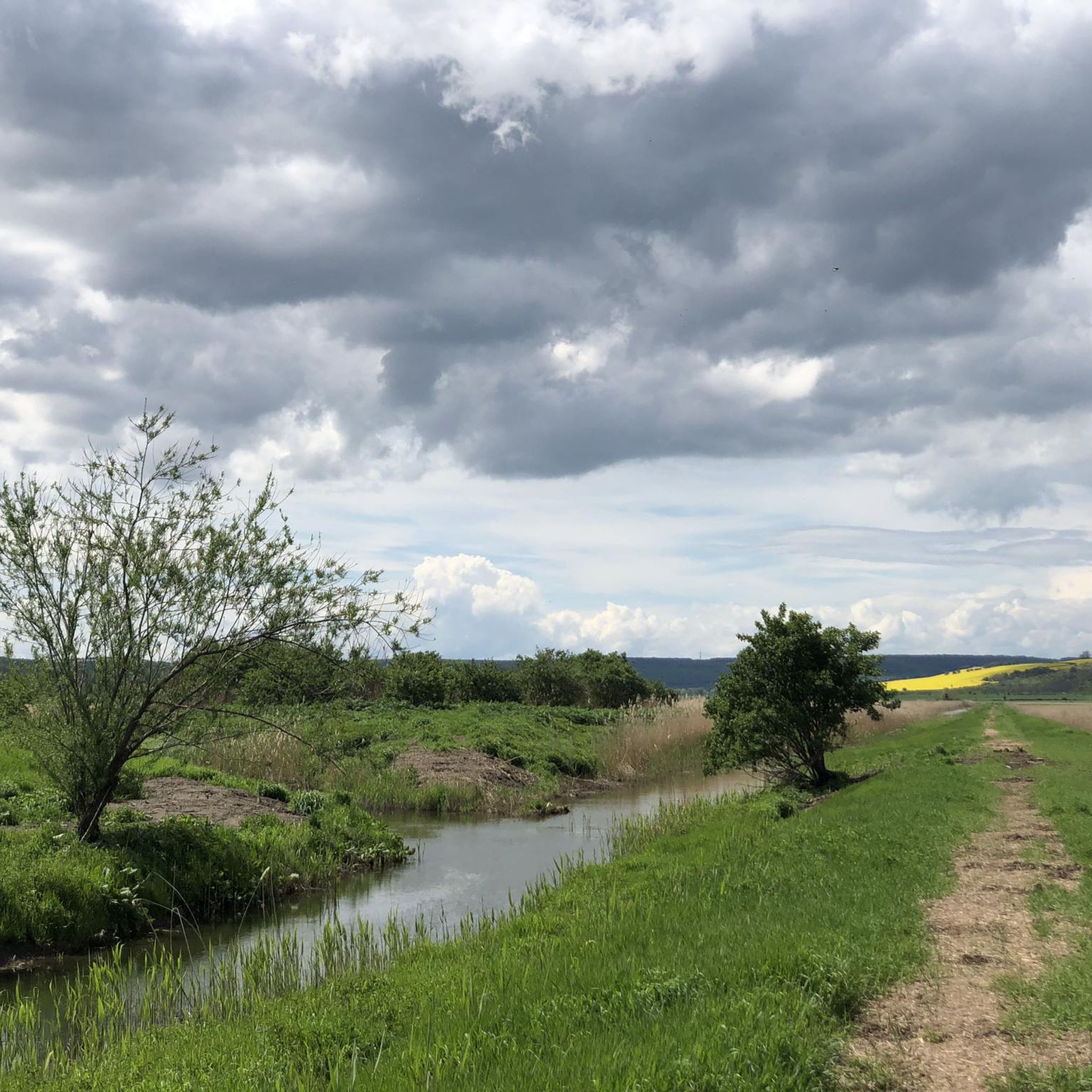
Gravel bike trails in Salziger See traverse a region characterized by diverse natural features, including expansive reed beds, shallow water zones, and dry slopes. The landscape is shaped by its unique geological history, featuring inland salt marshes and varied terrain suitable for gravel cycling. Riders can expect a mix of unpaved roads, farm tracks, and natural paths through this ecologically rich area.
Best gravel bike trails in Salziger See
- The most popular gravel bike trail is Salziger Lake near Langenbogen…
Last updated: July 3, 2026
4.7
(3)
9
riders
56.7km
03:09
300m
300m
Moderate gravel ride. Good fitness required. Mostly paved surfaces. Suitable for all skill levels.
1
riders
20.8km
01:25
230m
230m
Moderate gravel ride. Good fitness required. Mostly paved surfaces. Suitable for all skill levels.

Sign up for free
32.6km
01:54
280m
280m
Moderate gravel ride. Good fitness required. Mostly paved surfaces. Suitable for all skill levels.
2
riders
Moderate gravel ride. Good fitness required. Mostly paved surfaces. Suitable for all skill levels.
1.0
(1)
1
riders
Hard gravel ride. Very good fitness required. Mostly paved surfaces. Suitable for all skill levels.
Our route recommendations are based on thousands of hikes, rides, and runs completed by other people on komoot.
Start today with a free account
Your next adventure awaits.
Login or Signup
Tips from the Community

A place of tranquility in the middle of the city: The Hallesche Dom impresses with its simple, late Gothic architecture and a special atmosphere 🎶🏛️.
5
0


Originally a monastery, then a manor and finally used for various private purposes
0
0
It's still nice here, but could be better.
8
0

Seeburg is dominated by the castle of the same name, visible from afar and rising majestically on a peninsula above the Süßer See (Sweet Lake). It is the western part of an ancient, very large refuge. Since the late 1990s, the castle has been divided into private ownership, changing hands several times. This has resulted in the castle remaining unrenovated, standing empty, and falling into disrepair. The Widow's Tower and the castle church, however, have been renovated and are owned by a fruit farm. They are used as a residence, for vacation apartments, as a registry office, and for concerts. The new orangery on the lake promenade represents a further step toward tourism. The architecturally sophisticated new building will allow year-round operation.
13
0
The ship's restaurant "Seeperle" has a rich history. In 1892, the passenger side-wheel steamer left the shipyard in Dresden-Blasewitz and was christened "Graf Molthe." At that time, the steamer sailed under the Saxon-Bohemian flag on the Upper Elbe. In 1945, it was confiscated by Czechoslovakia. In 1947, it was renamed "Königstein" and served with the "White Fleet Dresden" until its final decommissioning in 1972. The then Eisleben Consumer Cooperative purchased the ship and converted it into a restaurant. It was rechristened on July 7, 1973. This time, the ship was renamed "Seeperle" and became a restaurant with a bar on the Süßen See. In 1991, the ship's restaurant was again put up for sale. Long-time chef Jürgen Meinecke acquired the restaurant and has successfully run it ever since.
20
0


Great waypoint, short rest and then we continue. Bench by the border bridge.
1
0
Frequently Asked Questions
What kind of terrain can I expect on gravel bike trails in Salziger See?
Gravel biking in Salziger See offers a diverse landscape shaped by its unique geological history. You can expect a mix of unpaved roads, farm tracks, and natural paths. The region features expansive reed beds, shallow water zones, dry slopes, and significant inland salt marshes, providing varied surfaces for riding. Some routes, like those near Süßer See, even pass through vineyards.
Are there any easy or beginner-friendly gravel bike routes in Salziger See?
While all routes in Salziger See are currently rated as moderate, the region's gravel biking network offers options for different ability levels. The trails primarily feature moderate routes, meaning they are generally accessible but may include some elevation changes or longer distances. For a shorter, scenic ride, consider the Rösetal Vineyards – Seeburg Castle loop from Galgenberg und Fuchshöhlen, which is 12.3 km long.
What natural features or landmarks can I see along the gravel bike trails?
The Salziger See region is rich in natural beauty and unique landmarks. You can explore areas like the Salzige See itself, known for its re-established wetlands and salt springs. Other points of interest include the Flooded Road Through Salziger See, and the Maidertal deserted village with rest bench. The region's ecological diversity means opportunities for wildlife observation, especially bird species.
Are there any family-friendly gravel biking options in Salziger See?
The gravel routes in Salziger See are generally rated as moderate, making them suitable for families with some cycling experience. For a manageable distance with scenic views, the Rösetal Vineyards – Seeburg Castle loop from Galgenberg und Fuchshöhlen (12.3 km) offers a good option, showcasing vineyards and a castle.
Can I bring my dog on the gravel bike trails in Salziger See?
The Salziger See region is a nature reserve, known for its biodiversity. While many outdoor areas in Germany are dog-friendly, it's important to keep dogs on a leash, especially in nature reserves, to protect wildlife and sensitive habitats. Always check local signage for specific rules regarding dogs in certain areas or on particular trails.
What is the best time of year to go gravel biking in Salziger See?
The Salziger See region offers a pleasant gravel biking experience throughout much of the year. Spring and autumn provide comfortable temperatures and beautiful scenery, with blooming flora or vibrant fall colors. Summer can also be enjoyable, but it's advisable to ride during cooler parts of the day. The unique wetlands and salt marshes are dynamic, offering different visual experiences across seasons.
How many gravel bike trails are available in the Salziger See area?
There are 7 gravel bike trails available in the Salziger See area, all of which are rated as moderate difficulty. These routes allow you to explore the region's diverse natural features and unique landscapes.
What do other gravel bikers say about the trails in Salziger See?
The gravel biking routes in Salziger See are highly rated by the komoot community, with an average score of 3.8 stars from over 10 reviews. Over 40 gravel bikers have used komoot to explore the varied terrain, often praising the unique natural features like reed beds, salt marshes, and vineyards that define the riding experience.
Are there any circular gravel bike routes in Salziger See?
Yes, many of the gravel bike routes in Salziger See are designed as loops, allowing you to start and end at the same point. For example, the popular Salziger Lake near Langenbogen – Heidesee loop from Röblingen am See is a 58.2 km circular trail exploring the area around Salziger Lake and Heidesee.
Where can I find parking for gravel biking near Salziger See?
While specific parking areas for cyclists are not detailed, the routes often start from towns or villages like Röblingen am See or Erdeborn. These locations typically offer public parking options. It's recommended to check for parking availability in the starting points of your chosen route, such as near the start of the Bench at the border bridge – View of Erdeborn loop from Erdeborn.
Are there any cafes or places to eat near the gravel bike trails?
The Salziger See region includes several towns and villages, such as Röblingen am See and Eisleben, where you can find cafes, restaurants, and pubs. These establishments offer opportunities to refuel and relax before or after your ride. While specific recommendations depend on your route, exploring the local amenities in these communities will provide options.
Can I reach the Salziger See gravel trails using public transport with my bike?
Public transport options to the Salziger See region, particularly to towns like Eisleben or Röblingen am See, may be available. However, policies regarding bike transport on buses or trains can vary. It's advisable to check the local public transport provider's website for their specific rules and schedules concerning bicycle carriage before planning your trip.
Most popular routes in Salziger See
Most popular attractions in Salziger See

Get inspired with the komoot mobile app


Explore more
Browse the best Gravel rides in other regions.
