The 5 Most Amazing Peaks in Fichtelberg
Best mountain peaks in Fichtelberg include the highest mountain in Saxony, Fichtelberg, which reaches an elevation of 1,215 m. This prominent peak is part of the Ore Mountains and features the Fichtelberghaus, an observation tower, and a historic weather station at its summit. The area is characterized by a diverse landscape with forests and numerous streams, offering panoramic views of the surrounding region.
Best mountain peaks in Fichtelberg
- The most popular mountain peaks is Fichtelberg Peace Bell, a man_made_monument…
Last updated: November 19, 2026
Fichtelberg Peace Bell
Highlight • Monument
Translated by Google •
Tip by

Stoneman Miriquidi Checkpoint Fichtelberg
Highlight • Summit
Translated by Google •
Tip by

Sign up now to discover places like this
Get recommendations on the best single tracks, peaks, & plenty of other exciting outdoor places.
Geodetic Reference Point Fichtelberg
Highlight • Monument
Translated by Google •
Tip by

Fichtelberg Summit
Highlight • Summit
Translated by Google •
Tip by

Fichtelberg Summit
Highlight (Segment) • Summit
Translated by Google •
Tip by

Sign up for free to discover even more peaks in Fichtelberg.
Already have an account?
Start today with a free account
Your next adventure awaits.
Popular around Fichtelberg
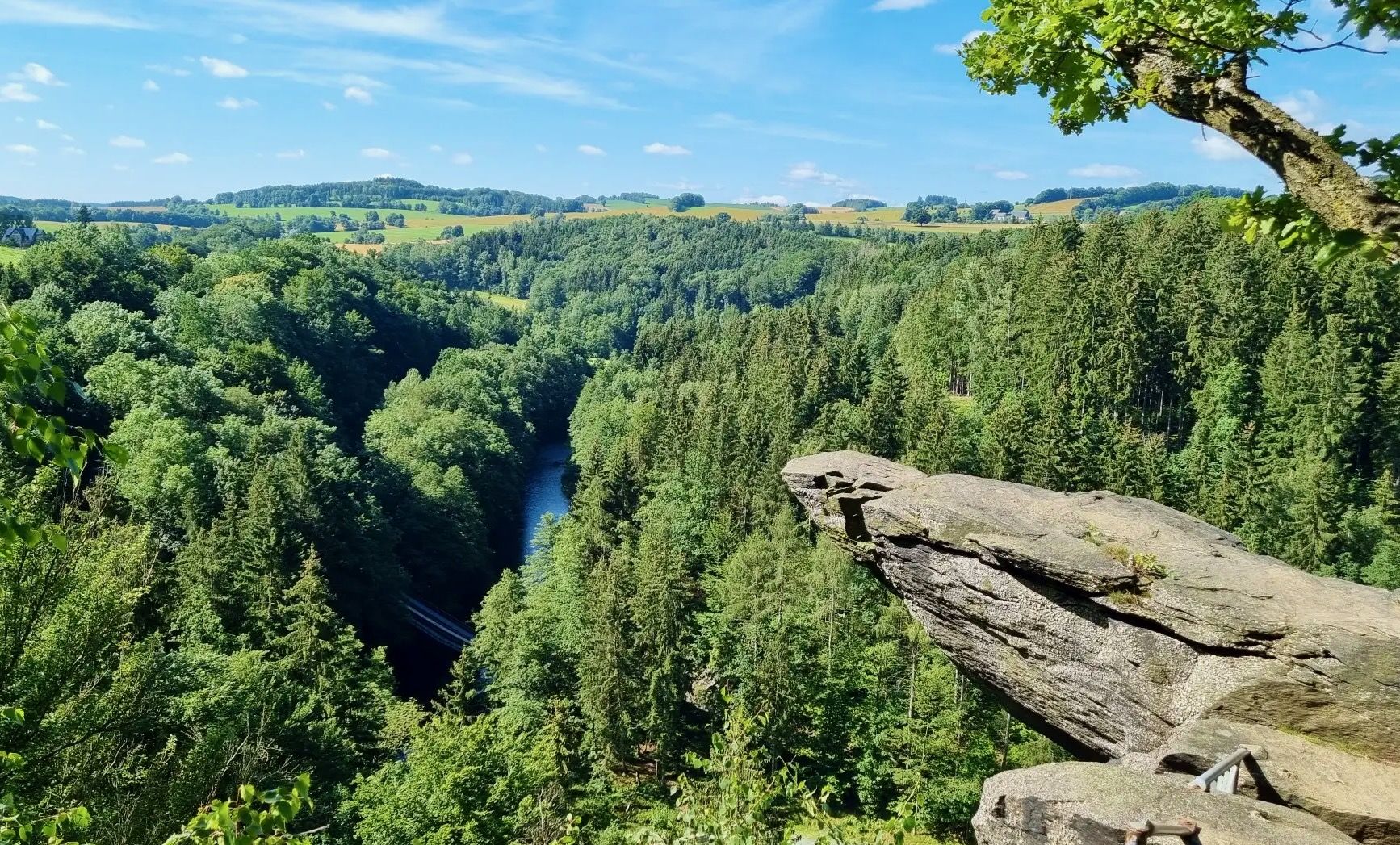
From Fichtelberg to Mulde - The Zschopautal Hiking Trail
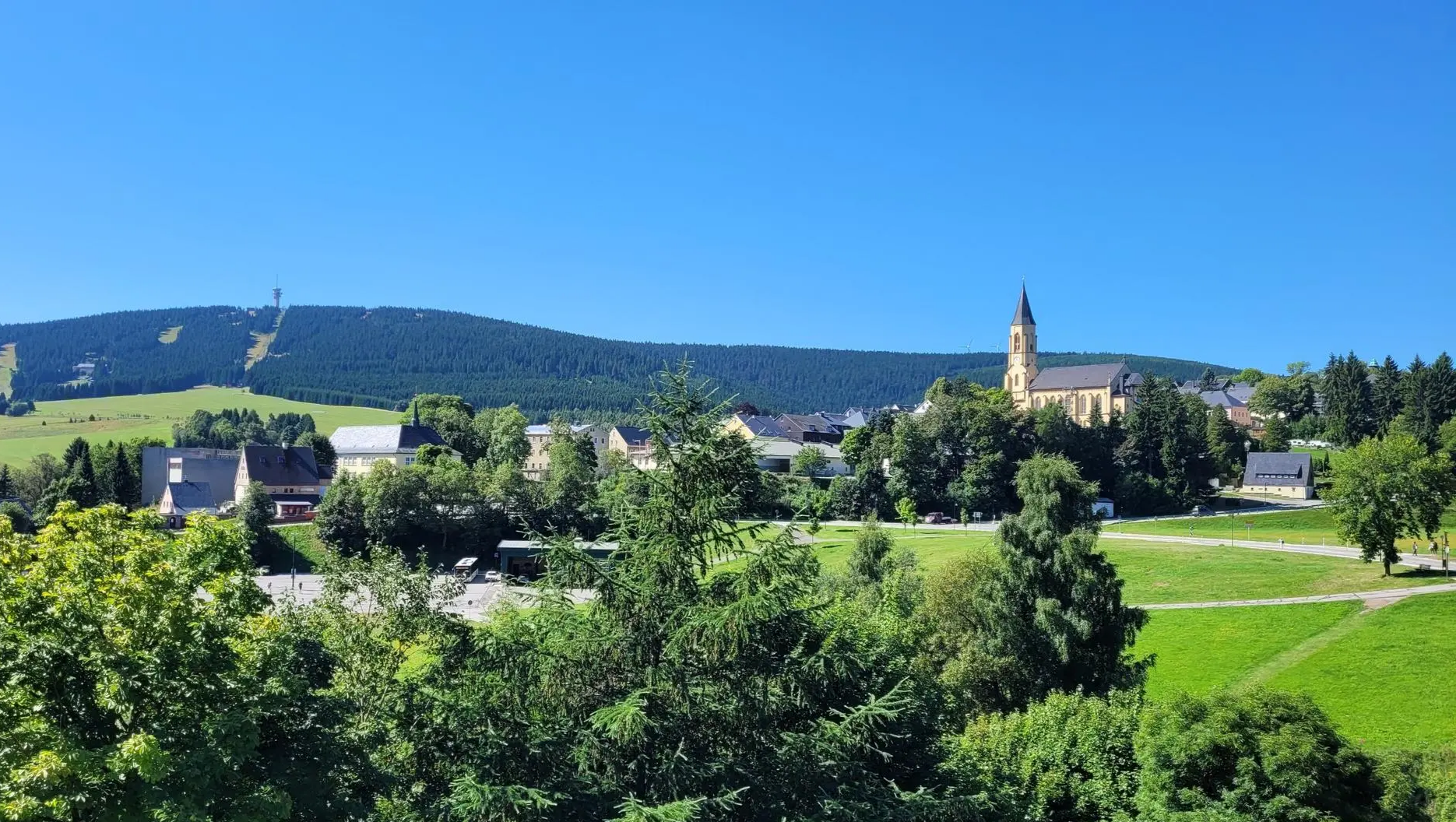
Mit der AOK PLUS zum Deutschen Wandertag in Oberwiesenthal
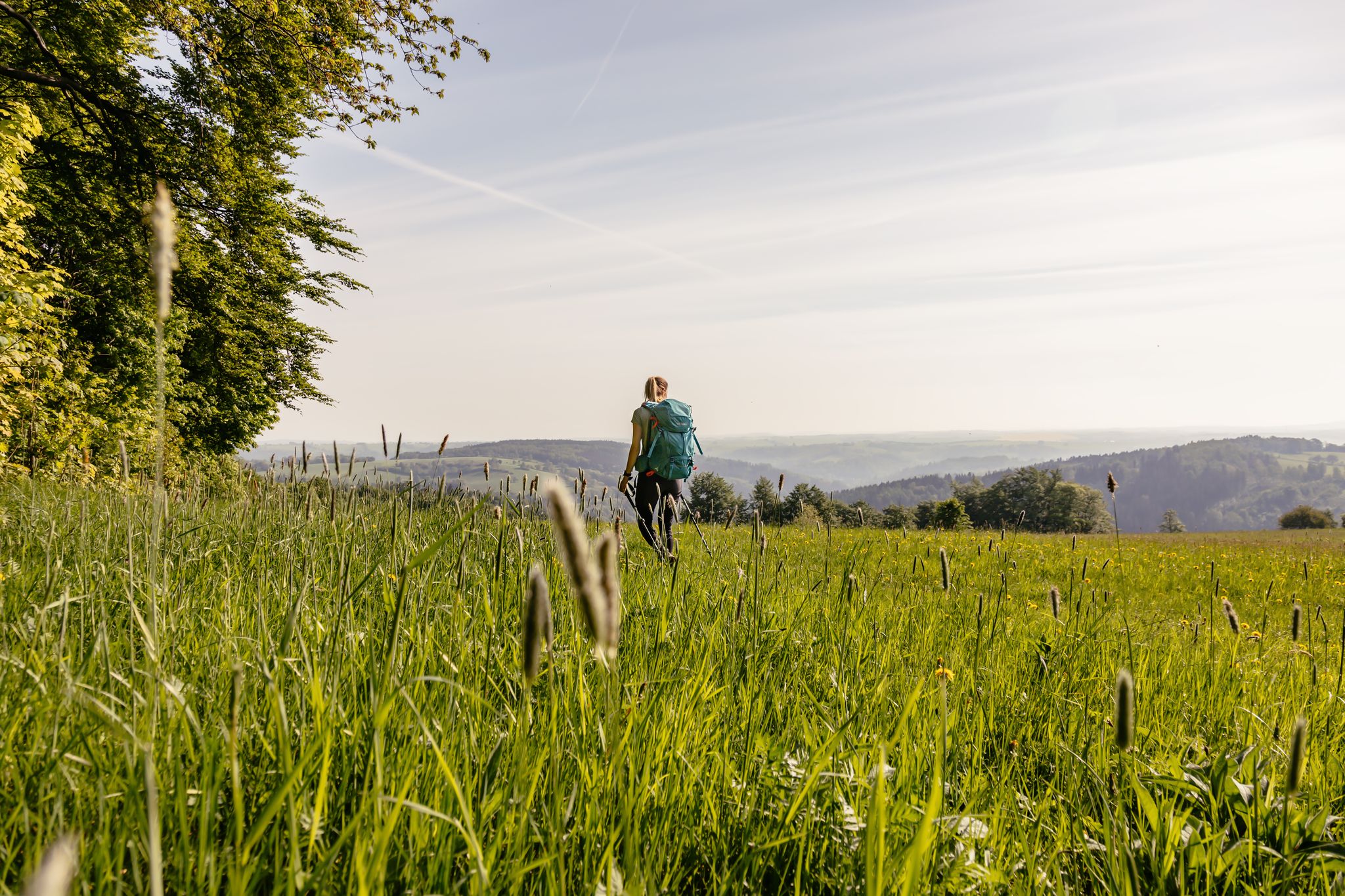
Fernwanderwege im Erzgebirge
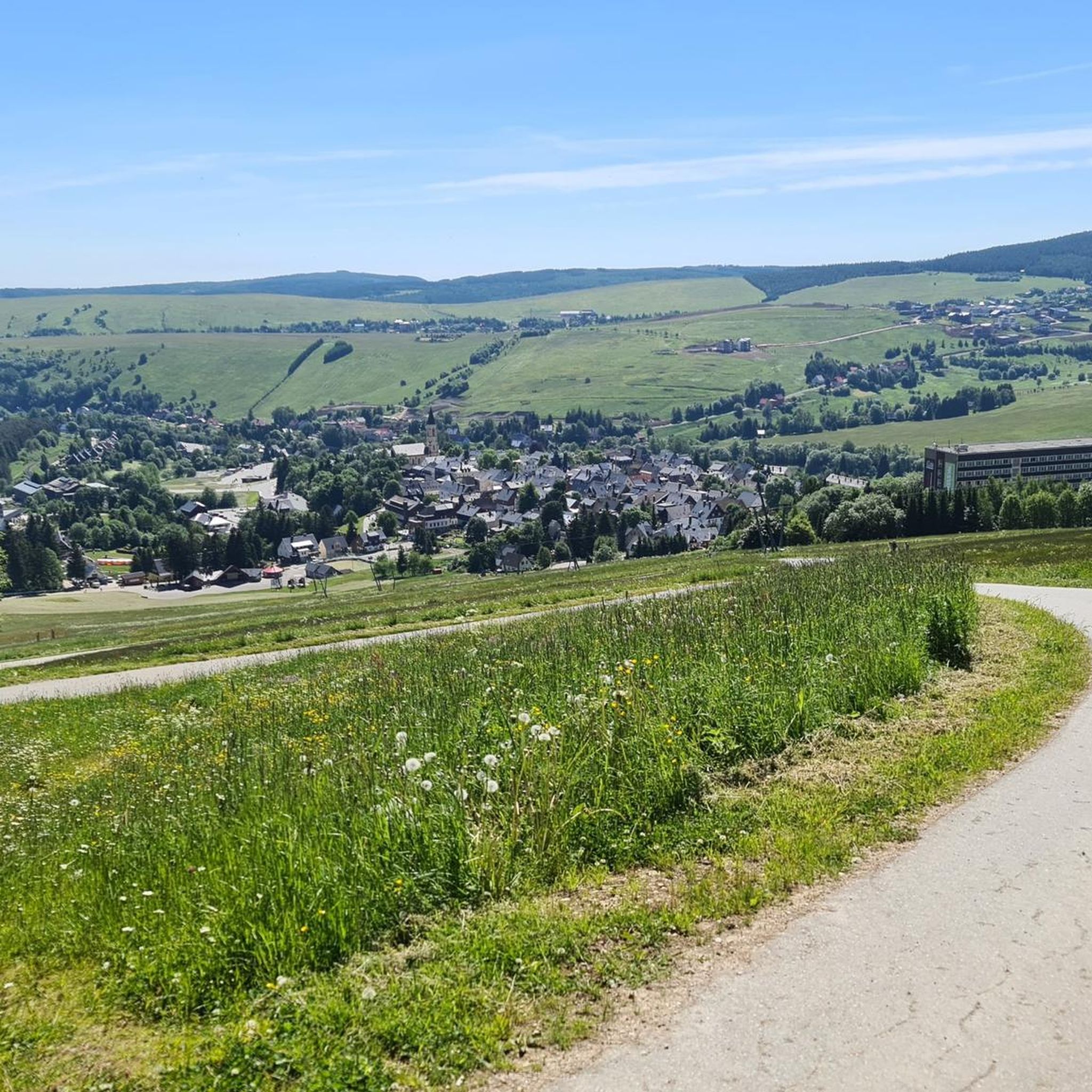
Hiking in Fichtelberg
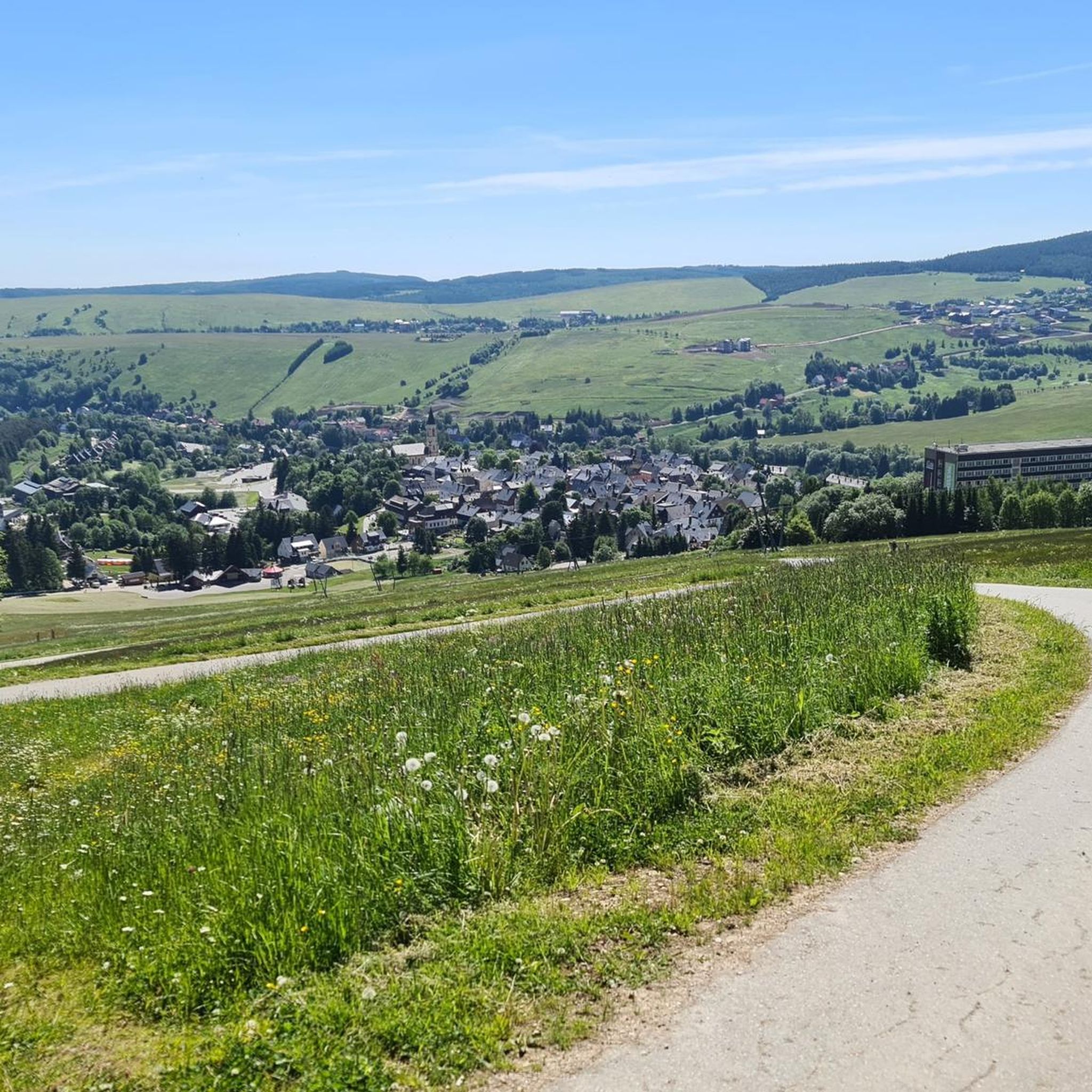
Cycling in Fichtelberg
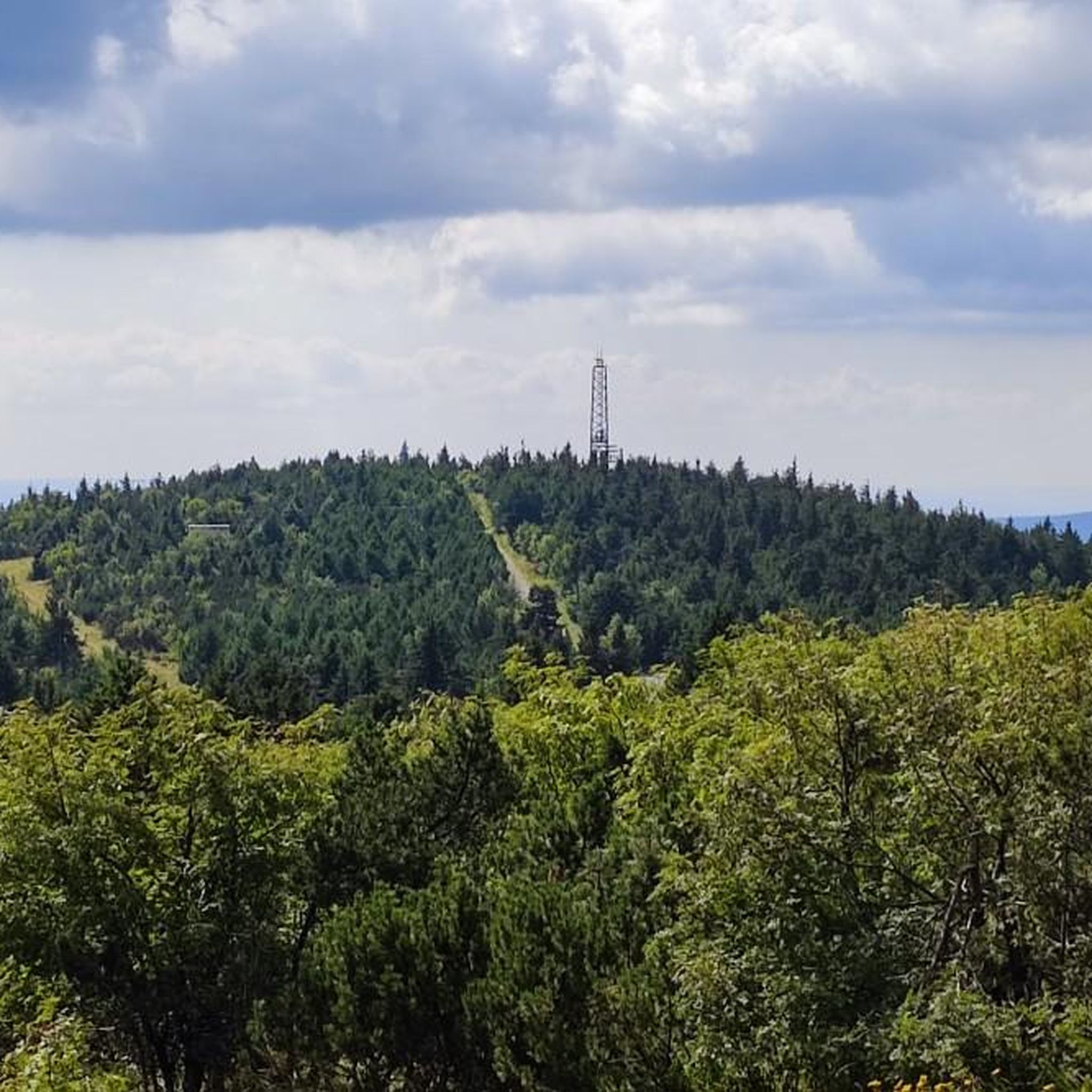
Running Trails in Fichtelberg
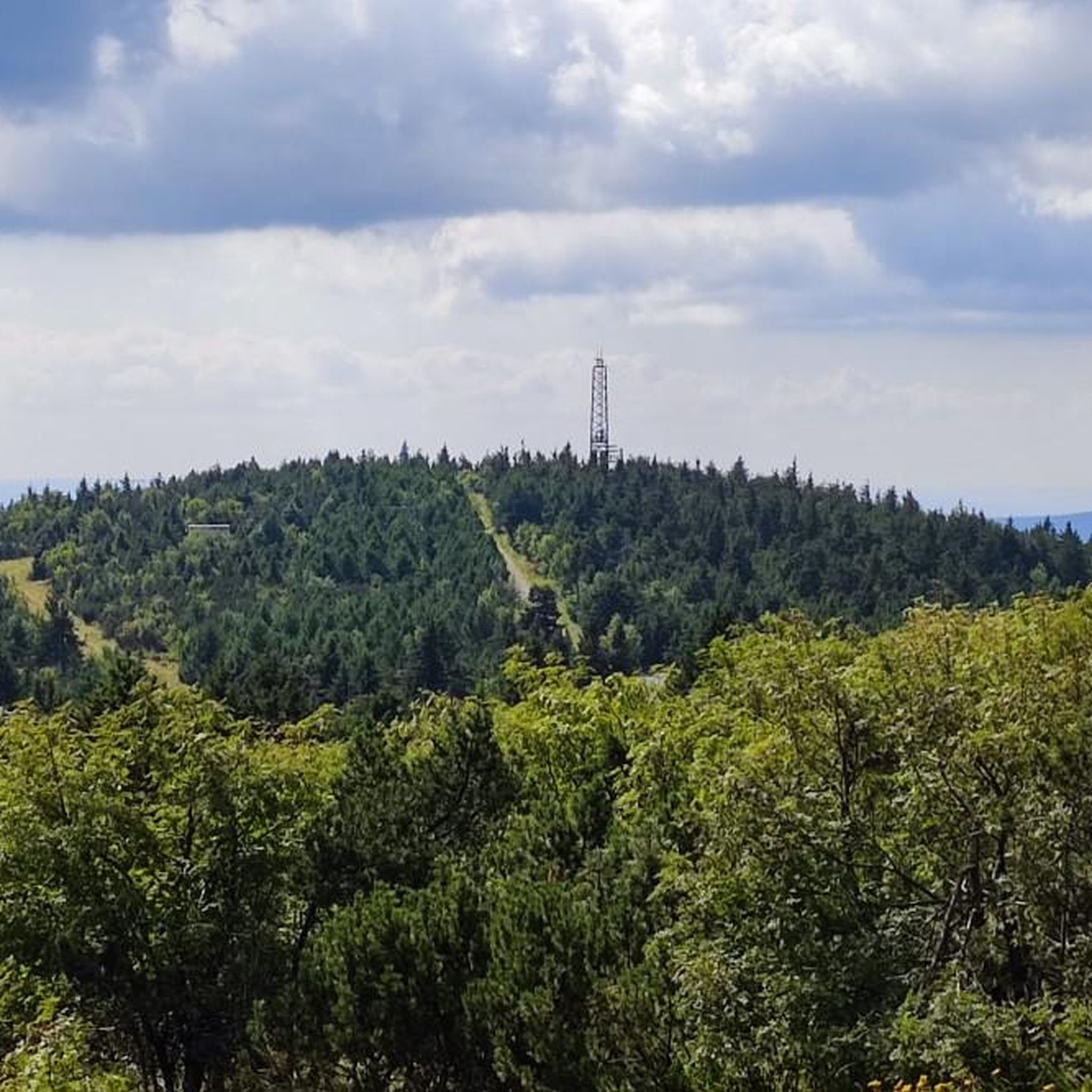
MTB Trails in Fichtelberg
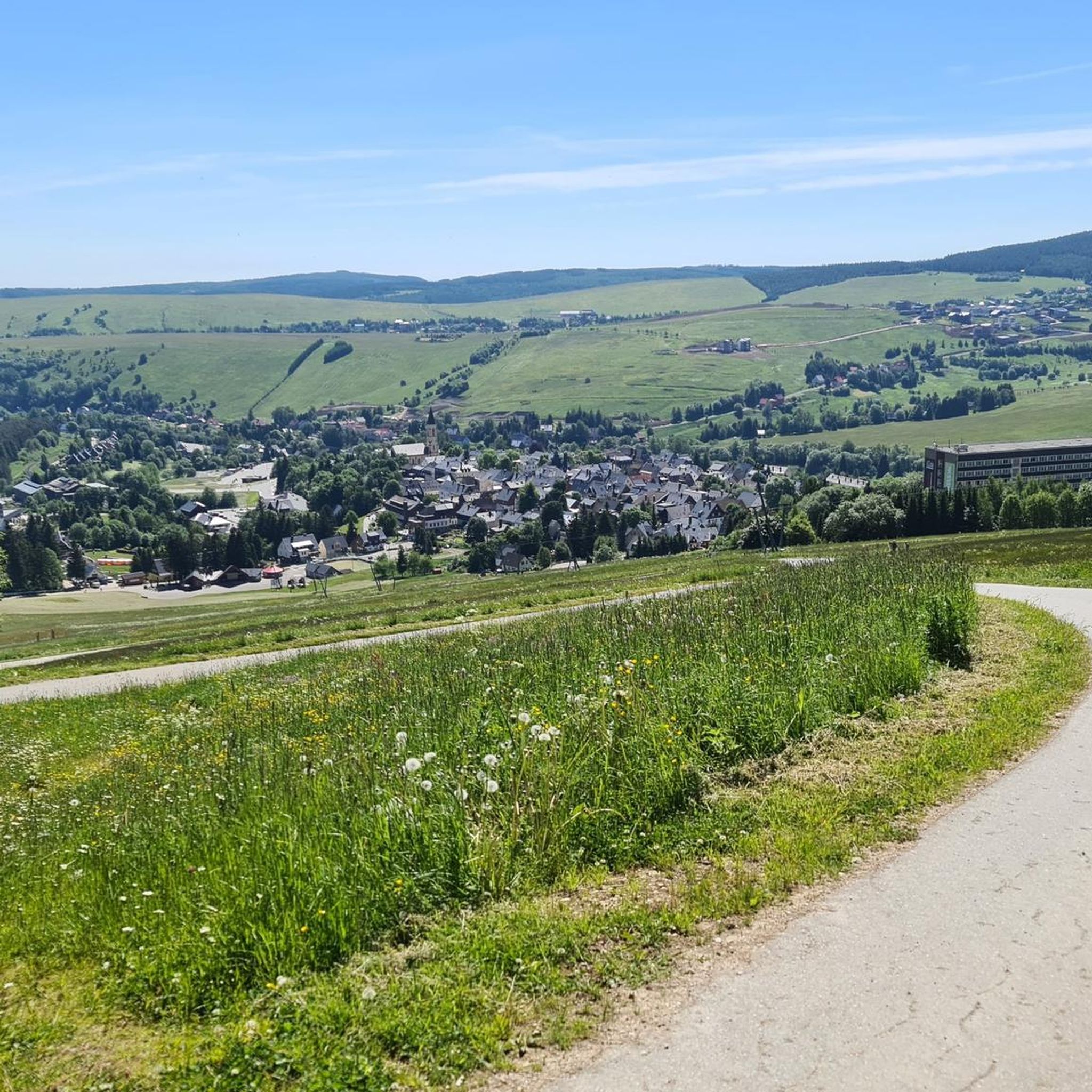
Road Cycling Routes in Fichtelberg

Gravel biking in Fichtelberg

Mountain Hikes in Fichtelberg


Tips from the Community

This column testifies that the Fichtelberg was one of 158 stations of the "Central European Triangulation" in 1864. During the Royal Saxon Triangulation, the land in Saxony was surveyed between 1862 and 1890, and a trigonometric grid was created at the same time, which was intended to serve as the basis for accurate maps.
16
1
The large peace bell on the Fichtelberg had to remain silent for six months in 2024. Stone throwing in May 2022 had so badly damaged the bell that its sound suffered. It was decided to stop ringing it and replace it with a new one. The old bell rang for the last time on Easter Monday 2024. Just in time for the mountain service on German Unity Day on October 3, the new bell was officially rung for the first time in the fall of 2024. The idea of using a peace bell to commemorate the peaceful revolution of 1989 in the GDR and German reunification in 1990 came from watchman Gerd Schlesinger and night watchman Jörg Eller from the Ore Mountains town of Schwarzenberg. The bell was also intended to be heard in neighboring Czechia and thus ring for a united Europe. The cast steel bell, already ninety years old at the time, was rung for the first time in 2010. The new bell was cast in Innsbruck by the Grassmayr company. At 2,700 kilograms, it is about 1,100 kilograms heavier than the old bell.
17
1

Slender round granite column marks a land point on the 1,210 m high Fichtelberg.
4
3

Geodetic reference point on the Fichtelberg. These control points, which also exist in other places, are public and easily accessible. Their installation to the nearest centimeter is necessary so that, for example, GPS devices can be checked for accuracy by comparing the target and actual values.
3
1

On October 3, 2024, about 11 months after its consecration, a new bell rang for the first time and has since replaced the previous bell from 2010. This had been damaged by vandalism. The new bell was cast in Innsbruck. It is made of bronze and weighs about 2700 kg. The bell is rung on Sundays and public holidays.
6
0

Very worth seeing, you have to see it
0
1


Royal Saxon triangulation, for land surveying
6
3
Frequently Asked Questions
What are some of the most notable peaks in the Fichtelberg area?
The Fichtelberg area is home to several significant peaks. The most prominent is Fichtelberg itself, which at 1,215 m (3,985 ft) is the highest mountain in Saxony. Nearby, you'll find Kleiner Fichtelberg (1,206 m / 3,957 ft), a subpeak, and just across the border in the Czech Republic, Keilberg (Klínovec) (1,244 m / 4,081 ft), which is the highest peak in the entire Ore Mountains.
What historical landmarks can I find on Fichtelberg?
Fichtelberg features several historical landmarks. You can visit the Fichtelberg Peace Bell, a monument to German unity whose peal can be heard across the border. Another significant site is the Fichtelberg Triangulation Column, which served as a historical measuring point during the Royal Saxon Triangulation in 1864.
Are there family-friendly activities or sights on Fichtelberg?
Yes, Fichtelberg offers several family-friendly options. The summit is easily accessible via Germany's oldest aerial cable car, the Fichtelberg-Schwebebahn, or a four-seater ski lift, making it suitable for all ages. The Fichtelberg Peace Bell and the Stoneman Miriquidi Road – Fichtelberg Checkpoint are popular spots for visitors of all ages to enjoy views and take photos.
What kind of views can I expect from the Fichtelberg summit?
From the summit of Fichtelberg, you can enjoy unforgettable panoramic views of the Ore Mountains. On clear days, you can see the highest city in Germany, Oberwiesenthal, and the Upper Ore Mountains. The Stoneman Miriquidi Road – Fichtelberg Checkpoint and the View of the Fichtelberg Cable Car also offer excellent vantage points.
What outdoor activities are available near the Fichtelberg peaks?
The Fichtelberg area is excellent for various outdoor activities. You can find numerous mountain hikes, including routes like the 'Fichtelberg Nature Reserve – Fichtelberg Mountain Lodge loop'. For cyclists, there are road cycling routes such as the 'Bozi Dar–Klinovec Scenic Road'. Runners can explore running trails like the 'Fichtelberg – Oberwiesenthal Cable Car loop'.
Is Fichtelberg accessible by public transport or car?
Yes, Fichtelberg is highly accessible. The summit can be reached via the Fichtelberg-Schwebebahn (aerial cable car) or a four-seater ski lift. You can also hike to the top or drive a car via Bundesstraße 95 and Fichtelbergstraße, making it convenient for many visitors.
What is the Fichtelberghaus and what does it offer?
The Fichtelberghaus is a prominent building located at the summit of Fichtelberg. It includes an observation tower, a historic weather station, and serves as a popular rest stop. It also offers overnight stays, making it a convenient base for exploring the area.
What is the best time of year to visit Fichtelberg?
Fichtelberg is a year-round destination. In winter, it transforms into a significant winter sports center, attracting many holidaymakers for skiing and other snow activities. In summer, it's popular for hiking and enjoying the diverse landscape. The climate is humid continental subarctic, with cold winters and cool summers, and abundant precipitation throughout the year.
Are there any unique natural features around Fichtelberg?
The Fichtelberg area boasts a diverse landscape with rare plants and forests. The mountain itself consists predominantly of light-colored, crystalline rocks, mainly muscovite slate. Numerous streams, including the Zschopau River, have their sources in the wet valley heads and raised bogs on Fichtelberg, contributing to its natural beauty.
What do visitors particularly enjoy about the Fichtelberg peaks?
Visitors frequently highlight the stunning panoramic views from the summit, especially from the Stoneman Miriquidi Road – Fichtelberg Checkpoint. The accessibility of the summit via the historic cable car is also a major draw. Many appreciate the combination of natural beauty, historical sites like the Fichtelberg Peace Bell, and the diverse recreational opportunities available year-round.
Can I find facilities like restaurants or huts on Fichtelberg?
Yes, the Fichtelberg Mountain Lodge (Fichtelberghaus) at the summit provides facilities, including a restaurant and options for overnight stays. Other highlights like the Stoneman Miriquidi Road – Fichtelberg Checkpoint also offer facilities and places to take a break and enjoy the view.
Most popular routes in Fichtelberg
Most popular attractions in Fichtelberg

Get inspired with the komoot mobile app


Explore more
See even more amazing summits in Fichtelberg with these guides:
