The best walks and hikes in Ландшафтны Заказнік «Гродзенская Пушча»
4.9
(52)
743
hikers
48
hikes
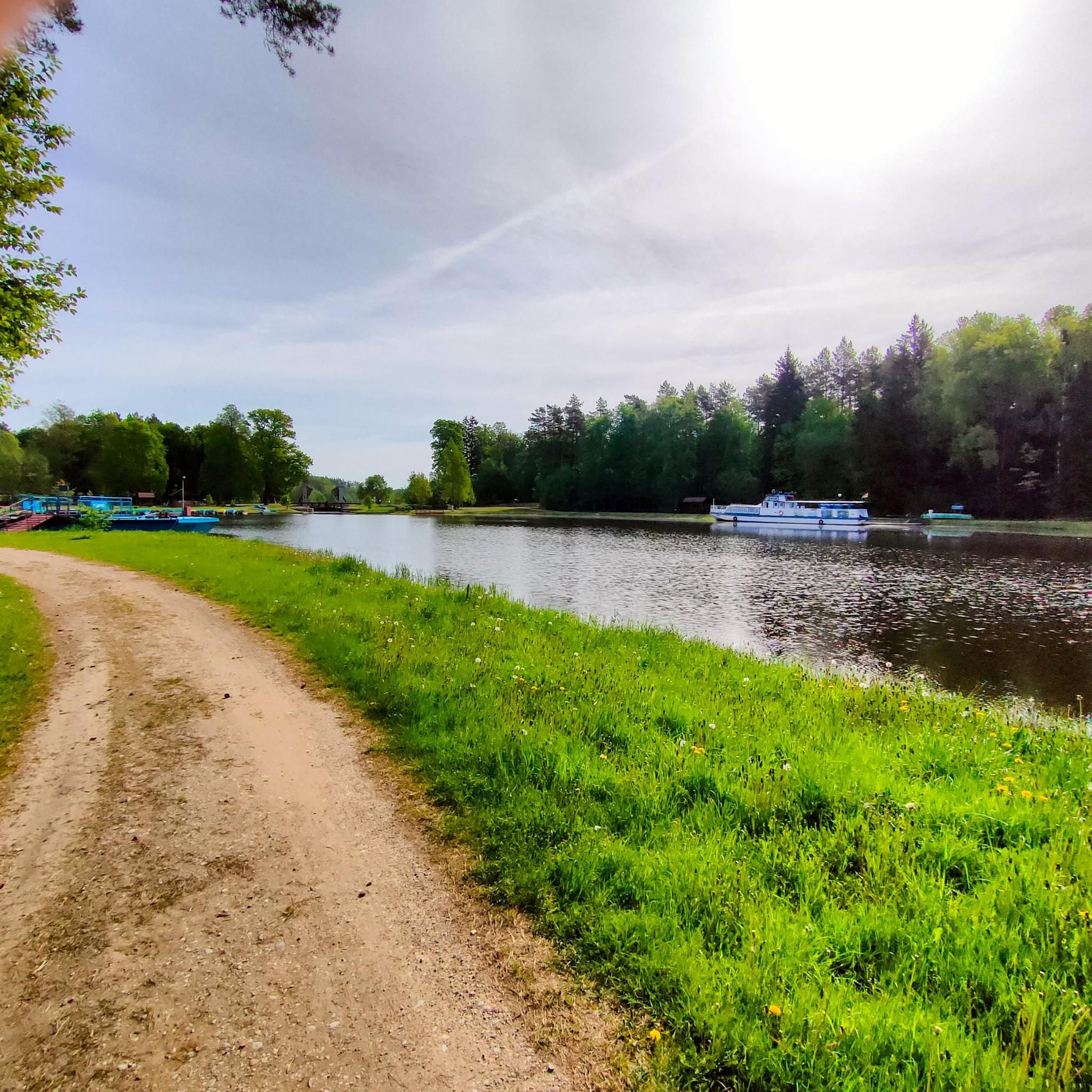
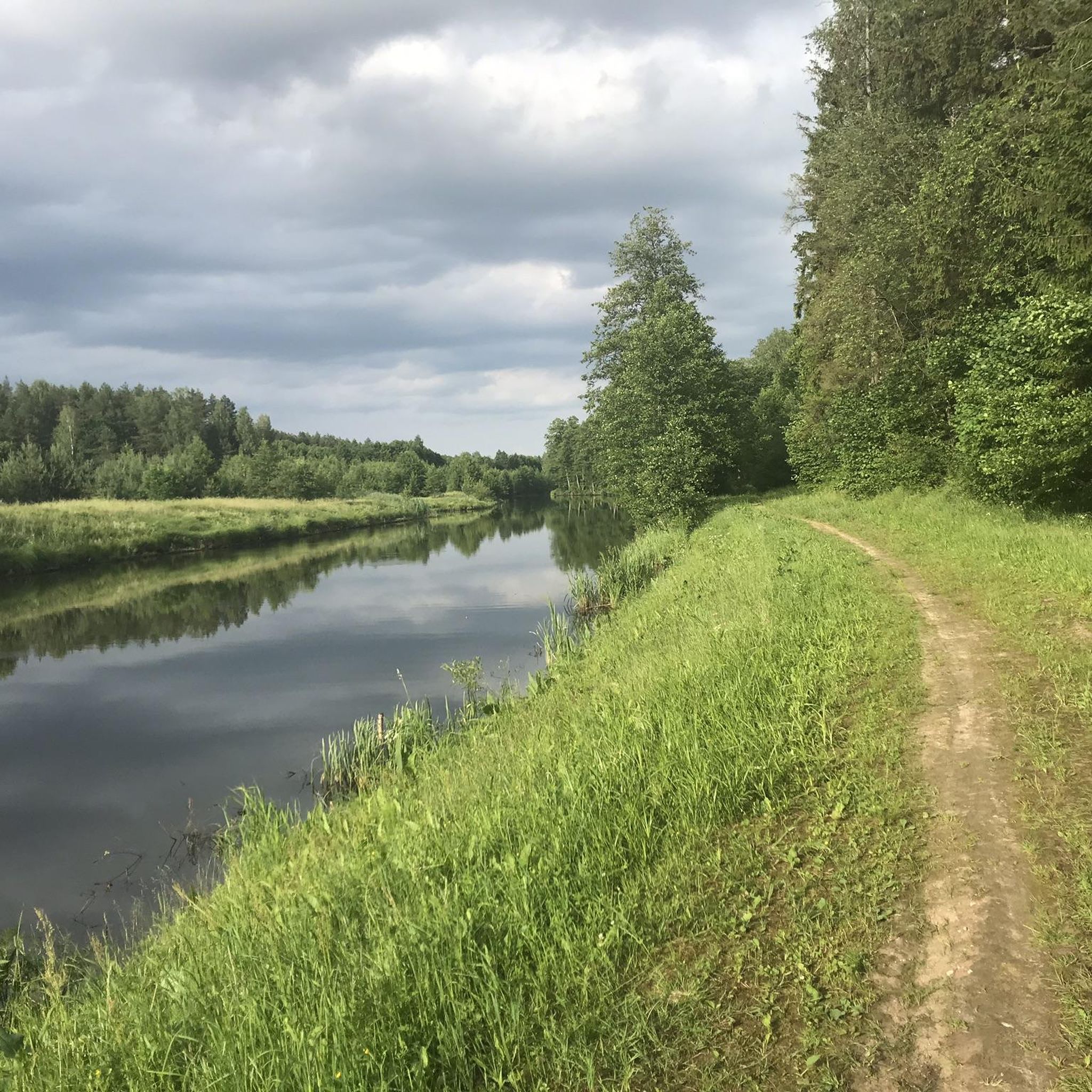
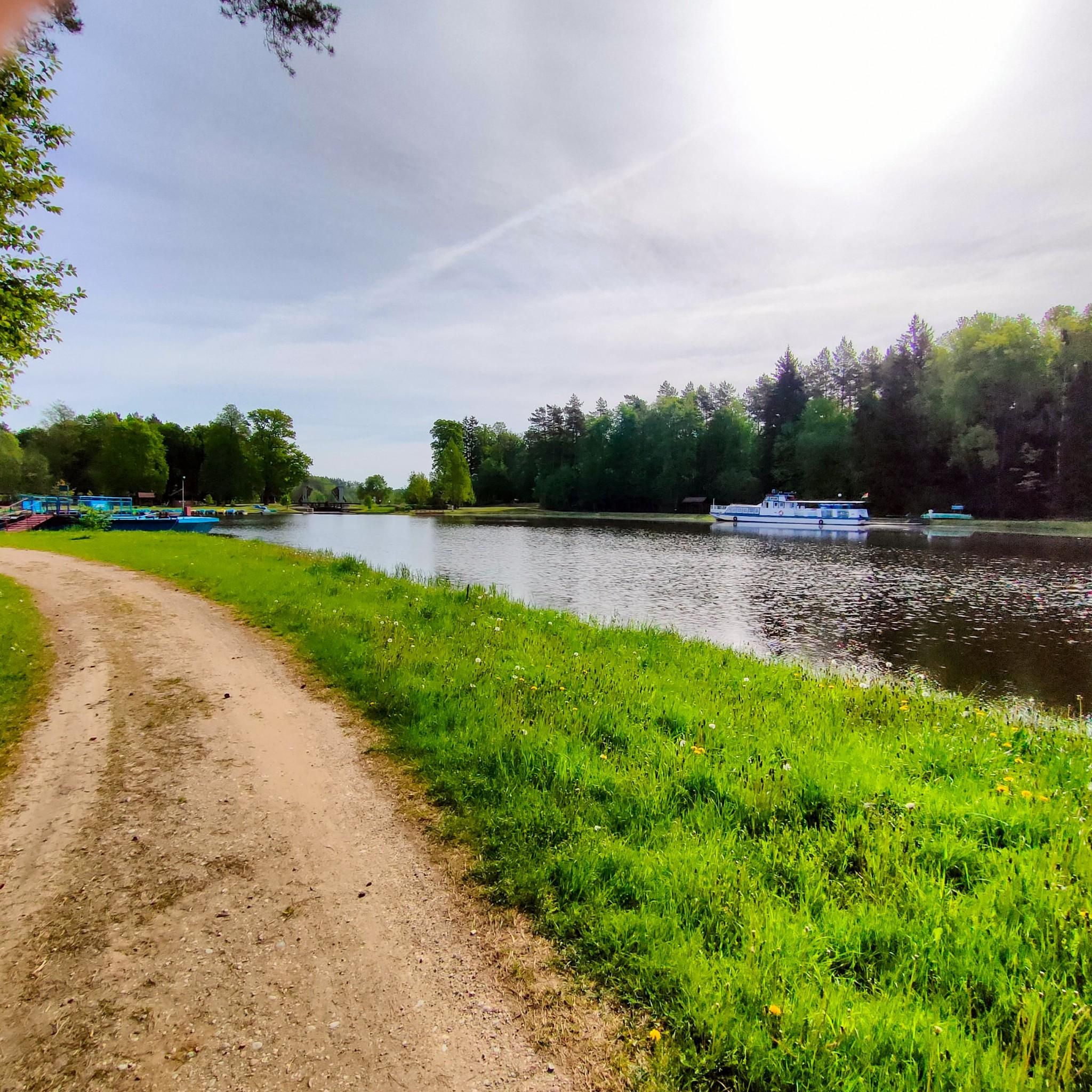
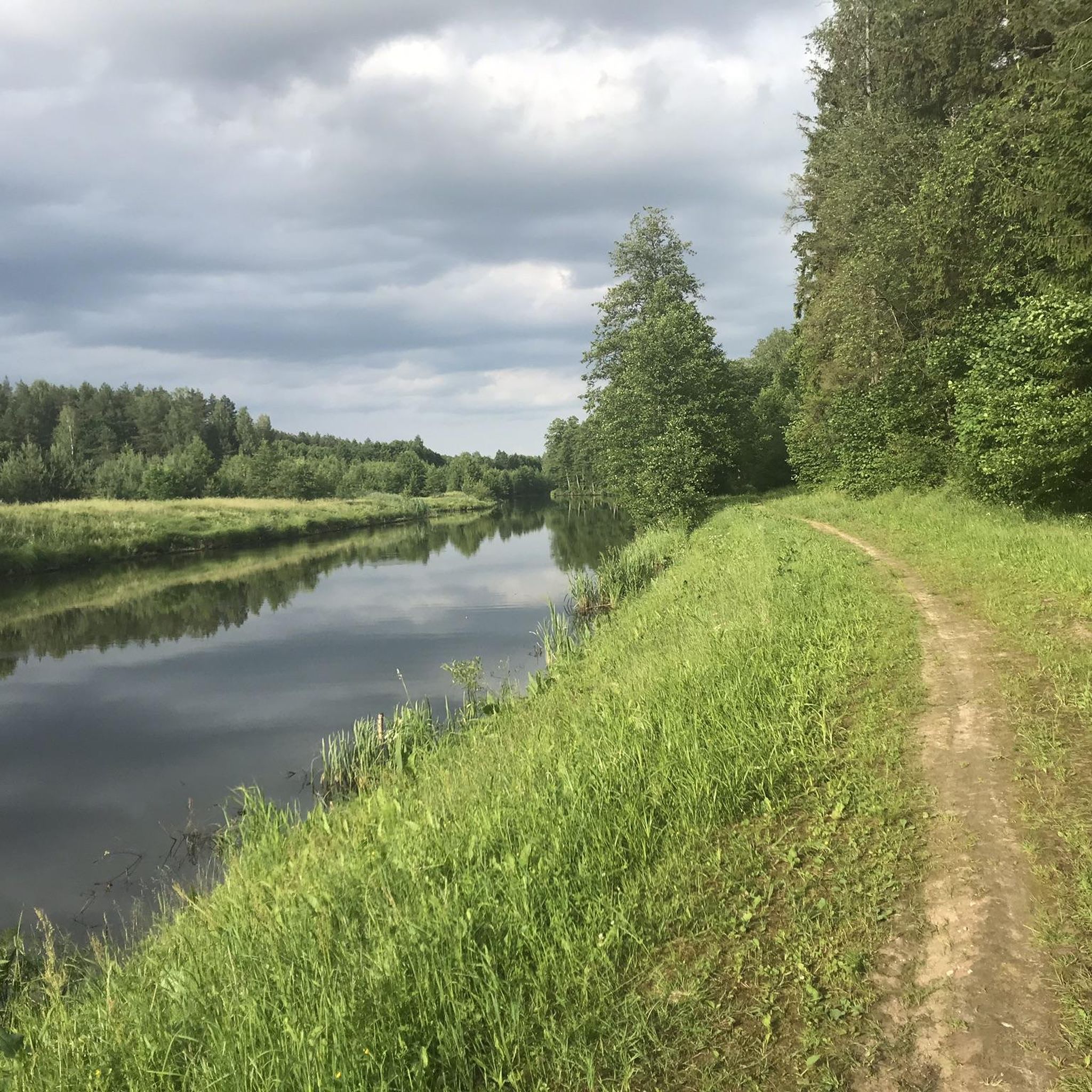
Hiking in Ландшафтны Заказнік «Гродзенская Пушча» offers diverse natural landscapes, characterized by rolling hills, distinct hollows, and deep river valleys. The reserve is predominantly forested, with approximately 94% covered by various tree species, including ancient oaks, lindens, and pines. This ecologically pristine area features a varied terrain suitable for exploration, including the lowest point in Belarus at 80.3 meters above sea level near the Neman River.
Best hiking trails in Ландшафтны Заказнік «Гродзенская Пушча»
- The most popular hiking route is…
Last updated: July 9, 2026
4.9
(7)
30
hikers
Moderate hike. Good fitness required. Easily-accessible paths. Suitable for all skill levels.
8
hikers
5.02km
01:17
20m
20m
Easy hike. Great for any fitness level. Easily-accessible paths. Suitable for all skill levels.

Sign up for free
5.0
(2)
60
hikers
Easy hike. Great for any fitness level. Easily-accessible paths. Suitable for all skill levels.
4.9
(8)
28
hikers
Moderate hike. Good fitness required. Easily-accessible paths. Suitable for all skill levels.
5.0
(1)
26
hikers
Hard hike. Very good fitness required. Easily-accessible paths. Suitable for all skill levels.
Get access to more routes and recommendations from other explorers.
Sign up for free
Already have an account?
Our route recommendations are based on thousands of hikes, rides, and runs completed by other people on komoot.
Start today with a free account
Your next adventure awaits.
Login or Signup
Popular around Ландшафтны Заказнік «Гродзенская Пушча»

Tips from the Community


The first temporary church in Druskininkai was built in 1857 in a separate house, thanks to the efforts of Yakov Rozhnov, the deputy governor of Grodno. He also covered all the costs of building the new church, which was built in 1865. Since 1895, there has been a school near the church. During the USSR, in 1947, a parish with 350 members was officially registered. In 1957 and 1978, the church was repaired (Translated from Wikipedia).
4
0

A beautiful piece of earth.
1
0
The Church of the Icon of the Mother of God "Joy to All Who Sorrow" is a wooden Russian Orthodox church. It was built between 1861 and 1865, after the place became a famous health resort for Russians. The main donor for the construction of the church was Mikhail Illarionovich Kutuzov. His granddaughter Iekaterina sponsored the iconostasis. The region was occupied by the Poles during World War I and became a center for Belarusian emigrants. The church was closed by the Soviet Union in 1944, but reopened in 1947 and renovated just ten years later. It was renovated again in the late 1980s, during the Soviet era. The church is painted blue on the outside. Various icons and religious images underline the magnificent interior of the church.
1
0
Here you can seek shelter from the weather or just take a rest.
1
0
Here you can seek shelter from the weather or just take a rest.
1
0
Frequently Asked Questions
How many hiking trails are available in Ландшафтны Заказнік «Гродзенская Пушча»?
The reserve offers a wide selection of hiking opportunities, with over 45 routes available. These range from easy strolls to more challenging excursions, catering to various fitness levels.
What kind of terrain and natural features can I expect to encounter?
You can expect diverse and picturesque terrain, including rolling hills, distinct hollows, and deep river valleys. The area is predominantly forested, with ancient trees like oaks, lindens, and pines. A unique feature is the lowest point in Belarus, located near the Neman River.
Are there any historical or natural landmarks to explore along the trails?
Yes, the region is rich in points of interest. A major highlight is the Augustów Canal, a unique 19th-century hydraulic structure. You can also find the fortifications of the Grodno Fortress, specifically Fort No. 5, which are notable for their botanical significance.
Are there trails suitable for families with children?
Yes, the reserve offers several easy routes perfect for families. For example, the Abandoned Modernist Hotel loop from Druskininkai is an easy 3.1-mile (5.0 km) path that explores urban edges and natural surroundings, suitable for a leisurely family walk.
Can I bring my dog on the hiking trails?
While the region is a natural reserve, specific regulations regarding dogs on trails can vary. It's generally advisable to keep dogs on a leash to protect the local wildlife and ensure a pleasant experience for all hikers. Always check local signage for any restrictions.
Are there any circular hiking routes available?
Yes, many routes in the area are circular. A popular option is the Fountain in Druskininkai Lake – View of the Nemunas River loop from Švendubrė, a moderate 9.7-mile (15.6 km) trail offering scenic views.
What are the options for easy hikes in the reserve?
For an easy and pleasant walk, consider the Druskininkai City Museum – Fountain in Druskininkai Lake loop from Druskininkai. This 3.5-mile (5.6 km) trail leads through urban and lakeside areas and can be completed in about 1 hour 28 minutes.
How can I get to the reserve using public transport?
Public transport options to reach the reserve may be limited, especially to more remote trailheads. It's recommended to research local bus schedules to nearby towns like Sopotskin or Priwałka, and plan for potential taxi services for the final leg to your starting point.
Is there parking available for hikers?
Yes, there are designated parking areas, particularly near popular trailheads and eco-tourism infrastructure points within the reserve. However, specific parking availability can vary, so it's advisable to check maps or local information for your chosen starting point.
What is the best time of year to hike in Ландшафтны Заказнік «Гродзенская Пушча»?
The reserve is beautiful year-round, but spring and autumn offer particularly pleasant hiking conditions with mild temperatures and vibrant foliage. Summer is also popular, though it can be warmer. Winter hiking is possible, but trails may be covered in snow, requiring appropriate gear.
What kind of wildlife and flora can I expect to see?
The Grodno Forest is a haven for biodiversity. You might spot 41 mammal species, 131 bird species, and a rich variety of plants, including 19 protected species like the common polypody and martagon lily. Keep an eye out for ancient trees over 300 years old.
What do other hikers enjoy most about the trails in this area?
The area is highly rated by the komoot community, with an average score of 4.8 stars from over 40 reviews. Hikers often praise the diverse natural landscapes, the tranquility of the forests, and the well-maintained paths that offer a range of experiences from easy walks to more challenging routes.
Are there any longer or more challenging hikes for experienced trekkers?
Yes, for those seeking a longer challenge, the View of the Nemunas River – Fountain in Druskininkai Lake loop from Druskininkai is a moderate 9.6-mile (15.5 km) route that offers extended exploration of the river and lake areas.
Are there any specific permits or entry requirements for hiking?
As a landscape reserve, there might be specific regulations or entry requirements, especially for certain protected zones or activities. It's always best to consult the official reserve information or local visitor centers for the most up-to-date details. You can find more information on the official Belarusian nature protection website: ohranaprirody.gov.by.
Most popular routes in Ландшафтны Заказнік «Гродзенская Пушча»

Get inspired with the komoot mobile app


Explore more
Browse the best Hikes in other regions.
